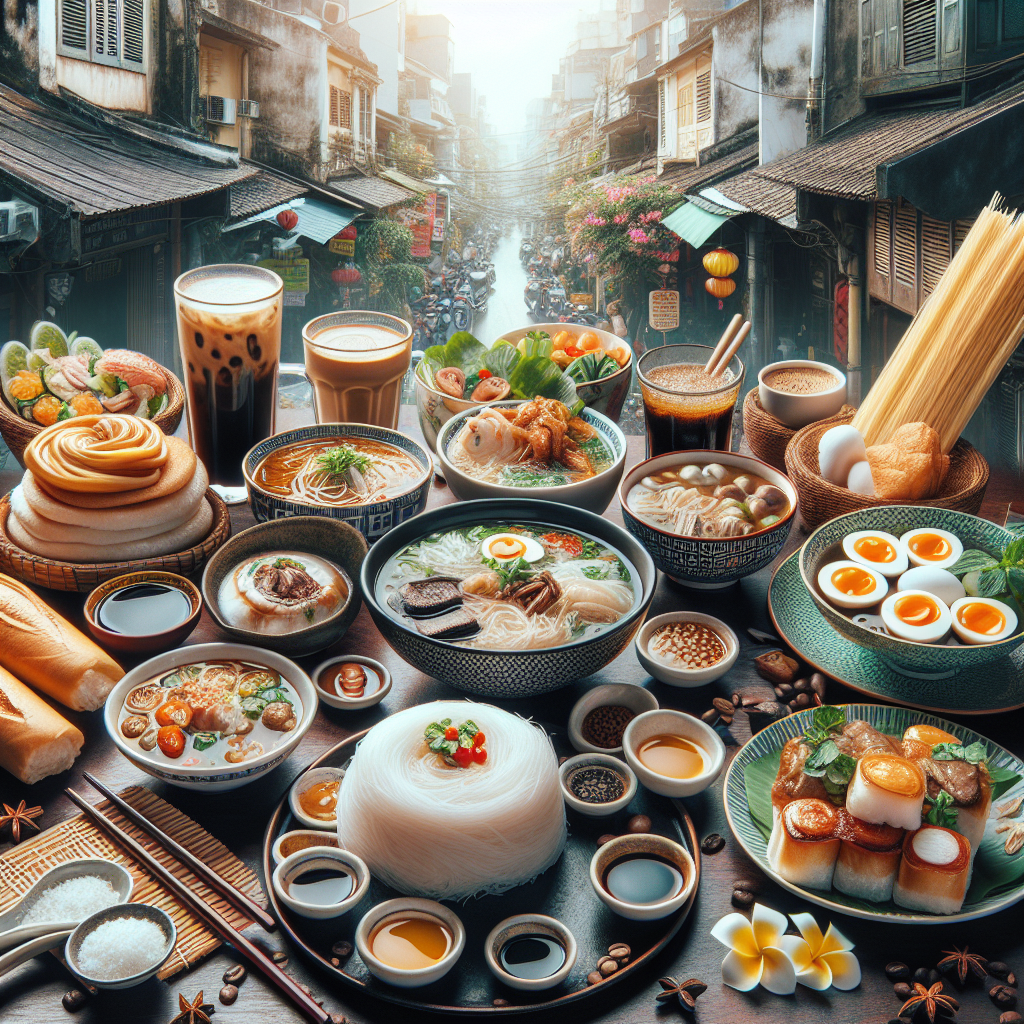
The best food to eat in Vietnam is found on plastic stools and curbside grills, not in restaurants. This is one of the most exciting food countries on earth, and the heart of it sits over smoky charcoal grills and at market stalls that open before sunrise. What makes Vietnamese cooking special is balance: every dish is a conversation between sweet and sour, hot and cool, soft and crunchy, with fish sauce and lime tying it all together. This is what to eat in Vietnam, region by region.
The best meal I ate in Hanoi cost about two dollars and came from a woman who has cooked one dish, bun cha, on the same corner for thirty years. Grilled pork patties still smoking from the charcoal, a bowl of sweet-sour fish-sauce broth, a tangle of cold rice noodles and herbs to dunk through it. That’s the thing about the best food to eat in Vietnam. It’s rarely in a restaurant. It’s on the curb, made by someone who has perfected exactly one thing.
This guide covers the noodle bowls, the street food, the rice plates, and the coffee, with what to order, what it costs, and how the food shifts from Hanoi to Hue to Saigon. Vietnam is one of nine countries in our guide to the best food in Asia.
Why Vietnamese food is worth the trip
Vietnamese food is worth a trip because it’s the lightest, freshest, most balanced cuisine in Southeast Asia, and it changes completely as you move down the country. Where other cuisines lean on heat or fat, Vietnamese cooking builds layers of flavor and texture on a foundation of freshness: fish sauce meets lime, herbs cut through fatty pork, pickles slice through rich broths. A simple bowl of noodles tastes entirely different in Hanoi, Hue, and Saigon.
That regional split is the key to eating well here. The North (Hanoi) is subtle, restrained, and Chinese-influenced, with clear broths and minimal garnish. The Center (Hue, Hoi An) is bold and spicy, historically the imperial kitchen. The South (Saigon, the Mekong) is sweeter, brighter, piled with herbs. Got a week? Taste one signature dish from each region.
Iconic Vietnamese noodle dishes you must try
Noodles are the backbone of Vietnamese cooking and the best lens on its regional diversity. The same rice flour becomes clear northern broths, robust spicy soups in the center, and herb-laden southern bowls. Hunting for a good bowl? Look for clear aromatic broth, noodles cooked to order rather than sitting in water, and a steady flow of locals. A busy stall at 7 AM full of office workers and motorbike drivers is the surest sign.
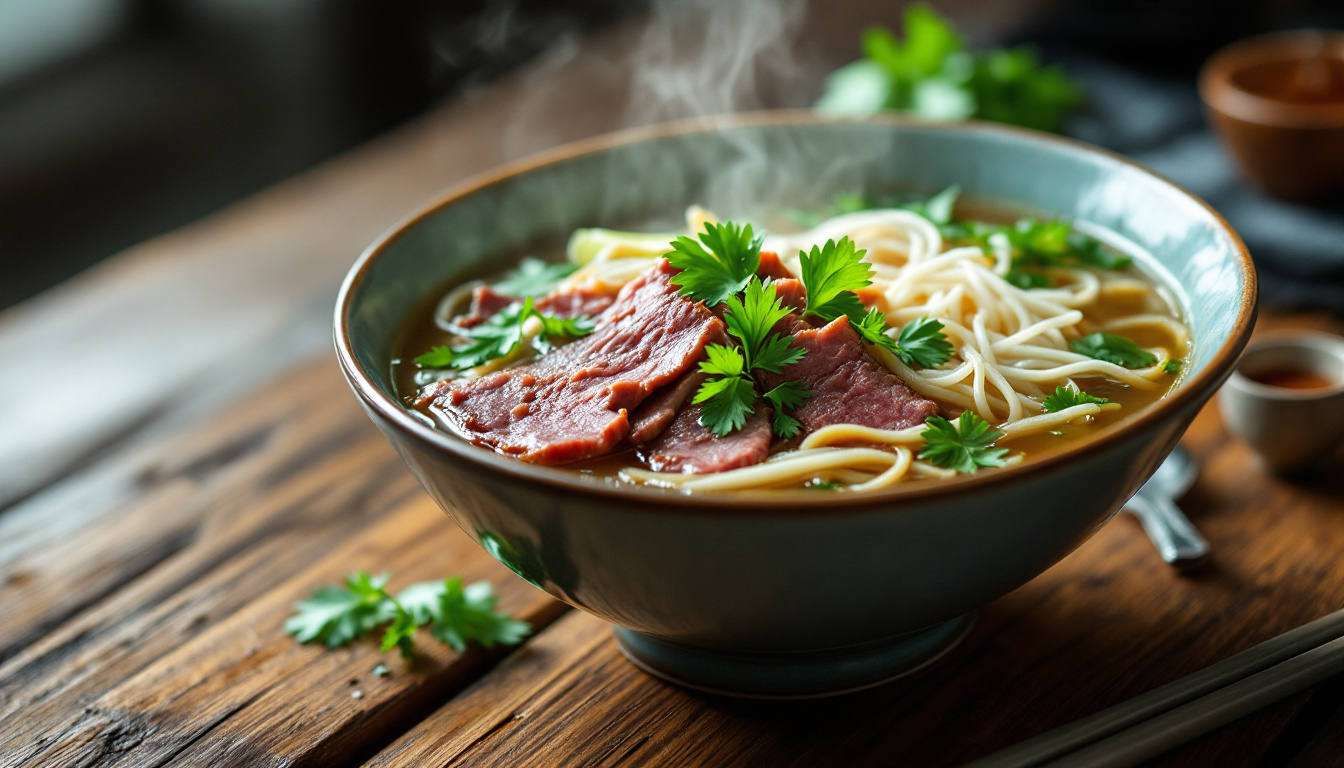
Pho Pho bo / Pho ga
A rice noodle soup with a clear broth, beef (pho bo) or chicken (pho ga), flavored with charred onion, ginger, star anise, cinnamon, and clove. The gap between a touristy bowl and a life-changing one is enormous, and it lives entirely in the broth. In Hanoi the broth is clean and savory with minimal garnish; in Saigon it’s sweeter and comes with a mountain of basil, sawtooth herb, bean sprouts, and lime.
Eat it for breakfast, ideally before 9 AM when the broth is at its peak. Order your cut: tai (rare beef), chin (well-done brisket), or gau (fatty flank). Look for a steaming pot and stacks of bones behind the counter.
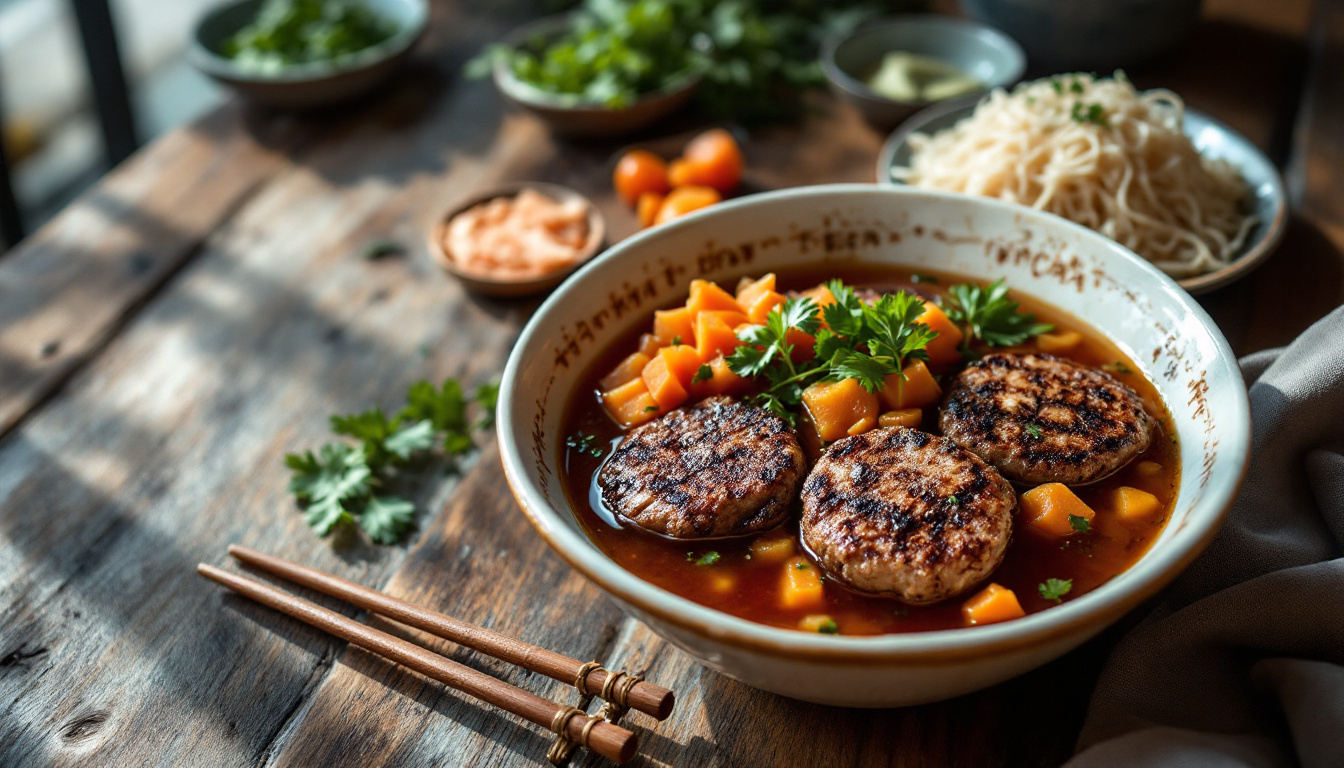
Bun Cha Bun cha
Hanoi’s greatest lunch and, for many travelers, the best thing they eat in Vietnam. Charcoal-grilled pork patties and pork belly served in a bowl of warm, sweet-sour fish-sauce broth with pickled green papaya, alongside a plate of cold rice vermicelli and a basket of fresh herbs. You dunk the noodles and herbs through the smoky broth bite by bite.
It’s a midday dish, cooked over street-side grills that fill the alley with smoke from late morning. The Obama-Bourdain meal at Bun Cha Huong Lien made it globally famous, but almost any busy Hanoi bun cha stall does it well, around 40,000 to 60,000 dong.
Bun Bo Hue Bun bo Hue
If pho is the elegant diplomat of Vietnamese noodles, bun bo Hue is its fiery rebel cousin. From the former imperial capital, it combines beef and pork bones, lemongrass, fermented shrimp paste, and chili oil into a deep, aromatic broth, with thicker round noodles that give more chew. Toppings run from beef shank and pork hock to Vietnamese ham and, for the adventurous, cubes of congealed blood.
The balance is everything: lemongrass-aromatic, gently spicy, umami from the shrimp paste. Best for breakfast or early lunch. Ask for “it cay” (less chili) if you’re sensitive, then add more at the table.
Cao Lau Cao lau
Hoi An’s signature, and a dish you genuinely cannot eat anywhere else. The thick, chewy noodles are traditionally made with water from specific ancient wells and lye ash, giving a texture found nowhere else in Vietnam. Served nearly dry, topped with slices of barbecued pork, crispy rice crackers, fresh herbs, and just enough sauce to coat.
Eat it in the evening in Hoi An’s old town. The combination of chewy noodle, crunchy cracker, and cool herb is the whole point, around 40,000 to 60,000 dong.
- Mi Quang. Flat turmeric-yellow noodles from Da Nang in a shallow, intensely flavored broth, topped with pork, shrimp, peanuts, and a rice cracker.
- Bun thit nuong. A southern bowl of cold vermicelli with sweet-savory grilled pork, herbs, pickles, peanuts, and fish sauce poured over.
- Hu tieu. A southern and Mekong noodle soup, often pork-and-seafood, served dry or in broth, with Chinese-Cambodian roots.
- Bun ca. Fish noodle soups that vary city to city along the coast, light and sour.
- Bun rieu. A tangy tomato-and-freshwater-crab noodle soup topped with crab paste, tofu, and fried shallots, one of Hanoi’s great market lunches.
Street food and snacks: eating Vietnam one bite at a time
Vietnamese street food is where the country’s soul lives. The most memorable flavors come from alleyways, curbside grills, and mobile carts, and the smart way to eat is to graze: a banh mi here, a plate of banh cuon there, grilled skewers at night. Vietnam sits firmly in the global street-food top tier, alongside the cities in our best street food cities ranking.
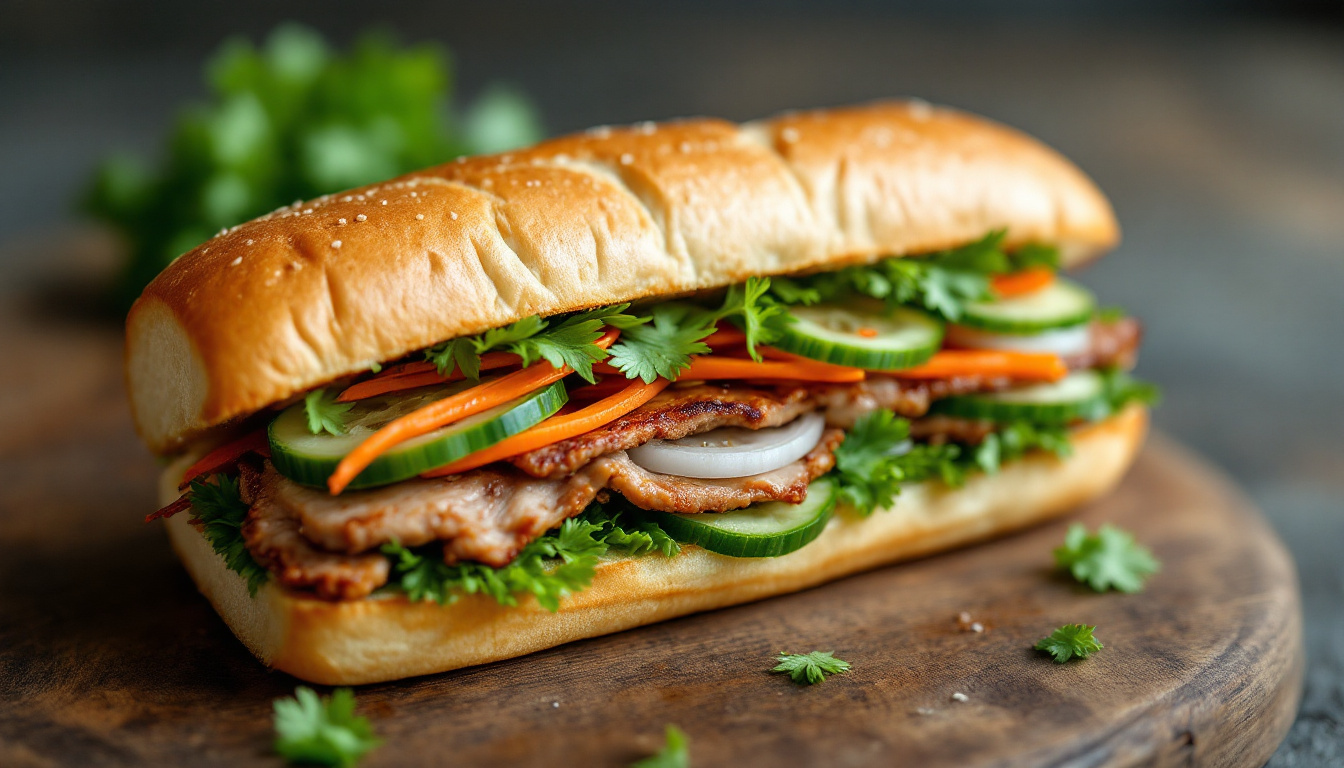
Banh Mi Banh mi
The most delicious legacy of French colonialism. The bread is lighter and airier than a French baguette and shatters into flakes when you bite. Inside: creamy pate, cold cuts or grilled meat, pickled carrot and daikon, cucumber, cilantro, and a punchy chili sauce or mayonnaise. It’s the French baguette reborn as a tropical street sandwich, a thread you can follow back in our France food guide.
Northern fillings are simpler, southern ones bolder and saucier. Look for a stall with high turnover and locally baked bread, crisp crust, soft interior. Around 20,000 to 40,000 dong.
Goi Cuon Goi cuon / fresh spring rolls
Rice paper wrapped around shrimp, sliced pork, rice vermicelli, lettuce, and herbs, served with a thick savory peanut sauce or a light fish-sauce dip. Cool, clean, refreshing, it’s the perfect foil to the southern heat and the fried, grilled foods around it. One of the great Vietnamese national dishes and an easy entry point for nervous eaters.
Around 30,000 to 50,000 dong for a plate. Not to be confused with cha gio, the deep-fried version that is just as good in a different direction.
Beyond the headliners, these street bites deserve a dedicated stop:
- Banh xeo. A big, crackling turmeric-and-coconut rice crepe stuffed with pork, shrimp, and bean sprouts, torn into lettuce with herbs and dunked in fish sauce. The batter crackles loudly when it hits the hot pan, which is what the name means.
- Banh cuon. Silky steamed rice sheets rolled around minced pork and wood-ear mushroom, topped with fried shallots and served with a mild fish-sauce dip. The quiet star of northern breakfasts.
- Cha ca. Hanoi’s famous turmeric-and-dill fish, marinated catfish grilled and finished in a sizzling pan at the table with mountains of dill and spring onion. Cha Ca La Vong has served it since the 1870s.
- Banh trang nuong. Grilled rice paper with egg, dried shrimp, sausage, and sauces, often called Vietnamese pizza, a Da Lat street snack gone nationwide.
- Xoi. Sticky rice in sweet or savory forms, topped with mung bean, fried shallot, chicken, or Chinese sausage, the great Vietnamese breakfast on the go.
- Bo la lot. Minced beef seasoned with lemongrass, garlic and shallot, rolled inside aromatic wild-betel (la lot) leaves and grilled over charcoal until the leaves char and perfume the meat. You tuck the little parcels into rice paper with herbs and vermicelli and dip them in fish sauce, a smoky southern favourite eaten with cold beer.
Rice and family-style dishes: everyday Vietnamese meals
Beyond noodles and snacks, the real backbone of how Vietnam eats is rice and shared family-style dishes: a braise, a stir-fry, blanched greens, a light soup, all anchored by a pot of rice. This is the food locals eat day to day, in neighborhood canteens (com binh dan) where you point at dishes behind glass.
Com Tam Com tam / broken rice
Broken rice that began as a poor farmer’s dish using the fractured grains, now a beloved Saigon comfort plate. Topped with a smoky grilled pork chop (suon nuong), shredded pork skin, a steamed egg-and-pork meatloaf (cha trung), pickles, and a sweet-salty fish-sauce dressing. The magic is in the contrasts: caramelized meat, soft rice, sharp pickle.
Eaten for breakfast or lunch, around 40,000 to 70,000 dong. Look for real charcoal grilling and meat that is caramelized, not burnt.
- Ca kho to. Fish caramelized in a clay pot with fish sauce, sugar, and aromatics until sticky and deeply savory. The ultimate rice-pushing dish.
- Thit kho trung. Pork belly and boiled eggs braised slowly in a coconut-water sauce, the comforting centerpiece of a home table and of Tet.
- Rau muong xao toi. Stir-fried morning glory with garlic over high heat, ubiquitous and proof that simple greens can be irresistible.
- Canh chua. A southern sweet-and-sour soup with tamarind, pineapple, tomato, and fish, bright and cooling against the heat.
Coffee, desserts and drinks: ending the Vietnamese way
Vietnam is the world’s second-largest coffee producer, and its cafe culture is one of the great pleasures of a trip. Sweets here are fluid rather than a formal course, often built on tropical fruit, coconut, and rice. For where Vietnamese coffee sits globally, see our best coffee around the world guide.
Ca Phe Sua Da and Egg Coffee Ca phe sua da / Ca phe trung
Ca phe sua da is the king: dark-roast coffee dripped slowly through a metal phin filter onto sweetened condensed milk, then poured over ice. Watching the drip is part of the ritual. In Hanoi, seek out ca phe trung, egg coffee, where whipped egg yolk and sugar form a thick custard foam over strong coffee. It tastes like a warm, boozy tiramisu without the booze.
Do a mini coffee crawl in each city: a street-side phin, a modern specialty cafe, and one creative drink like coconut or yogurt coffee. Around 20,000 to 45,000 dong.
- Che. A whole universe of sweet soups and puddings, hot or cold, built from mung beans, tapioca, jelly, coconut milk, and fruit, layering chewy, creamy, and crunchy in one bowl.
- Banh flan. The Vietnamese take on creme caramel, often served over crushed ice with a shot of coffee, the perfect cooler after a spicy meal.
- Nuoc mia. Fresh sugarcane juice pressed to order from whole stalks with a squeeze of kumquat, naturally sweet but light.
- Chanh muoi. Salted preserved-lime lemonade, salty-sour-sweet all at once, a southern favorite alongside fried and grilled food.
Best food cities in Vietnam
Subtle, restrained northern cooking and the birthplace of pho. This is the city for bun cha, cha ca, banh cuon, and egg coffee, eaten on plastic stools in the Old Quarter. Our full Hanoi food guide maps the Old Quarter stall by stall.
Hue was the imperial capital, and its cooking is the boldest and most refined in Vietnam: bun bo Hue, com hen (baby clam rice), and a tradition of tiny royal-court dishes. An hour south, Hoi An owns cao lau, white rose dumplings, and banh mi widely called the country’s best at Banh Mi Phuong.
Sweeter, brighter, herb-piled southern food at full volume. Com tam, southern pho, banh xeo, hu tieu, and the country’s most energetic street-food scene, especially after dark around District 1 and District 4. This is where Vietnam eats loudest.
Da Nang for mi Quang and beachside seafood; the Mekong Delta for the freshest produce in the country, fruit orchards, floating markets, and clay-pot fish straight from the river.
Best food to eat in Vietnam: the dish guide with prices
| Dish | Type | Region | Price (dong / USD) | Must-Try |
|---|---|---|---|---|
| Pho bo | Noodle soup | Hanoi / nationwide | 50–70k / $2–3 | ★★★★★ |
| Bun cha | Grilled pork / noodles | Hanoi | 40–60k / $1.60–2.40 | ★★★★★ |
| Bun bo Hue | Noodle soup | Hue | 50–70k / $2–3 | ★★★★★ |
| Cao lau | Noodles | Hoi An | 40–60k / $1.60–2.40 | ★★★★★ |
| Banh mi | Sandwich | Nationwide | 20–40k / $1–2 | ★★★★★ |
| Goi cuon | Fresh rolls | South | 30–50k / $1.20–2 | ★★★★☆ |
| Banh xeo | Crispy crepe | South / Central | 40–70k / $1.60–2.80 | ★★★★★ |
| Cha ca | Grilled fish | Hanoi | 120–200k / $5–8 | ★★★★☆ |
| Bo la lot | Grilled betel-leaf beef | South | 50–90k / $2–3.60 | ★★★★☆ |
| Com tam | Broken rice | Saigon | 40–70k / $1.60–2.80 | ★★★★★ |
| Mi Quang | Noodles | Da Nang | 40–60k / $1.60–2.40 | ★★★★☆ |
| Ca kho to | Clay-pot fish | Nationwide | 60–120k / $2.40–5 | ★★★★☆ |
| Ca phe sua da | Coffee | Nationwide | 20–45k / $1–2 | ★★★★★ |
| Egg coffee | Coffee | Hanoi | 30–50k / $1.20–2 | ★★★★★ |
Eating tips, safety and etiquette
- Eat by the clock. Noodle soups (pho, bun bo Hue) are breakfast; rice plates are lunch; street grilling and snacks are evening. The best version of a dish appears at its proper hour.
- Follow the focused stalls. A stall that sells one or two dishes has usually perfected them over years. A crowd of locals at an odd hour is the best signal there is.
- Specify sweetness and ice on drinks: “it ngot” (less sweet), “it da” (less ice). Vendors default to very sweet.
- For spice, say “it cay” (less chili) and add more at the table after tasting.
- Vegetarians: look for “quan chay” (Buddhist vegetarian restaurants), and learn “khong nuoc mam” (no fish sauce) and “an chay” (I eat vegetarian), since fish sauce hides in many vegetable dishes.
For dining customs across other countries, see our guide to food etiquette around the world. Vietnam is also one of the best-value food countries anywhere, in the company of our cheapest cities for food.
Frequently asked questions about Vietnamese food
What is the national dish of Vietnam?
Pho is the dish most associated with Vietnam, but banh mi and goi cuon (fresh spring rolls) are also considered national dishes. Each region has its own signature too: bun cha in Hanoi, bun bo Hue in the center, com tam in Saigon. If you eat one thing, make it a morning bowl of pho.
How much should I budget per day for food in Vietnam?
A realistic daily food budget is $15 to 30. At the low end you eat almost entirely at street stalls and casual spots, where most dishes cost $1 to 3. At the higher end you can add mid-range restaurants, specialty cafes, and the occasional splurge. Vietnam is one of the best food values on earth.
Can I eat street food with a sensitive stomach?
Yes, with caution. Start with cooked-to-order dishes like pho, grilled meats, and fresh spring rolls where you can see each step. Add raw herbs and salads gradually as your body adjusts, drink sealed or hot drinks, and choose busy stalls with high turnover. Many sensitive eaters do fine following these rules.
What is the best time of year to visit Vietnam for food?
Vietnam is a year-round food destination, but timing depends on region. The North is best October to April, when cool weather makes hot soups shine. Central Vietnam is best February to August, avoiding heavy rains. The South is warm year-round, with the December-to-April dry season most comfortable for street-food exploring.
What is the difference between northern and southern Vietnamese food?
Northern food (Hanoi) is subtle, restrained, and Chinese-influenced, with clear broths and minimal garnish. Southern food (Saigon, the Mekong) is sweeter, brighter, and piled with fresh herbs, sprouts, and sugar. Central food (Hue, Hoi An) is the boldest and spiciest, rooted in the old imperial court.
Is bun cha the same as pho?
No. Pho is a noodle soup with a hot broth poured over rice noodles and beef or chicken. Bun cha is a Hanoi lunch dish of charcoal-grilled pork served with cold rice vermicelli, herbs, and a separate bowl of warm dipping broth that you dunk the noodles through. Both use rice noodles, but they are completely different experiences.
Is Vietnamese food good for vegetarians?
It can be, especially at Buddhist “quan chay” restaurants that recreate classic dishes with tofu and mushrooms. The challenge is fish sauce, which appears in most broths and dressings. Learn to say “an chay” (I eat vegetarian) and “khong nuoc mam” (no fish sauce), and stick to clearly meat-free dishes when unsure.
More food guides waiting for you
Browse our complete collection of Asian food guides.