Best Food to Eat in South Korea: Korean Dishes Every Visitor Should Order
Planning a culinary trip to South Korea and wondering what to eat beyond basic bibimbap and Korean BBQ? This in‑depth guide walks you through essential dishes, how to order them like a local, and which versions are truly worth your appetite.
As a food blogger obsessed with Korean cuisine, I’ll show you not only the classics, but also when, where and how to enjoy them for the best possible flavor experience. From sizzling street food in Seoul to comforting stews in Busan, here is your practical roadmap to eating like a pro in South Korea.
🎯 Why Korean Food Belongs on Every Traveler’s Bucket List
South Korea is one of the few countries (for other, check Best Food in Asia guide) where you can eat incredibly well at almost any price point. From a 2,000 won street snack to a multi‑course hanjeongsik feast, the focus is always on bold flavors, texture contrast and seasonality. For visitors, this means that your food choices will shape how you experience the country: late‑night tteokbokki at a pojangmacha tent feels completely different from a quiet temple‑style vegetarian meal in the mountains.
Korean cuisine is also unusually interactive. You grill your own meat at the table, mix sauces to your taste, wrap bites in crisp lettuce and share bubbling stews from one pot. For many travelers this is both exciting and intimidating: the menu is often in Korean, portions are meant for sharing, and there are unwritten rules about what to order together. Learning a few key dishes and how they fit into the local eating culture will make your meals smoother, cheaper and far more memorable.
From an SEO and planning perspective, the most searched phrases around Korean food are not only “best Korean dishes” but also “how spicy is Korean food” and “what to order at Korean BBQ”. That’s why this guide is structured to answer those questions directly. We’ll move dish by dish, explain what’s in it, how spicy it really is, when Koreans typically eat it and what to look for when choosing a restaurant or street stall. Use it as a checklist you can literally open on your phone while walking around Seoul or Busan (check our Seoul food guide)
Spice Level Decoded
Understand which dishes are mild, medium or truly fiery so you can order confidently without unpleasant surprises.
Street vs. Restaurant
Learn which Korean foods taste best from street vendors and which are worth sitting down for in a specialty spot.
How to Read Menus
Key Korean names, portion sizes and set‑menu tips that will save you money and help you avoid ordering duplicates.
“In South Korea, every neighborhood has its own signature flavors. The more you understand the dishes, the more you’ll taste the country’s personality in every bowl.”
🎯 Korean BBQ & Bibimbap: Essential Dishes Every Visitor Must Try
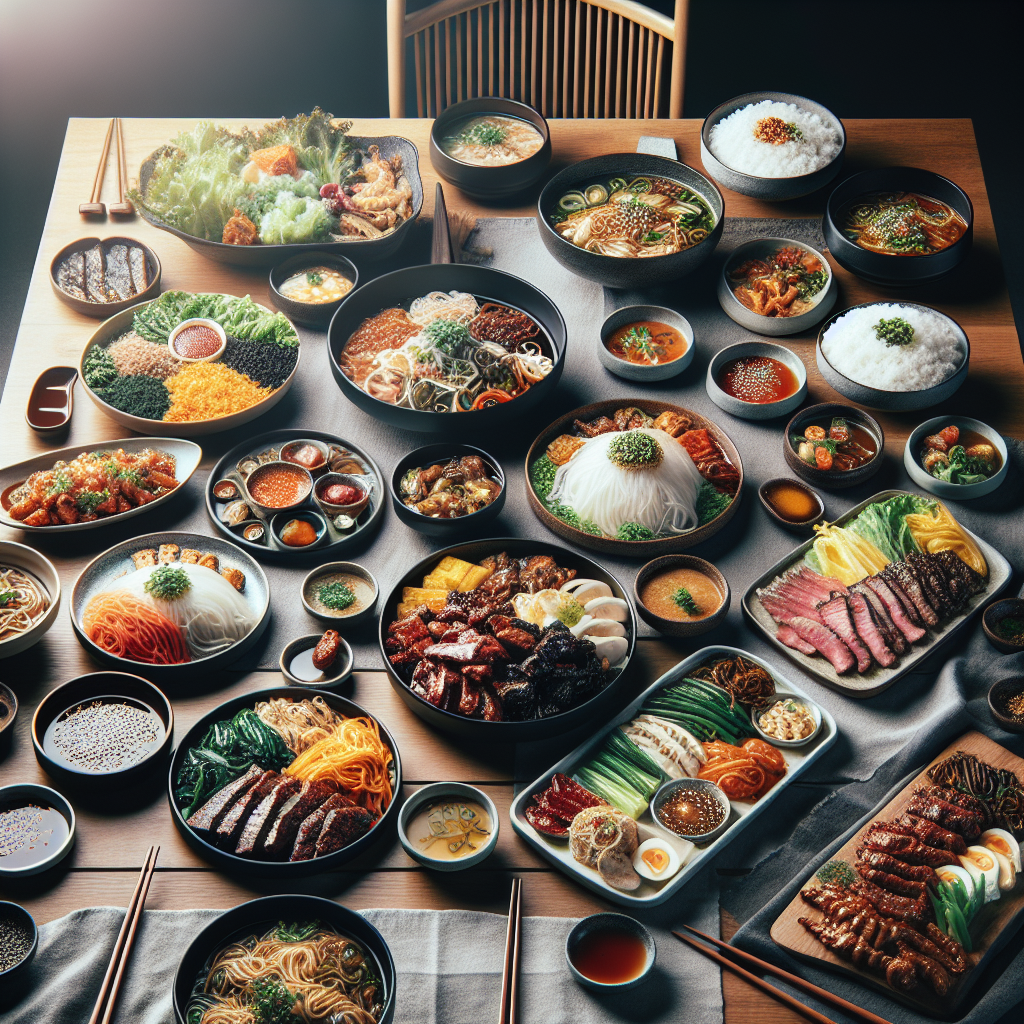
If you only have a few meals in South Korea, Korean BBQ and bibimbap should be at the top of your list. These two dishes showcase the heart of Korean dining culture: sharing, balance and layering flavors at the table. They also appear in almost every city and town, which makes them reliable choices when you’re overwhelmed by unfamiliar restaurant signs.
Korean BBQ, or gogi‑gui, is less a single dish and more an experience. You sit around a grill built into the table, cook thin slices of marinated or unmarinated meat, and wrap them with sauces and fresh vegetables. Bibimbap, by contrast, is a beautifully composed rice bowl topped with vegetables, egg and sometimes meat, which you vigorously mix with gochujang before eating. Both are endlessly customizable, which is why they’re perfect for mixed groups with different spice tolerance and dietary needs.
To help you choose between them on a given day, and to optimize your order for flavor and budget, use the comparison below. Many travelers underestimate how filling Korean BBQ can be or assume bibimbap is always a “light” option. The reality is more nuanced and depends heavily on style and side dishes (banchan).
| Dish | Best For | Spice Level | Typical Price (per person) | Must‑Order Add‑Ons |
|---|---|---|---|---|
| Korean BBQ (Samgyeopsal, Galbi) | Group dinners, evenings, social drinking | From mild (salted) to medium‑spicy (marinated) | ₩15,000–₩35,000 depending on meat quality | Lettuce wraps, kimchi, grilled garlic, cold beer or soju |
| Bibimbap (Jeonju, Dolsot) | Solo meals, quick lunches, train‑station food | Adjustable via gochujang; base is mild | ₩7,000–₩12,000 in most casual restaurants | Extra fried egg, small soup, kimchi, perilla leaves if available |
Samgyeopsal & Galbi – How to Order Korean BBQ Like a Local
Samgyeopsal (thick slices of pork belly) and galbi (marinated beef short ribs) are the two most popular choices for Korean BBQ. Restaurants usually require a minimum of two portions of meat, and one portion is rarely enough for a hungry adult. When you sit down, the server will bring an array of banchan, along with lettuce, ssamjang (a savory dipping paste) and raw garlic. Don’t be shy about asking for refills; they are almost always free and unlimited.
To eat BBQ the Korean way, grill the meat until nicely browned but still juicy, then cut it into bite‑size pieces with the scissors provided. Place a piece of meat on a lettuce leaf, add a small dab of ssamjang, a slice of garlic and a bit of kimchi, then fold it into a compact wrap (ssam) and eat it in one bite. Alternating these wraps with plain rice and pickles keeps the meal balanced and prevents palate fatigue from the rich meat.
For visitors who don’t drink alcohol, don’t worry: you can still fully enjoy BBQ. However, if you do drink, pairing samgyeopsal with soju or makgeolli is considered classic. The key for first‑timers is to pace yourself. Korean BBQ is a marathon, not a sprint, and the combination of grilled fat, salt and alcohol can be intense if you eat too quickly.
Bibimbap – The Perfect One‑Bowl Introduction to Korean Flavors
Bibimbap literally means “mixed rice” and is one of the most forgiving dishes for travelers. A typical bowl includes white rice, sautéed vegetables (spinach, bean sprouts, mushrooms, carrots), kimchi, a fried or raw egg, and sometimes minced beef or other protein. On the side you’ll receive a small bowl of soup and a squeeze bottle or spoonful of gochujang. The crucial step is to mix everything thoroughly before taking the first bite; this ensures that every spoonful has the right balance of sauce, textures and temperatures.
There are regional variations worth seeking out. Jeonju bibimbap is considered the gold standard, with more elaborate toppings and sesame oil for extra aroma. Dolsot bibimbap is served in a sizzling stone pot that crisps the rice at the bottom, adding a delicious crunchy layer called nurungji. When you hear the rice sizzling, let it sit for a minute before mixing to maximize that crust.
If you’re sensitive to spice, start by adding only a small amount of gochujang and taste before adding more. You can always increase the heat, but you can’t take it away. For vegetarians, bibimbap is one of the easiest dishes to adapt – simply request gogi bbaego juseyo (without meat, please) and check that the kimchi served is not made with fish sauce if that’s a concern for you.
🎯 Must‑Try Korean Street Food: From Tteokbokki to Hotteok
No guide to the best food in South Korea is complete without a deep dive into street food. Night markets in Seoul, Busan and Daegu are where you’ll discover the country’s most addictive snacks at surprisingly low prices. Street food is also a smart way to sample a wide range of flavors in one evening, especially if you’re short on time. Instead of committing to a single restaurant meal, you can graze on skewers, dumplings and sweets as you walk.
Street vendors specialize in speed and repetition, which means the best stalls often serve only two or three items but execute them perfectly. Hygiene standards in major cities are generally high, but you should still follow common‑sense rules: pick stalls with a steady line of locals, high turnover and food that’s cooked to order or kept hot. Don’t be afraid to point at what you want; most vendors are used to tourists and will show you portion sizes with gestures.
Below are the core street foods every visitor should try at least once. They’re inexpensive, filling and offer a great introduction to the sweet‑spicy profile that defines much of modern Korean snacking culture.
Tteokbokki – Spicy Rice Cakes with Serious Addictive Power
Tteokbokki is arguably the queen of Korean street food. Cylindrical rice cakes simmer in a thick, bright‑red gochujang sauce, often alongside fish cakes, boiled eggs and green onions. The texture is chewy and bouncy, and the sauce ranges from gently warming to sweat‑inducing depending on the stall. In Seoul’s popular food streets, many vendors now offer variations such as cream tteokbokki, cheese‑topped versions or black soy sauce styles for those who can’t handle heat.
When ordering, you can usually indicate your preferred spice level with simple English words like “little spicy” or “very spicy,” accompanied by hand gestures. For the classic experience, pair tteokbokki with a cup of odeng (fish cake soup), which is often available for free or a very small fee. The hot, clear broth helps cut through the richness of the sauce and keeps you warm on chilly evenings.
Because tteokbokki is made primarily from rice and sauce, it’s naturally gluten‑free, though some sauces may contain soy sauce or wheat‑based thickeners. If you have strict dietary needs, it’s safer to enjoy tteokbokki at a sit‑down snack bar where you can ask more detailed questions, rather than at a rushed night‑market stall.
Hotteok, Gimbap & More – The Street Food Shortlist
Hotteok is a sweet, filled pancake that becomes a nightly obsession for many visitors. Yeast dough is stuffed with brown sugar, cinnamon and nuts, then pressed on a griddle until the outside is crisp and the inside is molten. Some modern stalls offer savory versions with cheese or vegetables, but the traditional sugar‑filled hotteok is still the most satisfying on a cold night. Be careful with the first bite – the syrup inside can be dangerously hot.
Another essential is gimbap, often described as “Korean sushi,” though the flavor profile is quite different. Rice, vegetables, egg and sometimes ham or tuna are rolled in seaweed and sliced into bite‑size pieces. Classic street‑style gimbap is portable, cheap and less fish‑focused than Japanese sushi (also check our article Best Food to Eat in Japan), making it a fantastic on‑the‑go breakfast or train snack. For a more indulgent option, look for mayak gimbap in markets – tiny, highly seasoned rolls nicknamed “drug gimbap” because they’re so addictive.
Don’t skip simpler snacks either. Tornado potatoes, skewered sausages, and stuffed eomuk (fish cakes) showcase the playful, modern side of Korean street food. Many stalls offer combo plates, allowing you to sample two or three items on one tray. This is ideal if you’re traveling in a pair and want to taste broadly without overeating at a single stop.
- Tteokbokki – chewy rice cakes in spicy gochujang sauce.
- Odeng/Eomuk – skewered fish cakes served in hot broth.
- Hotteok – crispy pancakes with molten sugar‑nut filling.
- Gimbap – seaweed rice rolls, perfect for on‑the‑go meals.
- Soondae – blood sausage, often served with salt and chili.
🎯 Warming Korean Soups & Stews: Comfort in a Bubbling Pot
Korean cuisine shines when it comes to soups (guk) and stews (jjigae). These dishes are the backbone of everyday home cooking and office‑worker lunches, and they’re also one of the best values for visitors. A single bubbling pot served with rice and banchan can cost less than a coffee and pastry in many Western cities, yet keep you satisfied for hours. Even in summer, Koreans happily eat steaming hot soups, believing that sweating helps regulate body temperature.
For travelers, soups and stews are especially useful because they fit almost every scenario: solo dining, quick meals, rainy days and late‑night hunger. They also tend to be easier to order, since many small shops specialize in just one or two types. Look for places with fogged‑up windows and big metal pots near the entrance – a good sign that the broth has been simmering for hours.
Below are the core stews and soups you should seek out, along with pros and cons that will help you match each dish to your mood, budget and spice tolerance. Understanding the nuances between them is one of the fastest ways to eat like a local rather than defaulting to tourist‑oriented menus.
- Budget‑friendly yet filling one‑pot meals.
- Perfect for solo travelers; no need for shared dishes.
- Regional variations offer endless discovery.
- Often open early and late, ideal for flexible schedules.
- Spice levels can be higher than expected.
- Menu photos may be limited in smaller shops.
- Some broths contain hidden seafood or meat for vegetarians.
- Portions are large; you may not have room for other dishes.
Kimchi Jjigae & Sundubu Jjigae – Spicy Stews with Serious Depth
Kimchi jjigae is the quintessential Korean comfort stew, built around aged kimchi, pork or tuna, tofu and a rich, tangy broth. It’s robust, slightly sour and deeply warming, especially when eaten with a spoonful of rice. Sundubu jjigae, on the other hand, uses soft, unpressed tofu in a vibrant red broth often studded with clams, vegetables and an egg cracked in at the table. Both arrive at your table violently bubbling in a stone pot, which is part of the sensory thrill.
Spice levels for these stews vary, but they generally run medium to high. If you’re concerned, you can ask for “less spicy” or say an maewge hae juseyo. Keep in mind that the perceived heat softens after a few bites as your palate adjusts and the stew cools. Pairing each spoonful with plain rice is not just traditional – it’s also the best way to manage spice and appreciate the complexity of the broth.
From a nutritional perspective, both dishes are protein‑rich and relatively low in empty calories, especially if you go easy on the rice refills. They’re excellent choices after long walking days when your body craves salt and warmth. For vegetarians, tofu‑heavy versions exist, but you’ll need to confirm that the base stock is not made with anchovies or beef bones, which are common in traditional recipes.
Samgyetang, Seolleongtang & Other Soothing Soups
Not all iconic Korean soups are fiery. Samgyetang is a whole young chicken stuffed with glutinous rice, jujubes, garlic and ginseng, simmered in a clear, restorative broth. Koreans traditionally eat it in the hottest days of summer as a form of “fighting heat with heat,” but visitors can enjoy it year‑round. The flavor is mild, herbal and comforting, making it ideal if you’re jet‑lagged or recovering from a travel cold.
Seolleongtang is another must‑try: a milky‑white soup made from long‑simmered beef bones, served with thin slices of beef and noodles or rice. The broth itself is intentionally under‑seasoned; you customize each bowl with salt, pepper, chopped scallions and sometimes kimchi juice. This interactive seasoning ritual is part of the fun and allows you to tailor the flavor to your exact preference.
Other regional specialties include haejangguk (hangover soup), which varies from city to city but typically features a rich, spicy broth with cabbage and beef. Even if you’re not hungover, it’s a satisfying way to start the day after a late night of BBQ. For sensitive stomachs, seolleongtang and samgyetang are your safest bets – both are gentle yet deeply nourishing.
🎯 Beyond BBQ: Noodle, Rice & Snack Dishes You Shouldn’t Miss
Once you’ve checked off BBQ, bibimbap and a few stews, it’s time to explore the noodle and rice dishes that Koreans actually eat on busy weekdays. These meals are fast, satisfying and often overlooked by tourists focused only on “Instagrammable” foods. Yet dishes like japchae, naengmyeon and jjajangmyeon reveal an everyday side of Korean culinary life that’s just as fascinating as high‑end tasting menus.
From a practical standpoint, these dishes are also ideal for solo travelers or anyone on a tighter budget. Many come as individual plates or bowls, require no grilling or sharing, and are widely available near subway stations and office districts. Because they’re so common, quality can vary, so it helps to know what a good version should look and taste like before you sit down.
The checklist below highlights the core noodle and rice dishes every visitor should aim to try at least once. Use it as a planning tool when you’re browsing menus or deciding where to eat next.
Japchae, Naengmyeon & Jjajangmyeon – Three Everyday Favorites
Japchae is a stir‑fried dish of glass noodles made from sweet potato starch, mixed with vegetables, egg and sometimes beef. The texture is pleasantly chewy, and the seasoning balances soy sauce, sesame oil and a hint of sweetness. Japchae appears both as a side dish at celebrations and as a main dish in casual eateries. For travelers who want something flavorful but not spicy, japchae is a reliable choice that still feels distinctly Korean.
Naengmyeon, by contrast, is all about cold refreshment. Buckwheat or arrowroot noodles are served in an icy beef or dongchimi (radish water kimchi) broth, topped with sliced cucumber, pear, egg and sometimes beef. You’ll receive a bottle of vinegar and mustard on the side; adding small amounts and tasting as you go is key. Naengmyeon is especially popular in summer and after BBQ, as the cold, tangy broth cuts through the heaviness of grilled meat.
Jjajangmyeon is a Chinese‑Korean fusion dish that has become a national comfort food. Wheat noodles are coated in a thick, black bean sauce with diced pork and vegetables, often served with pickled radish. It’s rich, savory and not spicy at all, making it a hit with kids and spice‑shy travelers. If you see locals slurping huge bowls of dark noodles at lunch, you’ve probably found a jjajangmyeon joint worth trying.
Kimbap, Tteokguk & Other Rice‑Based Comforts
While gimbap is often sold as street food, it also appears in countless small “kimbap heaven” chains that function as Korean diners. Here you can order not only rolls but also simple rice dishes like kimchi fried rice, tuna mayo rice bowls and tteokguk – a soup made with sliced rice cakes traditionally eaten at Lunar New Year. These places are incredibly useful for travelers because menus usually have photos, English subtitles and consistent quality across branches.
Kimchi fried rice (kimchi bokkeumbap) is another must‑try. Leftover rice is stir‑fried with aged kimchi, vegetables and sometimes spam or bacon, then topped with a fried egg. It’s smoky, tangy and deeply satisfying, especially when you break the yolk and let it coat the grains. Many small pubs and BBQ restaurants offer kimchi fried rice as a final dish to soak up remaining sauce and alcohol.
For those curious about traditional holiday foods, tteokguk is worth seeking out beyond New Year’s. The sliced rice cakes have a soft, chewy texture similar to tteokbokki but float in a clear, beefy broth topped with egg and seaweed. Koreans say that eating tteokguk adds one year to your age, which makes it a fun symbolic dish to try during your trip.
- Try at least one cold noodle dish (naengmyeon) and one stir‑fried noodle (japchae).
- Use noodle dishes for quick lunches between sightseeing stops.
- Look for busy Chinese‑Korean restaurants to taste authentic jjajangmyeon.
- Visit a kimbap chain once to understand modern Korean fast food culture.
🎯 Practical Tips: How to Order, Eat & Enjoy Korean Food Like a Local
Knowing which dishes to order is only half the battle; the other half is understanding how Korean meals are structured and what’s considered polite at the table. This knowledge will not only make you more comfortable but also earn you subtle appreciation from restaurant staff and local friends. Fortunately, the basic rules are easy to grasp and apply across most dining situations.
First, remember that many Korean dishes are designed for sharing. If a menu item ends with -tang, -jjigae or -gui, there’s a good chance it’s meant for two or more people, even if the price seems low. Single‑serving dishes often come in individual bowls or are clearly labeled as “one portion.” When in doubt, ask the server or simply point at the menu and raise two fingers to indicate how many people you are.
Second, banchan (side dishes) are communal and refillable. Treat them as shared flavor accents rather than individual appetizers. It’s perfectly acceptable to ask for more of a side dish you love by pointing at the empty plate and saying deo juseyo (more, please). Just avoid wasting large amounts of untouched banchan, which is considered inconsiderate.
Key Korean Food Words That Will Save You Time
Learning a few Korean food terms dramatically improves your menu‑reading skills. Words like maeun (spicy), gogi (meat), saengseon (fish) and chaesu (vegetarian/veggie) appear frequently. Recognizing dish endings such as -bap (rice‑based), -guk (soup), -jjigae (stew) and -jeon (pancake) also helps you quickly categorize what you’re about to order.
Most restaurants in major cities now have at least one English menu or photo menu, but smaller neighborhood spots may not. In those cases, it’s perfectly fine to step inside, quickly scan what other guests are eating and order by pointing. Koreans are used to this from domestic tourists as well, so you won’t stand out as much as you might think.
For dietary restrictions, be direct and simple. Phrases like “no pork,” “no seafood” or “no meat” combined with pointing at specific items usually work better than long explanations. If your restrictions are strict, it’s worth researching a few vegetarian or halal‑friendly restaurants in advance, as traditional Korean cooking leans heavily on fermented seafood and meat broths.
Etiquette, Payment & Timing: Small Details That Improve Your Meals
At the table, basic etiquette is straightforward: wait for the oldest person to start eating, use communal spoons or chopsticks when available, and avoid sticking chopsticks upright in your rice (this resembles funeral offerings). Slurping noodles is acceptable, and sharing food is the norm, so don’t be surprised if locals offer you a taste of their dish when you’re dining together.
Payment usually happens at the counter near the exit rather than at the table. When you’re finished, simply stand up, bring your receipt (if provided) to the cashier and pay. Splitting bills is common among friends, but some older‑style restaurants may prefer one person to pay and settle the details outside. Cash and cards are widely accepted, though small street stalls may be cash‑only.
In terms of timing, lunch rush typically runs from 12:00 to 13:30, and popular spots can have lines out the door. If you want a more relaxed experience, aim for slightly off‑peak hours: 11:00–11:30 for early lunch or 13:30–14:00 for late lunch. Many BBQ and stew restaurants stay open late, making them ideal for post‑sightseeing dinners.
deo juseyo (more, please), maewji anke (not spicy), gogi bbaego (without meat)
Street food after 18:00, BBQ after 19:00, soups for early lunches and late nights
No tipping expected; pay at the counter on your way out
Ready to Taste Korea?
Use this guide as your personal checklist on the streets of Seoul, Busan or Jeju. Pick one BBQ, one stew, a few street snacks and at least one noodle dish – that combination will give you a surprisingly complete picture of modern Korean cuisine.
🎯 FAQ: Common Questions About Eating in South Korea
Is Korean food always very spicy?
No. While many famous dishes use chili paste or powder, there are plenty of mild options such as samgyetang, seolleongtang, japchae, jjajangmyeon and many types of gimbap. Even spicy dishes can often be toned down on request.
Can vegetarians eat well in South Korea?
It’s possible but requires more planning. Temple cuisine restaurants, bibimbap without meat, vegetable gimbap and some tofu stews are good options. The main challenge is that fish sauce and anchovy stock are common in broths and kimchi, so always ask if this is a concern.
How much should I budget per meal?
For street food, ₩5,000–₩10,000 is enough for a satisfying snack meal. Casual restaurant dishes like bibimbap or soups run ₩7,000–₩12,000, while Korean BBQ typically costs ₩15,000–₩35,000 per person depending on meat quality and drinks.
Chinese and Korean cuisines have exchanged influences for centuries — dishes like jajangmyeon originated in China’s Shandong province. For the full story of China’s eight great cuisines, see our guide to Chinese food.