What Food to Eat in Italy? A First-Timer’s Guide to Authentic Italian Dishes
Planning your first trip to Italy and wondering what you absolutely need to eat? Italian cuisine is far more diverse than pizza and spaghetti. Each region has its own specialties, cooking traditions and ingredients that locals guard with almost religious devotion. If you want to eat like an Italian rather than a rushed tourist, you need a bit of strategy on what to order and where.
In this guide, written from the perspective of a food-obsessed traveler, we will walk through the essential dishes to try in Italy, region by region and course by course. You will learn how to read menus, what to avoid in tourist traps, and how to recognize truly authentic plates. From Roman carbonara without cream to Neapolitan pizza baked in a blistering hot oven, this article is your roadmap to eating well from breakfast to late-night gelato.
We will also look at practical tips: how to order like a local, when to sit down versus grab a quick bite, and why a sharp kitchen knife and good cookware at home can help you recreate those Italian flavors after your trip. By the end you will know exactly what food to eat in Italy on your first visit, and how to make every meal part of the journey.
🎯 How to Eat Like a Local in Italy: The Basics
Before you dive into plates of pasta and slices of pizza, it is helpful to understand how Italians structure their meals. Unlike many countries where a main course dominates, an Italian meal is built from several smaller courses that can be combined or skipped depending on your hunger and occasion. Knowing the order of antipasto, primo, secondo and dolce will help you navigate menus confidently and avoid ordering either too much or too little.
In most traditional trattorie you will see a clear division between courses. Antipasti are starters, often based on cured meats, cheese, or vegetables. Primi are usually pasta, risotto or soups, while secondi focus on protein: meat or fish. Side dishes, called contorni, are listed separately, so if you order a steak, do not be surprised if vegetables or potatoes are not automatically included. Finally, there is dolce (dessert), plus coffee and sometimes a small digestive liqueur.
For a first-timer, a smart strategy is to share antipasti, choose one primo or secondo per person, and then split a dessert. This keeps the meal balanced and lets you taste more dishes without wasting food. Remember that Italians eat later than many visitors: lunch usually starts around 13:00, and dinner rarely before 20:00. Outside these hours many kitchens close, so plan your sightseeing and snacking accordingly.
Typical Italian Meal Structure
- Antipasto – small starter, cold or warm
- Primo – pasta, risotto, gnocchi or soup
- Secondo – meat or fish, often without sides
- Contorno – vegetables, salad, potatoes
- Dolce & Caffè – dessert and espresso
“Italian food is not one cuisine but many regional traditions. The biggest mistake first-time visitors make is ordering the same dishes everywhere instead of exploring local specialties.”
Because this guide is focused on authenticity, we will highlight not only what to eat, but also where each dish tastes best. You will see that carbonara belongs in Rome, pesto in Liguria, and ragù alla bolognese in Bologna and Emilia-Romagna. Use this as a map for planning your food stops across the country, and you will experience Italy the way locals do: through its ingredients, history and regional pride.
🎯 Must-Try Italian Dishes for First-Time Visitors
When you arrive in Italy for the first time, it is tempting to order the most famous dishes you know from home. However, many of those versions are adapted to international tastes and have little to do with real Italian food. There is no such thing as “spaghetti bolognese” on a serious Italian menu, and fettuccine Alfredo is almost impossible to find outside tourist areas. Instead, focus on classic dishes that Italians actually eat and that showcase the local ingredients.
The list below is a curated selection of authentic dishes that are widely available and ideal for a first-timer. They represent different regions and styles, from street food to slow-cooked stews. You do not have to try them all on one trip, but if you use this as a checklist, you will build a solid foundation in Italian flavors. Think of it as your starter pack for understanding the country through its kitchens.
To make it easier, we will divide these essentials into categories: pasta, pizza, rice and grains, meat and fish, and of course desserts. In each category we will point out what makes the dish authentic, how it should taste, and what red flags to watch out for in low-quality restaurants. This way you can quickly spot the difference between a plate cooked for tourists and food prepared for locals.
Iconic Pasta Dishes You Should Not Miss
Spaghetti alla Carbonara (Rome)
Real Roman carbonara is creamy without cream. The sauce is made from egg yolks, Pecorino Romano cheese, guanciale (cured pork jowl) and black pepper. The heat of the pasta emulsifies the egg and cheese into a silky coating. If you see cream or bacon on the ingredient list, you are not getting the authentic version.
Tagliatelle al Ragù (Bologna)
Often misnamed abroad as “bolognese”, this dish uses fresh egg tagliatelle with a slow-cooked meat sauce. The ragù is based on finely chopped beef, pancetta, soffritto (onion, celery, carrot), tomato and a splash of wine and milk. It should be rich and meaty, not watery or overloaded with tomato.
Trofie al Pesto (Liguria)
In Genoa and along the Ligurian coast, twisted trofie pasta is traditionally served with basil pesto, green beans and potatoes. Authentic pesto is made with small-leaf basil, pine nuts, Parmigiano Reggiano and Pecorino, garlic and top-quality olive oil, ideally pounded in a marble mortar.
Cacio e Pepe (Rome)
A deceptively simple dish of pasta, Pecorino Romano and black pepper. When prepared correctly, the cheese and starchy pasta water create a glossy, peppery sauce. It is a great test of a kitchen’s skill, because there is nowhere to hide mistakes.
Pizza and Street Food Essentials
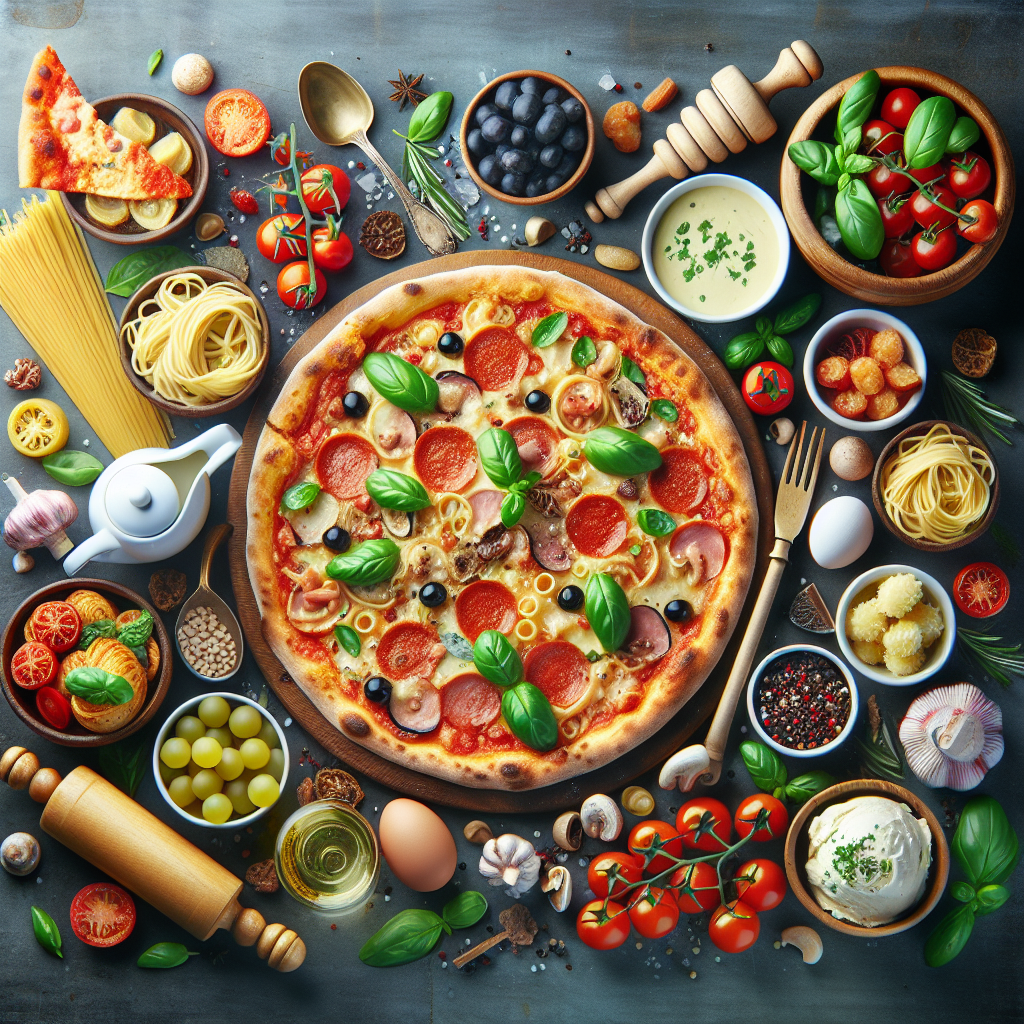
Pizza in Italy is not a single style. Neapolitan pizza is soft and puffy with a leopard-spotted crust, while Roman pizza can be thin and crispy or sold by the slice in rectangular trays. On your first trip, aim to try at least one sit-down pizzeria in Naples or Rome and one street-style option for a quick lunch. Both experiences reveal different sides of Italian food culture.
- Pizza Margherita (Naples) – The benchmark of Neapolitan pizza, topped with San Marzano tomatoes, mozzarella di bufala or fior di latte, fresh basil and olive oil. The center should be soft and almost soupy, with a cornicione (crust) that is airy and chewy.
- Pizza al Taglio (Rome) – Rectangular pizza sold by weight, cut with scissors. Try toppings like potato and rosemary, zucchini flowers with anchovies, or simple red pizza with tomato and oregano. It is perfect for a fast, satisfying snack between sights.
- Supplì (Rome) / Arancini (Sicily) – Fried rice balls filled with ragù and mozzarella (supplì) or various fillings (arancini). They are crunchy outside, creamy inside, and an essential piece of Italian street food culture.
Sweet Endings: Classic Italian Desserts
No guide to what food to eat in Italy would be complete without dessert. Italian sweets are often lighter than they look and built around simple ingredients like eggs, sugar, coffee and nuts. Many are regional, but some, like tiramisù and gelato, have conquered the entire country. On your first trip, focus on desserts that showcase traditional techniques rather than overly decorated tourist creations.
- Tiramisù – Layers of coffee-soaked ladyfingers, mascarpone cream, egg yolks and cocoa. Authentic versions use strong espresso and avoid whipped cream. In Venice and Treviso you will find especially proud interpretations.
- Gelato Artigianale – Artisanal gelato has a dense, silky texture and natural colors. Pistachio should be muted green or beige, not neon. Look for flavors like hazelnut, stracciatella and seasonal fruit, stored in covered metal tubs.
- Cannoli (Sicily) – Fried pastry tubes filled with sweet ricotta cream, sometimes with candied fruit or chocolate. For the best texture, the shell should be filled to order, staying crisp rather than soggy.
By prioritizing these dishes, you will quickly develop a sense of what authentic Italian cooking feels like: short ingredient lists, strong regional identity and a focus on texture and balance rather than heavy sauces. Use them as your compass when exploring menus, and you will rarely be disappointed.
🎯 Regional Italian Specialties You Should Travel For
One of the most exciting aspects of eating in Italy is how dramatically the cuisine changes as you move from region to region. The Alps in the north call for butter, polenta and hearty stews, while the south celebrates olive oil, tomatoes and seafood. If you only order the same pasta and pizza everywhere, you will miss the deeper story of Italian food. Instead, let each stop on your itinerary guide what you eat.
For first-time visitors, it is useful to focus on a few key regions that are both popular tourist destinations and culinary powerhouses: Lazio (Rome), Campania (Naples and Amalfi Coast), Tuscany, Emilia-Romagna and the northwestern regions like Lombardy and Piedmont. Each of these areas has iconic dishes that locals are proud of and that rarely taste as good outside their home territory.
Below you will find a comparison table that highlights some of the most important regional specialties. Use it as a quick reference when planning your route or deciding where to stop for lunch on a road trip. When in doubt, ask the waiter what the kitchen does best that day – Italians love to talk about their regional food and will often steer you toward seasonal specialties you might not find in guidebooks.
| Region / City | Signature Dishes | Main Ingredients | Best for First-Timers |
|---|---|---|---|
| Lazio (Rome) | Carbonara, Cacio e Pepe, Amatriciana, Supplì | Pecorino, guanciale, black pepper, tomato | Classic pasta lovers, street food explorers |
| Campania (Naples) | Pizza Margherita, Fried pizza, Sfogliatella | San Marzano tomatoes, mozzarella, olive oil | Pizza enthusiasts, pastry fans |
| Emilia-Romagna (Bologna, Parma) | Tagliatelle al ragù, Tortellini, Prosciutto di Parma | Egg pasta, cured meats, Parmigiano Reggiano | Comfort food seekers, cheese lovers |
| Tuscany (Florence, Siena) | Bistecca alla Fiorentina, Ribollita, Pappa al pomodoro | Chianina beef, bread, beans, olive oil | Meat eaters, rustic countryside cuisine |
| Liguria (Genoa) | Trofie al pesto, Focaccia, Farinata | Basil, olive oil, chickpea flour | Vegetarians, light Mediterranean flavors |
| Sicily (Palermo, Catania) | Arancini, Cannoli, Pasta alla Norma | Eggplant, ricotta, citrus, seafood | Street food lovers, dessert explorers |
Central Italy: Rome and Beyond
Central Italy, especially Rome, is a paradise for pasta lovers. The city’s famous “quattro piatti” – carbonara, cacio e pepe, amatriciana and gricia – are all based on a few shared ingredients: Pecorino Romano, guanciale and black pepper. What changes is the presence or absence of tomato and the technique. On your first visit, try at least two of these in different trattorie to see how subtle variations in texture and seasoning make each plate unique.
Outside Rome, in Umbria and the countryside of Lazio, you will encounter more rustic dishes built around lentils, wild boar and truffles. If you rent an apartment and cook, local markets offer extraordinary cured meats and cheeses that can be turned into simple yet unforgettable dinners with good bread and wine. This is where having sharp knives and solid pans at home truly pays off when you later try to recreate those meals, and sites like ostry-sklep.pl can be a useful resource for upgrading your kitchen tools.
When eating in central Italy, do not rush through meals. Many trattorie are family-run and pride themselves on slow, generous cooking. Ask about daily specials (piatti del giorno), which often feature seasonal vegetables, offal dishes like trippa alla romana, or baked pastas that never appear on the printed menu but are beloved by regulars.
Northern Italy: Risotto, Polenta and Rich Sauces
In the north, wheat-based pasta shares the stage with rice and corn. Lombardy and Piedmont are famous for creamy risotti, often enriched with butter and cheese, and for polenta that can be served soft or grilled. Dishes like risotto alla milanese (with saffron) or brasato al Barolo (beef braised in Barolo wine) are ideal for cooler months and pair beautifully with the region’s robust red wines.
First-time visitors are often surprised by how different northern Italian food feels compared to the Mediterranean stereotype. Butter replaces olive oil in many recipes, and cured meats like bresaola and speck give a smoky, alpine character to antipasti. If your trip includes Milan, Bergamo or the lakes, look for menus that highlight local cheeses and risotto variations with mushrooms, seafood or even Amarone wine.
Because these dishes rely heavily on precise cooking times and textures, they can be harder to reproduce at home without good equipment and attention to detail. This is where learning from Italian technique – careful heat control, sharp slicing, patient stirring – becomes as important as the ingredient list itself.
🎯 How to Order Authentic Italian Food (and Avoid Tourist Traps)
Knowing what food to eat in Italy is only half the battle; the other half is understanding how to order it in a way that respects local customs and maximizes your chances of a memorable meal. Many first-time visitors fall into the same traps: choosing restaurants next to major monuments, sitting at empty places during peak hours, or ordering dishes that no Italian would touch in that season. With a few simple rules, you can drastically improve your dining experiences.
Start by observing the clientele. A good sign is a mix of locals and travelers, with Italians often sitting down later in the evening. Menus that change with the seasons and include daily specials are another positive indicator. On the other hand, aggressive hosts waving laminated menus on the street, or places that serve everything from sushi to burgers alongside “Italian classics”, are best avoided if your goal is authenticity.
When it comes to ordering, do not be shy about asking the waiter for advice. Italians are proud of their food culture and usually happy to explain which dishes are house specialties, which fish is freshest that day, or whether a particular plate is large enough to share. This dialogue turns a simple meal into a more personal experience and often leads to discoveries you would not make by just reading the menu.
✅ Signs of an Authentic Trattoria
- Short, seasonal menu with daily specials
- Italian language dominates the menu and conversations
- Simple interior, focus on food rather than décor
- Bread and coperto charge clearly indicated
- Wine list featuring local producers and house wine by the carafe
⚠️ Red Flags of a Tourist Trap
- Huge multilingual menu with photos of every dish
- Staff aggressively inviting you from the street
- “Menu turistico” with fixed price and generic dishes
- Pizza, pasta, burgers and sushi all in one place
- Pre-cooked food sitting in display trays all day
Practical Ordering Tips for First-Timers
Ordering like a local does not mean you have to speak perfect Italian, but learning a few key phrases helps. Knowing how to ask for the house specialty (cosa consiglia?), or to share a dish between two people, shows respect and often leads to better service. Remember that cappuccino is typically a breakfast drink; after lunch or dinner Italians switch to espresso. If you order cappuccino after a heavy meal, you may get a raised eyebrow, though most places in tourist areas will still serve it.
Another important point is portion control. Italian courses are designed to be combined, but that does not mean you must order antipasto, primo, secondo and dolce every time. A common approach for lunch is to share an antipasto and then each have a primo, while at dinner you might skip the starter and go for a primo plus secondo with shared contorni. Ask about portion sizes if you are unsure; some pasta dishes are generous enough to split.
Finally, embrace the local rhythm. Long lunches on Sundays, quick espresso breaks at the bar, and slow evening dinners are all part of Italian life. The more you adapt to this pace, the more natural your food experiences will feel, and the easier it becomes to spot places that cook for locals rather than rushing tourists in and out.
🎯 Bringing Italy Home: Recreating Authentic Dishes in Your Kitchen
Once you fall in love with Italian food on your first trip, the natural next step is trying to recreate those flavors at home. While you may not have access to the exact same tomatoes or cheeses, you can get surprisingly close by focusing on technique, good basic ingredients and the right tools. Cooking Italian food is less about complicated recipes and more about respecting the product and controlling heat and texture.
Start with dishes that rely on a few components, like cacio e pepe, simple tomato sauce or a classic risotto. These recipes teach you essential skills: creating emulsions with pasta water and cheese, balancing acidity and sweetness in a sauce, or developing creaminess in risotto without overcooking the rice. Once you understand these foundations, more complex dishes like ragù or ossobuco become much easier.
Having reliable kitchen equipment makes a huge difference. A heavy-bottomed pot for slow sauces, a wide pan for tossing pasta with its sauce, and a very sharp chef’s knife for precise chopping are not luxuries but necessities if you want to cook like an Italian nonna. Investing in quality knives from specialized stores such as ostry-sklep.pl can transform prep work from a chore into a pleasure and improve the texture of your ingredients.
Essential Tools for Italian Cooking
Sharp Chef’s Knife
For soffritto, herbs and precise meat trimming, a sharp knife is non-negotiable. It keeps vegetables from bruising and ensures even cooking, especially important in ragù and risotto.
Heavy Pot & Pasta Pot
A thick-bottomed pot prevents burning during long simmers, while a large pot with plenty of water lets pasta cook freely and release enough starch for perfect sauces.
Wide Sauté Pan
Finishing pasta in a wide pan with its sauce is a core Italian technique. The surface area helps emulsify liquids and coat each piece evenly.
Scale & Microplane
A kitchen scale ensures consistent results with flour and rice, while a microplane creates light clouds of Parmigiano that melt beautifully into sauces.
Home Cook’s Checklist for Authentic Flavor
- Use fewer ingredients, but buy the best quality you can afford.
- Salt pasta water generously – it should taste like the sea.
- Finish pasta in the pan with its sauce, never just pour sauce on top.
- Respect regional pairings: pesto with short pasta, ragù with tagliatelle.
- Do not overcomplicate – Italian food celebrates simplicity and balance.
By paying attention to these details and practicing a handful of key dishes, you can extend your Italian food journey far beyond your vacation. Each time you cook, you will remember a trattoria in Rome or a seaside lunch in Liguria, and your understanding of what food to eat in Italy will deepen with every plate you serve at home.
🇮🇹 Quick Summary: First-Timer’s Italian Food Roadmap
Focus on regional pasta (Rome, Bologna), pizza in Naples or Rome, and street food like supplì and arancini between museum visits.
Seek out grilled fish, seafood risotto and simple dishes with clams, mussels and local olive oil. Avoid heavy cream sauces on fish.
Try slow-cooked meats, stews, ribollita, polenta and dishes featuring beans, wild herbs and seasonal vegetables.
🎯 FAQ: Common Questions About Eating in Italy
A: Service is often included in the bill, and there may be a small cover charge called coperto. Tipping is not obligatory, but rounding up or leaving a few euros for good service is appreciated, especially in sit-down restaurants.
A: Yes, sharing antipasti and desserts is very common, and many places are relaxed about splitting pasta or pizza, especially at lunch. Just mention it when ordering so the kitchen can plate accordingly.
A: Lunch is typically between 13:00 and 14:30, while dinner starts around 20:00 and can go late. In tourist areas you may find earlier options, but the best local spots often follow traditional hours.
A: Absolutely. Many regional dishes are naturally vegetarian: pasta with tomato or pesto, vegetable-based soups, risotti, and a wide range of contorni. Just be sure to confirm whether broths or sauces include meat.
Ready to Taste Italy, One Dish at a Time?
Use this guide as your compass for what food to eat in Italy on your first trip, and do not be afraid to explore beyond the classics. The best meals often happen when you follow local advice, seasonal menus and your own curiosity.