The best food to eat in Turkey goes far beyond the doner kebab the world thinks it knows. This is one of the great cuisines on earth, sitting where Europe, the Middle East, and Central Asia meet: a two-hour breakfast spread, a dozen regional kebabs, dumplings under garlic yogurt, eggplant cooked a hundred ways, and a pistachio baklava that other countries can only envy.
My favorite Turkish meal was not a kebab at all. It was a breakfast (kahvalti) in Istanbul that took two hours and covered the whole table: olives, three cheeses, tomatoes and cucumber, honey with clotted cream, sucuk and eggs, warm simit, and endless tulip glasses of tea. Turkey treats food as hospitality taken to an art, and the best of it, from a balik ekmek fish sandwich on the Bosphorus to a clay-pot testi kebab cracked open at the table, is generous, regional, and astonishingly good value.
This guide covers the breakfast, the kebabs and grills, the street food, the meze, the dumplings, and the sweets, region by region, with what to order and what it costs. Turkey is part of our guide to the best food in Africa and the Middle East.
Why Turkish food is worth the trip
Turkish food is worth a trip because it is one of the world’s three or four great mother cuisines, drawing on Ottoman palace cooking, Central Asian nomad traditions, Mediterranean produce, and Middle Eastern spice. It is also deeply regional: the southeast (Gaziantep, Adana, Urfa) is the kebab and baklava heartland, the Aegean coast is olive-oil and vegetable country, the Black Sea runs on anchovies and corn, and Istanbul pulls it all together.
The other thing to understand is that Turkey is generous and cheap. Hospitality is a point of national pride, portions are large, and a magnificent meal, from a fish sandwich on the water to a full kebab feast, costs a fraction of what it would in Western Europe.
The Turkish breakfast: how to start the day like a local
Kahvalti Turkish breakfast
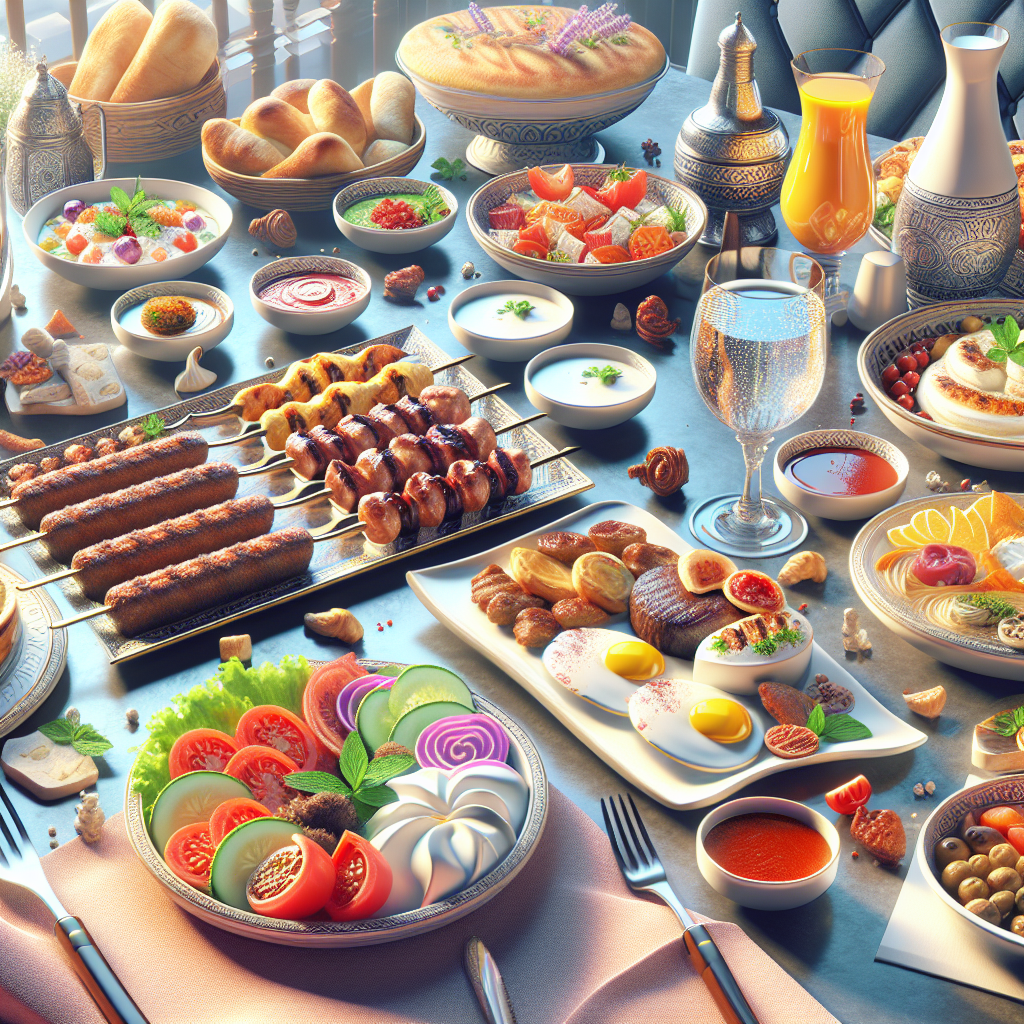
The Turkish breakfast is a spread, not a plate: white cheese and aged kasar, green and black olives, sliced tomato and cucumber, honey poured over kaymak (clotted cream), jams, sucuk (spiced sausage) and eggs, menemen (eggs scrambled with tomato and pepper), borek, and basket after basket of bread and simit, all washed down with endless tulip glasses of tea.
A serpme kahvalti (spread breakfast) for two runs ₺300 to 500 and easily replaces lunch. The Aegean village of Van is famous for the most elaborate kahvalti of all.
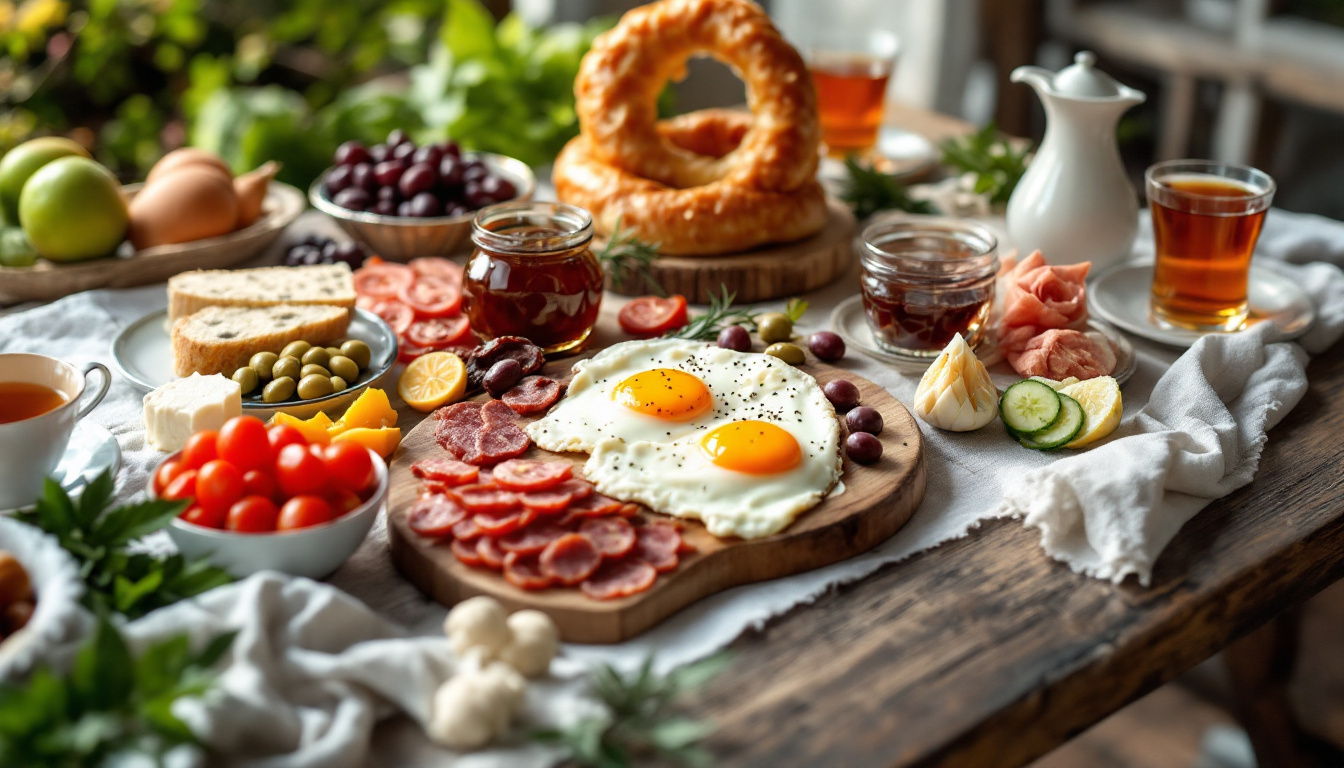
Two breakfast stars deserve their own mention: menemen, soft eggs scrambled with tomato, green pepper, and sometimes sucuk, scooped up with bread; and sucuklu yumurta, fried eggs with slices of the garlicky cured sausage.
Kebabs, kofte and grills: the savory icons
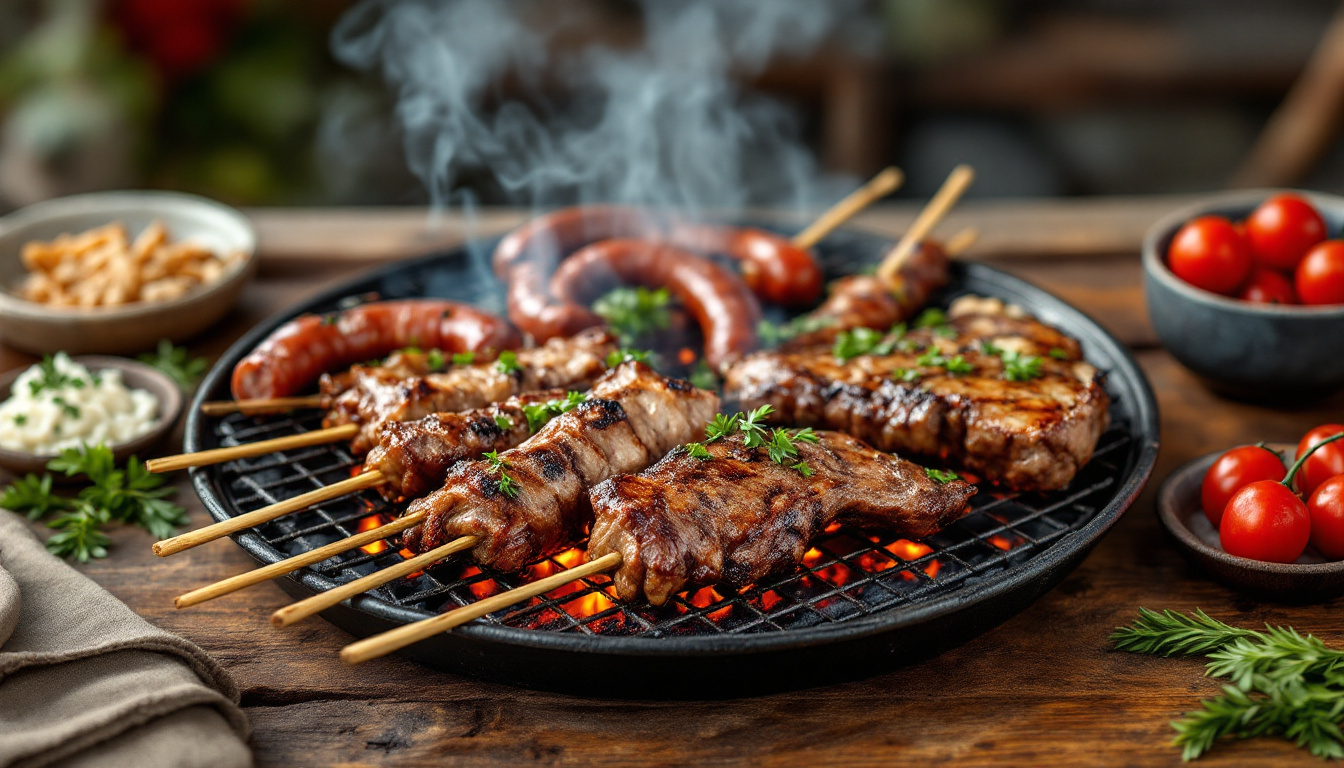
“Kebab” in Turkey is a whole universe, not one dish, with over 40 regional styles. The southeast around Gaziantep, Adana, and Urfa is the heartland.
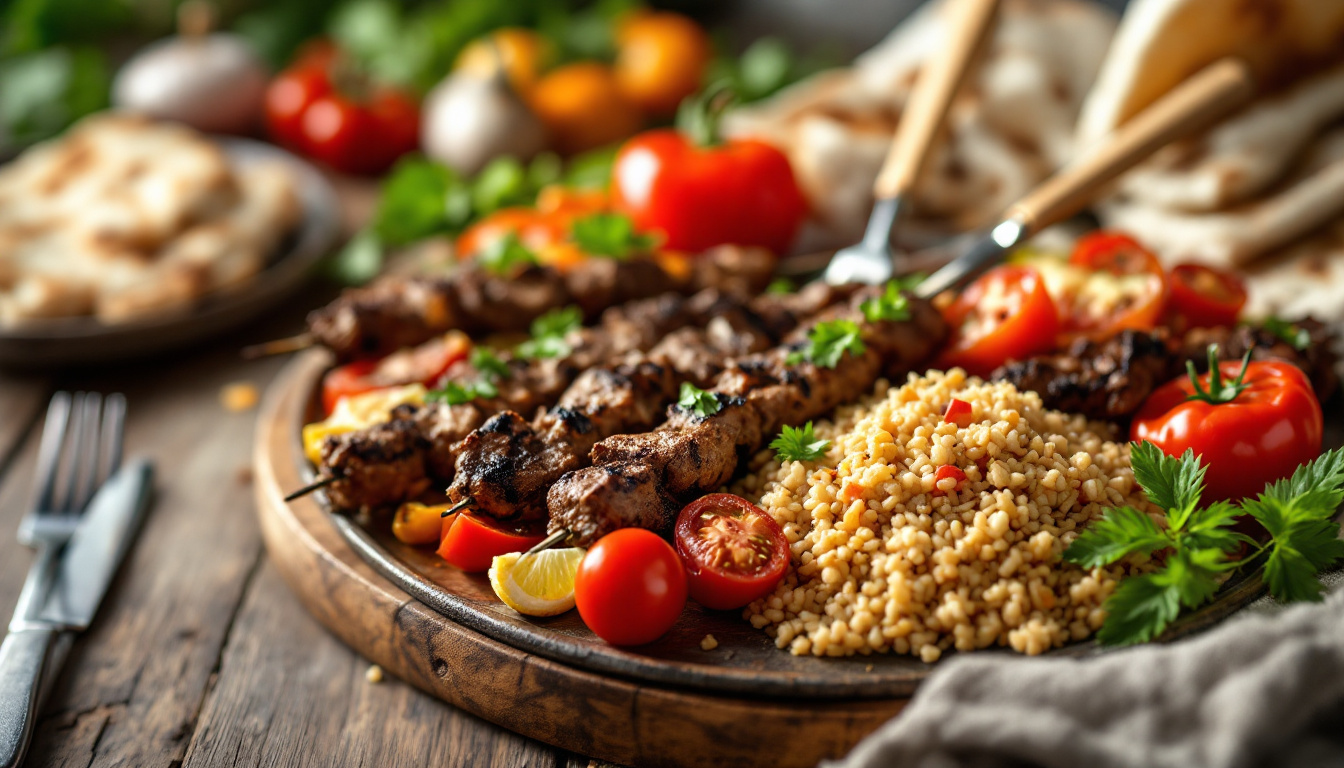
Adana and Urfa Kebab Adana / Urfa kebabi
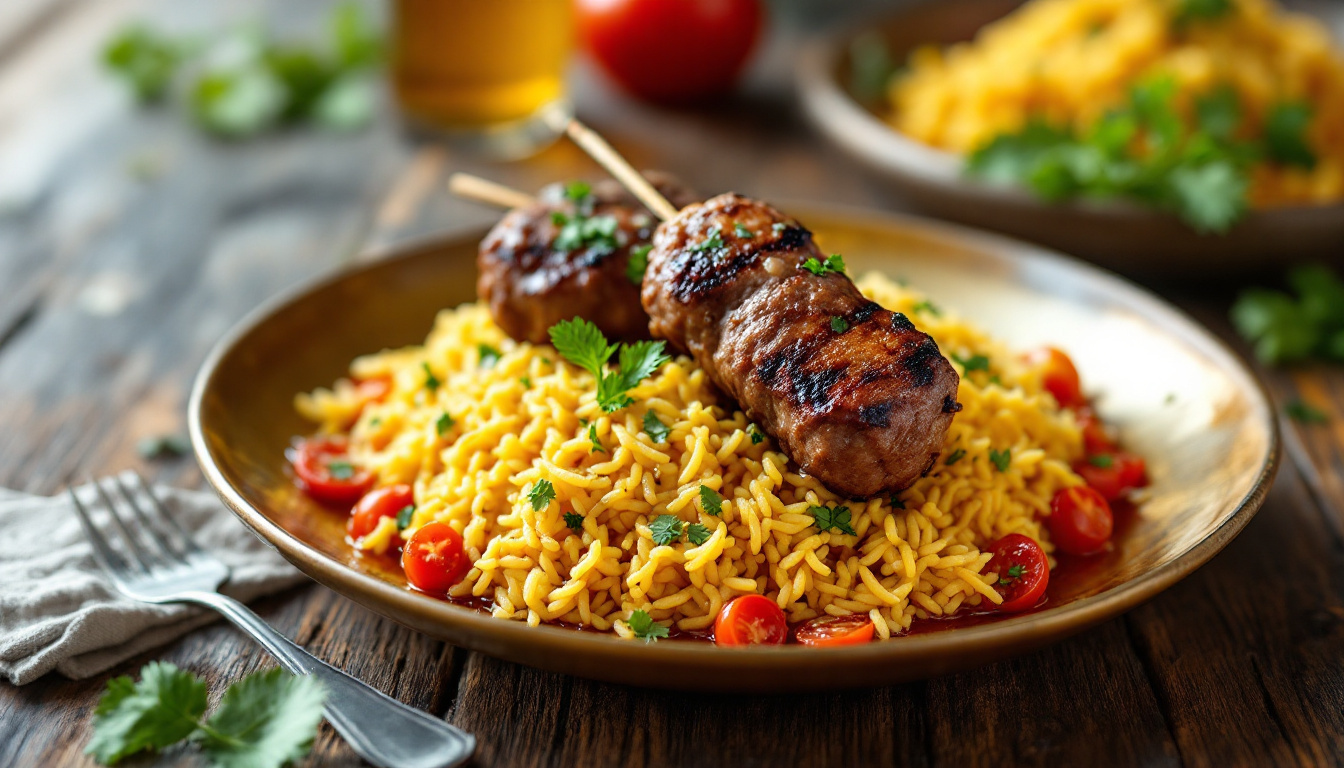
Hand-minced lamb pressed onto wide skewers and grilled over charcoal. Adana is fiery with red pepper; Urfa is its mild cousin. Served on flatbread that soaks up the juices, with grilled tomato and pepper, raw onion with sumac, and bulgur pilaf. The mince must be cut by hand with a zirh blade, never machine-ground.
₺180 to 350 with sides. Eat it where the southeastern (Gaziantep) families run the kitchen.
Iskender Kebab Iskender kebabi
Thin slices of doner laid over cubes of pide bread, blanketed in a spiced tomato sauce, drenched in sizzling melted butter poured at the table, and served with a dollop of thick yogurt and grilled tomato and pepper. Invented in Bursa in the 1860s by Iskender Efendi, whose descendants still run the original restaurant.
₺200 to 350. The butter poured over at the table is the theatrical, essential finish.
Sis Kebab and Doner Sis kebabi / Doner
Sis kebab is cubes of marinated lamb or chicken grilled on a skewer, the simplest and most universal Turkish kebab. Doner is meat stacked on a vertical spit, slow-roasted, and shaved thin, the dish that conquered the world as the German-Turkish doner and Greek gyros. In Turkey it is eaten in a durum wrap, on a plate with rice, or as the base of iskender.
₺100 to 300 depending on format. A durum doner from a busy street counter is one of the great cheap eats.
Testi Kebab Testi kebabi (pottery kebab)
A Cappadocian specialty: meat and vegetables slow-cooked in a sealed clay pot (testi) over fire, then the neck of the pot is dramatically cracked open at your table to release the steam and the stew inside. The slow seal cooking makes the meat meltingly tender.
₺250 to 450, often ordered ahead. The tableside crack is half the experience.
- Kofte. Turkish meatballs of minced lamb, onion, and spices, grilled (Izgara kofte) or in many regional forms; Tekirdag and Inegol kofte are the famous ones.
- Cig kofte. Once raw spiced bulgur-and-meat patties, now almost always the meatless (vegan) version, kneaded with pepper paste and wrapped in lettuce with lemon, a southeastern street snack.
Lahmacun, pide and street food
Lahmacun Lahmacun
A paper-thin round of dough spread with a layer of minced lamb, tomato, pepper, and parsley, baked fast in a hot oven until crisp at the edges. You squeeze over lemon, pile on parsley and onion, roll it up, and eat it by hand. Light, fast, and a fraction of the price of a kebab.
₺40 to 80 each. Two or three make a meal, with an ayran to drink.
Balik Ekmek Balik ekmek (fish sandwich)
A grilled fillet of mackerel or similar fish stuffed into half a loaf with raw onion, lettuce, and a squeeze of lemon, sold from boats and stalls around the Eminonu waterfront under the Galata Bridge. It is the definitive Istanbul street food, eaten standing by the Bosphorus with the ferries going past.
₺50 to 90. Add a glass of sharp pickle juice (turshu suyu) the way locals do.
- Pide. Boat-shaped flatbread baked with toppings of cheese, minced meat (kiymali), sucuk, or egg, the Turkish answer to pizza, sold at a pideci.
- Gozleme. Thin hand-rolled dough folded over spinach-and-feta, potato, or minced meat and cooked on a griddle (sac), the classic village and market snack made by women at the griddle.
- Simit. The sesame-crusted bread ring sold from red carts everywhere, Istanbul’s bagel, eaten with tea or cheese for breakfast.
- Borek and kumpir. Flaky layered pastry filled with cheese, spinach, or meat (su boregi is the soft, lasagna-like version); and kumpir, a giant baked potato loaded with a dozen toppings, the street food of Ortakoy.
- Kokorec. Seasoned lamb offal wound onto a spit, grilled over charcoal, then chopped fine with oregano, chili and tomato and stuffed into bread. It is the great late-night Turkish street food, the thing everyone eats after a night out, and it converts most of the skeptics who try it.
- Midye dolma. Black mussels stuffed with cinnamon-spiced rice, pine nuts and currants, sold from trays along the street and eaten with a squeeze of lemon. You are charged by the empty shells you stack up, and it is dangerously easy to lose count.
Meze, soups and vegetable dishes
A Turkish meal often begins with a table of meze, and the vegetable dishes (especially eggplant and olive-oil dishes, zeytinyagli) are some of the best in the Mediterranean.
- Imam bayildi. “The imam fainted,” an Ottoman dish of whole eggplant stuffed with onion, garlic, and tomato and braised in olive oil until silky, served at room temperature. One of the great vegetarian dishes anywhere.
- Dolma and sarma. Vegetables (peppers, eggplant) and vine leaves stuffed with herbed rice or rice-and-meat; the cold olive-oil versions are meze, the hot ones a main. The same stuffed-vine-leaf tradition runs across the border in Armenian cooking.
- Mercimek corbasi. The ubiquitous red lentil soup, smooth and comforting, served with lemon and bread at any hour, the universal cheap Turkish meal.
- Meze classics. Haydari (thick garlicky yogurt), ezme (spicy chopped salad), hummus, mucver (zucchini fritters), and kisir (tangy bulgur salad with pomegranate molasses), all eaten with bread and raki.
Manti and home cooking
Manti Manti (Turkish dumplings)
Tiny pasta pockets filled with spiced minced lamb or beef, boiled, and served smothered in cool garlicky yogurt, then finished with a drizzle of melted butter infused with red pepper and dried mint. Kayseri is the manti capital, where the dumplings are made so small that 40 are said to fit on one spoon.
₺120 to 220. The contrast of warm dumpling, cool yogurt, and spiced butter is the whole point. Turkey’s other great home dishes include hunkar begendi (lamb over smoked eggplant puree) and Circassian chicken (cerkez tavugu) in walnut sauce.
Desserts and Turkish delight
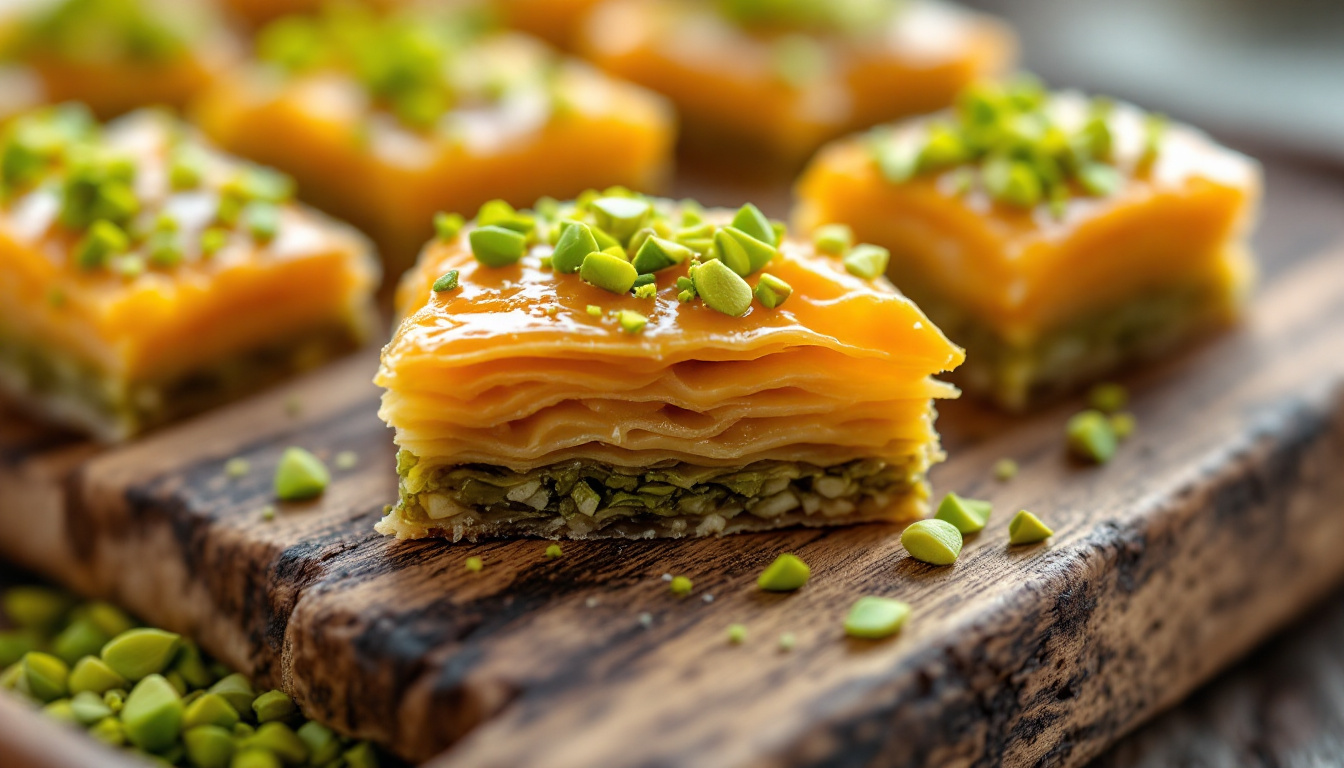
Baklava Baklava (Gaziantep)
Wafer-thin layers of filo brushed with butter, packed with Gaziantep’s prized green pistachios, baked and soaked in light sugar syrup, never honey in the Turkish version. The southeastern city of Gaziantep holds EU protected status for its baklava, and a piece of fistikli (pistachio) baklava there is a different food from the gluey imitations abroad.
₺30 to 60 a piece, sold by weight at a baklavaci with a glass of tea.
- Kunefe. Shredded kadayif pastry layered with stretchy unsalted cheese, baked crisp, soaked in syrup, and served hot with pistachio, the great southeastern hot dessert.
- Turkish delight (lokum). Soft rosewater, lemon, or pomegranate jellies dusted with sugar and studded with pistachio or walnut. Haci Bekir in Istanbul has made it since 1777.
- Dondurma. The famously thick, stretchy, chewy ice cream of Maras, made with salep (orchid flour) and mastic so it resists the spoon; vendors perform tricks handing it over.
- Sutlac and kazandibi. Baked rice pudding with a browned skin, and “bottom of the pot,” a caramelized milk pudding, the everyday Turkish sweets.
Tea, coffee, ayran and raki
- Cay (Turkish tea). Black tea brewed in a double pot and served strong in tulip-shaped glasses, drunk all day, every day. Refusing a glass is almost rude; it is the social glue of the country.
- Turkish coffee. Finely ground coffee simmered in a cezve and served unfiltered with the grounds settling at the bottom, a UNESCO-listed tradition, taken with a piece of lokum and read for fortunes afterward.
- Ayran. Salted, whipped yogurt drink, cold and savory, the standard partner to kebabs and lahmacun.
- Raki and salgam. The anise spirit that turns milky with water (“lion’s milk”), sipped slowly over a long meze meal; and salgam, the sharp fermented purple-carrot juice that accompanies it.
Best food cities in Turkey
The whole country on one table: balik ekmek by the Bosphorus, kumpir in Ortakoy, the meze-and-raki meyhanes of Beyoglu, the historic baklava and lokum houses, and the spice and fish markets. The single best eating city in the region.
A UNESCO City of Gastronomy and the true food capital of Turkey: the home of the best baklava, the deepest kebab tradition, and dishes like beyran soup and katmer (pistachio breakfast pastry). Worth a dedicated trip.
Bursa for iskender kebab at its source; Adana for fiery hand-minced kebab and the wider southeastern grill; Izmir and the Aegean for olive-oil vegetable dishes, fresh fish, and boyoz pastries.
Cappadocia for testi pottery kebab and slow-cooked stews; the Black Sea coast for hamsi (anchovies) cooked a dozen ways, corn bread, and the muhlama cheese-and-cornmeal fondue.
Best food to eat in Turkey: the dish guide with prices and ratings
| Dish | Type | Region | Price (₺) | Must-try |
|---|---|---|---|---|
| Kahvalti (breakfast) | Breakfast | Nationwide | ₺150–350 | ★★★★★ |
| Iskender kebab | Kebab | Bursa | ₺200–350 | ★★★★★ |
| Adana kebab | Kebab | Southeast | ₺180–350 | ★★★★★ |
| Doner | Kebab | Nationwide | ₺100–250 | ★★★★★ |
| Testi kebab | Kebab | Cappadocia | ₺250–450 | ★★★★☆ |
| Lahmacun | Street food | Nationwide | ₺40–80 | ★★★★★ |
| Pide | Flatbread | Nationwide | ₺90–180 | ★★★★☆ |
| Balik ekmek | Street food | Istanbul | ₺50–90 | ★★★★★ |
| Manti | Dumplings | Kayseri | ₺120–220 | ★★★★★ |
| Imam bayildi | Vegetable | Nationwide | ₺80–150 | ★★★★☆ |
| Mercimek corbasi | Soup | Nationwide | ₺40–80 | ★★★★☆ |
| Gozleme | Street food | Nationwide | ₺50–100 | ★★★★☆ |
| Kokorec | Street food | Nationwide | ₺120–250 | ★★★★☆ |
| Midye dolma | Street food | Istanbul / Izmir | ₺10–20 each | ★★★★☆ |
| Baklava | Dessert | Gaziantep | ₺30–60 | ★★★★★ |
| Kunefe | Dessert | Southeast | ₺60–120 | ★★★★★ |
| Turkish delight (lokum) | Dessert | Istanbul | ₺by weight | ★★★★☆ |
| Dondurma | Dessert | Maras | ₺40–80 | ★★★★☆ |
How to eat in Turkey like a savvy food tourist
- Never refuse tea. A glass of cay is offered everywhere as hospitality, including in shops; accepting it is the polite, friendly move.
- Breakfast is the event. Build a morning around a serpme kahvalti spread; it often beats lunch and dinner.
- Eat kebab in the southeast, fish on the coast. Match the dish to the region: the best kebab and baklava are in Gaziantep and Adana, the best fish in Istanbul and the Aegean.
- Meze is for sharing with raki. Order a spread of small plates for the table and sip raki slowly; it is a long, social meal, not a quick one.
- Tipping is light. Round up or leave about 5 to 10 percent at a sit-down restaurant; it is appreciated but not obligatory.
For dining customs across other countries, see our guide to food etiquette around the world.
How to eat well in Turkey on any budget
Prices here are 2026, in Turkish lira, which has been highly volatile: through 2026 it hovered around 46 lira to the US dollar, so treat the dollar figures as approximate and expect them to drift. Even so, Turkey’s street food and esnaf lokantasi (tradesmen’s canteens) keep eating cheap for visitors paying in dollars or euros.
Budget: street and lokanta
A simit and tea for breakfast, lahmacun or a durum doner for lunch (₺60 to 120), a balik ekmek or a bowl of lentil soup with bread for dinner. Turkey’s street food and esnaf lokantasi (tradesmen’s canteens) make eating well genuinely cheap.
Mid-range: ocakbasi and meyhane
A full kebab feast at an ocakbasi grill, or a long meze-and-raki dinner at a meyhane with a dozen small plates. The sweet spot for experiencing Turkish dining culture, still a bargain by European standards.
High-end: modern Anatolian
Istanbul’s modern Anatolian restaurants reinterpret regional and Ottoman dishes at the fine-dining level, and Gaziantep’s best baklava and kebab houses are destinations in themselves. Even at the top, Turkey delivers extraordinary value.
Frequently asked questions about Turkish food
What is the national dish of Turkey?
Turkey has no single national dish, but kebab in its many forms, the elaborate Turkish breakfast (kahvalti), and manti dumplings are the strongest contenders. Doner is the most globally famous, iskender the most beloved sit-down kebab, and baklava the signature sweet.
Is Turkish food just kebabs?
Far from it. Turkey has one of the world’s great cuisines: a two-hour breakfast culture, hundreds of olive-oil vegetable and meze dishes, dumplings (manti), flatbreads (lahmacun, pide, gozleme), seafood on the coasts, and a vast pastry and dessert tradition led by baklava. Kebab is only one chapter.
What is the difference between Turkish doner, Greek gyros and German doner kebab?
All come from the same Ottoman vertical-spit tradition. Turkish doner is the original, eaten in a wrap, on a plate, or as iskender; Greek gyros is the Greek version with tzatziki; and the German doner kebab is the stuffed-sandwich form invented by Turkish immigrants in 1970s Berlin. Same root, three directions.
What is a real Turkish breakfast?
A kahvalti is a shared spread of cheeses, olives, tomato and cucumber, eggs (often menemen or with sucuk), honey with clotted cream, jams, borek, and bread, with endless small glasses of black tea. A serpme (spread) breakfast can cover the whole table and last two hours, easily replacing lunch.
Where is the best food in Turkey?
Gaziantep in the southeast is the food capital, a UNESCO City of Gastronomy with the best baklava and kebabs. Istanbul offers the widest range, Bursa is the home of iskender kebab, the Aegean (Izmir) excels at olive-oil and vegetable dishes, and the Black Sea coast is anchovy country.
Is Turkey good for vegetarians?
Surprisingly good. The olive-oil vegetable tradition (zeytinyagli) gives dishes like imam bayildi, stuffed vine leaves, and braised beans, plus meze such as hummus, haydari, and mucver, lentil soup, gozleme with cheese or spinach, and the now-vegan cig kofte. Just confirm dishes are meat-free, as broths can hide it.
More food guides waiting for you
Browse our complete collection of Middle East and African food guides.