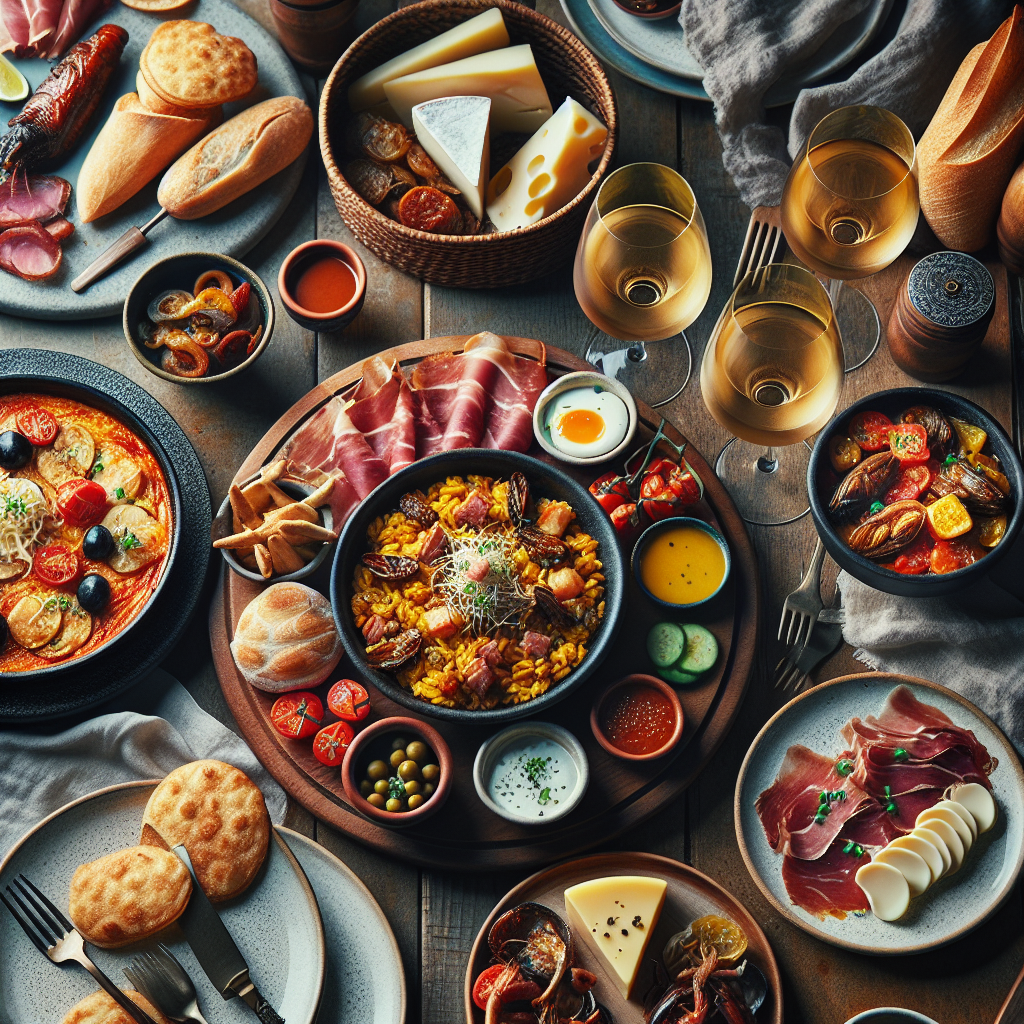
The best food to eat in Spain is reason enough to plan an entire trip around it. Spain is one of those countries where planning a trip around food is not just acceptable, it is the smart move. From tapas bars in Madrid to seaside rice shacks in Valencia and pintxos counters in San Sebastian, Spanish cooking is built around sharing, seasonality, and bold honest flavors. This is what to eat in Spain beyond the obvious paella, where it tastes best, and how to order it like a local.
The meal that converted me was not a fancy one. It was a thick wedge of tortilla de patatas at a standing-room bar in Madrid at noon, eaten off a paper napkin with a small beer, costing about three euros. The egg was still slightly runny in the middle, the onion sweet, the potato soft. Spain does this better than anywhere: it takes four cheap ingredients and turns them into something you remember for years. The best food to eat in Spain is rarely the most expensive plate on the menu.
This guide walks through the dishes that define Spanish eating, region by region, with what to order, what it costs, and the tourist traps to skip. Prices here are 2026, in euros, with rough dollar figures at about €1 to $1.10. Spain is one of the great food countries of our guide to the best food in Europe.
Why Spanish food is worth the trip
Spanish food is worth a trip because there is no single Spanish cuisine, there are seventeen. The seafood cooking of Galicia has little in common with the hearty stews of Castilla, the avant-garde pintxos of the Basque Country are a world away from the fried fish of Andalusia, and Valencia guards its rice dishes like state secrets. To eat well in Spain you adapt to the region you are standing in rather than chasing the same five dishes everywhere.
The other thing to understand is that Spanish classics are deceptively simple. A great tortilla is just egg, potato, onion, and olive oil, but timing and temperature change everything. Paella is about rice texture and stock, not the pile of seafood on top. This is a cuisine that rewards good ingredients and restraint, which is exactly why the cheap neighborhood bar so often beats the polished tourist restaurant.
Tapas: how to eat like a local in Spain
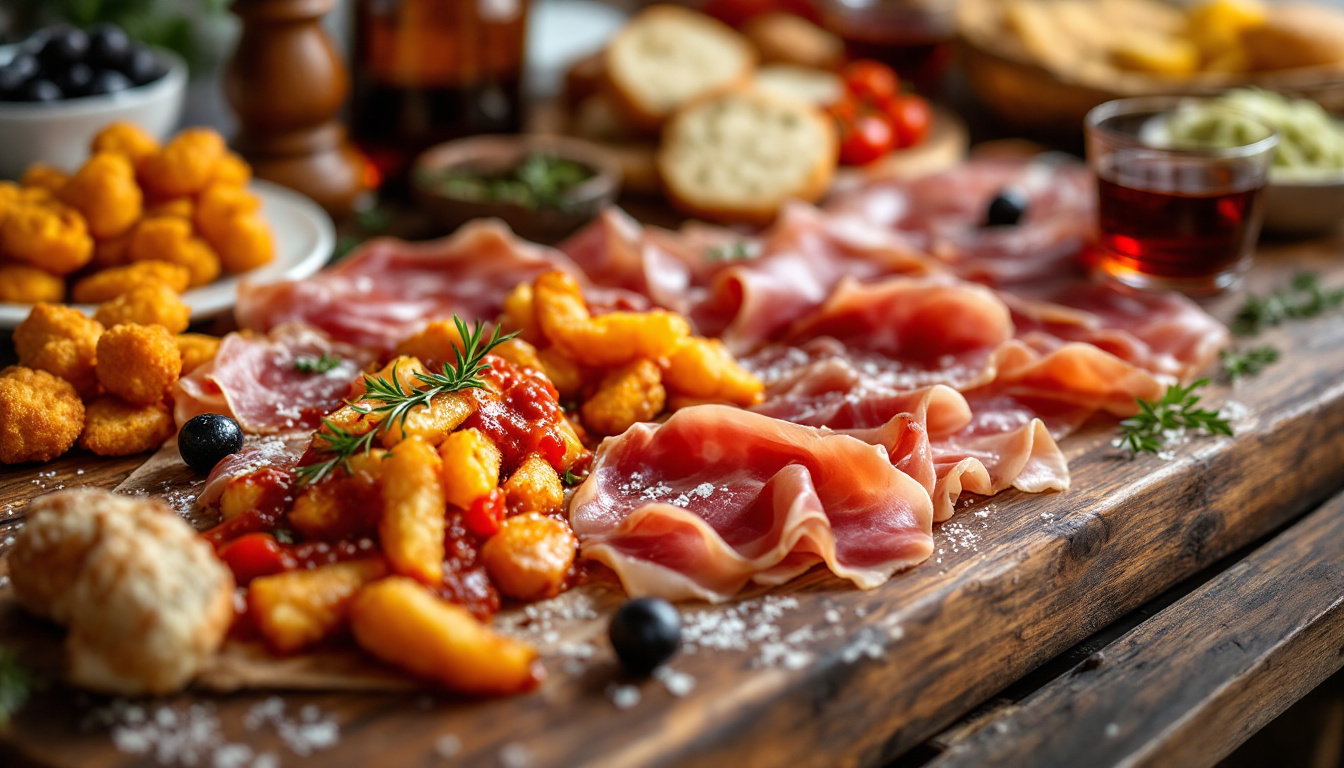
Tapas are not a dish, they are a social ritual and the backbone of Spanish eating. The word once meant the slice of bread or ham used to cover (tapar) a glass of sherry. Today tapas range from a free bite that comes with your drink in Granada and Leon, to elaborate mini-dishes in Madrid and Barcelona. The fastest way to understand Spanish food is a night of tapeo, hopping bar to bar, one or two plates and a drink at each.
Spanish menus split portions three ways: a tapa is a single small serving, a media racion (half) feeds two, and a racion (full) feeds three or more. For a table of four, order three or four medias raciones plus a couple of individual tapas, then add more. Watch the chalkboard for daily specials, and avoid any bar shouting “paella and sangria” in five languages on the street.
Tortilla de Patatas Tortilla Espanola
A thick potato omelette, usually served at room temperature, and the single most Spanish thing you can eat. The debate that splits the country is con cebolla or sin cebolla, with onion or without. Look for a moist, slightly creamy center rather than a dry, fully set slice.
It is everywhere, from glass cases on the bar to the inside of a crusty bocadillo, for €2 to 3 a wedge. A pincho de tortilla with a morning coffee is a perfect Spanish breakfast.
Croquetas Croquetas
Deep-fried croquettes with a thin, crisp shell and a silky bechamel interior, most often filled with jamon, chicken, or wild mushroom. A great croqueta holds together when you bite it but the inside almost flows. Bad ones are gluey or frozen, and you can tell on the first bite.
Around €8 to 12 for a plate of four to six. The jamon version is the benchmark, and many bars stake their reputation on it.
Patatas Bravas Patatas Bravas
Fried potato cubes with a spicy tomato brava sauce, often with a stripe of alioli. In Madrid the brava sauce is smoky and a little hot; in Barcelona you find milder, alioli-heavy versions. It is the default tapa, the one every bar makes and few make brilliantly.
Around €5 to 8 a plate. The test of a good one is the potato itself: crisp outside, fluffy inside, never soggy under the sauce.
Gambas al Ajillo Gambas al Ajillo
Prawns sizzling in olive oil with garlic and dried chili, served in a little clay cazuela still bubbling when it hits the table. The oil is as much the point as the prawns, so always have bread ready to mop it up. Simple, loud, and impossible to stop eating.
Around €10 to 14 a plate. If the cazuela is not still spitting hot when it arrives, the kitchen reheated it.
Pimientos de Padron Pementos de Padron
Small green peppers blistered in hot olive oil and finished with flaky salt. The Galician saying goes that some are hot and some are not, and the roulette is part of the fun: most are mild and sweet, but every plate hides one or two that bite back.
Around €6 to 9. The best are charred and blistered, not pale and limp, with enough salt to crunch.
Paella and rice dishes beyond the tourist version
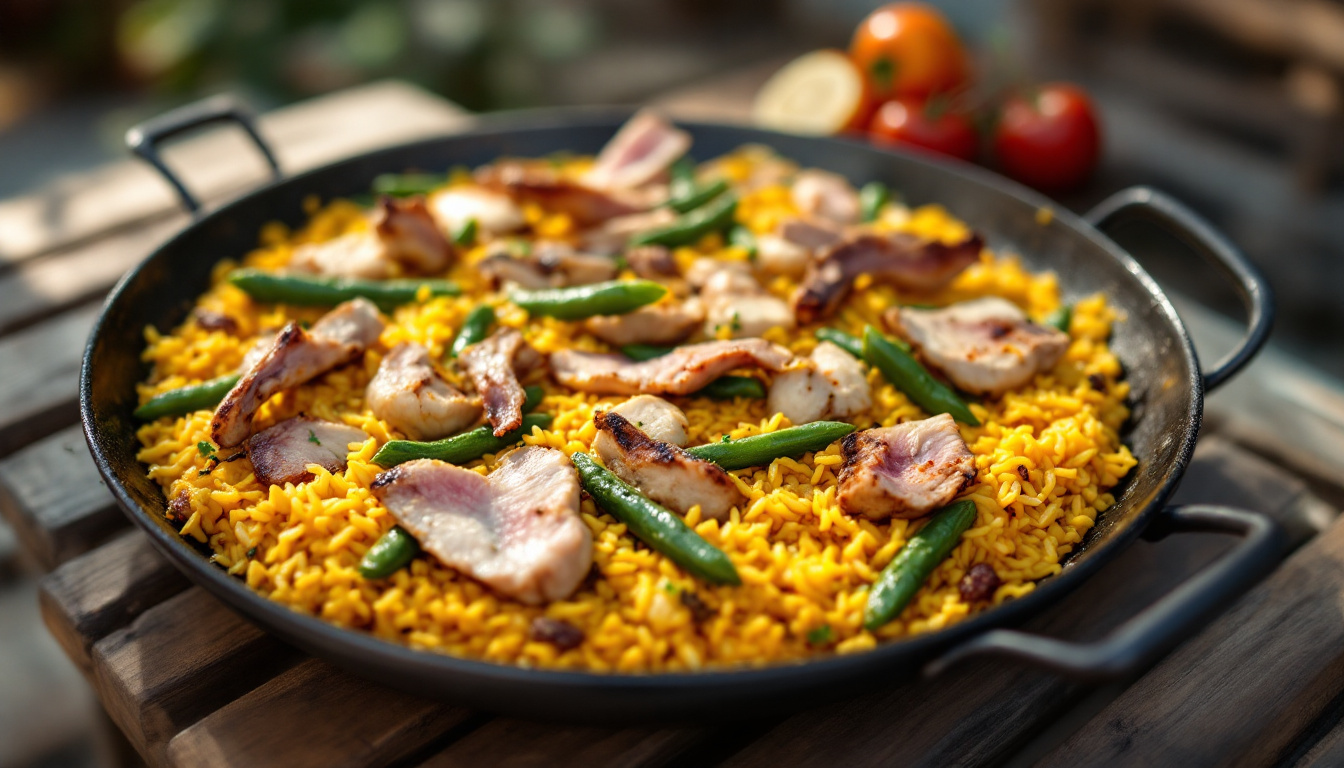
Paella is the most recognized Spanish dish and the most misunderstood. The version many travelers picture, a mixed pan of seafood, chorizo, and bright vegetables, is a tourist invention. Real paella is a regional rice dish from the area around Valencia with strict rules. The single biggest red flag is chorizo: it does not belong in paella, and any kitchen that adds it is cooking for tourists.
Authentic paella valenciana uses short-grain rice, rabbit, chicken, sometimes snails, green beans, white beans, tomato, olive oil, saffron, and rosemary. The technical prize is the socarrat, the caramelized layer of toasted rice at the bottom of the pan. The rice should stay separate and dry, not creamy like risotto. Good rice restaurants cook to order and quote a 25 to 40 minute wait, usually with a two-person minimum. Expect €15 to 20 per person.
- Paella valenciana. The original dry rice with rabbit, chicken, and beans, cooked in a thin layer for maximum socarrat.
- Paella de marisco. The seafood version with prawns, mussels, clams, and squid in a rich fish stock. Legitimate, unlike the chorizo kind.
- Arroz negro. Black rice colored with squid ink, cooked with cuttlefish and served with a dollop of alioli.
- Arroz caldoso. A brothy, soupy rice somewhere between stew and soup, often with lobster, perfect in cooler months.
- Fideua. The same idea built on short toasted pasta instead of rice, a Valencian coast specialty served with alioli.
Jamon, cheese and cold classics
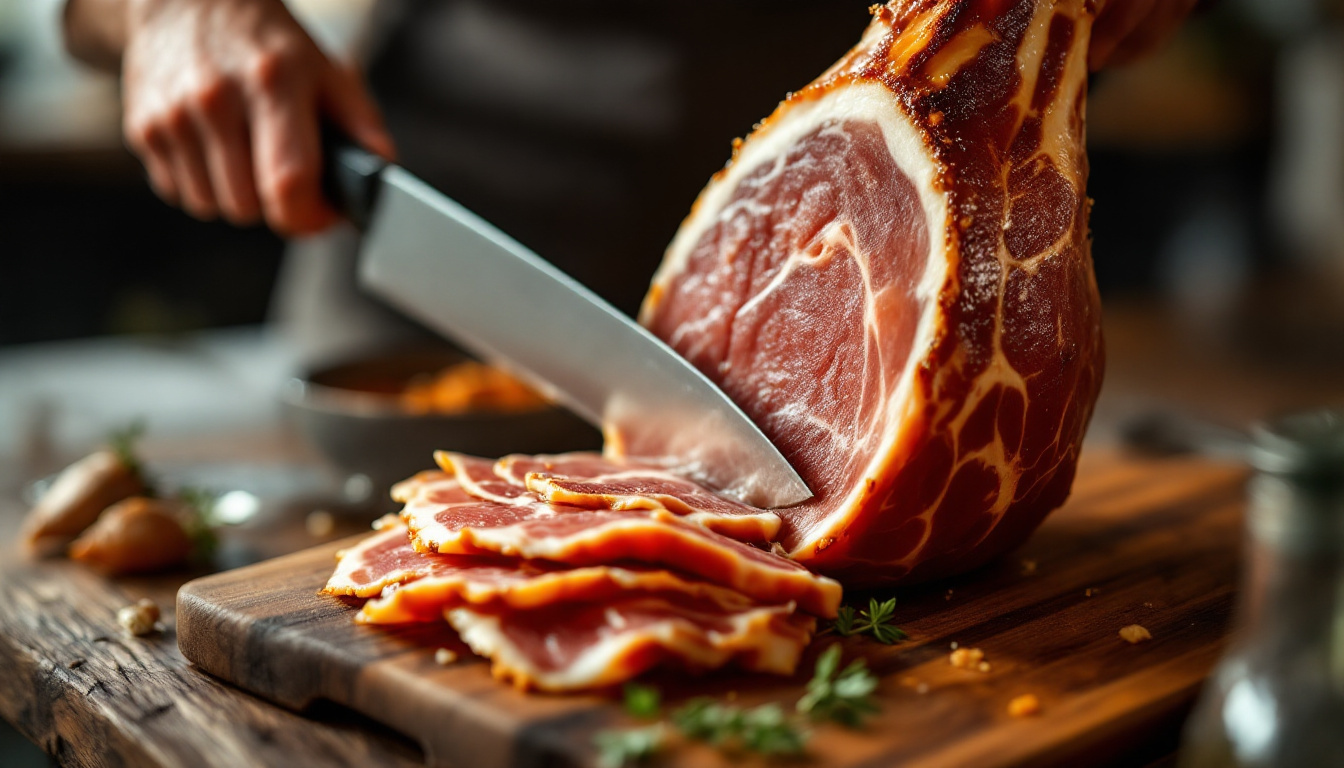
No Spanish meal feels complete without a plate of jamon, a wedge of aged cheese, and tomato-rubbed bread. This is the Spanish aperitivo, the country’s terroir in concentrated form. The king is jamon iberico, made from black Iberian pigs, with the very best (bellota) from animals that fatten on acorns in the oak forests of the west. The flavor runs nutty, sweet, and deeply savory, and it is sliced paper-thin and served just below room temperature so the fat turns glossy.
More affordable jamon serrano, from white pigs at altitude, is firmer and cleaner-tasting, the everyday ham of bocadillos and tapas. On the cheese side, hard sheep’s-milk Manchego from La Mancha is the famous one, pungent blue Cabrales from Asturias the challenging one. A mixed board (tabla de quesos y embutidos) is the easy way to taste several at once.
| Product | Region | Type | Flavor | Best served |
|---|---|---|---|---|
| Jamon Iberico de Bellota | Extremadura, Andalusia, Salamanca | Acorn-fed Iberian pig | Nutty, sweet, intense umami | Paper-thin, room temp, with bread |
| Jamon Serrano | Mountain regions | White pig | Salty, clean, firm | Tapas, bocadillos, tomato bread |
| Chorizo Iberico | Castilla y Leon, Extremadura | Pork with paprika | Smoky, garlicky, mildly spicy | Sliced or grilled |
| Manchego | Castilla-La Mancha | Sheep’s milk | Buttery, nutty, tangy | Wedges with quince paste |
| Cabrales | Asturias | Blue, cow and goat | Pungent, salty, intense | With bread and cider |
Spain’s hot summers also built a whole category of cold dishes that double as the country’s best hot-weather eating:
- Gazpacho. A chilled Andalusian soup of tomato, cucumber, pepper, garlic, olive oil, and vinegar, blended smooth. €4 to 6.
- Salmorejo. The thicker, richer cousin from Cordoba, made with more bread and oil, topped with jamon and grated egg. Better than gazpacho, locals will tell you. €5 to 7.
- Ajo blanco. A chilled white soup of almonds and garlic, served with grapes or melon, the Andalusian ancestor of gazpacho.
- Boquerones en vinagre. Fresh anchovy fillets cured in vinegar, garlic, and parsley, bright and sharp and made for a cold beer.
- Pan con tomate. Bread rubbed with ripe tomato, garlic, olive oil, and salt. In Catalonia it is pa amb tomaquet and it comes with everything.
- Albondigas, morcilla and cachopo. Three more bar classics: spiced meatballs in tomato or almond sauce, rich blood sausage (Burgos morcilla is studded with rice), and Asturias’s cachopo, a giant breaded veal cutlet stuffed with ham and cheese.
Regional specialties, region by region
Thinking of Spanish food as one cuisine is the biggest mistake a traveler can make. Each region has a handful of dishes locals are fiercely proud of, and many rarely taste as good outside their home turf. Eat to the region instead of chasing a national checklist.
San Sebastian is widely called the gastronomic capital of Spain, with more Michelin stars per head than almost anywhere on earth. The tapas here are pintxos, small bites on bread held with a toothpick, displayed in extravagant rows on the counter at €2 to 4 each. Order the gilda (anchovy, olive, and pickled guindilla pepper on a skewer), bacalao al pil-pil (salt cod cooked into a silky garlic-oil emulsion), and txuleta, a huge aged bone-in ribeye grilled over wood and served rare.
The hot south lives on pescaito frito, small fish lightly floured and fried in screaming-hot olive oil until shatteringly crisp and grease-free, eaten from a paper cone. This is the home of gazpacho, salmorejo, and ajo blanco, plus slow-cooked rabo de toro (oxtail stew) and flamenquin (rolled, breaded, fried pork loin with ham) in Cordoba and Seville.
Madrid and the cold central plateau gave Spain its great stews and roasts. Cocido madrileno is the emblem: a chickpea stew with several meats and sausages, served in courses, broth first as a soup, then the chickpeas and meats. North in Castilla y Leon, Segovia roasts cochinillo asado (suckling pig) and Burgos and Valladolid do lechazo (milk-fed lamb) in wood-fired ovens. Plan these as a long lunch, €15 to 28.
The cool Atlantic northwest is Spain’s seafood heartland. Pulpo a la gallega (octopus boiled tender, sliced, and dusted with paprika and olive oil on a wooden plate) is the signature, €14 to 20. Add empanada gallega (a flat savory pie of tuna or meat), and percebes (goose barnacles), the strange, expensive, ocean-tasting delicacy harvested off dangerous cliffs.
Catalonia pairs sea and mountain: pa amb tomaquet with everything, escalivada (smoky roasted peppers and aubergine), and calcots (grilled spring onions with romesco) in late winter. Valencia owns rice: paella valenciana, arroz negro, and fideua all start here. The Mediterranean coast is also bocadillo de calamares country, the fried-squid sandwich that is a Madrid obsession too.
Best food cities in Spain
The single best eating city in Spain for its size. Crawl the Parte Vieja old town bar to bar, comparing gildas and bacalao, then book one of the Michelin temples (Arzak, Mugaritz nearby) if you want the high end. Txuleta and cider houses sit just outside town.
La Boqueria market, vermut hour, seafood rice on the coast, and tapas that lean Catalan. Barcelona is its own deep food city, covered in our complete Barcelona food guide. Skip the paella on Las Ramblas and head into Gracia or Poble Sec instead.
The capital pulls in every regional cuisine, plus its own: cocido madrileno, bocadillo de calamares near Plaza Mayor, the oldest churreria runs, and Mercado de San Miguel for grazing (touristy but good). The best tapas are in La Latina, especially Sunday after the Rastro market.
Seville is the tapas-hopping heart of Andalusia, with free-bite traditions and orange-tree squares. Valencia is the place to eat real paella, ideally at a beachside restaurant in El Palmar or near La Albufera lagoon where the rice tradition was born.
Spanish sweets and snacks
Spain is not as pastry-obsessed as France, but it has a tight set of sweets woven into daily life, from breakfast churros to late-night cheesecake. The headliners:
- Churros con chocolate. Ridged fried dough sticks for dipping in thick, pudding-like hot chocolate, eaten for breakfast or after a night out. €3 to 5. Madrid churrerias run nearly around the clock.
- Basque burnt cheesecake. The crackly, caramelized-top, molten-center tarta de queso from San Sebastian’s La Vina that conquered the world. €5 to 7.
- Crema catalana. The Catalan ancestor of creme brulee, set with a citrus-and-cinnamon custard under a torched sugar crust.
- Flan and arroz con leche. Baked caramel custard, and cinnamon rice pudding, the homey desserts on every menu del dia.
- Turron and polvorones. Almond nougat and crumbly almond shortbreads, the sweets of Christmas, sold year-round in good shops.
- Ensaimada and magdalenas. A coiled lard pastry from Mallorca, and lemon-scented breakfast sponge cakes for dunking in coffee.
What to drink in Spain
The drink is half the meal in Spain, and almost none of it is sangria, which locals mostly leave to tourists. What Spaniards actually order:
- Vermut. House vermouth on tap, served over ice with an olive at the pre-lunch “hora del vermut” on weekends. The most Spanish aperitivo there is.
- Sherry (jerez). Andalusia’s fortified wine, bone-dry fino and manzanilla with seafood, sweet Pedro Ximenez over ice cream for dessert. Drink it where it is made, around Jerez.
- Cava. Catalonia’s traditional-method sparkling wine, a fraction of Champagne’s price and the everyday celebration pour.
- Rioja and Ribera del Duero. The big tempranillo reds, on every list, excellent value by the glass.
- Cana and tinto de verano. A small draft beer is a cana; tinto de verano (red wine with soda and lemon) is the local, unpretentious cousin of sangria that Spaniards actually drink.
- Asturian cider (sidra). Tart, still cider poured from overhead to aerate it, the soul of a northern Asturian meal.
Best food to eat in Spain: the dish guide with prices
| Dish | Type | Region | Price (€) | Veg? | Must-Try |
|---|---|---|---|---|---|
| Tortilla de patatas | Tapa / egg | Nationwide | €2–3 wedge | Yes | ★★★★★ |
| Jamon iberico de bellota | Cured ham | West Spain | €18–30 plate | No | ★★★★★ |
| Paella valenciana | Rice | Valencia | €15–20 pp | No | ★★★★★ |
| Pintxos (gilda etc.) | Small bites | Basque Country | €2–4 each | Some | ★★★★★ |
| Croquetas | Tapa / fried | Nationwide | €8–12 plate | Some | ★★★★★ |
| Patatas bravas | Tapa | Madrid / Catalonia | €5–8 | Yes | ★★★★☆ |
| Gambas al ajillo | Seafood tapa | Nationwide | €10–14 | No | ★★★★★ |
| Salmorejo | Cold soup | Cordoba | €5–7 | No | ★★★★★ |
| Pulpo a la gallega | Seafood | Galicia | €14–20 | No | ★★★★★ |
| Cocido madrileno | Stew | Madrid | €15–22 | No | ★★★★☆ |
| Cochinillo asado | Roast | Segovia | €22–28 | No | ★★★★★ |
| Bacalao al pil-pil | Seafood | Basque Country | €14–20 | No | ★★★★☆ |
| Churros con chocolate | Sweet | Nationwide | €3–5 | Yes | ★★★★★ |
| Basque cheesecake | Sweet | San Sebastian | €5–7 | Yes | ★★★★★ |
When and how Spaniards eat
- Eat on Spanish time. Lunch runs 14:00 to 16:00 and is the big meal; dinner rarely starts before 21:00. A restaurant empty at 19:00 is not bad, it is just early.
- Make lunch your main meal. Order the menu del dia, a three-course fixed lunch with bread and a drink for €12 to 16, the best value in Spanish dining.
- Tipping is light. Round up or leave a euro or two for good service; there is no 15 to 20 percent expectation.
- Tapeo means movement. Have a drink and a plate or two, then move to the next bar. Standing at the counter is normal and often cheaper than a table.
- Follow the locals and the clock. A bar packed with Spaniards at an odd hour is a good sign; a photo menu in five languages on a tourist square is not.
For dining customs across other countries, see our guide to food etiquette around the world.
Frequently asked questions about Spanish food
What are the must-try dishes on a first trip to Spain?
Prioritize tortilla de patatas, quality jamon iberico, patatas bravas, a real Valencian paella (eaten at lunch), gazpacho or salmorejo in summer, churros con chocolate, and one regional specialty wherever you are: pintxos in the Basque Country, pescaito frito in Andalusia, or cocido in Madrid.
Is paella better for lunch or dinner?
Lunch, almost always, especially on weekends. Paella is a heavy, celebratory midday dish, and many serious rice restaurants do not even serve it at dinner. Plan a long paella lunch rather than expecting it on an evening menu.
What time do Spaniards eat lunch and dinner?
Lunch is from about 14:00 to 16:00 and is the largest meal of the day. Dinner rarely starts before 21:00, and 22:00 is normal in summer. Restaurants that open for dinner at 20:00 are usually catering to tourists.
What is the difference between tapas and pintxos?
Tapas are small plates served across most of Spain, sometimes free with a drink in the south. Pintxos are the Basque version, individual bites usually served on bread with a toothpick and displayed on the counter, where you often pay per piece. Both are eaten bar-hopping rather than as a sit-down meal.
How can I avoid tourist traps for Spanish food?
Avoid bars with touts, laminated photo menus in many languages, and pre-made paella in the window. Look for short seasonal menus, handwritten boards, a local crowd, and realistic waiting times for dishes like paella. Asking for the house specialty beats relying only on ratings.
Is Spanish food spicy?
Mostly no. Spanish cooking leans on garlic, olive oil, paprika (pimenton), and saffron rather than heat. The spiciest things you will meet are patatas bravas sauce and the occasional hot pimiento de Padron. It is a cuisine of savory depth, not chili fire.
Is Spain good for vegetarians?
It is workable but not easy, since jamon and seafood are everywhere. Strong vegetarian options include tortilla, pan con tomate, patatas bravas, pimientos de Padron, gazpacho, ajo blanco, escalivada, and many rice and vegetable dishes. Say “soy vegetariano” and check that croquetas and broths are meat-free.
More food guides waiting for you
Browse our complete collection of European food guides.