Best Food to Eat in Japan: From Sushi to Street Snacks
Japan is a dream destination for food lovers: from pristine sushi counters to smoky yakitori alleys and neon-lit street snack stalls, every corner hides a new flavor. In this guide, you will find a curated list of essential Japanese dishes, along with practical tips on how to order, what to look for, and how to get the most authentic experience.
Whether you are planning your first trip to Tokyo or you simply want to cook more Japanese food at home, this article will help you navigate the classics and discover a few less obvious gems worth hunting down.
🎯 Why Japanese Food Is a Must-Try Culinary Journey
Japanese cuisine is often described as precise, minimalist, and almost architectural in its attention to detail. Yet when you sit at a ramen counter or bite into a freshly grilled yakitori skewer, what you feel first is not minimalism, but comfort and depth of flavor. The best food to eat in Japan balances umami-rich broths, pristine seafood, fragrant rice, and crunchy pickles, all orchestrated with a sense of seasonality that few countries can match. This focus on the seasons means that the same dish can taste slightly different in spring and winter, and local chefs celebrate those nuances rather than hide them.
From a culinary professional’s perspective, Japan is a masterclass in technique. Knife work transforms fish into translucent slices of sashimi; long-simmered stocks become the soul of ramen; careful temperature control turns humble flour and water into ethereally light tempura. Even street snacks, which might seem casual and spontaneous, are backed by decades of repetition and refinement. When you explore the best food to eat in Japan, you are also exploring a deeply ingrained culture of craftsmanship that values consistency, respect for ingredients, and hospitality.
For travelers and home cooks alike, understanding how to approach Japanese food can dramatically upgrade every meal. Knowing the difference between a conveyor-belt sushi bar and a traditional omakase counter helps you set expectations and budget. Recognizing regional specialties guides your itinerary beyond the usual tourist hotspots. In this guide, we will move from iconic dishes such as sushi and ramen to lesser-known but equally fascinating foods like okonomiyaki or regional street snacks, giving you concrete examples, ordering tips, and flavor notes you can rely on.
Seasonality, umami, precision, and respect for ingredients define the best food to eat in Japan.
Travelers, culinary professionals, and home cooks who want an in-depth yet practical guide.
Bookmark as a checklist for your trip and as a reference when cooking Japanese dishes at home.
“Japanese cuisine is not only about what is on the plate, but also about timing, temperature, and the quiet choreography between chef and guest.”
🎯 Sushi & Sashimi: The Art of Raw Perfection
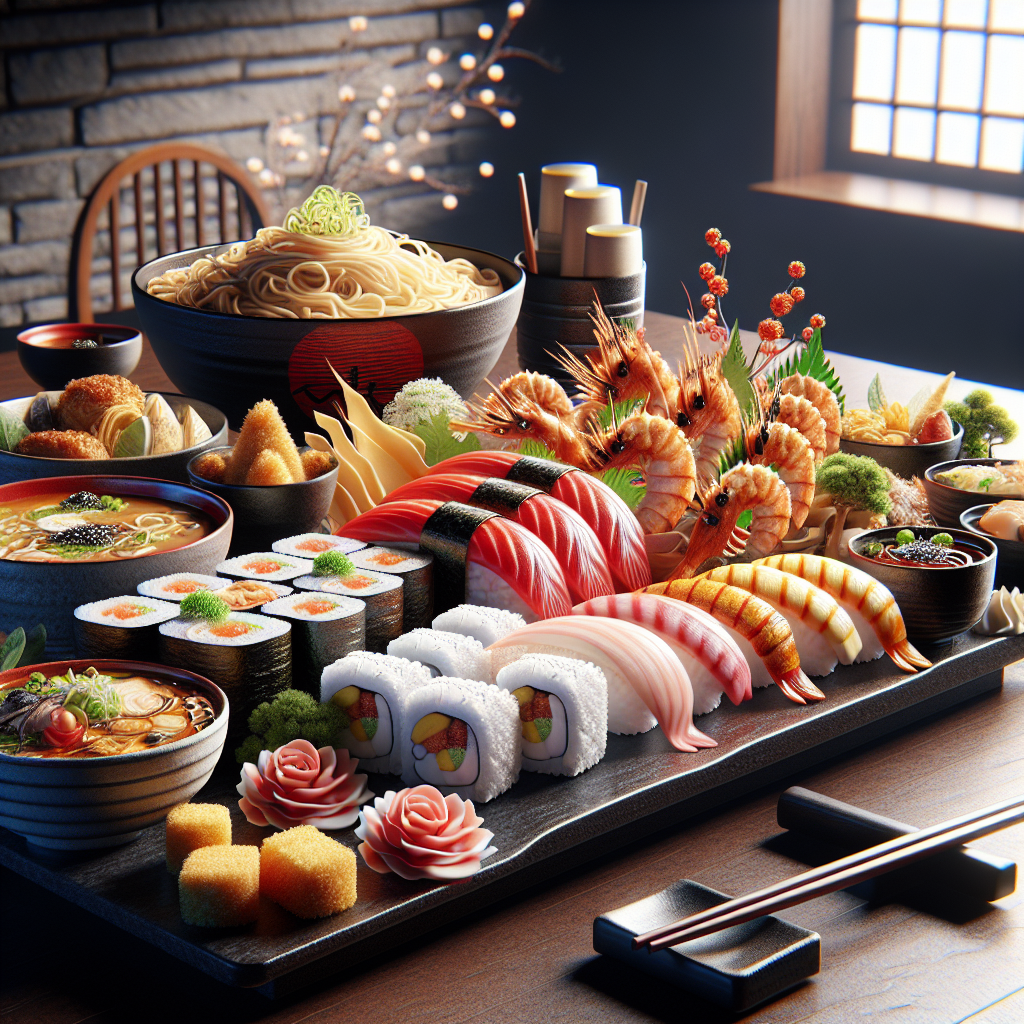
When people think about the best food to eat in Japan, sushi is usually the first dish that comes to mind. However, authentic Japanese sushi is very different from the overloaded rolls popular in many Western countries. At its core, great sushi is a balance between perfectly seasoned rice (shari), impeccably fresh fish (neta), and the chef’s touch, expressed through knife skills and subtle temperature control. The rice should be slightly warm, the fish cool but not icy, and the seasoning so precise that you do not need to drown anything in soy sauce.
Sashimi, on the other hand, removes rice from the equation and focuses entirely on the purity of the fish. To appreciate sashimi at a professional level, pay attention to the cut: different fish require different grain directions and thickness to express their ideal texture. Fatty tuna (otoro) should almost melt on your tongue, while leaner fish such as tai (sea bream) or hirame (flounder) deliver a clean, subtle sweetness. In Japan, even the garnishes—freshly grated wasabi, crisp shiso leaves, and finely julienned daikon—are chosen to cleanse the palate and highlight the fish.
For your first serious sushi experience in Japan, consider visiting a small counter with a handful of seats rather than a large chain. Look for the word “omakase”, which means you trust the chef to choose the best pieces of the day, often moving from lighter white fish to richer fatty cuts in a thoughtful progression. If you want to practice sushi-making at home, invest in a truly sharp Japanese knife; a specialist retailer like ostry-sklep.pl offers blades that allow you to slice fish cleanly without tearing the delicate flesh, which is critical for both flavor and presentation.
Hand-formed oblong of rice topped with a slice of fish or seafood. The pressure of the chef’s fingers creates tiny air pockets, keeping the rice tender, not compacted.
Pure slices of raw fish without rice, usually served with soy sauce, wasabi, and sometimes ponzu. Ideal for tasting subtle differences in texture and fat content.
Chef’s choice menu that reflects the best seasonal seafood. Expect a carefully sequenced progression and a strong focus on temperature and timing.
How to Order Sushi Like a Local
Ordering sushi in Japan can feel intimidating, but a few simple habits will make the experience smoother and more respectful. Sit at the counter if possible; it allows you to interact with the chef and watch the technique up close. Start with lighter fish such as squid, white fish, or lean tuna, then move gradually towards fattier cuts and richer flavors like salmon roe or eel. This order helps your palate stay sensitive to delicate notes before it is coated in fat and strong sauces.
When dipping nigiri into soy sauce, turn it fish-side down so the rice does not soak up too much liquid and fall apart. Many high-level places season the nigiri for you, so if the chef tells you not to use soy for a particular piece, trust that instruction. Wasabi is usually already placed between fish and rice in proper sushi; adding extra on top is rarely necessary and can overpower the fish. If you are unsure about etiquette, observe what locals do rather than overthinking every movement.
Essential Sushi and Sashimi Cuts to Try
To make the most of your sushi budget, focus on a small set of benchmark cuts that reveal the quality of the restaurant. Tuna is the obvious starting point: try akami (lean tuna), chutoro (medium-fatty), and otoro (extra-fatty) if available, and notice how the texture and flavor evolve with the fat content. For white fish, tai and hirame provide a gentle sweetness and a slightly firmer bite, while aji (horse mackerel) showcases a more pronounced, oily flavor that pairs beautifully with ginger and scallion.
Do not overlook shellfish such as amaebi (sweet shrimp), hotate (scallop), or akagai (ark shell), which highlight the ocean’s sweetness and crunch. Salmon is very popular with foreign visitors, but in traditional sushi it is less central than tuna or local white fish; still, a well-cut slice of fatty salmon can be deeply satisfying. As you taste different cuts, pay attention not only to flavor but also to how the rice holds together, how warm it feels, and how each bite leaves your palate ready for the next piece.
🎯 Ramen, Udon & Soba: Noodle Bowls for Every Mood
After sushi, noodle dishes are easily among the best food to eat in Japan, especially if you want something comforting, filling, and relatively affordable. Ramen, udon, and soba each have distinct textures, flavors, and cultural roles. Ramen is the bold, flavor-packed outsider originally influenced by Chinese noodles, now deeply integrated into Japanese food culture. Udon offers thick, chewy strands that carry subtle broths beautifully, while soba, made from buckwheat, provides a nutty, earthy character and is often associated with seasonality and health.
From a culinary technique standpoint, what matters most in these bowls is the harmony between broth, noodles, and toppings. Ramen broth can be a clear shoyu style or a rich, opaque tonkotsu simmered for many hours, extracting collagen and umami from pork bones. Udon broths tend to be lighter and dashi-based, highlighting kombu and katsuobushi, while soba can be served either hot in broth or cold with a concentrated dipping sauce. Understanding these differences allows you to choose the right noodle for your mood, the weather, and even the time of day.
In Japan, noodle shops are often highly specialized: a place that does exceptional tonkotsu ramen might not serve udon at all, and vice versa. This specialization encourages deep mastery of a single style. When you travel, seek out shops that are known for one thing and do that one thing perfectly rather than chasing menus that promise every possible variation. Below is a practical comparison table to help you decide which noodle dish to prioritize in different situations.
| Dish | Base & Flavor | Best Season | Ideal For |
|---|---|---|---|
| Ramen | Rich broths (shoyu, miso, tonkotsu), strong umami, often fatty and hearty. | Autumn & winter | Late-night meals, comfort food, exploring regional variations like Sapporo or Hakata. |
| Udon | Light dashi-based broth, gentle soy seasoning, thick and bouncy noodles. | Year-round | Quick lunches, family-friendly meals, when you want something soothing but not heavy. |
| Soba | Buckwheat aroma, can be served cold with dipping sauce or in light broth. | Spring & summer | Hot days, health-conscious diners, tasting the nuances of regional buckwheat. |
Ramen Styles You Should Not Miss
Ramen deserves its own taxonomy, and understanding a few core styles will help you read menus and choose wisely. Shoyu ramen uses a soy-sauce-based tare, giving the broth a clear, brown color and a savory depth that pairs well with chicken or mixed stock. Miso ramen, especially famous in Sapporo, has a thicker, slightly creamy broth with a nutty sweetness from fermented soybean paste, often topped with corn and butter in Hokkaido. Tonkotsu ramen, originating from Hakata and Kyushu, is an intense, milky-white pork bone broth that coats your lips with collagen and feels almost like a sauce.
Beyond these, you may encounter shio (salt-based) ramen, which is the most delicate and transparent style, or inventive modern bowls featuring shellfish broths, truffle oil, or smoked elements. When you visit a well-regarded ramen shop, pay attention to how the noodles match the broth: thin, straight noodles are typical for tonkotsu, while curly, slightly thicker noodles often accompany miso or shoyu. Chefs fine-tune the hydration and cooking time of noodles to seconds, so do not be surprised if your bowl arrives at lightning speed but tastes incredibly calibrated.
- Huge regional diversity keeps it exciting from city to city.
- Affordable even at top-tier specialty shops.
- Perfect for late-night dining when many restaurants are closed.
- Can be very salty and heavy for delicate palates.
- Queues at famous shops may exceed an hour.
- Harder to enjoy fully in very hot and humid weather.
Udon and Soba: Subtlety and Seasonality
While ramen steals most of the international spotlight, udon and soba are indispensable when we talk about the best food to eat in Japan on a daily basis. Udon shops in regions like Kagawa (known as Sanuki udon) serve perfectly chewy noodles in a crystal-clear dashi broth, often topped with tempura, scallions, and a soft-boiled egg. The flavor profile is gentle but deep, making it ideal for travelers who want something restorative after a long day of walking. Udon can also be enjoyed cold with a dipping sauce, which emphasizes the noodle’s texture.
Soba showcases the character of buckwheat, and serious soba-ya grind their own flour to control aroma and texture. Cold zaru soba, served on a bamboo tray with a concentrated dipping sauce, wasabi, and scallions, is a summer classic that refreshes without weighing you down. Hot soba bowls with mountain vegetables or duck breast are more common in cooler months. For culinary professionals, soba is fascinating because tiny changes in water temperature, kneading, and cutting thickness dramatically affect the final product, making it a true test of craftsmanship.
🎯 Japanese Street Snacks: From Takoyaki to Taiyaki
Street food is where Japanese cuisine relaxes its posture a little and shows a playful, indulgent side. In Osaka’s Dotonbori, Tokyo’s Asakusa, or during seasonal matsuri festivals, you will find stalls frying, grilling, and searing an array of snacks that are easy to eat on the go. These bites may look casual, but they still reflect the same precision and ingredient focus that define the best food to eat in Japan. The batter for takoyaki must hit the grill at exactly the right temperature, the sauce for okonomiyaki needs the right balance between sweet and savory, and even simple skewers are grilled to a specific level of char.
For culinary travelers, Japanese street snacks are also a great way to explore regional differences without committing to a long sit-down meal. Kansai is famous for its flour-based “konamon” culture, including takoyaki and okonomiyaki, while coastal towns might highlight grilled seafood on sticks. Sweet snacks such as taiyaki or dango reveal how Japanese confectionery balances sugar with texture and mild flavors like red bean, matcha, or black sesame. Because portions are small, you can sample several items in one evening and quickly build a sense of what you like.
Below are some of the most iconic street snacks you should prioritize. Treat this as a checklist and challenge yourself to try at least three or four on your next trip. Many of these snacks are also reproducible at home with a bit of practice and the right tools, making them a fun way to bring Japanese flavors into your own kitchen.
Takoyaki: Crispy, Gooey Octopus Bites
Takoyaki are small, round balls of batter filled with diced octopus, pickled ginger, and scallions, cooked in a special cast-iron pan with half-sphere molds. The ideal takoyaki has a thin, crisp shell and a molten, almost custardy interior. As they cook, the vendor uses long picks to flip them rapidly, forming perfect spheres and ensuring even browning. Served with a sweet-savory sauce, Japanese mayonnaise, aonori (seaweed powder), and bonito flakes that dance in the heat, takoyaki deliver a complex mix of textures and umami in a single bite.
Professionally, takoyaki are interesting because they rely on precise timing and temperature more than complex ingredients. At home, you can experiment with fillings such as cheese or shrimp, but the key is to maintain the proper batter thickness so the balls stay structurally sound. If you plan to reproduce them yourself, invest in a sturdy takoyaki pan and a good knife to dice the octopus cleanly; once again, a sharp blade from a store like ostry-sklep.pl will make prep faster and safer, especially when working with slippery seafood.
Okonomiyaki & Imagawayaki: Savory and Sweet Pancakes
Okonomiyaki, often described as a Japanese savory pancake, is a must-try if you love customizable comfort food. The batter usually includes flour, grated yam, dashi, and shredded cabbage, topped with pork belly, seafood, or cheese, then cooked on a hot griddle. In Hiroshima, the style is layered with noodles and often a fried egg, creating a more substantial meal. Once cooked, okonomiyaki is brushed with a tangy sauce, drizzled with mayo, and sprinkled with aonori and katsuobushi, resulting in a deeply satisfying, almost pizza-like experience.
On the sweeter side, imagawayaki (also known as obanyaki) are thick, round pancakes filled with sweet red bean paste, custard, or chocolate. They are cooked in metal molds that give them a uniform shape and a crisp exterior while keeping the interior soft and steamy. From a texture standpoint, they are somewhere between a pancake and a filled doughnut, but far less greasy. These snacks are easy to eat while walking and are especially popular at temple fairs and seasonal markets.
Taiyaki, Dango & Other Sweet Treats
Taiyaki, the fish-shaped cousin of imagawayaki, is another essential street dessert. The batter is poured into fish-shaped molds, filled with red bean, custard, or even savory fillings like cheese, and then sealed with more batter. The result is a charming, photogenic snack with crisp edges and a soft, steaming interior. For culinary professionals, taiyaki showcases how form and nostalgia can enhance perception of flavor; the fish shape is associated with good luck and celebration in Japan.
Dango, skewers of chewy rice dumplings, offer a very different kind of sweetness. Mitarashi dango are coated in a glossy soy-sugar glaze that balances salty and sweet, while hanami dango feature three colors (pink, white, green) and are closely associated with cherry blossom season. These dumplings are all about texture—slightly resistant on the outside, yielding to a mochi-like chew inside. Other street sweets to look out for include melonpan ice cream sandwiches, matcha soft serve, and seasonal fruit skewers, each reflecting Japan’s knack for turning simple ingredients into memorable experiences.
🎯 Everyday Comforts: Donburi, Tempura & Izakaya Classics
Beyond sushi and noodles, some of the best food to eat in Japan comes in the form of everyday comfort dishes served in casual shops, department-store basements, and neighborhood izakaya. Donburi, or rice bowls topped with various ingredients, represent a perfect balance of convenience and flavor. From gyudon (thinly sliced beef simmered with onions) to kaisendon (assorted sashimi over rice), these bowls showcase how rice can act as a canvas for different textures and sauces. For a quick yet satisfying lunch, a donburi shop is often a better choice than fast food, especially if you want to eat like locals.
Tempura is another pillar of Japanese comfort cuisine that deserves serious attention. At its best, tempura is incredibly light and crisp, with a batter that shatters like glass and never feels oily. Chefs control oil temperature to the degree, adjust flour blends for humidity, and cut vegetables and seafood to precise sizes so they cook evenly. A simple plate of shrimp and seasonal vegetables, sprinkled with salt or dipped in a light tentsuyu sauce, can be as memorable as a multi-course kaiseki meal when executed perfectly.
Izakaya, the Japanese answer to a gastropub, bring many of these comfort foods together in a social setting. Here you can order small plates of karaage (fried chicken), yakitori (grilled chicken skewers), agedashi tofu, and various pickles, pairing them with beer, sake, or highballs. The variety and informality make izakaya one of the best ways to explore Japanese flavors in a single evening, especially if you enjoy sharing dishes and tasting many preparations at once.
Donburi Bowls You Should Try
Donburi are deceptively simple: a bowl of rice topped with protein and sauce. Yet within that framework, there is a huge range of regional and stylistic variations. Gyudon features thin slices of beef simmered in a sweet-savory sauce of soy, mirin, and dashi, often finished with a raw or soft-cooked egg. Katsudon combines a breaded pork cutlet, egg, and onion in a comforting, almost stew-like topping. Oyakodon, literally “parent-and-child bowl”, pairs chicken and egg in a silky mixture that soaks into the rice.
For seafood lovers, kaisendon is a highlight: a colorful arrangement of sashimi over vinegared rice, sometimes including uni (sea urchin), ikura (salmon roe), and local seasonal fish. In port towns, you can find kaisendon featuring fish caught that very morning, making it one of the freshest and most expressive dishes in Japanese cuisine. When evaluating a donburi shop, look at the rice quality and the balance between toppings and grains; a well-constructed bowl should feel harmonious rather than overloaded.
Tempura and Yakitori: Mastery of Heat
Tempura and yakitori might seem like opposites—one is deep-fried, the other grilled over charcoal—but both are about precise control of heat and timing. In a specialized tempura restaurant, the chef will often cook and serve each piece individually, allowing you to eat it at the ideal temperature and crispness. Shrimp, kabocha squash, shiso leaves, and seasonal mushrooms are common ingredients, and the oil is frequently changed to maintain a clean flavor. Tempura can be served on its own, over rice as tendon, or with noodles as tempura soba or udon.
Yakitori focuses on different cuts of chicken, from familiar thigh and breast to more adventurous options like skin, liver, or cartilage. Skewers are grilled over binchotan charcoal, which burns cleanly and produces a distinctive aroma without visible flames. You usually choose between shio (salt) or tare (sweet soy-based sauce) seasoning. For professionals, yakitori is a study in how small changes in distance from the coals or rotation timing influence juiciness and char. For diners, it is simply one of the most enjoyable ways to experience chicken, especially when paired with cold beer in a lively alley.
- Huge variety of small plates to sample many flavors.
- Relaxed atmosphere, ideal after a long day of sightseeing.
- Great opportunity to observe local after-work culture.
- Smoking is still allowed in some older venues.
- Menus may be only in Japanese; picture-reading skills help.
- It is easy to over-order when everything looks tempting.
🎯 How to Plan Your Food Journey in Japan
Knowing about the best food to eat in Japan is one thing; fitting it all into a limited itinerary is another challenge entirely. A smart approach is to think in terms of meals and neighborhoods rather than trying to tick off every famous restaurant. For example, you might dedicate one evening in Tokyo to a sushi omakase, another to a ramen crawl in a district like Shinjuku or Ikebukuro, and a third to exploring izakaya in an alleyway such as Omoide Yokocho. During the day, street snacks and department-store food halls (depachika) can fill in the gaps.
Seasonality should also influence your planning. In winter, hearty ramen, oden (a hot-pot style stew sold in convenience stores and specialist shops), and rich nabe dishes feel particularly appropriate. In summer, cold soba, kakigori (shaved ice), and light seafood shine. Spring brings cherry-blossom picnics with bento boxes and hanami dango, while autumn highlights mushrooms, chestnuts, and sanma (Pacific saury). Aligning your food choices with the season not only improves flavor but also deepens your understanding of how Japanese people live and eat throughout the year.
Finally, do not underestimate the value of convenience stores and train-station bento. While they may not represent the absolute pinnacle of Japanese cuisine, they offer surprisingly high-quality snacks, onigiri, and full meals that are perfect for busy days. For professionals studying Japanese food systems, these outlets also reveal how efficiently Japan handles distribution, freshness, and packaging, all while maintaining a high baseline of flavor and safety.
Sample 3-Day Food Itinerary
To make all these ideas more concrete, here is a sample three-day food-focused itinerary in Tokyo that you can adapt to your own schedule. It assumes you want to cover sushi, noodles, street snacks, and izakaya without rushing too much. Use it as a framework rather than a strict checklist, and adjust based on your preferred neighborhoods and budget.
- Day 1: Sushi omakase for lunch, wagashi and matcha in the afternoon, izakaya dinner with yakitori and tempura.
- Day 2: Ramen lunch (try a style you have never had before), street snacks in Asakusa, casual donburi dinner near your hotel.
- Day 3: Udon or soba lunch, department-store depachika grazing, okonomiyaki dinner in a lively neighborhood like Shimokitazawa.
FAQ: Practical Questions About Eating in Japan
No, tipping is not customary in Japan and can even be confusing to staff. Good service is considered standard and included in the price. In some high-end places, a service charge may be added automatically, but you are not expected to leave extra cash on the table.
Yes. Chain gyudon shops, noodle counters, convenience stores, and lunch sets (teishoku) in local restaurants offer excellent value. You can enjoy many of the best food styles in Japan without visiting ultra-expensive venues, especially if you focus on lunch rather than dinner for pricier cuisines.
For top-tier sushi, kaiseki, and some famous ramen or yakitori spots, reservations are essential and may need to be made weeks or months ahead. For casual places, you can usually walk in, though small bars and izakaya may have only a few seats and short waiting times at peak hours.
Plan Your Japanese Food Adventure
Use this guide as your roadmap to the best food to eat in Japan, from pristine sushi to sizzling street snacks. Save your favorite dishes, map out neighborhoods, and do not be afraid to follow your nose into small, busy shops where locals eat.