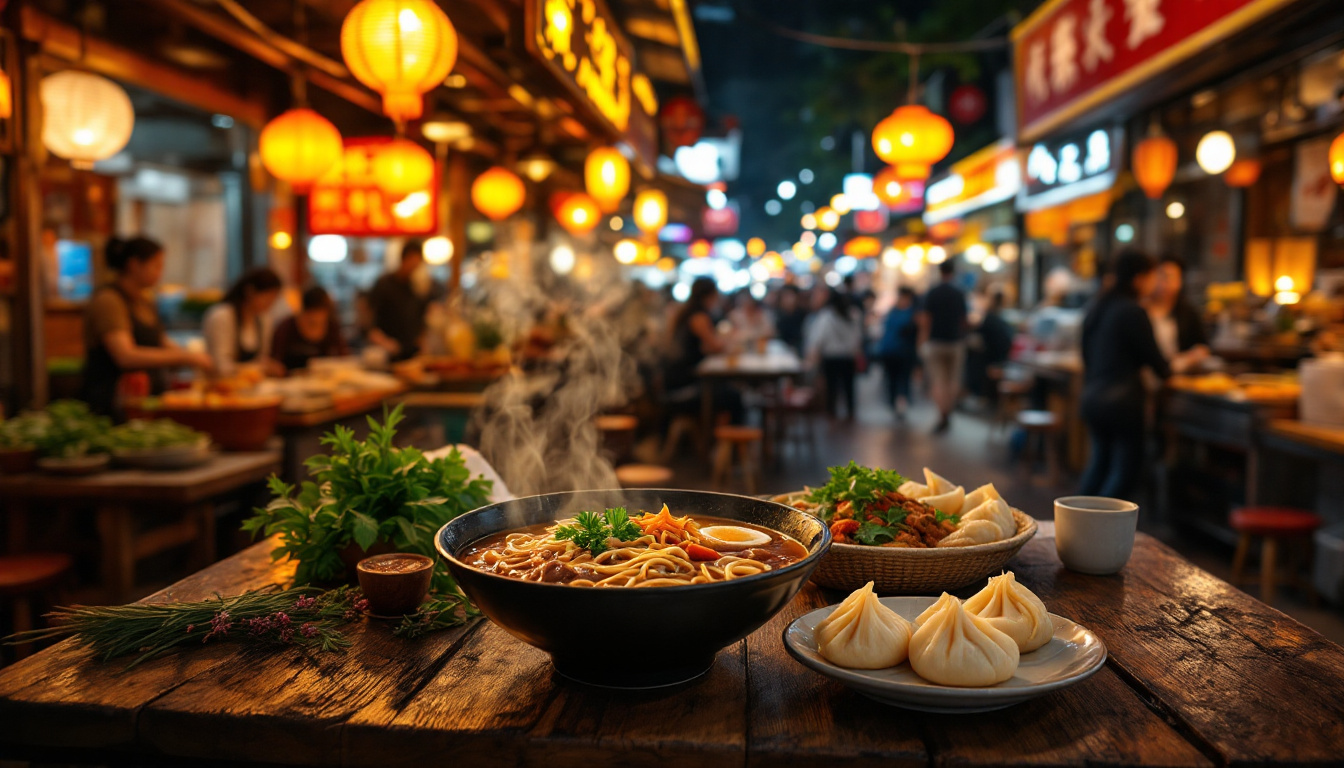
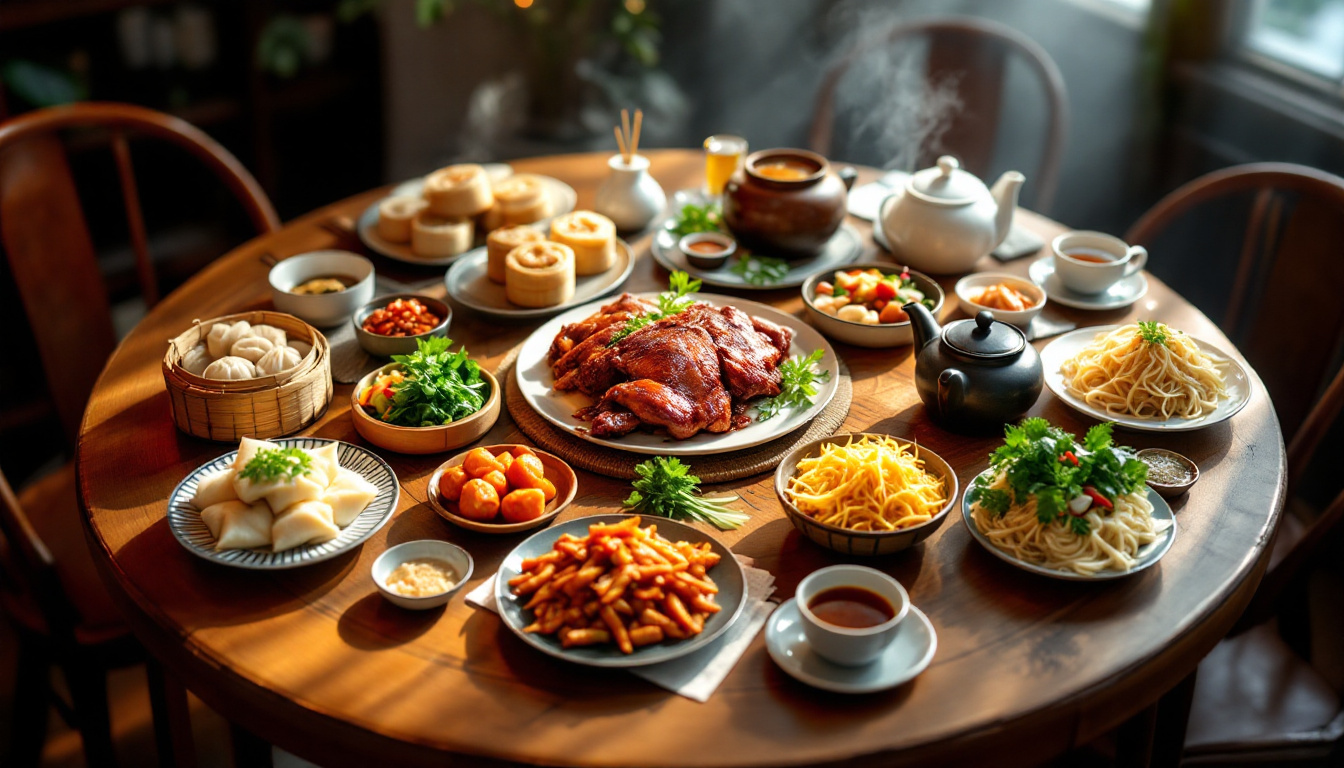
The best food in Tokyo is organized by district, and each one has a specialty: Tsukiji for sushi, Shinjuku for ramen, Yurakucho for yakitori, Asakusa for old Edo street snacks, Ginza for omakase, and Tsukishima for monjayaki. Eat by neighborhood and the city makes sense.
Tokyo is, by almost any measure, the greatest food city in the world, with around 160,000 restaurants, more than New York, Paris, and London combined. What makes it different is consistency. A random ramen shop down a random alley will very likely be excellent, because Japanese food culture does not tolerate mediocrity. You can eat spectacularly without a reservation or a plan, just follow the queues and the steam.
This is a district-by-district guide to the best food in Tokyo, built so you know exactly which neighborhood to go to for what, what to order there, and how much to budget. For the country-wide picture beyond the capital, see our complete guide to the best food in Japan and our wider best food in Asia guide.
What are the best food districts in Tokyo?
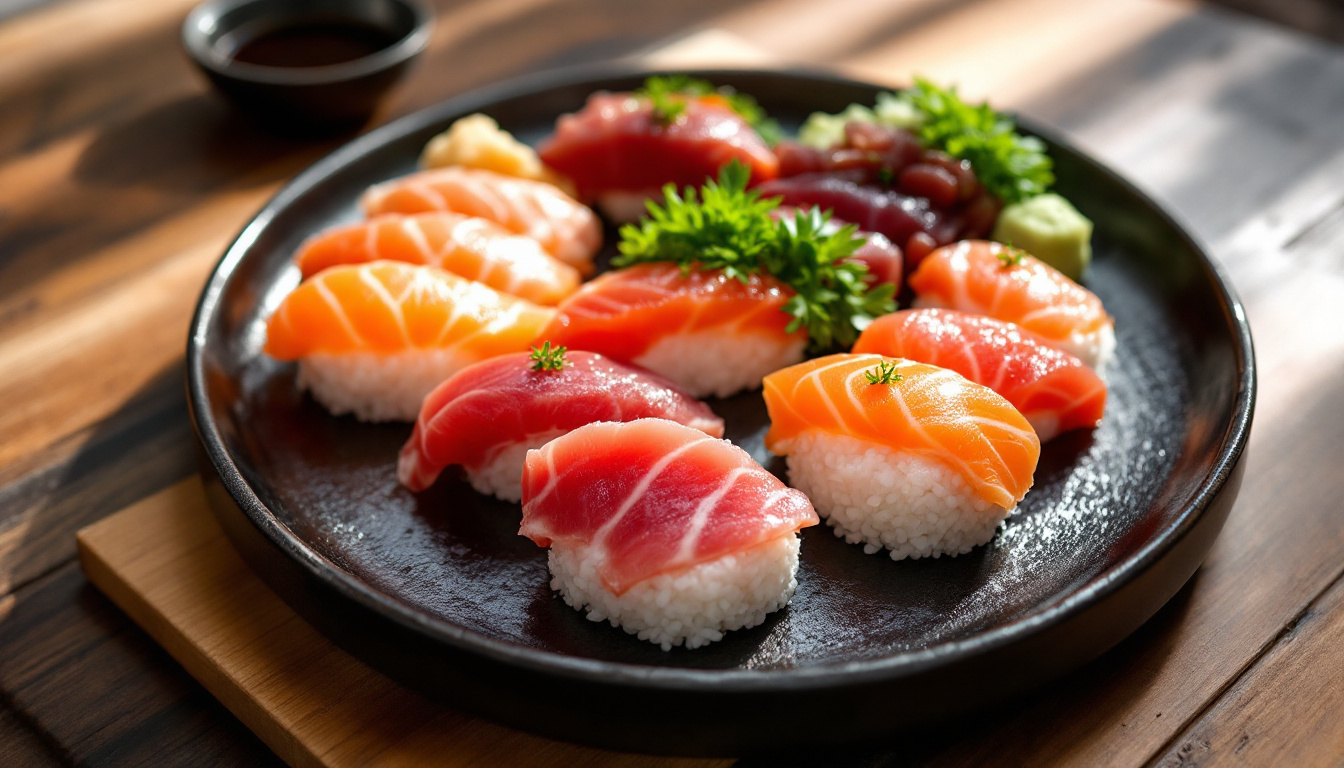
Tokyo’s food is best understood by district, because each neighborhood specializes. Tsukiji is seafood, Shinjuku is ramen and late-night izakaya, Asakusa is old Edo street food, Ginza is fine dining, Yurakucho is yakitori, and Tsukishima is monjayaki. The table below is the quick map of where to go for what, with rough per-person meal prices as of 2026 (at roughly ¥150 to $1).
| District | Signature food | Best for | Meal price |
|---|---|---|---|
| Tsukiji & Toyosu | Sushi, seafood | Sunrise market eating | ¥1,500–4,000 |
| Shinjuku | Ramen, izakaya | Late-night, Golden Gai | ¥1,000–3,000 |
| Shibuya & Harajuku | Crepes, gyukatsu, cafes | Food trends, sweets | ¥800–2,000 |
| Asakusa & Ueno | Tempura, Edo street snacks | Traditional street food | ¥500–2,000 |
| Ginza | Omakase sushi, tempura | Fine dining, depachika | ¥3,000–40,000+ |
| Yurakucho & Shinbashi | Yakitori | After-work grilling | ¥2,000–4,000 |
| Roppongi & Azabu | International, shojin ryori | Late-night, vegetarian | ¥3,000–6,000 |
| Tsukishima | Monjayaki | DIY griddle, local feel | ¥1,200–2,000 |
Tsukiji and Toyosu: where Tokyo eats seafood
Eat seafood in Tsukiji, and go at sunrise. Even though the wholesale tuna auctions moved to Toyosu Market in 2018, the Tsukiji Outer Market stayed put and remains one of the most exciting food streets in the world. It wakes around 5:30 AM and peaks between 7 and 10 AM, so come early; by noon the best stalls are sold out.
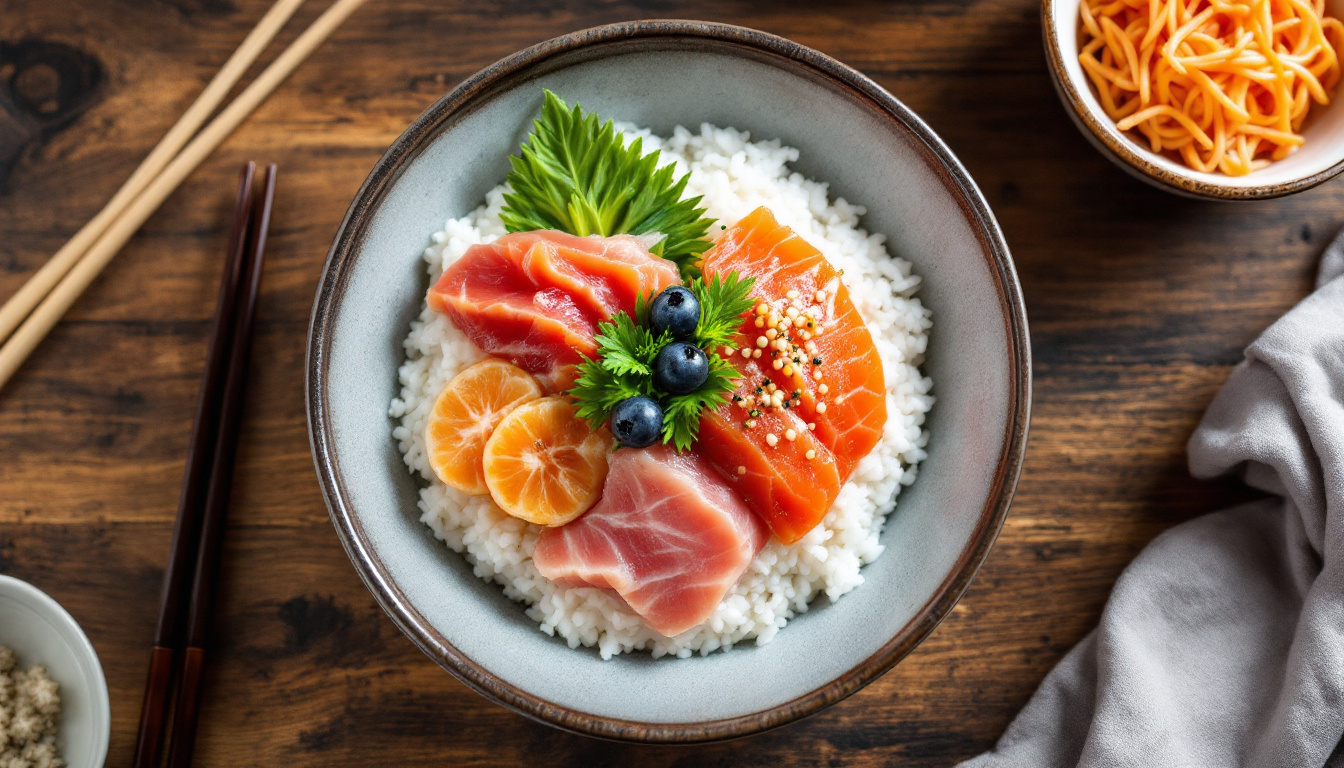
Sushi Dai and Daiwa Sushi are the two most famous counters, with omakase sets from ¥4,000 (~$27) and queues of one to three hours. They are worth it before 6 AM; otherwise the smaller shops one block back have the same suppliers, almost no wait, and often better value. Tsukiji Yamazaki grills thick, sweet tamagoyaki (Japanese omelette) on a stick for ¥150 (~$1), the best cheap breakfast bite in the market; eat it hot. Along the market streets, walk and eat grilled scallops (¥500), uni on a stick (¥800), and tuna cheek (¥600). Toyosu Market is worth it only if you want the tuna auction viewing (from 5:30 AM, registration required); its atmosphere is more institutional, so if you pick one, pick Tsukiji.
Shinjuku: ramen, izakaya and Golden Gai
Eat ramen and drink late in Shinjuku, the neighborhood that defined Tokyo ramen culture. The east side is a labyrinth of neon, narrow alleys, and some of the best late-night eating in Japan, and the station alone (the world’s busiest) hides a dozen ramen shops in its basement floors.
Fuunji is Tokyo’s most celebrated tsukemen (dipping ramen) shop, a thick fish-and-pork broth with firm noodles for ¥1,000 (~$7); the queue moves in about 20 minutes and you should order the large. Omoide Yokocho (Memory Lane) is a tiny alley of yakitori joints seating six to ten people each, with skewers from ¥100; go after 7 PM and point at what others are eating. Golden Gai is over 200 micro-bars in six alleys, more a drinking-with-snacks experience than a meal, with cover charges of ¥500 to 1,500. For a bargain Michelin lunch, Nakajima serves sardine-focused kaiseki for around ¥1,000 (~$7); arrive by 11:30.
Shibuya and Harajuku: trends, treats and sweets
Eat trends and sweets in Shibuya and Harajuku, Tokyo’s youth-culture epicenter, where souffle pancakes, matcha everything, and elaborate crepes launch. Dig beneath the surface, though, and the backstreets hide serious old-school izakaya.
Takeshita-dori in Harajuku is packed with crepe stands piled with whipped cream, strawberries, and matcha for ¥500 to 800, touristy and fun. Gyukatsu Motomura serves deep-fried beef cutlet rare on a hot stone you finish cooking yourself, ¥1,500 (~$10), one of Tokyo’s most distinctive lunches, with 30 to 60 minute weekend queues. Nonbei Yokocho, Shibuya’s “drunkard’s alley,” is a hidden lane of tiny bars serving grilled fish, sake, and shochu, more local and relaxed than Golden Gai.
Asakusa and Ueno: old Tokyo street food
Eat traditional Edo street food in Asakusa, the oldest food neighborhood in Tokyo, where snack culture from the Edo period survives. This is the district for ningyo-yaki, fresh senbei rice crackers, melon pan, and tempura shops that have been frying since the 1800s.
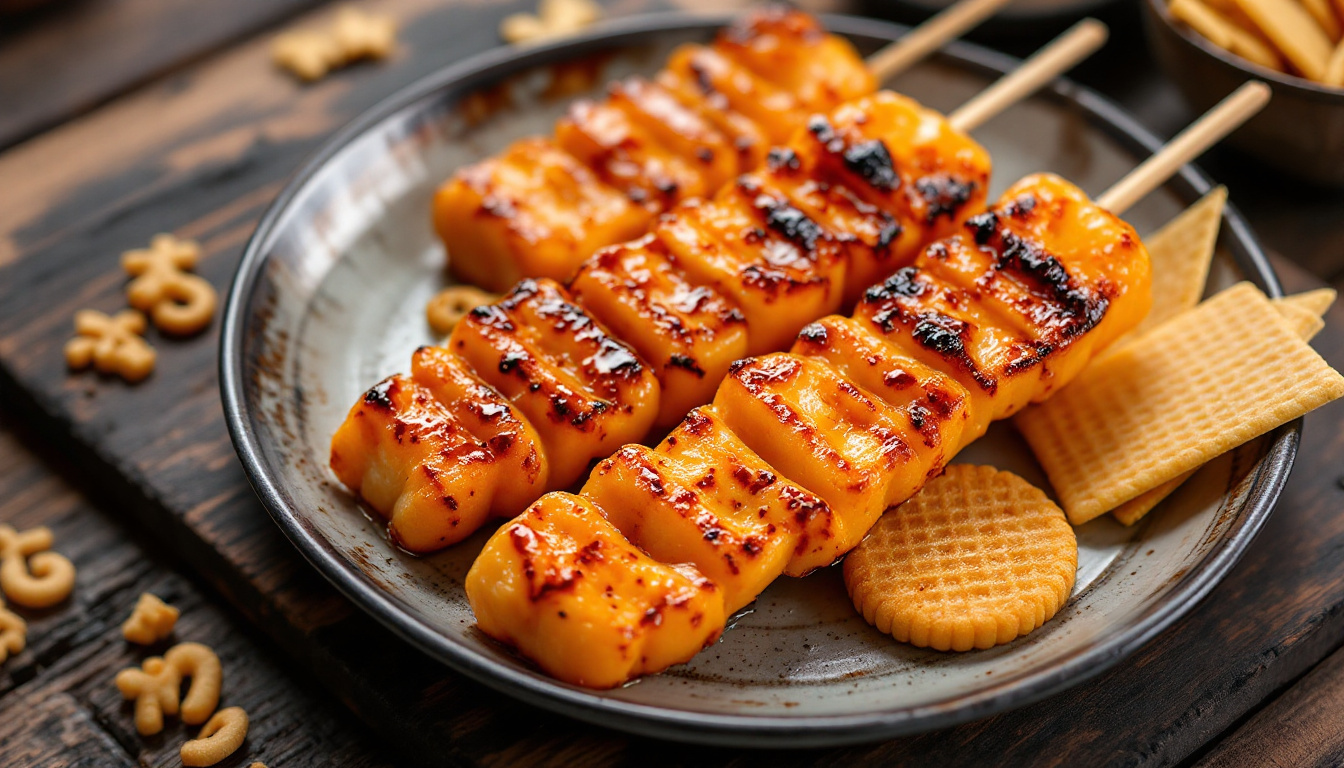
Nakamise-dori, the 250-meter approach to Senso-ji temple, is lined with snack vendors selling ningyo-yaki (¥300), fresh senbei (¥200), and melon pan stuffed with ice cream (¥500); walk slowly and eat everything. Daikokuya has been frying tempura since 1887, and its tendon (tempura rice bowl) is ¥1,800 (~$12) of massive prawns and sweet tare sauce. Nearby Ameyoko Market by Ueno Station is the most international food street in Tokyo, with fresh fruit, seafood snacks, Chinese street food, and kebabs; ¥500 buys a full snack tour. It ranks among the world’s great market food streets.
Ginza: high-end sushi and tempura
Eat fine dining in Ginza, the spiritual home of Edomae sushi and where many of Japan’s most decorated chefs work. It is the most expensive district, but it does not have to break you, because the lunch sets are a fraction of dinner prices.
Sukiyabashi Jiro, made legendary by the film Jiro Dreams of Sushi, serves omakase from ¥40,000 (~$265), reservation only, typically via a hotel concierge, 20 pieces in 30 minutes. Tempura Kondo holds two Michelin stars and is famous for vegetable tempura, with lunch from ¥7,000 (~$47). For the affordable side of Ginza, the depachika (department store basement food halls) at Ginza Mitsukoshi and Wako are art galleries of wagashi, bento, and pastries, where ¥1,000 to 2,000 buys a spectacular assembled lunch.
Yurakucho and Shinbashi: under-the-tracks yakitori
Eat yakitori in Yurakucho, in the smoky lanes beneath the JR train tracks toward Shinbashi. This is where Tokyo’s salarymen have decompressed after work since the 1950s, and every few meters a tiny grill spills smoke and noise onto the pavement.
In Yakitori Alley, dozens of small shops grill chicken hearts, livers, skin, and thigh with salt or tare for ¥100 to 300 a skewer, with beer at ¥500; pick any shop with smoke and a crowd, they are all good. Andy’s Shin Hinomoto, run by a British expat, is the tourist-friendly option under the tracks, with an English menu and quality intact, around ¥3,000 to 4,000 per person.
Roppongi and Azabu: international and vegetarian
Eat international and plant-based food in Roppongi and the quieter Azabu-Juban nearby. Once a nightclub district, Roppongi now has a mature food scene and Tokyo’s best vegetarian meal.
Sougo serves shojin ryori, Buddhist temple cuisine that is entirely plant-based, exquisitely presented, and deeply seasonal, with multi-course meals from ¥5,000 (~$33); it is the best vegetarian dining in Tokyo. Our vegetarian and vegan food travel guide has more plant-based options worldwide. The Roppongi Hills dining floors offer reliable French, Cantonese, and Japanese with city views, a good rainy-day fallback.
Tsukishima: monjayaki street
Eat monjayaki in Tsukishima, a residential island in Tokyo Bay with one culinary claim to fame. Monjayaki is Tokyo’s answer to Osaka’s okonomiyaki, a runny, gooey savory pancake cooked on a griddle at your table; where okonomiyaki is a neat disc, monja is a beautiful mess. For the okonomiyaki side of the rivalry, see our Osaka food guide.
Monja Street (Tsukishima Monja-dori) packs over 70 monjayaki restaurants onto a single street, most serving both monja and okonomiyaki, with an average meal of ¥1,200 to 2,000 (~$8 to 13). Try mentaiko-mochi (cod roe with rice cake). The staff usually cook the first one for you: they spread the batter thin, let it crust on the bottom, and you scrape small bites with a tiny spatula. Do not try to flip it, it is supposed to stay loose.
Top 10 dishes to eat in Tokyo
If your time is limited, these ten dishes define Tokyo’s food identity. Every one is available at multiple price points, from street-level cheap to fine-dining splurge, with a rough 2026 price and the district to find it.
| # | Dish | Where to try | Price | Area |
|---|---|---|---|---|
| 1 | Edomae nigiri sushi | Tsukiji stalls / any sushi counter | ¥1,500–40,000+ | Tsukiji / Ginza |
| 2 | Ramen (shoyu / tonkotsu) | Fuunji, any Shinjuku shop | ¥900–1,400 | Shinjuku |
| 3 | Yakitori | Yurakucho under-the-tracks stalls | ¥100–300/skewer | Yurakucho |
| 4 | Tempura | Daikokuya / Tempura Kondo | ¥1,500–15,000 | Asakusa / Ginza |
| 5 | Monjayaki | Monja Street | ¥1,200–2,000 | Tsukishima |
| 6 | Tonkatsu | Maisen, Butagumi | ¥1,500–3,000 | Shibuya / Azabu |
| 7 | Gyukatsu | Gyukatsu Motomura | ¥1,500 | Shibuya |
| 8 | Tamagoyaki | Tsukiji Yamazaki | ¥150 | Tsukiji |
| 9 | Unagi (grilled eel) | Obana, Kabuto | ¥3,000–6,000 | Asakusa area |
| 10 | Konbini onigiri and bento | 7-Eleven, Lawson, FamilyMart | ¥120–600 | Everywhere |
Yes, convenience store food made the top 10, and it is not a joke. Japanese konbini are in a category of their own. A ¥150 tuna-mayo onigiri from 7-Eleven, eaten on a park bench at midnight, is one of the purest food experiences Tokyo offers, and the Lawson egg sandwich has a cult following for a reason.
How much does food cost in Tokyo?
Tokyo is surprisingly affordable for a world capital, and you eat well at every level. A bowl of ramen or a set lunch costs under ¥1,500, while a high-end omakase is the splurge. These are rough US dollar conversions as of 2026 at about ¥150 to $1, so treat them as ranges that shift with the exchange rate.
| Item | Typical price | Where |
|---|---|---|
| Konbini onigiri | ¥120–300 (~$0.80–2) | 7-Eleven, Lawson |
| Conveyor-belt sushi | from ¥120/plate (~$0.80) | Kaiten-zushi chains |
| Bowl of ramen | ¥900–1,400 (~$6–9) | Shinjuku and everywhere |
| Teishoku set lunch | ¥800–1,200 (~$5–8) | Local restaurants |
| Izakaya dinner with drinks | ¥3,000–5,000 (~$20–33) | Yurakucho, Shinjuku |
| High-end omakase | ¥15,000–50,000+ (~$100–330+) | Ginza |
Tokyo food tips that matter
A few habits make a Tokyo food trip far smoother.
- Lunch sets are the cheat code. Even high-end restaurants serve teishoku lunches at a fraction of dinner prices, same chef and ingredients. Always check the lunch menu first.
- Learn the ticket machines. Many ramen and casual shops use a vending machine (shokkenki) at the door. Insert cash, press your dish, hand the ticket to the chef. Most have pictures; the top-left button is usually the house special.
- Queue, do not be scared of it. Lines move fast because turnover is fast, so a 20-person queue often means 15 to 20 minutes. Do not eat or hold spots in line.
- Do not tip, ever. It can cause confusion or offense. Say “gochisousama deshita” (thank you for the meal) instead. Slurping ramen is encouraged, not rude.
- Go to Tsukiji before 10 AM. It is a morning market, and the best stalls sell out by midday. Our food etiquette guide covers chopstick rules and more.
Frequently asked questions
What is the signature dish of Tokyo?
Tokyo has several rather than one. Edomae sushi (Edo-style nigiri) is the most iconic, born in the city’s old fish markets. Tokyo-style shoyu ramen, monjayaki (a runny savory pancake from Tsukishima), and tempura are all quintessential Tokyo foods.
What are the best food districts in Tokyo?
Tsukiji and Toyosu for sushi and seafood, Shinjuku for ramen and late-night izakaya, Asakusa and Ueno for old Edo street food, Ginza for omakase and fine dining, Yurakucho for under-the-tracks yakitori, Roppongi for international and vegetarian, and Tsukishima for monjayaki.
What is the best area for street food in Tokyo?
Asakusa’s Nakamise-dori and the streets around Senso-ji temple have the most concentrated street food, including melon pan and ningyo-yaki. Ameyoko Market near Ueno is another hotspot, and the yakitori alleys under the Yurakucho train tracks are unbeatable in the evening.
How much does a meal cost in Tokyo?
Tokyo is surprisingly affordable. Ramen runs ¥900 to 1,400 (~$6 to 9), a teishoku set lunch ¥800 to 1,200, conveyor sushi from ¥120 a plate, and an izakaya dinner with drinks ¥3,000 to 5,000 (~$20 to 33). High-end omakase starts around ¥15,000 and can exceed ¥50,000.
Is Tokyo good for vegetarian travelers?
It is improving but still challenging, because dashi (fish stock) is in most traditional dishes. Shibuya and Shinjuku now have vegan restaurants, and shojin ryori (Buddhist temple cuisine) at places like Sougo in Roppongi is fully plant-based. The phrase “niku nashi, sakana nashi” (no meat, no fish) helps when ordering.
When is the best time to visit Tokyo for food?
Autumn from October to November is peak food season, with sanma (Pacific saury), matsutake mushrooms, and new-harvest rice. Spring brings sakura sweets, summer means kakigori shaved ice and cold soba, and winter is prime for nabe hot pot, oden, and fugu.
Do I need reservations at Tokyo restaurants?
For high-end sushi, tempura, and kaiseki, yes, often weeks or months ahead, and many require Japanese-language booking or a hotel concierge. For ramen shops, izakayas, and casual places, no reservation is needed, just queue. Lunch sets at upscale restaurants are often walk-in.
More food guides waiting for you
Country and city deep dives across every continent we have eaten our way through.