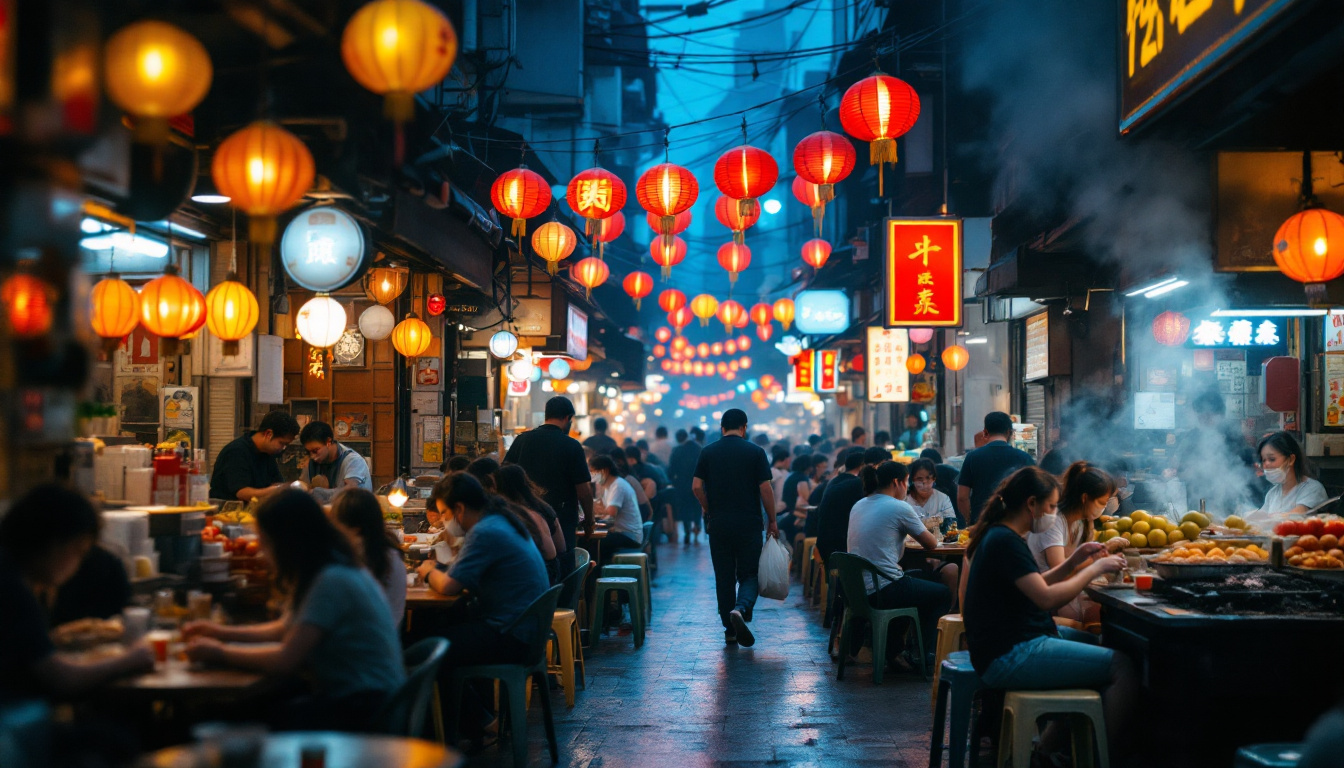
Hong Kong is a city that runs on food the way other cities run on money. The first question in any Cantonese conversation is “sik jo fan mei ah?”, have you eaten yet? The answer is almost always yes, because in Hong Kong you’re either eating, thinking about eating, or walking to the next place to eat. With 15,000+ restaurants crammed onto an island smaller than most national parks, every square meter competes on taste. This is where to navigate it all.
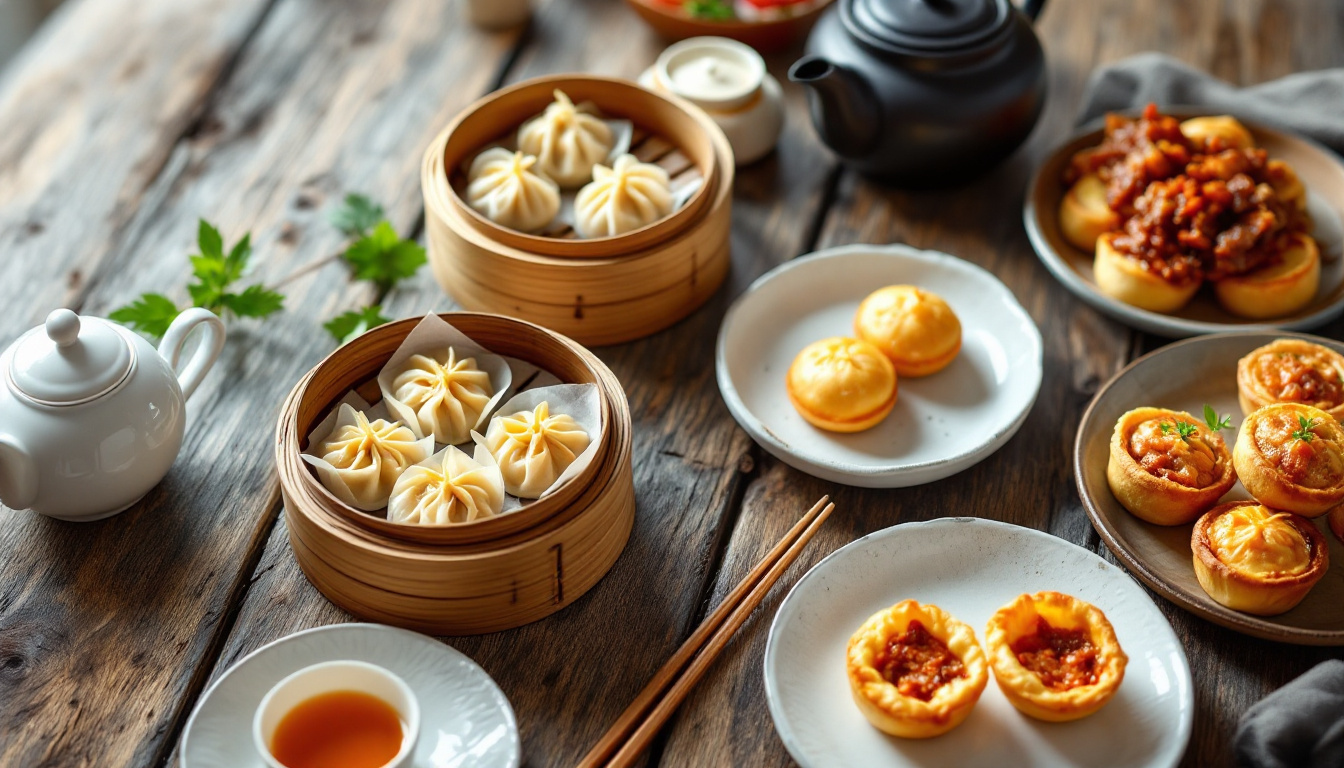
Hong Kong is the most concentrated great food city I have ever eaten in. In a single block you can have Michelin-starred dim sum, a bowl of wonton noodles from a stall older than your grandparents, roast goose chopped fresh from a window of hanging meats, and a glass of stocking-strained milk tea at a cha chaan teng. Cantonese cooking is built on obsession with freshness and the cleanest possible expression of an ingredient, and nowhere does it at this density.
In This Guide
- Central & Sheung Wan, Dim Sum & Fine Dining
- Wan Chai & Causeway Bay, Dai Pai Dong & Local Eats
- Mong Kok, Street Food Overload
- Sham Shui Po, Hong Kong’s Best-Kept Secret
- Tsim Sha Tsui, Harbour Views & Roast Meats
- Aberdeen & Ap Lei Chau, Seafood & Old Hong Kong
- Top 10 Dishes in Hong Kong
- Practical Tips
- FAQ
Hong Kong food exists in three parallel universes. The first is Cantonese fine dining, roast goose with lacquered skin so crispy it shatters, steamed garoupa that melts on contact, and dim sum made with a precision that borders on surgical. The second is the cha chaan teng, Hong Kong’s beloved greasy-spoon diner serving pineapple buns with cold butter, milk tea thick enough to stand a spoon in, and instant noodles elevated to a legitimate art form. The third is the street, curry fish balls from a cart, egg waffles crispy and warm, and cheung fun rolled and sauced on the spot.
All three universes coexist within one city block. You can eat a HK$2,000 lunch at a private kitchen, then walk 30 seconds to a HK$35 bowl of wonton noodles that’s been perfected over three generations. This vertical range is what makes Hong Kong food singular. No other city compresses this much culinary quality into this little space.
Hong Kong’s food roots are Cantonese, but its century as a British colony and its position as Asia’s crossroads city layered on influences from everywhere. For the broader Chinese culinary picture beyond Cantonese cooking, see our complete guide to the best food in China.
For another Chinese dumpling tradition refined to perfection in Asia, see Taiwan’s take on xiaolongbao at Din Tai Fung, the Michelin-starred sister art form to Cantonese dim sum.
Central & Sheung Wan, Dim Sum Palaces and Michelin Alleys
Central is Hong Kong’s financial heart, and its food scene reflects the split personality of the district: Michelin-starred restaurants in skyscrapers alongside century-old noodle shops in narrow alleys. Sheung Wan, just west, is older, quieter, and increasingly hip, dried seafood shops and traditional herbal tea stores sitting next to specialty coffee roasters.
What to eat in Central & Sheung Wan
Tim Ho Wan (various locations, original in Sham Shui Po), The world’s cheapest Michelin-starred restaurant. The baked char siu bao (BBQ pork buns with a crumbly, buttery top) are the signature, crispy, sweet, savory, addictive. Full dim sum meal for HK$80–150 (~$10–19) per person. The IFC Mall location in Central is the most convenient but has the longest queue. Go at opening (10 AM) or after 2 PM.
Lin Heung Tea House (160-164 Wellington Street), Old-school yum cha (dim sum brunch) the way it used to be: dim sum pushed around on trolleys, you grab what looks good as it passes, the bill is tallied from stamped cards. Noisy, crowded, chaotic, and vanishing from Hong Kong. HK$100–200 per person. Go for weekend brunch before 11 AM. If you only do one dim sum meal in Hong Kong, make it a trolley place.
Kau Kee (21 Gough Street, Central), Operating since 1922. Famous for two things: brisket noodles (clear broth, impossibly tender beef brisket, chewy noodles) and curry brisket noodles (same beef, rich curry sauce). HK$52–58 (~$6.70–7.40). Cash only, shared tables, zero frills. The queue at lunch is 15–30 min. This is Hong Kong comfort food at its purest.
Sheung Wan dried seafood streets, Des Voeux Road West and Wing Lok Street are lined with shops selling dried abalone, scallops, fish maw, and sea cucumber. Not street food per se, but many shops offer tastings. The herbal tea shops (leung cha) along these streets sell bitter, medicinal teas for HK$10–20, a genuinely acquired taste but part of the Hong Kong wellness culture.
Wan Chai & Causeway Bay, Dai Pai Dong and Local Life
Wan Chai is where Central’s corporate polish fades into lived-in, real Hong Kong. The remaining dai pai dong (open-air food stalls) cluster here, and the streets around Star Street and Cross Street have a mix of old Cantonese restaurants and new independent eateries. Causeway Bay, further east, is Hong Kong’s busiest shopping district with food crammed into every gap between the malls.
What to eat in Wan Chai & Causeway Bay
Dai pai dong on Cross Street (Wan Chai), One of the last remaining clusters of licensed outdoor food stalls. Wok-fried noodles with beansprouts, typhoon shelter-style garlic crab, claypot rice, and smoky stir-fries cooked on gas burners at the edge of the sidewalk. HK$60–120 per dish. These stalls are living heritage, fewer than 30 licensed dai pai dong remain in all of Hong Kong. Eat here before they’re gone.
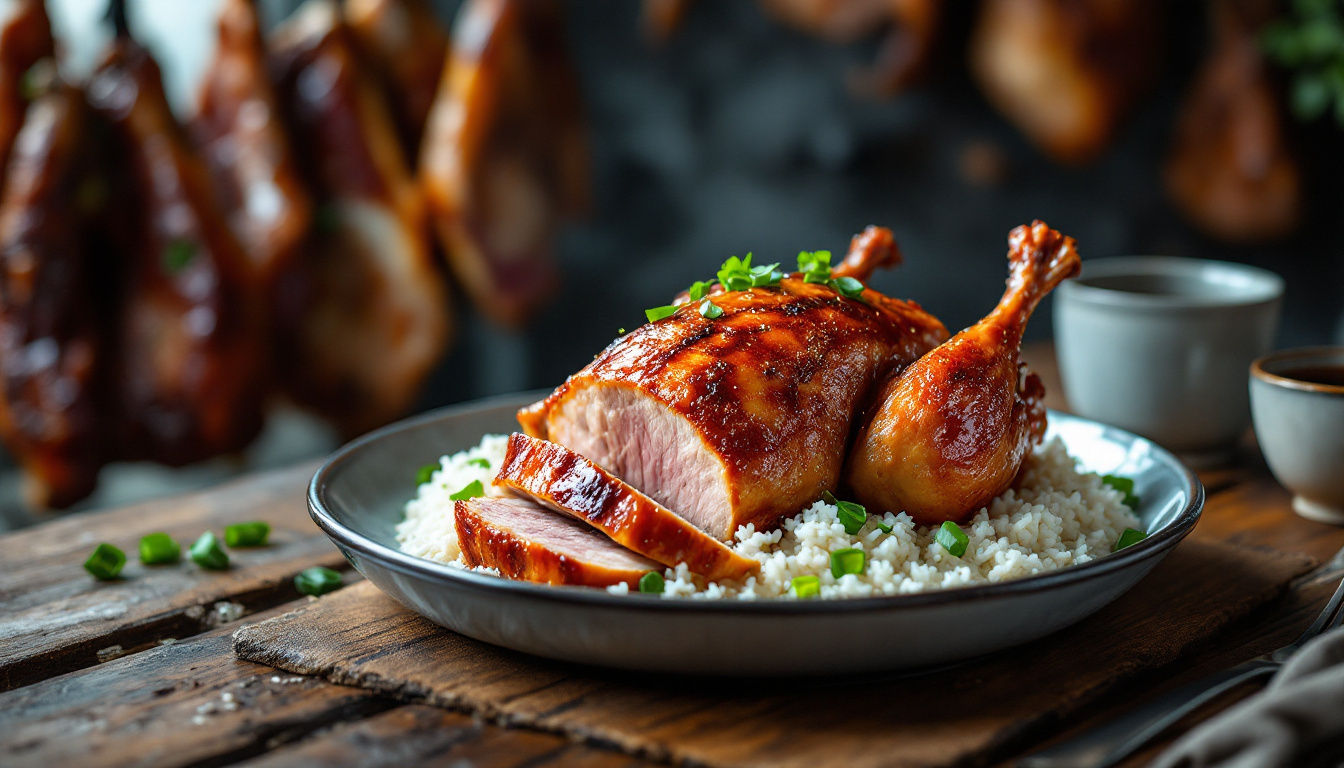
Kam’s Roast Goose (226 Hennessy Road, Wan Chai), Michelin-starred roast goose, lacquered skin that shatters like glass, juicy meat, served on rice with a drizzle of plum sauce. HK$78 for a plate of goose on rice. The quality comes from the Kam family’s decades-old recipe and a custom-built oven. Arrive at 11:30 to beat the lunch rush.
Under Bridge Spicy Crab (Causeway Bay), Literally located under the Canal Road flyover. Typhoon shelter crab, deep-fried crab tossed with a mountain of crispy garlic, chili, and scallion. HK$200–400 per crab depending on size. Messy, loud, glorious. A quintessential late-night Hong Kong dining experience. Go with friends and order beer.
Bowrington Road Market (Wan Chai), A wet market with a cooked-food floor upstairs. Congee, cheung fun, clay pot rice, and roast meat rice plates for HK$35–55. Zero tourists, pure local energy. The roast duck stall on the second floor has been there for decades.
Mong Kok, Street Food Overload
Mong Kok is the most densely populated neighborhood on Earth, and it feels like it. The streets between Prince Edward and Mong Kok MTR stations are an assault on every sense: neon, noise, and an overwhelming concentration of street food. This is where Hong Kong’s snack culture reaches its peak intensity.
What to eat in Mong Kok
Egg waffles (gai daan jai), Hong Kong’s most iconic street snack: a grid of golden, crispy-outside, soft-inside egg-batter bubbles. Plain is best, resist the Instagram versions loaded with ice cream and toppings (they make it soggy). HK$15–25 (~$1.90–3.20). Lee Keung Kee on Bute Street is the old-school choice. Eat immediately, they lose their crispiness in 5 minutes.
Curry fish balls, Rubbery, bouncy fish balls skewered on a stick, drenched in curry sauce. HK$12–18 per skewer. They taste nothing like actual fish, and that’s the point. This is pure Hong Kong street nostalgia. Every kid grew up eating these after school. The stalls on Dundas Street are the most concentrated.
Mong Kok cheung fun carts, Steamed rice noodle sheets rolled around fillings (shrimp, beef, char siu) and drizzled with sweet soy and sesame sauce. HK$15–25. The street carts that set up around Fa Yuen Street in the evening are the most fun, you watch the cook spread batter on a cloth stretched over steam, roll it in seconds, and hand it over on a paper plate.
One Dim Sum (15 Playing Field Road, Prince Edward), No-frills dim sum restaurant packed with locals at all hours. Har gow, siu mai, turnip cake, and congee at prices that make Tim Ho Wan look expensive. HK$20–35 per basket. The best dim sum value in Kowloon.
Tong Sui (dessert soup) stalls, Sweet warm soups: black sesame, red bean, mango pomelo sago, tofu fa (silken tofu pudding). HK$20–35. The dessert shops on Nelson Street and the stalls inside Langham Place food court are reliable. Mango pomelo sago is the must-try.
Sham Shui Po, Hong Kong’s Best-Kept Food Secret
Sham Shui Po is Hong Kong’s grittiest, most working-class neighborhood, and its best food district. The streets are packed with fabric markets, electronics stalls, and some of the cheapest, most authentic Cantonese food left in the city. While tourists flock to Central and Mong Kok, local food writers consistently rank Sham Shui Po’s stalls as the best in Hong Kong.
What to eat in Sham Shui Po
Kung Wo Beancurd Factory (118 Pei Ho Street), Fresh tofu made on-site since 1893. The hot fresh soy milk (HK$8) and tofu fa (silken tofu pudding with ginger syrup, HK$12) are life-changing. You’ll never drink packaged soy milk again. Arrive before 10 AM, they sell out daily.
Tim Ho Wan (original Sham Shui Po shop), The Michelin star was awarded to this specific location. Smaller, more local, and less touristic than the Central branches. Same legendary char siu bao and rice noodle rolls. HK$80–130 per person.
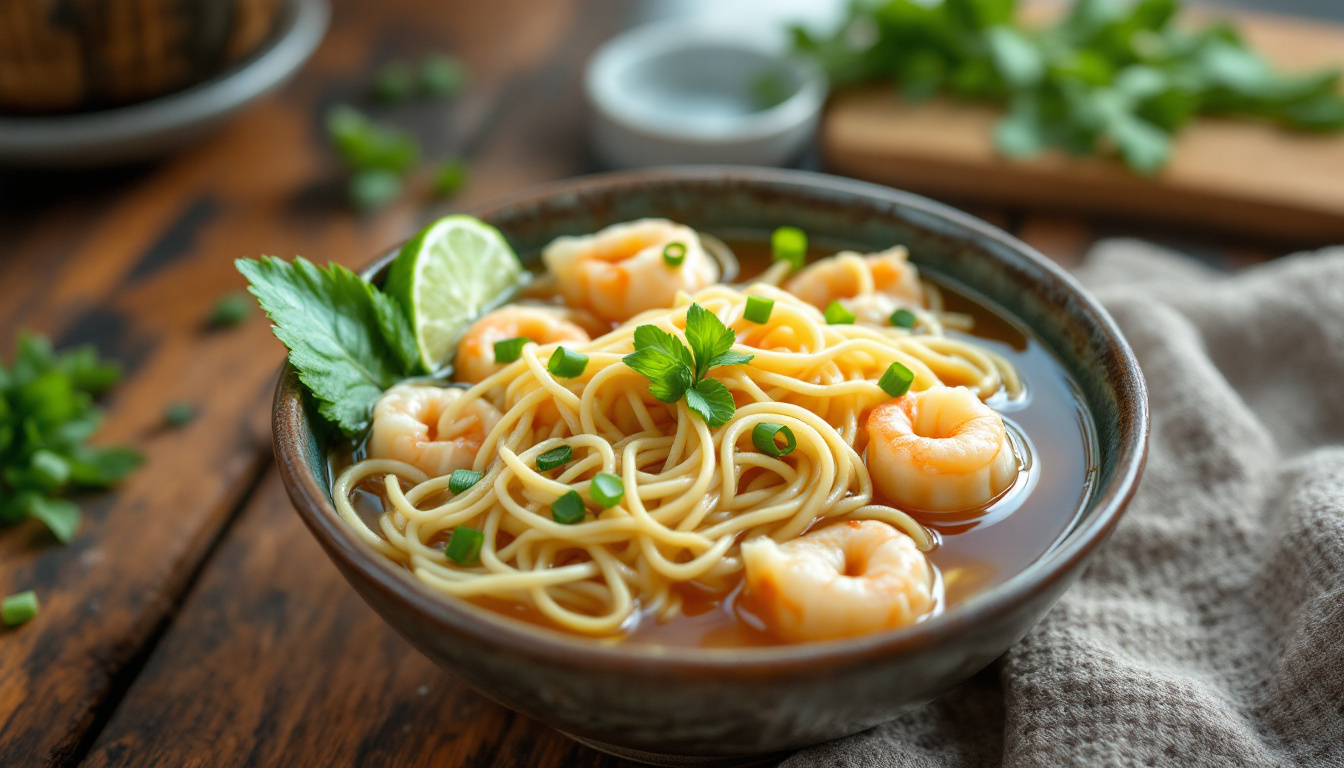
Lau Sum Kee Noodle (48 Kweilin Street), One of the last shops making traditional bamboo-pole noodles, the dough is kneaded by a cook bouncing on a bamboo pole, producing an impossibly springy, elastic texture. Shrimp wonton noodles HK$36 (~$4.60). The wontons are wrapped in a single, precise fold. This is a dying craft, fewer than 5 shops in Hong Kong still make noodles this way.
Pak Wai Rice Roll King (Ap Liu Street area), Cheung fun made fresh to order with fillings like char siu, dried shrimp, and peanuts, drizzled with soy, sesame, and sweet sauce. HK$15–22. The best cheung fun in the city according to many locals. Early morning only.
Tsim Sha Tsui, Harbour Views and Roast Meat Windows
Tsim Sha Tsui (TST) is Kowloon’s tourist and shopping hub, stretching along the harbour with views of Hong Kong Island’s skyline. The food is a mix of tourist-facing (avoid the Nathan Road tourist restaurants) and legitimately excellent Cantonese spots hidden one block from the main drag.
What to eat in TST
Roast meat shop windows (any backstreet), One of Hong Kong’s great visual spectacles: glistening rows of roast duck, char siu (BBQ pork), roast pork belly, and soy sauce chicken hanging in restaurant windows. Point at what you want, get it chopped and served on rice. HK$45–70 per plate. The shops on Granville Road and Carnarvon Road are excellent.
Mak’s Noodle (77 Wellington Street, also in TST), Famous for tiny, intensely flavored wonton noodles. The wontons are stuffed with whole shrimp wrapped in razor-thin wonton skins. Portions are deliberately small (the “old-school Hong Kong” way). HK$40–55. Order two bowls or add a side of kai-lan (Chinese broccoli) with oyster sauce.
Australian Dairy Company (47-49 Parkes Street, Jordan), A cha chaan teng legend. Famous for three things: steamed milk pudding (silky, warm, barely sweet), scrambled eggs on toast (impossibly fluffy), and milk tea. HK$30–60. Service is legendarily fast and brusque, you’ll be seated, served, and out in 15 minutes. Don’t dawdle. This is a Hong Kong institution.
Temple Street Night Market food (Yau Ma Tei), The food stalls at the north end of Temple Street serve claypot rice, dai pai dong-style wok dishes, and seafood. HK$60–120. The atmosphere, fortune tellers, opera singers, neon, is the real draw. Come after 8 PM.
Aberdeen & Ap Lei Chau, Seafood and Old Hong Kong
Aberdeen, on the southern side of Hong Kong Island, was once a fishing village and retains that character. The famous floating restaurants have largely closed, but the Aberdeen Fish Market and the nearby restaurants serve some of the freshest seafood in the city. Ap Lei Chau, the island connected by bridge, has a growing food scene.
What to eat in Aberdeen & Ap Lei Chau
Aberdeen Fish Market area seafood restaurants, Walk through the wholesale fish market, then eat at the restaurants alongside it. Choose your fish live from tanks, the restaurant cooks it your way: steamed with ginger and scallion (the Cantonese default for fresh fish), deep-fried, or wok-fried with garlic. HK$200–400 per person for a full seafood spread.
Claypot rice (Ap Lei Chau backstreets), In winter (October–March), small restaurants set up rows of claypots over gas flames, cooking rice with Chinese sausage (lap cheong), dried duck, or eel. The rice at the bottom forms a golden crust (fan jiu). HK$50–80 per pot. The wait can be 20–30 min because each pot cooks individually. Worth it for the crackling rice layer.
Top 10 Dishes to Eat in Hong Kong
Hong Kong food is Cantonese at its core but shaped by a century of global influence. These ten dishes capture the full spectrum, from dim sum mastery to cha chaan teng invention to street-stall genius.
| # | Dish | Where to Try | Price | Area | Rating |
|---|---|---|---|---|---|
| 1 | Dim sum (har gow, siu mai, char siu bao) | Tim Ho Wan / Lin Heung Tea House | HK$80–300 | Sham Shui Po / Central | ★★★★★ |
| 2 | Roast goose | Kam’s Roast Goose | HK$78–120 | Wan Chai | ★★★★★ |
| 3 | Wonton noodles | Mak’s Noodle / Lau Sum Kee | HK$36–55 | Central / Sham Shui Po | ★★★★★ |
| 4 | Egg waffles (gai daan jai) | Lee Keung Kee / Mong Kok stalls | HK$15–25 | Mong Kok | ★★★★★ |
| 5 | Char siu (BBQ pork) on rice | Any roast meat window / Joy Hing | HK$45–70 | Wan Chai / TST | ★★★★★ |
| 6 | HK milk tea (nai cha) | Lan Fong Yuen / any cha chaan teng | HK$18–28 | Everywhere | ★★★★ |
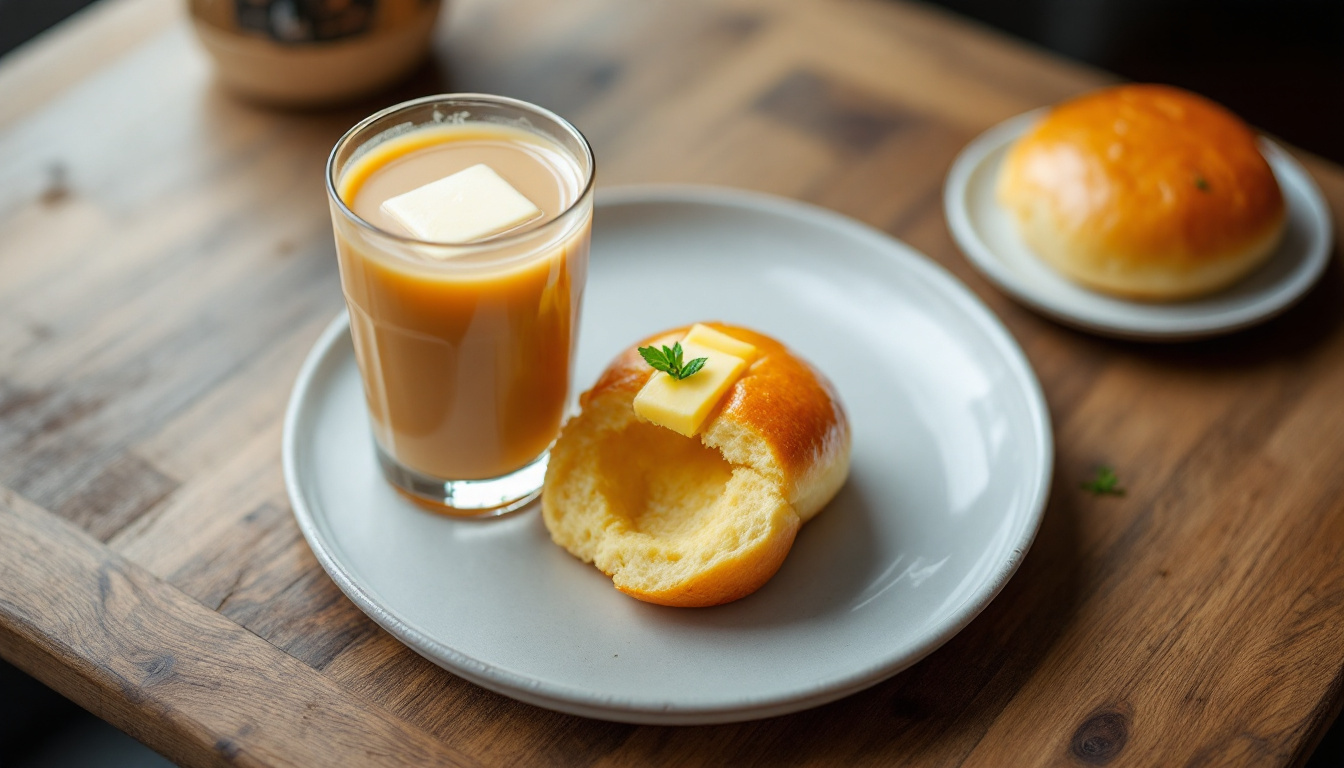
| 7 | Pineapple bun + butter (bo lo bao) | Kam Wah Cafe (Mong Kok) | HK$12–18 | Mong Kok | ★★★★ |
| 8 | Typhoon shelter crab | Under Bridge Spicy Crab | HK$200–400 | Causeway Bay | ★★★★ |
| 9 | Cheung fun (rice noodle rolls) | Mong Kok street carts / Pak Wai | HK$15–25 | Mong Kok / Sham Shui Po | ★★★★ |
| 10 | Claypot rice | Kwan Kee / Aberdeen side streets | HK$50–80 | Various (seasonal) | ★★★★ |
A word about Hong Kong milk tea (nai cha): this is not the bubble tea you know. It’s a brutal, beautiful brew, Ceylon tea pulled through a cloth “stocking” filter (hence the nickname “silk stocking tea”), mixed with evaporated milk, and served so strong it’s almost bitter. The color should be a deep amber. The texture should be thick and smooth. A good cha chaan teng is defined by its milk tea recipe. Lan Fong Yuen in Central claims to have invented it in 1952. Ask for it “dong” (iced) in summer, “yit” (hot) in winter. HK$18–28. You’ll drink three before the day is over.
Practical Tips for Eating in Hong Kong
The cha chaan teng survival guide
Cha chaan tengs are Hong Kong’s soul, but they can intimidate first-timers. The menus are often in Chinese only (point at what your neighbor’s eating). Service is fast and occasionally brusque, this isn’t rudeness, it’s efficiency. You’ll be asked to order within 30 seconds of sitting down. If you’re not ready, say “dang yat jan” (wait a moment). Sharing tables with strangers is standard. Don’t linger after eating, there’s a queue behind you.
MTR is your food transport
Hong Kong’s MTR (subway) is clean, fast, and connects every food neighborhood in this guide. Central to Sham Shui Po: 15 min. Mong Kok to Wan Chai: 10 min. Use the Octopus card (tap-and-go transit card), it also works at 7-Eleven and many restaurants. Your best food day in Hong Kong is an MTR crawl: dim sum in Sham Shui Po, roast goose in Wan Chai, egg waffles in Mong Kok, typhoon shelter crab in Causeway Bay.
Cash vs. card
Small restaurants, dai pai dong, and street stalls are almost always cash only. Bring HK$500–800 in small bills (HK$20, $50, $100) for a full day of street eating. Octopus card covers most other payments. Major restaurants accept credit cards.
When to eat what
Dim sum / yum cha: morning to early afternoon (ideally 10–12 AM). Roast meats on rice: lunch (12–2 PM, stalls sell out of the best cuts early). Cha chaan teng: any time. Street food: late afternoon to evening (4–10 PM). Dai pai dong: dinner (6–10 PM). Tong sui (dessert soup): after dinner. Late-night dai pai dong and wonton noodle shops run until 1–2 AM.
Tipping
Tipping is not expected at cha chaan tengs, dai pai dong, or street stalls. At sit-down restaurants, a 10% service charge is usually included in the bill. If not, rounding up or leaving 5–10% is appreciated but not required. At dim sum restaurants, the service charge covers everything.
Frequently Asked Questions About Food in Hong Kong
More Asian food guides waiting for you
Country and city deep dives across Asia and beyond.