Bali has two food realities that exist on the same island but rarely in the same room. The first is the Bali that Instagram built, smoothie bowls topped with dragon fruit and edible flowers, served in bamboo cafes overlooking rice terraces. The second is the Bali that Balinese people actually eat, babi guling with skin so crispy it cracks between your teeth, sambal matah raw on a banana leaf, and nasi campur from a warung where a full plate costs less than a dollar. Both are worth your time. But only one will change how you think about food.
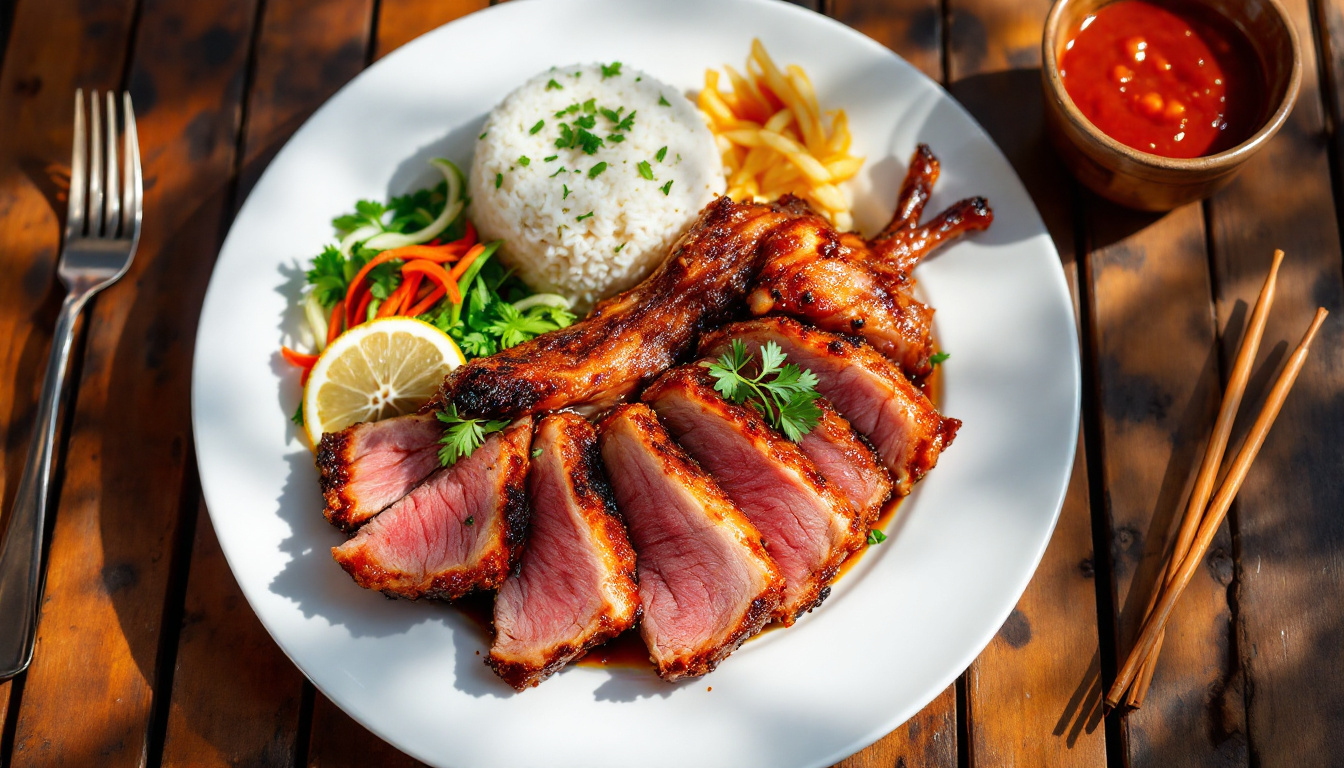
The best meal I had in Bali was not in a beach club or a fancy fusion cafe, it was a plate of babi guling at a no-name Ubud warung, crisp suckling-pig skin and spiced shredded pork over rice with lawar and a fierce sambal, eaten for the price of a coffee back home. That is the Bali most visitors miss. Behind the smoothie bowls and the Instagram cafes is one of Indonesia’s most distinctive regional cuisines, built on aromatic spice pastes (base genep), grilling, and Hindu feast cooking found nowhere else in the country.
In This Guide
Bali is the only Hindu-majority island in Muslim-majority Indonesia, and this religious difference shapes everything about its food. Where most of Indonesia avoids pork, Bali celebrates it, babi guling (suckling pig) is the island’s ceremonial centerpiece. Where mainstream Indonesian cooking uses specific spice blends, Balinese cooking has its own unique base gede, a paste of turmeric, galangal, shallots, garlic, ginger, chilies, and shrimp paste that forms the foundation of nearly every Balinese dish. The flavors are bolder, more aromatic, and more layered than what you’ll find in Java or Sumatra.
The island also has one of the most extreme food-price splits on Earth. In Ubud, you can eat a world-class babi guling lunch for Rp 30,000 ($1.90), then walk five minutes to a cafe charging Rp 120,000 ($7.50) for an acai bowl. In Canggu, an Australian-style brunch costs more than a local family spends on food for a day. Understanding this split, and learning where to eat on both sides, is the key to eating well in Bali.
For the full picture of Indonesian food beyond Bali, check our complete guide to the best food in Indonesia.
Ubud, The Heart of Balinese Food Culture
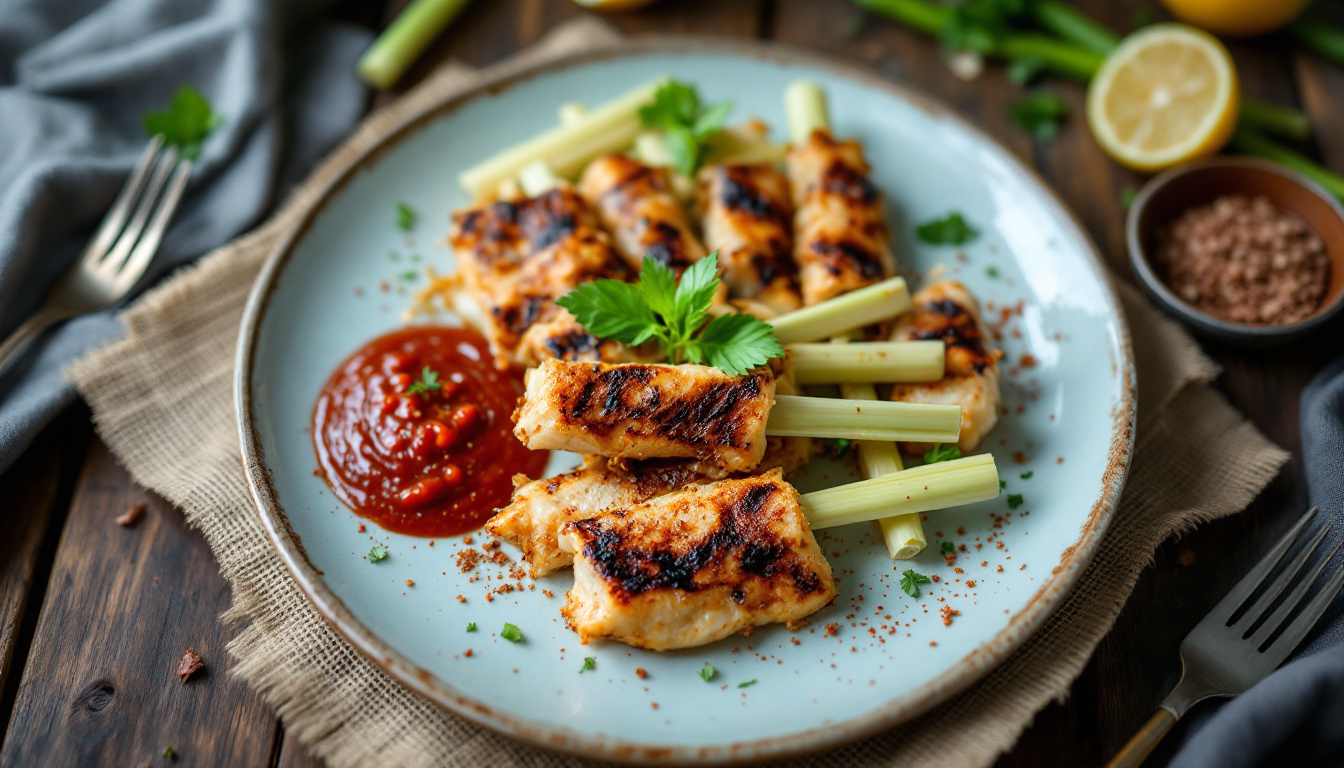
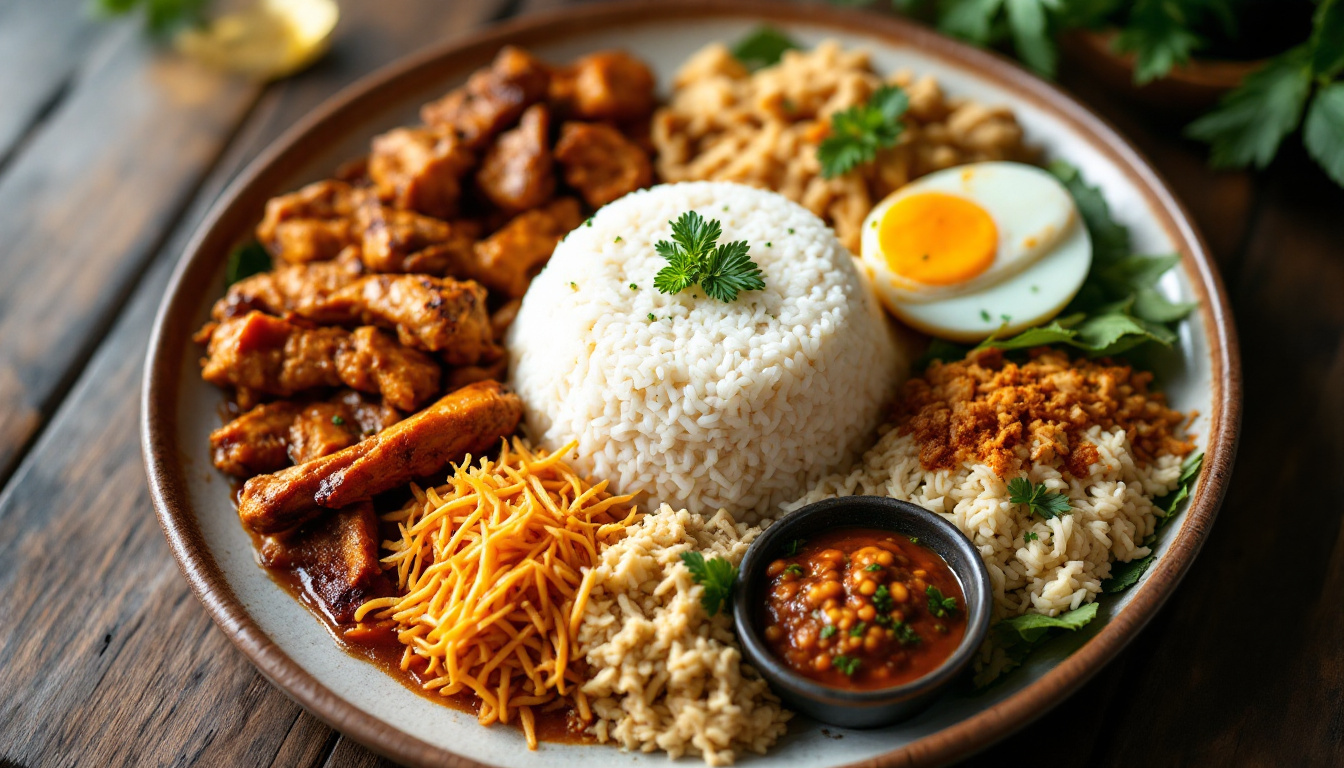
Ubud is Bali’s cultural capital and the best place to eat authentic Balinese food. The town and its surrounding villages are where babi guling is at its finest, where the warung tradition is strongest, and where the rice terraces that define Balinese agriculture shape the landscape. Ubud is also the epicenter of Bali’s wellness and vegan scene, making it the one place where you can eat both a whole roast pig and a raw cacao ceremony bowl on the same street.
What to eat in Ubud
Ibu Oka (Jalan Tegal Sari No.2, near Ubud Palace), The most famous babi guling restaurant in Bali, made globally known by Anthony Bourdain. A plate of roast suckling pig with rice, lawar, blood sausage (urutan), crispy skin, and sambal. Rp 60,000–80,000 (~$3.75–5). The pig is roasted whole over coconut husks. Arrive before noon, they sell out daily. The original location near the palace is the one to visit.
Warung Babi Guling Pak Malen (Jalan Raya Ubud), Many locals consider this better than Ibu Oka, less famous, less crowded, and the skin might be crispier. Rp 40,000–55,000 (~$2.50–3.45). The spiced soup that comes with the plate is exceptional. Smaller, more local atmosphere.
Warung Nasi Ayam Kedewatan Ibu Mangku (Jalan Raya Kedewatan), A legendary warung serving nasi ayam, shredded chicken with rice, lawar, sambal matah (raw shallot and lemongrass sambal), and vegetables. The chicken is braised in a turmeric-coconut base until falling apart. Rp 25,000–35,000 (~$1.55–2.20). Packed at lunch with Balinese locals, which tells you everything.
Ubud vegan cafes (Jalan Hanoman, Jalan Dewi Sita), Ubud has one of the densest concentrations of plant-based restaurants in Asia. Alchemy (raw food, juice bar, salad bar), Sage (Indonesian-inspired vegan), and Moksa (farm-to-table in a permaculture garden). Rp 60,000–120,000 per meal. Pricier than warungs but genuine quality. See our vegetarian and vegan food travel guide for more global options.
Tegallalang rice terrace warungs, The famous rice terraces north of Ubud have simple warungs overlooking the paddies. The food is basic (nasi goreng, mie goreng, fresh juice) but the view is priceless. Rp 40,000–80,000 per dish. Best at morning or late afternoon when the light on the terraces is golden and the crowds thin.
Denpasar, Night Markets and the Real Bali
Denpasar is Bali’s capital city, and the part of Bali that most tourists skip entirely. This is a mistake, especially for food. Denpasar has the island’s best night markets (pasar malam), the densest concentration of warungs, and a street-food scene that’s completely untouched by the tourist economy. If you want to eat what Balinese people actually eat, come here.
What to eat in Denpasar
Pasar Badung Night Market, Bali’s largest traditional market transforms after dark into a sprawling food court. Nasi jinggo (tiny rice packets with shredded chicken, sambal, and fried tempe for Rp 5,000 / ~$0.30), grilled corn, bakso (meatball soup), martabak (stuffed pancake). The prices here are the cheapest in Bali. Come after 6 PM for the full experience.
Nasi Ayam Bu Oki (Jalan Kartini, Denpasar), A local legend. Shredded chicken on rice with tum (spiced meat wrapped in banana leaf), sate lilit, lawar, and three kinds of sambal. Rp 20,000–30,000 (~$1.25–1.90). This is what a perfect Balinese lunch looks like. Simple, balanced, deeply satisfying. No English menu, just point at what others have.
Men Weti Babi Guling (Jalan Tukad Balian, Renon), A serious contender for the best babi guling in all of Bali. Less famous than Ibu Oka but the locals’ choice. The crackling is extraordinary, shatteringly crisp, deeply spiced. Rp 35,000–50,000. Open from 8 AM and sells out by early afternoon.
Nasi jinggo stalls (everywhere in Denpasar), Nasi jinggo is Bali’s late-night street food: tiny banana-leaf-wrapped packets of rice with a small portion of shredded chicken, sambal, fried tempe, and vegetables. Rp 5,000–8,000 (~$0.30–0.50) per packet. You eat 2–3 of them. They appear at roadsides after 5 PM and are the Balinese equivalent of a kebab after a night out.
Seminyak & Canggu, Cafes, Fusion and the Instagram Bali
Seminyak and Canggu are Bali’s cosmopolitan beach neighborhoods, where Australian brunch culture, Scandinavian minimalism, and Californian wellness collided to create one of the most photogenic (and expensive) food scenes in Southeast Asia. The food here is genuinely good, but it’s a fundamentally different experience from traditional Balinese eating. Think avocado toast, acai bowls, kombucha on tap, and fusion restaurants where a chef trained in Copenhagen cooks with Balinese spices.
What to eat in Seminyak & Canggu
Canggu smoothie bowl cafes (Jalan Pantai Batu Bolong), The Batu Bolong strip is ground zero for Bali’s cafe culture. Nalu Bowls, Crate Cafe, Shady Shack, all serve photogenic bowls, all cost Rp 80,000–120,000 (~$5–7.50). Are they overpriced by local standards? Yes. Are the acai and dragon fruit fresh, the granola house-made, and the vibe genuinely pleasant? Also yes. It is what it is.
Warung Dandelion (Jalan Munduk Catu, Canggu), Proof that you can eat authentic Balinese food in Canggu for warung prices. Nasi campur, ayam betutu, lawar, Rp 25,000–40,000. Hidden off the main road, no Instagram presence, packed with local workers. The sambal is house-made and ferocious.
Merah Putih (Jalan Petitenget, Seminyak), High-end modern Indonesian restaurant set in a dramatic open-air cathedral-like space. Indonesian dishes reinterpreted with fine-dining technique: rendang with precision, gado-gado plated like art. Rp 200,000–500,000 per person. Worth it for a splurge meal to see where Indonesian cuisine meets international ambition.
La Baracca (various Seminyak/Canggu locations), Italian-run, wood-fired pizza that rivals genuine Neapolitan pizzerias. Rp 90,000–130,000 per pizza. When you need a break from rice and sambal, this is the answer.
Old Man’s (Jalan Pantai Batu Bolong, Canggu), More of a surf bar than a restaurant, but the BBQ ribs and fish tacos are solid, and the sunset view over Batu Bolong beach with a cold Bintang beer is one of Bali’s great cheap thrills. Rp 60,000–120,000 per dish.
Jimbaran, Grilled Seafood on the Sand at Sunset
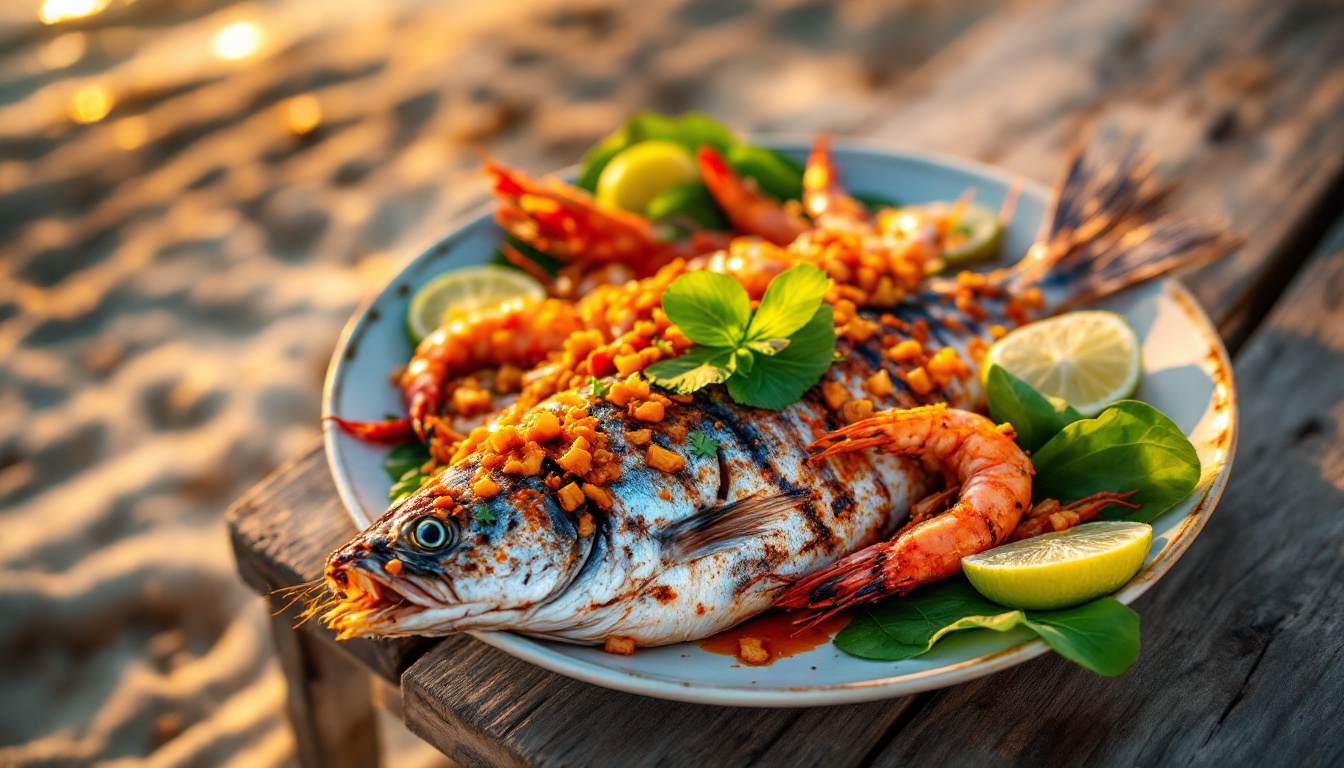
Jimbaran Bay is Bali’s most famous seafood destination, a crescent of golden sand where dozens of restaurants set up tables directly on the beach and grill the day’s catch over coconut-husk coals while you watch the sunset over the Indian Ocean. It’s touristy, it’s a set piece, and it’s still completely worth doing once.
What to eat in Jimbaran
Jimbaran Beach seafood restaurants (Muaya Beach), Choose your fish (snapper, barramundi, prawns, squid, lobster, clams) from ice displays at the front, it’s weighed, you negotiate a price, and they grill it with Balinese sambal. Served on the sand with rice, kangkung (water spinach), and more sambal. Budget Rp 150,000–300,000 (~$9.40–18.75) per person for a full seafood spread. The restaurants all serve essentially the same food at similar prices, choose by location (sunset view) rather than menu. Go 30 min before sunset for the full experience.
Warung Menega / Lia Cafe, Two of the most established Jimbaran beach restaurants. Slightly better organized than the smaller stalls, with set-menu options for groups (Rp 200,000–400,000 for a mixed seafood platter). The grilled prawns with Balinese sambal matah are the highlight, sweet, smoky, spicy, perfect.
Sanur, Quiet Warungs and Morning Markets
Sanur is Bali’s quiet, mature counterpart to the chaos of Kuta and the hipster energy of Canggu. The beach promenade is calm, the town is walkable, and the food scene is a pleasant mix of traditional warungs and relaxed cafes without the Seminyak price premium.
What to eat in Sanur
Pasar Sindhu Night Market, Sanur’s night market is small but excellent. Grilled seafood, nasi campur, martabak manis (sweet stuffed pancake, one of Indonesia’s greatest desserts), and fresh fruit juices. Rp 15,000–40,000 per dish. Open evenings from 5 PM. More relaxed than Denpasar markets, good for families.
Warung Mak Beng (Jalan Hang Tuah 45), A Sanur institution since the 1940s. They serve exactly one thing: fried fish with rice, sambal, lawar, and fish soup. Rp 35,000 (~$2.20). No menu, no options, you sit down and it arrives. The fish is caught that morning, fried in coconut oil, and served with a soup made from the head and bones. Perfection through simplicity.
Warung Baby Monkeys (Jalan Danau Poso), A tiny warung with a loyal local following. Nasi campur with ayam (chicken) or babi (pork), sambal, lawar, and vegetables. Rp 20,000–30,000. The name comes from the monkeys that occasionally visit from a nearby temple. The sambal is house-made and excellent.
Sanur beachfront boardwalk cafes, The 5 km paved boardwalk along Sanur beach has small cafes every few hundred meters. Fresh coconuts (Rp 15,000), iced coffee (Rp 25,000), and nasi goreng (Rp 40,000) with a sea view. Not groundbreaking food, but a genuinely pleasant way to eat lunch in Bali without spending Seminyak prices.
Top 10 Dishes to Eat in Bali
Balinese food is distinct from the rest of Indonesian cuisine, spicier, more aromatic, and shaped by Hindu culture. These ten dishes capture the island’s food identity. Some you’ll find only in Bali; others are Indonesian standards given a Balinese twist.
| # | Dish | Where to Try | Price | Area | Rating |
|---|---|---|---|---|---|
| 1 | Babi guling (suckling pig) | Ibu Oka / Pak Malen / Men Weti | Rp 35,000–80,000 | Ubud / Denpasar | ★★★★★ |
| 2 | Nasi campur Bali | Any warung, the more local, the better | Rp 20,000–40,000 | Everywhere | ★★★★★ |
| 3 | Sate lilit (lemongrass satay) | Warungs / babi guling restaurants | Rp 15,000–30,000 | Ubud / everywhere | ★★★★★ |
| 4 | Lawar (spiced coconut & meat salad) | Babi guling restaurants / warungs | Rp 15,000–25,000 | Ubud / Denpasar | ★★★★ |
| 5 | Nasi goreng (fried rice) | Every warung and restaurant | Rp 20,000–50,000 | Everywhere | ★★★★ |
| 6 | Bebek / ayam betutu (slow-cooked duck/chicken) | Warung Betutu Gilimanuk / Men Tempeh | Rp 40,000–70,000 | Ubud / Denpasar | ★★★★★ |
| 7 | Jimbaran grilled seafood | Jimbaran Beach restaurants | Rp 150,000–300,000 | Jimbaran | ★★★★ |
| 8 | Sambal matah (raw shallot sambal) | Served with everything, ask for extra | Free (with meals) | Everywhere | ★★★★★ |
| 9 | Nasi jinggo (tiny rice packets) | Denpasar street stalls / roadsides | Rp 5,000–8,000 | Denpasar | ★★★★ |
| 10 | Martabak manis (sweet stuffed pancake) | Night markets / street vendors | Rp 20,000–40,000 | Denpasar / Sanur | ★★★★ |
A word about sambal matah: this is Bali’s secret weapon. Where most Indonesian sambals are cooked and chili-forward, sambal matah is raw, thinly sliced shallots, lemongrass, bird’s eye chilies, kaffir lime leaves, and coconut oil, mixed fresh. It’s bright, fragrant, crunchy, and goes on literally everything. Ask for “sambal matah tambah” (extra sambal matah) at any warung. It’s always free, and it’s always the best thing on the plate. No dish in Bali is complete without it.
Practical Tips for Eating in Bali
Warungs are the answer
If you eat at warungs for every meal, your daily food budget will be Rp 60,000–100,000 ($3.75–6.25). If you eat at cafes and restaurants, it’s Rp 300,000–600,000 ($18.75–37.50). The warung food is better, more authentic, and supports local families. Eat at warungs for lunch, treat yourself to a restaurant dinner once or twice, this is the ideal Bali food strategy.
The nasi campur system
At a nasi campur warung, you point at the dishes in the glass display case and the cook plates rice with your selections. Take 3–4 items: a protein (chicken, pork, fish, egg), a vegetable (kangkung, lawar, urap), sambal, and a kerupuk (crackers). The price is calculated by what you chose. Starting phrase: “nasi campur, pakai…” (mixed rice, with…) and point. Don’t speak Indonesian? Just point, the pointing system is universal.
Water and ice
Never drink tap water in Bali. Bottled water (air mineral) costs Rp 3,000–5,000 from any shop. Ice in established cafes and restaurants is factory-made (tubular shape) and safe. At small roadside stalls, skip the ice if you’re cautious. Refillable water stations are increasingly common, bring a reusable bottle.
Scooter food crawls
The best way to eat in Bali is on a scooter (or on the back of a Grab/Gojek motorbike taxi). Warungs are scattered along roads between towns, not concentrated in walking-distance food districts. A scooter lets you hit Ibu Oka for lunch, a village warung for snacks, and Jimbaran for dinner, all impossible on foot. Grab food delivery also works across most of southern Bali.
Ceremonial food
If you’re in Bali during Galungan or Kuningan (Balinese Hindu holidays, roughly every 210 days), the island erupts with ceremonial food preparation. Families roast babi guling, make lawar, and prepare offerings that include spectacular food arrangements. Some temples and community halls welcome respectful visitors. Ask your hotel or homestay, they’ll often invite you to watch or even participate in the cooking.
Frequently Asked Questions About Food in Bali
More Asian food guides waiting for you
Country and city deep dives across Indonesia and the wider continent.