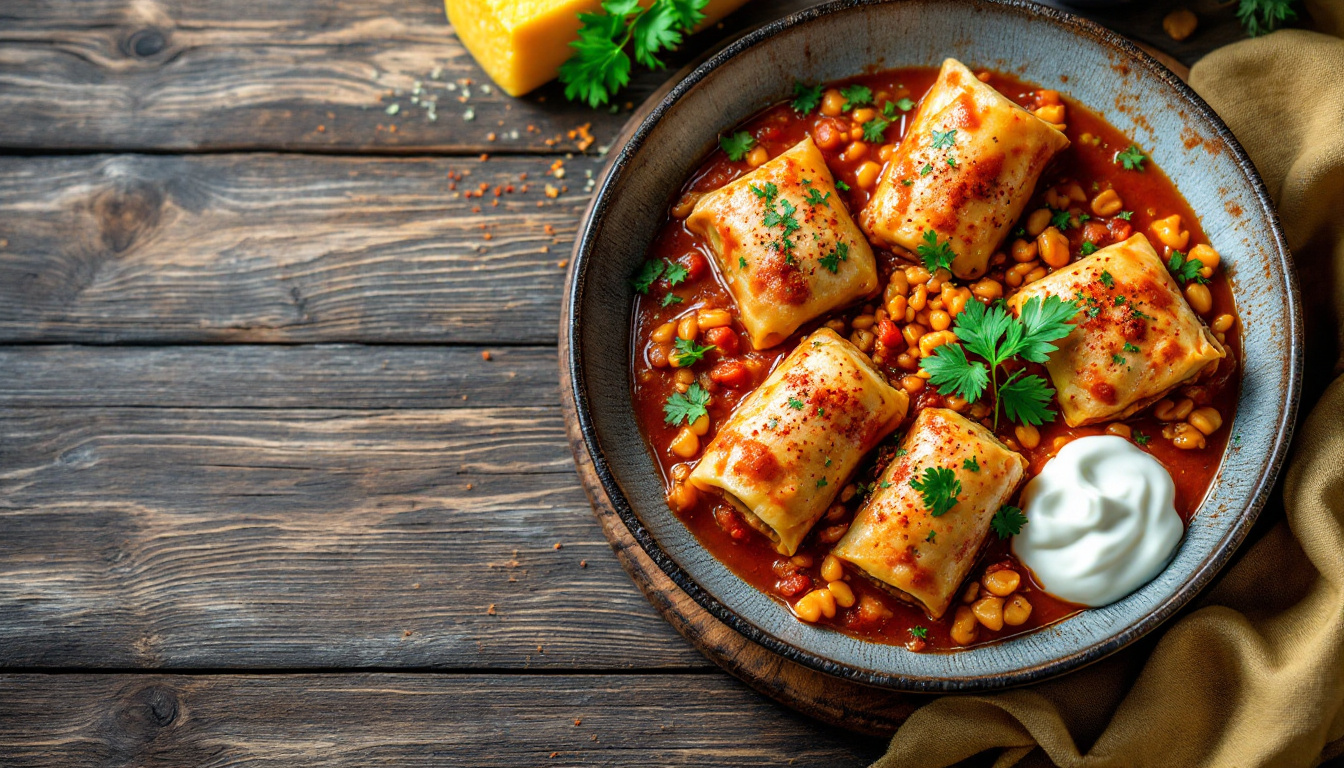
The best food to eat in Portugal goes far beyond the pastel de nata. This is a country with 1,001 ways to cook salt cod, the best grilled sardines and octopus in Europe, a sauce-drowned Porto sandwich that takes three days to recover from, and pastries that make France nervous. Portuguese cooking is rustic, generous, seafood-soaked, and one of the best-value food cultures in Western Europe.
My first francesinha in Porto nearly defeated me: a brick of bread, ham, sausage, and steak under melted cheese, drowned in a spiced beer-and-tomato sauce, with a fried egg on top and fries on the side. It is absurd, and it is wonderful, and it is the opposite of the dainty Portugal people expect. Between the smoke of a sardine grill, a tin of conservas, and a custard tart still warm from the oven, Portugal quietly out-eats most of its neighbors for a fraction of the price.
This guide covers the seafood, the meat and street classics, the pastries, the cheeses, and the wines, region by region, with what to order and what it costs. Portugal is one of nine countries in our guide to the best food in Europe.
Why Portuguese food is worth the trip
Portuguese food is worth a trip because it does rustic, ingredient-driven cooking better and cheaper than almost anywhere in Western Europe. A seafaring history put salt cod (bacalhau) and the Atlantic at the center of the table; the Age of Discovery brought piri-piri chili, spices, and New World ingredients home; and a tradition of cucina povera turned bread, pork, and the cheapest fish into deeply satisfying dishes. The result is generous, unfussy, and a genuine bargain: a three-course menu do dia lunch with wine often costs under ten euros.
The other thing to know is that Portugal is regional. The north (Porto, Minho) is heavy, meaty, and wine-soaked; the center (Bairrada, Beira) is suckling-pig and cheese country; Lisbon and the coast live on seafood and pastries; the Alentejo is pork, bread, and slow stews; and the Algarve and Madeira have their own island-and-sea traditions.
Bacalhau and Portuguese seafood
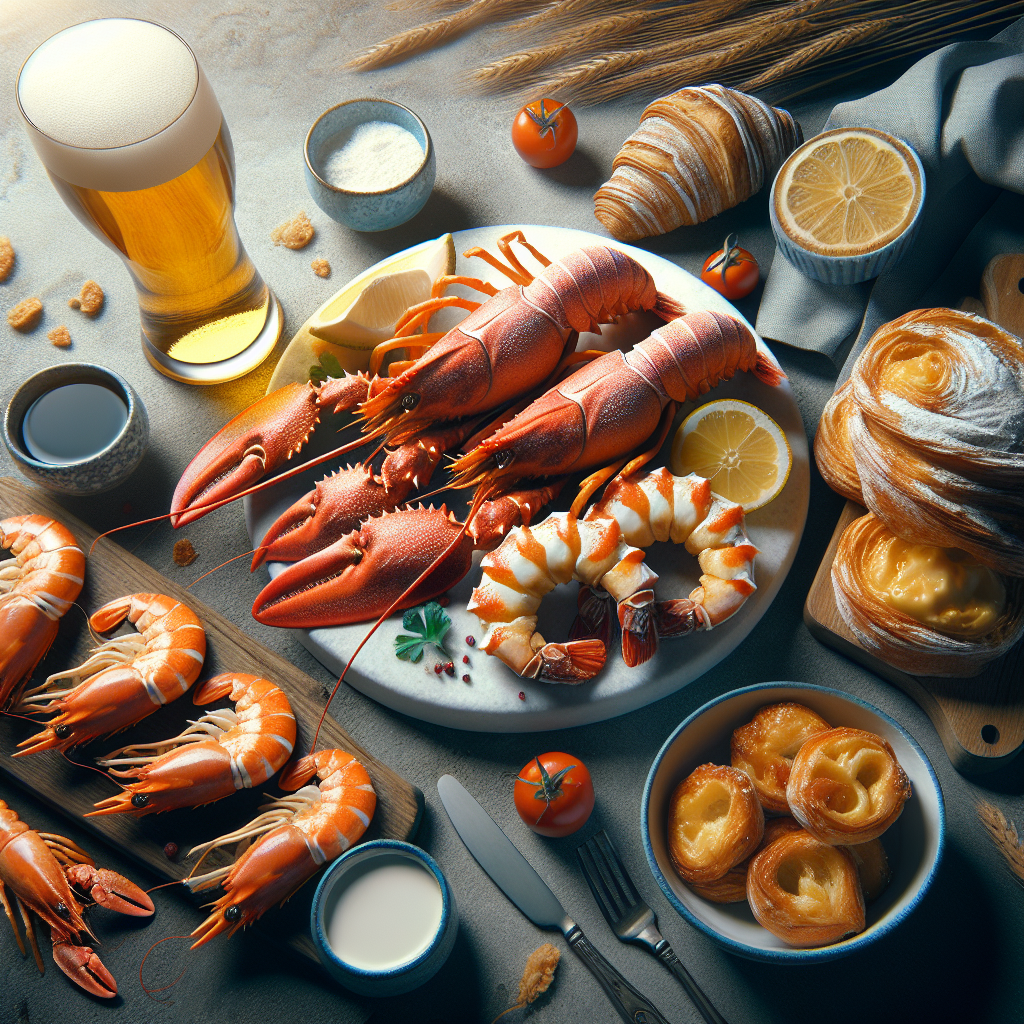
Portugal eats more cod per capita than any country on earth, despite catching almost none of it locally; bacalhau (salted, dried cod) is the national obsession, with a saying that there are 1,001 ways to cook it, one for every day plus a few. Beyond cod, the Atlantic delivers the best grilled sardines and octopus in Europe.
Bacalhau Bacalhau a Bras, com Natas, a Lagareiro
Salted, dried cod rehydrated and cooked a thousand ways. The most loved is bacalhau a bras: shredded cod with onions, matchstick straw potatoes, and egg, bound soft and savory. Bacalhau com natas bakes it in cream and potato until golden; bacalhau a lagareiro roasts a thick loin under a flood of olive oil and smashed potatoes; and pasteis de bacalhau are the crisp cod-and-potato croquettes sold everywhere.
A bacalhau main runs €10 to 18. Every Portuguese family has a favorite version and an opinion about everyone else’s.
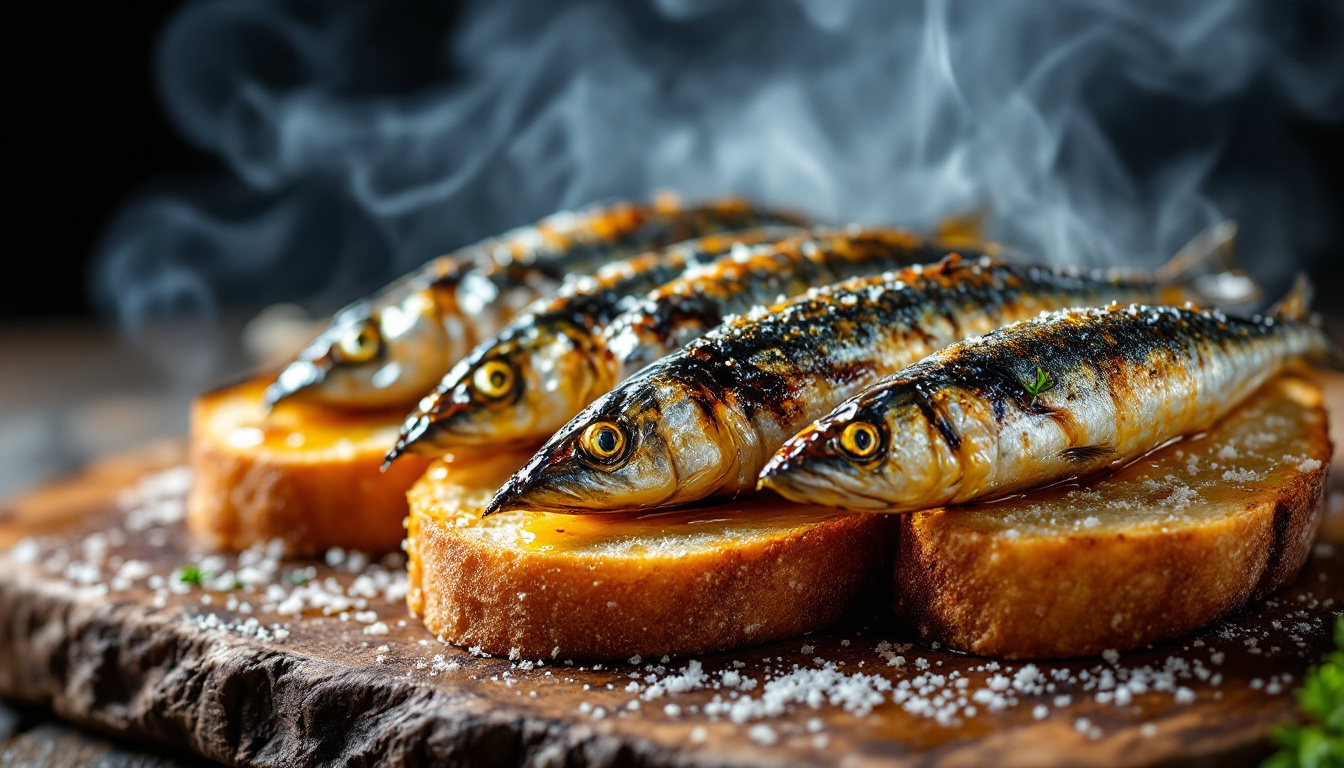
Sardinhas Assadas Grilled sardines
Whole sardines seasoned with coarse salt and charcoal-grilled until the skin blisters, eaten off a slab of broa (corn bread) that soaks up the oil. They are at their plumpest and best from June to October, and the smoke of sardine grills fills every Lisbon neighborhood during the June Santo Antonio festival.
€6 to 12 a plate. Eat them with your hands, with a glass of cold vinho verde.
Polvo a Lagareiro Grilled octopus
Octopus boiled until tender, then roasted with garlic and a generous pour of olive oil, served with smashed punched potatoes (batatas a murro). The Portuguese cook octopus better than almost anyone, and a lagareiro octopus, charred at the edges and soft through, is one of the country’s great plates.
€14 to 22. Christmas Eve dinner in much of Portugal is boiled cod or octopus, not a roast.
- Ameijoas a Bulhao Pato. Clams in a fragrant broth of garlic, white wine, olive oil, and cilantro, mopped up with bread. The great Portuguese starter.
- Arroz de marisco and cataplana. A soupy seafood rice, and a copper-clam-pot stew of fish and shellfish from the Algarve, both meant for sharing.
- Caldeirada and choco frito. A rustic fisherman’s fish stew, and Setubal’s fried cuttlefish, crisp and addictive.
- Percebes and conservas. Goose barnacles, the strange, expensive, ocean-tasting delicacy, and the tinned fish (sardines, mackerel, tuna) that Portugal turned into an art form.
Meat and street classics
Portugal is not only seafood. The north and interior are pork-and-grill country, and the street and snack-bar (tasca) tradition produces some of the most satisfying cheap eating in Europe.
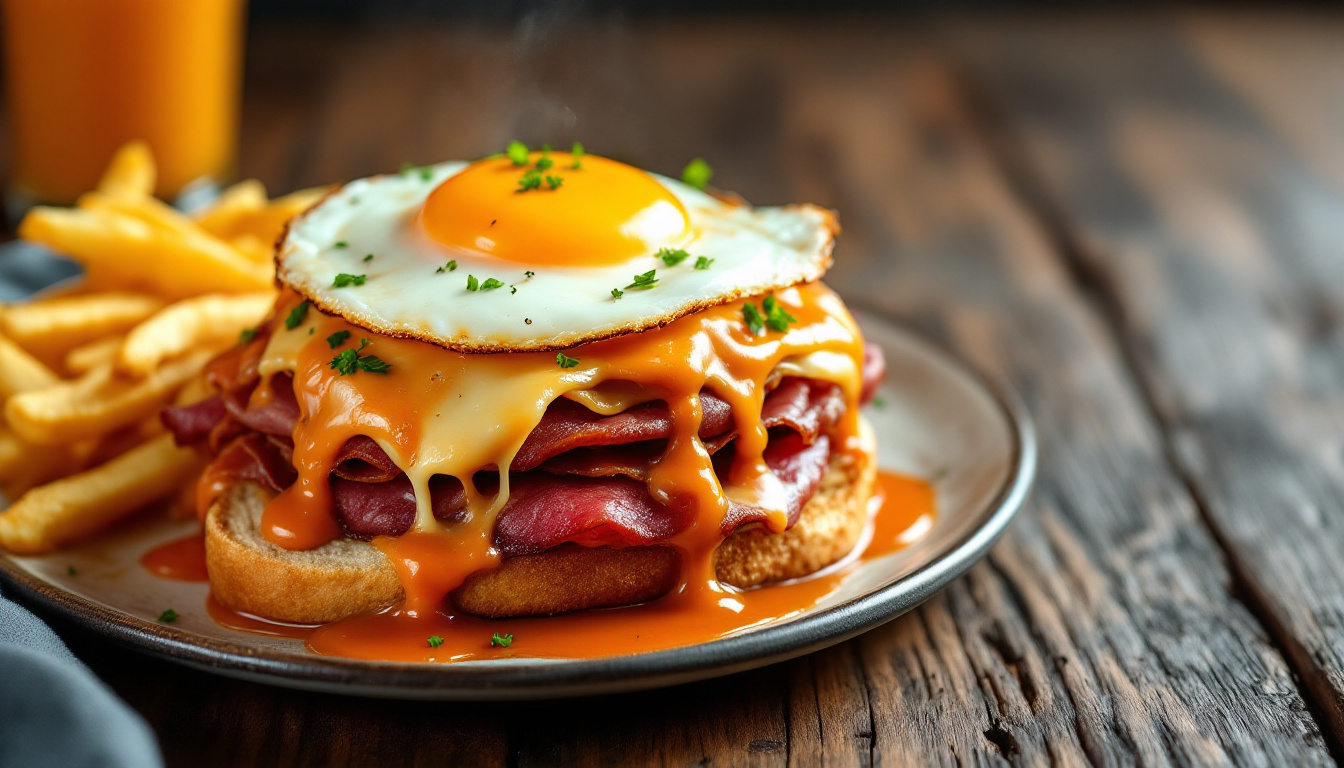
Francesinha Francesinha
Porto’s monster: layers of bread, wet-cured ham, fresh sausage (linguica), and steak or roast beef, blanketed in melted cheese and drowned in a hot, spiced tomato-and-beer sauce, usually with a fried egg on top and a moat of fries. Every Porto cafe guards its secret sauce recipe. It is excessive, glorious, and the defining dish of the north.
€9 to 14, and easily a meal for one hungry person. Cafe Santiago and Cafe Brasileira are the Porto names to know.
Bifana and Prego Pork and steak sandwiches
The bifana is thin slices of pork simmered in a garlicky white-wine-and-paprika sauce, piled into a soft papo seco roll, with a smear of mustard or piri-piri. The prego is its beef cousin, a garlicky thin steak in the same bun, often eaten as a meal-ender after seafood. Both are the everyday Portuguese sandwich, sold at every tasca and snack bar.
€2.50 to 5. A bifana and a small beer (imperial) is the perfect Portuguese pit stop.
Frango Piri-Piri Frango no churrasco com piri-piri
Butterflied chicken grilled over charcoal and basted with piri-piri, the fiery sauce of small African bird’s-eye chilies, garlic, oil, and vinegar that Portuguese sailors brought home from Mozambique and Angola. This is the original that the global chains imitate. The best comes from a churrasqueira, charred and dripping, eaten with fries and a tomato-onion salad.
€8 to 14 for a half or whole bird. The Algarve town of Guia claims the definitive frango piri-piri.
Leitao da Bairrada Roast suckling pig
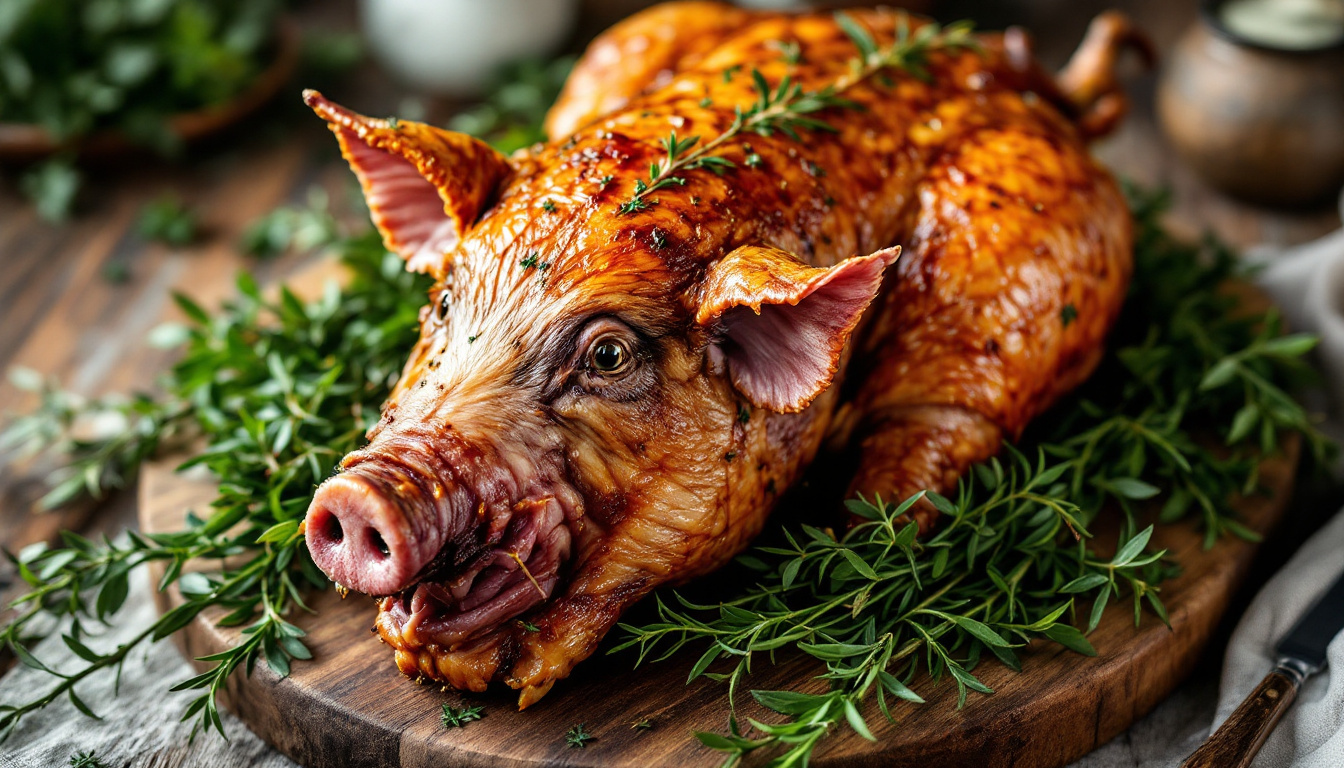
Whole suckling pig seasoned with a garlic-pepper paste and slow-roasted in a wood oven until the skin turns to glass-crisp crackling and the meat stays succulent, served with a peppery sauce, orange, and crisp bread. The Bairrada region between Coimbra and Aveiro is the heartland, with roadside leitao restaurants that do nothing else.
€12 to 20 a plate. Worth a dedicated detour off the Lisbon-Porto road.
Porco Preto Alentejo black pork
Porco preto is the Iberian black pig raised in the Alentejo’s cork-oak montado and fattened on acorns, which give the fat a deep, nutty flavour. It turns up as presunto (aged ham) on every petiscos board, but the cuts to order hot are the secretos, plumas and presa, grilled over coals until the marbled fat renders and the meat stays pink. It is Portugal’s answer to Spanish jamon iberico, and often half the price.
- Cozido a portuguesa. The great boiled dinner: several meats, smoked sausages (chourico, morcela, farinheira), and vegetables simmered together, the rustic Sunday and winter centerpiece.
- Carne de porco a alentejana. The brilliant surf-and-turf of the Alentejo: marinated pork cubes fried with clams, cilantro, and fried potato. Improbable and delicious.
- Alheira. A smoky bread-and-poultry sausage invented by Portugal’s Jews to mimic pork without eating it, usually fried with an egg.
- Arroz de pato and tripas a moda do Porto. Baked duck rice topped with crisp sausage, and Porto’s tripe-and-bean stew, the dish that earned the city’s people the nickname tripeiros.
Soups and starters
- Caldo verde. The national soup: a smooth potato base with finely shredded kale and slices of chourico, lightly smoky, eaten with broa corn bread. €3 to 6.
- Canja de galinha. Portuguese chicken-and-rice soup, the gentle comfort starter and hangover cure.
- Acorda. A bread “soup-porridge” of stale bread, garlic, cilantro, olive oil, and egg, an Alentejo staple that turns nothing into something soulful.
- Peixinhos da horta. Battered, fried green beans, the Portuguese dish that Japanese missionaries carried east and turned into tempura.
Pastel de nata and Portuguese pastries
Portugal’s convent-baking tradition, born from nuns using egg yolks left over after egg whites starched their habits, produced one of the great pastry cultures of Europe. The doce conventual (convent sweets) are intensely eggy, sugary, and unforgettable.
Pastel de Nata Pasteis de nata / de Belem
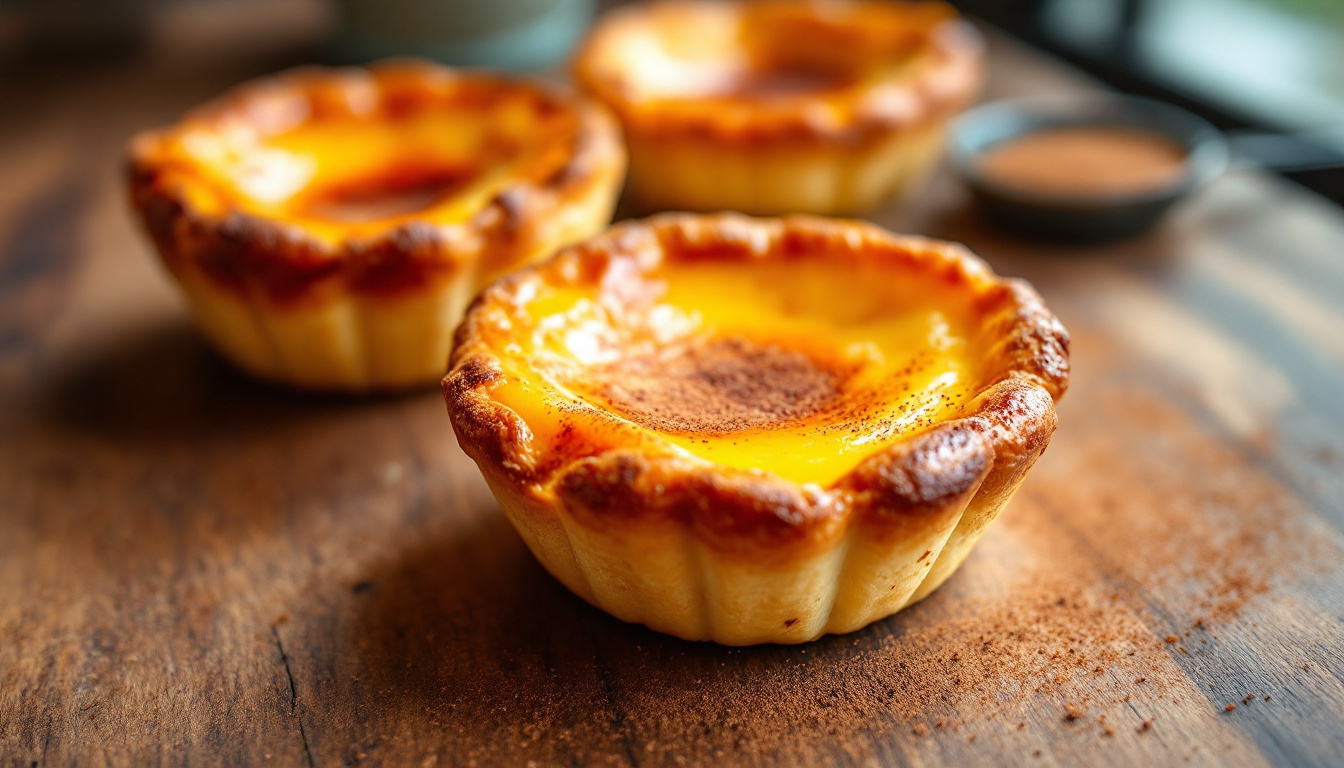
A cup of shatter-crisp, blistered puff pastry filled with silky egg custard, baked at a fierce heat until the top caramelizes in dark spots, eaten warm with a dusting of cinnamon. The original recipe comes from the Jeronimos monastery; Pasteis de Belem in Lisbon has guarded the secret version (pastel de Belem) since 1837, while Manteigaria makes the best of the modern wave.
€1.20 to 2 each. Eat it warm, standing at the counter, with a bica (espresso). One is never enough.
- Travesseiros de Sintra. Flaky almond-cream “pillows” from Piriquita in Sintra, worth the trip out of Lisbon alone.
- Queijada and pao de Deus. Little cheese-and-cinnamon tarts, and a soft coconut-topped sweet bread.
- Arroz doce and baba de camelo. Lemon-and-cinnamon rice pudding, and “camel’s drool,” a quick caramel mousse of condensed milk that is better than it sounds.
- Bolo de bolacha. A no-bake fridge cake of biscuits layered with coffee buttercream, on every family table.
Portuguese cheese
Portugal’s cheeses are sheep- and goat-led and seriously underrated. The king is Queijo da Serra da Estrela, a soft, raw sheep’s-milk cheese set with thistle rennet, so runny when ripe that you cut a lid off the top and scoop it with bread. Azeitao is its smaller, pungent cousin from near Setubal, and Sao Jorge from the Azores is a firm, sharp, aged cheese. A cheese-and-cured-meat board with bread and olives is the classic start to any Portuguese meal.
Port, vinho verde and ginjinha
- Port (vinho do Porto). The fortified wine of the Douro Valley, aged in Vila Nova de Gaia lodges across the river from Porto. Tawny, ruby, and vintage styles, sipped after dinner; white port with tonic is the local summer aperitif.
- Vinho verde. The young, slightly fizzy, low-alcohol “green wine” of the Minho, bone-dry and made for grilled sardines and a hot afternoon.
- Douro reds and Alentejo wines. The same Douro that makes port makes superb dry reds (Touriga Nacional); the Alentejo produces Portugal’s most popular everyday bottles.
- Ginjinha and Madeira. The sour-cherry liqueur sipped from tiny cups in Lisbon doorways (A Ginjinha since 1840), and the fortified wine of Madeira island, from dry to lusciously sweet.
Best food cities and regions in Portugal
Seafood, grilled sardines, pastel de nata at Manteigaria and Belem, the Time Out Market food hall, and the tascas of Alfama and Mouraria. Ginjinha from a hole-in-the-wall and bifanas at O Trevo on the way.
Francesinha, tripas a moda do Porto, bacalhau, and the port lodges of Vila Nova de Gaia. The heaviest, most meat-and-wine-driven eating in Portugal, washed down with Douro reds.
The Algarve for cataplana, grilled fish, percebes, and Guia’s frango piri-piri. The Alentejo inland for carne de porco a alentejana, acorda, black Iberian pork, sheep cheese, and slow bread-based cooking.
The Bairrada and Beira for leitao and Serra da Estrela cheese. Madeira island for espetada (beef skewers grilled on bay-laurel sticks), bolo do caco (garlic-butter flatbread), and the fortified wine.
Best food to eat in Portugal: the dish guide with prices and ratings
| Dish | Type | Region | Price (€) | Must-try |
|---|---|---|---|---|
| Pastel de nata | Pastry | Nationwide | €1.20–2 | ★★★★★ |
| Bacalhau a bras | Seafood | Nationwide | €10–16 | ★★★★★ |
| Francesinha | Sandwich | Porto | €9–14 | ★★★★★ |
| Sardinhas assadas | Seafood | Lisbon/coast | €6–12 | ★★★★★ |
| Polvo a lagareiro | Seafood | Nationwide | €14–22 | ★★★★★ |
| Frango piri-piri | Grill | Nationwide/Algarve | €8–14 | ★★★★★ |
| Bifana | Sandwich | Nationwide | €2.50–5 | ★★★★★ |
| Leitao da Bairrada | Roast | Bairrada | €12–20 | ★★★★★ |
| Cozido a portuguesa | Stew | Nationwide | €12–18 | ★★★★☆ |
| Carne de porco a alentejana | Main | Alentejo | €10–16 | ★★★★★ |
| Ameijoas a Bulhao Pato | Seafood | Nationwide | €9–15 | ★★★★☆ |
| Caldo verde | Soup | North | €3–6 | ★★★★☆ |
| Cataplana de marisco | Seafood stew | Algarve | €18–30 (2) | ★★★★☆ |
| Espetada | Grill | Madeira | €12–18 | ★★★★☆ |
| Travesseiro de Sintra | Pastry | Sintra | €1.50–3 | ★★★★☆ |
How to order and eat in Portugal
- The couvert is optional. The bread, olives, cheese, or sardine pate brought unasked at the start is charged per item if you eat it. Wave it away or send it back if you do not want to pay.
- Order the menu do dia. The fixed-price daily lunch, often a soup, main, drink, and coffee for €8 to 12, is the best value in Portuguese dining.
- Eat lunch and dinner late. Lunch is 13:00 to 15:00, dinner from 20:00. A tasca packed at 14:00 is a good sign.
- Tipping is light. Round up or leave 5 to 10 percent for good service; there is no obligation beyond it.
- Coffee has its own language. A bica is an espresso, a galao a tall milky coffee, a meia de leite a flat white. Order a bica after a meal, never a cappuccino.
For dining customs across other countries, see our guide to food etiquette around the world. Portugal is also one of the best-value destinations in our best food cities in the world guide.
How to eat well in Portugal on any budget
Prices here are 2026, in euros. Portugal is one of the cheapest places in Western Europe to eat genuinely well, and the couvert (bread, olives, cheese brought to the table) is charged per item, so wave away what you do not want.
Budget: under €20 a day
A pastel de nata and bica for breakfast (€2.50), a bifana or the menu do dia for lunch (€8 to 12), grilled sardines or a tasca plate for dinner (€8). Portugal is one of the cheapest places in Western Europe to eat genuinely well.
Mid-range: €30 to 55 a day
A seafood lunch of bacalhau or polvo a lagareiro, a francesinha or leitao, a board of cheese and presunto with vinho verde, and pastries. The sweet spot for eating across the regions.
High-end: €70+ a day
Portugal’s fine dining punches far above its prices: Belcanto in Lisbon (Jose Avillez, two Michelin stars) and the new wave reinventing bacalhau and convent sweets. A cataplana of fresh shellfish and a bottle of aged Douro red still costs a fraction of Paris.
Frequently asked questions about Portuguese food
What is the national dish of Portugal?
Bacalhau (salt cod) is the national obsession, with a saying that there are 1,001 ways to cook it; bacalhau a bras is the most loved version. Cozido a portuguesa (the boiled dinner) and the pastel de nata are the other strongest claims to national-dish status.
How much does food cost in Portugal per day?
Portugal is among the cheapest countries in Western Europe for food. A pastel de nata is 1.20 to 2 euro, a bifana 2.50 to 5, and a fixed menu do dia lunch 8 to 12. Budget travelers eat very well on under 20 euro a day, mid-range on 30 to 55.
What is a francesinha?
A francesinha is Porto’s signature sandwich: bread layered with cured ham, fresh sausage, and steak or roast beef, covered in melted cheese and drowned in a hot, spiced tomato-and-beer sauce, usually topped with a fried egg and served with fries. It is enormous, rich, and a meal in itself, costing 9 to 14 euro.
What is the difference between a bifana and a prego?
A bifana is thin slices of pork simmered in a garlicky white-wine sauce in a soft roll; a prego is the same idea with a thin garlicky steak instead of pork. Both are the everyday Portuguese sandwich, sold at every tasca for 2.50 to 5 euro, often with mustard or piri-piri.
Is Portuguese food spicy?
Mostly no, with one big exception: piri-piri, the chili-garlic sauce Portuguese sailors brought from Africa, which fires up frango piri-piri and is offered as a condiment. Otherwise Portuguese cooking leans on garlic, olive oil, cilantro, and paprika rather than heat.
What should I know about the couvert charge?
The bread, olives, cheese, or pate brought to your table at the start (the couvert) is not free; you are charged per item you eat. It is normal, not a scam, and you can simply decline or return what you do not want before being charged.
Is Portugal good for vegetarians?
It is improving but historically tricky, since bacalhau, pork, and seafood are everywhere. Safe bets include caldo verde (often, but ask about the chourico), peixinhos da horta, grilled vegetables, cheese and bread, and many soups and egg-based convent sweets. Lisbon and Porto now have dedicated vegetarian restaurants.
More food guides waiting for you
Browse our complete collection of European food guides.