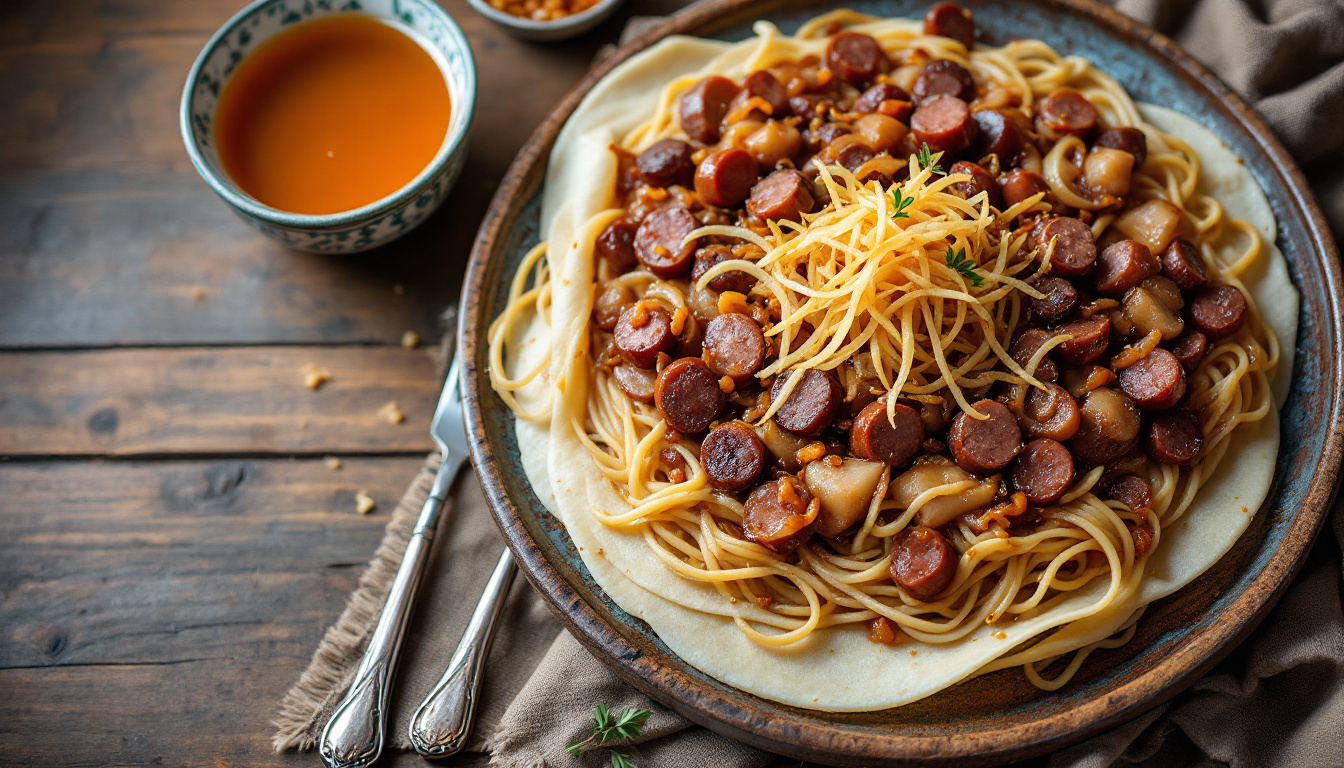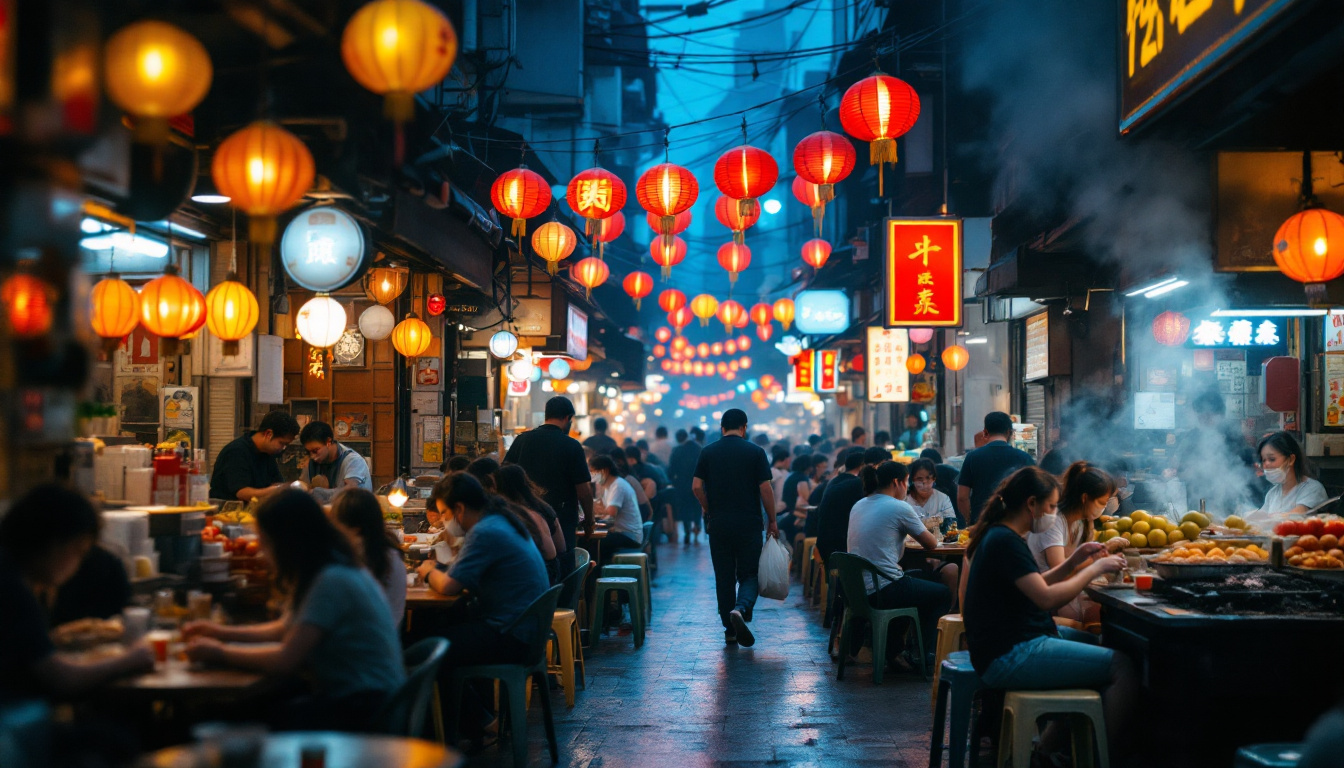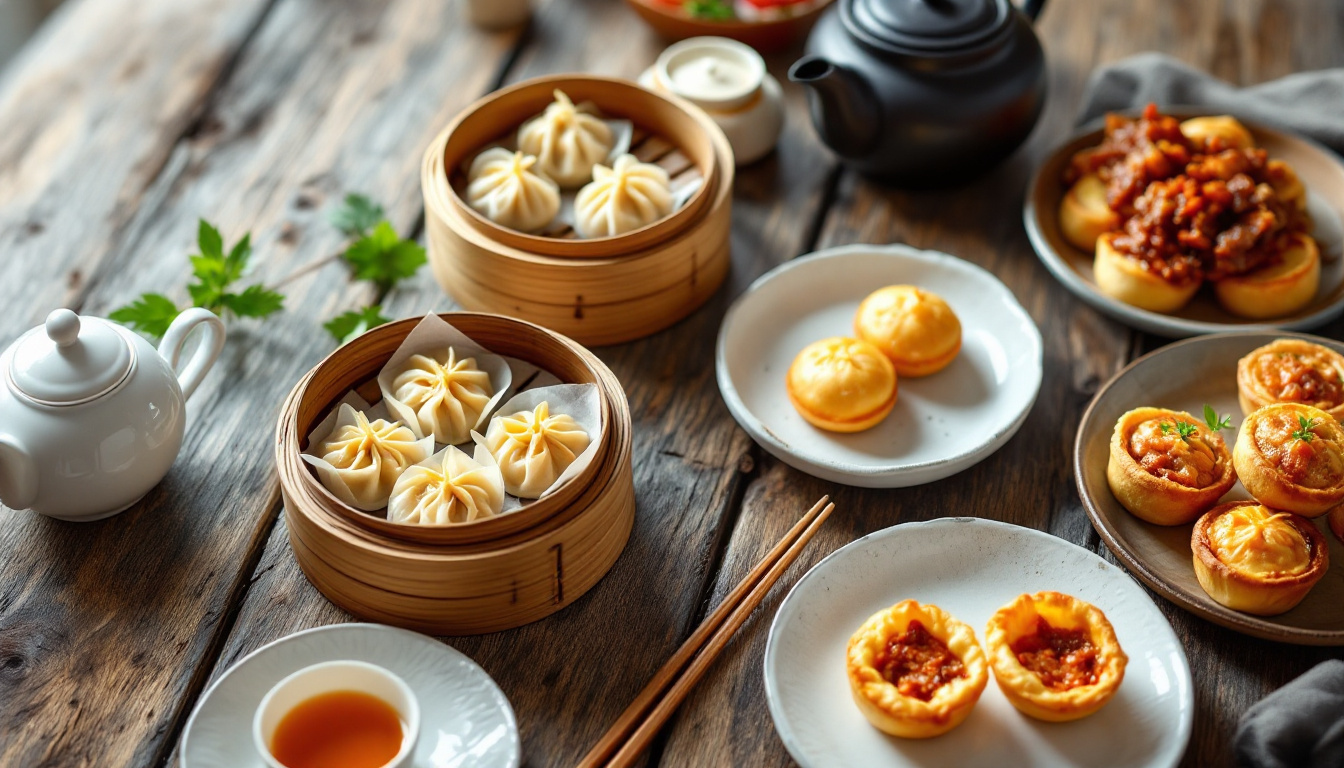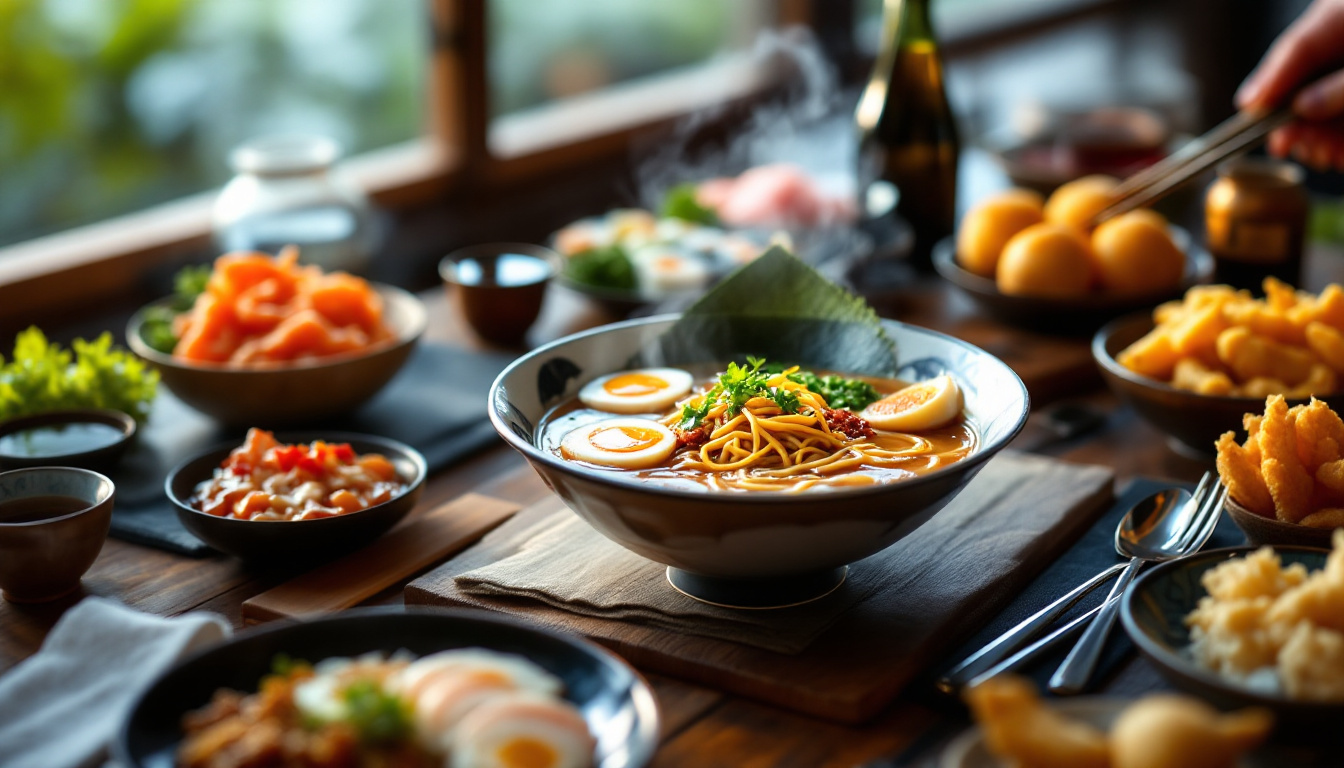
Japan is the only country with more Michelin-starred restaurants than France, and some of the best food costs less than $5. From Tokyo’s basement ramen counters and Osaka’s neon-lit alleys to Kyoto’s centuries-old kaiseki tradition, here is everything you need to eat in Japan.
Japan takes food more seriously than almost anywhere on Earth, and it shows in a single bowl of Fukuoka tonkotsu ramen, rich enough to coat your lips, built from pork bones simmered the best part of a day. A ramen chef will spend years on one broth. A sushi master trains for a decade before being trusted to season the rice. That obsession is why even the cheapest meals here, a ¥120 onigiri from 7-Eleven or a ¥500 bowl of standing soba at a train station, are made with a care that would be extraordinary anywhere else.
This guide covers 20 essential dishes, the best cities to eat in, regional specialties, prices in yen and US dollars (checked for 2026, when the yen sat around ¥160 to the dollar), and the dining etiquette that smooths the whole experience. Japan is one of nine countries in our Best Food in Asia regional guide, and both Tokyo and Osaka rank in our best cities for street food.
What makes Japanese ramen the world’s greatest comfort food
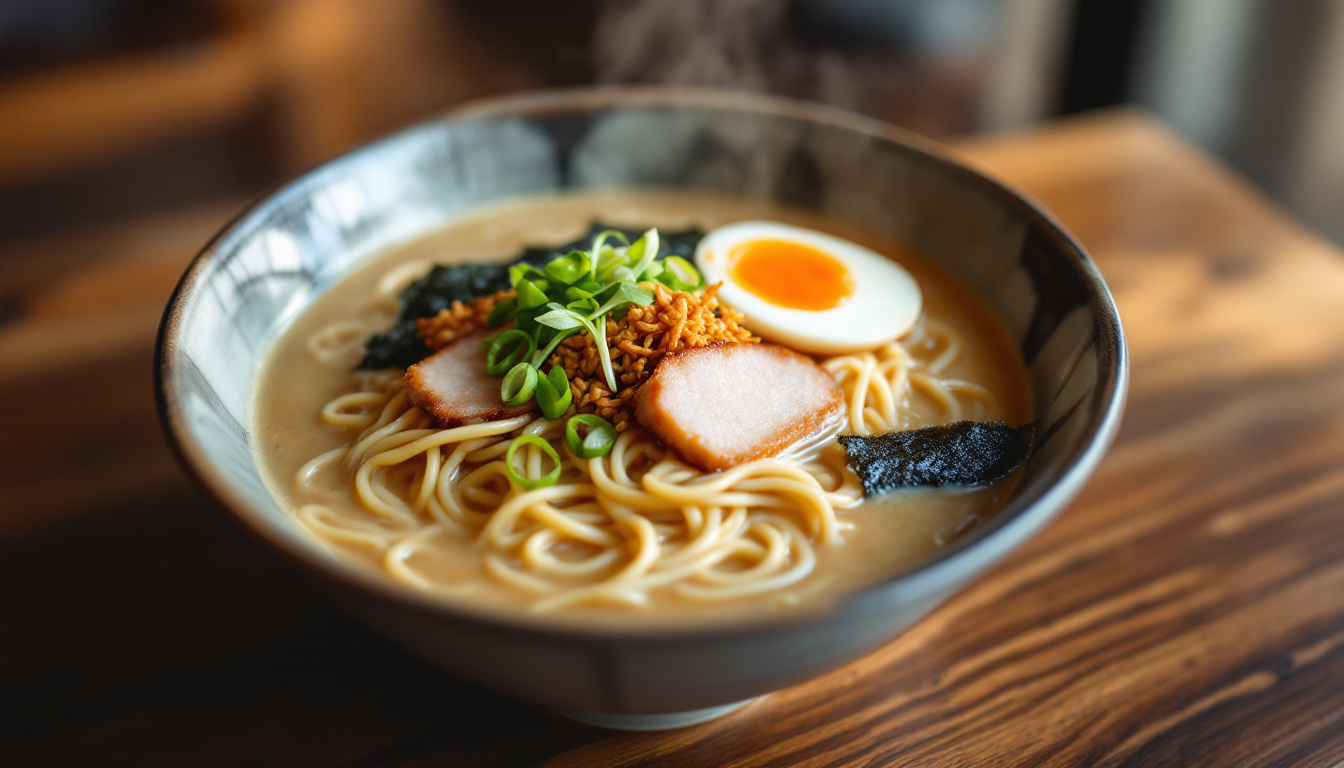
Ramen is Japan’s most obsessed-over dish. Every city has its own style, every shop has a recipe guarded like a state secret, and customers will wait 90 minutes in the rain for a bowl at a place with only 8 seats. The basic structure (wheat noodles in a deeply flavored broth, topped with chashu pork, a soft-boiled egg, nori, and scallions) sounds simple. It is not. A single tonkotsu broth simmers pork bones for 12 to 20 hours to extract every molecule of collagen and flavor.
The four major ramen styles
Shoyu (soy sauce) ramen is Tokyo’s signature style, a clear, brown, soy-based broth that’s lighter than tonkotsu but deeply savory. The noodles are curly and medium-thick. Classic toppings: chashu, menma (bamboo shoots), nori, narutomaki (fish cake). Try it at Fuunji in Shinjuku (tsukemen dipping style) or Ramen Nagi.
Tonkotsu (pork bone) ramen originates from Fukuoka (Hakata) on Kyushu island. The broth is milky white, incredibly rich, and almost creamy from hours of boiling pork bones. Noodles are thin and straight, you order them by firmness: barikata (extra firm) is the local choice. Ichiran (with its solo booth system) is tourist-friendly, but locals prefer Shin Shin or Nagahama stalls by the Nakasu riverside.
Miso ramen is Sapporo’s gift to the world, a robust, slightly sweet broth built on miso paste, often served with butter and corn in Hokkaido. It’s the heartiest style, perfect for northern Japan’s brutal winters. Sumire in Sapporo is the benchmark.
Shio (salt) ramen is the lightest, most delicate style, a clear broth seasoned with salt rather than soy sauce or miso. The best versions are found in Hakodate, where the clean broth lets the quality of the stock shine without anything hiding behind it.
Tsukemen, the dipping alternative
Tsukemen is ramen’s bold cousin: thick noodles served cold or at room temperature alongside a concentrated, intensely flavored dipping broth. You dip the noodles, slurp, repeat. The broth is thicker and more powerful than regular ramen broth because it’s designed to coat the noodles with each dip. Fuunji in Shinjuku is the most famous tsukemen shop in Tokyo (see our complete Tokyo food guide). The line is always long but moves fast. ¥900-1,100 ($6-7.50 USD).
What to know about eating sushi in Japan
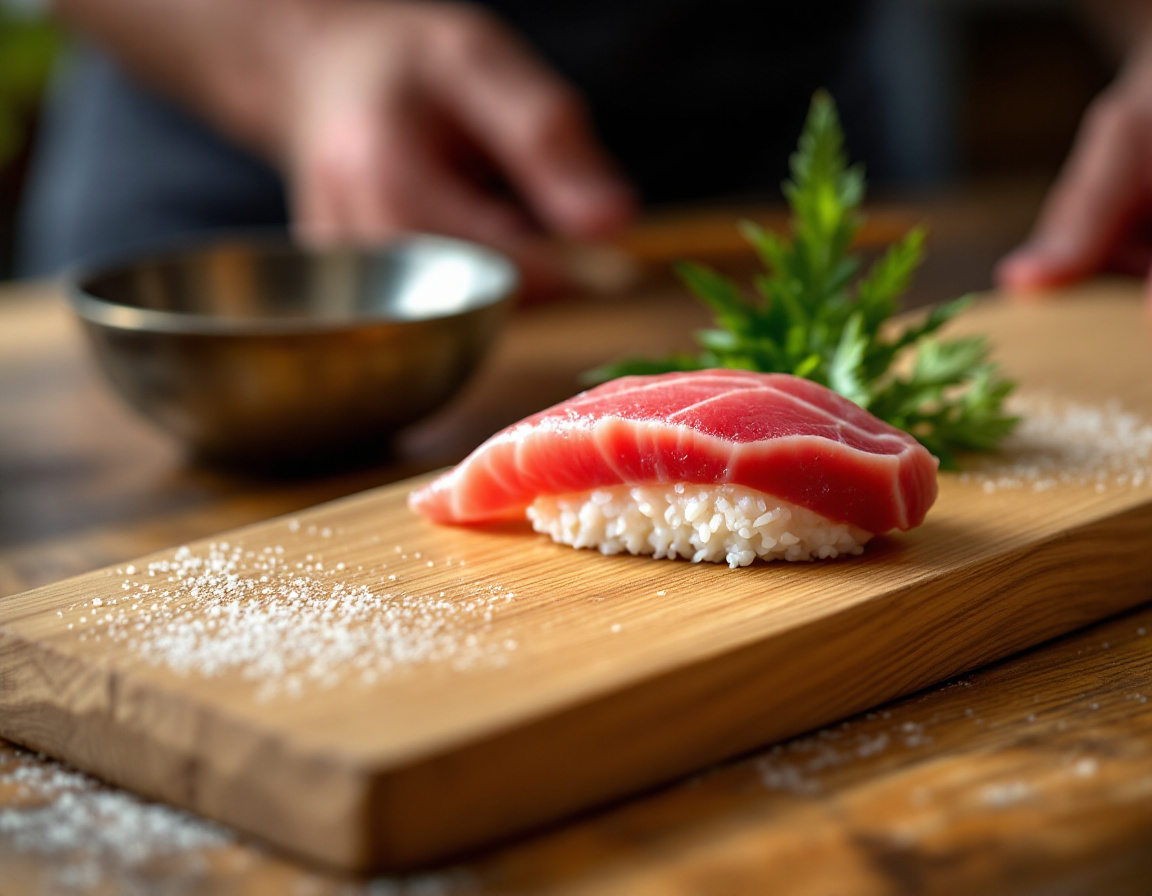
Sushi in Japan is nothing like sushi abroad. Forget California rolls, spicy mayo, and six-inch-thick maki wrapped in a sheet of rice. In Japan, sushi means nigiri: a thin slice of impeccably fresh fish draped over a small mound of slightly warm, vinegared rice, lightly brushed with soy sauce by the chef. That’s it. The simplicity is the point, there’s nowhere to hide when it’s just fish and rice.
Three tiers of sushi in Japan
Kaiten-zushi (conveyor belt sushi) is the budget option, and it’s still very good. Color-coded plates circle on a belt; you grab what looks appealing. Chains like Sushiro, Kura Sushi, and Hamazushi serve plates at ¥100-350 ($0.70-2.40 USD) each. A full meal runs ¥1,000-2,000 ($7-14 USD). Quality is genuinely impressive, the rice is fresh, the fish is real, and the variety is enormous.
Standing sushi bars (tachigui-zushi) are the sweet spot for travelers who want quality without the omakase price tag. Found near fish markets, train stations, and in department store basements. Tsukiji Outer Market area has a dozen excellent ones. Expect to spend ¥2,000-5,000 ($14-34 USD) for an excellent meal. No reservation needed, just walk up, order piece by piece, and leave when you’re done.
Omakase (chef’s choice) is the peak experience. You sit at a counter, the chef selects the best fish of the day, and serves you 10-20 pieces over 60-90 minutes. It’s intimate, meditative, and eye-wateringly expensive at the top end: ¥15,000-50,000 ($100-340 USD). But mid-range omakase at ¥8,000-12,000 ($55-82 USD) exists and delivers an extraordinary experience. Book well in advance, top counters fill up months ahead.
The best fish to try
Otoro (fatty tuna belly) is the most prized cut, buttery, melt-in-your-mouth, and expensive. Chutoro (medium-fatty tuna) offers a better balance of flavor and fat for most palates. Uni (sea urchin) is custard-like and briny, you’ll either love it or hate it, but you must try it. Ikura (salmon roe) pops in your mouth with a burst of ocean. Engawa (flounder fin) is chewy and buttery. And anago (sea eel), lightly simmered and brushed with sweet tare sauce, is a subtle masterpiece often overlooked by tourists fixated on tuna.
Best Japanese street food: Osaka, Tokyo and festival stalls
Osaka calls itself tenka no daidokoro, the kitchen of Japan, and earns it. The city’s Dotonbori district is a neon-lit canyon of street food stalls, and Osaka invented several of Japan’s most beloved snacks. But street food exists everywhere: Tokyo’s Yanaka and Asakusa districts, temple festivals (matsuri) across the country, and yatai (open-air food stalls) in Fukuoka.
Takoyaki, Osaka’s octopus balls
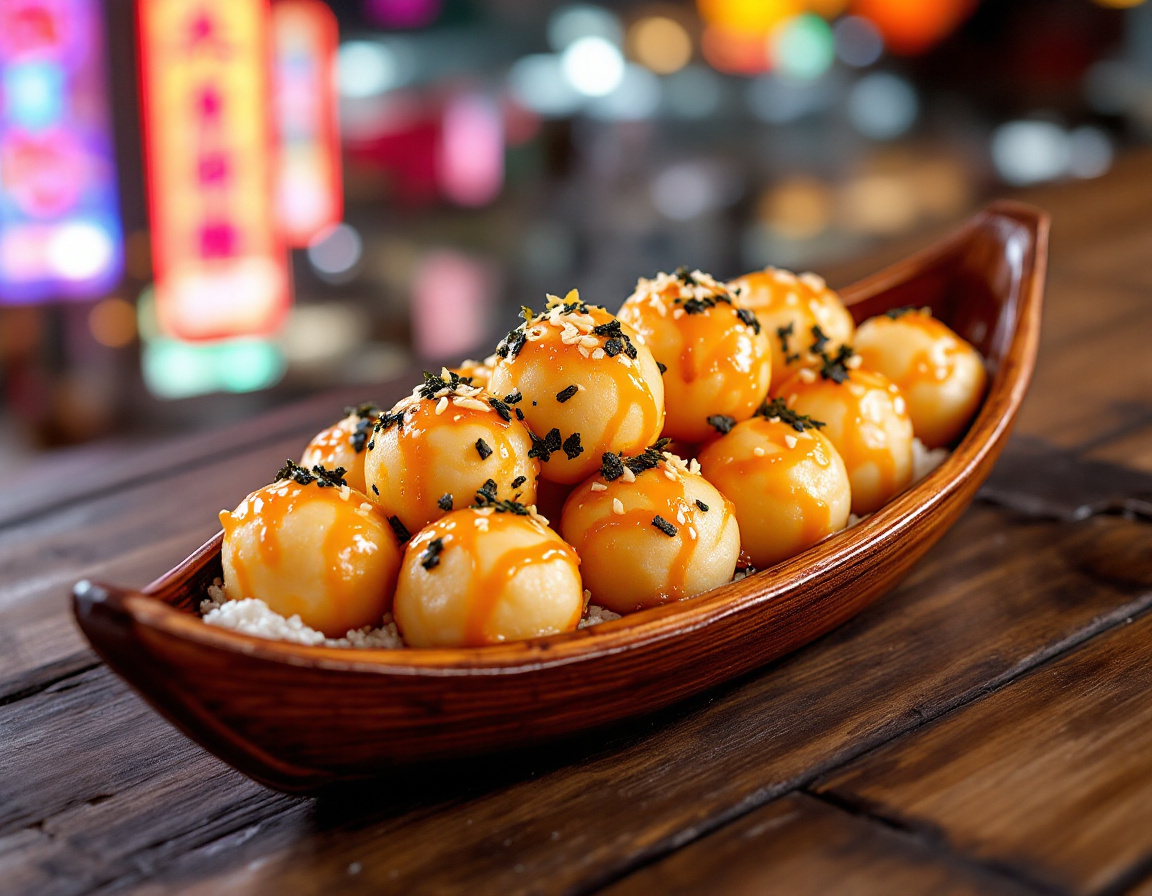
Small spheres of batter cooked in a special molded pan, each containing a piece of octopus, tempura scraps, and pickled ginger. Served in a boat of 6-8 pieces, drizzled with takoyaki sauce, mayo, bonito flakes (that dance in the heat), and aonori seaweed. The outside is crispy, the inside is molten and creamy. ¥500-700 ($3.40-4.80 USD) for 8 pieces. Wanaka and Kukuru near Dotonbori are locals’ picks. For the full city breakdown see our Osaka food guide.
Okonomiyaki, the savory pancake
A thick batter pancake loaded with shredded cabbage and your choice of protein (pork belly, squid, shrimp, or mixed) cooked on a flat iron griddle. Osaka-style: everything mixed in the batter, cooked as one thick disc, topped with otafuku sauce, mayo, bonito, and aonori. Hiroshima-style: layered with noodles (yakisoba), a fried egg, and more cabbage, more complex, arguably more delicious. ¥800-1,500 ($5.50-10 USD).
Kushikatsu, deep-fried skewers
An Osaka specialty: everything from pork and shrimp to lotus root and mochi gets skewered, battered, and deep-fried, then dipped in a communal sauce pot. The one rule: no double-dipping. Seriously. Signs everywhere say it. Daruma in Shinsekai is the classic spot. ¥100-200 per skewer.
More street food essentials
Yakiimo (roasted sweet potato) from street trucks in autumn and winter, caramelized, smoky, and naturally sweet. Taiyaki, fish-shaped pastries filled with red bean paste, custard, or sweet potato. Karaage, Japanese fried chicken marinated in ginger-soy, served as a street snack or izakaya staple. Dango, chewy rice flour dumplings on a skewer, glazed with sweet soy sauce.
Japanese comfort food: curry rice, tonkatsu and gyudon
Not every meal in Japan is a delicate culinary experience. The country has an entire category of B-gourmet, cheap, satisfying, soul-warming comfort food that fuels everyday life. These are the dishes salarymen eat at lunch, students grab between classes, and families cook on weeknights.
Curry rice (kare raisu)
Japanese curry is nothing like Indian or Thai curry. It’s thick, mild, slightly sweet, and deeply comforting, more like a rich stew served over rice with a side of pickled vegetables. It was introduced to Japan by the British Navy in the late 1800s and became a national obsession. CoCo Ichibanya is the ubiquitous chain (¥500-900 / $3.40-6 USD) where you customize spice level, toppings, and rice amount. Katsu-curry (with a breaded pork cutlet) is the ultimate version.
Tonkatsu, the breaded pork cutlet
A thick slab of pork loin or tenderloin, breaded in panko breadcrumbs and deep-fried until golden and shatteringly crispy. Served with shredded raw cabbage (unlimited refills at most places), rice, miso soup, and a tangy brown tonkatsu sauce. The loin cut (rosu) is fattier and juicier; the tenderloin (hire) is leaner. Maisen in Omotesando, Tokyo, uses kurobuta (black Berkshire) pork and is considered one of the best. ¥1,200-2,500 ($8-17 USD) for a set.
Gyudon, the beef bowl
Thinly sliced beef simmered in a sweet soy-dashi broth, served over a bowl of rice, optionally topped with a raw egg that you crack over the hot rice. It’s Japan’s ultimate fast food, hot, filling, and absurdly cheap. Yoshinoya, Matsuya, and Sukiya are the big three chains, open 24/7, with gyudon from ¥400-600 ($2.70-4 USD). Add a side of miso soup and pickles for ¥100 more. It’s the meal you eat at 2 AM after a night out, and it’s perfect every time. Gyudon is one of many donburi (rice bowls): its close cousin katsudon tops the rice with a tonkatsu cutlet simmered with onion and egg, and oyakodon does the same with chicken.
Beyond ramen: udon, soba and yakisoba
Ramen gets all the international attention, but Japan’s noodle culture is far deeper. Udon and soba are older, more traditional, and arguably more beloved by the Japanese themselves, especially in regions where ramen shops are rare.
Udon, thick, chewy, satisfying
Fat, chewy wheat noodles served in a mild dashi broth or cold with a dipping sauce. Sanuki udon from Kagawa Prefecture (Shikoku island) is the gold standard, handmade, incredibly chewy, and served in hundreds of tiny shops across the prefecture where a bowl costs just ¥200-400 ($1.40-2.70 USD). Tokyo-style udon uses a darker soy-based broth. Kitsune udon (topped with sweet fried tofu) and tempura udon are the most popular variations.
Soba, buckwheat and elegance
Thin buckwheat noodles with a nutty, earthy flavor. Served cold on a bamboo mat (zaru soba) with a soy-dashi dipping sauce in summer, or hot in broth in winter. High-quality handmade soba (teuchi soba) in Tokyo or Nagano, where the best buckwheat grows, is a refined experience, the noodle-making is almost ceremonial. ¥800-1,500 ($5.50-10 USD). Kanda Matsuya in Tokyo has been serving soba since 1884.
Yakisoba, the festival noodle
Stir-fried wheat noodles with cabbage, pork, and a tangy-sweet Worcestershire-style sauce. It’s not refined, it’s festival food, cooked on giant iron griddles at matsuri and street stalls. The smoky wok char (called koge) is what makes it. Often served in a hotdog bun as yakisoba-pan, Japan’s answer to the loaded sandwich. ¥400-700 ($2.70-4.80 USD).
Izakaya: the Japanese pub food experience
An izakaya is Japan’s version of a gastropub, a casual drinking establishment where the food is as important as the beer. Izakaya culture is central to Japanese social life: this is where coworkers decompress, friends celebrate, and solo diners enjoy a quiet beer with a few small plates. The format is similar to Spanish tapas, you order multiple small dishes to share over drinks.
Essential izakaya dishes
Yakitori, grilled chicken skewers over charcoal, ordered by the cut: momo (thigh), negima (thigh with scallion), tsukune (meatball), kawa (skin, crispy and addictive), and for the adventurous, hatsu (heart) and sunagimo (gizzard). Seasoned with either salt (shio) or sweet soy glaze (tare). ¥100-250 per skewer.
Edamame, salted soybeans in the pod. The universal starter. Karaage, juicy, ginger-soy marinated fried chicken. Agedashi tofu, cubes of silky tofu, lightly battered and fried, served in warm dashi broth with grated daikon. Nankotsu, crunchy deep-fried chicken cartilage (sounds strange, tastes incredible). Dashimaki tamago, a delicate rolled omelet made with dashi stock, sweet and fluffy.
Tataki, lightly seared fish or beef, sliced thin. Katsuo tataki (seared bonito) with garlic, ginger, and ponzu sauce is a Kochi specialty that every izakaya worth its salt serves. Sashimi moriawase, an assorted sashimi platter, usually 5-7 types, beautifully arranged.
Kaiseki: Japan’s highest culinary art form
Kaiseki is the pinnacle of Japanese cuisine, a multi-course meal that’s as much about aesthetics, seasonality, and philosophy as it is about flavor. Rooted in the tea ceremony tradition, kaiseki follows a strict progression of courses: an appetizer (sakizuke), a simmered dish (nimono), a grilled dish (yakimono), a rice course, and more, each served on handmade ceramic or lacquerware chosen to complement the food and the season.
Kyoto is the spiritual home of kaiseki, with restaurants like Kikunoi, Hyotei (operating since 1678), and Gion Sasaki offering extraordinary multi-course experiences. A kaiseki dinner in Kyoto runs ¥15,000-40,000 ($100-275 USD) per person. Lunch kaiseki (kaiseki bento or mini-kaiseki) is available at many restaurants for ¥5,000-8,000 ($34-55 USD), an affordable entry point into this world.
The defining feature of kaiseki is shun, eating ingredients at the peak of their season. A kaiseki meal in April features bamboo shoots, cherry blossoms, and spring vegetables. In November, it showcases matsutake mushrooms, persimmon, and autumn leaves used as plate decorations. No two months produce the same menu.
Wagyu beef: understanding Japan’s legendary meat
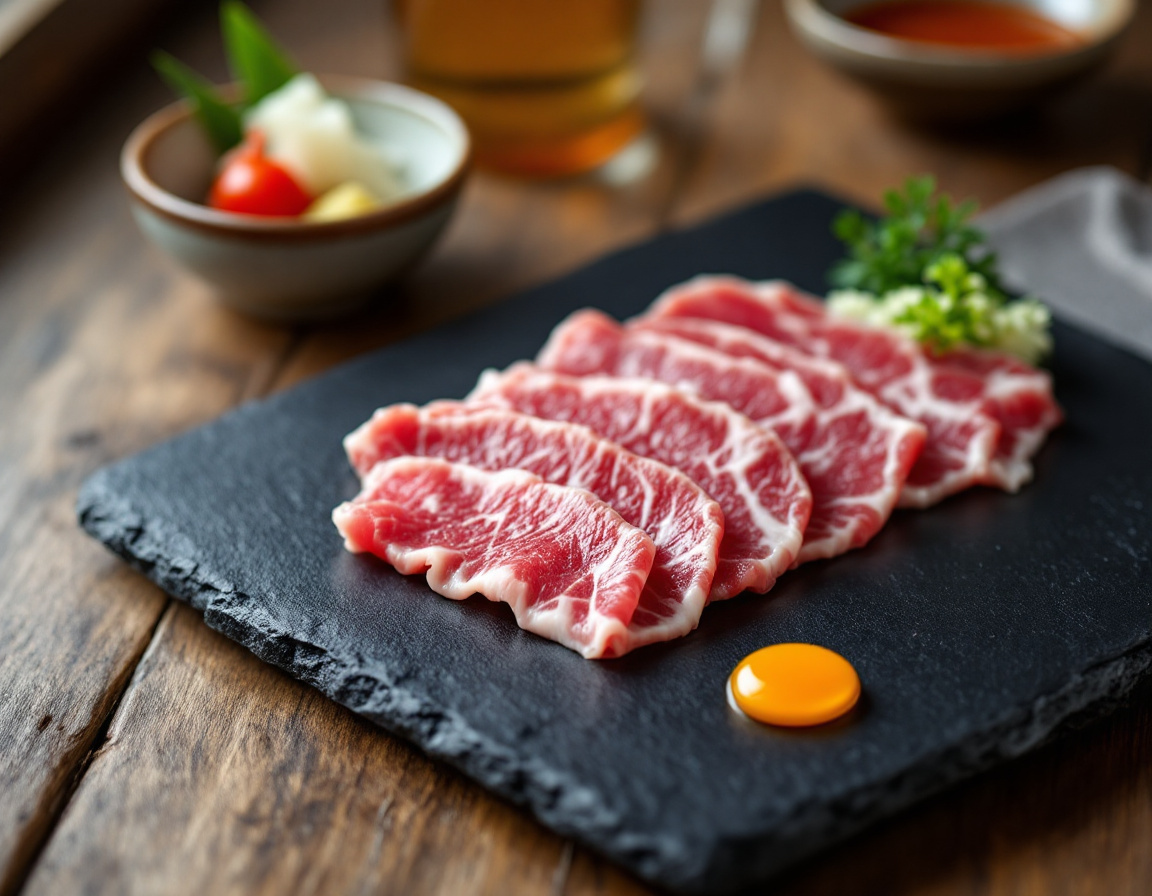
Wagyu, literally Japanese cow, is the most marbled, tender, and expensive beef in the world. The fat infiltrates the muscle in fine, web-like patterns (called sashi), creating meat that practically melts at body temperature. But not all wagyu is created equal, and the marketing around it can be confusing.
The real Japanese wagyu grades
Japanese beef is graded by the Japan Meat Grading Association on a scale of C1 (lowest) to A5 (highest). A5 is the pinnacle, the highest yield grade (A) with the maximum quality score (5) based on marbling, color, firmness, and fat quality. Within A5, the Beef Marbling Score (BMS) goes from 8 to 12; BMS 12 is the most marbled beef in existence.
The three most famous wagyu brands: Kobe beef (from Tajima cattle in Hyogo Prefecture, the most famous name, but production is very small), Matsusaka beef (Mie Prefecture, considered by many Japanese to be even better than Kobe), and Omi beef (Shiga Prefecture, Japan’s oldest wagyu brand, dating to the 1590s).
How to eat wagyu
Yakiniku (Japanese BBQ), thin slices grilled over charcoal at your table. This is the most accessible and fun way to try wagyu. A good yakiniku meal with some A4/A5 cuts runs ¥5,000-10,000 ($34-68 USD). Shabu-shabu, paper-thin slices swished through simmering kombu broth, then dipped in ponzu or sesame sauce. Sukiyaki, sliced beef simmered in a sweet soy broth with tofu, vegetables, and noodles, dipped in raw beaten egg. Steak, teppanyaki-style on a hot iron plate, cooked to medium-rare. A5 wagyu steak at a quality restaurant: ¥10,000-30,000 ($68-205 USD).
Why Japanese convenience store food is a destination
This is not an exaggeration: Japanese konbini (convenience stores) sell better food than most restaurants in other countries. The big three, 7-Eleven, Lawson, and FamilyMart, stock fresh onigiri (rice balls) made multiple times daily, pristine egg sandwiches on pillowy milk bread, excellent fried chicken, bento boxes with balanced meals, and seasonal limited-edition snacks that spawn actual fan communities.
Top konbini picks
Onigiri (¥120-200), triangular rice balls wrapped in nori, with fillings like salmon (shake), tuna-mayo, pickled plum (umeboshi), or mentaiko (spicy cod roe). The packaging is engineered so the nori stays crispy until you unwrap it. Egg sandwich (tamago sando) at Lawson and 7-Eleven, thick-cut egg salad between fluffy milk bread. It shouldn’t be this good. Karaage, fried chicken pieces, kept hot under heat lamps. Lawson’s Karaage-kun is a national icon. Bento boxes (¥400-800), complete meals with rice, protein, vegetables, and pickles. Seasonally rotated.
Lawson is considered the best for sweets and pastries (their uchi cafe line is excellent). 7-Eleven has the best onigiri and hot food. FamilyMart has the best fried chicken (Famichiki). All three are excellent, just go to whichever is closest.
Japanese sweets and desserts: matcha, mochi and more
Japanese sweets (wagashi) are a world apart from Western desserts, less sugar, more subtle flavors, and an obsession with seasonal presentation. Traditional wagashi are designed to accompany bitter matcha tea, so they’re delicately sweet rather than sugar-bomb sweet.
Mochi, pounded glutinous rice formed into soft, chewy balls or cakes, filled with sweetened red bean paste (anko), strawberry (ichigo daifuku), or ice cream. Available everywhere from ¥100-400. Matcha everything, matcha soft serve, matcha tiramisu, matcha Kit-Kats, matcha parfaits. Kyoto’s Uji district (where the best matcha is grown) has cafes dedicated entirely to matcha desserts. Nakamura Tokichi is the benchmark. Kakigori, Japanese shaved ice, but nothing like the crunchy Western version. The ice is shaved to a snow-like powder, then drenched in syrup (matcha, strawberry, mango, condensed milk). A summer essential. ¥500-1,200 ($3.40-8 USD).
Dorayaki, two fluffy pancakes sandwiching sweet red bean paste (Doraemon’s favorite food). Taiyaki, fish-shaped pastry filled with anko, custard, or sweet potato. Castella, a Portuguese-influenced sponge cake from Nagasaki, dense and honey-sweet. Warabi mochi, transparent, jelly-like mochi dusted with kinako (roasted soybean flour).
Regional food specialties: what to eat in every major city
Japanese food is intensely regional. What you eat in Osaka is fundamentally different from Sapporo, which is nothing like Kyoto. Planning your food itinerary by city is as important as planning your sightseeing.
The widest variety of any city on Earth. More Michelin stars than Paris. Every regional Japanese cuisine is represented, plus world-class international food.
Must-eat: Omakase sushi (Ginza/Tsukiji area), tsukemen at Fuunji (Shinjuku), monjayaki in Tsukishima, yakitori in Yurakucho under the train tracks, depachika (department store basement food halls) at Isetan or Takashimaya. Full breakdown in our Tokyo food guide.
Japan’s most fun food city. The culture is kuidaore, eat until you drop. Louder, greasier, and more indulgent than refined Kyoto.
Must-eat: Takoyaki (Wanaka, Dotonbori), okonomiyaki (Mizuno or Fukutaro), kushikatsu (Daruma, Shinsekai), yakiniku in Tsuruhashi Korea Town, horumon (grilled offal) in Shinsekai. Full breakdown in our Osaka food guide.
The heart of kaiseki cuisine, matcha culture, and Buddhist vegetarian food (shojin ryori). Delicate, seasonal, and beautiful.
Must-eat: Kaiseki dinner (Kikunoi, Hyotei), matcha parfait in Uji, yudofu (simmered tofu) near Nanzenji, Nishiki Market for pickles and street snacks, obanzai (Kyoto-style home cooking) at small restaurants.
Home of tonkotsu ramen. The city’s yatai (open-air food stalls) along the Naka River are a uniquely Fukuoka experience, eating ramen and gyoza on a stool under a tarp at midnight.
Must-eat: Tonkotsu ramen (Shin Shin, Nagahama Fukunaga), yatai stalls (Nakasu area), mentaiko (spicy marinated cod roe, Fukuoka’s signature ingredient), mizutaki (chicken hotpot), and motsunabe (offal hotpot).
Hokkaido is Japan’s dairy and seafood heartland. The food is richer, heavier, and designed for cold winters. The freshest crab, scallops, and uni in the country.
Must-eat: Miso ramen (Sumire), seafood at Nijo Market (uni, crab, ikura), soup curry (Hokkaido invention, curry broth with vegetables), jingisukan (lamb BBQ named after Genghis Khan), Hokkaido milk soft serve.
Famous for its own style of okonomiyaki and some of the best oysters in Japan.
Must-eat: Hiroshima-style okonomiyaki (layered with noodles, Nagata-ya or Hassho), grilled oysters from Miyajima island, tsukemen ramen, and momiji manju (maple leaf-shaped cakes).
The southern islands cook nothing like the mainland, shaped by a subtropical climate, the old Ryukyu Kingdom, and a long postwar American presence. Pork runs through everything, bitter melon turns up on most tables, and the region’s famous longevity often gets pinned on the diet.
Must-eat: Okinawa soba (wheat noodles in a pork-and-bonito broth, not buckwheat), goya champuru (bitter-melon stir-fry with tofu and egg), rafute (slow-braised pork belly), taco rice (an American-Okinawan mash-up), and sata andagi doughnuts, with awamori, the local rice spirit, to drink.
Seasonal eating in Japan: what’s best each month
Japan’s food culture is governed by shun, eating things at the exact peak of their season. This isn’t a marketing gimmick. Menus at serious restaurants change monthly, and konbini snacks rotate seasonally. Knowing what’s in season when you visit unlocks a whole layer of Japanese eating.
| Season | Months | Star ingredients | Signature dishes |
|---|---|---|---|
| Spring | March to May | Bamboo shoots, cherry blossoms, tai (sea bream), shirauo (whitebait) | Sakura mochi, takenoko gohan (bamboo shoot rice), hanami bento, fresh sansai (mountain vegetables) |
| Summer | June to August | Unagi (eel), hamo (pike eel), edamame, somen noodles, watermelon | Unaju (grilled eel over rice), kakigori (shaved ice), cold somen, nagashi somen, ayu (sweetfish) |
| Autumn | September to November | Matsutake mushrooms, sanma (saury), sweet potato, persimmon, new-crop rice | Sanma shioyaki (grilled saury with salt), matsutake gohan, kuri gohan (chestnut rice), yakiimo |
| Winter | December to February | Fugu (blowfish), crab, oysters, daikon, mikan citrus, mochi | Fugu sashimi, nabe (hotpot), oden (fish cake stew), ozoni (New Year mochi soup), crab kaiseki in Hokkaido |
Autumn is widely considered the best food season in Japan, the concept of shokuyoku no aki (autumn appetite) captures the idea that fall is when food is richest, most abundant, and most satisfying. If you can time your trip, September to November delivers the most spectacular eating.
Complete Japanese dish guide: prices, where to find them and must-try rating
| Dish | Type | Best city | Price range | Must-try |
|---|---|---|---|---|
| Tonkotsu ramen | Noodles | Fukuoka | ¥800-1,200 ($5-8) | 5/5 |
| Shoyu ramen | Noodles | Tokyo | ¥800-1,100 ($5-7.50) | 5/5 |
| Miso ramen | Noodles | Sapporo | ¥900-1,200 ($6-8) | 5/5 |
| Sushi (omakase) | Traditional | Tokyo/Osaka | ¥8,000-50,000 ($55-340) | 5/5 |
| Takoyaki | Street food | Osaka | ¥500-700 ($3.40-4.80) | 5/5 |
| Okonomiyaki | Street food | Osaka/Hiroshima | ¥800-1,500 ($5.50-10) | 5/5 |
| Tonkatsu | Comfort | Tokyo | ¥1,200-2,500 ($8-17) | 4/5 |
| Kaiseki | Traditional | Kyoto | ¥15,000-40,000 ($100-275) | 5/5 |
| A5 Wagyu (yakiniku) | Premium | Tokyo/Osaka | ¥5,000-15,000 ($34-100) | 5/5 |
| Sanuki udon | Noodles | Kagawa | ¥200-500 ($1.40-3.40) | 4/5 |
| Tempura | Traditional | Tokyo | ¥1,500-5,000 ($10-34) | 4/5 |
| Gyoza | Street food | Utsunomiya/Hamamatsu | ¥300-500 ($2-3.40) | 4/5 |
| Unagi (eel) | Traditional | Nagoya/Tokyo | ¥2,500-5,000 ($17-34) | 4/5 |
| Fugu (blowfish) | Specialty | Osaka/Shimonoseki | ¥5,000-15,000 ($34-100) | 3/5 |
Essential dining etiquette in Japan
Japan has more dining etiquette rules than most countries, but don’t panic, the Japanese are forgiving of tourist mistakes as long as you show basic respect. Here are the rules that actually matter:
- Say itadakimasu before eating, it means “I humbly receive” and is said with a small bow before the first bite. After finishing, say gochisousama deshita (“it was a feast”). These aren’t optional, skipping them is like not saying thank you.
- Slurp your noodles, loudly. This is not rude in Japan. Slurping ramen, udon, and soba is expected. It cools the noodles, enhances the flavor (aerates the broth), and signals enjoyment.
- Never stick chopsticks upright in rice, this resembles incense sticks at funerals and is deeply taboo. Lay chopsticks flat on the chopstick rest or across your bowl when not eating.
- Don’t pass food chopstick-to-chopstick, this mimics a funeral ceremony where bones are passed between chopsticks. Put food on a plate, then let the other person pick it up.
- Don’t tip, tipping is not expected in Japan and can be considered rude or confusing. The price you see is the price you pay.
- Don’t eat while walking, except at festivals and street food markets, eating while walking in public is frowned upon. Find a bench, stand at the stall’s counter, or take your food to a park.
How to eat well in Japan on any budget
Budget: under ¥3,000/day ($20 USD)
It’s absolutely possible. Breakfast: konbini onigiri and coffee (¥300). Lunch: gyudon at Yoshinoya or standing soba (¥400-600). Dinner: ramen (¥800-1,000). Snacks: onigiri, taiyaki, yakiimo from street vendors (¥200-400). Total: ¥1,700-2,300 ($12-16 USD). Supplement with konbini bento on discount in the evening.
Mid-range: ¥5,000-10,000/day ($34-68 USD)
Breakfast: konbini or hotel buffet. Lunch: tonkatsu set or standing sushi (¥1,200-2,500). Dinner: izakaya with yakitori, beer, and 3-4 dishes (¥3,000-5,000). Dessert: matcha soft serve (¥400). This budget gets you an excellent eating experience every day.
High-end: ¥15,000+/day ($100+ USD)
One splurge meal per day: kaiseki dinner (¥15,000-30,000), omakase sushi (¥15,000-50,000), or A5 wagyu yakiniku (¥8,000-15,000). Fill the rest of the day with mid-range meals and konbini snacks. Many travelers save one or two days for a high-end experience and eat budget the rest of the trip.
Frequently asked questions about eating in Japan
What is the most popular and famous Japanese food?
The most famous Japanese dishes worldwide are sushi, ramen and tempura. Inside Japan, the most popular everyday foods are ramen, curry rice, gyudon, tonkatsu and convenience-store onigiri. There’s no single typical Japanese dish, what to eat depends on the region: takoyaki in Osaka, tonkotsu ramen in Fukuoka, kaiseki in Kyoto.
What is the national dish of Japan?
Japan doesn’t have one official national dish, but curry rice (kare raisu) is the most frequently eaten, the average Japanese person eats it 2-3 times per month. Ramen, sushi, and rice with miso soup are also considered national staples. If forced to pick one symbolic dish, most Japanese people would say sushi or ramen.
How much does food cost in Japan per day?
Budget travelers can eat well for ¥2,500-5,000 ($17-34 USD) per day using convenience stores, ramen shops, and gyudon chains. Mid-range dining costs ¥5,000-10,000 ($34-68 USD). A high-end omakase sushi or kaiseki dinner alone can run ¥15,000-50,000 ($100-340 USD).
Is Japan good for vegetarian travelers?
It can be challenging because dashi (fish stock) is used in almost everything, including miso soup and simmered vegetables. Buddhist shojin ryori restaurants serve entirely plant-based cuisine, found near major temples in Kyoto and Koyasan. Indian and Italian restaurants in cities are reliable options.
What is the best food city in Japan?
Osaka is Japan’s kitchen, best for street food (takoyaki, okonomiyaki, kushikatsu). Tokyo has the widest variety and most Michelin stars. Kyoto is best for traditional kaiseki and matcha. Fukuoka is the ramen capital. For a first visit, Osaka and Tokyo together cover the full spectrum.
What are the most important food etiquette rules in Japan?
The key rules: say itadakimasu before eating, slurp noodles loudly (it’s polite), never stick chopsticks upright in rice, never pass food chopstick-to-chopstick, don’t tip, and avoid eating while walking in public. At sushi counters, eat nigiri with your hands, it’s the traditional way.
What is the best time of year to visit Japan for food?
Every season has specialties. Spring: sakura mochi and bamboo shoots. Summer: unagi (eel) and kakigori shaved ice. Autumn: matsutake mushrooms, sanma, sweet potatoes, widely considered the best food season. Winter: fugu (blowfish), crab, oden, and hotpot.
Is Japanese convenience store food really good?
Yes. 7-Eleven, Lawson, and FamilyMart sell fresh onigiri (¥120-180), excellent egg sandwiches, fried chicken that rivals restaurants, and balanced bento boxes (¥400-700). Many travelers eat konbini meals daily and consider it a highlight.
More Asian food guides waiting for you
Country-by-country deep dives, city food guides, and dish-specific stories from across the continent.