Best Food to Eat in Argentina: From Steaks to Sweet Treats
Argentina is a dream destination for meat lovers, pastry fans and anyone who enjoys long, social meals.
From legendary wood-fired steaks in Buenos Aires to buttery medialunas in a small café in Mendoza, the
country’s culinary culture is built around time, sharing and flavor. This guide walks you through the
essential Argentine dishes you should try – plus practical tips on how, where and when to eat them like a local.
As a food blogger and culinary professional, I will not only list the classics, but also explain what makes each
dish special, how to order it, and which regional variations are worth hunting down. Whether you are planning your
first trip to Argentina or simply want to cook Argentine-style at home, this article will give you a structured,
SEO-friendly overview of the country’s most iconic flavors.
🎯 Why Argentine Food Deserves a Spot on Your Culinary Bucket List
Argentine cuisine is often reduced to a single word: steak. While it is true that the country produces some of
the finest beef in the world, this simplification misses an entire universe of flavors influenced by Italian,
Spanish and indigenous traditions. Empanadas, pasta, ñoquis, dulce de leche desserts and excellent wines all
coexist on everyday tables. Understanding this cultural mix helps you appreciate not only what you eat, but also
why Argentines eat the way they do – late, slowly and in good company.
Another reason Argentine food stands out is the ritual behind it. An asado is not just grilled meat; it is a
half-day social event centered around fire. Mate is not just a caffeinated drink; it is a shared ceremony with
strict unwritten rules. Even a simple afternoon snack, la merienda, becomes an excuse for medialunas, tostadas
and long conversations. When you travel through Argentina, meals structure your day, your social life and often
your itinerary.
From a practical perspective, the food scene is also very accessible. You can eat extremely well at modest prices
in neighborhood parrillas, bakeries and cafés. Street food such as choripán or fugazzeta slices allows you to
discover local flavors without reservations or dress codes. For the best experience, it pays to know which dishes
are truly local, what time of day to order them and which keywords to look for on menus – and that is exactly what
the following sections will cover in detail.
Steaks, street food & desserts
Meat lovers, sweet tooths, wine fans
Asado, empanadas, dulce de leche
🎯 The Art of the Argentine Steak: Asado, Parrillas & Beef Cuts
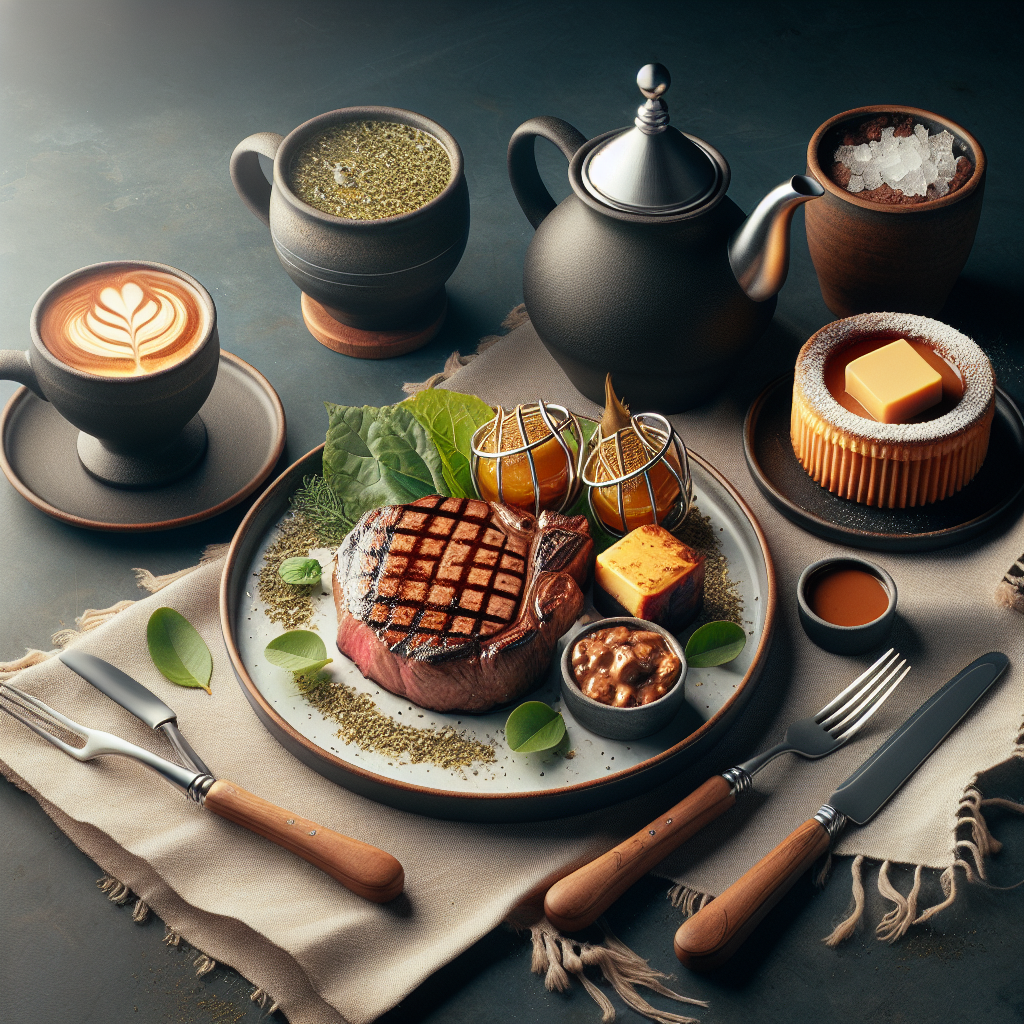
If you are searching for the best food to eat in Argentina, steak has to be your starting point. The country’s
beef culture is rooted in the history of gauchos and vast Pampas pastures, where cattle roamed freely and grass-fed
meat developed its characteristic flavor. Today, asado – the Argentine barbecue – is both a cooking method and a
social ritual. Fire is made with wood or charcoal, the embers are spread under a wide grill called a parrilla, and
different cuts are cooked slowly, often for hours. Patience and control of temperature are more important than any
marinade or complicated seasoning.
For visitors, the easiest way to access this world is through a parrilla, a steakhouse specializing in grilled
meats. Menus can be overwhelming if you do not understand the names of Argentine cuts, which do not always match
US or European butchery terms. Knowing the basics allows you to order strategically and experience a range of
textures, from lean and juicy to fatty and crispy. It is also worth exploring off-the-beaten-path neighborhood
parrillas rather than only famous tourist spots, as quality-to-price ratios are often better and the atmosphere
more authentic.
To help you navigate the meat-heavy menus, below is a comparative table of the most common Argentine beef cuts,
their approximate international equivalents, and the best way to enjoy them. Use it as a cheat sheet when you sit
down in front of a glowing parrilla and need to make a quick yet informed decision.
| Argentine Cut | Approx. Equivalent | Texture & Fat | Best For |
|---|---|---|---|
| Bife de chorizo | Sirloin / Strip steak | Thick, juicy, moderate fat cap | Main steak, medium-rare to medium |
| Ojo de bife | Ribeye | Very juicy, marbled, rich flavor | Steak for meat lovers, medium |
| Asado de tira | Short ribs (cross-cut) | Chewy, fatty, deeply beefy | Slow grill, shareable plate |
| Vacio | Flank / Bavette | Lean, intense flavor, coarse grain | Thin slices against the grain |
| Entraña | Skirt steak | Thin, very flavorful, some chew | Quick grill, ideal with chimichurri |
| Morcilla | Blood sausage | Soft, creamy interior, spiced | Starter, share in the center |
How to Order Steak Like a Local
When you sit down in a parrilla, you will be asked how you want your steak cooked. The usual scale ranges from
jugoso (rare/medium-rare) through a punto (medium) to bien cocido (well-done). In Argentina, cooks tend to go a
bit further than in Europe, so if you usually order medium, consider asking for jugoso to keep the meat juicy.
Many locals also share several cuts instead of ordering individual plates, which allows you to taste more
diversity and reduces the risk of food envy at the table.
Do not skip the side dishes, even if meat is the star. Classic accompaniments include papas fritas (fries),
puré de papas (creamy mashed potatoes), mixed salads and grilled vegetables. The real secret weapon, however, is
chimichurri: a loose, herb-heavy sauce made with parsley, oregano, garlic, vinegar and oil. It cuts through the
richness of the meat and adds acidity and freshness. Always taste it first before pouring it generously – every
parrilla has its own version and some are more intense than others.
- High-quality, grass-fed beef at relatively fair prices.
- Authentic local atmosphere, especially in neighborhood spots.
- Wide choice of cuts, offal and sausages to explore.
- Limited options for vegetarians and vegans.
- Portions are large; easy to over-order without sharing.
- Late dining hours compared to many European countries.
Pro tip: If you see parrilla libre or tenedor libre on a sign, it usually means an
all-you-can-eat grill. Fun for big groups, but quality can be inconsistent – ask locals for recommendations first.
🎯 Beyond Steak: Empanadas, Choripán & Everyday Street Food
While steak dominates the headlines, the true daily life of Argentine food plays out in bakeries, street stalls
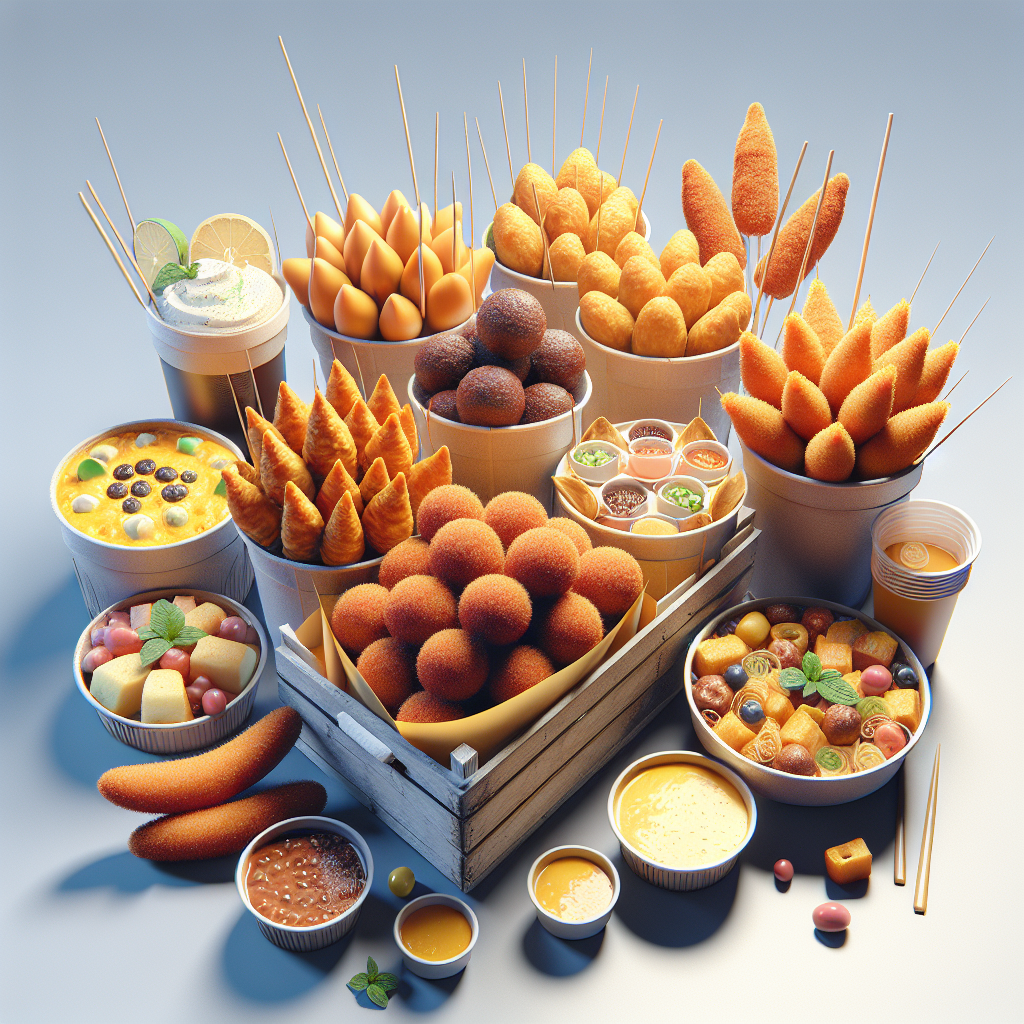
and humble neighborhood bars. Empanadas, small savory pastries baked or fried, are the country’s go-to snack or
light meal. Fillings vary by region: in Buenos Aires you will find lots of jamón y queso (ham and cheese) or
carne suave (mild beef), while in the northwest, empanadas salteñas or tucumanas come with more spices, potatoes
and sometimes hard-boiled egg. Each province proudly claims its own version as the best, and locals often know
exactly which bakery makes their favorite.
Another unmissable street food is choripán, essentially a grilled chorizo sausage served in crusty bread, usually
topped with chimichurri or salsa criolla (a mix of onions, peppers and vinegar). Choripán is cheap, filling and
full of character – you will find it near football stadiums, in weekend ferias and around major parks. For a quick
lunch on the go, it beats most fast-food chains in both flavor and price. It also gives you a taste of the asado
experience without committing to a full multi-course grill.
Finally, do not underestimate the role of pizzas, milanesas and sandwiches in everyday Argentine diets. Influenced
strongly by Italian immigration, local pizza tends to be thicker and cheesier than its Neapolitan cousin, with a
cult favorite being fugazzeta – a pie overloaded with onions and mozzarella. Milanesa, a breaded and fried cutlet
of beef or chicken, appears in home cooking, diners and sandwich shops. These dishes may not be glamorous, but
they are exactly what people eat during the week, and tasting them will round out your understanding of Argentine
comfort food.
Must-Try Savory Snacks & Where to Find Them
Look for empanadas al horno (baked) for a lighter version or fritas (fried) for
a more indulgent bite. In Salta and Tucumán, try regional varieties with spicier fillings and hand-pleated edges.
Best enjoyed at street stalls near parks, stadiums or riverside promenades. Order it completo to get
both chimichurri and salsa criolla, and do not be afraid to ask for extra sauce.
In Buenos Aires, seek out traditional pizzerías serving thick-crust slices with generous cheese. Fugazzeta,
topped with sweet onions, is a local institution you should share with friends.
How to Eat Street Food Safely & Smartly
Street food in Argentina is generally safer than in many other destinations, but a few simple rules will help you
avoid unpleasant surprises. Choose stalls with a steady flow of local customers; high turnover usually means fresher
ingredients and hotter grills. Observe basic hygiene cues: clean hands, separate tongs for raw and cooked meat, and
properly refrigerated toppings. When in doubt, opt for items cooked to order rather than those sitting pre-made.
Timing also matters. Choripán stands near stadiums are best just before or after a match, when grills are busiest
and sausages are freshest. Empanadas in bakeries are often at their peak mid-morning or early evening, when new
batches come out of the oven. If you have dietary restrictions, learn a few key phrases in Spanish, such as
“sin carne” (without meat) or “sin queso” (without cheese), though keep in mind that fully vegan
street options may still be limited outside big cities.
San Telmo or Palermo – and plan a self-guided walk: empanadas as a starter, choripán for the main event and ice
cream as dessert.
🎯 Sweet Side of Argentina: Dulce de Leche, Medialunas & Helado
No guide to the best food to eat in Argentina would be complete without a deep dive into sweets. The national
obsession is dulce de leche, a thick caramel-like spread made by slowly cooking milk and sugar until
it turns golden and intensely flavored. You will find it everywhere: sandwiched between cookies in alfajores,
swirled into ice cream, layered in cakes or simply spread on toast. Supermarkets dedicate entire aisles to different
brands and styles, from runny and light to dark and spoonable. Tasting several versions side by side is a simple,
affordable culinary experiment any visitor can enjoy.
Breakfast and merienda (afternoon snack) are dominated by medialunas, Argentina’s answer to the
croissant. They come in two main styles: de manteca (buttery, richer and slightly denser) and de grasa (made with
lard, lighter but chewier, often a bit saltier). Locals dip them in café con leche or eat them with jam and, of
course, dulce de leche. In many cafés, you will find promotions combining coffee with two or three medialunas at a
very reasonable price, ideal for trying both versions in one sitting.
Finally, there is helado – Argentine ice cream, heavily influenced by Italian gelato but adapted to
local tastes. Heladerías offer dozens of flavors, yet dulce de leche variations dominate the menu: clásico, granizado
(with chocolate chips), con nuez (with walnuts) and many more. Quality can be outstanding even in small chains, and
locals think nothing of ordering a kilo of ice cream to share at home. For dessert lovers, this is one of the most
pleasant and affordable indulgences during a trip.
Iconic Argentine Desserts & Pastries to Try
-
Alfajores: Sandwich cookies filled with dulce de leche, often coated in chocolate or rolled in
coconut. Look for regional brands from Mar del Plata or Córdoba for high-quality versions. -
Flan mixto: Classic egg custard served with dulce de leche and whipped cream. A staple dessert
in parrillas and traditional bodegones. -
Panqueques con dulce de leche: Thin crepes filled with warm dulce de leche, sometimes flambéed
with rum for extra drama at the table. -
Facturas: A wide category of sweet pastries sold by the dozen, including vigilantes, cañoncitos
and bolas de fraile. Ideal for sharing during merienda.
How to Build a Perfect Dulce de Leche Tasting
If you are serious about sweets, set aside one afternoon to compare different dulce de leche products. Visit a
well-stocked supermarket and choose three to five varieties: a mass-market brand, an artisanal one, a version
labeled repostero (for baking, thicker) and perhaps a low-sugar option. At your accommodation, arrange a
simple tasting with plain crackers, slices of white bread or neutral cookies. Pay attention to color, aroma,
sweetness level and texture – some will feel silky and balanced, others grainy or overwhelmingly sweet.
This mini tasting not only satisfies your sweet tooth but also helps you decide which jars to bring home as
edible souvenirs. Remember that repostero holds its shape better in cakes and pastries, while
regular dulce de leche is more spreadable for breakfast. Always check import regulations for dairy products in
your home country, as some places limit what you can bring back in your suitcase.
sharing portions and balancing heavy merienda sessions with lighter lunches or plenty of walking tours.
🎯 Drinks & Rituals: Mate, Wine & Café Culture
Food in Argentina is inseparable from its drinks and the social rituals that surround them. The most emblematic is
mate, an infusion made from yerba mate leaves sipped through a metal straw (bombilla) from a shared
gourd. Unlike tea or coffee, mate is typically consumed in circles of friends, family or colleagues, with one person
acting as the cebador – the one who pours hot water and passes the gourd around. The flavor is herbal,
slightly bitter and can be intense for first-timers, but it quickly becomes addictive once you understand the rhythm.
Argentina is also one of the world’s leading wine producers, with Mendoza as its flagship region. Malbec is the
star grape, producing deep, fruity reds that pair perfectly with grilled meats. However, do not overlook Torrontés,
an aromatic white from the northwest that works beautifully with empanadas and lighter dishes. Many parrillas offer
reasonably priced house wines by the glass or carafe, making it easy to explore local varieties without committing
to expensive bottles.
Coffee culture, heavily influenced by European cafés, plays a central role in daily life. People linger over café
con leche, cortados and small pastries for hours, using cafés as informal offices or living rooms. Unlike in some
countries, there is little pressure to vacate your table quickly after finishing your drink. For travelers, this
makes cafés an ideal place to rest, people-watch and plan your next meal while sampling medialunas or tostadas.
Mate Etiquette for Visitors
If you are invited to share mate, understanding basic etiquette will help you avoid awkward moments. First, do not
stir the bombilla or move it around – this can disturb the yerba and is considered bad form. Drink all the liquid
you receive and then pass the gourd back to the cebador without saying anything; when you have had enough, you can
politely say “gracias” as you return it, which signals that you are done. Never wipe the bombilla in front
of others or show discomfort with sharing – mate is about trust and community.
You can buy your own mate kit (gourd, bombilla and thermos) in supermarkets or specialty shops, but keep in mind
that learning to prepare good mate takes practice. Water should be hot but not boiling (around 70–80°C), and the
yerba needs to be arranged to create a small mound that stays relatively dry on one side. Watching locals in parks
or on long-distance buses is an excellent informal masterclass in mate technique.
Pairing Argentine Drinks with Local Dishes
-
Malbec + Asado: The classic pairing. Look for Malbecs from Luján de Cuyo or Uco Valley in
Mendoza for balanced fruit and structure. -
Torrontés + Empanadas: The floral notes of Torrontés cut through the richness of meat or cheese
fillings without overpowering them. -
Café con leche + Medialunas: Ideal for breakfast or merienda, especially when you need a gentle
energy boost before more sightseeing. -
Mate + Facturas: A typical Sunday morning or afternoon combination among locals, particularly in
parks and at family gatherings.
Remember: drinking in Argentina is about pace, not volume. Long dinners, slow sips and plenty of conversation are
more important than chasing strong cocktails or shots.
🎯 Practical Tips: How to Eat Well in Argentina Every Day
Knowing what to eat is only half the story; understanding when and how Argentines eat will help you plan your days
and avoid frustration. Meal times are generally later than in many European countries. Lunch can happen anytime
between 13:00 and 15:00, while dinner rarely starts before 21:00 in big cities, and 22:00 is completely normal on
weekends. Many restaurants close between lunch and dinner service, so it is wise to check opening hours in advance,
especially outside major tourist areas.
Budget-wise, you can eat very well without overspending if you mix restaurant meals with bakery snacks, café
breakfasts and supermarket picnics. Look for menú del día (daily menu) or menú ejecutivo at lunch –
these fixed-price offers often include a main dish, drink and sometimes dessert at a fraction of à la carte prices.
In wine bars and parrillas, sharing bottles and large cuts of meat among several people reduces individual costs
while increasing variety on the table.
For those with dietary restrictions, Argentina has become more accommodating in recent years, particularly in
Buenos Aires and other large cities. You will find gluten-free bakeries labeled sin TACC, vegetarian cafés
and even vegan parrillas. However, traditional restaurants may still struggle to adapt recipes, so always explain
your needs clearly and double-check ingredients. Learning a few key phrases like “soy celíaco” or
“soy vegano” can make a big difference in communication.
Checklist: Eating Like a Local in Argentina
- Plan for late dinners; have a small merienda to avoid getting too hungry.
- Prioritize neighborhood parrillas over tourist traps for better value.
- Order different cuts of meat to share instead of individual steaks.
- Include at least one merienda with medialunas and café con leche.
- Try both baked and fried empanadas in different regions.
- Dedicate one evening to a proper helado tasting with multiple flavors.
- Respect mate etiquette if you are invited to share a gourd.
Sample One-Day Food Itinerary in Buenos Aires
To put everything together, here is a realistic one-day eating plan in Buenos Aires that balances iconic dishes with
manageable portions. Start your morning in a traditional café with a café con leche and two
medialunas, one de manteca and one de grasa, to compare textures. Mid-morning, grab a couple of
empanadas – carne and jamón y queso are classic choices – from a reputable bakery; this will keep you
satisfied until a slightly later lunch.
For lunch, head to a neighborhood parrilla and share an order of chorizo,
morcilla and a medium-sized bife de chorizo or entraña, accompanied
by salad and fries. In the afternoon, walk off the meal while exploring a park or museum, then reward yourself with
a helado stop: choose at least one dulce de leche-based flavor and one fruit sorbet. In the evening,
if you still have room, finish with a light pizza slice or milanesa sandwich and a
glass of local wine, keeping dinner relatively simple after a rich day of eating.
meals or fish dishes (especially in coastal cities) to avoid palate fatigue and keep your energy levels stable.
🎯 FAQ: Common Questions About Eating in Argentina
Is Argentina a good destination for vegetarians or vegans?
Traditionally, Argentine cuisine is very meat-centric, but major cities now offer more plant-based options than
ever. You will find vegetarian restaurants, vegan burger joints and even vegan parrillas in Buenos Aires. Still,
in small towns and traditional eateries, choices may be limited to salads, pizzas without ham or simple pasta, so
some advance research is recommended.
How much should I budget for food per day?
Budgets vary by city and exchange rate, but as a general guideline, a traveler who mixes bakery snacks, café
breakfasts and one restaurant meal per day can eat well on a moderate budget. A full steak dinner with wine at a
mid-range parrilla will cost more than a simple lunch menu, so alternating splurge days with simpler street-food
days is a smart strategy.
Do I need to tip in restaurants and cafés?
Tipping is customary but not as high as in North America. In sit-down restaurants, leaving around 10% of the bill
in cash is standard if service was good. In cafés and for small checks, rounding up or leaving some coins is
appreciated but not strictly required. Service charge is usually not included in the menu prices, so check your
bill carefully.
Ready to Taste the Best Food in Argentina?
From legendary steaks to indulgent dulce de leche desserts, Argentina offers a rich culinary landscape worth
planning your trip around. Save this guide, build your own tasting itinerary and eat like a local.