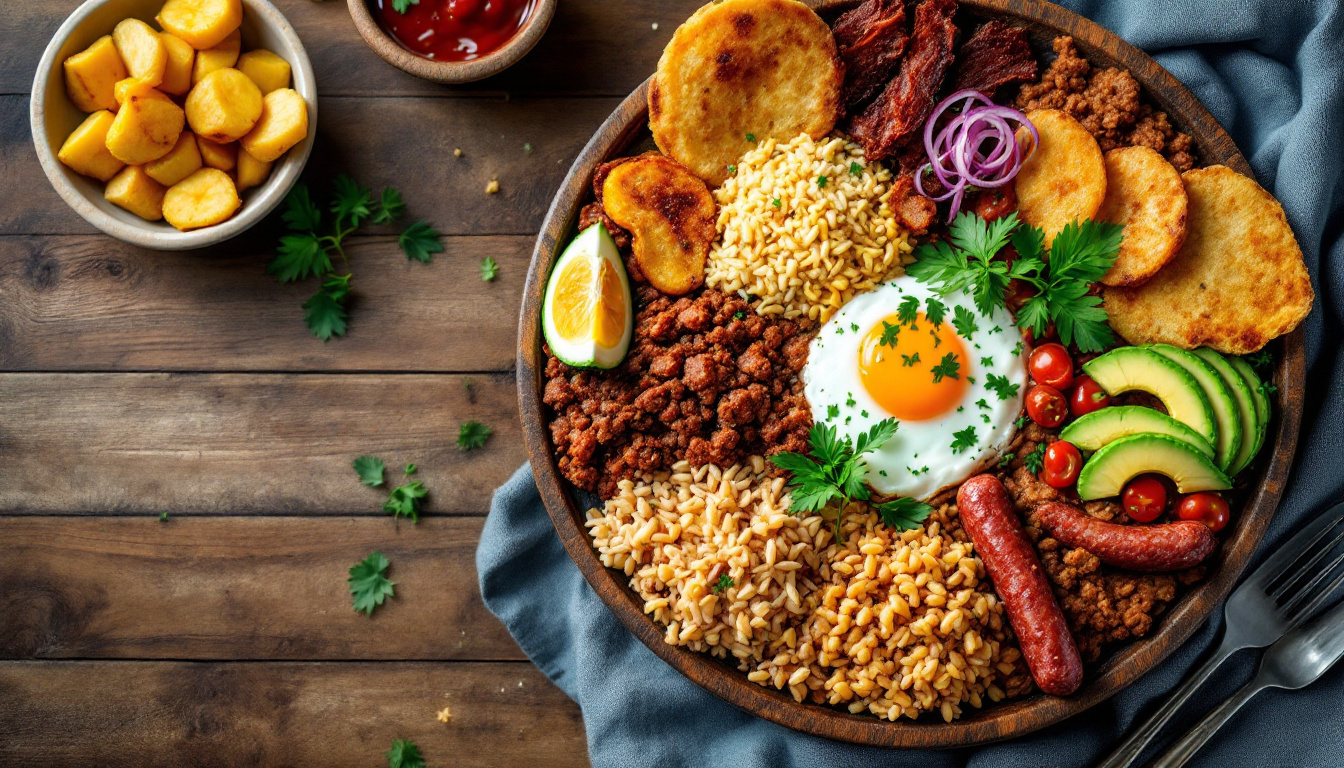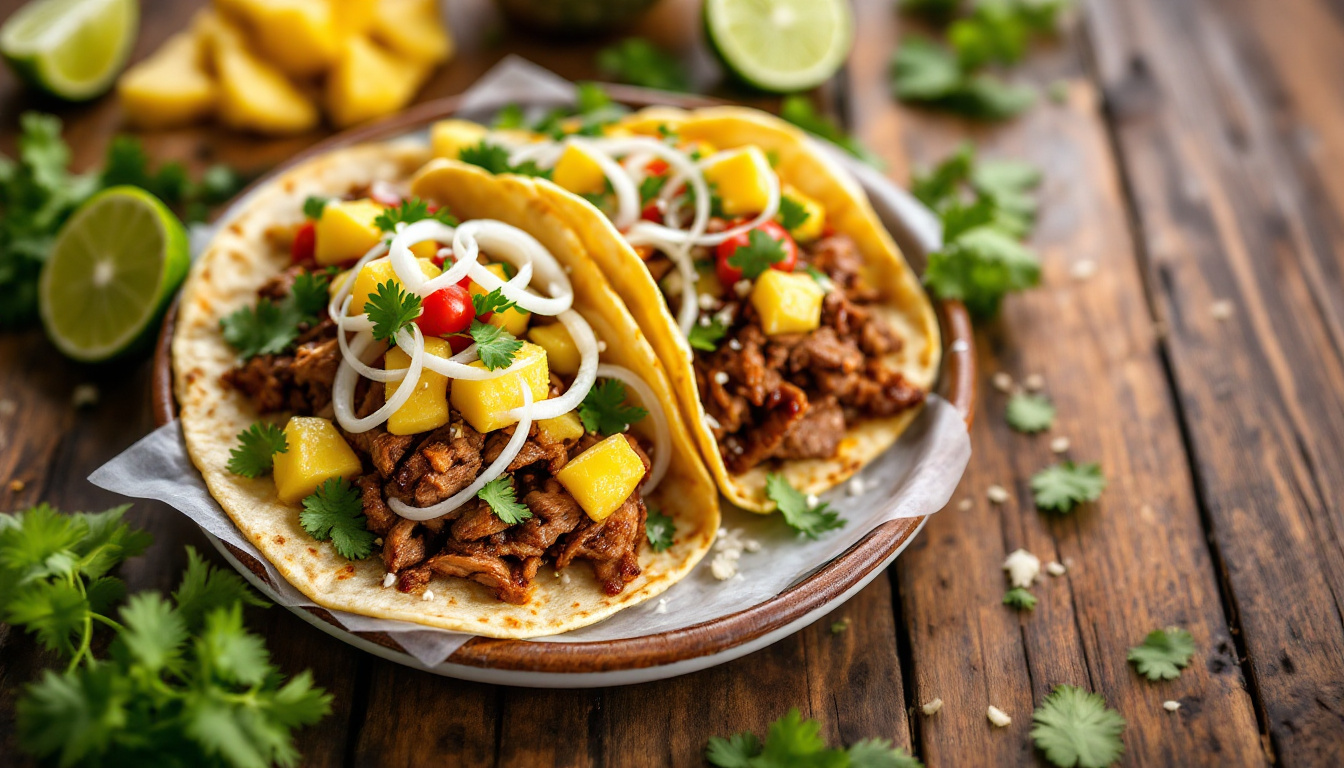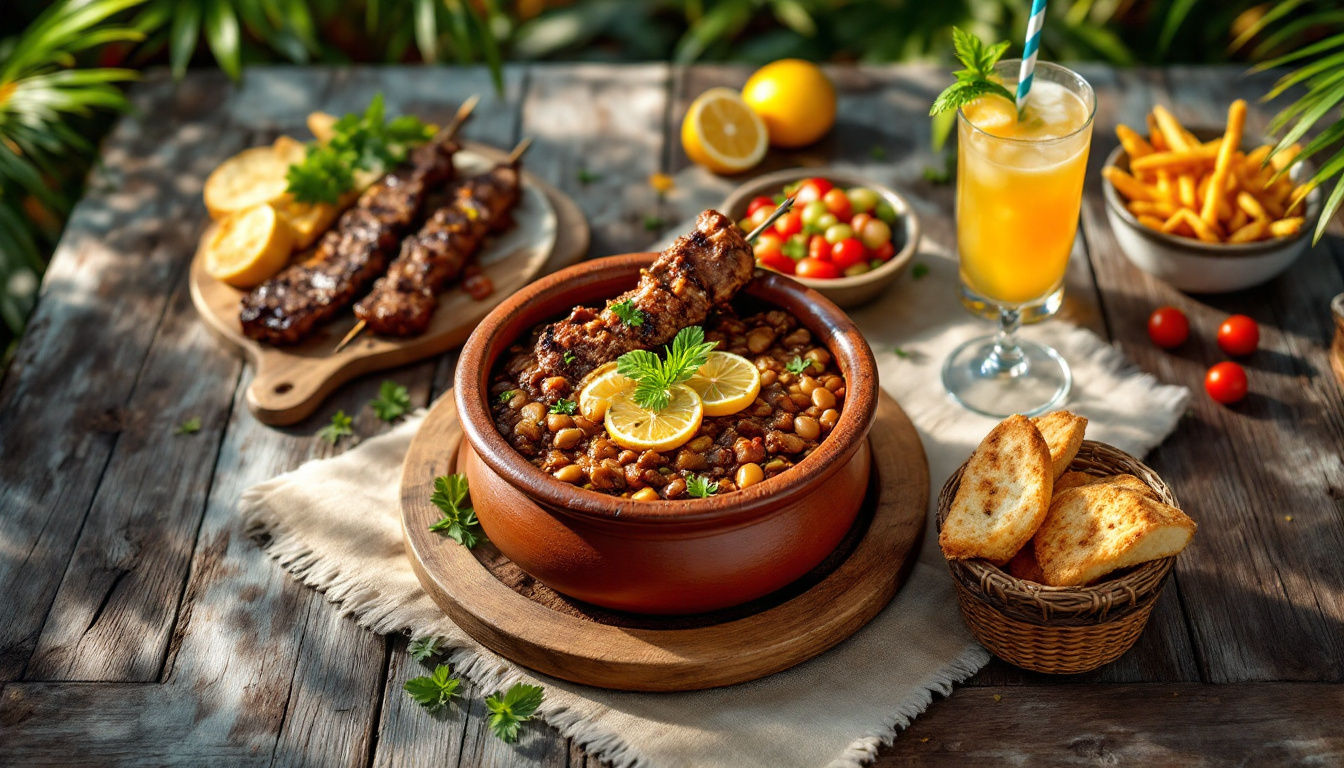
The best food in Brazil depends on where you land. Feijoada and churrasco are the famous ones, but Bahian moqueca, Salvador’s acarajé and the Amazon’s tacacá are the reasons to actually fly there. Four food regions, hundreds of dishes, and some of the cheapest great eating in the Americas: a proper local lunch runs R$15 to 40, call it $3 to 8 at 2026 rates.
One thing nobody warns you about: Brazilian portions assume company. Moqueca arrives in a clay pot sized for two. Feijoada is a Saturday event that wipes out the rest of your afternoon, and a churrascaria will keep bringing meat until you physically flip your card to red. So come hungry and bring people. Plan nothing for after lunch. Meals here are events rather than refueling stops, and the country makes a lot more sense once you accept that.
This guide covers the food worth flying to Brazil for, broken down by region: the four that matter most for a first food trip (Northeast, Southeast, South, Amazon), plus a shorter stop in the Central-West, with the essential dishes from each, the cities where they’re done best, and prices in BRL and USD, checked for 2026 with the real at about R$5.20 to the dollar. Brazil sits alongside our guides to Argentina, Mexico, and Canada.
Brazil’s food regions: why one country tastes like five
People talk about “Brazilian food” as if it’s one thing. It isn’t. The country is bigger than the continental United States, and what Salvador puts on a plate has almost nothing in common with what Porto Alegre does. Brazil has five official macro-regions; four of them carry most of what a first-time food traveler will chase, and the fifth, the Central-West, is the one to know about even if you don’t build a trip around it. Plan by region and the eating snaps into focus.
Salvador, Recife, Olinda, Fortaleza. This is where Brazilian food carries the most flavor per plate, and its spiritual home. The cooking was built on African ingredients and techniques that came through the Atlantic trade: dendê palm oil, okra, black-eyed peas, coconut milk, dried shrimp, chili pastes that mean it. Salvador is the food capital here, acarajé baianas on the corners and seafood running through every menu.
Must-eat here: Moqueca baiana, acarajé, vatapá, bobó de camarão, casquinha de siri, baião de dois (rice, beans, carne de sol and queijo coalho in one pan), tapioca crêpes, dendê-oil-laced everything.
Rio de Janeiro, São Paulo, Minas Gerais, Espírito Santo. The most populous region, and the source of nearly every dish that traveled far enough to become a national symbol: feijoada (Rio), pão de queijo, frango com quiabo and feijão tropeiro (Minas), pastel and mortadella sandwiches (São Paulo’s market culture), moqueca capixaba (Espírito Santo, lighter than the Bahian version).
Must-eat here: Feijoada at a Saturday lunch in Rio, pão de queijo with cafezinho in Belo Horizonte, feijão tropeiro in a Minas mining town, pastel de feira at São Paulo’s Mercado Municipal, picanha at any quality boteco.
Heading to the city itself? See our full guide to the best food in Rio de Janeiro, from beach biscoito Globo and coxinha to feijoada and churrasco.
Rio Grande do Sul, Santa Catarina, Paraná. Gaucho country, shaped hard by Italian, German, and Polish immigration in the late 1800s. Brazilian barbecue was born here and never left; it still peaks here too. Cooler climate, more European-style dairy and bread, and the chimarrão (yerba mate) ritual woven through the whole day.
Must-eat here: Picanha at a proper churrascaria in Porto Alegre, galeto (rotisserie chicken) in Caxias do Sul, chimarrão in the afternoon, Italian-Brazilian pasta in Bento Gonçalves.
Belém, Manaus, the Amazon basin. The most distinct food region in Brazil, and the most skipped. Genuinely native Brazilian cooking lives here, built on Indigenous ingredients that international kitchens barely know: tucupi (fermented manioc broth), jambu (a herb that numbs your mouth), pirarucu (an enormous river fish), açaí in its real unsweetened form, cupuaçu, tacacá. Make it this far and you’ll eat things you cannot taste anywhere else on earth.
Must-eat here: Tacacá at a Belém street stand at sunset, pato no tucupi, real Amazonian açaí with manioc flour (not the sweet sorbet version), pirarucu grilled or in stew, maniçoba.
Goiás, Mato Grosso, Mato Grosso do Sul, and the capital Brasília. It rarely anchors a first food trip, but it’s a real cuisine in its own right, built on Cerrado ingredients and Pantanal river fish. The defining flavor is pequi, a strong, oily Cerrado fruit cooked into rice and into galinhada (a chicken-and-rice one-pot), and the regional showpiece is empadão goiano, a deep savoury pie loaded with chicken, sausage, guariroba (a bitter palm heart) and pequi. Handle pequi with care: locals eat around the stone rather than biting through it.
Must-eat here: Arroz com pequi and galinhada in Goiás, empadão goiano, guariroba with chicken, and Pantanal river fish like pacu and pintado, often as mojica, a fish stew served with pirão.
Essential Brazilian dishes you have to try
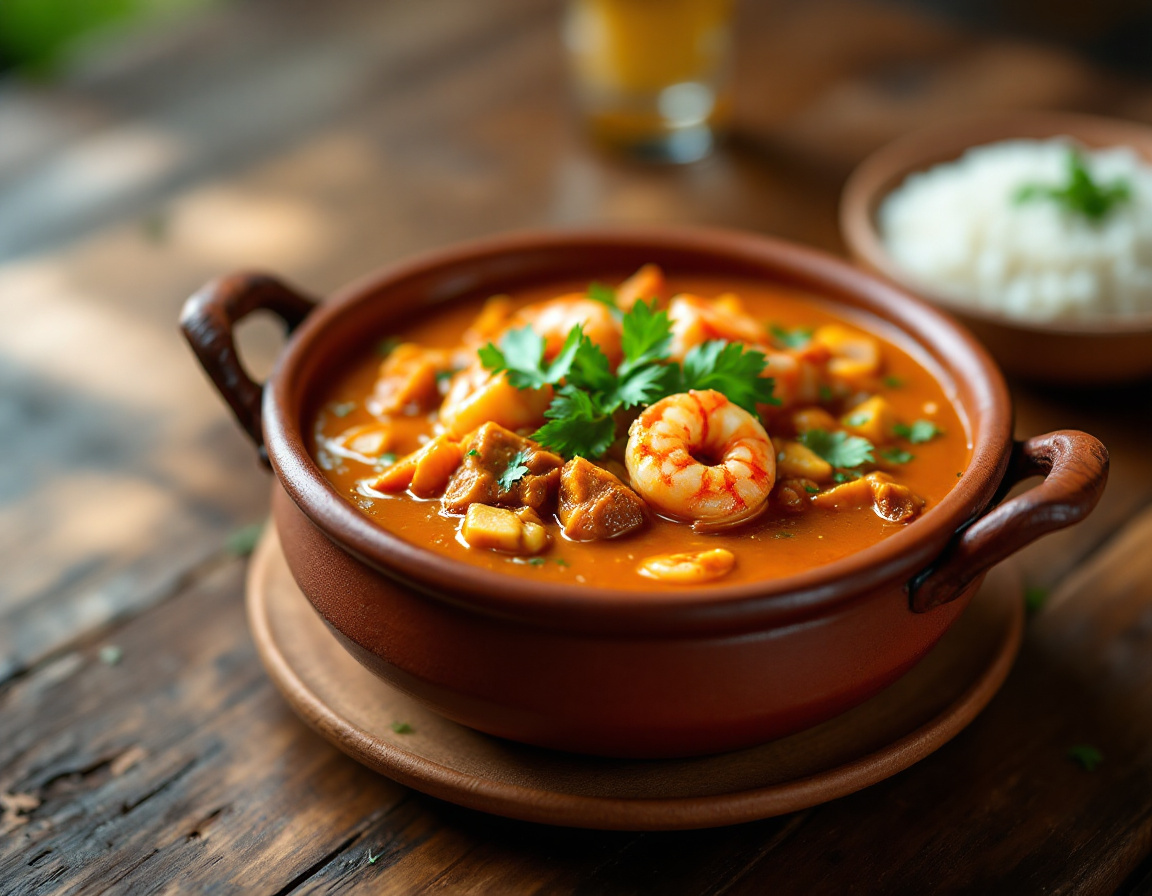
Feijoada national dish
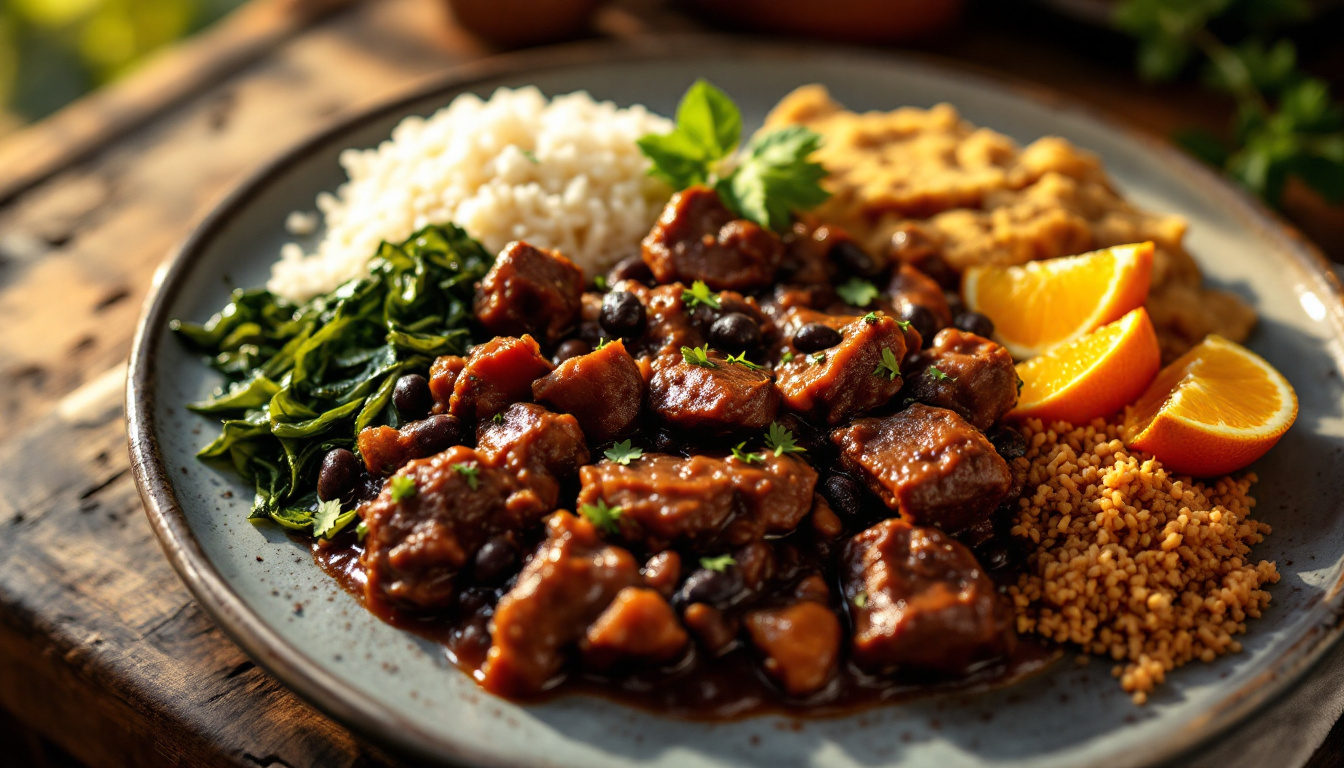
Black beans slow-cooked with several cuts of pork (sausage, ribs, bacon, sometimes dried beef), served with rice, sautéed collard greens, farofa, orange slices, and chili sauce. The orange isn’t decoration. It cuts the richness, and you’ll want it to. Feijoada is a lunch dish, traditionally Wednesdays and Saturdays and rarely eaten in the evening; Casa da Feijoada in Ipanema is the safe tourist pick, while a working-class boteco at Saturday noon is usually the better one. Either way, skip dinner. You won’t miss it.
Moqueca Bahian or Capixaba
Moqueca is a fish stew with two rival schools and a permanent argument attached. Moqueca baiana runs on coconut milk and bright orange dendê palm oil, deep tropical flavors, often shrimp alongside white fish, served bubbling in a clay pot. Moqueca capixaba, from Espírito Santo, strips all that back: no coconut, no dendê, just achiote for color and the fish doing the talking. Both come with rice and pirão, a thick gravy whipped up from the cooking broth and manioc flour. Locals will tell you theirs is the correct one. Order both and stay out of it.
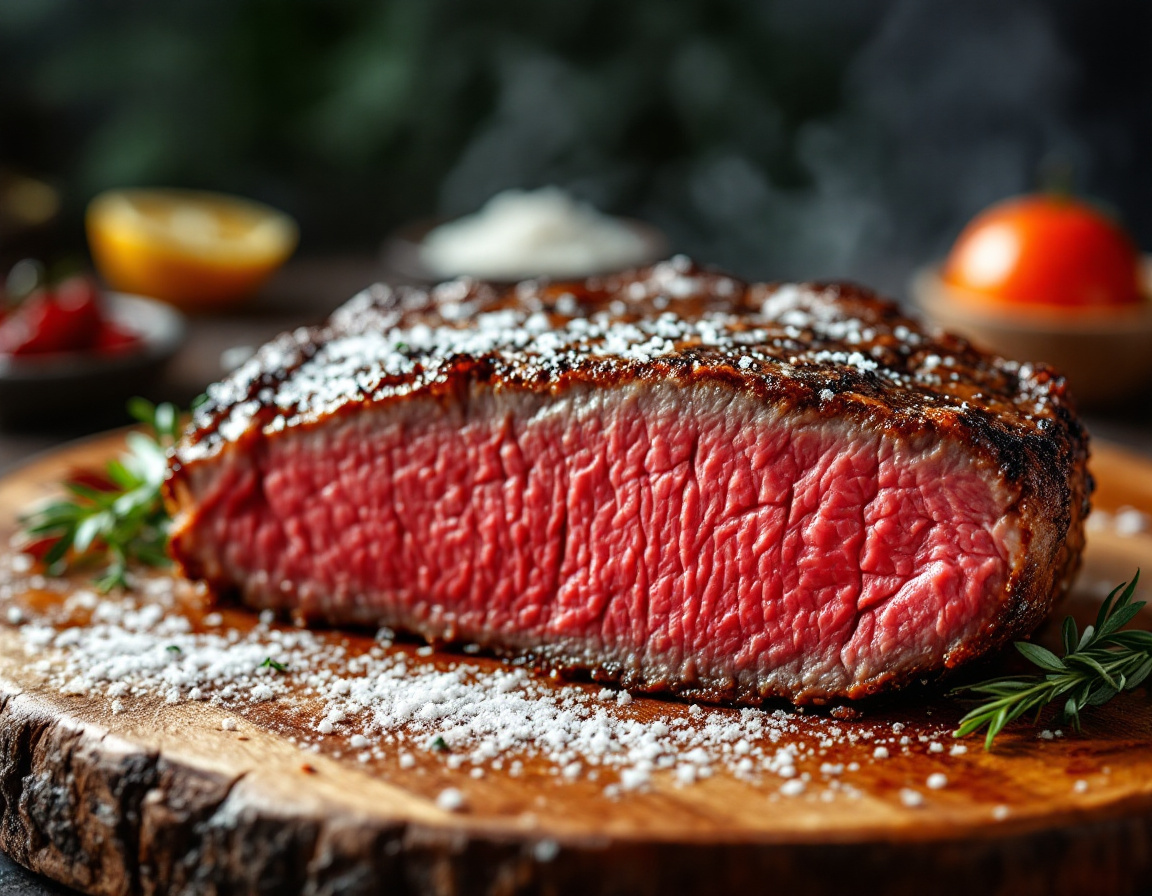
Picanha churrasco cap of rump
Coarse salt, wood fire, nothing else. Picanha is the triangular cap of the rump, prized for its fat layer, grilled on a skewer, sliced thin against the grain and served pink. That’s the whole recipe, and Brazilians treat adding anything more as light vandalism. At a proper churrascaria it comes past your table by the metre on rotating skewers (Fogo de Chão is the global chain; Barranco and Galpão Crioulo are what Porto Alegre locals actually name). Pair it with farofa, vinagrete and a cold Brahma, and pace yourself, because the skewers don’t stop.
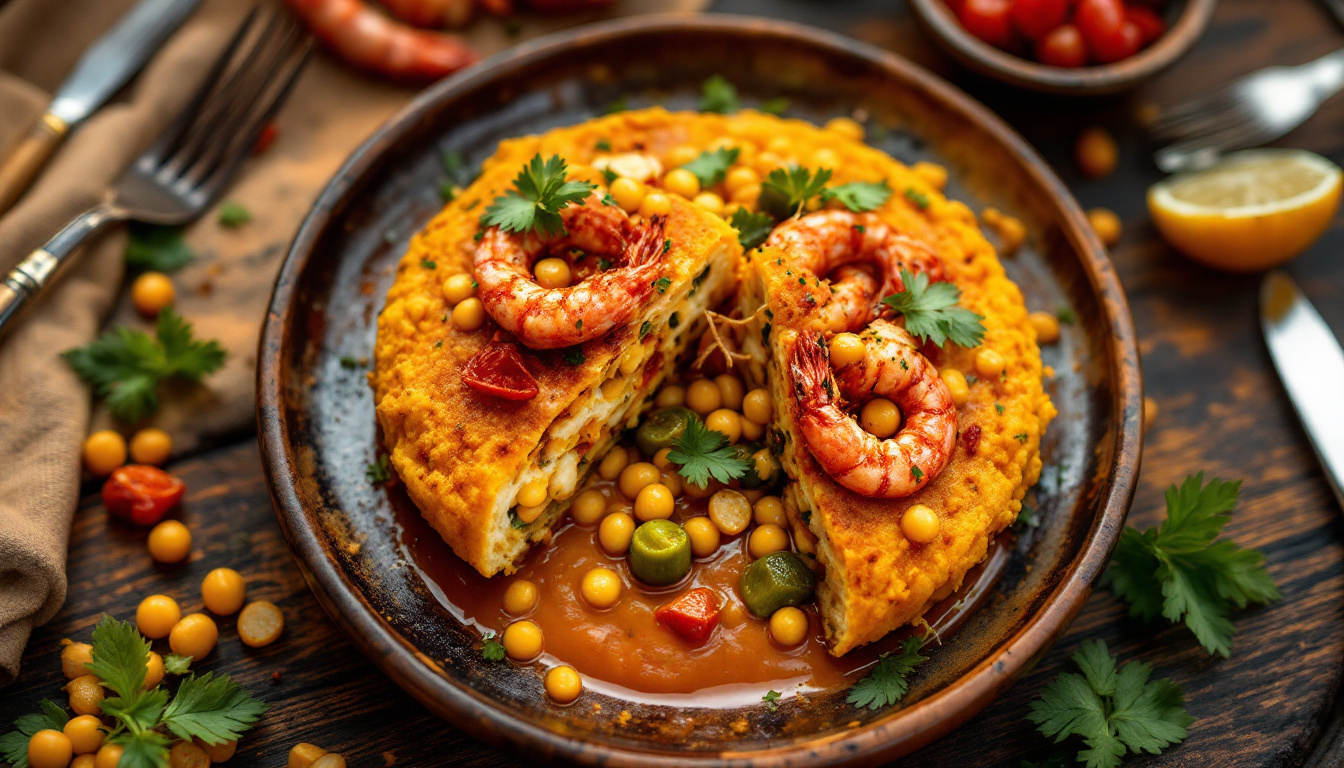
Acarajé Salvador street icon
Acarajé is sold by baianas, women in white dress at Salvador’s street corners, and it’s Afro-Brazilian Candomblé heritage handed to you in paper. The fritter itself: black-eyed pea dough deep-fried in dendê palm oil, split open, stuffed with vatapá (a thick paste of bread, shrimp, peanuts and coconut milk), caruru, dried shrimp, and as much chili as you dare to say yes to. Fair warning about the dendê, it’s intense and not everyone’s friend on day one. Start mild, split your first one with someone, and go from there. Pelourinho has the famous stands.
Pão de queijo cheese bread, Minas Gerais
Small round cheese rolls, tapioca starch plus Minas cheese, naturally gluten-free, crisp shell, stretchy chew inside. Brazil eats them at industrial scale: breakfast, midmorning padaria stop, the airport grab before every flight. The catch is temperature. A pão de queijo warm enough to burn your fingers is one of the great cheap pleasures in South America, and the same roll two hours later is a rubber ball. Belo Horizonte and Ouro Preto cafés serve the version worth planning around.
Pastel de feira market pastel
Thin rectangular pockets of fried dough with fillings from minced beef to cheese, heart of palm, shrimp, even chocolate. The wrapper blisters and shatters when you bite. Wash it down with caldo de cana, sugarcane juice pressed on the spot, and you’ve done the classic São Paulo Saturday market breakfast the way the city has done it for generations. Mercado Municipal de Pinheiros and the Sunday Feira da Liberdade are the right venues for it.
Coxinha teardrop chicken croquette
A teardrop of dough around shredded chicken and creamy catupiry cheese, breaded and fried to gold. Brazil’s default snack. Padarias turn them out by the dozen for office breakfasts; no Brazilian birthday party has ever happened without a tray. The benchmark sits in São Paulo: Veloso Bar in Vila Mariana (Rua Conceição Veloso 54), whose coxinha has been winning the city’s best-of contests for years and cost R$7.50 apiece in 2026. Weight is the tell. A good one feels light in the hand and the shell gives instantly, no grease left on your fingers.
Tacacá Amazonian soup
The strangest thing on this list, and the best argument for flying north. Tacacá is a hot yellow broth of tucupi (fermented manioc juice) with dried shrimp and starchy goma, plus jambu, a leaf that numbs your tongue and lips the way Sichuan peppercorns do. The buzz hangs around for minutes after the bowl is gone. It’s served in a gourd at Belém street stands from late afternoon and drunk hot, straight from the shell. Nothing else in South American cooking tastes remotely like it. The institution is Tacacá da Dona Maria on Avenida Nazaré, going since 1989, jambu from her own garden, open Tuesday to Sunday from 4pm.
Pirarucu giant Amazon fish
One of the largest freshwater fish in the world, up to three metres, with mild, meaty flesh that eats closer to steak than to fish. Grilled, fried, or stewed, usually with manioc-flour sides and jambu. Manaus and Belém do it best. One word matters on the menu: “manejado” means the fish came through a managed sustainability programme rather than predatory fishing, and it’s worth asking for.
Frango com quiabo Minas chicken with okra
Grandmother food, and Minas Gerais would take that as a compliment. Chicken stewed slow with okra, served with rice, farinha, and angu, a soft cornmeal porridge. The old mining towns (Ouro Preto, Tiradentes, Diamantina) serve it family-style at small restaurants where lunch takes as long as it takes. And yes, the okra is supposed to be slimy. That’s not a flaw, it’s the thickener, and the dish doesn’t work without it.
Street food and bakery culture
Brazilian street food runs on three institutions. The padaria is the neighbourhood bakery, open from dawn, pouring coffee and selling salgados all day. Once a week there’s the feira, the open-air market where the pastel and caldo de cana live. And on the corner sits the boteco, a bar that doubles as a kitchen. Rotate between the three and you can eat all day for under $15. The salgados themselves, the savoury snacks stacked on every padaria counter, include coxinha, kibe (a Lebanese-origin meatball that Brazil adopted wholesale), bolinho de bacalhau, esfiha and empadão, a deep savoury pie.
Three more street icons worth hunting down. Queijo coalho na brasa: squeaky grilling cheese on a skewer, charred to order by vendors who walk the beaches of Rio and the Northeast with a portable charcoal box. The definitive Brazilian beach snack, and the smell of it is half the sales pitch. Tapioca (also called beiju) is a gluten-free crêpe of hydrated manioc starch, cooked on a hot plate at Northeastern stalls and folded around cheese and coconut if you want it sweet, meat and palm heart if you don’t. And the cachorro-quente brasileiro is a hot dog pushed well past reason, the sausage buried under corn, peas, mashed potato, vinaigrette, melted cheese and crunchy potato sticks. Eaten standing at a cart, late, ideally after caipirinhas. It makes sense in context.
What do Brazilians eat day to day?
Away from the highlights, everyday eating rests on one base: arroz e feijão, rice and beans, the foundation of nearly every Brazilian lunch and dinner, with a protein and farofa alongside, usually a small salad too. The standard weekday lunch is the restaurante por kilo, a buffet where your plate gets weighed at the counter. Comfort staples on every menu include estrogonofe de frango, the Brazilian spin on chicken stroganoff served over rice with potato sticks, and escondidinho, manioc purée baked over shredded meat, shepherd’s pie by way of the tropics. Plain, cheap, and exactly what locals actually eat.
For a single Brazilian food day done right: pão de queijo and cafezinho at a padaria, pastel and caldo de cana at a Saturday feira for second breakfast, feijoada or moqueca for a long lunch, açaí or cocada in the afternoon, picanha and caipirinhas at a boteco after dark. Six meals. Under $30 in most cities outside the Rio and São Paulo centres.
Brazilian sweets: brigadeiro and beyond
Brazilians have a sweet tooth that runs hot, and condensed milk is the engine behind roughly half the national dessert canon. That sounds excessive until you try it. Three to start with:
Brigadeiro, the national chocolate truffle: condensed milk, cocoa, butter, rolled in chocolate sprinkles. Every Brazilian remembers it from childhood birthday parties, which is exactly the register it still plays in. Rio and São Paulo now have brigaderias, whole shops dedicated to the thing, with pistachio and passionfruit versions sitting next to the classic at R$3-8 a piece.
Quindim, a bright yellow coconut-and-egg-yolk pudding with a glossy mirror top, baked in a ring mould and flipped. Portuguese by birth, fully Brazilian by adoption. Sweet, dense, and not remotely subtle.
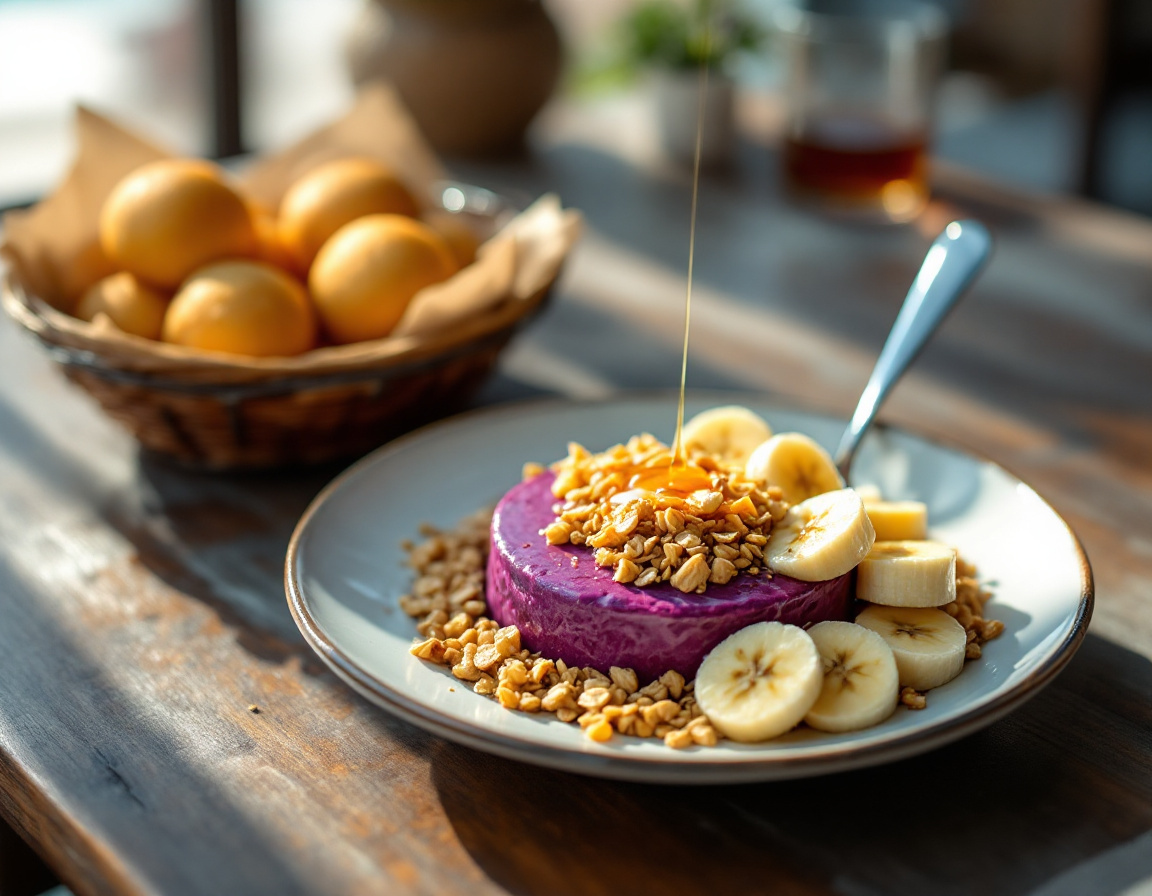
Açaí na tigela, the frozen sorbet-style açaí bowl the world knows, topped in Brazil with granola, banana and condensed milk and treated as a meal rather than a dessert, especially at Rio’s beachside kiosks. Worth knowing: the real Amazonian açaí is a different food altogether, unfrozen, savoury, eaten with manioc flour and grilled fish, and it tastes nothing like the sweet version. You’ll mostly only meet it in the North.
What to drink with Brazilian food
Caipirinha first, obviously. Cachaça, lime, sugar, ice, muddled, done. It’s the national cocktail and it costs R$15-30 at most bars. The spin-offs are legion: caipiroska with vodka, caipisake with sake, fruit versions with passionfruit, tangerine or kiwi, and none of them beat the original on a hot night.
Cachaça deserves a tasting on its own terms too. The premium aged bottles (Yaguara, Capucana, Magnífica) drink like complex rum, and they’re the country’s serious spirit tradition in their own right. Guaraná is the national soda, made from an Amazonian berry, lightly fruity, caffeinated. And the fresh juice counter at any padaria is quietly one of Brazil’s best food experiences: cajá, acerola, graviola, maracujá, cupuaçu. Most of these fruits don’t exist outside the country. Work through the list.
Beer? The big brands (Brahma, Skol, Antártica) are everywhere, ice-cold and unremarkable, which on a beach is the entire job description. The microbrewery scene has grown fast over the past decade, especially in São Paulo and Belo Horizonte. Down south, chimarrão, yerba mate in a gourd sipped through a metal straw, is less a drink than a social contract; watch groups pass it around the parks of Porto Alegre and you’ll understand the region a little better.
Where to eat: markets, botecos and churrascarias
Brazilian food culture lives in five kinds of venue, and almost none of them are fine-dining rooms. Plan around these:
- Padaria (bakery): open dawn till late, coffee, pão de queijo, salgados, pastries, and a hot lunch buffet at midday. The Brazilian equivalent of a French café.
- Boteco / botequim: corner bar that serves cold beer, caipirinhas, and a deep menu of petiscos (small plates) like bolinho de bacalhau, calabresa sausage, polenta frita. Where locals go after work.
- Churrascaria: all-you-can-eat barbecue restaurant with rotating skewers carved at your table. Touristy but iconic, do it once. Porcão, Fogo de Chão, and Barranco are reliable.
- Mercado Municipal: covered city market. Best are São Paulo’s (mortadella sandwich at Hocca Bar), Rio’s Cobal do Humaitá for the market-hall role, Manaus’s Mercado Adolpho Lisboa for Amazon ingredients.
- Restaurante por kilo: buffet-by-weight lunch counter. Cheapest sit-down meal in the country, and where everyday Brazilians eat 5 days a week.
Eating etiquette and traveler tips
- Tipping: a 10% service charge (serviço) is usually added to the bill at sit-down restaurants. It’s optional, but standard to pay. No tip at padarias, botecos, or street stalls.
- Bread basket: at most restaurants it’s free. The dish of butter or pâté next to it sometimes isn’t, ask before eating to avoid a surprise charge.
- Lunch is the main meal: most Brazilians eat their biggest meal at lunch (almoço), often 12-2pm. Restaurants are fullest then.
- Late dinners: dinner doesn’t start until 8-9pm in cities. Botecos serve well past midnight.
- Sharing is standard: at botecos and churrascarias, dishes are sized for the table. Order one or two for two people, not one per person.
- Market samples: vendors at feiras will offer you a taste. Saying “pode” (go ahead) accepts it. Buying afterwards isn’t obligatory, but locals usually do.
Brazilian dishes compared: where, when, how much
| Dish | Region | Best city | Price (BRL / USD, 2026) | When to eat |
|---|---|---|---|---|
| Feijoada | Southeast | Rio de Janeiro | R$35-70 / $7-14 | Saturday lunch |
| Moqueca baiana | Northeast | Salvador | R$70-120 / $14-23 | Lunch (serves 2) |
| Picanha (churrasco) | South | Porto Alegre | R$80-150 / $15-29 | Long dinner |
| Acarajé | Northeast | Salvador | R$8-18 / $1.50-3.50 | Afternoon street snack |
| Pão de queijo | Southeast | Belo Horizonte | R$3-8 each / $0.60-1.50 | Breakfast / anytime |
| Pastel + caldo de cana | Southeast | São Paulo | R$15-25 / $3-5 | Saturday market morning |
| Coxinha | Nationwide | São Paulo | R$6-12 / $1.20-2.30 | Afternoon snack |
| Tacacá | North / Amazon | Belém | R$20-35 / $4-7 | Evening street stand |
| Pirarucu | Amazon | Manaus / Belém | R$60-120 / $12-23 | Dinner |
| Frango com quiabo | Southeast | Ouro Preto | R$30-55 / $6-11 | Family-style lunch |
| Brigadeiro | Nationwide | Anywhere | R$3-8 each | Dessert / coffee |
| Caipirinha | Nationwide | Anywhere | R$15-30 / $3-6 | Sunset onward |
FAQ: eating in Brazil
What is the most popular and typical food in Brazil?
The national dish is feijoada, a black bean and pork stew eaten on Saturdays. The most popular everyday and street foods are pão de queijo, coxinha, picanha and açaí, and the daily base of almost every meal is arroz e feijão (rice and beans). There’s no single typical Brazilian food, though, Bahian moqueca, southern churrasco and Amazonian tacacá taste like they come from different countries, which is exactly the point.
Is Brazilian food spicy?
Mostly no. Brazilian food is generously seasoned but not chili-hot in the way Mexican or Thai food is. Heat usually arrives in optional sauces on the side, especially molho de pimenta (chili sauce). The exception is Bahian cooking, where dendê oil and some acarajé fillings can pack real heat. Always specify pouco apimentado (not very spicy) if you’re sensitive.
What should I order if I don’t eat meat?
Plenty. Moqueca (fish), grilled or fried fresh fish along the coast, açaí na tigela, pão de queijo, quindim, salgados like queijo (cheese) and palmito (heart of palm) versions of pastéis. Self-service buffets are vegetarian-friendly because you choose your plate. Vegan is harder in traditional venues but the bigger cities (São Paulo, Rio, Florianópolis) have a fast-growing vegan restaurant scene.
How much should I budget for food per day in Brazil?
Budget travelers can eat extremely well for R$60-100 per day ($12-20 USD) by sticking to padarias, self-service buffets, and street food. Mid-range with one boteco dinner: R$120-200 ($24-40). A full churrascaria experience or a top moqueca restaurant runs R$150-300 per person ($30-60). Brazil is significantly cheaper than Argentina or Chile, and roughly half the price of US fine dining.
Is Brazilian street food safe?
In major cities yes, with standard rules: busy stalls with high turnover, freshly cooked items rather than pre-made ones sitting out, bottled water. The padaria and feira systems are well-regulated. Be more cautious with raw items, ice from unknown sources, and beachside seafood stands during peak heat. Cariocas (Rio locals) and Paulistas eat street food daily without issue.
Which Brazilian city is best for food?
It depends on what you want. São Paulo has the widest variety, best restaurants overall, and the best street food markets. Salvador for Afro-Brazilian Bahian cuisine, the most distinctive flavors in Brazil. Belém for Amazonian food you can’t taste anywhere else. Porto Alegre for churrasco done right. Belo Horizonte for Minas Gerais home cooking. Rio is the postcard, but its food scene is the most touristy of the major cities.
When is the best time of year to visit Brazil for food?
Year-round eating is good. June is the festa junina (June festivals) season, with traditional corn treats like canjica, curau and pamonha plus sweets like paçoca and pé-de-moleque featured at every event. November and December bring summer fruit at its peak in the south. Carnival (February-March) is chaotic but food stalls multiply in every city. Avoid major rain seasons in Bahia (May-July) if you want to eat outdoors comfortably.
What’s the best Brazilian dessert?
Brigadeiro is the classic, but quindim (egg yolk coconut pudding) is more interesting if you’ve had brigadeiro elsewhere. Açaí na tigela is closer to a meal than a dessert. For something rarely available outside Brazil, try cocada (chewy coconut sweet) at a market, or bolo de rolo (rolled spice cake from Pernambuco). If you find canjica (white corn pudding) at a festa junina, it’s the homeliest, most Brazilian sweet on the continent.
More Americas food guides waiting for you
Country-by-country deep dives across Latin America and North America.