Hanoi is where pho was born, where you eat the best meal of your life sitting on a plastic stool 15 centimeters off the ground, and where a 70-year-old woman running a single-dish stall makes food no Michelin-starred restaurant can replicate. The secret isn’t technique, it’s time. Some of these recipes haven’t changed in three generations. This is where to find them.
My favorite meal in Hanoi cost about a dollar and a half. It was a bowl of pho bo at 6:30 in the morning, eaten on a stool so low my knees reached my ears, while the woman who made it ladled broth she had been tending since 4 AM. No menu, no sign in English, no fuss. That is the whole appeal of eating in Hanoi: the food culture has barely been touched by globalization, and the best cooks in the city are grandmothers who have made one dish, and only one dish, for forty years.
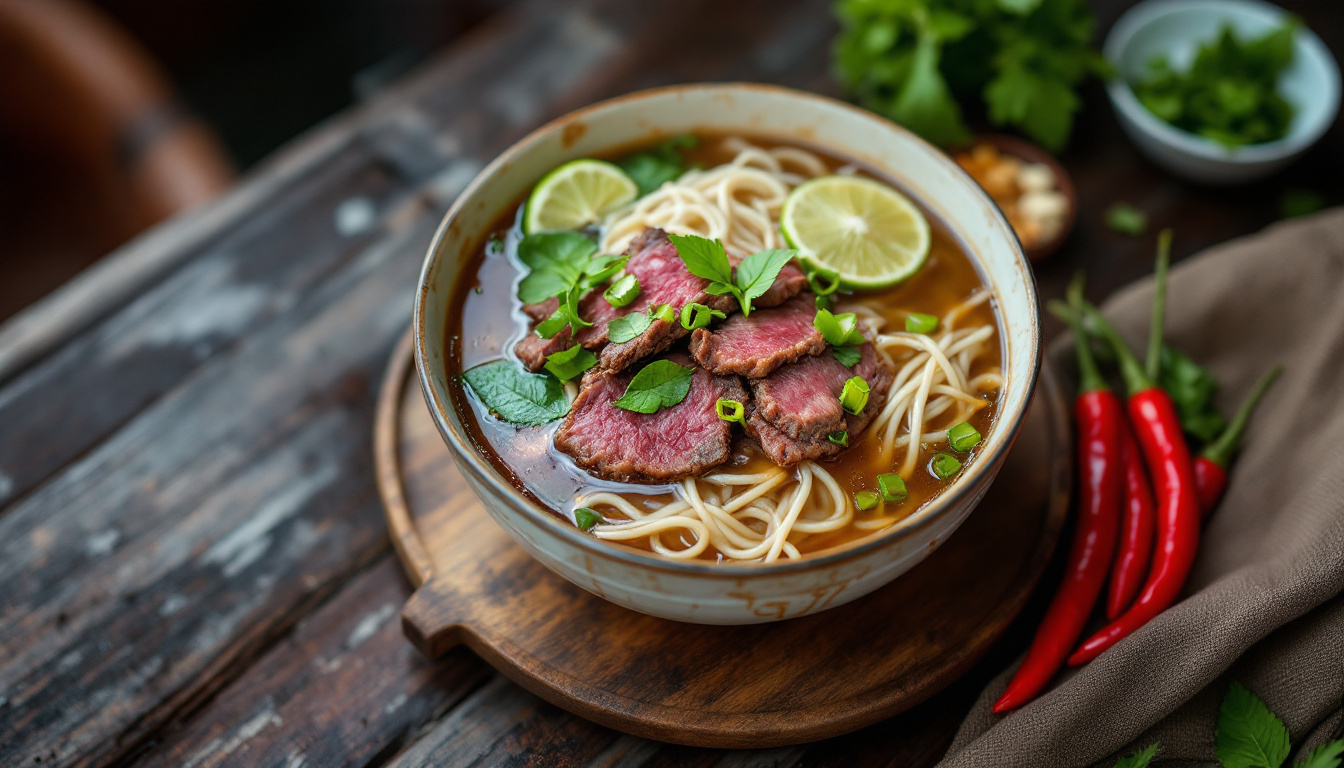
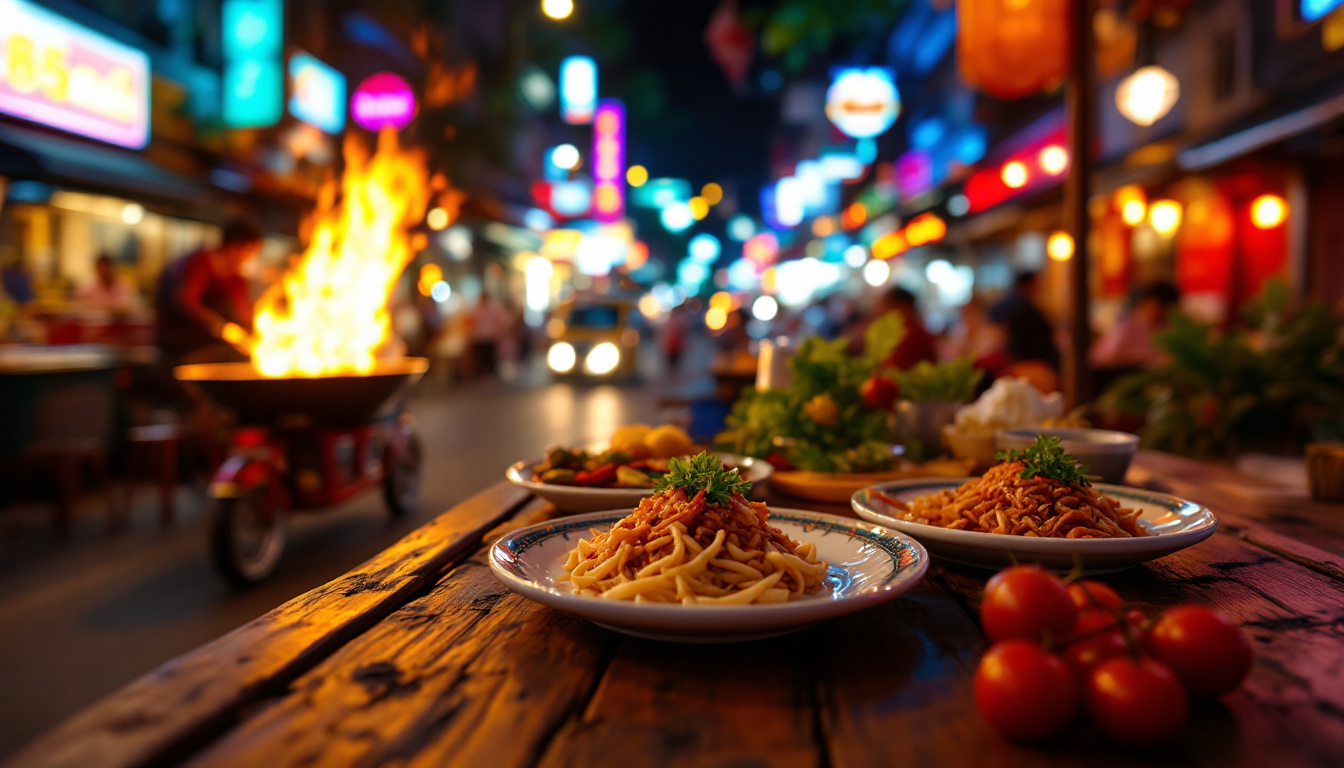
Hanoi is one of those rare cities where the food culture has barely been touched by globalization. Walk through the Old Quarter at 6 AM and you’ll see scenes that have played out for centuries: a woman ladling pho from a pot she’s been tending since 4 AM, a man squatting on a tiny stool slurping bun rieu (crab noodle soup) before work, a grandmother fanning charcoal under a grill of bun cha pork patties. Nothing is performative. Nobody is doing this for tourists. This is just how Hanoi eats.
The city’s food philosophy is radically different from Saigon’s (Ho Chi Minh City). Where Saigon is bold, sweet, and loaded with fresh herbs, Hanoi is subtle, savory, and restrained. Hanoi pho uses fewer garnishes. Hanoi flavors are built on depth, not heat. The food here rewards patience and attention, the difference between a good bowl of pho and a transcendent one is often invisible until it hits your tongue.
For the full picture of Vietnamese cuisine north and south, check our complete guide to the best food in Vietnam.
The Old Quarter, pho, bun cha and the heart of Hanoi food
The Old Quarter (36 Pho Phuong, or “36 streets”) is the densest concentration of food in Hanoi. Each street was historically named for the trade it housed, Hang Ga (Chicken Street), Hang Ca (Fish Street), and while the trades have largely changed, the food stalls haven’t gone anywhere. Some have been operated by the same family for three or four generations.
The way to eat in the Old Quarter is simple: walk slowly, follow steam and smoke, sit where locals are sitting, and point at whatever looks good. Most stalls serve one dish and one dish only. They’ve had decades to perfect it.
What to eat in the Old Quarter
Pho Thin (13 Lo Duc Street, edge of Old Quarter), not the most traditional pho in Hanoi, but possibly the most exciting. Pho Thin stir-fries the beef in garlic before adding it to the bowl, giving the broth a smoky, caramelized depth. 50,000 VND (~$2). The original shop is tiny and legendary. Don’t confuse it with the chain knockoffs using similar names.
Pho Bat Dan (49 Bat Dan Street), many locals consider this the best traditional pho in the city. Pure, clear beef broth that’s been simmered for 12+ hours. No frills, no stir-fried beef, just flawless pho bo. 40,000 VND (~$1.60). Opens at 6 AM, sells out by 10 AM on weekends. Queue is part of the experience.
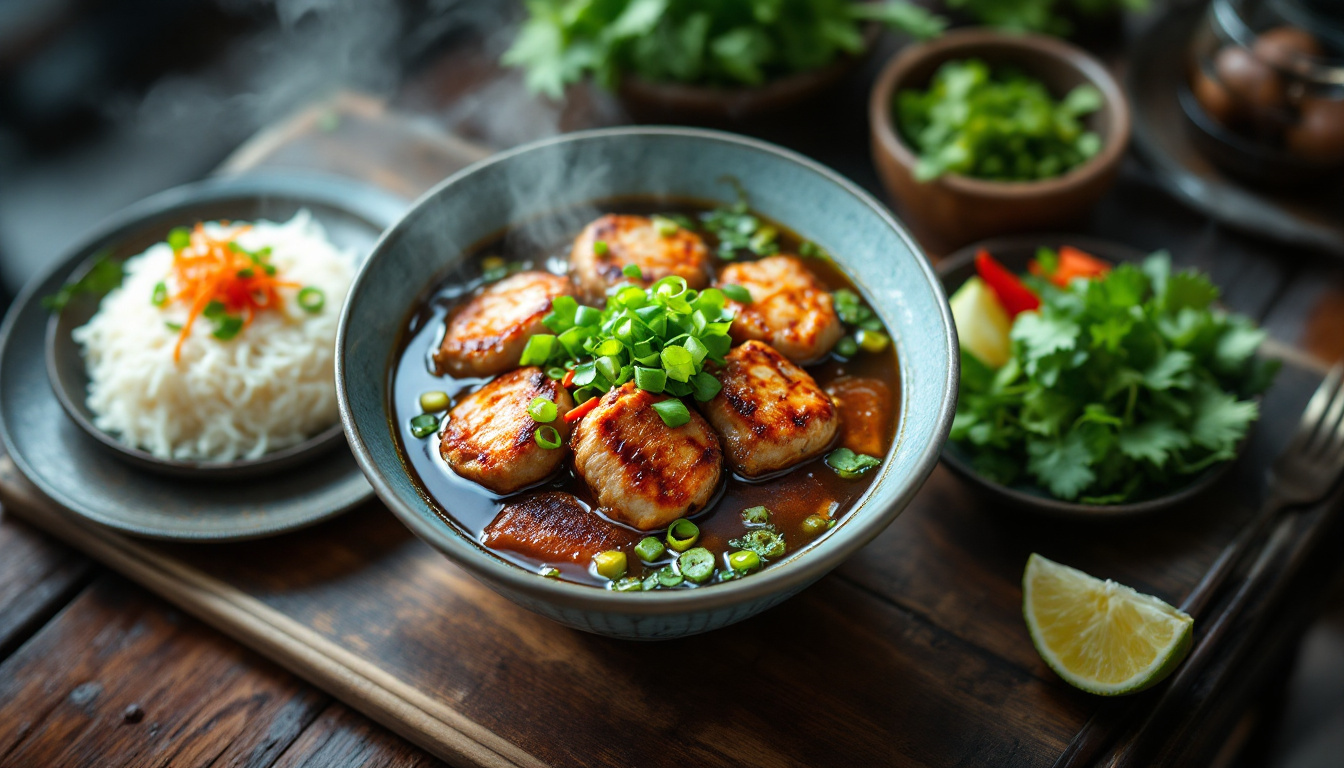
Bun cha stalls along Hang Manh and Hang Buom, bun cha is Hanoi’s second soul dish: charcoal-grilled pork patties and sliced pork belly served with cold rice noodles, a sweet-sour fish sauce broth, and a mountain of fresh herbs. You dip the noodles and herbs into the broth, add pork, and eat. 40,000–60,000 VND (~$1.60–2.40). Every stall grills fresh, follow the smoke.
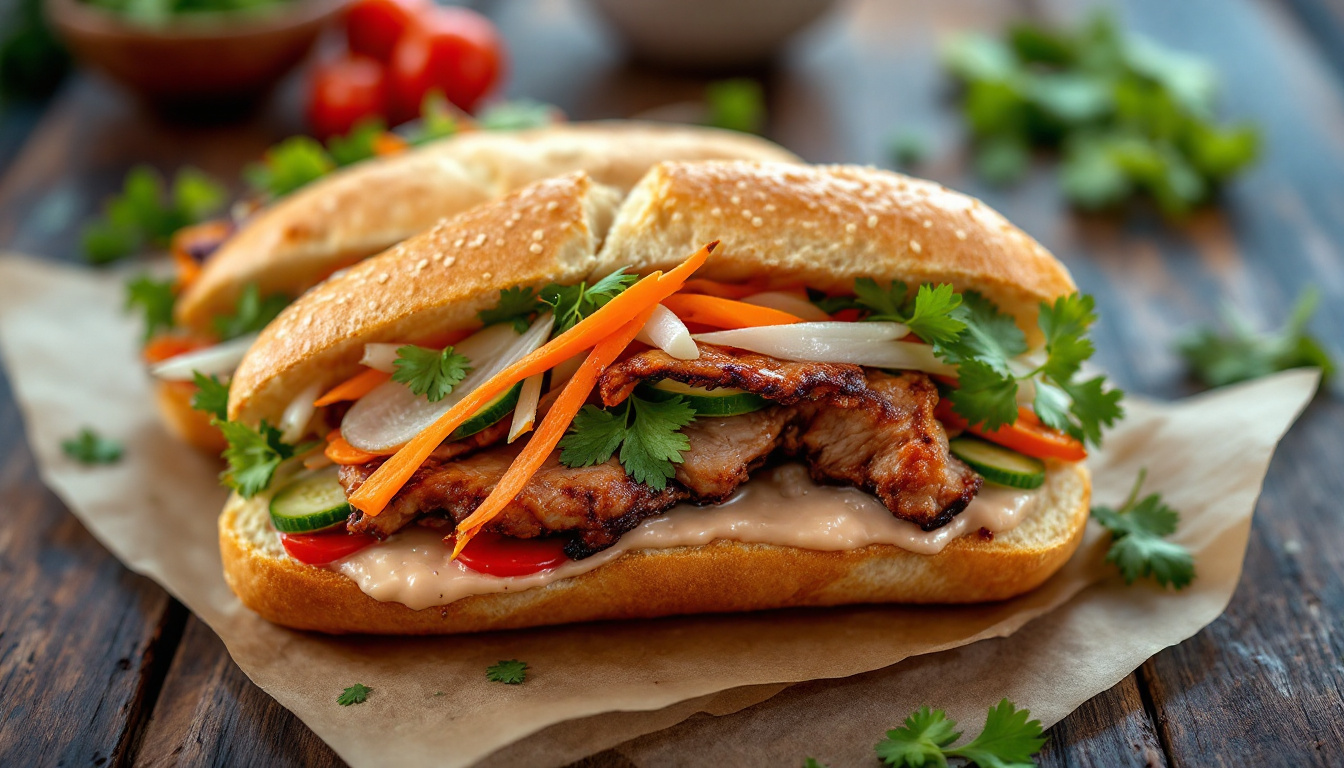
Banh mi 25 (25 Hang Ca Street), one of Hanoi’s most famous banh mi shops. The baguette is perfect (crispy outside, airy inside), the pate is house-made, and the fillings are generous: grilled pork, pate, pickled daikon, cilantro, chili. 20,000–30,000 VND (~$0.80–1.20). There’s a reason the queue starts before they open.
Bun rieu cua (crab noodle soup), a tomato-based broth with freshwater crab paste, tofu, and vermicelli noodles. Tangy, savory, completely different from pho. Look for stalls near Hang Chieu Street. 35,000–45,000 VND (~$1.40–1.80). Underrated by tourists, beloved by locals.
Banh cuon (steamed rice rolls), one of Hanoi’s great breakfasts and a dish the city does better than anywhere: paper-thin sheets of rice batter steamed over cloth, rolled around minced pork and wood-ear mushroom, showered with crisp fried shallots and served with a bowl of nuoc cham and slices of cha (pork sausage). Light, savory, and made to order in seconds. Banh Cuon Gia Truyen on Hang Ga Street is the classic address. 30,000–50,000 VND (~$1.20–2).
Hoan Kiem and the French Quarter, egg coffee and colonial charm
The area around Hoan Kiem Lake is Hanoi’s emotional center, the lake itself is where locals exercise at dawn and couples stroll at dusk. The surrounding French Quarter (south of the lake) has wide tree-lined boulevards, colonial architecture, and Hanoi’s most atmospheric cafes.
What to eat around Hoan Kiem
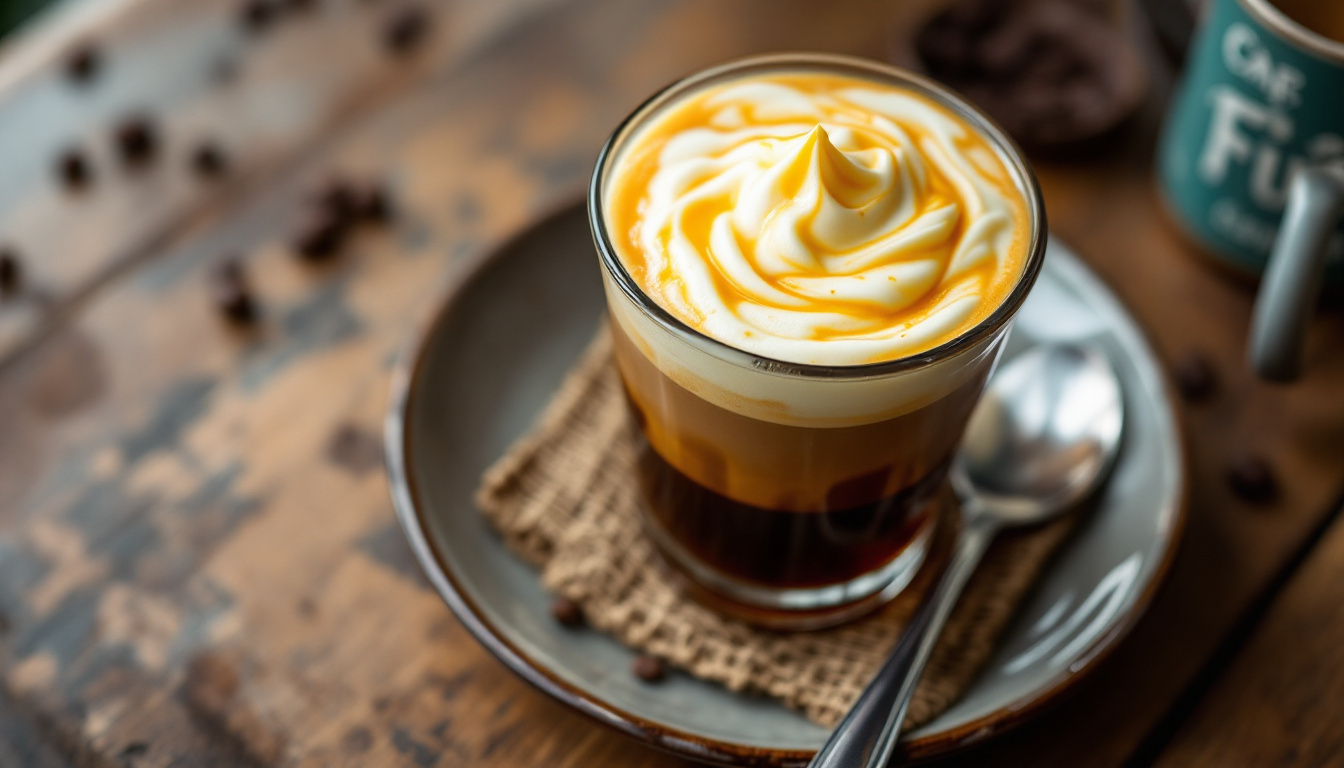
Giang Cafe (39 Nguyen Huu Huan), the birthplace of ca phe trung (egg coffee), invented here in 1946 when milk was scarce and Mr. Giang substituted whipped egg yolk. The cafe is hidden down a narrow alley, walk through the doorway, up the stairs, and you’ll find tiny rooms overlooking the street. The egg coffee is thick, sweet, and tastes like liquid tiramisu. 25,000 VND (~$1). A Hanoi pilgrimage.
Dinh Cafe (13 Dinh Tien Hoang), rooftop views over Hoan Kiem Lake. Egg coffee, coconut coffee, and classic ca phe sua da (iced milk coffee). The terrace seats are the most fought-over in Hanoi. 30,000–45,000 VND. Come at sunset.
Cha ca La Vong (14 Cha Ca Street), Hanoi’s most famous single-dish restaurant, operating since 1871. They serve one thing: cha ca, turmeric-marinated white fish sizzled tableside in a pan of dill, spring onions, and oil, eaten with rice noodles, peanuts, and shrimp paste. 150,000–180,000 VND (~$6–7.20). The street is literally named after this dish. Make this a priority.
French Quarter patisseries, Hanoi’s French colonial history lives on in its bakeries. Croissants, pain au chocolat, and baguettes here are genuinely excellent, a legacy of over 60 years of French rule. Maison Marou (chocolate) and Saint Honore (pastries) are top picks. 30,000–80,000 VND.
Dong Xuan Market and Long Bien, raw, local, real
Dong Xuan is Hanoi’s largest covered market, sitting at the northern edge of the Old Quarter. The ground floor is mostly dry goods and clothing, but the food stalls cluster around the outer edges and the night market that sets up along the surrounding streets on weekend evenings.
What to eat at Dong Xuan and Long Bien
Dong Xuan Market food stalls, the eastern side of the market has excellent pho cuon (un-fried fresh spring rolls with beef), bun thang (a delicate chicken noodle soup with egg strips and shrimp), and che (Vietnamese sweet dessert soups). Prices: 20,000–40,000 VND ($0.80–1.60). Go in the morning for the best selection.
Long Bien Bridge dawn market, for the adventurous: cross Long Bien Bridge at 5 AM to see the chaotic wholesale fruit and vegetable market where farmers from the countryside sell to Hanoi vendors. Not a food-stall destination, but spectacular to witness. Bring a camera, watch your step, and stop for pho on the way back.
Pho cuon (fresh rolled pho sheets), steamed pho noodle sheets wrapped around stir-fried beef and herbs, served as rolls rather than soup. A Hanoi specialty you won’t find in the south. The stalls on Ngu Xa Street (near West Lake) are the most famous. 40,000 VND for a plate of 5–6 rolls.
West Lake (Tay Ho), seafood, expat haunts and banh tom
West Lake (Ho Tay) is Hanoi’s largest lake, and the neighborhood around it, Tay Ho district, has a completely different food personality from the Old Quarter. This is where Hanoi’s expat community lives, where lakeside restaurants serve seafood with views, and where you’ll find some of the city’s best international food alongside Vietnamese classics.
What to eat around West Lake
Banh tom Ho Tay (West Lake shrimp cake), Hanoi’s most famous lakeside dish: whole shrimp and sweet potato battered and deep-fried into golden, crispy cakes. Served with lettuce, herbs, and a tangy dipping sauce. The restaurants on Thanh Nien Road (the causeway between West Lake and Truc Bach Lake) specialize in this. 80,000–120,000 VND (~$3.20–4.80) per serving.
Bun oc (snail noodle soup), a Hanoi specialty you won’t find in the south: rice noodles in a tomato-based broth loaded with freshwater snails, fried tofu, and herbs. Rich, tangy, deeply satisfying. Stalls along Ngu Xa Street and near Truc Bach Lake are the best. 35,000–50,000 VND.
Tay Ho expat restaurants, the streets off Xuan Dieu Road have excellent international options: Italian, Japanese, Korean, Indian. Prices are higher than the Old Quarter (150,000–400,000 VND per meal) but still cheap by global standards. Good for when you need a break from noodle soup.
Ba Dinh and the Old Citadel, bun cha Obama and quiet eats
Ba Dinh is Hanoi’s political district, home to the Ho Chi Minh Mausoleum, the Presidential Palace, and wide, quiet boulevards. The food here is less chaotic than the Old Quarter but no less excellent. This is also where one of the most famous meals in Hanoi history took place.
What to eat in Ba Dinh
Bun Cha Huong Lien (“Bun Cha Obama”), in 2016, Anthony Bourdain and Barack Obama sat at this humble bun cha restaurant, drank Hanoi beer, and created one of the most iconic food TV moments ever filmed. The meal cost $6 total. The table is now preserved behind glass. The bun cha itself is genuinely excellent, among the best in the city. 40,000 VND (~$1.60). 24 Le Van Huu Street. Go for the food, not just the story.
Com (green sticky rice), in autumn (September–November), Hanoi’s most poetic seasonal food appears: com, young sticky rice flattened and wrapped in lotus leaves. It’s eaten as a snack, used in desserts (banh com), or wrapped around pork (cha com). The village of Vong (now absorbed into Hanoi) is the traditional source. Look for vendors with lotus-leaf-wrapped parcels near Ba Dinh. 20,000–40,000 VND.
Bun dau mam tom (tofu with shrimp paste), one of Hanoi’s most divisive dishes: deep-fried tofu, rice noodles, herbs, and various pork items, dipped in mam tom (fermented shrimp paste) that smells ferocious but tastes incredible. It’s an acquired taste, but Hanoians are obsessed. Restaurants on Nhat Chieu Street specialize in this. 50,000–70,000 VND.
Train Street and beyond, Instagram meets iced coffee
Hanoi’s famous Train Street (where a railway line runs through a narrow residential alley) has been partially restricted for tourists, but the cafes along its edges still operate. It’s worth a quick visit for the atmosphere and the coffee, though it’s not primarily a food destination.
What to find around Train Street
Train Street cafes, the tiny cafes along the tracks serve excellent ca phe sua da (iced milk coffee) and egg coffee while you watch the occasional train rumble through. 25,000–40,000 VND. Check current access rules before visiting, regulations change frequently. The cafes on the Dien Bien Phu end of the tracks are generally accessible.
Bia hoi corner (Ta Hien Street), bia hoi is Hanoi’s famous fresh draft beer, brewed daily and sold for as little as 5,000–10,000 VND ($0.20–0.40) per glass. The most famous bia hoi corner is the intersection of Ta Hien and Luong Ngoc Quyen in the Old Quarter. Tiny plastic stools, cold beer, fried spring rolls, and the chaotic energy of Hanoi nightlife. Peak time: 7–11 PM. This is one of the cheapest and most atmospheric nights out anywhere on Earth.
Top 10 dishes to eat in Hanoi
Hanoi’s food identity is built on subtlety, broth, and the balance of fresh herbs against rich, slow-cooked bases. These ten dishes are the essentials, skip none of them.
| # | Dish | Where to try | Price | Area |
|---|---|---|---|---|
| 1 | Pho bo (beef pho) | Pho Bat Dan / Pho Thin | 35,000–50,000 ₫ | Old Quarter |
| 2 | Bun cha | Bun Cha Huong Lien / Old Quarter stalls | 40,000–60,000 ₫ | Ba Dinh / Old Quarter |
| 3 | Banh mi | Banh Mi 25 (25 Hang Ca) | 15,000–30,000 ₫ | Old Quarter |
| 4 | Ca phe trung (egg coffee) | Giang Cafe / Dinh Cafe | 25,000–35,000 ₫ | Hoan Kiem |
| 5 | Cha ca (turmeric fish) | Cha Ca La Vong (14 Cha Ca St) | 150,000–180,000 ₫ | Old Quarter |
| 6 | Bun rieu cua (crab noodle soup) | Stalls near Hang Chieu Street | 35,000–45,000 ₫ | Old Quarter |
| 7 | Banh tom (West Lake shrimp cake) | Thanh Nien Road restaurants | 80,000–120,000 ₫ | West Lake |
| 8 | Bun oc (snail noodle soup) | Ngu Xa Street / Truc Bach area | 35,000–50,000 ₫ | West Lake |
| 9 | Pho cuon (fresh rolled pho sheets) | Ngu Xa Street stalls | 40,000 ₫ | West Lake |
| 10 | Bia hoi + nem ran (draft beer + spring rolls) | Ta Hien / Luong Ngoc Quyen corner | 5,000–10,000 ₫ / glass | Old Quarter |
A word about bia hoi: this is the world’s cheapest beer, and it tastes better than it has any right to at $0.25 a glass. It’s brewed fresh daily with no preservatives, so it doesn’t last, what’s tapped today is gone tonight. The taste is light, clean, and absurdly drinkable. Pair it with nem ran (fried spring rolls) and you have the perfect Hanoi evening for under $3 total.
Practical tips for eating in Hanoi
Sit on the stool
Hanoi’s street food culture revolves around tiny plastic stools (ghe nhua), 15–20 cm off the ground. Your knees will be at your chin. Embrace it. This is the Hanoi dining position. If a stall has normal-height tables, it’s probably aimed at tourists and may charge more. The stool restaurants are where the food is best and cheapest.
One stall, one dish
Most Hanoi food stalls serve exactly one dish. The pho lady makes pho. The bun cha man makes bun cha. Nobody tries to do everything, this is a city of specialists. Don’t ask for a menu at a street stall. Just sit down and you’ll get what they serve. This specialization is why the quality is so consistently high.
Cash is king
Almost all street food stalls and small restaurants in Hanoi are cash only. ATMs are everywhere (Vietcombank and BIDV are the most reliable). Carry small bills, 10,000, 20,000, and 50,000 VND notes. A 500,000 VND note at a 35,000 VND pho stall will get you an annoyed look and possibly no change.
Best times to eat
Pho: 6–9 AM (breakfast). Bun cha: 11 AM–1 PM (lunch). Banh mi: any time. Bia hoi corner: 6 PM–midnight. Egg coffee: afternoon, around 3–5 PM. Night food stalls: 7–11 PM around the Old Quarter. Many stalls close between 2–4 PM.
Crossing the street
This isn’t a food tip, but it affects every food trip in Hanoi: the traffic is terrifying. Motorbikes don’t stop. But here’s the secret: walk slowly and steadily across the street at a constant pace. Don’t stop, don’t run, don’t make sudden moves. The bikes will flow around you. It’s like walking through a river. Trust the system, millions of Hanoians cross safely every day.
Frequently asked questions about food in Hanoi
What is the signature dish of Hanoi?
Pho bo (beef pho) is Hanoi’s most iconic dish, the city is where pho was invented. Hanoi-style pho has a clearer, more delicate broth than the southern version, built on star anise and charred ginger. The other essential is bun cha, grilled pork with rice noodles and dipping broth.
What is the best area for street food in Hanoi?
The Old Quarter (Hoan Kiem district) is the epicenter. The 36 ancient streets are packed with food stalls, many run by the same families for generations. Dong Xuan Market is the major covered market. West Lake (Tay Ho) offers a quieter, more local experience.
How much does food cost in Hanoi?
Hanoi is one of the cheapest food cities in the world. Pho: 35,000–50,000 VND ($1.40–2). Bun cha: 40,000–60,000 VND ($1.60–2.40). Banh mi: 15,000–30,000 VND ($0.60–1.20). Egg coffee: 25,000–35,000 VND ($1–1.40). Full local meal: under 100,000 VND ($4).
Is Hanoi good for vegetarian travelers?
Surprisingly yes, thanks to Buddhist tradition. Look for “com chay” or “an chay” signs. The Old Quarter has several vegetarian buffets for 30,000–50,000 VND. Pho chay (vegetable pho) is widely available. Fish sauce is the main hidden ingredient to watch for.
What is egg coffee and where should I try it?
Ca phe trung is a Hanoi invention, robusta coffee topped with whipped egg yolk, sugar, and condensed milk. It tastes like liquid tiramisu. The original is Giang Cafe (since 1946). Also excellent: Dinh Cafe with rooftop lake views. Price: 25,000–35,000 VND ($1–1.40).
Is street food in Hanoi safe?
Yes, generally very safe. Choose stalls with high turnover and visible cooking. The tiny plastic-stool places that look least impressive are often safest because they cook fresh per order. Drink bottled water or hot tea. Factory ice in established cafes is safe.
When is the best time to visit Hanoi for food?
Autumn (October–November) is best, cool weather, perfect for pho, and the seasonal green rice (com) appears. Winter is chilly and atmospheric. Summer is hot but ideal for bun cha and iced coffee. Spring brings fresh herbs and lighter dishes.
More Asian food guides waiting for you
Country and city deep dives across Vietnam and the wider continent.