What Food to Eat in Indonesia? Essential Indonesian Meals for First-Time Visitors
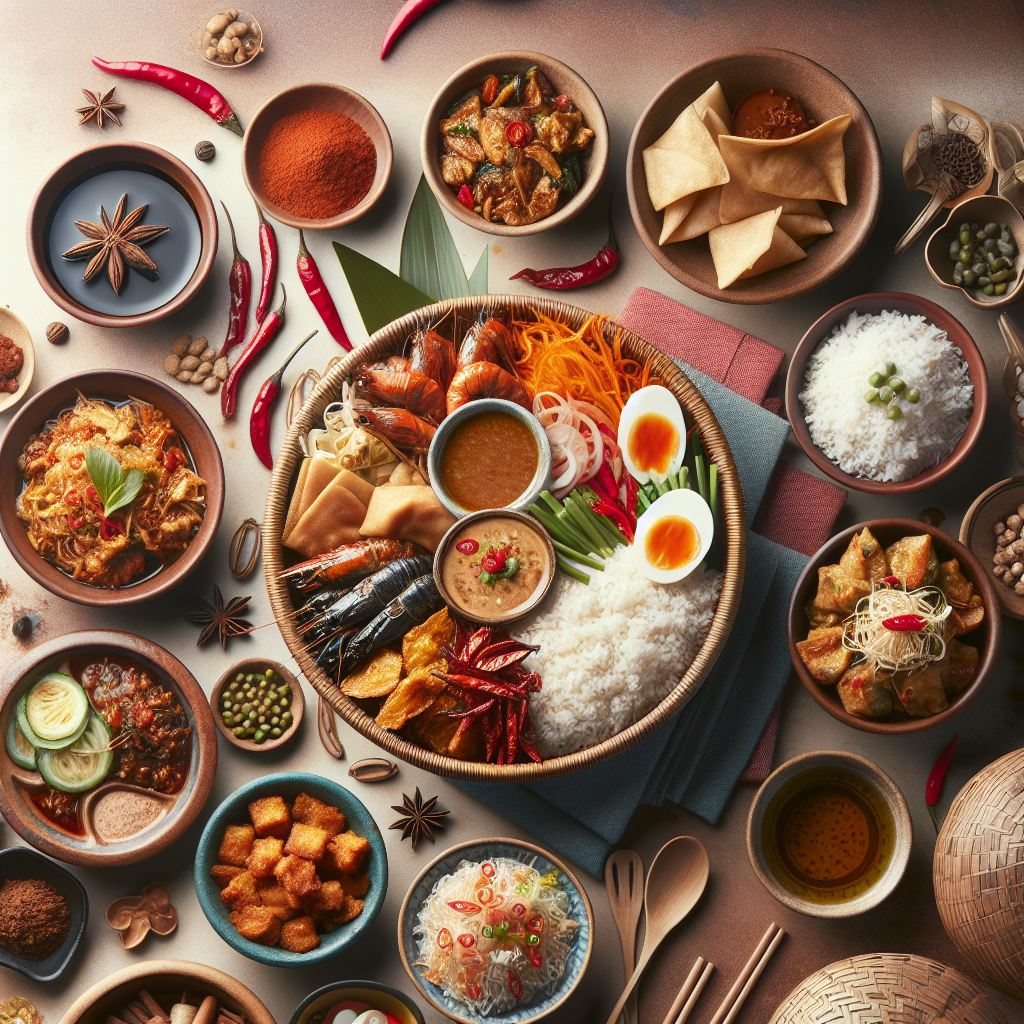
Planning your first trip to Indonesia and wondering what you absolutely have to eat? Indonesian cuisine is one of the most diverse and aromatic in Southeast Asia, but the sheer number of dishes can feel overwhelming. This guide will walk you through the essential meals you should try on your first visit, from iconic street food to comforting rice plates and spicy sambal-based specialties.
As a culinary blogger who has eaten his way through warungs in Jakarta, beach stalls in Bali, and family kitchens in Java and Sumatra, I’ll help you navigate the menu like a local. You’ll learn which dishes are beginner-friendly, which are spicy powerhouses, and how to order them with confidence – even if you’ve never tasted Indonesian food before.
- Must-try national classics (nasi goreng, rendang, soto)
- Street food essentials and where to find them
- Regional dishes worth traveling for
- Tips for spicy food, hygiene, and ordering like a pro
“If you remember only one rule in Indonesia, make it this: follow the smell of sizzling garlic, shallots, and chilies – it will almost always lead to something delicious.”
🎯 Understanding Indonesian Food Culture Before You Order
Before diving into specific dishes, it helps to understand how Indonesians actually eat on a daily basis. Indonesia is an archipelago of more than 17,000 islands, and each region has its own specialties, spice levels, and cooking traditions. Yet there are a few common denominators: rice as the undisputed centerpiece, a love for bold sambal (chili paste), and a balance of sweet, salty, sour, and spicy flavors in almost every meal. Even simple dishes feel complex because of layered spice pastes called bumbu, built from shallots, garlic, candlenuts, turmeric, ginger, galangal, and chilies.
As a first-time visitor, you will encounter three main types of eating experiences: tiny family-run warungs, slightly larger rumah makan (casual restaurants), and modern eateries or cafes in tourist areas. Warungs are where you’ll often find the most authentic flavor for the lowest price, but they can be intimidating if you don’t know what to order. Buffet-style displays, dozens of trays of curries and vegetables, and locals eating with their hands might make you hesitate. Don’t – this is exactly where you’ll taste Indonesia at its best.
Another key element is the role of condiments and add-ons. A plate of rice with a simple stir-fry can be transformed by a spoonful of sambal, a squeeze of lime, or a sprinkle of crispy shallots. Many dishes are customizable in terms of spice level, sweetness, and richness. That’s why knowing the basic vocabulary – like pedas (spicy), tidak pedas (not spicy), or manis (sweet) – will immediately improve your experience. In the next sections, we’ll break down the must-try dishes by category, so you can approach Indonesian menus with clarity and curiosity instead of confusion.
🎯 National Staples You Must Try: Rice, Noodles & Everyday Favorites
If you only have a few days in Indonesia, these national staples should be at the top of your list. They are widely available in every city and island, often 24/7, and form the backbone of everyday eating. Think of them as your “safe bets” – flavorful, satisfying, and easy to find whether you are in Jakarta, Yogyakarta, or Canggu. While they might look simple at first glance, each vendor has their own twist, from smoky wok hei in fried rice to secret spice blends in meat skewers.
Many of these dishes are also perfect entry points into Indonesian flavors if you’re not yet used to intense chilies or fermented ingredients. You can usually ask for less sambal or more vegetables, and most warung owners will happily adapt your plate. Below you’ll find the key classics – what they are, how they’re typically served, and how to order them in a way that matches your comfort level and dietary preferences.
Nasi Goreng – Indonesia’s Iconic Fried Rice
Nasi goreng is arguably the most famous Indonesian dish and a true national comfort food. At its core, it’s day-old rice stir-fried with a savory-sweet seasoning paste made from garlic, shallots, chilies, and the characteristic kecap manis (thick, sweet soy sauce). The result is a caramelized, slightly smoky rice with deep umami and a hint of sweetness. Street vendors often cook it in huge woks over roaring flames, which adds a distinct charred aroma you’ll smell from meters away.
A basic plate of nasi goreng usually comes with a fried egg on top, a few slices of cucumber and tomato, prawn crackers (krupuk), and sometimes pickled vegetables (acar). Protein options include chicken, shrimp, beef, or a mix; in tourist areas you might also see vegetarian versions with tofu and tempeh. For first-time visitors, nasi goreng is an excellent “gateway dish” because it’s familiar yet distinctly Indonesian, and you can easily control the spice level.
- Available almost everywhere, from street carts to hotel breakfasts
- Customizable spice level – just say “tidak pedas” if needed
- Works for any meal: breakfast, lunch, or late-night snack
- Often quite oily; ask for “sedikit minyak” (less oil) if you prefer
- Can be heavy at night if you’re not used to fried food
- Street versions may use MSG; mention “tanpa MSG” if you’re sensitive
Mie Goreng & Bakso – Noodles for Every Mood
If you’re more of a noodle person, mie goreng (fried noodles) and bakso (meatball soup) are your go-to choices. Mie goreng is the noodle cousin of nasi goreng: yellow wheat noodles stir-fried with vegetables, egg, and your choice of meat or tofu, seasoned with garlic, sweet soy, and sometimes a dash of chili. It’s slightly sticky, deeply savory, and especially comforting after a day of surfing or hiking. Many vendors offer both nasi and mie goreng from the same cart, so you can easily compare the two.
Bakso, on the other hand, is a clear broth-based dish built around bouncy meatballs made from finely ground beef or chicken mixed with tapioca. The soup is typically served with noodles, tofu, and sometimes wontons or stuffed tofu, then topped with fried shallots, celery, and a squeeze of lime. Condiments like chili sauce and sweet soy are served on the side, allowing you to adjust the flavor. For beginners, bakso is a gentle introduction to Indonesian street food – light yet satisfying, and rarely too spicy unless you add a lot of chili.
Sate (Satay) – Skewers from the Grill
Sate is another unmissable classic: marinated meat skewers grilled over charcoal and served with a rich sauce, often based on peanuts or sweet soy. The most common version for visitors is sate ayam (chicken satay) with peanut sauce, but you’ll also find sate kambing (goat), beef, or even sate lilit in Bali, where minced fish or meat is wrapped around lemongrass stalks. The smoke from the small charcoal grills, combined with the caramelizing fat and marinade, creates an irresistible aroma on the street.
Sate is usually served with rice cakes (lontong), cucumber, and sometimes pickles. For first-time visitors worried about spice, sate is quite approachable, because the peanut sauce tends to balance any heat. It’s also an excellent snack to share, which makes it ideal for tasting multiple dishes in one meal. If you’re exploring night markets, look for busy stalls with high turnover – this almost always indicates fresher meat and better flavor.
🎯 Essential Regional Dishes: From Padang to Bali
While national staples are easy to find everywhere, Indonesia’s real magic lies in its regional specialties. Each island has its own signature dishes shaped by local ingredients, religion, and history. As a first-time visitor, you don’t need to master the full regional map, but knowing a few key names will help you spot truly memorable meals. If you see a sign for “Padang”, “Sunda”, or “Betawi” food, it’s often worth stopping to explore.
Below you’ll find a curated selection of regional dishes that are both iconic and accessible. They represent different flavor profiles – from the rich coconut-based curries of Sumatra to the lighter, herb-forward broths of Java and the pork specialties of Bali. Even if your itinerary is limited to Bali or Jakarta, you’ll still encounter many of these dishes in specialty restaurants. Treat this as your regional checklist and prioritize a few based on where you’re traveling.
| Dish | Region | Spice Level (typical) | Best for |
|---|---|---|---|
| Rendang | West Sumatra (Padang) | Medium–High | Slow-cooked beef lovers, curry fans |
| Soto Ayam | Java (nationwide variations) | Mild–Medium | Light lunch, cold & rainy days |
| Gado-Gado | Jakarta (Betawi) | Mild | Vegetarians, salad enthusiasts |
| Nasi Padang | West Sumatra | Medium–High | Trying multiple dishes in one meal |
| Babi Guling | Bali | Medium | Foodies seeking local feast (non-halal) |
Rendang & Nasi Padang – The Powerhouse of West Sumatra
Rendang is often called one of the world’s best dishes, and for good reason. Originating from the Minangkabau people of West Sumatra, it’s a slow-cooked beef dish where meat is simmered for hours in coconut milk and a complex spice paste until the liquid evaporates and the sauce clings to the meat in a dark, intensely flavorful crust. The texture is tender but slightly dry on the outside, with notes of lemongrass, galangal, chili, and toasted coconut. Rendang is rich and can be spicy, but it’s rarely aggressively hot unless you specifically ask for it.
You’ll most often encounter rendang as part of nasi Padang, a style of eating where a wide array of dishes is displayed in a glass-fronted cabinet. You either point to what you want, or in traditional Padang restaurants, plates of various dishes are brought to your table and you pay only for what you touch. This is a fantastic way for first-time visitors to sample multiple curries, vegetables, and chili relishes in one sitting. Just remember that many Padang dishes are coconut-rich and filling, so pace yourself.
Soto Ayam – Comforting Turmeric Chicken Soup
Soto ayam is a fragrant chicken soup with a bright yellow broth from turmeric. Unlike heavy coconut curries, soto ayam is light yet aromatic, typically flavored with lemongrass, lime leaves, and garlic. It’s served with shredded chicken, vermicelli noodles, boiled egg, and sometimes potato cakes, then finished with lime, fried shallots, and a small spoon of sambal on the side. You control the final flavor by adding lime, chili, and sweet soy at the table.
For first-time visitors, soto ayam is a perfect “reset” dish when you need something gentle after days of heavy food. It’s widely available in Java and beyond, and every region has its own version – from the clear, light broths of Lamongan to richer, coconut-based sotos in other areas. If you wake up with a slight stomach discomfort or jet lag, a bowl of hot soto ayam with rice on the side can be incredibly soothing without sacrificing local flavor.
Gado-Gado – Indonesia’s Warm Peanut-Dressed Salad
Gado-gado is often described as an Indonesian salad, but that undersells its heartiness. It’s a generous plate of blanched vegetables (such as cabbage, spinach, bean sprouts, and green beans), boiled potatoes, tofu, tempeh, and hard-boiled egg, all drenched in a thick, slightly sweet peanut sauce and topped with fried shallots and crackers. Originating from Jakarta’s Betawi community, it’s now popular across the country and a reliable choice for vegetarians.
The peanut sauce is the star: it’s creamy, nutty, and often mildly spicy, though you can request it to be less hot. Because of the potatoes, tofu, and egg, gado-gado is filling enough to be a main meal rather than a side salad. As a first-time visitor, this dish is a smart way to experience Indonesian flavors without meat, and it pairs beautifully with a glass of iced tea or fresh coconut water on a hot day.
Bali’s Babi Guling & Lawar – For Adventurous Eaters
In predominantly Hindu Bali, pork dishes play a much bigger role than in many other parts of Indonesia. The most famous is babi guling, a whole roasted suckling pig marinated with a spice paste of turmeric, coriander, garlic, and local herbs, then slow-roasted until the skin turns shatteringly crisp. A typical serving includes slices of meat, crackling skin, spicy sausage, and a scoop of lawar – a minced vegetable and meat salad with coconut and spices.
For first-time visitors who eat pork and enjoy bold flavors, babi guling is a must-try Balinese feast, best enjoyed at busy local warungs rather than touristy spots. However, it’s not for everyone: the flavors can be intense, and some versions of lawar may include offal or blood. If you’re curious but cautious, start with a smaller portion and ask which side dishes are milder. Also remember that babi guling is not halal, so it’s typically served in explicitly non-Muslim establishments.
🎯 Street Food & Snacks: What to Eat Between Meals
Indonesian food culture doesn’t stop at main meals. In fact, some of the most memorable bites you’ll have are street snacks grabbed between sightseeing stops or in the evening at bustling night markets. From crispy fritters to chewy rice cakes and sweet pancakes, these small dishes offer a low-risk way to explore new flavors. They’re also perfect if you’re traveling with friends and want to share several things at once without committing to a full plate.
As a first-time visitor, it’s wise to start with snacks that are freshly fried or grilled to order, as they’re more likely to be hot and safe. Look for warungs and carts with a steady flow of locals; this usually indicates both good taste and high turnover. Below are some essential Indonesian street foods and snacks that are easy to recognize and rewarding to try.
Assorted deep-fried snacks: tofu, tempeh, bananas, and vegetables in light batter.
Thick, sweet pancake stuffed with chocolate, peanuts, cheese, or condensed milk.
Steamed or fried dumplings and tofu with peanut sauce and sweet soy.
Gorengan – Indonesia’s Irresistible Fritters
Gorengan literally means “fried things”, and that’s exactly what you’ll get: an assortment of bite-sized fritters sold by weight or piece. Common options include fried tofu, tempeh, sweet potato, cassava, and pisang goreng (banana fritters). The batter is usually light and crisp, sometimes flavored with garlic or coriander, and best eaten immediately while still hot. You’ll find gorengan carts on busy street corners, near markets, and around bus terminals, especially in the late afternoon.
For first-time visitors, gorengan is an easy, low-cost way to sample different ingredients like tempeh or cassava. However, because these snacks are deep-fried in reused oil, they can be heavy and not ideal in large quantities. Choose stalls where the oil looks relatively clear and the fritters are being cooked continuously, not sitting for hours. A small paper bag of mixed gorengan with a cup of hot tea makes a very local afternoon break.
Martabak – Sweet & Savory Night Market Favorite
Martabak comes in two main forms: martabak manis (sweet) and martabak telur (savory). Martabak manis is a thick, fluffy pancake folded over fillings like chocolate sprinkles, crushed peanuts, grated cheese, and condensed milk. It’s rich, buttery, and extremely indulgent – more dessert than snack. Martabak telur, by contrast, is a pan-fried stuffed pancake filled with spiced minced meat, egg, and scallions, usually served with pickled cucumbers and chili.
Both versions are typically sold from specialized martabak stalls that open in the late afternoon and stay busy until midnight. Portions are large, so they’re perfect for sharing with friends or family. If it’s your first time, consider ordering a half-portion or asking for mixed toppings. Be aware that martabak manis can be very sweet by European standards; you can request “less condensed milk” or fewer toppings if you prefer a lighter version.
Siomay & Batagor – Dumplings with Peanut Sauce
Siomay is Indonesia’s take on steamed fish dumplings, often served alongside boiled egg, potato, cabbage, and tofu, all generously topped with peanut sauce, sweet soy, and a squeeze of lime. Batagor is a related dish from Bandung, featuring fried tofu and dumplings in a similar sauce. Both are influenced by Chinese cuisine but adapted to local tastes with the ubiquitous peanut dressing.
For first-time visitors who enjoy dim sum, siomay and batagor will feel both familiar and new. The textures range from soft dumplings to slightly chewy fried pieces, and the sauce is usually mildly spicy. Because these dishes are often sold from mobile carts, aim for busy vendors and eat your portion soon after it’s prepared. They make a great light lunch or mid-afternoon snack when you’re exploring city neighborhoods on foot.
🎯 Sambal, Spices & How to Handle the Heat
No guide to Indonesian food would be complete without addressing sambal – the chili paste that appears on almost every table. Sambal is not just “something spicy”; it’s a whole universe of flavors, textures, and regional variations. Some are raw and bright with lime, others are cooked slowly in oil until deep and jam-like. There are sambals with shrimp paste, sambals with green chilies, and even sambals featuring fermented ingredients for extra umami. Indonesians often judge a restaurant not only by its main dishes but by the quality of its sambal.
As a first-time visitor, sambal can be both exciting and intimidating. The key is to treat it like a seasoning, not a side dish. Start with a tiny amount on the corner of your plate and gradually increase until you find your comfortable heat level. Remember that some dishes, like Padang curries or Balinese specialties, already have chili built into the sauce, so adding extra sambal might push you over your limit. Learning a few simple phrases will help you communicate your preferences clearly.
Most Common Sambal Types You’ll Encounter
The two sambals you’ll see most often are sambal terasi and sambal bawang. Sambal terasi is made with chilies, tomatoes, and shrimp paste, giving it a deep, savory flavor that pairs beautifully with fried foods and grilled fish. Sambal bawang, by contrast, focuses on chilies and garlic, sometimes with a splash of lime for brightness. In Padang restaurants, you’ll often find a vivid green sambal ijo made from green chilies and green tomatoes, which looks milder than it is.
Many warungs prepare their sambal fresh daily, pounding the ingredients in a stone mortar and pestle. This freshness is part of what makes Indonesian food so vibrant, but it also means that heat levels can vary from place to place. Don’t assume that all red sambal is the same; always taste a tiny amount first. If you’re sensitive to shrimp paste or fermented flavors, you can ask whether the sambal contains terasi before adding it to your food.
How to Order for Your Spice Tolerance
Navigating spice levels is one of the biggest concerns for many first-time visitors. Fortunately, there are a few simple Indonesian phrases that will help you tailor your meal. Saying “tidak pedas” (not spicy) or “pedas sedikit” (a little spicy) when ordering signals to the cook that you prefer a milder version. Conversely, if you enjoy heat, “tambah pedas” or “lebih pedas” will get you extra chili or sambal.
Keep in mind that some dishes are inherently spicy because the chili is part of the base sauce. In such cases, the kitchen can reduce but not completely remove the heat. If you’re extremely sensitive, stick to dishes like soto ayam, gado-gado with mild sauce, or simple grilled fish with lime and minimal sambal on the side. And always have a glass of water or better yet, sweet iced tea or milk-based drinks nearby – they’re more effective than water at calming chili burn.
- Tidak pedas – Not spicy
- Pedas sedikit – A little spicy
- Jangan pakai sambal – Don’t use sambal
- Bisa lebih pedas? – Can you make it spicier?
🎯 Practical Tips: How to Eat Like a Local (and Stay Comfortable)
Beyond choosing dishes, a few practical strategies will help you enjoy Indonesian food fully while minimizing the risk of stomach issues or awkward situations. Indonesians are generally proud of their cuisine and happy to see foreigners exploring it, so a little curiosity and politeness go a long way. Observing how locals eat, what they order, and where they sit will give you quick clues about etiquette and portion sizes.
First, consider timing. Many warungs serve specific dishes only at certain times of day – soto and rice porridge for breakfast, heavy curries for lunch, and fried rice or satay late at night. Eating when locals eat not only ensures fresher food but also gives you the most authentic atmosphere. Second, don’t be afraid to ask what something is, even if there’s a language barrier. Pointing, smiling, and using translation apps are perfectly acceptable; in most cases, people will respond with patience and humor.
Choosing Warungs & Restaurants Wisely
For first-time visitors, the biggest question is often: “How do I know if this place is safe?” While there are no guarantees, a few indicators can help. Busy warungs with a constant flow of customers are usually safer because food doesn’t sit out for long. Clean tables, frequently changed oil in fryers, and staff who handle money and food separately are also good signs. If something smells off or looks tired, trust your instincts and move on – there will always be another option nearby.
When it comes to water, stick to bottled or filtered options, and be cautious with ice in very remote areas. In major cities and tourist destinations, ice is generally safe, but if you have a sensitive stomach, you might choose drinks without ice at street stalls. For raw vegetables and salads outside of reputable restaurants, consider how your body usually reacts when traveling; if you’re prone to issues, prioritize cooked dishes and fruits you can peel yourself.
Ordering & Eating Etiquette
Indonesian dining etiquette is relaxed but has a few unwritten rules. In traditional settings, eating with your right hand is common (the left hand is considered less clean), though utensils are widely available and it’s perfectly acceptable for visitors to use them. In Padang restaurants, remember that you pay only for the dishes you touch; don’t sample everything unless you’re prepared to be charged for it. When sharing, it’s polite to offer food to others at the table before serving yourself more.
Tipping is not mandatory but appreciated in tourist areas and mid-range restaurants; rounding up the bill or leaving 5–10% is common. At small warungs, tipping is less expected, but leaving small change can still bring a smile. Finally, taking photos of your food is widely accepted – just be discreet if you’re also photographing people, and ask permission when in doubt. A simple “boleh foto?” (may I take a photo?) is usually enough.
🎯 FAQ: Common Questions About Eating in Indonesia
Not always. Many dishes, like soto ayam, gado-gado with mild sauce, or basic fried rice, can be prepared with very little chili. The intense heat usually comes from sambal added on the side, which you can control. Use phrases like “tidak pedas” or “pedas sedikit” when ordering to signal your preference.
Indonesia is more vegetarian-friendly than it may appear at first glance. Look for dishes like gado-gado, ketoprak (noodles with tofu and peanut sauce), tempeh and tofu stir-fries, vegetable curries, and nasi campur where you choose plant-based sides. Just be aware that some broths and sauces may contain shrimp paste or fish sauce; if needed, ask “tanpa terasi” (without shrimp paste).
Prices vary by location, but in most non-tourist warungs you can expect a plate of nasi goreng or mie goreng to cost around the equivalent of a few euros. Street snacks like gorengan are even cheaper, often sold per piece. In touristy zones of Bali or Jakarta, prices will be higher but still reasonable compared to Western standards, especially for the quality and portion sizes.
Ready to Taste Indonesia One Plate at a Time?
With this guide in hand, you’re equipped to navigate Indonesian menus with confidence – from smoky fried rice at a corner warung to rich Padang curries and Balinese feasts. Don’t try to eat everything in one trip; instead, pick a few must-try dishes in each place you visit and stay open to recommendations from locals.