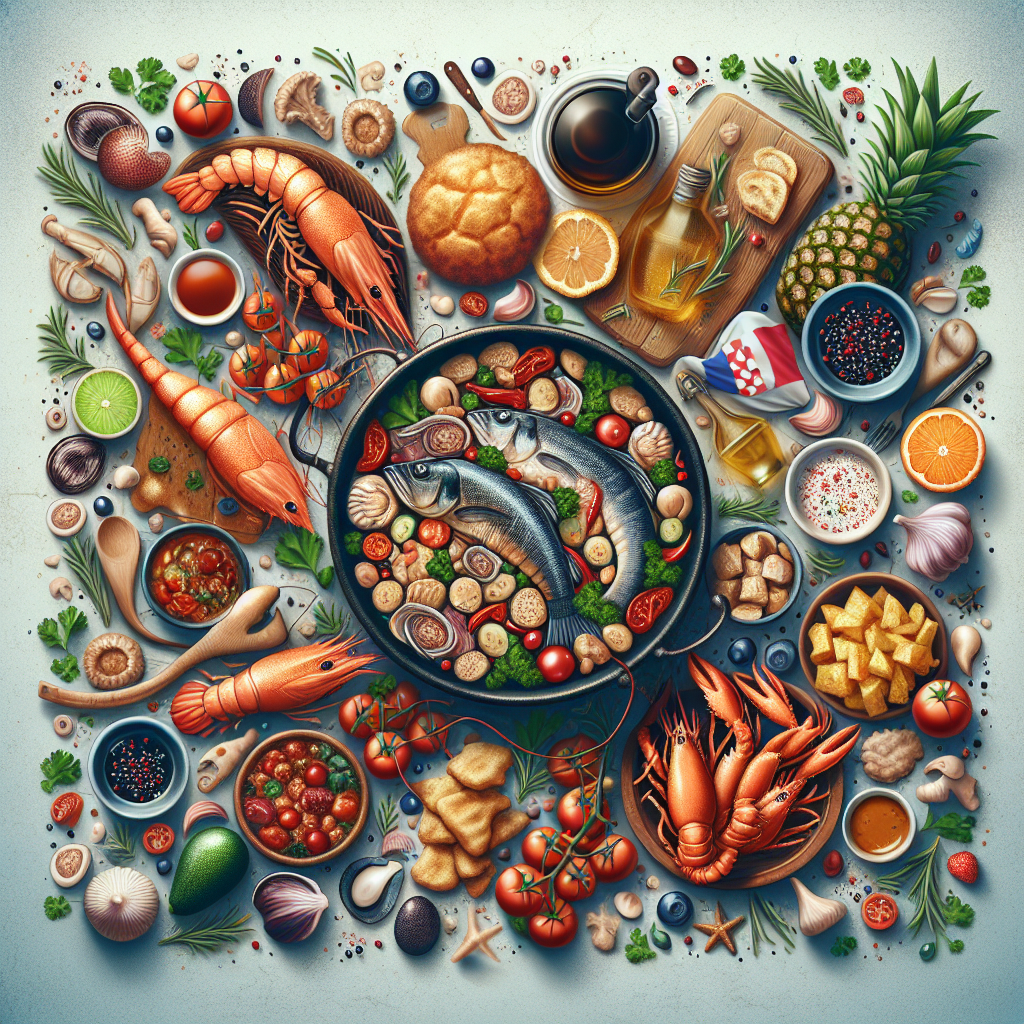
Best Food to Eat in Croatia: Coastal and Inland Dishes You Shouldn’t Miss
Croatia is not only turquoise sea and postcard-perfect islands. It is also one of the most fascinating food destinations in Europe — especially if you know how to navigate between coastal and inland specialties. This guide will help you understand what to eat, where, and why each dish matters in Croatian culinary culture.
From slow-simmered meat stews and wood‑fired peka to ultra‑fresh Adriatic seafood and sweet pastries with centuries of history, Croatian cuisine is a mosaic of regional traditions. Understanding the difference between Dalmatian, Istrian and continental cooking will make your trip — and your plate — much more memorable.
Below you will find a curated list of must‑try dishes, practical tips for ordering like a local, and a comparison of coastal vs inland food culture. Whether you cook at home or travel with a foodie mindset, this article is designed to be your detailed, professional roadmap to eating exceptionally well in Croatia.
Reading time: ~12–15 min
Focus: Coastal & inland cuisine
For: Food travellers & home cooks
🎯 Understanding Croatian Cuisine: Coast vs Inland
Croatia’s food culture is built on a sharp but delicious contrast between the Mediterranean coast and the continental interior. Along the Adriatic, from Istria through Dalmatia to Dubrovnik, you will find a light, olive‑oil‑driven cuisine with plenty of fish, seafood, herbs and grilled meats. Inland, in regions like Slavonia, Zagorje or Lika, food becomes heartier: think slow‑cooked stews, smoked meats, paprika, potatoes and rich dairy products. If you plan your meals with this division in mind, you will naturally experience a much broader spectrum of Croatian flavors.
This coastal–inland duality is also a story of historical influences. The coast absorbed a lot from Venetian, Greek and Ottoman kitchens, while the interior reflects Austro‑Hungarian and Balkan traditions. That is why in one week you can eat black risotto that feels almost Italian, and the next day enjoy a robust goulash‑style čobanac that would not be out of place in Hungary.
To make the most of your time (or your cooking experiments at home), it helps to understand what each region does best. Dalmatia is famous for simple seafood and slow‑cooked peka, Istria for truffles and pasta, Slavonia for spicy sausages and stews, while the Zagreb area excels in Central‑European classics with a local twist.
| Aspect | Coastal Croatia (Adriatic) | Inland Croatia (Continental) |
|---|---|---|
| Main influences | Italian, Greek, Venetian, Mediterranean | Austro‑Hungarian, Balkan, Ottoman |
| Key ingredients | Fish, seafood, olive oil, chard, garlic, lemon | Pork, beef, potatoes, cabbage, paprika, dairy |
| Cooking techniques | Grilling, baking under peka, quick pan‑sautéing | Slow stewing, smoking, roasting, dough‑based dishes |
| Typical dishes | Brudet, crni rižot, grilled fish, octopus salad | Čobanac, sarma, purica s mlincima, fiš paprikaš |
| Flavor profile | Light, herbal, lemony, olive‑oil rich | Hearty, smoky, paprika‑forward, buttery |
In Croatia, you do not eat the same way in Split and in Slavonia — and that’s exactly the point. Plan your meals by region, not just by city, and you will taste a completely different country.
Focus on grilled Adriatic fish, black risotto, octopus under peka and simple vegetable sides like blitva (Swiss chard with potatoes). These dishes shine when ingredients are ultra‑fresh.
Look for slow‑cooked meat stews, smoked sausages, cabbage dishes and dumplings. Portions tend to be larger, and meals are designed to be comforting and filling.
If you travel across the country, eat seafood on the coast and save heavy stews for cooler evenings inland. This simple rule keeps your experience balanced and seasonal.
🎯 Must‑Try Coastal Dishes in Croatia
The Adriatic coast is where Croatian cuisine becomes intensely Mediterranean. Here, the best meals are often the simplest ones: a whole fish grilled over charcoal, a drizzle of local olive oil, a squeeze of lemon and a glass of crisp white wine. However, coastal food is not limited to grilled fish. Traditional recipes like brudet (fish stew), crni rižot (black risotto) or peka (baking under a metal bell) reveal a deeper culinary tradition that rewards curious eaters.
When you sit down in a konoba — a rustic, family‑run tavern — the menu will usually list a mix of everyday and celebratory dishes. Many of them require long preparation time, which is why locals often order in advance for special occasions. If you want to try octopus or lamb under peka, it is wise to call the restaurant earlier in the day.
Crni rižot — Adriatic Black Risotto
Crni rižot, or black risotto, is one of the most iconic dishes on the Croatian coast. Its dramatic color comes from cuttlefish or squid ink, which also adds a deep, marine flavor. The base is similar to Italian risotto: rice slowly cooked in fish stock with onions, garlic, white wine and olive oil. What makes the Croatian version unique is the generous amount of seafood and the balance between creaminess and lightness.
In a good konoba, you will often find pieces of tender cuttlefish, sometimes small shrimps or mussels, and a final drizzle of raw olive oil on top. A wedge of lemon is served on the side; locals use it sparingly to brighten the flavors without overwhelming the ink’s subtle bitterness.
Dalmatian brudet — Fisherman’s Fish Stew
Brudet (also known as brodet or brujet depending on the region) is a traditional fisherman’s stew that embodies the “zero waste” philosophy of coastal Croatia. Historically, it was made with whatever fish did not sell at the market: smaller or less visually attractive species, combined in one pot with onions, garlic, tomatoes, wine and herbs.
The key to excellent brudet is balance: the broth should be rich and slightly thick, with sweetness from slowly cooked onions and acidity from wine and tomatoes. Traditionally, brudet is served with palenta (polenta), which absorbs the sauce and turns the dish into serious comfort food.
Peka — Octopus or Lamb Baked Under the Bell
Peka is less a recipe and more a cooking technique you absolutely should not miss. Meat or seafood is placed in a shallow tray with vegetables — usually potatoes, onions, carrots and sometimes peppers — then covered with a heavy metal or clay dome. The whole setup is buried in hot coals, and the food slowly bakes and steams in its own juices.
On the coast, the two most beloved versions are octopus peka and lamb peka. Because peka takes at least 1.5–2 hours to cook, many restaurants require advance notice.
- Ask what was “caught this morning” — daily catches are usually the best choice.
- For peka, call at least a few hours ahead and specify octopus, lamb or veal.
- When in doubt, choose simple grilled fish with blitva (chard and potatoes) — it is rarely disappointing.
🎯 Essential Inland Croatian Dishes You Shouldn’t Miss
Once you move away from the Adriatic, Croatian cuisine becomes noticeably more rustic and robust. The climate is cooler, winters are harsher, and traditional dishes evolved to be nourishing and calorie‑dense. For food lovers, this means an exciting world of stews, dumplings, roasted meats and dough‑based specialties that are perfect for long lunches and cold evenings.
Inland regions such as Slavonia, Baranja, Međimurje or Zagorje share a love for paprika, sour cream, pork and hearty sides. Smoking and curing are important preservation methods, which is why sausages, bacon and dried meats play a big role.
Čobanac — Slavonian Shepherd’s Stew
Čobanac is a rich, paprika‑forward meat stew originating from Slavonia in eastern Croatia. Traditionally cooked in a large cauldron over an open fire, it was once a practical one‑pot meal for shepherds and farmers. The stew typically combines several types of meat — beef, pork and sometimes game — cut into small cubes and slowly simmered with onions, garlic, paprika and chili.
Good cooks use both sweet and hot paprika, added in stages to build complexity without burning the spices. Čobanac is usually served with homemade bread or simple dumplings that soak up the sauce.
Sarma — Cabbage Rolls with Meat and Rice
Sarma is beloved across the Balkans, and Croatian sarma has its own character. Minced meat (usually pork and beef) mixed with rice is wrapped in fermented cabbage leaves, then simmered with sauerkraut, smoked meats and a tomato‑based broth. It is a classic winter and holiday dish that often tastes even better the next day.
Purica s mlincima — Roast Turkey with Flatbread
Purica s mlincima is a festive specialty from the Zagreb and Zagorje area: roast turkey served with mlinci, thin flatbreads soaked in roasting juices. The result is crisp turkey skin, juicy meat and deeply flavored bread that functions as both side dish and sauce carrier.
🎯 Iconic Snacks, Street Food and Everyday Bites
Beyond restaurant meals and celebratory dishes, Croatia has a rich culture of simple snacks and everyday foods. These bites tell you a lot about how locals actually eat: what they grab at bakeries in the morning, what they serve with wine in the evening, and what appears on the table when friends come over unannounced.
Burek — Savory Pastry Swirls
Burek is a flaky, layered pastry filled with meat, cheese, spinach or potatoes, widely available in bakeries across Croatia. The dough is stretched very thin, then rolled or coiled around the filling. Popular versions include burek sa sirom (cheese) and burek s mesom (meat). Many locals enjoy it with plain yogurt or drinkable yogurt (jogurt).
Paški sir and Other Croatian Cheeses
Paški sir — a hard sheep’s milk cheese from the island of Pag — is Croatia’s cheese superstar. The island’s sea salt and aromatic herbs influence the pasture, which translates into a distinctive, slightly salty, herbal character. Markets are the best place to explore fresh cheeses and regional varieties.
Pršut, Kulen and Other Cured Meats
On the coast, pršut (air‑dried ham) is king, often served paper‑thin with cheese and olives. In Slavonia, the star is kulen, a spicy paprika‑rich sausage that is smoked and aged until firm. Combine pršut + kulen + Paški sir to taste the coast–inland contrast in one plate.
- Low cost and easy to find in any city or town.
- Shows how locals really eat day‑to‑day, beyond tourist menus.
- Perfect for picnics, road trips and quick meals between sightseeing.
- Portions can be large and heavy in fat or carbs.
- Quality varies — choose busy bakeries and market stalls.
- Easy to fill up on snacks and miss main regional specialties.
🎯 Sweet Endings: Croatian Desserts Worth Seeking Out
No exploration of Croatian food is complete without dessert. Croatian sweets tend to be generous, home‑style and comforting rather than minimalistic. Many recipes rely on simple ingredients — nuts, poppy seeds, apples, cottage cheese, citrus zest — and reflect the meeting of Central‑European and Mediterranean influences.
Kremšnite — Cream Slices from Samobor and Zagreb
Kremšnite are among Croatia’s most famous cakes, associated especially with Samobor and Zagreb. Puff pastry layers sandwich a thick vanilla custard (sometimes lightened with whipped egg whites). For best texture, eat them the day they are made.
Fritule and Kroštule — Coastal Fried Treats
On the coast, fritule (small doughnut‑like fritters) and kroštule (twisted, crisp fried dough) are common around holidays and festivals. Freshly fried versions are significantly better than packaged ones.
Štrukli — Sweet or Savory Baked Dumplings
Štrukli, especially Zagorski štrukli, can be both a main dish and a dessert. Thin dough is filled with fresh cheese, then boiled and often baked with cream. Sweet versions include sugar and citrus zest; savory versions are lightly salted and served as a rich comfort dish.
Seek out kremšnite in Samobor or Zagreb and pair it with strong Croatian coffee.
Try fritule from a market stall on the coast, preferably freshly fried.
Learn štrukli — a versatile recipe that works as both dessert and main.
🎯 Practical Tips for Eating Well in Croatia and Recreating It at Home
Knowing what to eat is only half of the equation; the other half is understanding how, when and where to order certain dishes. Croatian food culture is seasonal and regional, and following local habits will dramatically improve your experience. At the same time, many dishes are achievable in a home kitchen if you pay attention to heat control, timing and ingredient quality.
Restaurant and Konoba Strategy
- On the coast, prioritize daily specials and “catch of the day” over large printed menus.
- For peka or slow roasts, always call ahead and ask how many people one portion serves.
- Inland, ask about house specialties — many family-run places have one or two dishes they truly excel at.
- Do not skip simple sides like blitva, seasonal salads or boiled potatoes — they balance richer mains.
Home‑Cooking Adaptations
Start with dishes that don’t require specialized equipment: black risotto, brudet, čobanac and štrukli. Focus on strong bases: a clean fish stock for coastal dishes and a deeply flavored onion‑paprika foundation for inland stews. Use heavy pots with thick bottoms to keep heat stable and prevent burning.
To simulate peka at home, use a heavy lidded pot or Dutch oven. Roast at a moderate temperature (around 170–180°C) for several hours, basting with its own juices. You will miss some wood‑fire smoke, but you can achieve comparable tenderness and caramelization. Finish with good olive oil and fresh herbs.
Seasonality, Wine Pairing and Final Advice
In summer, focus on grilled fish, salads, light risottos and fruit-based desserts. In autumn and winter, embrace stews, baked dishes and heavier sweets. For wine, coastal whites like Pošip and Malvazija pair beautifully with seafood, while stronger reds (e.g., Plavac Mali) work with peka and inland stews.
Your Croatia food game plan
- Seafood on the coast, stews inland (especially on cooler evenings).
- Book peka in advance — it’s a slow-cooked highlight.
- Use markets to follow seasonality: what’s piled high belongs on your plate.
- Snack smart: burek + yogurt is the easiest “local breakfast.”
- End with a classic: kremšnite, fritule, or baked štrukli.
Want to cook Croatian food at home?
FAQ
If you have limited time, prioritize crni rižot and grilled fish on the coast, plus one slow‑cooked dish like peka. Inland, choose between čobanac or sarma, and finish with at least one slice of kremšnita.
Many traditional dishes are meat-based, but you can find excellent vegetarian options such as grilled vegetables, blitva, cheese‑based štrukli, pizzas and salads. In smaller inland towns, choice can be limited, so plan ahead.
Yes. Focus on technique and flavor bases: use the freshest fish available, build strong stocks, and season with good olive oil, garlic, herbs and paprika. Dishes like brudet, čobanac or štrukli adapt very well outside Croatia.
Use this guide as your roadmap: start with one coastal and one inland recipe, pay attention to slow cooking and good ingredients, and you will bring the flavors of Croatia straight to your kitchen.
Related Posts
Best Food to Eat in Spain: Tapas, Paella and Other Spanish Favorites
Discover the best food to eat in Spain: from authentic tapas and regional paella styles to cured meats, cheeses and…
Best Food in Europe: Must-Try Dishes Across the Continent
📸 HERO IMAGE: Italian trattoria table — pasta, wine, bread, olive oil — or Mediterranean market with colorful produce Sugerowany…
What Food to Eat in Portugal? Must-Try Portuguese Seafood and Pastries
Discover what food to eat in Portugal: essential seafood dishes, iconic pastries, regional specialties and practical tips to order, taste…