Best Food to Eat in Brazil: Street Food and Traditional Dishes to Try
Brazilian cuisine is a vibrant mix of Indigenous, African and European influences, where smoky grilled meats meet tropical fruits, and street snacks are treated with the same respect as fine‑dining tasting menus. For a food‑obsessed traveler or a serious home cook, Brazil is a playground of bold flavors, regional traditions and smart techniques that are surprisingly reproducible in your own kitchen.
In this guide, prepared with readers of Foodyoushouldtry.com and Neoflam.pl in mind, we will walk through the essential Brazilian foods you should taste at least once. From Rio’s beachside acarajé stands to São Paulo’s legendary mortadella sandwiches and the slow‑cooked comfort of feijoada, you will discover not only what to eat, but also how, when and where to enjoy each dish like a local.
We will also look at practical tips for ordering street food safely, choosing the right accompaniments, and adapting Brazilian recipes to modern cookware and healthy home cooking. Whether you are planning a culinary trip to Brazil or simply building your next themed dinner menu, this article will help you design a memorable, authentic Brazilian food experience.
- Which iconic Brazilian street foods are worth hunting down
- How to navigate traditional dishes by region and occasion
- Pairing tips, serving temperatures and texture expectations
- Ideas to recreate Brazilian flavors at home with modern cookware
🎯 Understanding Brazilian Cuisine: Regions, Roots and Rituals
To choose the best food to eat in Brazil, you first need to understand that there is no single, uniform “Brazilian cuisine”. The country spans a continent‑sized territory, and every region has its own pantry, climate and culinary history. The smoky stews of Minas Gerais are worlds apart from the seafood‑driven dishes of Bahia or the meat‑centric traditions of the southern churrasco belt. For a serious food traveler or culinary professional, mapping these differences is the first step to planning what to taste and where.
Historically, Brazilian food is built on three pillars: Indigenous cooking techniques and ingredients (manioc, corn, native fruits), African influences brought through the Atlantic slave trade (dendê oil, okra, black‑eyed peas, slow stews) and European contributions, especially Portuguese, Italian and German (sausages, breads, pastries, dairy). The best street food and traditional dishes are usually the result of these influences colliding in a specific city or state, giving you flavors that are both familiar and completely new.
Eating in Brazil is also highly ritualized. Sunday feijoada lunches, late‑night pastel at a street fair, or a beach day punctuated by endless skewers of grilled cheese and shrimp are as much about timing and context as about the recipes themselves. When planning your tasting list, it helps to think in terms of occasions: what Brazilians eat for breakfast, for a quick working lunch, at weekend gatherings or after a night out. This article follows that logic, so you can plug each dish into a realistic travel day or into a themed menu at home.
“If you try the same dish in three different Brazilian states, you will probably taste three different stories on a plate.”
🎯 Iconic Brazilian Street Food You Cannot Miss
Brazilian street food is not just a snack between meals – it is a fully developed culinary culture with its own heroes, rituals and loyal followings. Professional cooks and home food nerds love Brazilian street food because it is technique‑driven: perfectly fried doughs, carefully seasoned fillings and precise control of texture are crucial. When you walk through a feira livre (open‑air market) or along the beachfront in Rio, you are essentially touring a live, open kitchen where each vendor specializes in one or two items they have perfected over years.
For travelers and readers of Foodyoushouldtry.com, street food is often the fastest way to understand what locals truly crave. It is also where you see regional differences most clearly. In Salvador, you will encounter Afro‑Brazilian classics dripping with dendê oil; in São Paulo, crunchy pastries and sandwiches dominate; in beach towns, you will snack your way through grilled cheese, shrimp skewers and icy açaí bowls. Below are the essential street foods that deserve a place on your must‑eat list, along with practical tips on how to order and what to expect from each bite.
From a culinary technique perspective, many of these snacks are ideal candidates for home recreation. Using a good non‑stick pan, a heavy grill pan or an air fryer, you can reproduce the texture of Brazilian street food with less oil and more control. Keep in mind the two key rules: respect the dough‑to‑filling ratio, and do not be afraid of assertive seasoning – Brazilians rarely cook bland street food.
1. Coxinha – The Perfect Chicken Croquette
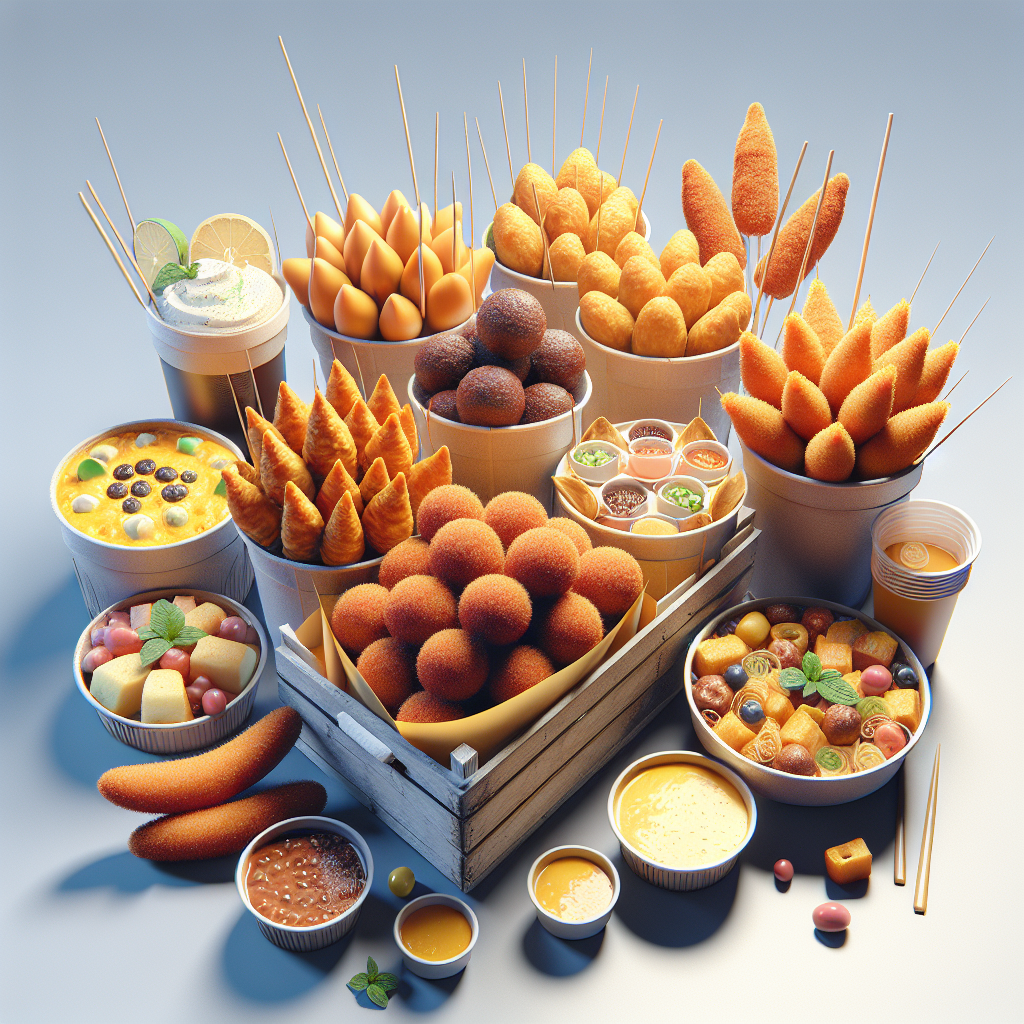
Coxinha is arguably the queen of Brazilian street snacks: a teardrop‑shaped croquette filled with shredded chicken, often bound with cream cheese (requeijão), wrapped in a soft dough and deep‑fried to a golden crust. The name literally means “little thigh”, and the shape is meant to mimic a chicken drumstick. For many Brazilians, coxinha is as nostalgic as a childhood sandwich – it appears at birthday parties, office coffee breaks and street kiosks across the country.
The technical secret of a good coxinha lies in the dough, which is usually cooked with chicken broth before being shaped, giving it a savory depth and elastic texture. The filling must be moist but not wet, well seasoned with onion, garlic, herbs and sometimes a hint of chili. When shopping at a street stall, look for coxinhas that are evenly golden, not too dark, and that feel light rather than heavy in the hand – a sign the oil temperature was correct.
2. Pastel & Caldo de Cana – The Classic Market Combo
In São Paulo and many other cities, the most iconic market snack combo is pastel with caldo de cana. A pastel is a thin, rectangular deep‑fried pastry filled with options like minced beef, cheese, heart of palm, shrimp or even chocolate and banana. The dough fries into a blistered, ultra‑crisp shell that shatters at first bite. It is traditionally served with a simple salsa of chopped tomato, onion and vinegar, and a sprinkle of chili flakes for those who like heat.
Caldo de cana is freshly pressed sugarcane juice, often extracted on the spot using a noisy mechanical press. Despite its name, it tastes surprisingly grassy and refreshing rather than cloyingly sweet, especially when served with lime or ginger. The contrast between the hot, fatty pastel and the icy, vegetal sweetness of sugarcane juice is exactly what makes this pairing so addictive for locals.
From a technical standpoint, the challenge with pastel is maintaining the paper‑thin dough without tearing. Vendors roll it very thin and seal it tightly to prevent leaks. At home, you can approximate pastel using spring‑roll wrappers or homemade dough rolled in a pasta machine, then fried in a wide, temperature‑stable pan. Aim for 180–190°C oil to achieve blistering without greasiness.
3. Acarajé – Afro‑Brazilian Street Food from Bahia
Acarajé is one of the most historically significant Brazilian street foods, deeply rooted in Afro‑Brazilian Candomblé traditions in Bahia. It is a fritter made from black‑eyed pea batter, whipped with onion and salt, then deep‑fried in bright orange dendê (palm) oil. The result is split open and stuffed with fillings like vatapá (a creamy paste of bread, shrimp, peanuts and coconut milk), caruru (okra stew) and dried shrimp, then optionally topped with fiery chili sauce.
In Salvador, acarajé is often sold by baianas, women dressed in traditional white garments, who are both cooks and guardians of cultural heritage. The dish is dense, intensely flavored and unapologetically rich, with the dendê oil giving a distinctive aroma and deep orange color. If you are not used to palm oil, start with a small portion and ask for a milder chili level; vendors will gladly adjust the heat.
Because dendê oil can be overwhelming for some palates, a professional tasting strategy is to split one acarajé between two people while sampling other street foods. When recreating at home, you can use a blend of neutral oil and a small amount of dendê to mimic the flavor while keeping it lighter, always frying in a high‑sided, stable pan to manage splatter.
🎯 Traditional Brazilian Dishes You Must Try at Least Once
Beyond street snacks, Brazil’s culinary identity is defined by slow‑cooked, family‑style dishes that appear on Sunday tables, at neighborhood restaurants and in buffet‑style self‑service spots. These are the recipes that Brazilians argue about endlessly – which restaurant serves the best feijoada, whether moqueca should be made with dendê, or which cut of beef is ideal for picanha. For food professionals and passionate home cooks, these dishes are a masterclass in layering flavor, balancing richness and using humble ingredients intelligently.
When you plan what to eat in Brazil, make room in your schedule for at least one long, unhurried lunch centered around a traditional main dish. These meals are often accompanied by multiple side dishes and condiments, and the experience is as much about conviviality as it is about taste. Below are the cornerstone dishes you should prioritize, along with serving suggestions and notes on regional variations.
From a technical perspective, these recipes reward good cookware: heavy‑bottomed pots, quality non‑stick pans for side dishes, and grill pans or outdoor grills for meats. If you cook them at home, think in terms of mise en place and slow, controlled cooking rather than quick fixes. The payoff is deep, comforting flavor that holds well for reheating and entertaining.
1. Feijoada – The Black Bean Feast
Feijoada is Brazil’s national stew, built around black beans and an assortment of pork cuts such as sausage, ribs, bacon and sometimes dried beef. Traditionally served on Wednesdays and Saturdays in many restaurants, it is a social event as much as a dish. A proper feijoada service includes white rice, sautéed collard greens, farofa (toasted cassava flour), orange slices and often a spicy condiment like molho de pimenta.
The magic of feijoada comes from patient simmering. Beans are cooked slowly with meats that release gelatin and fat, creating a glossy, deeply flavored broth. Experienced cooks control salinity by soaking and par‑boiling salted meats, then layering fresh aromatics such as garlic, onion and bay leaves. In better restaurants, meats are tender but retain structure, and the beans are creamy without disintegrating.
For travelers, a good strategy is to choose one well‑reviewed restaurant known for feijoada and plan to go hungry. Ask whether they offer a lighter version (feijoada light) with fewer fatty cuts if you prefer. At home, a heavy cast‑iron or thick‑bottomed pot is ideal, as it stabilizes heat and reduces scorching risk during long simmering.
2. Moqueca – Brazilian Fish Stew Two Ways
Moqueca is a fragrant fish stew that exists in two major styles: moqueca baiana from Bahia and moqueca capixaba from Espírito Santo. Both rely on firm white fish and sometimes shrimp, gently simmered with tomatoes, onions and peppers, but their flavor profiles differ significantly. This makes moqueca a fascinating dish for culinary comparison and a must‑eat for seafood lovers.
In Bahia, moqueca baiana includes coconut milk and dendê oil, resulting in a rich, golden broth with tropical sweetness and a pronounced palm aroma. It often features cilantro and is usually served in rustic clay pots. In contrast, moqueca capixaba is lighter, using annatto oil (urucum) instead of dendê and skipping coconut milk altogether. The result is a cleaner, tomato‑forward stew that allows the flavor of the fish to shine.
From a technique standpoint, the key is gentle cooking: fish should poach, not boil, to avoid breaking apart. Use a wide, shallow pot or a heavy sauté pan with a tight lid, layering aromatics and liquids before nestling the fish on top. Serve with white rice and pirão (a thick sauce made by whisking cassava flour into the cooking broth) for a fully authentic experience.
3. Picanha & Churrasco – Mastering Brazilian Barbecue
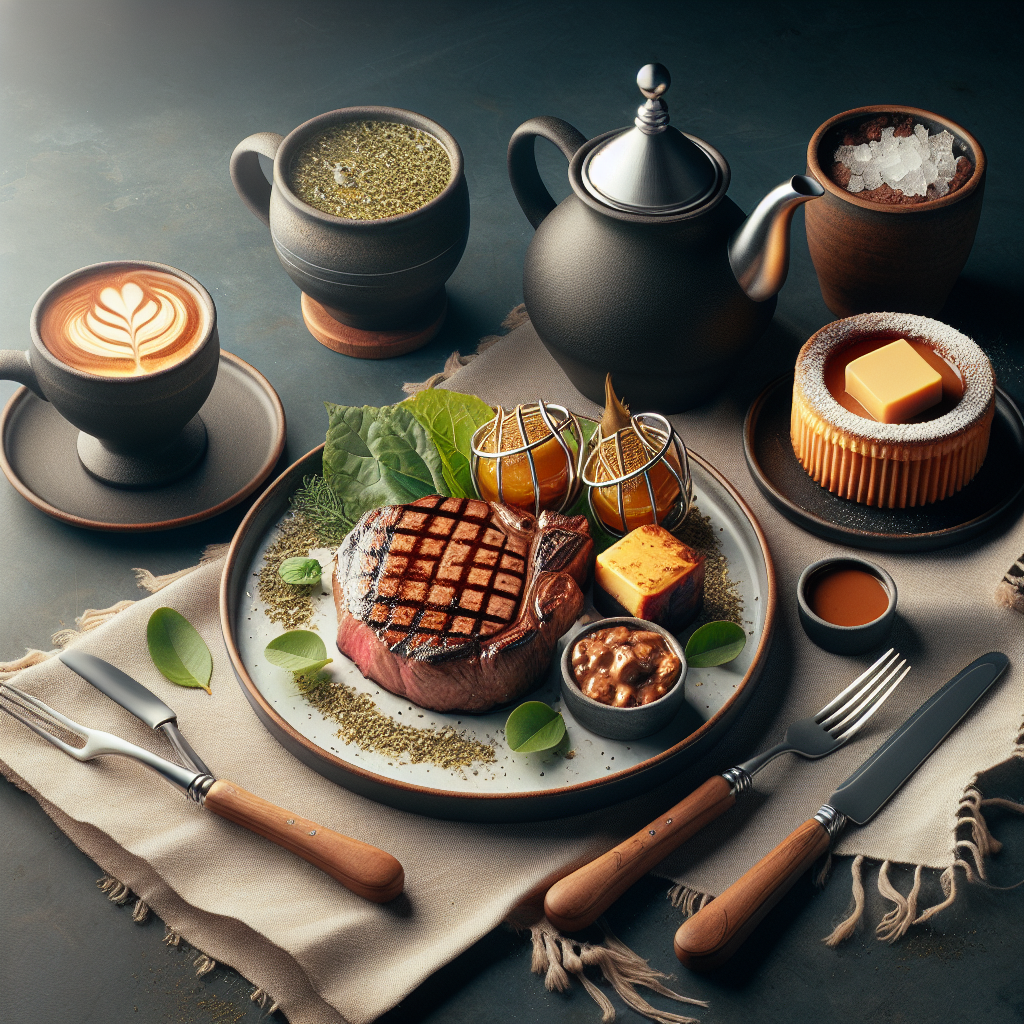
No exploration of Brazilian food is complete without churrasco, the country’s signature style of barbecue. At the center of this tradition is picanha, a triangular cut from the top of the rump, prized for its thick fat cap and intense beef flavor. In Brazilian steakhouses (churrascarias), skewers of picanha are grilled over charcoal and carved tableside in thin slices, allowing each guest to choose their preferred doneness.
What makes Brazilian picanha special is its simplicity. The meat is typically seasoned only with coarse salt, sometimes with a touch of garlic, letting the beef and smoke do the work. The fat cap is never trimmed off before cooking; instead, it bastes the meat as it renders, creating a juicy, tender result. In a professional context, the challenge is to manage heat zones on the grill so the fat crisps without burning while the interior reaches a rosy medium‑rare.
At home, you can approximate churrasco using a cast‑iron grill pan or a heavy non‑stick pan for smaller steaks. Sear the fat side first over medium heat to render gradually, then increase the heat to develop a crust. Rest the meat at least 5–10 minutes before slicing thinly across the grain. Serve with farofa, vinagrete (Brazilian vinaigrette salsa) and perhaps a light green salad to balance the richness.
🎯 Breakfast, Snacks and Sweets: Everyday Brazilian Favorites
While travelers often focus on big, iconic meals, everyday Brazilian eating habits are just as interesting. Breakfasts built around fresh bread, cheese and fruit, afternoon snacks from bakery counters and a wide range of sweets show how Brazilians manage energy and indulgence throughout the day. For food professionals, these “small” foods are a window into local routines and a source of creative ideas for café menus or home brunches.
Many of these items are also technically approachable for home cooks with basic equipment. A good non‑stick pan, a high‑speed blender and an oven with stable temperature control are often all you need to bring Brazilian breakfast or dessert to your own kitchen. Below are the staples you should seek out, both on the street and in bakeries (padarias) and dessert shops.
Pay attention not only to flavors, but also to texture expectations: Brazilians love a contrast of chewy and creamy, crunchy and soft, hot and cold in a single bite. That textural play is part of what makes these foods so satisfying and worth studying if you are designing your own recipes.
1. Pão de Queijo – Cheesy Tapioca Rolls
Pão de queijo is a small, round cheese bread made from tapioca (cassava) starch and cheese, typically Minas cheese or a similar semi‑hard variety. Naturally gluten‑free and irresistibly chewy, it is a breakfast staple and an all‑day snack, especially in Minas Gerais and São Paulo. Fresh from the oven, the crust is thin and crisp, while the interior is airy and elastic.
Technically, pão de queijo is an emulsified dough: hot milk and oil are poured over tapioca starch to gelatinize it, then eggs and cheese are incorporated. The dough should be sticky but shapeable into small balls. Over‑baking dries them out, so timing and oven calibration are crucial. In Brazil, many families keep frozen pão de queijo on hand for quick baking, which makes it a perfect make‑ahead item for busy home cooks.
For readers of Neoflam.pl, using a high‑quality non‑stick baking tray or silicone mat helps achieve even browning without sticking. Experiment with different cheeses: a mix of aged Parmesan for flavor and a milder, meltier cheese for stretch often gives the best results.
2. Açaí na Tigela – The Amazonian Power Bowl
Açaí na tigela (açaí in a bowl) has become globally famous as a “superfood” breakfast, but its roots are in northern Brazil, where the açaí berry grows in the Amazon region. In coastal cities, especially Rio de Janeiro, it is commonly served as a frozen, sorbet‑like base topped with granola, sliced banana and sometimes honey or condensed milk. Street kiosks and juice bars often let you customize toppings, from nuts and seeds to coconut flakes.
Traditional Amazonian preparations are much less sweet, sometimes even savory, but the urban version you will likely encounter is dessert‑like and very refreshing in Brazil’s heat. The texture should be thick enough to eat with a spoon, not runny, and the flavor should balance berry tartness with sweetness. Industrial versions can be overly sugary, so seek out places that advertise “pure açaí” or minimal added sugar if you care about nutritional value.
At home, use frozen açaí puree (unsweetened if possible) blended with frozen banana and a splash of plant milk to create a thick base. A powerful blender is essential; work in pulses to avoid overheating. Serve immediately in chilled bowls to preserve texture.
3. Brigadeiro & Friends – Brazilian Sweets to Know
Brigadeiro is the emblematic Brazilian sweet: a fudgy ball made from condensed milk, cocoa powder, butter and chocolate sprinkles. It appears at almost every birthday party and is a staple in confectionery shops. The mixture is cooked until thick, cooled, then rolled into bite‑sized spheres. The texture should be soft and chewy, not grainy, and the flavor intensely chocolaty but milky.
Alongside brigadeiro, you will find variations like beijinho (made with coconut), cajuzinho (with peanuts and cocoa) and brigadeiro de colher (a spoonable version served in cups). These sweets are an excellent field study in how small changes in ratio, cooking time and cooling affect texture. For professionals, they are also a great template for flavor innovation, from adding passion fruit to using high‑quality dark chocolate.
When making brigadeiro at home, use a thick‑bottomed non‑stick saucepan and stir constantly over medium‑low heat to prevent scorching. The classic doneness test is to run a spatula through the mixture; when you can see the bottom of the pan for a few seconds before it closes, it is ready to cool.
🎯 Comparing Must‑Try Brazilian Dishes: Street vs. Traditional
With so many options, it can be difficult to prioritize what to eat in Brazil, especially if your trip is short or your cooking time at home is limited. A structured comparison between street foods and traditional sit‑down dishes helps you design a balanced tasting plan. Think in terms of intensity, portion size, preparation time and where each dish fits into your day. This is also useful for menu planning if you run a restaurant or are hosting a Brazilian‑themed dinner.
Street foods tend to be faster, cheaper and more portable, making them ideal for daytime exploration and late‑night cravings. Traditional dishes often require more time, both to cook and to eat, and are best reserved for lunches or dinners when you can sit down and appreciate the full set of sides and condiments. Below is a table that compares some of the most important dishes discussed in this article, so you can quickly see which ones fit your goals and constraints.
Use this comparison not as a rigid rulebook, but as a planning tool. A well‑designed Brazilian food day might start with pão de queijo, move to pastel and sugarcane juice for a light lunch, then culminate in a shared feijoada or churrasco dinner. For home cooking, pair one labor‑intensive main with easier snacks and desserts to distribute your workload intelligently.
| Dish | Category | Typical Setting | Richness Level | Best Time to Eat |
|---|---|---|---|---|
| Coxinha | Street snack | Bakeries, kiosks, parties | Medium‑high (fried, creamy) | Mid‑morning or afternoon |
| Pastel & Caldo de Cana | Street snack | Open‑air markets | High (fried + sweet juice) | Late breakfast / light lunch |
| Acarajé | Street / ritual food | Bahia street stalls | Very high (dendê oil) | Late afternoon / evening |
| Feijoada | Traditional main | Restaurants, Sunday lunches | Very high (beans + pork) | Lunch, preferably slow |
| Moqueca | Traditional main | Seafood restaurants | Medium (varies by style) | Lunch or dinner |
| Picanha (Churrasco) | Traditional main | Churrascarias, home grills | High (marbled beef) | Weekend lunch or dinner |
| Pão de Queijo | Breakfast / snack | Padarias, cafés, homes | Medium (cheese, starch) | Breakfast or any snack time |
| Açaí na Tigela | Snack / light meal | Juice bars, beach kiosks | Variable (depends on sugar) | Hot afternoons, post‑workout |
| Brigadeiro | Dessert / sweet | Parties, bakeries | Very high (condensed milk) | After meals or celebrations |
- Lower cost per tasting, so you can try more items.
- Flexible timing – easy to fit between sightseeing.
- Great for understanding real, everyday cravings.
- Deeper cultural context and family traditions.
- Opportunities to study side dishes and condiments.
- Better suited to long, social meals and wine pairings.
🎯 Practical Tips: How to Eat (and Cook) Brazilian Food Like a Pro
Knowing which dishes to try is only half the story; understanding how to approach them – both on the street and in your own kitchen – will dramatically improve your experience. For professionals and advanced home cooks, Brazilian food offers a laboratory of techniques: controlled frying, long simmering, smart use of starches and strategic use of acidity and freshness to balance heavy flavors. The tips below are designed to help you make informed choices, avoid common mistakes and translate what you taste in Brazil into your own culinary practice.
From choosing the right vendor to adapting recipes for modern cookware, a little preparation goes a long way. Pay attention to the visual cues of quality – color, oil clarity, crowd size – and do not hesitate to ask locals what they order. In the kitchen, focus on heat control and mise en place; many Brazilian dishes are simple in ingredients but unforgiving if you rush key steps such as browning or resting.
Finally, remember that Brazilian eating is social by default. Portions are often generous and meant to be shared, which is an advantage if you want to sample widely without overdoing it. Use this to your benefit by ordering multiple dishes for the table and dividing them into tasting portions.
Look for stalls with a constant flow of customers, fresh‑looking ingredients and oil that is clear, not dark or smoky. Avoid pre‑fried items sitting for too long under weak heat lamps.
For snacks like coxinha or pastel, keep frying oil between 175–190°C. Too low and food absorbs oil; too high and the exterior burns before the inside is hot.
Pair heavy dishes with fresh elements: oranges with feijoada, salads with churrasco, or simple fruit bowls after fried snacks to reset your palate.
Smart Ordering Strategy in Brazil
When you only have a few days in Brazil, structure your meals intentionally. Reserve at least one lunch for feijoada or moqueca, and one evening for a churrascaria experience. Fill the remaining slots with street food tastings and bakery visits. This approach gives you a representative overview without overwhelming your digestion or budget.
At buffets and self‑service restaurants, where you pay by weight, start with small portions of many items rather than loading your plate with one or two dishes. This lets you taste more variety and go back for seconds of your favorites. Do not be shy about asking staff how a dish is traditionally eaten; Brazilians are generally proud of their food and happy to explain.
On the street, share snacks whenever possible. Split one coxinha, one pastel and one dessert between two or three people, then move on to the next stall. This “progressive eating” style is ideal for markets and fairs, and it mirrors how professional food writers and critics work when researching a cuisine.
Adapting Brazilian Dishes for Home Cooking
For readers cooking at home, good cookware is your best ally in reproducing Brazilian textures. A heavy pot is essential for stews like feijoada and moqueca, while a high‑quality non‑stick pan or grill pan helps you cook picanha and side dishes with less oil. Use oven‑safe pans to finish dishes in the oven when you need gentle, even heat, such as for baked versions of traditionally fried snacks.
Plan your workflow: prepare long‑cooking items like beans or marinated meats a day ahead, then focus on last‑minute frying and finishing on the day you serve. Many Brazilian dishes, especially stews, taste better after resting overnight, as flavors meld and textures stabilize. This makes them ideal for entertaining, where you want to minimize stress close to serving time.
Finally, do not be afraid to localize ingredients. If you cannot find dendê oil, use a blend of neutral oil and a small amount of annatto‑infused oil for color and aroma. Substitute local firm white fish for Brazilian species in moqueca, and experiment with regional cheeses in pão de queijo. The goal is to respect the structure of the dish while making it realistic for your market.
🎯 FAQ: Your Questions About Eating in Brazil Answered
Before you finalize your Brazilian food bucket list, it helps to clarify a few common doubts. Below you will find concise answers to questions that travelers, home cooks and food professionals often ask when they first approach Brazilian cuisine. Use this as a quick reference as you plan your itinerary or design your next Brazilian‑inspired menu.
These answers are intentionally practical and focused on decision‑making: what to prioritize, how to stay comfortable and how to adapt if you have dietary restrictions. Keep in mind that Brazil is a huge country, so details will vary by region, but the principles below hold broadly true.
If you are writing about Brazilian food for your own blog or planning content for Foodyoushouldtry.com, these FAQs also make a great structure for reader‑friendly guides and social media posts.
In major cities, Brazilian street food is generally safe if you choose vendors carefully. Look for busy stalls with high turnover, food cooked to order and clean handling practices. Avoid items that have clearly been sitting for a long time, and be cautious with raw salads or sauces if you have a sensitive stomach.
You can still enjoy many Brazilian dishes. Focus on moqueca (fish stew), grilled fish and seafood, açaí bowls, pão de queijo, vegetable‑based side dishes and sweets like brigadeiro. In churrascarias, there is usually a wide salad bar and grilled chicken or fish options, but always confirm ingredients, as some beans and stews include pork by default.
Most everyday Brazilian food is moderately seasoned but not very spicy. Heat usually comes from optional chili sauces or pastes served on the side. In Bahia, some dishes like acarajé can be quite hot, so specify “pouco apimentado” (not very spicy) if you are sensitive. This side‑sauce culture makes it easy to adjust spice levels to your preference.
Classic pairings include caipirinha (cachaça, lime, sugar) with grilled meats, beer with feijoada and fresh juices like passion fruit or guava with street snacks. For non‑alcoholic options, try guaraná soda or fresh coconut water. When cooking at home, dry white wines pair well with moqueca, while fruity reds can stand up to churrasco.
Use this guide as a checklist: pick one street food, one traditional main and one dessert to master. With good cookware and a bit of planning, you can turn your kitchen into a Brazilian boteco for a night.