The best food to eat in Morocco is built on slow cooking, sweet-savory spice, and the ritual of sharing. This is a cuisine where lamb meets prunes and honey, chicken simmers with preserved lemon and olives, a pie is dusted with sugar over pigeon, and every meal ends with mint tea poured from a height. Berber, Arab, Andalusian, and French traditions meet in the souk, the riad, and the communal tagine pot.
My best Moroccan meal came out of a clay urn buried in ashes: a Marrakech tangia, lamb slow-cooked for hours in the embers of a hammam furnace until it collapsed at the touch of bread. Moroccan food rewards patience and the willingness to eat with your hands from a shared dish. Beyond the tagine and couscous everyone knows, there is a whole world of harira soup, sugar-dusted pastilla, smoky mechoui lamb, and honey-soaked pastries waiting in the medina.
This guide covers the tagines, the couscous, the feast dishes, the street food, the breads, and the sweets, with what to order and what it costs. Morocco is part of our guide to the best food in Africa and the Middle East.
Why Moroccan food is worth the trip
Moroccan food is worth a trip because it is one of Africa’s and the Arab world’s great cuisines, a layered blend of Berber slow-cooking, Arab spice, Andalusian refinement, and a French colonial legacy of cafes and pastries. The signature is the marriage of savory and sweet: meat with fruit, honey, and warm spices like cinnamon, ginger, saffron, cumin, and the legendary ras el hanout blend of up to 35 spices.
It is also communal. The classic meal is eaten from a shared dish with the right hand and bread instead of cutlery, and hospitality, sealed with endless mint tea, is a point of deep cultural pride. Eat in the souks, the food stalls of Jemaa el-Fnaa, and the hidden riads, and Morocco far outruns its tagine-and-couscous reputation.
Tagines: the iconic slow-cooked stews
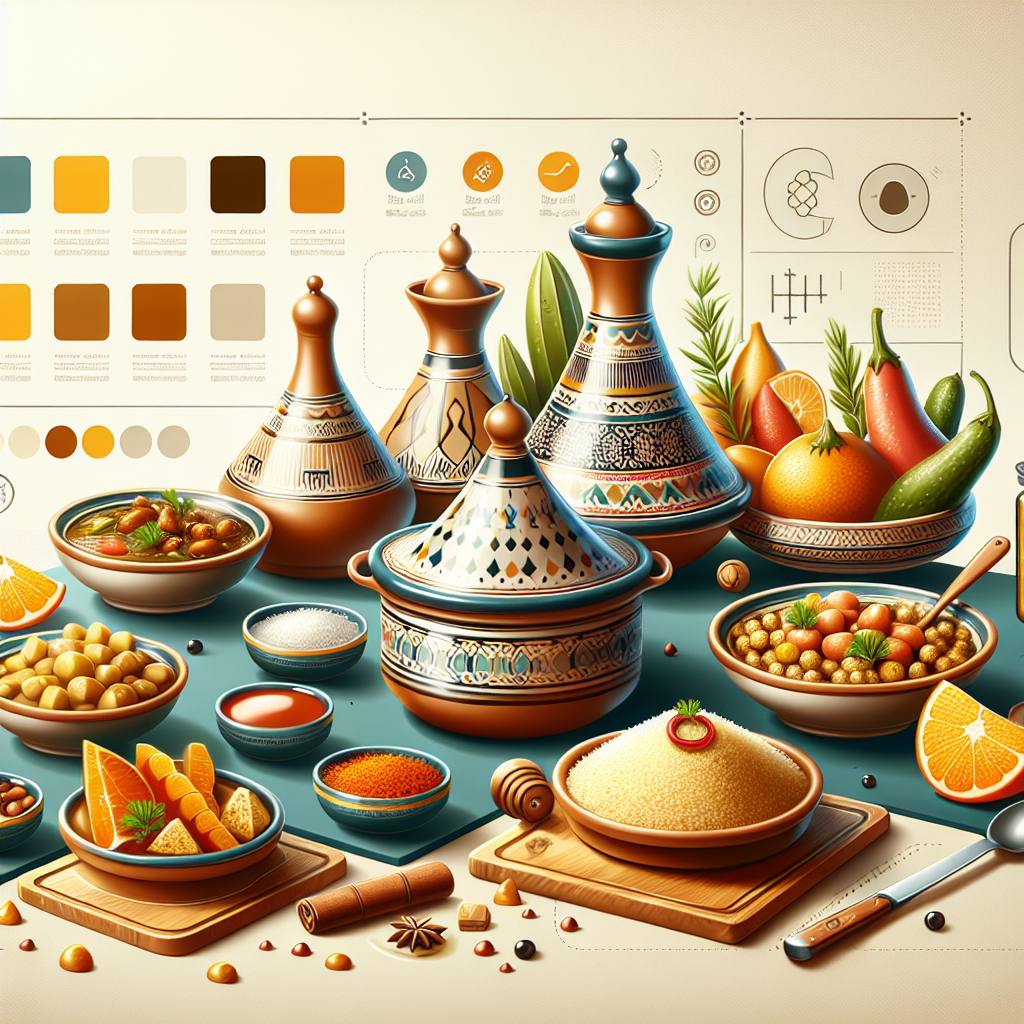
The tagine is both the conical clay pot and the dish slow-cooked inside it, where the lid traps steam and returns it to braise the meat to falling-apart tenderness. It is Morocco’s national dish, and it comes in dozens of forms.
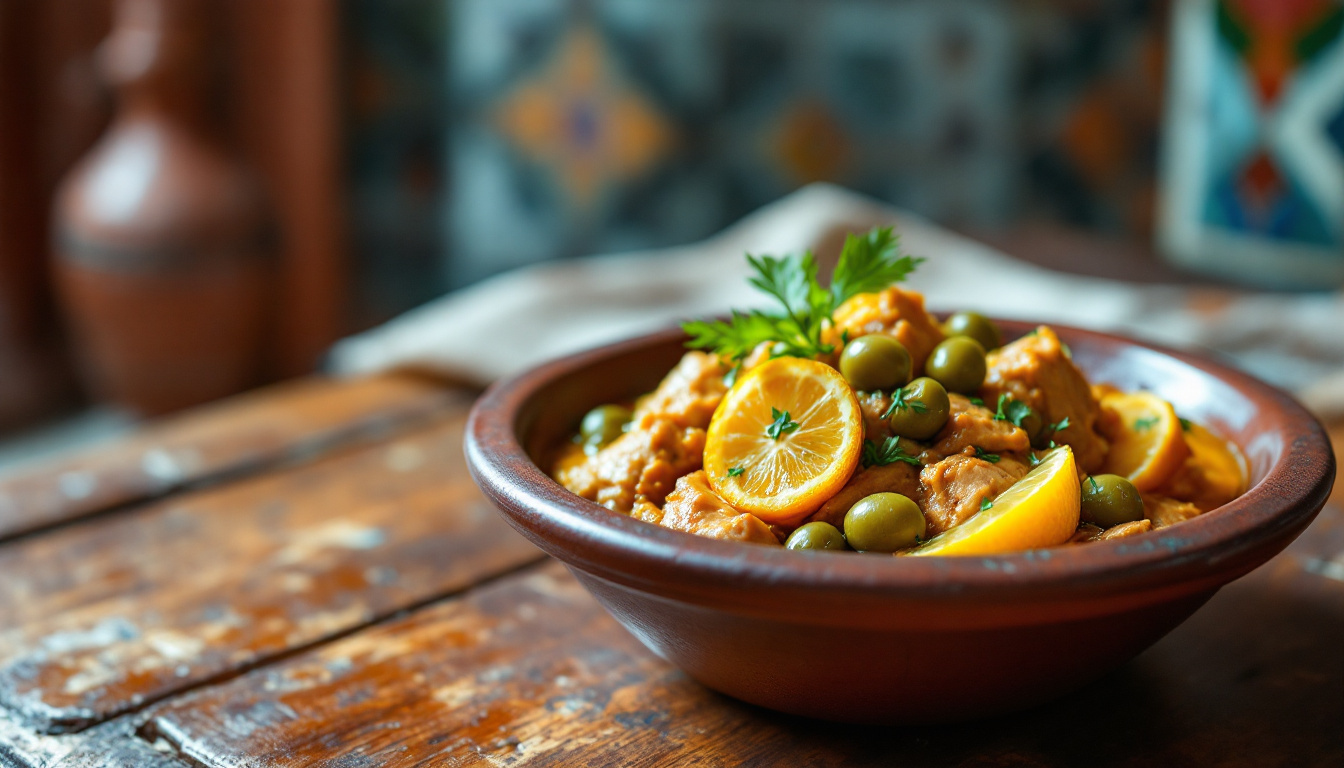
Chicken Tagine with Preserved Lemon Djaj Mqualli
Chicken braised with preserved lemon, green olives, garlic, ginger, saffron, and a tangle of herbs until the sauce turns golden and the meat slides off the bone. The salty-sour preserved lemon (hand-cured for weeks) is what makes it unmistakably Moroccan, balancing the richness. This is the tagine most travelers fall in love with first.
60 to 90 MAD (about 6 to 9 euro) at a restaurant. Mop the sauce up with khobz bread; no cutlery needed.
Lamb Tagine with Prunes Tagine Lahm bel Barkok
The definitive sweet-savory Moroccan dish: lamb or beef slow-cooked with prunes (or apricots), honey, cinnamon, and ginger, finished with toasted almonds and sesame. The fruit dissolves into a dark, glossy, sweet sauce against the tender meat. A celebration dish served at weddings and feasts.
80 to 130 MAD. Rich, festive, and the clearest expression of Morocco’s spice-and-fruit philosophy.
Kefta Tagine Tagine Kefta Mkaouara
Spiced minced-beef or lamb meatballs simmered in a cumin-and-paprika tomato sauce, with eggs cracked over the top in the last minutes so they set in the bubbling sauce. You eat it straight from the pot with bread, scooping meatball, egg, and sauce together. A homely, cheap, deeply satisfying tagine.
50 to 80 MAD. Other great versions include the fish-and-chermoula tagine on the coast and the seven-vegetable tagine for vegetarians.
Couscous: the Friday tradition
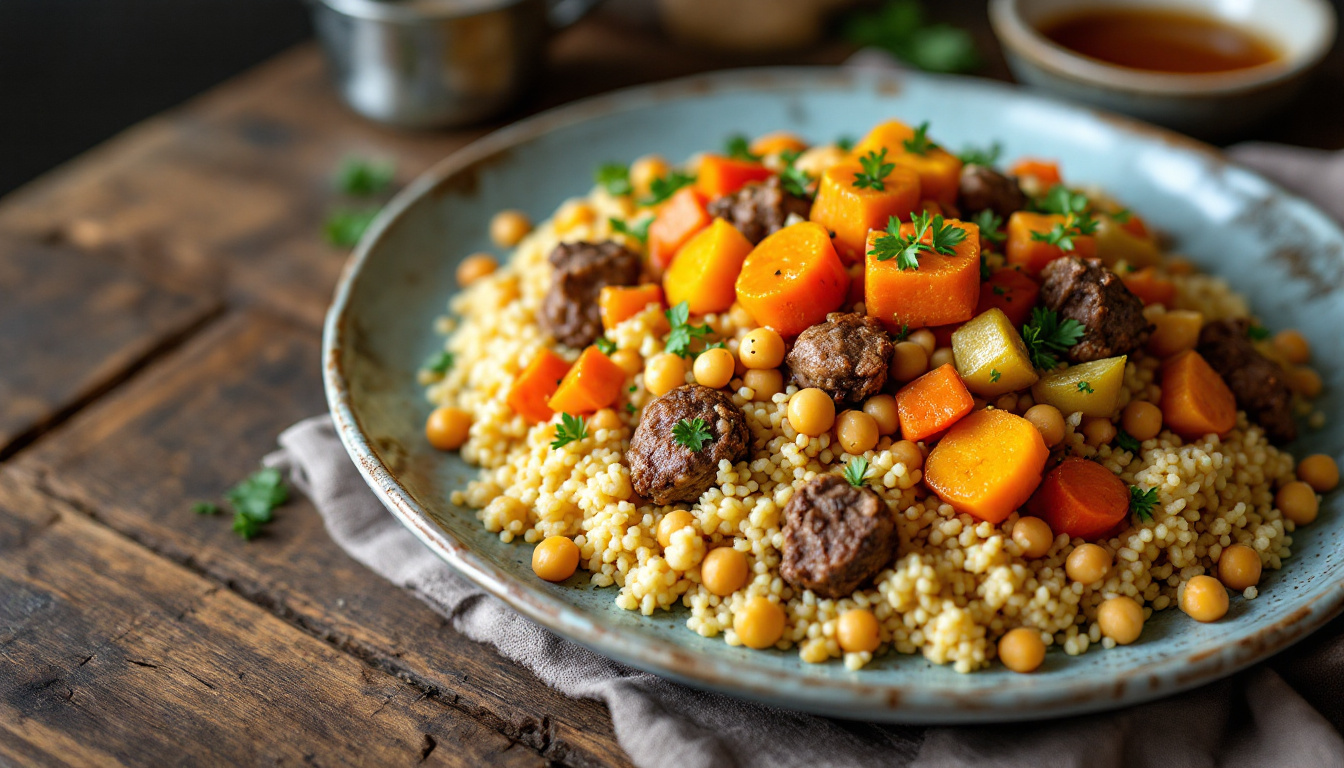
Couscous Seksu (seven-vegetable)
Hand-rolled semolina steamed three times over a fragrant stew until light and fluffy, then heaped into a mound and topped with seven vegetables (carrot, turnip, pumpkin, zucchini, cabbage, chickpeas) and lamb, chicken, or beef, with a spiced broth poured over. Friday, the holy day, is couscous day across Morocco, when families gather around one great platter.
70 to 120 MAD. Many restaurants serve couscous only on Fridays, so plan around it. The sweet tfaya version tops it with caramelized onions and raisins.
Pastilla, mechoui and feast dishes
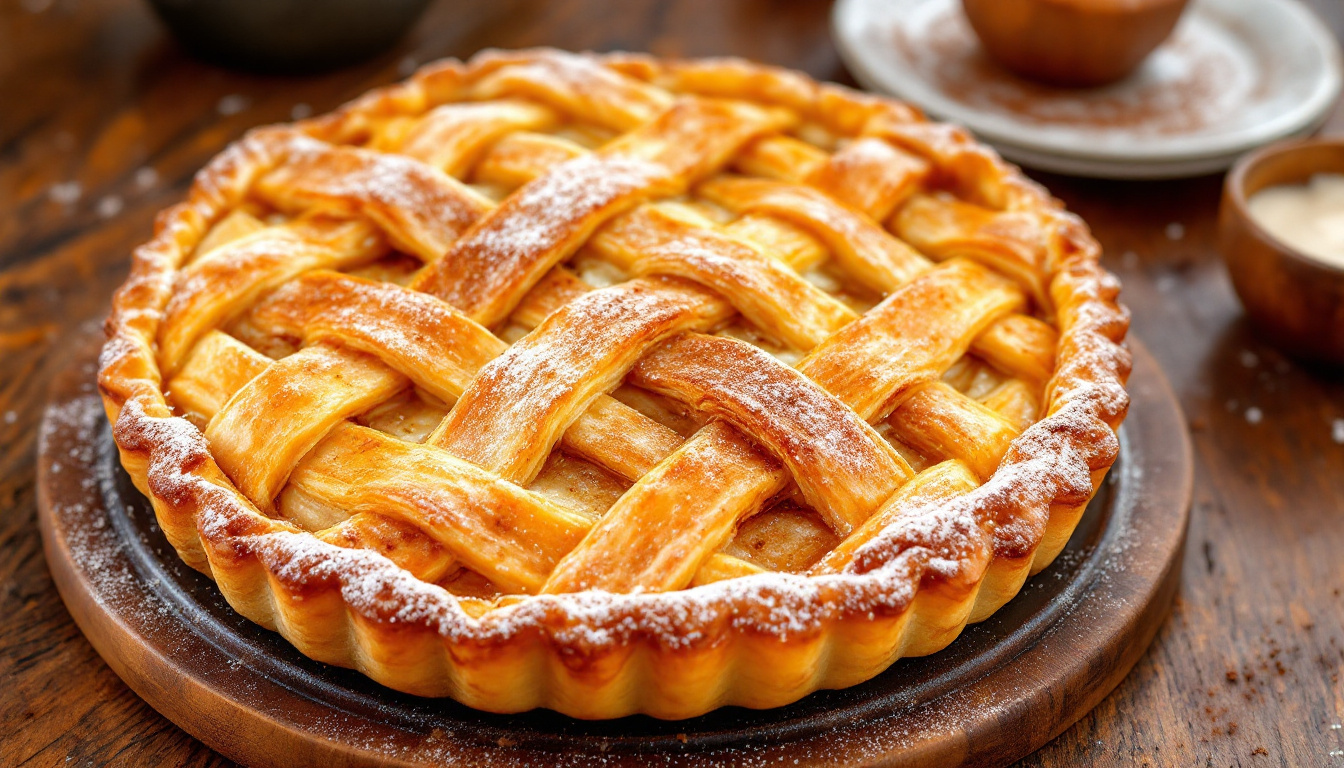
Pastilla Bastilla / B’stilla
Morocco’s most astonishing dish: layers of paper-thin warqa pastry wrapped around spiced shredded pigeon (now usually chicken) and a layer of almonds and egg, baked, then dusted with powdered sugar and cinnamon on top. The sweet sugar crust over the savory, spiced filling sounds wrong and tastes extraordinary. A seafood version exists on the coast.
60 to 120 MAD. A festival and special-occasion dish; Fes makes the most refined version.
Mechoui Mechoui (roast lamb)
A whole lamb rubbed with cumin and butter and slow-roasted in a clay pit or oven until the skin crisps and the meat pulls apart with your fingers, seasoned simply with cumin and salt at the table. In Marrakech, the Mechoui Alley off Jemaa el-Fnaa sells it by the half-kilo, hacked straight from the carcass.
Sold by weight. Order a hunk with bread, cumin, and salt, and eat with your hands.
Tangia Tanjia Marrakchia
Marrakech’s signature: beef or lamb sealed in a clay urn (tangia) with preserved lemon, garlic, cumin, and saffron, then left to cook for hours in the dying embers of the neighborhood hammam furnace. Traditionally the “bachelor’s dish,” prepared by men and slow-cooked while they worked. The meat emerges meltingly soft and intensely fragrant.
70 to 110 MAD. A dish you eat in Marrakech and almost nowhere else.
Soups and street food
Harira Harira
A hearty tomato-based soup thick with lentils, chickpeas, and often lamb, soured with a little flour-and-water thickener and finished with fresh coriander and a squeeze of lemon. It is the traditional dish to break the Ramadan fast at sunset, eaten with dates and sweet chebakia, but it is served year-round as a cheap, filling starter.
10 to 25 MAD a bowl. Its lighter cousin bissara, a fava-bean soup with cumin and olive oil, is the classic Moroccan breakfast.
- Maakouda. Crispy fried mashed-potato fritters spiced with cumin and herbs, sold from street carts and stuffed into bread with harissa as a sandwich.
- Briouates. Crisp fried warqa-pastry triangles like a samosa, stuffed with spiced meat, cheese, or seafood (savory), or with almond paste and honey (sweet).
- Sfenj. Moroccan ring doughnuts fried fresh, faintly chewy, eaten plain or with sugar and mint tea in the morning.
- Snail soup and Berber omelette. Babbouche, peppery snails in a spiced broth from Jemaa el-Fnaa carts, and a tomato-and-egg tagine cooked in the pot.
- Rfissa. Shredded msemen or day-old bread soaked in a lentil-and-fenugreek chicken broth, a comforting dish traditionally served to new mothers.
Breads and salads
Bread (khobz) is sacred in Morocco, present at every meal as both food and edible cutlery. The flat round loaves are baked in communal neighborhood ovens (ferran), and the breakfast and snack breads are a tradition of their own.
- Msemen. Square, flaky, pan-fried layered flatbread, eaten for breakfast with honey, jam, or amlou, the argan-almond-honey spread of the Berber south.
- Harcha and baghrir. A pan-fried semolina bread with a cornbread crumb, and the spongy “thousand-hole” pancake soaked in honey and butter.
- Zaalouk and taktouka. Smoky cooked salads of eggplant and tomato (zaalouk) and of roasted peppers and tomato (taktouka), eaten cool with bread as starters.
- Moroccan salad spread. A table of small cooked and raw salads (carrot with cumin, beet, tomato-and-onion) that opens most meals.
Sweets and mint tea
Moroccan Mint Tea Atay b’nana
Sweet green gunpowder tea brewed with a fistful of fresh spearmint and a lot of sugar, poured from a height into small glasses to aerate it and build a foam. Nicknamed “Berber whisky,” it is the absolute center of Moroccan hospitality, offered on arrival everywhere and refused by no one. The pour from on high is a point of pride.
8 to 20 MAD, or free as a welcome. Accepting tea is the polite, expected thing to do.
- Chebakia. Sesame-coated dough flowers fried and soaked in honey and orange-blossom water, the essential Ramadan sweet eaten alongside harira.
- Kaab el ghazal. “Gazelle horns,” delicate crescent pastries filled with almond paste scented with orange blossom, the elegant wedding sweet.
- Ghriba and sellou. Crumbly shortbread cookies (almond or sesame), and sellou, a rich, energy-dense paste of toasted flour, almonds, and honey.
- Amlou. The argan-oil, almond, and honey spread of the south, sometimes called Moroccan nutella, eaten with msemen for breakfast.
Best food cities in Morocco
The food-tourism heart: the Jemaa el-Fnaa night market with its snail carts, grills, and orange-juice stalls, the Mechoui Alley roast lamb, tangia, and rooftop tagine restaurants in the medina.
The culinary capital of refinement: the most elaborate pastilla, complex tagines, and the deepest pastry tradition, eaten in the riads and palaces of the world’s largest car-free medina.
The Atlantic port for grilled fish straight off the boat, seafood tagines with chermoula, and the argan-oil and amlou of the surrounding Berber country.
Casablanca for a modern, French-influenced cafe and bistro scene alongside the classics; the blue mountain town of Chefchaouen for goat cheese, bissara, and rustic Rif cooking.
Best food to eat in Morocco: the dish guide with prices and ratings
| Dish | Type | Region | Price (MAD) | Must-try |
|---|---|---|---|---|
| Chicken tagine (preserved lemon) | Tagine | Nationwide | 60–90 | ★★★★★ |
| Lamb tagine with prunes | Tagine | Nationwide | 80–130 | ★★★★★ |
| Kefta tagine | Tagine | Nationwide | 50–80 | ★★★★☆ |
| Couscous | Staple | Nationwide | 70–120 | ★★★★★ |
| Pastilla | Pie | Fes | 60–120 | ★★★★★ |
| Mechoui | Roast lamb | Marrakech | by weight | ★★★★★ |
| Tangia | Slow-cooked | Marrakech | 70–110 | ★★★★☆ |
| Harira | Soup | Nationwide | 10–25 | ★★★★★ |
| Bissara | Soup | North | 8–20 | ★★★★☆ |
| Maakouda | Street food | Nationwide | 5–15 | ★★★★☆ |
| Briouates | Pastry | Nationwide | 20–40 | ★★★★☆ |
| Msemen | Bread | Nationwide | 5–15 | ★★★★★ |
| Mint tea | Drink | Nationwide | 8–20 | ★★★★★ |
| Chebakia | Dessert | Nationwide | by weight | ★★★★☆ |
| Kaab el ghazal | Dessert | Nationwide | by weight | ★★★★☆ |
How to eat in Morocco
- Eat with your right hand. Tagine and couscous are shared from one dish, scooped with bread or, for couscous, rolled into a ball with the thumb and first two fingers of the right hand only.
- Never refuse mint tea. It is offered everywhere as hospitality, including in shops, and accepting it is the warm, expected thing to do.
- Plan couscous for Friday. Many restaurants serve it only on the holy day, when families gather around one platter.
- Eat at Jemaa el-Fnaa after dark. Marrakech’s main square turns into a vast open-air food court at night; choose the stalls busiest with locals.
- Tipping is modest. Round up or leave 5 to 10 percent at restaurants, and a few dirhams for stall and cafe service.
For dining customs across other countries, see our guide to food etiquette around the world.
How to eat well in Morocco on any budget
Prices here are 2026, in Moroccan dirham (MAD), where about 10 dirham equals US$1. That makes a bowl of harira roughly $1-2.50 and a hole-in-the-wall tagine about $4-7. Morocco is one of the best-value food countries on the continent, and the souk stalls are both the cheapest and the most authentic way to eat.
Budget: the souk and street
A bowl of harira (10 to 25 MAD), a maakouda sandwich, msemen with amlou for breakfast, and a tagine at a hole-in-the-wall (40 to 70 MAD). The food stalls of Jemaa el-Fnaa and any medina make eating well genuinely cheap.
Mid-range: medina restaurants
A full tagine or Friday couscous, a pastilla to share, salads, and mint tea at a proper medina restaurant or rooftop terrace (150 to 300 MAD per person). The sweet spot for the classics in atmosphere.
High-end: riad dining
Restored riads and palace restaurants in Marrakech and Fes serve elaborate multi-course feasts, refined pastilla, and modern Moroccan tasting menus. Still a bargain by European standards, with a setting that is half the experience.
Frequently asked questions about Moroccan food
What is the national dish of Morocco?
Tagine, the slow-cooked stew named after its conical clay pot, is Morocco’s national dish, with the chicken-and-preserved-lemon version the most beloved. Couscous, the Friday family meal, is the other strongest claim, and pastilla is the celebrated festive dish.
What is the difference between a tagine and couscous?
A tagine is a stew of meat or vegetables slow-cooked in a conical clay pot, eaten with bread. Couscous is steamed semolina grain topped with a vegetable-and-meat stew and broth. Tagine is everyday food; couscous is traditionally the Friday meal, and many restaurants serve it only on Fridays.
What is pastilla?
Pastilla (or bastilla) is a Moroccan pie of paper-thin warqa pastry wrapped around spiced shredded pigeon or chicken with almonds and egg, baked and then dusted with powdered sugar and cinnamon. The sweet-savory combination is one of the most surprising and delicious dishes in Moroccan cuisine, traditionally served at feasts.
How much does food cost in Morocco per day?
Morocco is cheap. A bowl of harira is 10 to 25 MAD (1 to 2.50 euro), a street tagine 40 to 70, and a full medina-restaurant meal 150 to 300 per person. Budget travelers eat very well on souk and street food for a few euros a day.
Is Moroccan food spicy?
Not very. Moroccan cooking is heavily spiced but rarely hot; the flavor comes from warm, aromatic spices like cumin, ginger, cinnamon, saffron, and ras el hanout, plus the sweet-savory pairing of meat with fruit. Heat comes on the side as harissa chili paste, which you add to taste.
Is Morocco good for vegetarians?
Workable and improving. Vegetable tagines, seven-vegetable couscous, bissara fava soup, the cooked-salad spread (zaalouk, taktouka), maakouda, msemen with amlou, and many breads and pastries are meatless. Confirm tagines and couscous use vegetable rather than meat broth, and Marrakech now has dedicated vegetarian spots.
More food guides waiting for you
Browse our complete collection of Middle East and African food guides.