Best Food to Eat in Canada: Regional Canadian Dishes Worth Trying in 2026
Canada in 2026 isn’t only about lakes, mountains, and the Northern Lights — it’s also home to a fascinating, layered food culture that blends Indigenous traditions, Quebec’s French heritage, British influences, and contemporary chef-driven creativity. If you’re planning a culinary road trip across Canada, this guide will help you plan your plate as carefully as you plan your route.
In this article, I’ll walk you through the most interesting regional dishes worth trying in 2026 — from iconic poutine and Atlantic lobster to game meats and Northern berries. I’ll focus not only on what to eat, but also where to find it, how it’s traditionally prepared, and how to choose places that respect seasonality and local products. This is a practical guide for travelers and a useful snapshot for food professionals who want to understand Canada’s culinary scene.
Canadian Food Guide 2026
Regional Dishes & Street Food
Reading Time: ~12–15 min
🎯 Why Canadian Regional Food Deserves Your Attention in 2026
For years, Canadian cuisine was often reduced to a shortcut: maple syrup, poutine, and maybe salmon. In 2026, that stereotype is a loss — for travelers and for anyone working professionally with food. Canada is one of the most diverse culinary countries in the world, and its regional food is shaped by the meeting of Indigenous, French, British, Asian, and Middle Eastern influences. In practical terms: one day you might try Inuit country food, and the next evening you could sit down to fine dining built around boreal forest herbs.
In 2026, a few trends make local dishes even more important. First, sustainability is no longer optional: more restaurants highlight short supply chains, seasonality, and whole-ingredient cooking. Second, Indigenous cuisine is increasingly recognized as a key voice in Canada’s identity — not a tourist curiosity. Third, street food continues to grow, reinterpreting classics in a more accessible, modern form.
For SEO and real travel planning, it helps to think of “best food to eat in Canada” not as one list, but as a map: the Atlantic, Quebec, Central Canada & the Prairies, British Columbia, and the North offer completely different experiences. Below you’ll find a structured list of regional dishes, guidance on where to look for them, and how to spot places serving authentic versions rather than tourist copies.
Split your culinary trip into regions: Atlantic, Quebec, Ontario & Prairies, British Columbia, and the North. Hunt for local classics in each.
In 2026, more menus emphasize seasonality, responsible fisheries, and local farms — a strong filter for choosing where to eat.
Plan at least one meal at an Indigenous-led restaurant or project — it’s essential for understanding Canada through food.
Travel mantra: If you want to understand Canada in 2026, start with the plate — ideally one where tradition, seasonality, and local product meet.
🎯 Atlantic Canada: Lobster, Chowder & Comfort Food by the Ocean
Atlantic Canada — Nova Scotia, New Brunswick, Prince Edward Island (PEI), and Newfoundland & Labrador — is a paradise for seafood lovers. In 2026, the region continues to spotlight responsible fisheries and transparent supply chains, and that often shows in the quality of lobster, scallops, mussels, and cod. Many of the best food experiences happen in simple coastal shacks where lobster comes on a paper tray and the ocean view is worth as much as any tasting menu.
Seasonality matters here: the best lobster experiences are typically from late spring to early fall, but good quality is often available for longer thanks to improved logistics. Atlantic cooking tends to combine simplicity with respect for product — few ingredients, no unnecessary decoration.
Atlantic Lobster
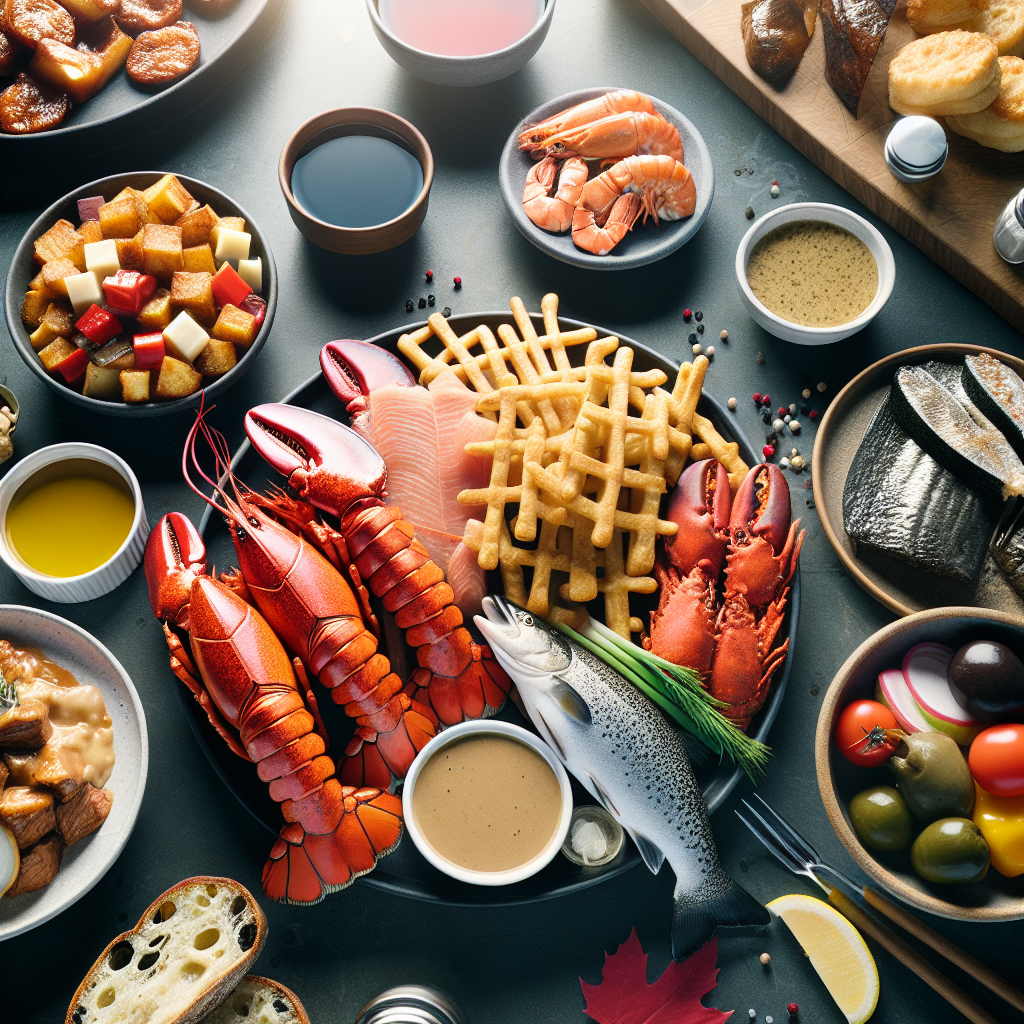
Atlantic lobster is the iconic taste of Canada’s East Coast and a must-try in 2026. The classic is whole boiled lobster served with melted butter, lemon, and simple sides like potatoes and corn. For street food, the hero is the lobster roll: a soft bun filled with lobster meat, usually dressed lightly with mayo, celery, herbs, and lemon.
Seafood Chowder & Coastal Classics
Seafood chowder is the comfort-food essential. A typical Atlantic chowder combines fish (often cod and salmon), clams or mussels, scallops, and shrimp in a creamy base with potatoes and aromatics. In 2026, many kitchens offer “lighter” versions that use less cream but a stronger fish stock and local herbs.
Regional variations are part of the fun: in Newfoundland & Labrador you’ll often see fish cakes (salted fish + potato patties), while in parts of New Brunswick you’ll find fried clams — perfect with local craft beer.
- Exceptionally fresh seafood and fish.
- Authentic “shore lunch” style experiences.
- Strong focus on responsible fisheries in 2026.
- Seasonality: off-season options can be limited.
- Higher lobster prices in popular tourist areas.
- Top spots may require advance reservations.
🎯 Quebec & French Canada: Poutine, Tourtière and Sugar Shack Classics
Quebec is the heart of francophone Canada and the birthplace of several national icons — especially poutine. But in 2026, Quebec food is much more than fries with cheese curds and gravy. It includes meat pies, rustic seasonal dishes linked to sugar shacks (cabane à sucre), and a strong bistronomy wave that reinterprets classics with lighter, more seasonal logic.
In Montreal and Quebec City, you’ll find everything from classic diners to fine dining where local ingredients — maple syrup, game, forest mushrooms — appear in creative compositions. Terroir matters: more places highlight producers, microclimate, and seasonality, which is a useful signal for quality-minded diners.
Poutine — A Classic That Keeps Evolving
Poutine is simple at heart: crispy fries, fresh cheese curds, and hot gravy. In 2026, it’s also a canvas for creative chefs. In the best classic versions, the curds are fresh and squeaky, the fries stay crisp, and the gravy tastes like real stock. You’ll also see vegetarian gravies built on vegetables and mushrooms.
Montreal is famous for versions like smoked meat poutine, and some bistros go further with seasonal poutines that feature game in autumn or Middle Eastern-inspired toppings in summer.
Tourtière, Sugar Shack Feasts & Maple Syrup
Tourtière is Quebec’s traditional meat pie, usually filled with ground pork and/or beef (sometimes game), seasoned with warm spices like cinnamon, cloves, and nutmeg. While it’s associated with the holiday season, many bakeries and bistros serve tourtière year-round in smaller portions — great for lunch or a picnic paired with a tangy cranberry chutney.
Then there are sugar shacks: springtime maple feasts where syrup shows up everywhere — baked beans, pancakes, and the famous maple taffy poured onto snow. In 2026, many sugar shacks offer more balanced menus, vegetarian options, and a smoother visitor experience without losing their rustic charm.
| Quebec Dish | Where to Try It | “Canadian-ness” Level | Best Season |
|---|---|---|---|
| Poutine | Montreal, Quebec City, diners & food trucks | ★★★★★ — absolute classic | All year |
| Tourtière | Traditional bistros, bakeries | ★★★★☆ — holiday comfort food | Winter / holidays |
| Sugar shack feast | Cabane à sucre outside the cities | ★★★★★ — pure Quebec | Early spring |
| Smoked meat sandwich | Montreal delis | ★★★★☆ — iconic street food | All year |
🎯 Central Canada & Prairies: From Butter Tarts to Bison and Ukrainian Perogies
Central Canada — Ontario and the Prairie provinces (Manitoba, Saskatchewan, Alberta) — is where multiple immigration waves shaped everyday food: British baking, Ukrainian comfort food, German sausage culture, and modern Asian influences. In 2026, “best food to eat in Canada” here is a mix of classic desserts like butter tarts, Prairie bison, and a powerful perogy scene — plus a strong farm-to-table movement in cities like Toronto and Calgary.
You’ll also notice a renewed focus on local grains, legumes, and cold-pressed oils, translating into better bread, pasta, and more interesting vegetarian cooking. For food pros, Prairie Ukrainian cuisine remains culturally important — perogies, cabbage rolls, and borscht aren’t “ethnic extras,” but identity foods for many communities.
Butter Tarts, Nanaimo Bars & Sweet Classics
Butter tarts are small pastries with a flaky shell and a rich butter-sugar filling, often with raisins or pecans. They’re especially iconic in Ontario, where you can even follow “Butter Tart Trails” connecting top bakeries. In 2026, new versions include local whisky, maple syrup, or single-origin chocolate twists.
Nanaimo bars are technically a West Coast classic, but you’ll find them across Canada. They’re no-bake, three-layer squares: a crumbly base, a custard-like middle layer, and a chocolate top. Mini versions are popular in specialty cafés in 2026.
Bison, Perogies & Prairie Comfort Food
Bison is an important Prairie ingredient — lean, aromatic, and increasingly featured in local-product menus. Try bison burgers, steaks, or jerky. Compared with beef, bison tends to be leaner and more intensely flavored.
Ukrainian perogies (often spelled “perogies” or “perogis” in Canada) are everywhere — from home kitchens to food trucks. In 2026, creative variations are common: goat cheese, wild mushrooms, or fusion fillings like kimchi.
Butter tarts in Ontario and Nanaimo bars in specialty cafés — perfect for a sightseeing break.
Perogies in Winnipeg or Edmonton, often with vegetarian and fusion takes, are a must-stop.
Bison in Alberta and Saskatchewan — try a burger or steak and ask about sourcing.
🎯 British Columbia & the West Coast: Salmon, Sushi and Farm-to-Table
British Columbia — led by Vancouver — is where fresh seafood, Asian culinary traditions, and a product-first mindset meet. In 2026, the West Coast is one of Canada’s most dynamic food regions. Pacific salmon, halibut, spot prawns, plus a wealth of local vegetables and berries make menus shift with the seasons.
In Vancouver, “best food to eat in Canada” often includes sushi, dim sum, or pho — not as a contradiction, but as a reflection of the city’s multicultural identity. Many chefs combine Asian technique with local ingredients: think sashimi from wild salmon or ramen built on deeply flavored local broths.
Pacific Salmon — From Smokehouse to Fine Dining
Wild Pacific salmon is a core ingredient on the West Coast. Several species are common (sockeye, chinook, coho, pink, chum), each with a distinct texture and flavor. In 2026, more menus clearly communicate origin and season, helping diners choose more consciously.
Classic preparations include hot- and cold-smoking (often with alder), cedar-plank grilling, and modern fine dining techniques like tartare, ceviche, or lightly cured sashimi paired with seasonal produce.
Nanaimo Bars, Sushi & Asian Inspirations
Nanaimo bars, originating from Nanaimo on Vancouver Island, remain a West Coast symbol. In 2026, you’ll see endless variations: matcha, salted caramel, coconut, and local fruit.
Vancouver is also one of the best places outside Japan for sushi and sashimi. Many sushi bars use local fish and seafood, creating menus that feel both authentic and rooted in Canadian terroir. Ramen bars and izakayas continue to thrive, often leaning on natural broths, fermented add-ons, and seasonal vegetables.
- Outstanding wild salmon and seafood.
- World-class sushi and Asian dining.
- Strong farm-to-table and plant-forward scene.
- High prices at top Vancouver restaurants.
- Reservations often needed far ahead.
- Seasonality for specific species (e.g., spot prawns).
🎯 Northern & Indigenous Canada: Bannock, Game Meats and Foraged Flavours
Northern Canada — Yukon, Northwest Territories, Nunavut — and Indigenous food cultures across the country are gaining major cultural and culinary significance in 2026. For many travelers this remains terra incognita, yet it’s where you can experience the deepest connection between food and nature. Game meats (caribou, elk, bison), freshwater fish, berries, wild herbs, and preservation techniques (drying, smoking, fermentation) create a unique flavor landscape.
More Indigenous-led restaurants and projects also appear in major cities like Vancouver, Toronto, and Winnipeg. The goal is not “folklore,” but a modern interpretation of traditional ingredients and techniques. For food professionals, Indigenous cuisine is a powerful lesson in seasonality, respect for nature, and whole-product use. For travelers, it’s a chance to see Canada from a perspective that was marginalized for too long.
Bannock, Fry Bread & Traditional Bakes
Bannock is a simple but culturally important flatbread that can be baked, fried, or cooked over a fire. Today it often appears as fry bread, used as the base for tacos topped with bison, beans, vegetables, and locally inspired sauces. In 2026, bannock tacos are a popular (and often more meaningful) alternative to generic fast food.
Game Meats, Berries & “Country Food”
Game meats play a central role in Northern and Indigenous food. Caribou, elk, bison, and wild birds are often prepared simply: roasted, braised, or dried. In 2026, more city restaurants include dishes inspired by “country food” — traditional foods that come directly from the surrounding land and water.
Berries and wild plants are equally essential: Saskatoon berries, cloudberries, wild blueberries, and Labrador tea show up in desserts, infusions, and sauces. Paired with game, they create a flavor profile that’s hard to find anywhere else.
Perspective: Indigenous cuisine in Canada isn’t a 2026 trend — it’s a return to roots: food shaped by place, climate, and history.
🎯 Practical Tips: How to Eat Like a Local in Canada in 2026
Now that you know the key regional dishes, here’s how to plan a culinary trip across Canada in 2026. The country is huge, distances are real, and a smart route + smart restaurant choices make all the difference. SEO phrases like “where to eat in Canada” or “best Canadian dishes 2026” are only the start — the real skill is filtering information and using recommendations consciously.
Local guides, review apps, and social media matter more than ever. In 2026, don’t just look at ratings — look for menus that talk about sourcing, seasonality, and partnerships with local farms and fishers. That’s often a better authenticity indicator than star counts.
Checklist: What to Eat in Canada in 2026
- Poutine in Quebec (Montreal or Quebec City) — ideally from a place known for its gravy.
- Whole boiled lobster or a lobster roll on the East Coast (Nova Scotia, PEI).
- Seafood chowder (plus a regional classic like fish cakes in Newfoundland & Labrador).
- Butter tarts on an Ontario “Butter Tart Trail” and at least one Nanaimo bar.
- A bison burger or steak in Alberta or Saskatchewan (ask about sourcing).
- Sushi or ramen in Vancouver featuring local fish when possible.
- One meal connected to Indigenous cuisine (ideally Indigenous-led).
- Bannock tacos and a dessert featuring local berries in the North (or at a Northern-inspired venue).
How to Choose Restaurants in 2026
Great restaurants don’t only feed you — they tell a story about the region, the product, and the people behind it. When you’re hunting for poutine, chowder, or salmon, check whether the menu lists sourcing, whether the place collaborates with local producers, and whether seasonal specials appear regularly. Those are strong quality signals.
Also follow local chefs and food writers on Instagram or TikTok — that’s where pop-ups, seasonal events, and hyper-local recommendations appear fastest, from lobster boils to sugar shack feasts and foraging tours.
Your “Best Food to Eat in Canada” game plan
- Pick 2–3 regions and build your route around their seasonal strengths.
- Balance comfort food (poutine, chowder) with product-driven meals (salmon, lobster).
- Include at least one Indigenous-led experience for context and authenticity.
- Use sourcing + seasonality as your main quality filter in 2026.
- Save room for desserts: butter tarts and Nanaimo bars are real Canadian icons.
Planning a culinary trip to Canada?
🎯 FAQ: Best Food to Eat in Canada in 2026
If I had to pick one dish that symbolizes Canada for most visitors, it would be poutine. But culinarily, treat it as the starting point — not the finish line. Atlantic lobster, wild Pacific salmon, and Indigenous dishes like bannock and game-based meals are equally important for understanding Canadian food in 2026.
Yes — especially in major cities like Vancouver, Toronto, and Montreal. In 2026, many restaurants offer full vegetarian/vegan menus built around local vegetables, legumes, and grains. Even classics like poutine and chowder often come in plant-based versions. In smaller towns, choices can be simpler, but the scene keeps growing.
Late spring, summer, and early fall are the most “flavor-rich” months — fresh seafood, local produce, berries, and many food festivals. Early spring is ideal for sugar shack season in Quebec, while winter is perfect for heavier comfort foods like tourtière, poutine, and game stews.