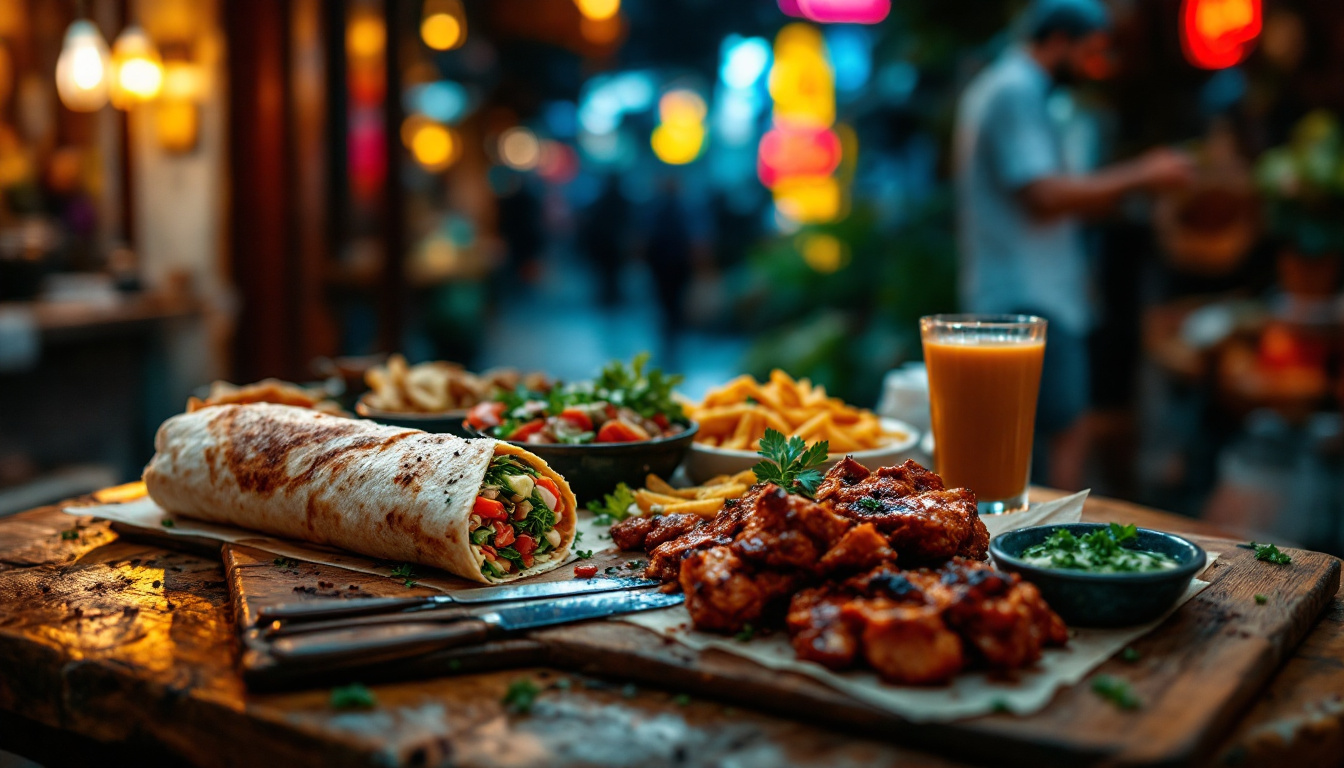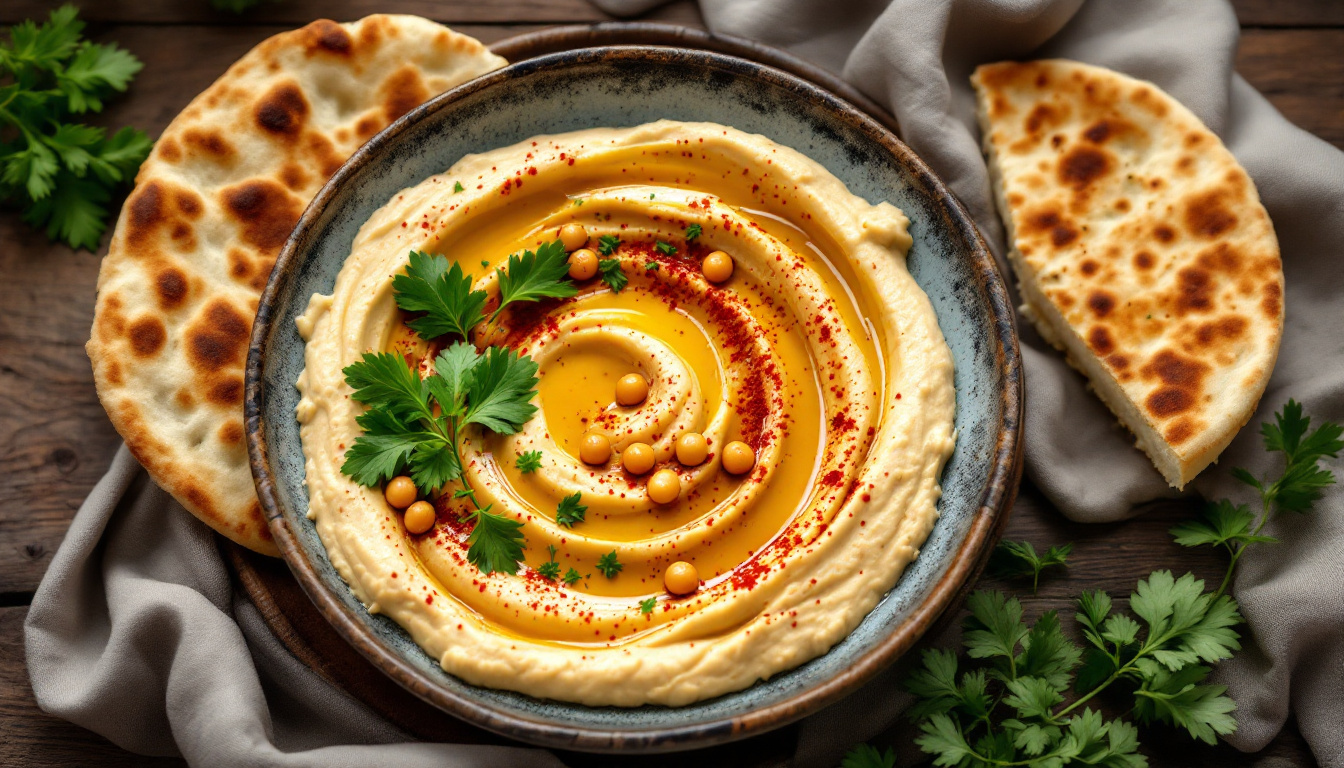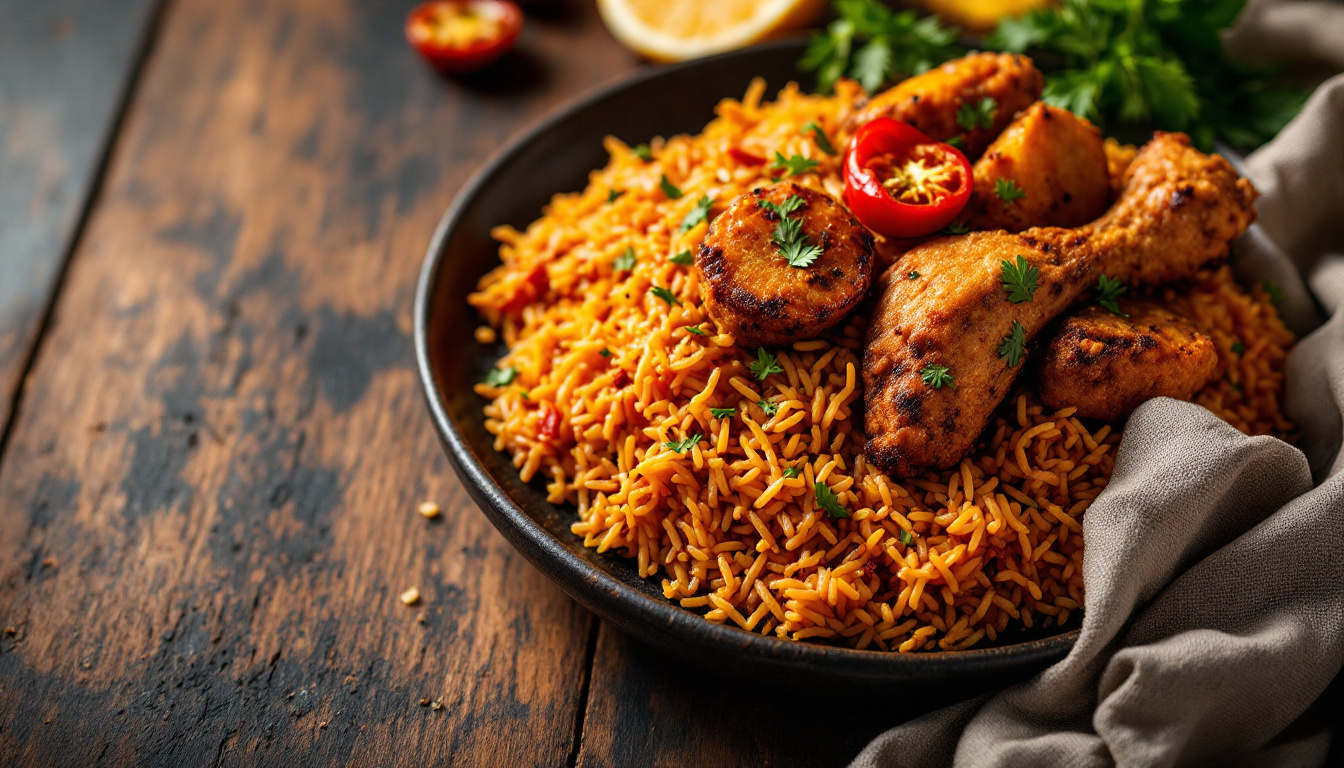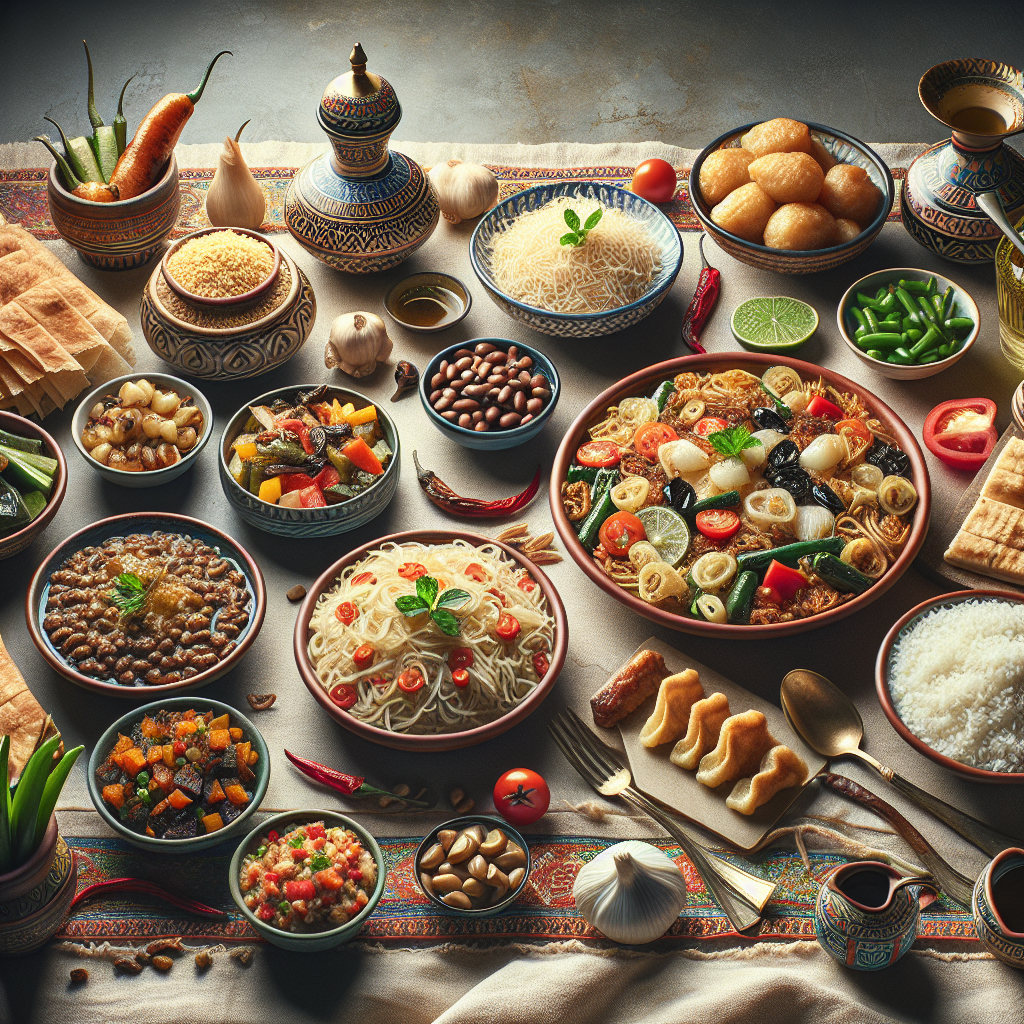
The best food to eat in Egypt is street food: a bowl of koshari for well under a dollar, fava-bean ful scooped up with warm baladi bread, and taameya, the fava falafel that is greener and lighter than the Levantine kind. This is Nile cooking, built on beans, bread and vegetables over five thousand years, and it stays cheap enough that almost nobody leaves hungry or out of pocket.
Egypt rewards the traveler who eats where the queue is. The ful cart at dawn, the koshari counter at noon, the hawawshi pulled from a wood oven at night. Almost none of it happens in a restaurant, and almost all of it costs a few pounds. Order a paper bowl of koshari, drown it in the garlic vinegar and the fried onions, and you have eaten the national dish for the price of a bottle of water.
This guide covers the street food, the breakfast staples, the stews and grills, the desserts and the drinks, with what to order and what it costs. Egypt is part of our guide to the best food in Africa and the Middle East.
Why Egyptian food is worth the trip
Egyptian food is worth a trip because it is the original Nile cooking, a peasant kitchen of beans, bread, grains and vegetables that has fed the country for millennia, with Ottoman, Levantine and Mediterranean layers added on top. It leans plant-based by default, it is built around sharing and bread (aish, which also means “life”), and the flavors run warm and garlicky rather than fiery. Cumin, coriander, garlic, and a chili relish called shatta that you add yourself, dish by dish.
The other reason is the price. The best and most characteristic Egyptian food is eaten standing at a koshari counter or a ful cart, not at a white tablecloth, and it costs next to nothing. Cairo and Alexandria are the great eating cities. Prices here are 2026, when the pound had slid to around EGP 50 to the US dollar, which is exactly why street food this good stays this cheap for a visitor.
Koshari, ful and street food
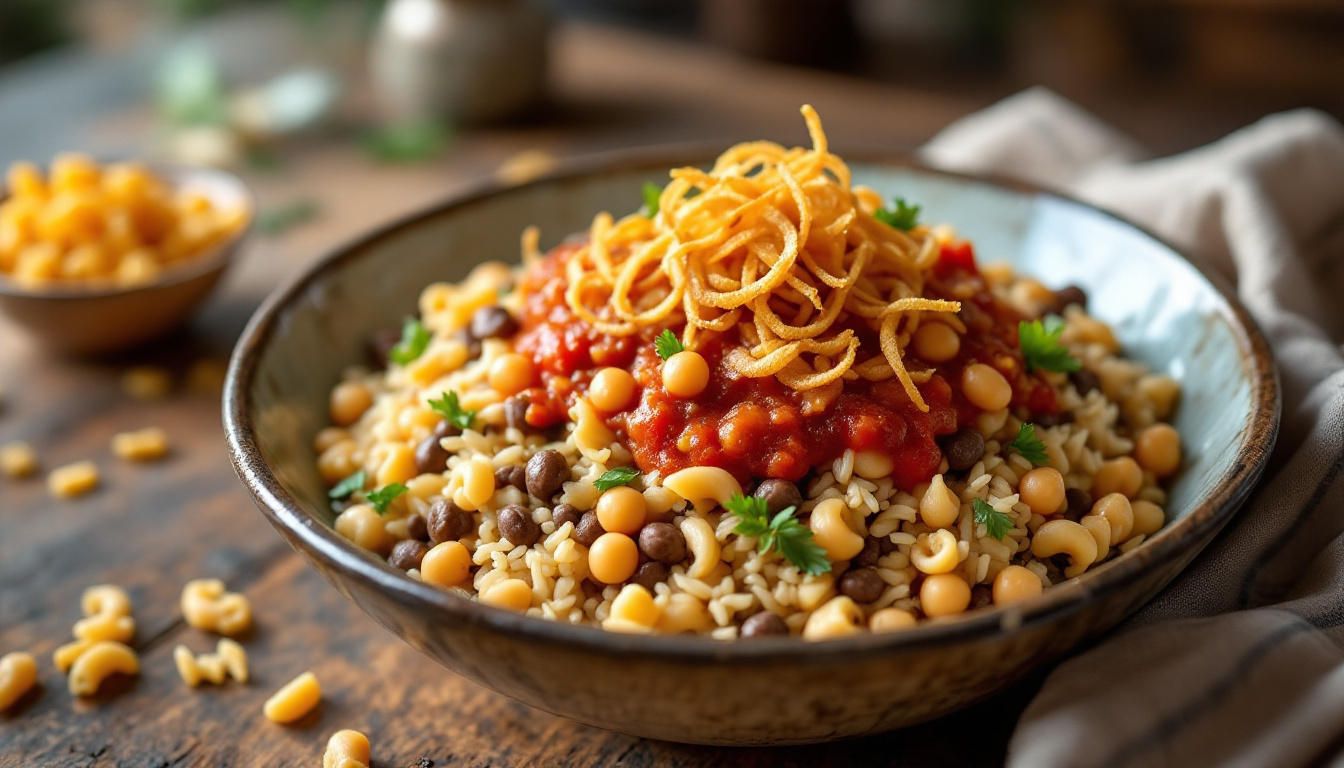
Koshari Koshary / Kushari
The national dish, and the one plate that laborers and ministers both eat. A bowl layered with rice, brown lentils, macaroni and chickpeas, hit with a spiced tomato sauce, a sharp garlic-vinegar dressing (da’a), a heap of crisp fried onions, and as much of the fiery shatta chili as you can handle. It is entirely plant-based, ruinously filling, and about as cheap as a hot meal gets anywhere.
EGP 20 to 60 depending on size, so somewhere between $0.40 and $1.20. Koshary Abou Tarek, on Champollion Street downtown, is the Cairo temple and prices it around EGP 13 to 25 for the fame; any counter with a queue of workers does it well.
Ful Medames Ful medames
The other national dish, and the breakfast the whole country wakes up to. Fava beans simmered overnight in a tapered copper pot (the idra), then mashed at the cart with olive oil, garlic, cumin and lemon and scooped up with warm baladi bread. You dress it however you like: an egg, a spoon of tahini, chopped tomato, a slick of chili oil. Egyptians have eaten it since the pharaohs, and they still argue about whose cart does it best.
EGP 15 to 35 for a bowl, or a few pounds for a ful sandwich to walk with. It is cheap fuel that keeps you going till mid-afternoon.
Taameya Taameya (Egyptian falafel)
Egypt’s falafel, and quite possibly the original one. Skinned dried fava beans (not chickpeas) blitzed with herbs, leeks and spices, which is what makes taameya greener inside and lighter than the version you get in Lebanon and the rest of the Levant. The discs get a coat of sesame seeds and go into the oil to order, then into a baladi-bread sandwich with salad, tahini and pickles.
EGP 10 to 30. A taameya sandwich handed to you hot from a busy stand is one of the great cheap breakfasts anywhere, and it is naturally vegan without trying to be.
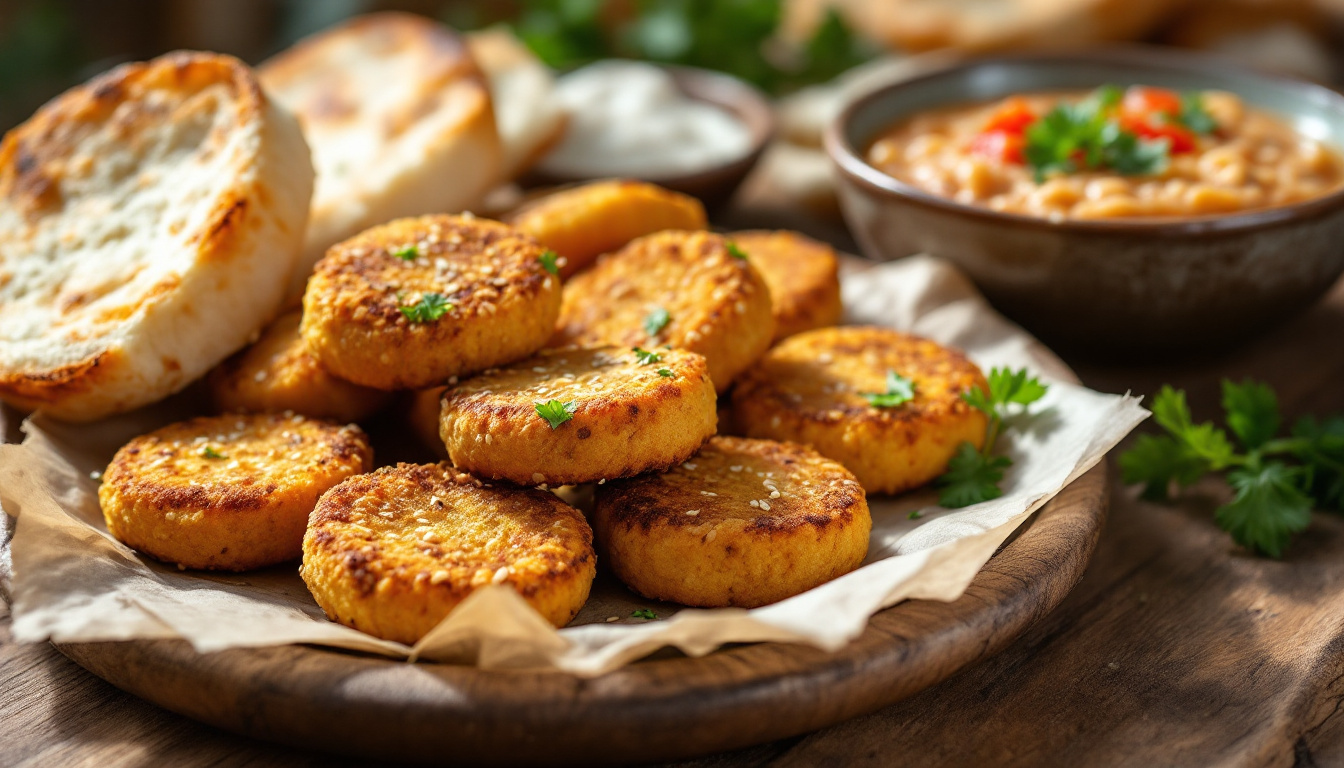
- Hawawshi. Spiced minced beef packed into baladi bread and roasted in a wood oven until the bread crisps like it was fried. A Cairo icon. Hawawshi El Rafaayee, behind Abdeen Palace, is the name people send you to. EGP 40 to 90.
- Shawarma. Marinated beef or chicken shaved off the spit into bread with tahini, garlic and pickles, the everyday fast food and a reliable late-night fix. Around EGP 60 for a sandwich.
- Feteer meshaltet. A layered, buttery, flaky pastry sometimes called Egyptian pancake pizza, served plain with honey and cheese or stuffed savory. Its roots run back to pharaonic offering bread.
- Aish baladi and termes. The puffy whole-wheat pita behind every meal, and termes, the salty lupin beans you nurse from a paper cone while you walk.
Mains, stews and grills
Molokhia Molokhia / Mulukhiyah
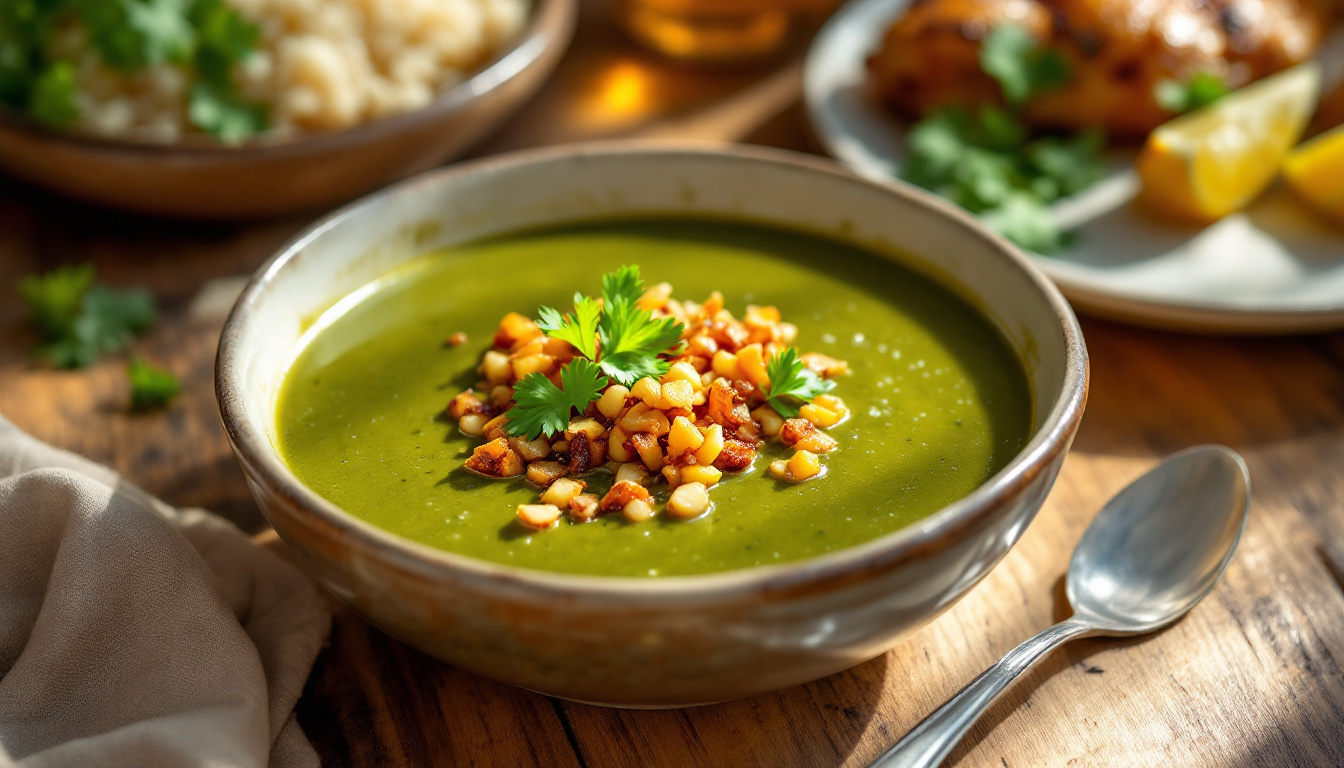
Finely chopped jute mallow leaves cooked down in chicken or rabbit broth into a green, faintly slippery soup, then finished with a loud sizzle of fried garlic and coriander (the ta’leya) tipped over the top at the last second. The name traces back to “muluk,” kings, since the pharaohs and caliphs are said to have guarded it. The texture splits people on the first spoon and converts most of them by the third. Served over rice with chicken, rabbit, or, on the coast, shrimp.
EGP 50 to 120 with meat. The Alexandria seafood version, made with the day’s catch, is the one to chase.
Hamam Mahshi Stuffed pigeon
Whole pigeon stuffed with seasoned rice or, better, freekeh (green cracked wheat), then grilled or roasted until the skin crisps and the grain inside drinks up the bird’s juices. Pigeons are raised all over the countryside in those tall conical mud-brick towers you see from the train. It is fiddly, bony work to eat, and the freekeh version pays you back for the effort.
EGP 120 to 300 depending on the place. A proper sit-down dish, not street food, and a favorite for a celebration.
Sayadeya Sayadeya (fisherman’s rice)
The coast’s answer to koshari: white fish baked or fried over rice that has been cooked in fish stock and deeply caramelized onions, scented with cumin and a little cinnamon. You meet it in Alexandria and Port Said, usually with a sharp tahini or dukkah on the side. Simple, brown, unglamorous to look at, and one of the best things on any Mediterranean-Egyptian table.
EGP 90 to 200 depending on the fish. Order it where the boats come in and the fish is the day’s, not the week’s.
Fattah Fattah
A layered feast of crisp fried bread and rice under chunks of lamb or beef, the whole thing soaked in a garlicky tomato-and-vinegar sauce. Fattah is the centerpiece of Eid al-Adha, an old dish with pharaonic roots, and it is rich enough that you plan the rest of the day around it. If an Egyptian family invites you to share theirs, say yes.
EGP 80 to 200. Not really a restaurant dish, more a holiday table, though grill houses will do you a plate.
- Mahshi and warak enab. Zucchini, eggplant, peppers, cabbage and vine leaves stuffed with herbed, spiced rice, cooked soft and eaten hot or at room temperature. Everyday home cooking at its best.
- Macaroni bechamel. Egypt’s baked pasta: penne and spiced minced meat under a golden bechamel crust, a first cousin of Greek pastitsio (see our Greek food guide). The dish every Egyptian grandmother owns.
- Kofta and kebab. Charcoal-grilled spiced minced-meat skewers and chunks of marinated lamb, ordered by weight at a grill house and brought with bread, tahini and salad.
- Kebda Eskandarani. Alexandria-style beef liver fried hard with garlic, green chili and cumin and jammed into bread. A coastal street sandwich worth a detour, and best in Alexandria itself.
- Feseekh. Fermented, salt-cured grey mullet, eaten mainly at Sham el-Nessim, the spring festival Egyptians have kept since pharaonic times. Pungent, an acquired taste, and a real one: buy only from a trusted specialist (a fasakhani), because badly cured feseekh can genuinely make you sick.
Desserts and drinks
Om Ali Umm Ali
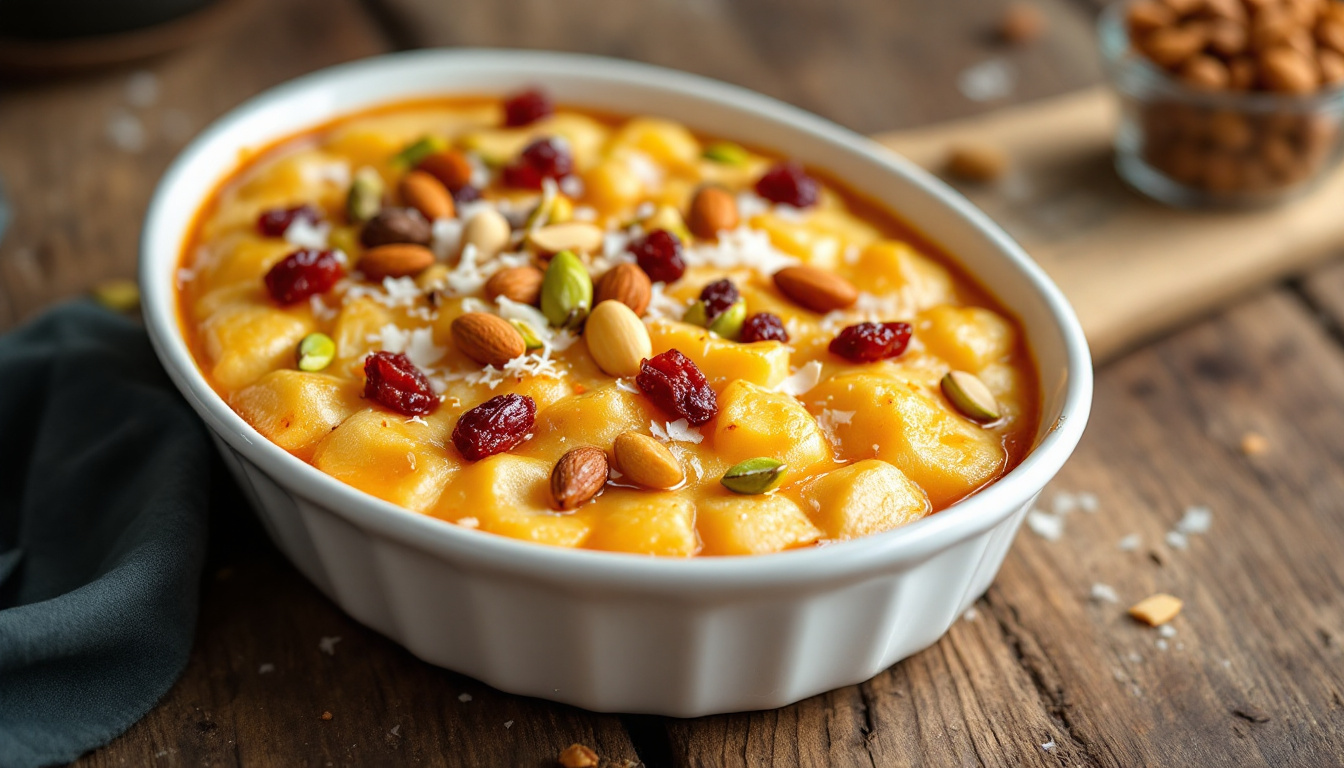
Egypt’s national dessert, and its great comfort sweet: torn pastry baked in sweetened milk with nuts, raisins and coconut until it sets golden, served warm. Think of it as a richer, nuttier bread pudding, with a genuinely bloody royal legend behind the name. Order it fresh from the oven, because a reheated om ali is a sad shadow of the real thing.
EGP 40 to 90. Almost every balady restaurant makes one; the good versions come out puffed and barely holding together.
- Basbousa. Semolina cake soaked in sugar syrup with an almond pressed on top, dense and sweet and sold on every corner.
- Konafa. Shredded pastry layered with nuts or sweet cream, baked crisp and drowned in syrup, at its peak during Ramadan.
- Mahalabiya and roz bel laban. A soft rosewater milk pudding under nuts and cinnamon, and Egyptian rice pudding, the two everyday milk sweets.
- Karkade and sahlab. Hibiscus steeped deep red and drunk hot or iced, tart and reviving, the drink of welcome and of Nubia; and sahlab, a thick warm milk drink under nuts and cinnamon for winter.
- Shai and ahwa. Strong sweet black tea (shai) all day long, and thick Turkish-style coffee, often with cardamom, drunk slow in the ahwa, the old coffeehouse where the city actually happens.
Best food cities in Egypt
The street-food capital. Koshari at Abou Tarek, ful and taameya carts working before sunrise, hawawshi from the wood ovens behind Abdeen, feteer in Islamic Cairo, and the old ahwa coffeehouses around Khan el-Khalili. This is the deepest and cheapest eating in the country, and you could stay a week and only scratch it.
The Mediterranean seafood city. Fish grilled or fried to order by the harbor, sayadeya, seafood molokhia, and the Kebda Eskandarani liver sandwiches the city is famous for. A breezier, saltier food world than Cairo, and worth the two-hour train for a day of eating alone.
Southern, Nubian-inflected cooking: clay-pot tagen stews, a bit more spice than the north, fresh Nile fish, and karkade poured everywhere. Eat at a Nubian house on Elephantine Island, where the setting does half the work.
Slow Upper Egyptian cooking: grilled pigeon, tagens, and bread baked in village ovens, often eaten on a felucca or a cruise boat between temple stops.
Best food to eat in Egypt: the dish guide with 2026 prices
| Dish | Type | Region | Price (2026) | Must-try |
|---|---|---|---|---|
| Koshari | Street food | Nationwide | EGP 20–60 ($0.40–1.20) | ★★★★★ |
| Ful medames | Breakfast | Nationwide | EGP 15–35 ($0.30–0.70) | ★★★★★ |
| Taameya | Street food | Nationwide | EGP 10–30 ($0.20–0.60) | ★★★★★ |
| Molokhia | Soup/stew | Nationwide | EGP 50–120 ($1–2.40) | ★★★★★ |
| Hawawshi | Street food | Cairo | EGP 40–90 ($0.80–1.80) | ★★★★★ |
| Sayadeya | Fish/rice | Alexandria | EGP 90–200 ($1.80–4) | ★★★★☆ |
| Hamam mahshi | Grill | Nationwide | EGP 120–300 ($2.40–6) | ★★★★☆ |
| Fattah | Feast | Nationwide | EGP 80–200 ($1.60–4) | ★★★★☆ |
| Macaroni bechamel | Baked pasta | Nationwide | EGP 40–90 ($0.80–1.80) | ★★★★☆ |
| Kebda Eskandarani | Street food | Alexandria | EGP 40–80 ($0.80–1.60) | ★★★★☆ |
| Feteer meshaltet | Pastry | Nationwide | EGP 50–120 ($1–2.40) | ★★★★☆ |
| Om Ali | Dessert | Nationwide | EGP 40–90 ($0.80–1.80) | ★★★★★ |
| Basbousa | Dessert | Nationwide | EGP 20–50 ($0.40–1) | ★★★★☆ |
| Konafa | Dessert | Nationwide | EGP 40–90 ($0.80–1.80) | ★★★★☆ |
| Karkade | Drink | Nationwide | EGP 15–40 ($0.30–0.80) | ★★★★☆ |
How to eat in Egypt
- Eat with your right hand and bread. Egyptian food is scooped with baladi bread, not cutlery, and the left hand is kept out of the shared dish.
- Follow the koshari and ful crowds. The busiest counter is the freshest and the safest; high turnover is the whole trick to eating street food well.
- Treat bread with respect. Aish means both bread and life, so you do not waste it or drop it on the floor.
- Set your own heat with shatta. The food is garlicky and savory rather than hot, and the chili sauce on the table is there for you to adjust.
- Carry small change for baksheesh. A tip of around 10 percent at restaurants, and a pound or two for the small services that appear everywhere, is expected.
For dining customs elsewhere, see our guide to food etiquette around the world.
How to eat well in Egypt on any budget
Budget: the street
A ful or taameya sandwich for breakfast (a few pounds), koshari for lunch (EGP 20 to 60), hawawshi or shawarma at night. Egypt is one of the cheapest countries on earth to eat well, and you can graze the street all day for a couple of dollars without trying.
Mid-range: balady restaurants
A sit-down molokhia with chicken, a mixed grill of kofta and kebab, mahshi and bread, om ali to finish. A full meal at a traditional restaurant runs roughly EGP 80 to 200 ($1.60 to $4), still cheap, with the whole range of home-style cooking on the menu.
High-end: Nile and hotel dining
Refined Egyptian and pan-Levantine kitchens in Cairo, Nile dinner cruises, and the grand old hotels rework the classics like fattah and pigeon. Even the splurges read as modest by international standards.
Frequently asked questions about Egyptian food
What is the national dish of Egypt?
Egypt has two. Koshari, a bowl of rice, lentils, macaroni and chickpeas under spiced tomato sauce and fried onions, is the all-day national dish; ful medames, slow-cooked fava beans, is the universal breakfast. Both are cheap, filling and entirely plant-based.
What is the difference between taameya and falafel?
Taameya is the Egyptian falafel, and likely the original. It is made from skinned dried fava beans instead of chickpeas, which makes it greener inside, lighter and more herby, shaped into flat discs and coated in sesame seeds. Levantine falafel uses chickpeas and is rolled into balls.
How much does food cost in Egypt per day?
Egypt is one of the cheapest food destinations in the world in 2026, with the pound near EGP 50 to the dollar. A koshari is EGP 20 to 60 (about $0.40 to $1.20), a ful or taameya sandwich a few pounds, and a full sit-down meal EGP 80 to 200 ($1.60 to $4). Budget travelers eat very well on a couple of dollars a day.
Where should I eat in Cairo?
Start with the street. Koshary Abou Tarek on Champollion Street downtown is the koshari institution; Hawawshi El Rafaayee behind Abdeen Palace is the hawawshi name locals give you; and the ful and taameya carts near any market work from before dawn. For coffee and people-watching, the old ahwa coffeehouses around Khan el-Khalili. Follow the queues over the signs.
Is Egyptian food good for vegetarians?
Exceptionally. Egypt is one of the easiest countries anywhere for plant-based eating: koshari, ful medames, taameya, mahshi, many vegetable tagens and most breakfast and street food are naturally vegan, a legacy of Coptic fasting traditions. Just check that a dish is not cooked in meat broth.
What is molokhia?
Molokhia is a green soup made from finely chopped jute mallow leaves cooked in chicken or rabbit broth and finished with fried garlic and coriander. The slightly slippery texture divides newcomers, but it is one of Egypt’s most loved dishes, served over rice with poultry, rabbit, or, in Alexandria, seafood.
Is it safe to eat street food in Egypt?
Generally yes, with the usual care. Pick the busiest stalls with high turnover, stick to hot freshly cooked food like koshari, ful, taameya and grilled meats, drink bottled water, and ease into raw salads slowly. Most travelers eat street food happily; start with the cooked classics and build up from there.
More food guides waiting for you
Browse our complete collection of Middle East and African food guides.