The best food to eat in Cambodia is quieter than its neighbors, and that’s the surprise. Khmer cooking doesn’t chase chili heat the way Thai food does. It leans on fermented fish, lemongrass paste and palm sugar instead, building flavors that are funky, herbal and a little sweet. The signature dish, fish amok, barely looks like a curry at all: a soft yellow mousse steamed in a banana leaf until it wobbles. I went expecting a milder Thailand and found a cuisine with its own logic entirely.
Why Cambodian food is worth the trip
Cambodian food is built on three things, and none of them is chili: prahok, kroeung and palm sugar. Prahok, a pungent fermented fish paste, flavors stews and dips from the inside out. It’s the savory backbone of the whole cuisine. Kroeung is the pounded paste of lemongrass, galangal and kaffir lime that gives Khmer curries their herbal lift. Palm sugar softens the edges. Put them together and you get food that’s funky, herbal and gently sweet rather than fiery.
That’s the big difference from its famous neighbor. Khmer cooking usually runs milder than Thai food, with the chili left on the table for you to add yourself. Freshwater fish is the other signature. Much of it comes from the Tonle Sap, the giant lake that swells and shrinks with the seasons and feeds half the country.
What you get is a cuisine that keeps surprising you. It’s less polished and less exported than Thai or Vietnamese, so the dishes still feel like discoveries. Order the fermented things. That’s where Cambodia actually lives.
The best food to eat in Cambodia, dish by dish
These are the thirteen dishes I’d build a trip around, from the national curry to a fried spider for the brave. Cambodia runs on US dollars, so the prices below are real, not converted, though small change comes back in riel.
Fish Amok អាម៉ុក
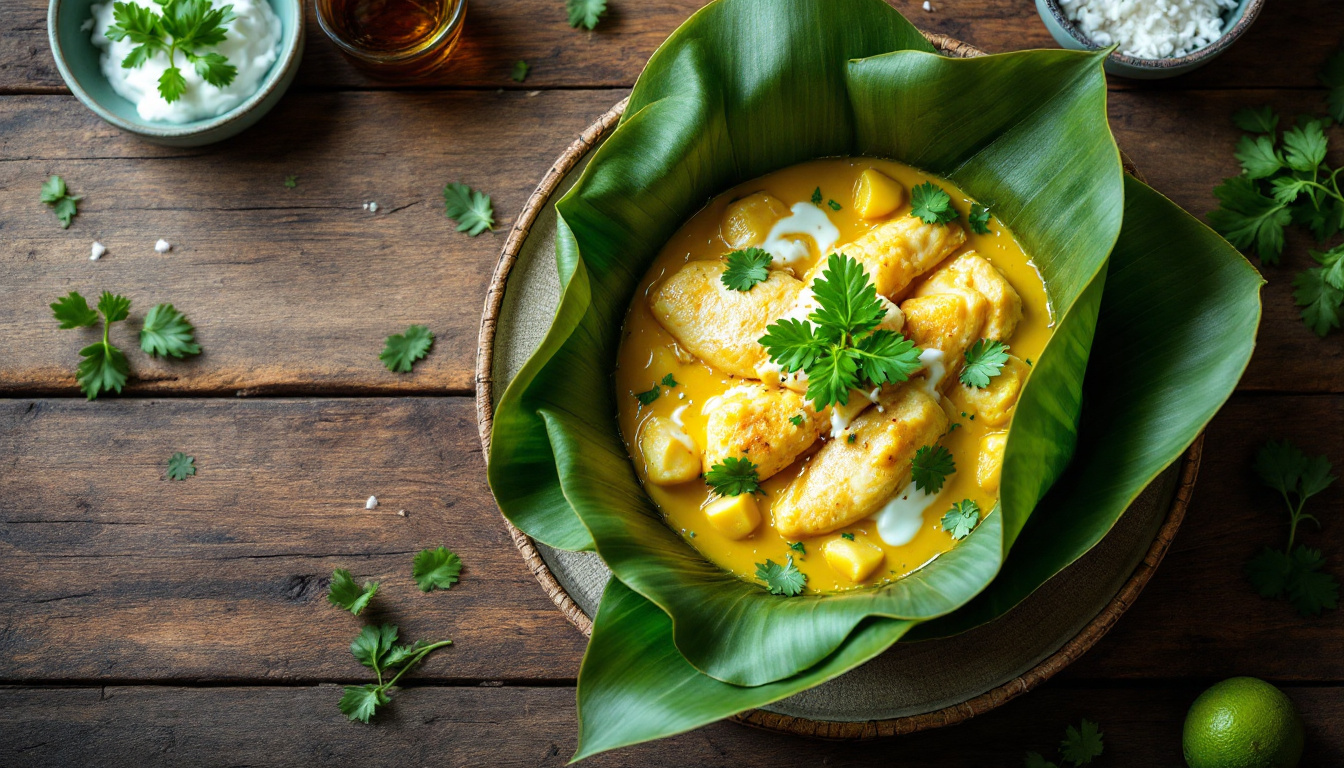
Fish amok is Cambodia’s national dish, and the one to order first. Freshwater fish gets folded into coconut milk and kroeung, then steamed in a banana leaf until it sets into a soft mousse that melts on the spoon. Creamy, herbal, with kaffir lime cutting the richness. Chicken and vegetarian versions exist, but the steamed fish one is the real deal. Skip the watered-down curry-soup amok the tourist spots serve. Look for the proper steamed mousse.
Kuy Teav គុយទាវ
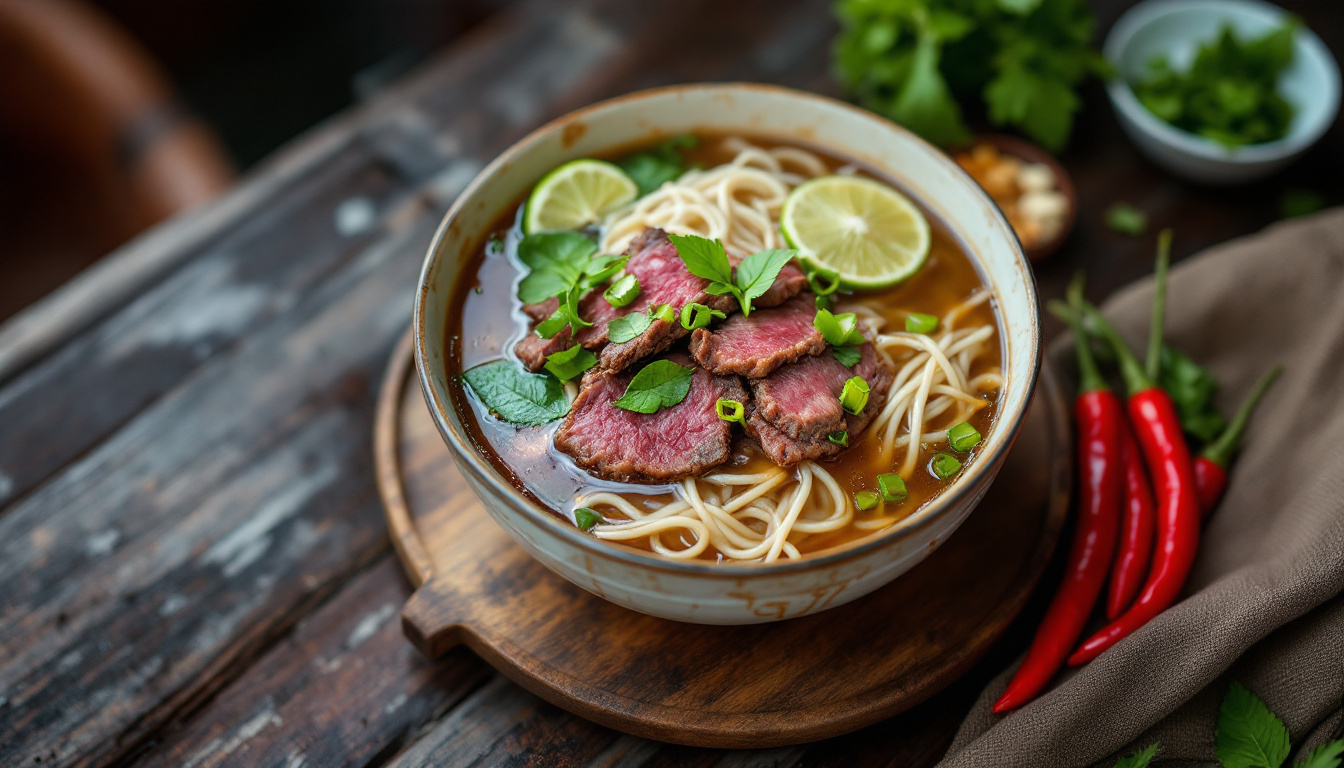
Kuy teav is the breakfast that wakes Cambodia up, a clear pork or beef broth poured over rice noodles. It comes piled high. Bean sprouts, herbs, fried garlic, slices of pork, then you season it yourself at the table with lime, chili, sugar and fish sauce. The broth is light but deep, hours of simmered bones behind it. In Phnom Penh this is the morning ritual. Pull up a plastic stool, build your bowl, start the day the way locals do.
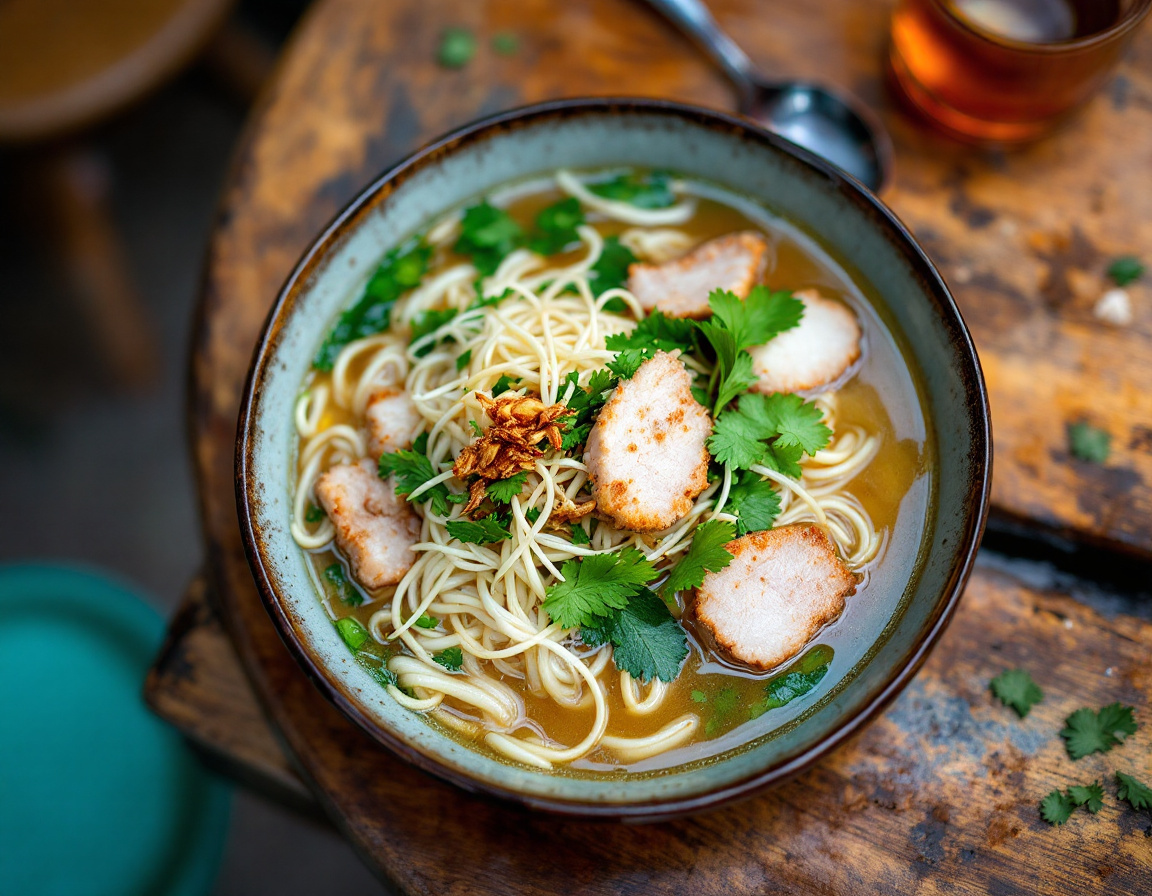
Nom Banh Chok នំបញ្ចុក
Nom banh chok, often just called Khmer noodles, is what locals eat before the heat sets in. Fresh rice noodles, pounded by hand. Then they’re drowned in a light green fish curry of lemongrass, turmeric and fingerroot. What sells it is the pile on top: cucumber, banana flower, long beans, bean sprouts and a fistful of wild herbs. Baskets of it move through the streets all morning. Light, sour, green, gone by noon.
Lok Lak ឡុកឡាក់
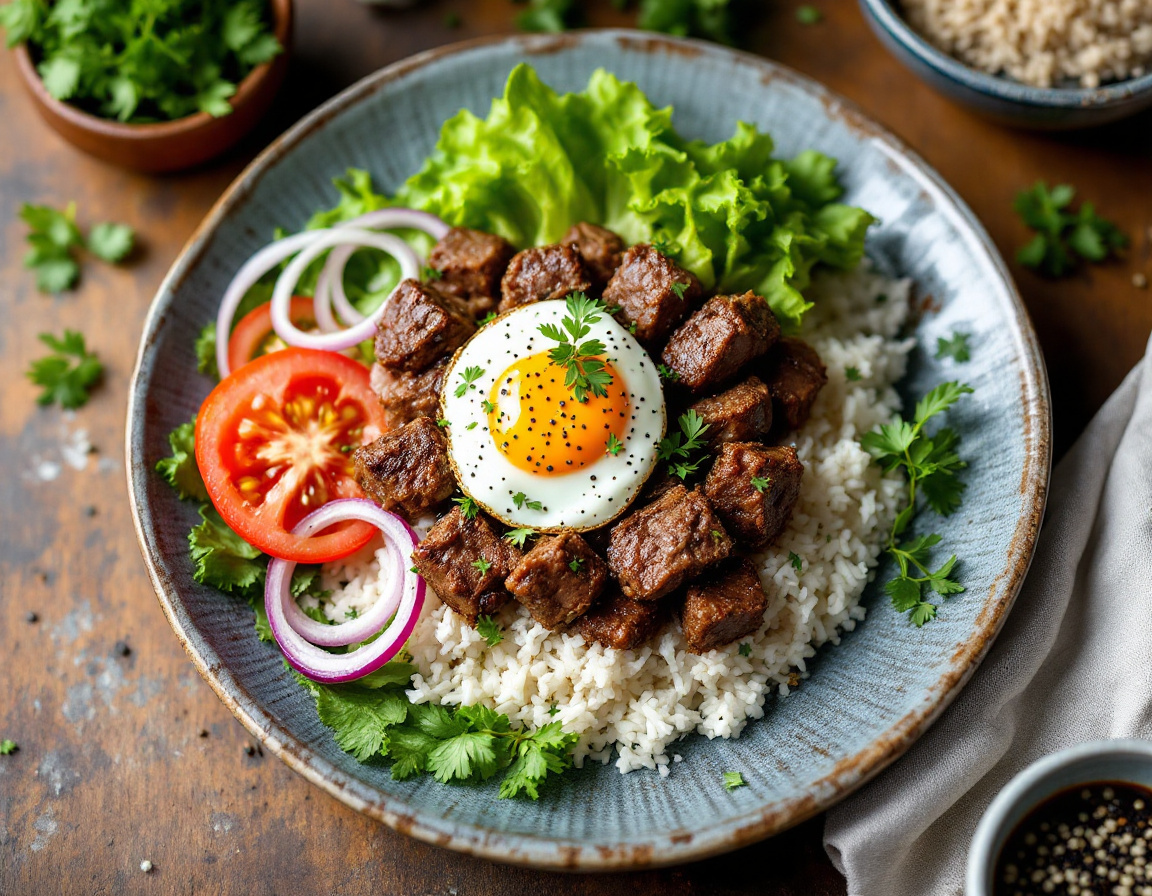
Lok lak is stir-fried beef built around its dipping sauce, and that sauce is the point. Cubes of marinated beef, seared fast, piled on lettuce, tomato and raw onion, usually with a fried egg and rice alongside. The dip is tuk meric: lime juice, salt and Kampot black pepper, mixed to taste. Dunk every bite. That pepper-and-lime hit against the savory beef makes it one of the easiest Khmer dishes to love.
Bai Sach Chrouk បាយសាច់ជ្រូក
Bai sach chrouk is grilled pork over broken rice, and it’s about as simple as great food gets. Thin slices of pork, marinated sometimes in coconut milk or garlic, grilled slowly over coals until the edges caramelize. It lands on broken rice with pickled cucumber and daikon, a bowl of clear broth on the side. Street corners sell it from dawn. For a dollar or so, it beats almost anything fancier.
Samlor Korkor សម្លការគោរ
Samlor korkor is the soup Cambodians name when you ask what home tastes like, a thick country stew of vegetables, fish or pork. It carries both pillars of Khmer cooking at once: prahok for the funky savory depth, kroeung for the aromatics, thickened with toasted ground rice. The vegetables change with the season, so no two bowls match. Its tangier sibling, samlor machu trey, is a sour fish soup spiked with tamarind that turns up on just as many home tables. Both are humble and rustic, nothing like restaurant amok. This is what families actually cook.
Prahok Ktis ប្រហុកខ្ទិះ
Prahok ktis puts Cambodia’s fermented fish front and center, no hiding it. Prahok gets simmered with coconut milk, minced pork, kroeung and a little palm sugar into a rich, salty, intense dip. It comes with a platter of raw vegetables, cucumber, long beans, cabbage, for scooping. The smell is strong and the flavor stronger. But this is Khmer cooking distilled onto one plate, the dish locals are too polite to push on you. Order it anyway.
Lort Cha លតឆា
Lort cha is Cambodia’s stir-fried comfort noodle, made with short, fat rice pins that look like stubby worms. They get tossed hard in a wok with soy sauce, oyster sauce, bean sprouts and greens, usually with beef, then crowned with a fried egg. What you’re after is the wok char, that smoky edge off high heat. Cheap, filling, everywhere at night markets. Order extra chili sauce on the side and a runny yolk to stir through.
Cha Kroeung ឆាគ្រឿង
Cha kroeung is the everyday lemongrass stir-fry that shows what kroeung does outside a curry. The paste gets fried until it blooms. Then meat (chicken, beef or seafood) and vegetables hit the wok, fast and hot. Dry, deeply lemongrass-forward, sometimes spiked with fresh green peppercorns in season. You’ll see it on every Khmer menu and in every home kitchen. Simple, but it tells you everything about how Cambodians build flavor.
Khmer Red Curry សម្លការី
Khmer red curry (samlor kari) is the curry that comes out for weddings, holidays and Sunday family meals. Lighter and sweeter than the Thai version, simmered with coconut milk, kroeung, beef or chicken, sweet potato and long beans, only mildly spiced. The telling detail is how you eat it: mopped up with a chunk of French baguette rather than rice, a quiet leftover from the colonial years. Rich, gentle, a little festive. It’s the curry to order when amok feels too delicate.
Num Pang នំបុ័ង
Num pang is Cambodia’s answer to the banh mi, a French-colonial baguette turned into a Khmer sandwich. The bread gets split and filled with pate, cold cuts or grilled pork, then layered with pickled vegetables, cucumber, chili and herbs. Lighter, and often a touch sweeter, than its Vietnamese cousin. Grab one from a cart for breakfast or a snack between meals. For comparison, the Vietnamese banh mi takes the same colonial bread somewhere else entirely.
Khmer BBQ (Sach Ko Ang) សាច់គោអាំង
Sach ko ang, the lemongrass beef skewers grilled over coals, is what Cambodian evenings smell like. Strips of beef marinated in lemongrass, garlic and palm sugar, threaded onto sticks and grilled until smoky and just sweet at the edges. Roadside grills and riverside stalls sell them, eaten with sticky rice or fresh bread and a chili-lime dip. Buy a handful for a dollar or two and eat them standing up. Street food doesn’t get more direct than this.
A-ping (Fried Spiders and Crickets) អាពីង
A-ping, deep-fried tarantula, is the snack that draws gasps and still earns one try. The town of Skuon, halfway between Phnom Penh and Kampong Cham, is the famous source, where vendors sell the crisp, garlicky spiders by the basket. The legs crunch, the body’s soft, and the flavor lands near fried soft-shell crab. Crickets, silkworms and water beetles share the trays. It started as protein born of hard times and became a real local snack, eaten long after the tourists leave.
How food changes across Cambodia
Cambodian food shifts by region, shaped by the Tonle Sap lake, the coast and the pepper farms of the south. Where you travel changes what lands on your plate.
The capital is the country’s breakfast bowl, where kuy teav noodle soup and bai sach chrouk own the morning. It’s also the easiest place to eat the whole Khmer range, street carts through to polished modern Cambodian kitchens, plus the strongest French-colonial legacy in the bread and coffee.
Siem Reap pairs the Angkor temples with serious eating, and the real food sits away from the bars. Skip the overpriced spots on Pub Street. Head to Phsar Leu, the sprawling local market about 3km from the center, for grilled fish, noodles and prahok-laced stews where Cambodians actually shop and eat.
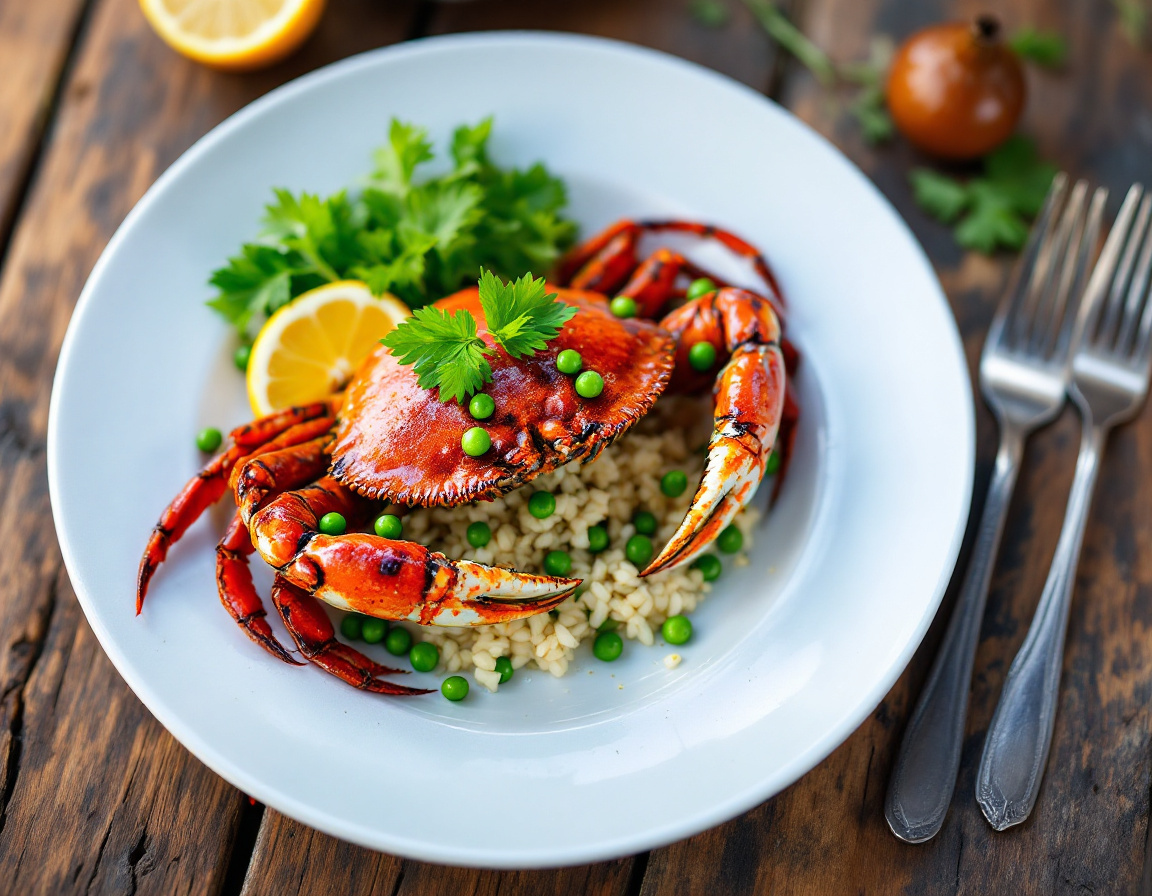
The southern coast is Cambodia’s flavor capital, home to Kampot pepper, a protected crop chefs chase across the globe. In nearby Kep, the move is fresh crab stir-fried with green Kampot peppercorns at the seafront crab market. Best seafood meal in the country, full stop.
The great lake is the engine of Khmer cooking, supplying the freshwater fish that becomes amok, prahok and countless stews. Around Battambang, the rice bowl grows much of the country’s rice and fruit. And the floating and stilt villages cook fish in ways you’ll see nowhere else.
Where to eat: markets, street corners and BBQ
The best food in Cambodia is found in three places: morning street corners, local markets and evening grills. Restaurants are fine, but the country eats outdoors.
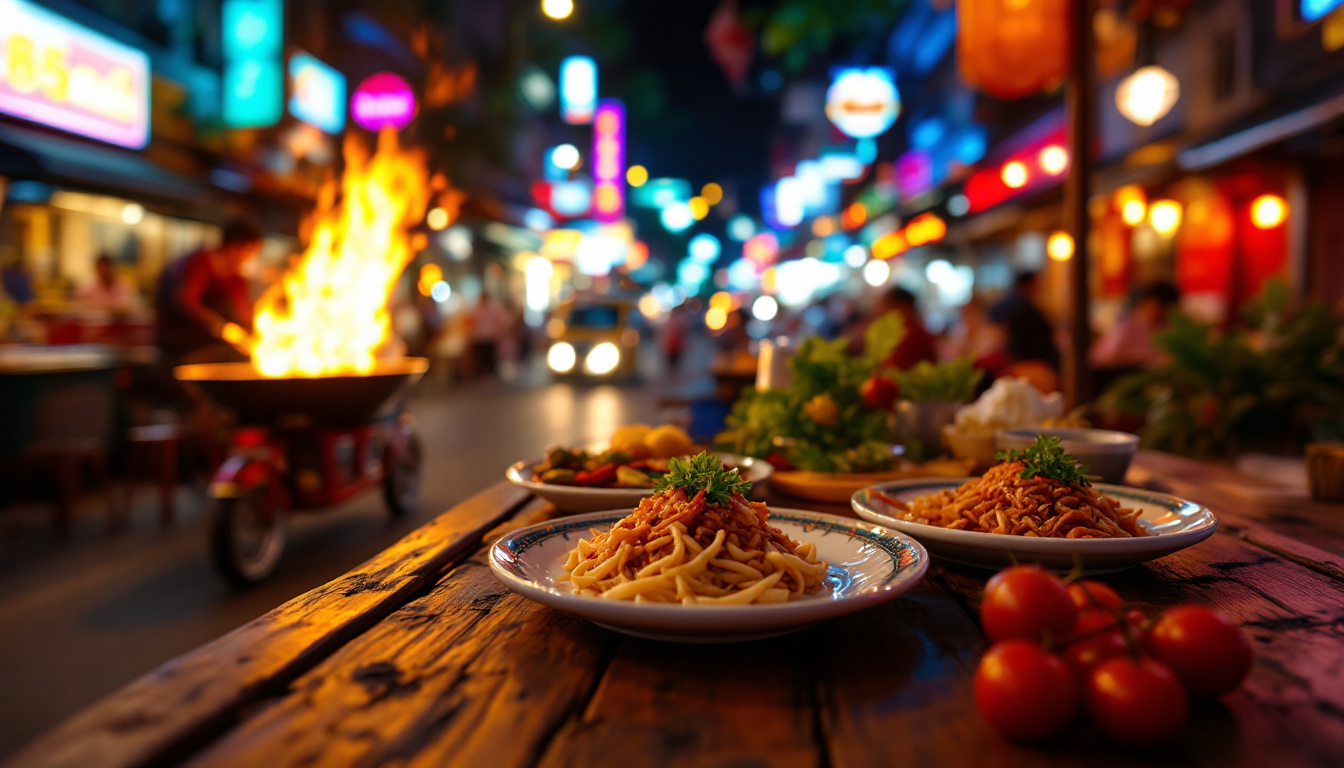
Mornings belong to the street corner, where bai sach chrouk grills over coals and noodle-soup vendors set out plastic stools by 6am. Daytime, it’s the markets: Phsar Leu in Siem Reap, the Russian Market or Central Market in Phnom Penh, each hiding food courts where stallholders cook a handful of dishes brilliantly. Come evening, it shifts to riverside and roadside BBQ, lemongrass skewers smoking over charcoal.
One rule travels everywhere here: eat where the crowd is Cambodian. A busy stall means fast turnover and fresh food. It means locals trust it. Cambodia sits in the same street-food-rich corner of the map as the rest of the region in our guide to the best food in Asia, and the same instinct serves you well across all of it.
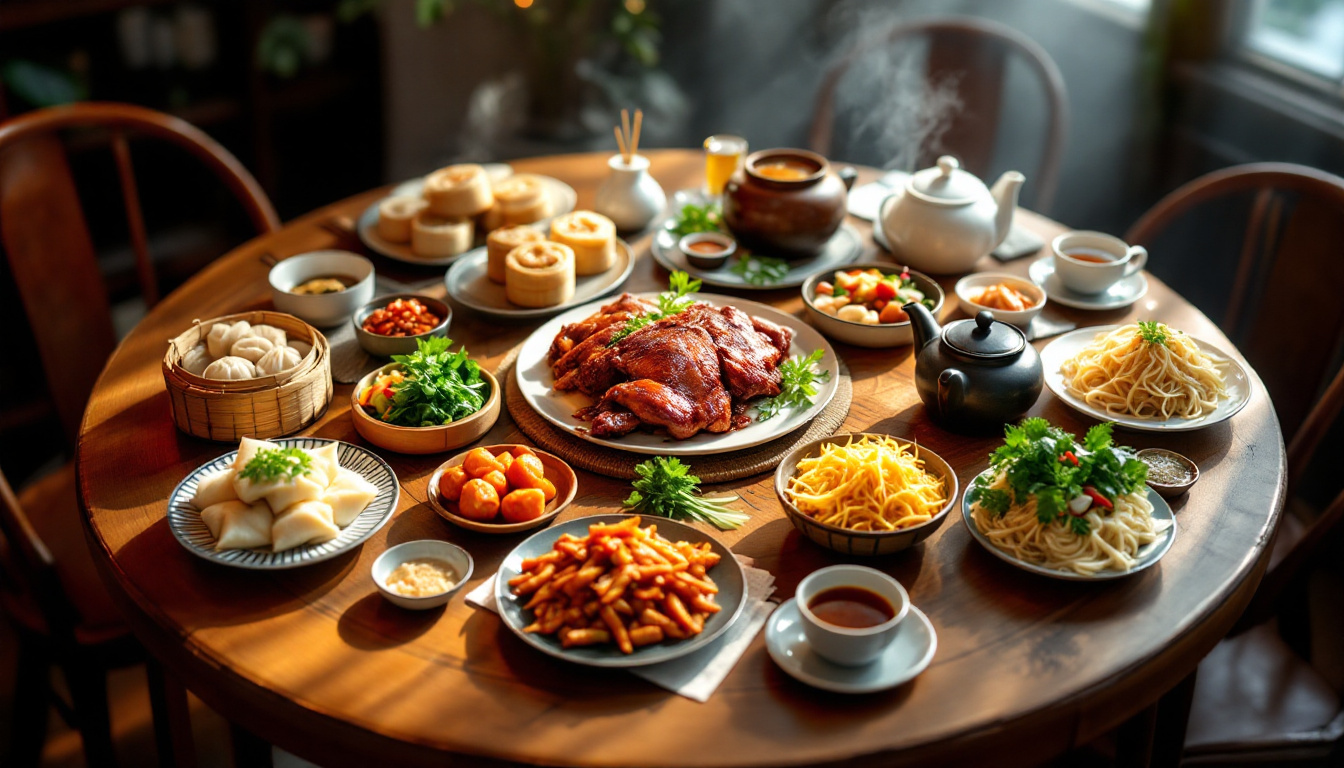
- The spoon is your main utensil, held in the right hand, with the fork in the left to push food onto it. Chopsticks are mostly for noodle soups.
- Meals are shared family-style, with communal dishes in the middle and your own bowl of rice. Take small amounts at a time.
- Let elders start eating first, and serve them before yourself. It’s the simplest way to show respect.
- Pass and receive dishes or money with your right hand, or both hands, never the left alone.
What to drink in Cambodia
The drink to order first in Cambodia is iced coffee, brewed dark and sweetened hard with condensed milk, a straight hangover from French colonial coffee culture. Strong, sweet, built for the heat. After that, fresh sugarcane juice (tuk ampov). They press it to order, stalks fed through a hand-cranked roller, often with a squeeze of orange.
For something boozy and local, look for tuk tnaot. It’s palm wine, tapped from sugar-palm trees and drunk fresh, mildly sweet and lightly fizzy by afternoon. Angkor and Cambodia are the everyday beers, cheap and cold everywhere. Then there’s teuk kroeung, a tangy herb-and-fish dip thinned into a drinkable sour broth. Out in the countryside it blurs the line between drink and dish. Stick to bottled water to actually hydrate, and treat the rest as flavor. Finish sweet: num ansom chek (banana sticky-rice cakes wrapped in banana leaf), or sticky rice with mango and coconut cream. Both go for small change at any market.
FAQ
Is Cambodian food spicy?
Cambodian food is generally mild. It’s built on fermented fish, lemongrass and palm sugar, not chili heat. Most dishes arrive with chili and condiments on the side, so you season to taste. Gentler than Thai food, and easy going for travelers who don’t love heat.
Is Khmer food like Thai food?
Khmer food shares ingredients with Thai, lemongrass, galangal, kaffir lime. But it’s milder, less sweet-sour, and built around prahok, a fermented fish paste central to Cambodian cooking. Where Thai curries run fiery, Khmer ones like fish amok stay creamy and herbal. Cousins, not twins.
Is Cambodia good for vegetarians?
Cambodia takes some effort for vegetarians. Prahok and fish sauce flavor a lot of dishes even when no meat is obvious. Safer bets: stir-fried morning glory (cha trakuon), other vegetable cha, fresh nom banh chok ordered without the fish gravy, fruit, num pang with vegetables. Say “ot sai trey, ot sai sach” (no fish, no meat) and double-check. Fish paste hides in a lot of cooking.
What is Cambodia’s national dish?
Fish amok is Cambodia’s national dish. It’s a coconut fish curry, steamed in banana leaf until it sets into a soft mousse. Samlor korkor, a thick vegetable and fish stew, often gets called the national soup. Both lean on kroeung, the lemongrass spice paste Khmer cooking is built on.
How much does food cost in Cambodia?
Food in Cambodia is cheap. Street meals like bai sach chrouk or noodle soup run $1 to $3. A restaurant fish amok is around $4 to $6 as of 2026. The country uses US dollars, so prices come in dollars and you get riel back as small change. Carry small, clean bills.
Is street food in Cambodia safe to eat?
Street food in Cambodia is generally safe, as long as the stall’s busy, the turnover’s high, and the food’s cooked hot in front of you, grilled pork, noodle soups, skewers. Stick to bottled or filtered water. Go easy on raw vegetables and pre-cut fruit early in a trip. The busiest stall is usually the safest one.
More food guides waiting for you
Browse our complete collection of Asian food guides.