The world’s strangest foods are only strange if you didn’t grow up with them. A fertilized duck egg. A cheese full of live larvae. A fruit banned from hotel lobbies for its smell. Somewhere, each of these is comfort food, a delicacy, the taste of home. What follows is a respectful tour of 29 dishes that sound alarming to outsiders and are adored by the people who make them. Some you should absolutely try. A couple you should approach with real care. All of them tell you something true about a place.
What makes a food “weird”?
A food feels weird when it breaks a rule you didn’t know you had. Texture, smell, which animal parts are fair game, whether something should still be moving. None of that means it tastes bad. Most of the dishes below come from centuries of resourcefulness: nothing wasted, every part used, flavor coaxed out of fermentation and time. The word strange says more about the eater than the food. Approach with curiosity, ask locals how to eat it, and a lot of that fear turns into one of the best meals of your trip.
Fermented and funky
Fermentation is humanity’s oldest flavor technology, and it produces some of the most pungent food on earth. These are dishes where time, bacteria and bravery meet.
Casu marzu Sardinia, Italy
Casu marzu is a Sardinian pecorino deliberately ripened with live cheese-fly larvae, which break the fats down into a soft, weeping, intensely pungent paste. It’s traditionally eaten with the maggots still in it, and it’s officially banned from sale on health grounds. You’ll only find it through shepherds and home tables across Sardinia, Italy’s most rural island. This is the one dish here I’d call genuinely risky, not just unfamiliar.
Surstromming surstromming
Surstromming is Baltic herring fermented in the tin until the can bulges and the smell becomes legendary. Swedes open it outdoors, underwater if they’re wise, then eat the soft, sour fillets on thin tunnbrod flatbread with potato, onion and sour cream. The aroma is ferocious, but wrapped in bread the flavor is sharp and surprisingly mellow. It is a proud northern ritual, covered more in our guide to the best food in Sweden.
Hákarl kæstur hákarl
Hákarl is Greenland shark, a fish whose fresh flesh is toxic with urea and trimethylamine oxide, made safe the slow way: the meat is pressed to drain and left to ferment for six to twelve weeks, then hung in open drying sheds for another three to five months. What comes out smells powerfully of ammonia and tastes chewier and milder than the smell promises, a little like a very old cheese. Icelanders eat small cubes on toothpicks at Þorrablót, the midwinter feast, usually chased with a shot of Brennivín, the caraway schnapps. The animal itself is remarkable: a 2016 study in Science dated one Greenland shark at around 392 years old (somewhere between 272 and 512), the longest-lived vertebrate known. To see it cured, the Bjarnarhöfn Shark Museum on the Snæfellsnes peninsula has been making hákarl for generations.
Lutefisk lutefisk / lutfisk
Lutefisk is dried stockfish brought back to life with lye. The cod soaks in cold water for five or six days, then in a lye (sodium hydroxide) solution for two more, then in fresh water for another four to six days before it is safe to cook. That alkaline bath, at a pH of around 12 to 13, rearranges the fish proteins into a trembling, jelly-like texture that divides even Scandinavians. It is a Christmas dish: Norwegians serve it with potatoes, mushy peas, bacon and melted butter, Swedes with a white sauce and a dusting of allspice. The habit crossed the Atlantic so completely that Madison, Minnesota calls itself the lutefisk capital of the world.
Century egg pidan, 皮蛋
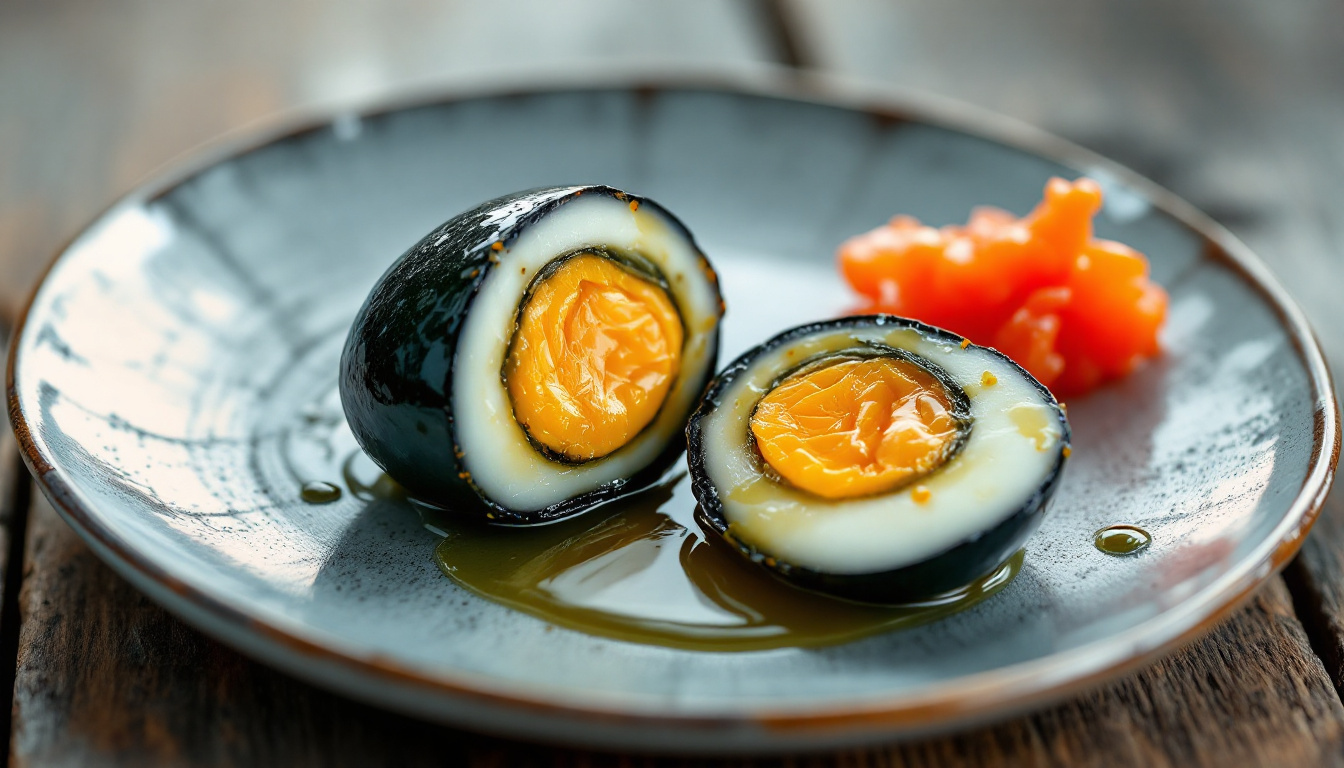
Century eggs are duck or chicken eggs cured in an alkaline mix of clay, ash and salt for weeks. Not a century, despite the name. The white turns translucent amber-black, the yolk creamy and green, and the taste is rich and savory, faintly of ammonia, nothing like a fresh egg. They’re sliced over rice porridge or tofu as an everyday treat, and they’re one of the most approachable dishes in our guide to the best food in China.
Stinky tofu chou doufu, 臭豆腐
Stinky tofu is tofu fermented in a pungent brine until it smells, fans admit, a little like a barnyard, then deep-fried until crisp and served with pickled cabbage and chili. The smell clears the moment you bite through the crunchy shell into the soft, mild center. It is the unmissable night-market dare in our guide to the best food in Taiwan, and converts far more people than it scares off.
Natto natto, 納豆
Natto is fermented soybeans bound in sticky, stringy threads with a powerful smell and a nutty, savory taste. Stirred with mustard and soy and spooned over hot rice, it’s a classic Japanese breakfast and a famous health food. The texture, slippery and webby, is the real hurdle here, not the flavor. It’s one of the most divisive dishes in our guide to the best food in Japan, loved hard in the east of the country.
Bugs on the menu
Two billion people eat insects regularly, and they’re efficient, sustainable protein with real flavor. In much of the world, the weird thing is that the West stopped.
Escamoles and chapulines Mexico
Escamoles are ant larvae, sometimes called insect caviar, with a soft, buttery, faintly nutty taste, sauteed and tucked into tacos. Chapulines are grasshoppers toasted with chili, lime and garlic until crunchy and tangy. Both go back to pre-Hispanic times and are prized, not endured, especially in Oaxaca. They are a highlight of our guide to the best food in Mexico, and the easiest insects to love.
Witchetty grub Australia
The witchetty grub is a large, pale moth larva that has been a staple of Aboriginal bush tucker for tens of thousands of years. Eaten raw it is said to taste of almonds; lightly cooked over coals the skin crisps while the inside turns to something like a runny, savory egg. It is one of the oldest foods on the continent, and a fixture of our guide to the best food in Australia.
Mopane worms mopane / madora
Mopane worms are the large caterpillars of the emperor moth, a serious source of protein across southern Africa. They’re cleaned, dried, then stewed with tomato and onion or fried until crisp, earthy and a little like jerky. Dried, they keep for months, which makes them a vital food, not a novelty. They feature in our guide to the best food in South Africa.
Fried insects malaeng thot
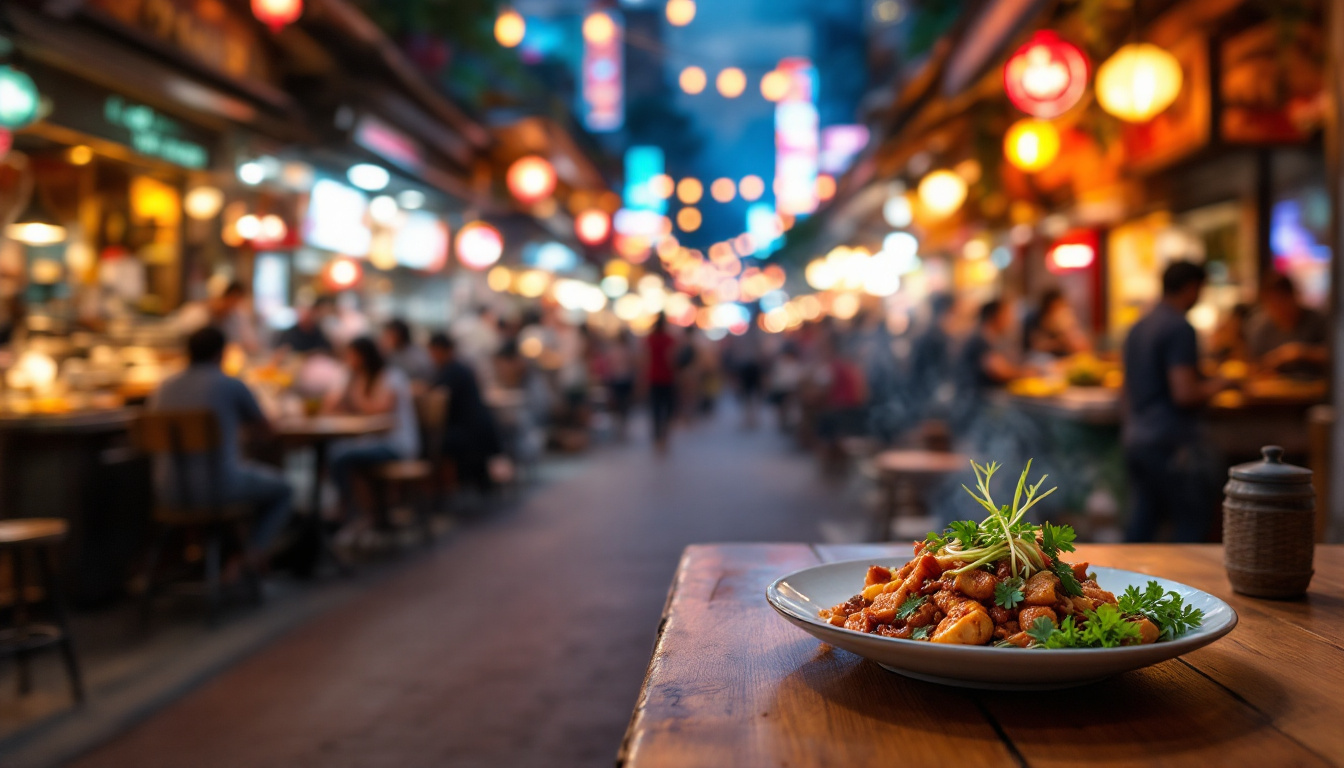
Thai night markets pile carts high with deep-fried crickets, silkworms, bamboo worms and grasshoppers, seasoned with a salty soy-and-pepper powder. Fried hot and fresh, they’re crunchy, salty and weirdly moreish, somewhere between a chip and a prawn shell. Locals snack on them with a cold beer, no ceremony at all. They’re one of the more playful dares in our guide to the best food in Thailand.
Fried tarantula a-ping
In Skuon, a market town in Kampong Cham province where buses between Phnom Penh and Siem Reap pull over, vendors sell tarantulas fried whole in garlic, salt, sugar and chili. Locally they are called a-ping, palm-sized and usually identified as the Thailand zebra leg tarantula (now classified as Cyriopagopus albostriatus), though market spiders can be a mix of species. They are bred in burrows in villages north of town or dug out of the nearby forest. Many Cambodians say the habit took hold during the hungry Khmer Rouge years, and it stuck: the legs are crisp, the body soft and pasty. Expect about $0.50 to $1.50 a spider; they sit alongside amok and kuy teav in our guide to the best food in Cambodia.
Nose-to-tail and offal
For most of history, throwing away organ meat was an unthinkable waste. These dishes turn the parts squeamish eaters skip into something locals prize.
Haggis Scotland
Haggis is sheep’s heart, liver and lungs minced with oats, onion, suet and spices, traditionally cooked in the animal’s stomach lining. It sounds grim and tastes wonderful. Warm, peppery, nutty and rich, like a loose, savory crumble. Served with mashed potato and turnip as neeps and tatties, it’s the proud centerpiece of our guide to the best food in Scotland, especially on Burns Night.
Khash khash
Khash is a winter soup made by simmering cow’s feet, and sometimes the head and tripe, overnight into a rich, gelatinous broth. It is eaten at dawn with garlic, dried lavash bread and a shot of vodka, a ritual meal among friends in the cold months. The flavor is mild and deeply savory; the ceremony around it is the real point. It is a bonding dish in our guide to the best food in Armenia.
Chicken feet feng zhua, 鳳爪
Chicken feet are a dim sum staple, braised and steamed in a savory, garlicky black-bean sauce until the skin and tendons go soft and gelatinous. There’s almost no meat; the joy is the texture and the sticky, rich sauce you suck off the bones. Loved across China and beyond, they’re a Sunday yum cha favorite. If century egg won you over, chicken feet are the natural next step.
Rocky Mountain oysters USA
Rocky Mountain oysters are bull testicles, peeled, flattened, breaded and deep-fried, a ranching-country specialty of the American West. Served with a dipping sauce at fairs and festivals, they taste mild and a little chewy, not far from a tough scallop, with the name doing most of the shock work. They’re a tongue-in-cheek slice of our guide to the best food in the USA.
Texture and the still-moving
Sometimes the challenge isn’t the smell or the part of the animal, but the texture, or the fact that dinner hasn’t entirely stopped moving. Handle these with respect.
Sannakji sannakji, 산낙지
Sannakji is live octopus, sliced and served right away so the pieces still squirm and the suckers grip the plate and your tongue. Dressed in sesame oil and seeds, it tastes clean and faintly sweet, all texture and freshness. The suction is a real choking hazard, so chew thoroughly and don’t rush. It’s the boldest bite in our guide to the best food in Seoul.
Fugu fugu, 河豚
Fugu is pufferfish, whose organs carry a deadly toxin with no antidote, which is why only chefs with years of licensed training are allowed to prepare it. Done right, it is completely safe, prized for its delicate, almost translucent flesh and subtle flavor rather than any thrill of danger. Eat it only at a licensed restaurant, never from an amateur. It is the most carefully handled fish in Japanese cuisine.
Balut balut
Balut is a fertilized duck egg incubated until the embryo is partly formed, then boiled and eaten warm from the shell with salt, vinegar and chili. You sip the savory broth first, then eat the yolk and the tender embryo. It’s rich, eggy and a beloved late-night street snack, sold by vendors long after dark. It’s the most talked-about dish in our guide to the best food in the Philippines.
Blood on the plate
Cooking with blood is ancient and global, a way to waste nothing and add deep, mineral richness. Once you know it’s there, these dishes lose most of their shock.
Black pudding black pudding
Black pudding is a sausage of pork blood, fat and oats or barley, sliced and fried until crisp at the edges and soft within. It tastes savory, faintly metallic and warmly spiced, a cornerstone of the full British and Irish breakfast. Most people eat it for years before clocking exactly what it is. It is a staple of our guide to the best food in the UK.
Dinuguan dinuguan
Dinuguan is a Filipino pork stew simmered in rich pig’s blood with vinegar, garlic and chili, sometimes nicknamed chocolate meat for its dark, glossy look. The vinegar cuts the richness, giving a tangy, savory, deeply comforting bowl usually eaten with rice cakes called puto. It sounds confronting and tastes like home cooking. Filipinos grow up on it, often right alongside balut. Poland has its own take on the idea: czernina, a sweet-and-sour duck blood soup sharpened with vinegar and dried fruit, which in old Polish custom was served to an unwanted suitor as a polite no, a scene Mickiewicz put into Pan Tadeusz. It is rare on menus now; more in our guide to the best food in Poland.
Strange to outsiders, beloved at home
Some foods only sound exotic because they’re someone else’s normal. These are everyday classics that raise eyebrows abroad and shrugs at home.
Escargot escargots de Bourgogne
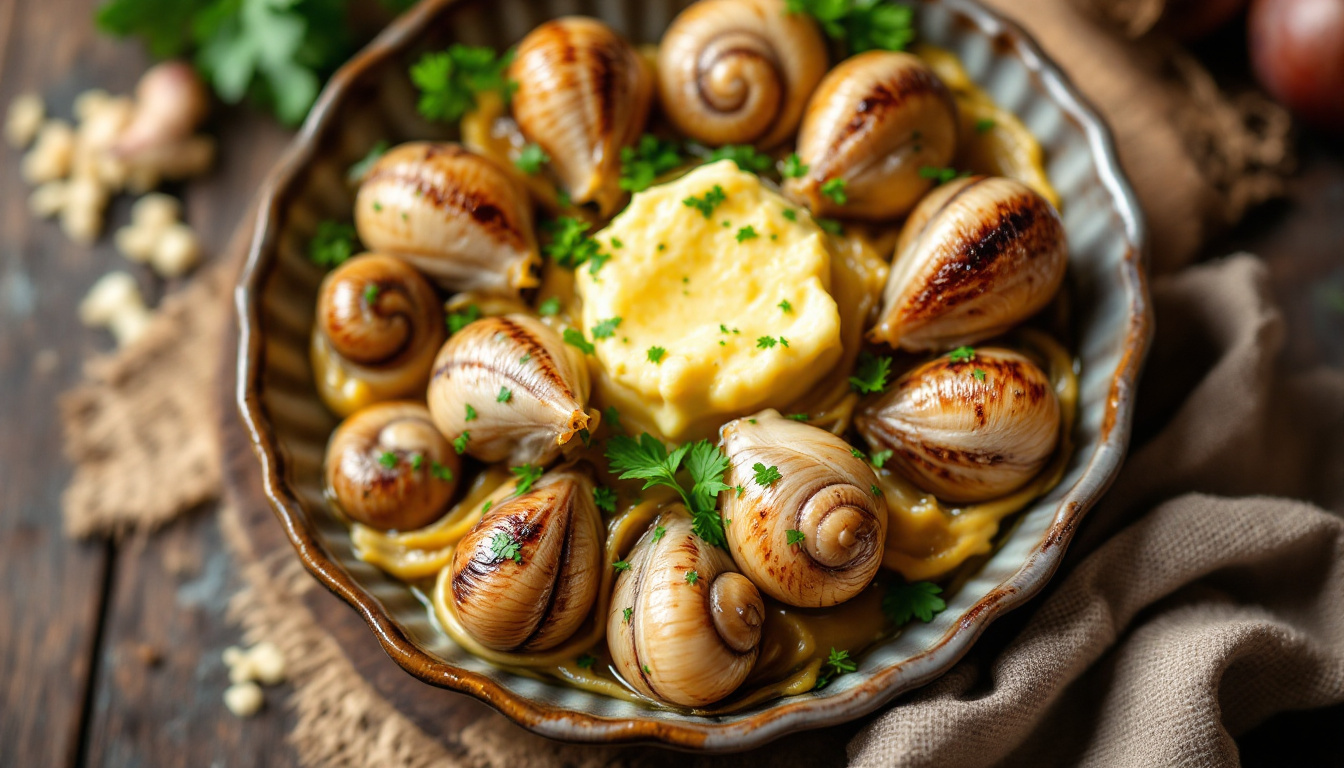
Escargot are land snails baked in their shells under a lid of garlic, parsley and butter, and they’re the friendliest entry on this whole list. The snail itself is mild and a little chewy, mostly a vehicle for that green, garlicky butter you mop up with bread. Far from daring, they’re a genteel bistro classic in our guide to the best food in France. If you fear the weird, start right here.
Frog legs cuisses de grenouille
Frog legs are exactly what they sound like, usually sauteed in garlic butter or lightly battered and fried. The meat is delicate, lean and mild, genuinely close to chicken, with a tender texture all its own. A classic of French and southern Chinese cooking, they’re far tamer on the plate than on the menu. Order them anywhere that does a proper garlic butter.
Cuy cuy
Cuy is roasted guinea pig, an Andean staple for thousands of years, long before it was anyone’s pet. Roasted or fried whole, it has crisp skin over rich, gamey meat, somewhere between rabbit and duck, served at festivals and Sunday lunches. It is a source of pride in the highlands and a centerpiece of our guide to the best food in Peru. Try to look past the presentation.
Jellied eels jellied eels
Jellied eels are chunks of eel boiled with spices and left to set in their own savory jelly, a working-class East London tradition since the 18th century. Served cold from old-school pie and mash shops, they’re soft, cool and mild, with a wobble that does more to alarm newcomers than the taste ever could. They’re a vanishing taste of old London, worth seeking before the last eel shops close.
Durian durian
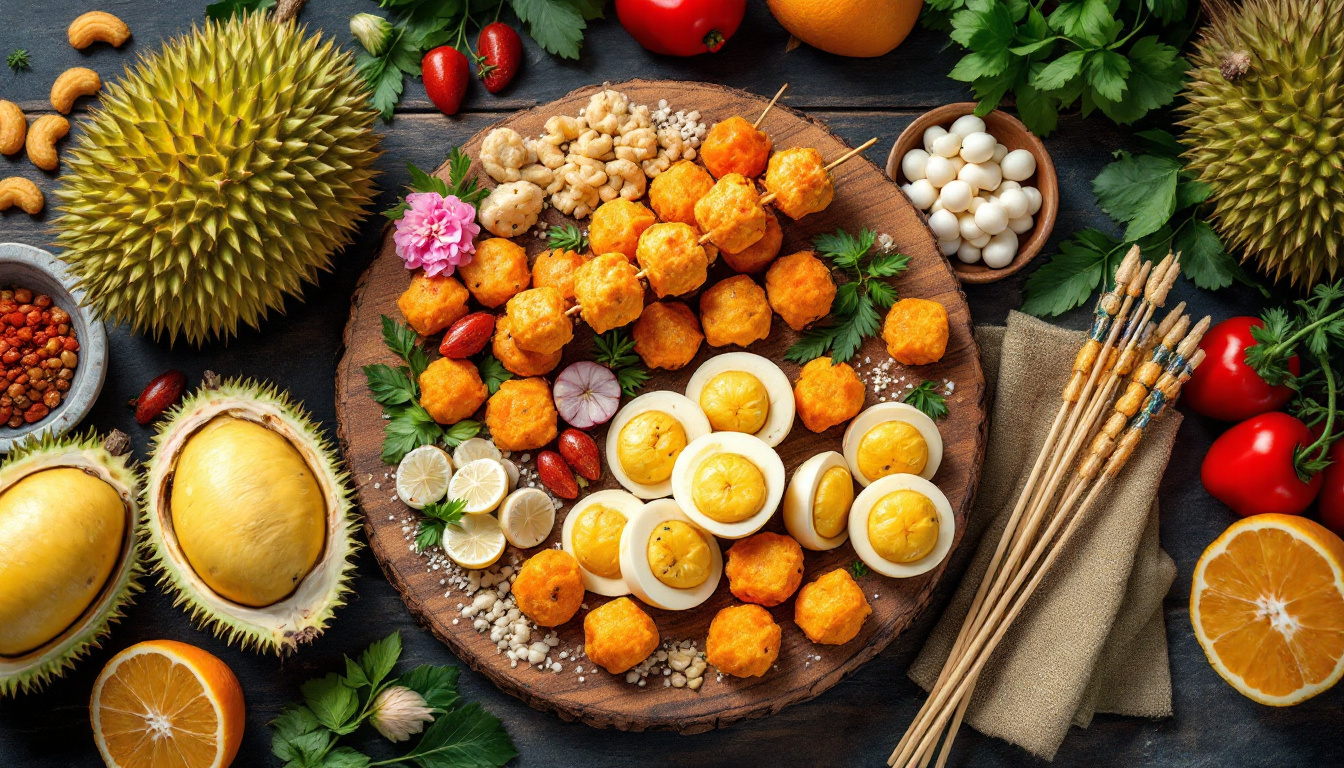
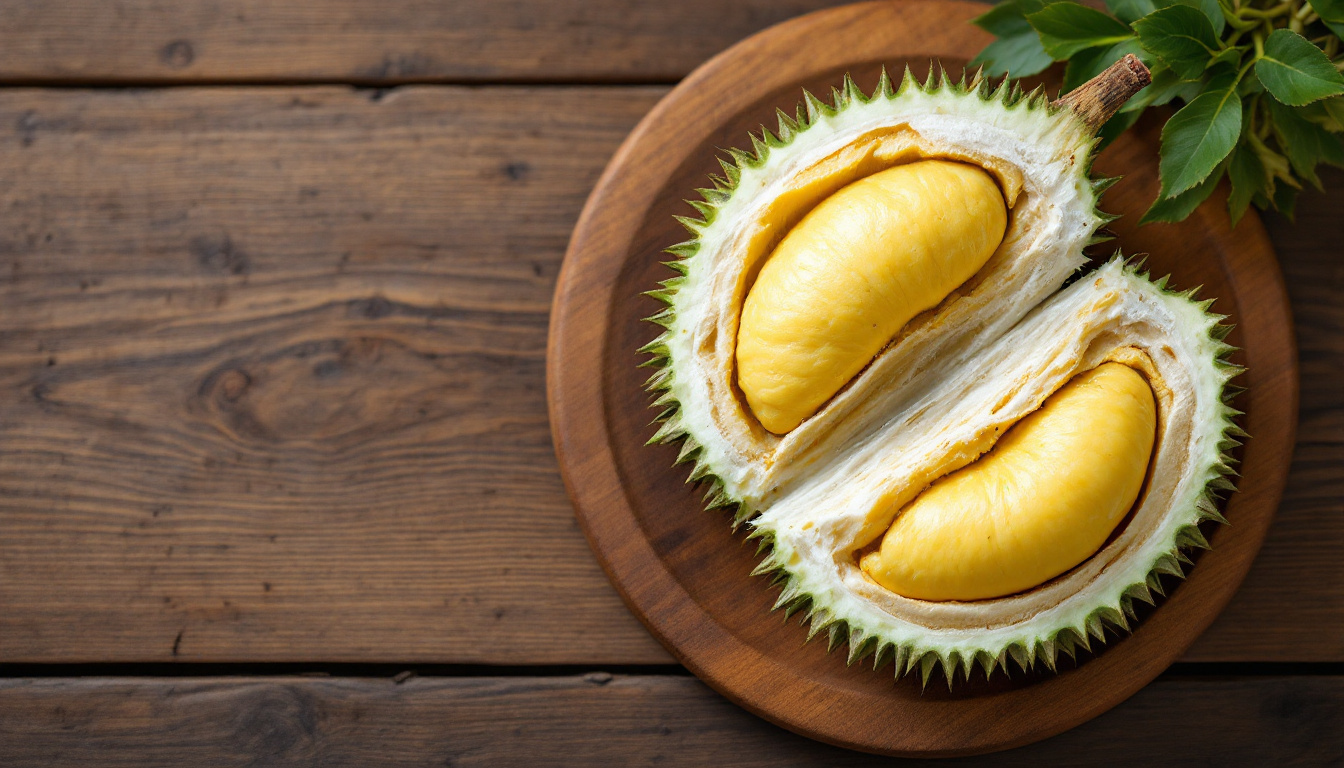
Durian is the spiky tropical fruit so pungent it’s banned from many hotels and trains, with a smell often compared to onions and old socks. Get past that, and the custardy yellow flesh is sweet, rich and almost savory, which is why locals crown it the king of fruit. Southeast Asians queue for the best seasonal varieties. It’s a glorious obsession in our guide to the best food in Malaysia.
Bird’s nest soup 燕窩
Bird’s nest soup is made from the nest of the edible-nest swiftlet, built almost entirely from the male bird’s hardened saliva over about 35 days on a cave wall. Harvesters climb rattan ladders in Borneo caves like Gomantong and Madai in Sabah to collect them, and the best white nests fetch around US$2,000 a kilo at source, far more at retail; black nests, full of feathers that must be picked out by hand, sell for about a fifth of that. Simmered with rock sugar into a clear, faintly sweet broth, it has a soft, gelatinous texture and is prized in Chinese tradition as a tonic. A bowl runs roughly $30 to $100 in Hong Kong or Singapore; more on the region in our guide to the best food in Malaysia.
Kopi luwak kopi luwak
Kopi luwak is coffee made from beans eaten and passed by the civet, a small cat-like animal, then cleaned and roasted, once sold as the world’s most expensive cup. The taste is smooth and low in acidity, but the real story is ethical: most modern production cages wild civets in poor conditions, so seek out genuinely wild-sourced beans or skip it. It is the most controversial sip in our guide to the best food in Indonesia.
Snake wine ruou ran
Snake wine is rice wine or grain alcohol steeped with a whole venomous snake, drunk as a traditional tonic believed to boost vitality. The ethanol denatures the venom, so it is generally safe, though it is more folk ritual and souvenir than something locals drink daily. The flavor is fierce and medicinal. It is the strangest bottle in our guide to the best food in Vietnam.
How to try strange foods safely
Adventurous eating is mostly safe if you use a little judgement. A few rules keep the experience memorable for the right reasons.
- Eat where locals eat. A busy stall with high turnover is fresher and safer than a quiet tourist trap.
- Some dishes demand a professional. Only ever eat fugu prepared by a licensed chef, never an amateur.
- Mind the genuine hazards. Chew live octopus thoroughly, and treat banned cheeses like casu marzu as a real health risk, not a dare.
- Know your allergies. Insects can trigger shellfish allergies, since they’re closely related.
- Ask how it’s eaten. Half the fear comes from doing it wrong; locals will happily show you the ritual.
- Start gentle. Escargot, century egg and durian are easy on-ramps before you graduate to the hardcore stuff.
FAQ
What is the weirdest food in the world?
There’s no single answer, but casu marzu, the Sardinian cheese ripened with live maggots, is often called the world’s strangest and most dangerous food. Other strong contenders are balut, surstromming, century egg, sannakji (live octopus) and durian. Each is a beloved delicacy somewhere.
Are these strange foods safe to eat?
Most are perfectly safe when prepared properly. The real exceptions are fugu, which must be cut by a licensed chef, sannakji, which is a choking hazard, and casu marzu, which is banned on health grounds. Eat where locals eat, and you’ll be fine.
Why do people eat insects?
Insects are a sustainable, protein-rich food eaten by around two billion people worldwide. Dishes like Mexican chapulines, Thai fried crickets and southern African mopane worms are traditional, tasty and far more efficient to farm than livestock. The West is the unusual one for avoiding them.
What’s the best strange food for beginners?
Start with escargot, which is really just garlic butter, then century egg, durian or stinky tofu, all of which taste far milder than they smell or look. These easy on-ramps build confidence before you try the bolder dishes like balut or live octopus.
Why does durian smell so bad?
Durian releases dozens of aroma compounds, including sulphur ones similar to onions and cooked meat, which is why it is banned from many hotels and trains in Southeast Asia. Fans barely notice the smell and adore the sweet, custardy flesh, which is why it is crowned the king of fruit.
More food guides waiting for you
Browse our complete collection of food travel tips and guides.