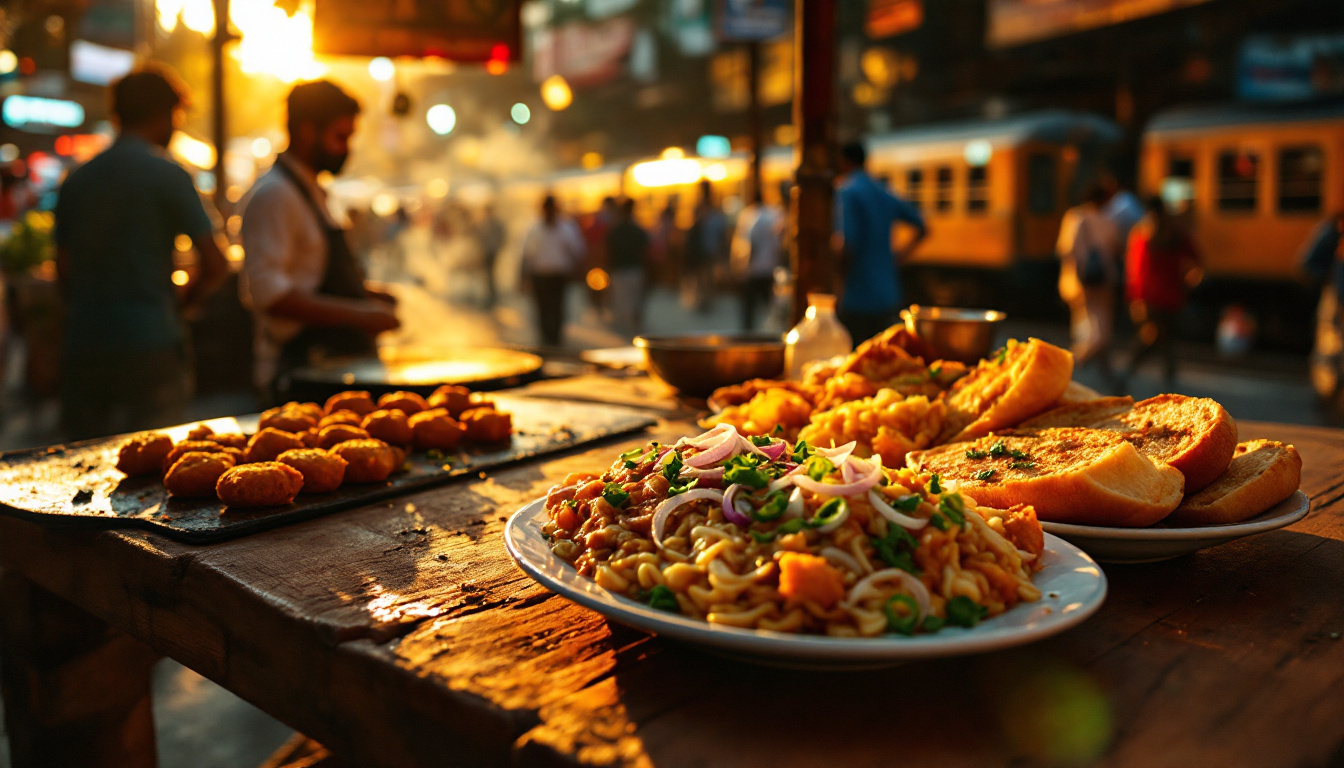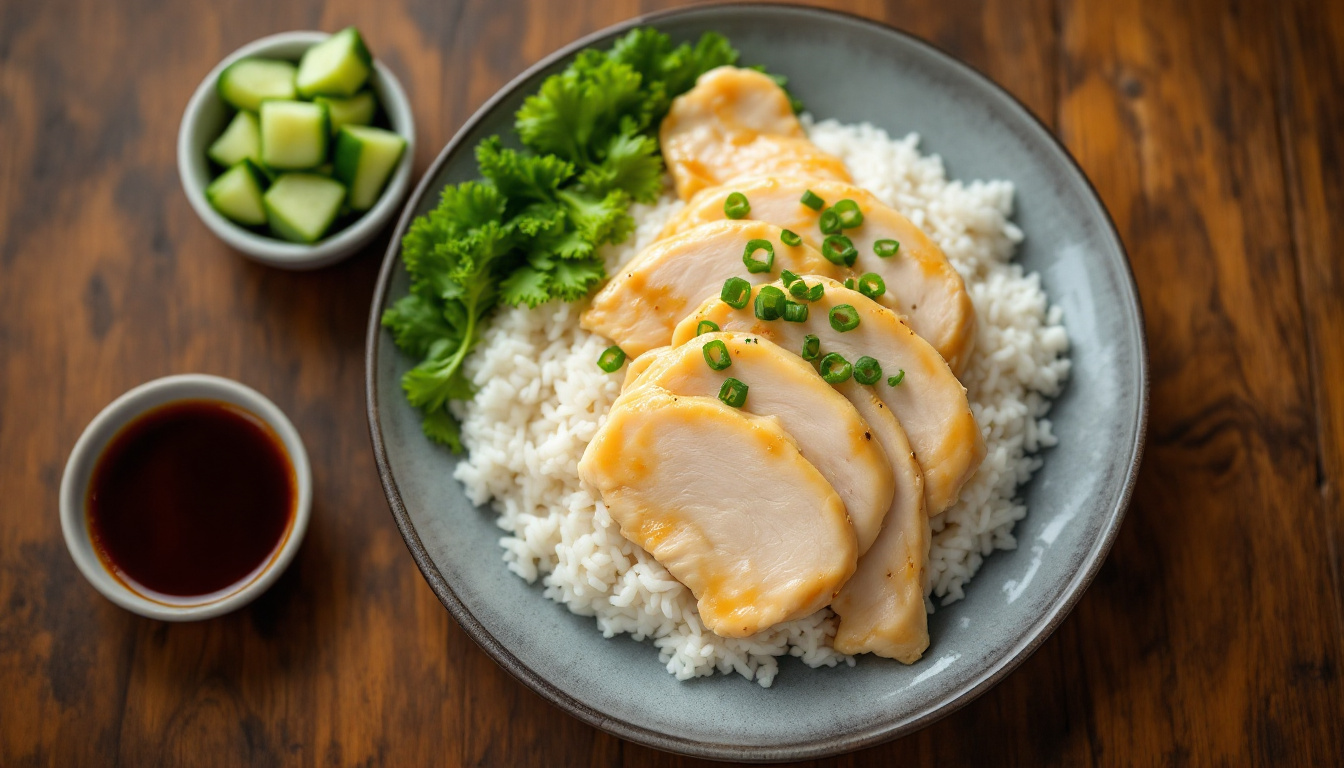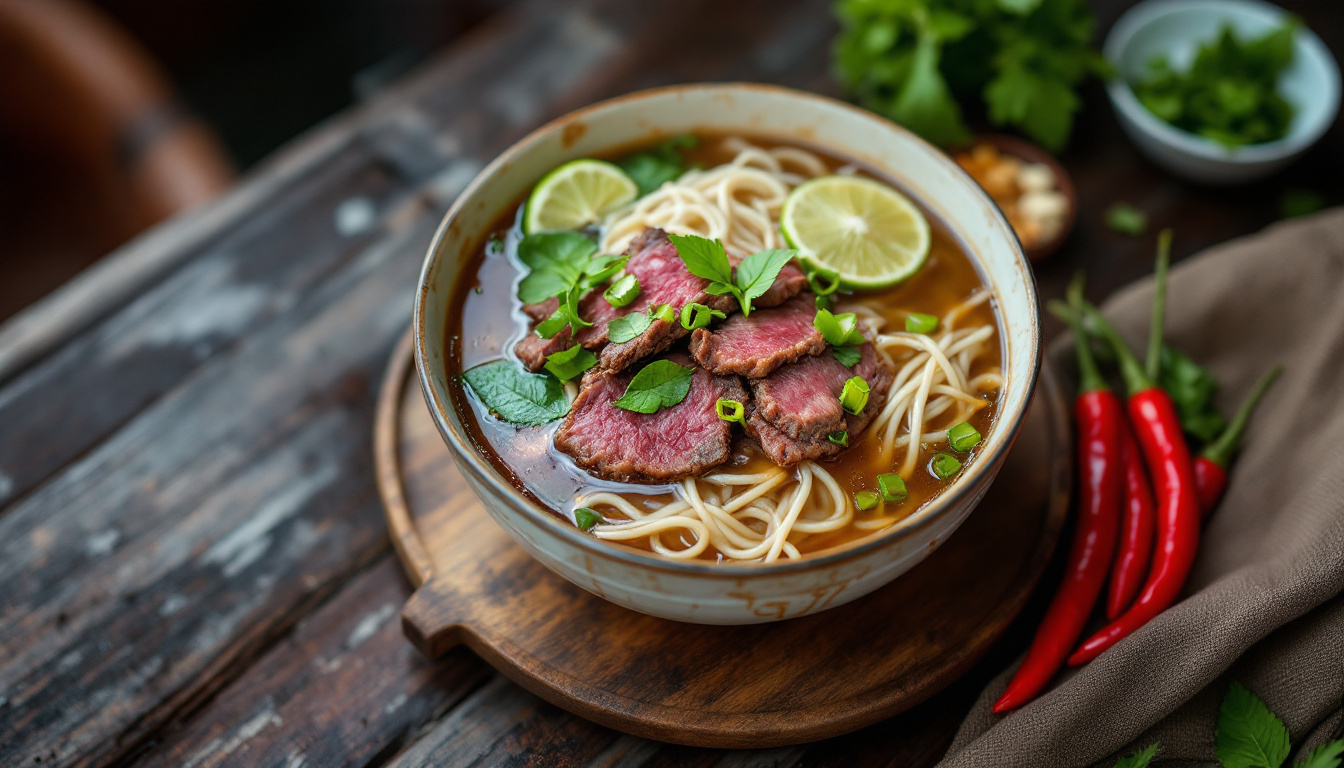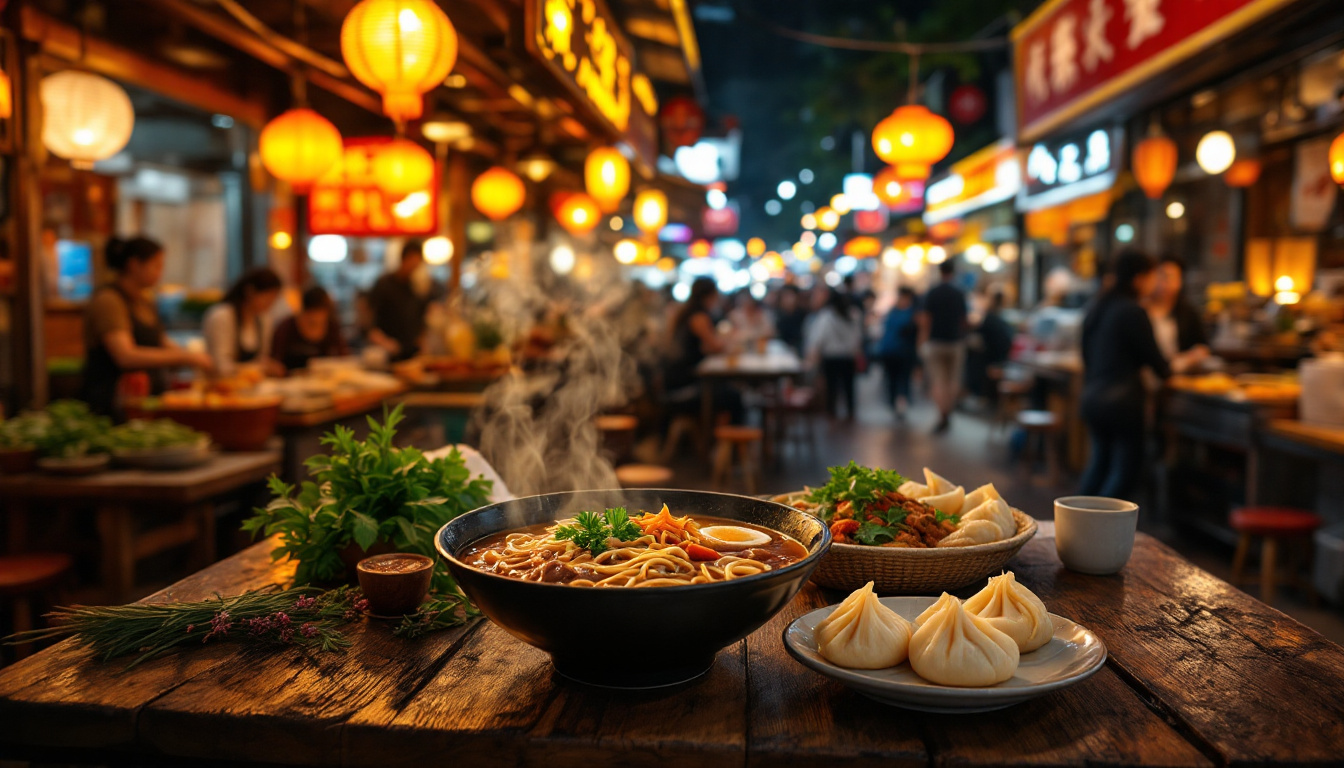
Taipei eats after dark, and it eats relentlessly. The first night I landed I went straight to Raohe night market and worked my way down it twice: a pepper bun fresh from the clay oven, a bowl of beef noodle soup, oyster vermicelli, and a mango shaved ice the size of my head. This is the most underrated food city in Asia, a place where night markets are not tourist theater but the everyday way the city eats dinner. The best food in Taipei runs from those market alleys to soup dumplings folded eighteen pleats at a time, and almost none of it costs much.
Why Taipei is a great food city
Taipei is one of the best and most underrated food cities in Asia because it layers three food cultures into one dense, cheap, brilliant grid. Native Taiwanese cooking, the food brought by mainland Chinese after 1949, and a deep Japanese influence from the colonial era all share the same streets, and the result is a city that eats out constantly. You can eat superbly here for a few dollars a meal.
The heart of it is the night market, an institution Taipei does better than anywhere. These are not put on for visitors; they are where families, students and office workers eat dinner most nights, and they run on the same logic as the world’s best night markets and food halls. For the wider country, our Taiwan food guide goes deeper.
The dishes you have to eat in Taipei
Beef Noodle Soup 牛肉麵
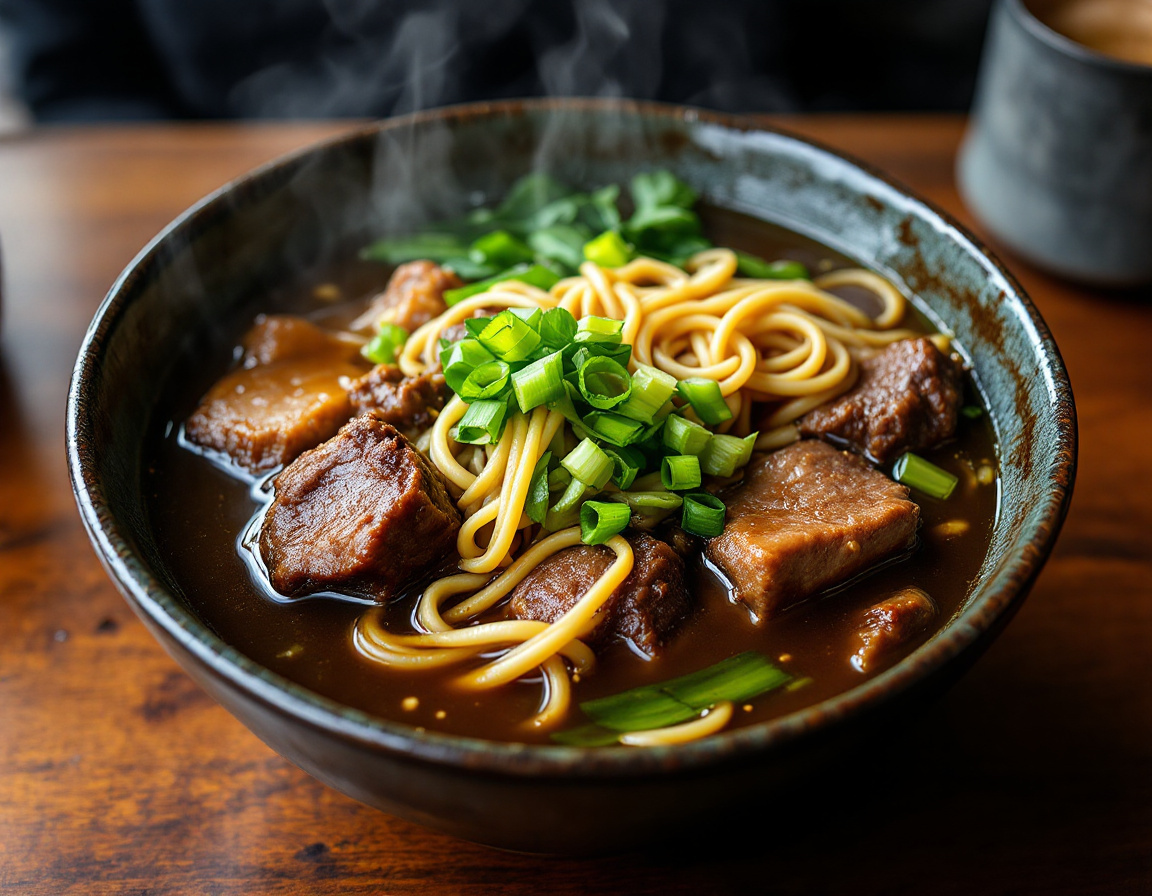
Beef noodle soup is the dish Taipei argues about most, and the one to order first. Chunks of beef and tendon are braised for hours in a soy-and-spice broth, then ladled over wheat noodles with pickled mustard greens. The richer hong shao style runs dark and savory. The clear qing dun version is lighter, beefier. The city has even run the Taipei International Beef Noodle Festival every year since 2005 to crown the best bowl. Every Taipei local has a shop they swear by.
Xiaolongbao 小籠包
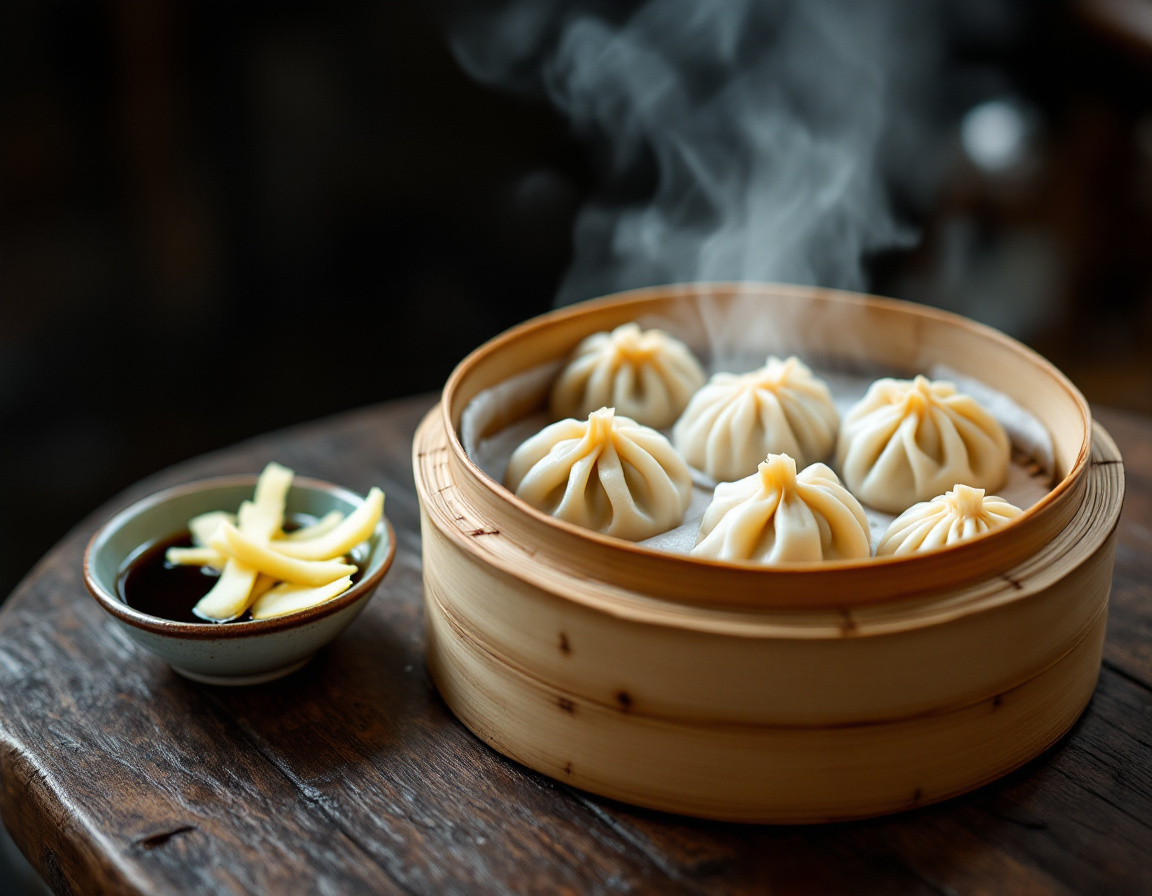
Xiaolongbao, soup dumplings, are Taipei’s most famous export, and the city does them better than anywhere. A thin wrapper holds seasoned pork and a mouthful of hot broth, sealed with the classic eighteen folds. The technique is to lift one carefully, nip the top, sip the soup, then eat it with ginger and black vinegar. Din Tai Fung started in 1958 as a cooking-oil shop on Xinyi Road by Yongkang Street, gave half its counter to xiaolongbao in 1972 and built a global empire from there, but smaller dumpling houses match it for a fraction of the queue.
Lu Rou Fan 滷肉飯
Lu rou fan is the bowl that defines everyday Taiwanese eating, and it’s gloriously cheap. Finely chopped pork belly is braised down in soy, sugar, five spice and rice wine until it melts, then spooned over a bowl of hot rice. It’s salty, sweet, fatty and deeply comforting, the kind of thing locals eat several times a week. Add a braised egg and some greens and you have a complete meal for the price of a coffee. This is Taipei’s soul food.
Taiwanese Breakfast 台式早餐
Taipei’s most underrated meal is breakfast, eaten at plastic tables or on the move before work. The core is soy milk, served warm, iced, or as xian dou jiang, a savory version curdled with vinegar and topped with dried shrimp, scallion and chili oil; a you tiao (fried dough stick) folded into a flaky sesame shao bing; and dan bing, a thin egg crepe rolled with scallion and sliced. Fan tuan, a sticky-rice roll wrapped around you tiao and pork floss, is the grab-and-go version. The famous queue is at Fu Hang Dou Jiang, upstairs in Hua Shan Market by Shandao Temple MRT, which won a Bib Gourmand in the first Taipei Michelin guide; the line regularly runs past an hour, so any neighborhood soy milk shop is a fine plan B.
Gua Bao 割包
Gua bao is the original Taiwanese burger, and it’s far better than the trendy versions it inspired abroad. A pillowy steamed bun is folded around a slab of braised pork belly, pickled mustard greens, crushed peanuts and a little cilantro. The mix of soft, fatty, sour, sweet and crunchy in one bite is perfect. Find it at night markets and old bun shops. It is the snack that launched a thousand imitations.
Oyster Omelette 蚵仔煎
The oyster omelette is the quintessential Taiwanese night market dish, more gloopy than crisp and all the better for it. Small oysters are fried with egg and a sweet-potato-starch batter that turns translucent and chewy, topped with greens and a sweet pink-red sauce. It sounds odd. It tastes addictive. Every night market has a stall famous for it, usually with a queue. Order one to share while you graze.
Oyster Vermicelli 蚵仔麵線
Oyster vermicelli is a thick, savory bowl of fine wheat noodles (mian xian) in a starchy, bonito-scented broth, topped with small oysters or braised pork intestines and finished at the counter with black vinegar, garlic, chili and cilantro. The most famous bowl in the city is at Ay-Chung Flour-Rice Noodle in Ximending, open since 1975, where there are no seats at all: you eat from a paper cup on the street, and the signature is the intestine version. For the oyster kind, Raohe and Ningxia night markets both have stalls with steady queues.
Chicken Cutlet 雞排
Taiwan’s fried chicken cutlet, ji pai, is a whole chicken breast pounded thin, marinated, coated in sweet-potato starch and deep-fried until shatteringly crisp, then dusted with pepper salt, five-spice or chili powder and handed over in a paper bag with a skewer. The size is the joke and the point. Hot-Star, founded in Taichung in 1992, opened its Shilin Night Market stall in 1999 and turned the bigger-than-your-face cutlet into a national snack before taking it abroad. Stalls usually cut it into strips; say bu yao qie if you want the whole slab.
Bubble Tea 珍珠奶茶
Bubble tea was invented in Taiwan in the 1980s, and drinking it at the source is a different thing entirely. Two teahouses still claim it, Hanlin in Tainan (1986) and Chun Shui Tang in Taichung (1988), and when the fight reached court the ruling was that the drink could not be patented, so it belongs to everyone. Sweetened milk tea is shaken and poured over chewy tapioca pearls, sucked up through a fat straw. In Taipei you can dial the sugar and ice to any level, and the chains here are leagues ahead of what’s exported. Try it brown-sugar style, with the syrup streaked up the cup. It is the city’s drink, day and night.
Mango Shaved Ice 芒果冰
Mango shaved ice is the taste of a Taipei summer: a mound of snowflake ice (xue hua bing), frozen milk shaved so fine it melts like sorbet, buried under chunks of fresh Irwin mango, condensed milk and often a scoop of mango ice cream. The modern version took off in the mid-1990s at Ice Monster on Yongkang Street, whose original shop later became Smoothie House, and the street still draws the longest dessert queues in the city. Fresh mango season runs roughly May to September; outside it, many shops switch to frozen fruit or strawberry.
The night markets
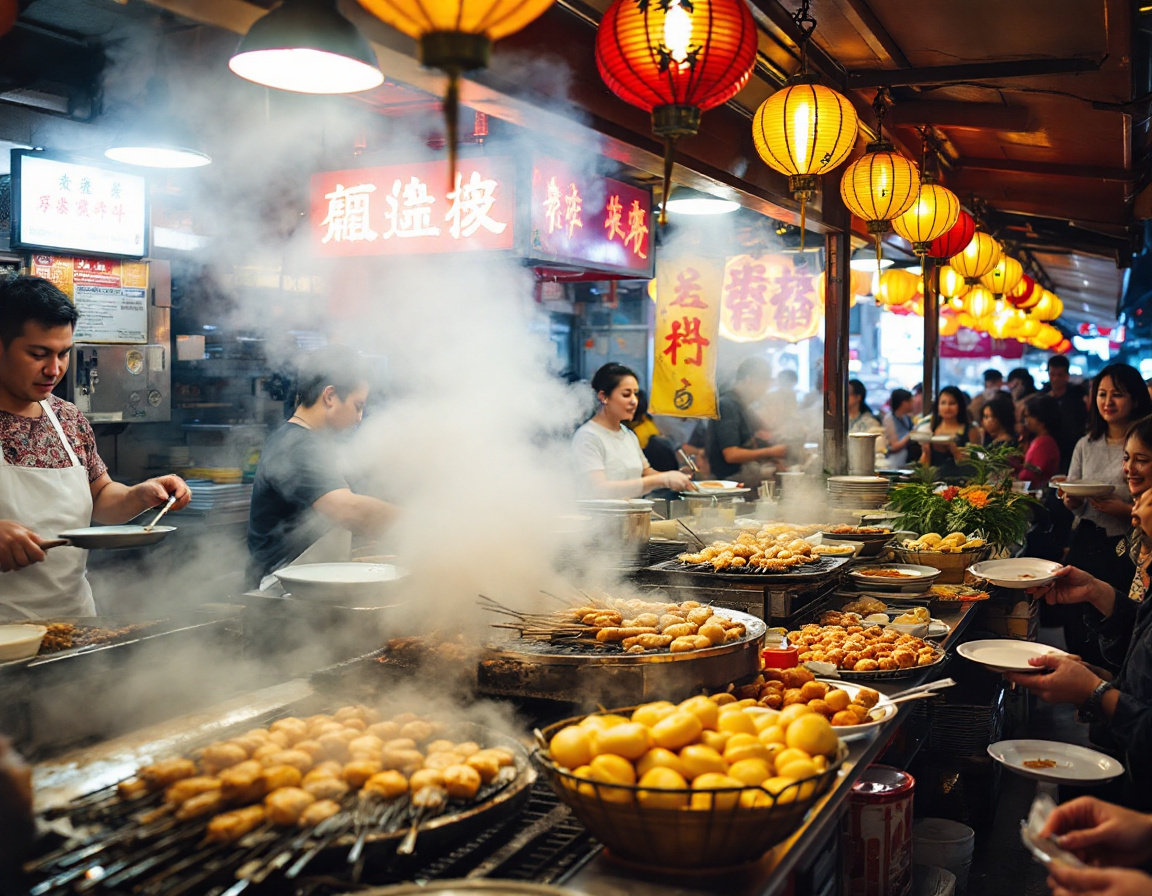
The single best thing to do in Taipei is eat your way through a night market, and the city has dozens. Shilin is the biggest and most famous, sprawling and tourist-friendly with everything from giant fried chicken cutlets to stinky tofu. Raohe, near Songshan, is more compact and locals’ favorite, with Fuzhou Shizu Pepper Bun (福州世祖胡椒餅) right at the entrance, a stall that won a Michelin Bib Gourmand in 2018 and 2019. Ningxia is small, central and beloved for traditional Taiwanese snacks.
Work a market the way locals do: walk the whole length first, clock the longest queues, then graze across several stalls instead of filling up at one. Must-grabs include the clay-oven pepper bun, hu jiao bing, with its juicy peppery pork and crisp shell, flame-torched beef cubes, fried milk, and a towering mango shaved ice to finish. Bring cash and an empty stomach. It’s the most fun you can have eating dinner anywhere.
Tips and etiquette
A few habits make eating in Taipei smoother, especially at the markets.
- Carry cash. Most night market stalls and small shops are cash only; an EasyCard helps for transport and some stores.
- Graze, do not commit. Order small from many stalls rather than one big plate; that is how locals do a market.
- No tipping. Tipping is not part of the culture in Taiwan, so do not add one.
- Queues mean quality. The stall with the longest local line is almost always the one to join.
Taipei is also one of the easiest cities in Asia for vegetarians, thanks to a strong Buddhist tradition of vegetarian buffets marked with a swastika-like symbol meaning meat-free. If you are continuing around the region, our guide to the Hong Kong food scene is a natural next stop.
FAQ
What food is Taipei famous for?
Taipei is famous for its night markets and for dishes like beef noodle soup, xiaolongbao soup dumplings, braised pork rice (lu rou fan), gua bao, oyster omelette and stinky tofu. It is also the birthplace of bubble tea. Most of this food is cheap street and market eating rather than restaurant dining.
What is the best night market in Taipei?
Shilin is the largest and most famous Taipei night market, great for first-timers. Raohe is a compact local favorite with a Michelin-recommended pepper bun stall, and Ningxia is a smaller, central market beloved for traditional Taiwanese snacks. All three are excellent for grazing across many stalls.
Is street food in Taipei safe to eat?
Yes, Taipei street food is generally very safe. Night markets have high turnover and cook to order, and Taiwan has strong food hygiene. Eat at the busy stalls with a local queue, choose items cooked fresh in front of you, and you will rarely have a problem.
Where was bubble tea invented?
Bubble tea was invented in Taiwan in the 1980s, and it is now the island’s most famous drink worldwide. In Taipei you can customize the sugar and ice levels and try regional styles like brown-sugar boba, which taste far better at the source than the exported versions.
How much does it cost to eat in Taipei?
Eating in Taipei is very affordable. A bowl of braised pork rice can cost about a dollar, a beef noodle soup a few dollars, and you can graze across a whole night market for under ten dollars. It is one of the best-value great food cities in Asia.
More food guides waiting for you
City and country deep dives across Asia and every continent we have eaten our way through.