The best noodles in the world are almost never the expensive ones. I have eaten my way through a lot of bowls, from a plastic stool on the Naka River in Fukuoka to a 6am pho counter in Hanoi, and the dishes that stuck were cheap, fast, and made by someone who had cooked the same thing for twenty years. This is my ranking of the 20 noodle dishes worth crossing a city for. One ground rule: Italian pasta is its own universe and gets its own list, so this is the noodle-soup-and-stir-fry world, mostly Asia, where the bowl is the whole point.
What makes a great bowl of noodles
A great noodle dish comes down to three things: the texture of the noodle, the broth or sauce that carries it, and the balance between them. The noodle itself should have spring and bite, what cooks across Asia call “QQ,” not the soft mush of an overboiled packet. Fresh, hand-cut, or hand-pulled noodles beat dried almost every time.
Then there is the liquid. A tonkotsu broth simmered for the better part of a day and a clear pho built on charred ginger and beef bones are doing the same job in opposite ways, carrying flavor into every strand. I ranked these 20 on how often I would travel back for them, how distinct they are, and whether the everyday street version is genuinely great, not just the fancy one. Price barely mattered, because the best bowls are usually cheap.
The 20 best noodle dishes in the world, ranked
1. Tonkotsu ramen 豚骨ラーメン
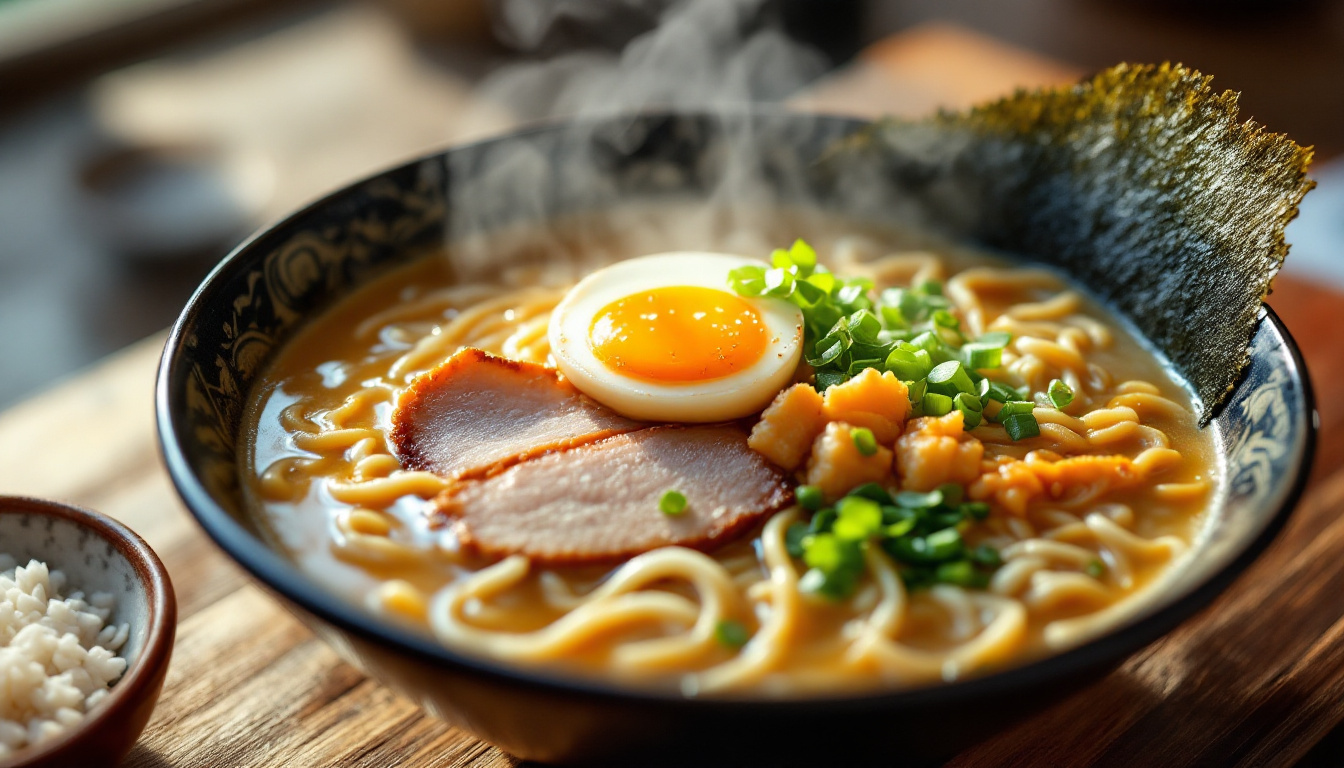
Tonkotsu ramen is the best noodle dish in the world, a bowl of thin, firm wheat noodles in a pork-bone broth boiled hard for 12 to 20 hours until it turns milky and rich. Born in Fukuoka (Hakata), it comes topped with chashu pork, a soft egg, and scallions, and you can order kaedama, a second helping of noodles, for the leftover soup. Eat it at a yatai stall by the Naka River. It is the dish that made me fall for Japanese cooking, and there is far more in our guide to the best food to eat in Japan.
2. Pho bo phở bò
Pho bo is Vietnam’s national bowl and the clearest, most fragrant beef noodle soup on earth. The broth is simmered for hours with charred ginger, onion, star anise, and cinnamon, then poured over flat rice noodles and thin raw beef that cooks in the heat. You finish it yourself with herbs, lime, chili, and bean sprouts. Northern pho (Hanoi) is cleaner and saltier; the southern version is sweeter and herb-heavy. Best at dawn from a street stall. Compare the two in our guides to the best food in Hanoi and Ho Chi Minh City.
3. Lanzhou beef lamian 兰州牛肉拉面
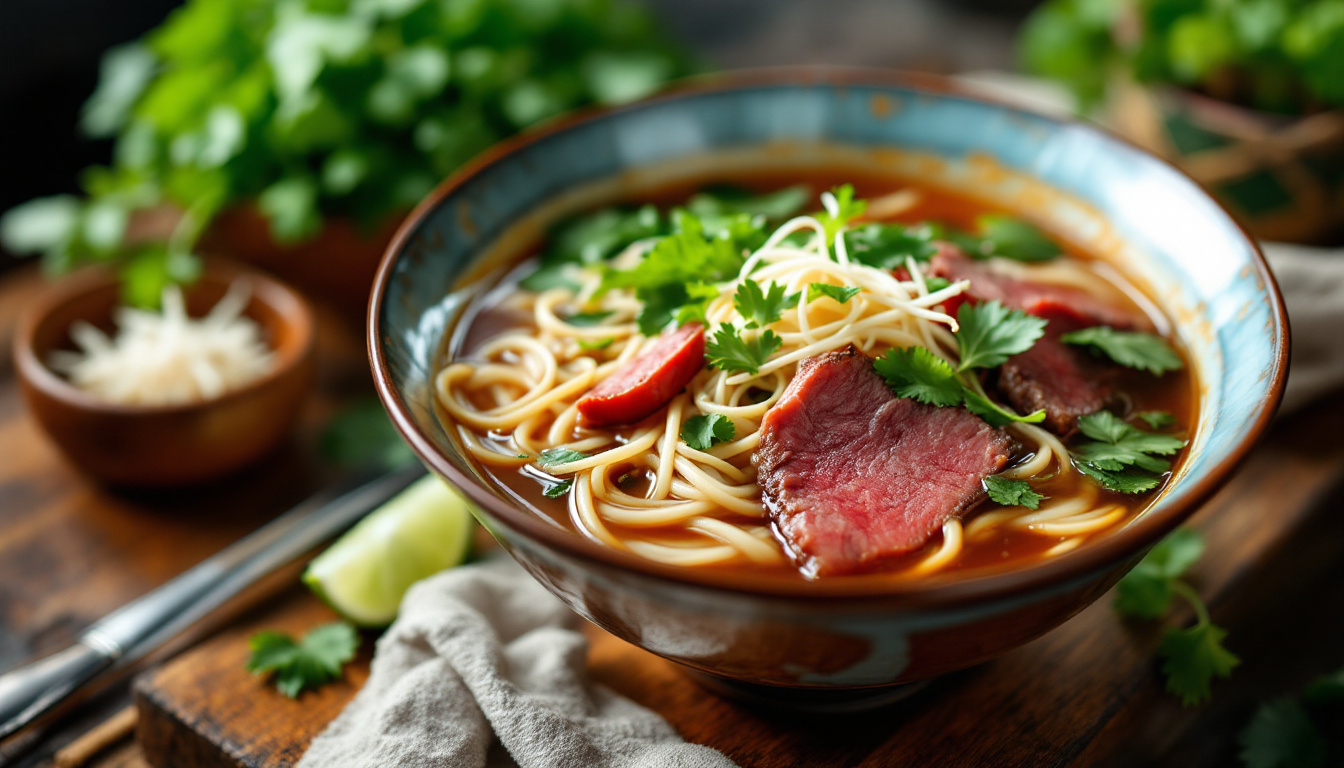
Lanzhou beef lamian is hand-pulled noodle theater you can eat. The cook takes a single piece of dough and stretches, folds, and slaps it on the counter until it splits into dozens of even strands, all to order, and you pick the thickness. They land in a clear beef broth with chili oil, white radish, coriander, and tender brisket. The five elements are clear broth, white radish, red chili oil, green coriander, and yellow noodles. It is one of the great everyday dishes in our guide to the best food to eat in China.
4. Pad thai ผัดไทย
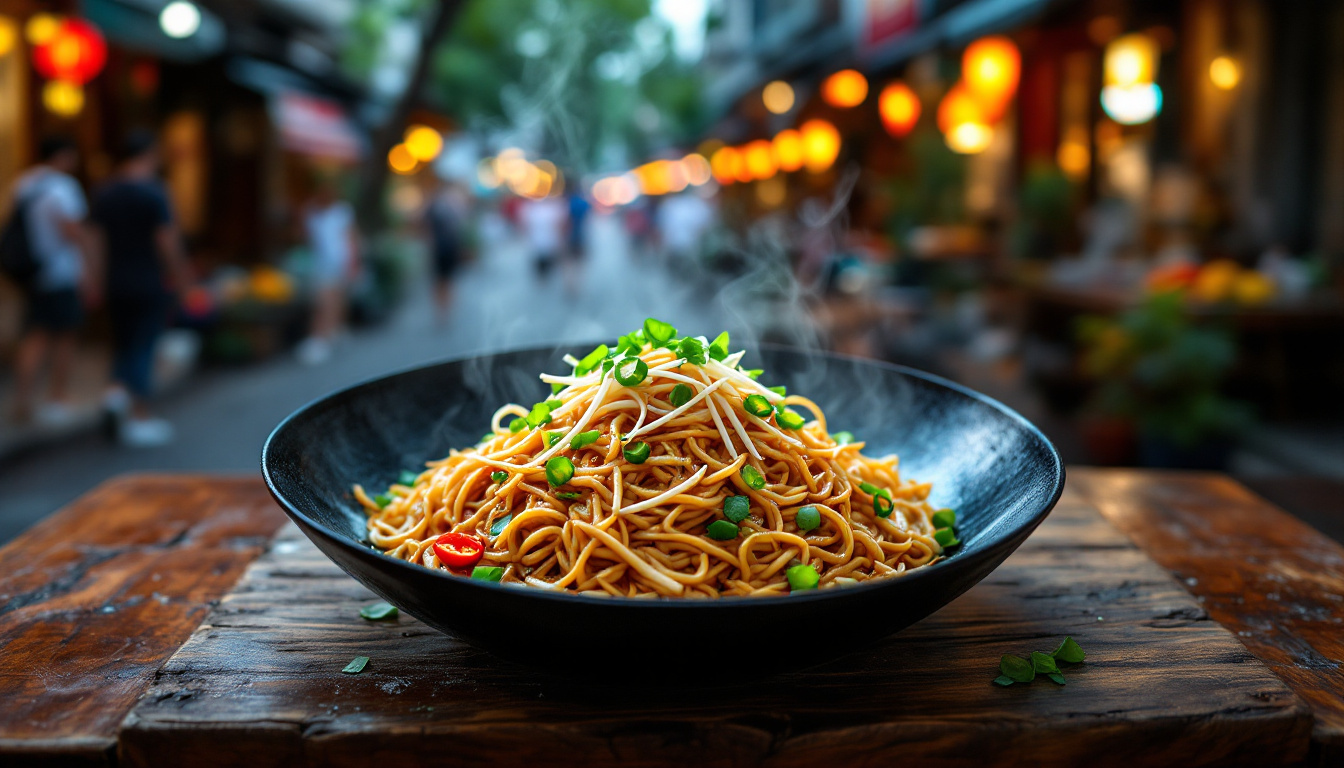
Pad thai is Thailand’s most famous noodle dish for good reason, thin rice noodles stir-fried fast over a roaring flame with tamarind, fish sauce, palm sugar, egg, tofu, dried shrimp, and a tangle of bean sprouts. The magic is balance, sweet against sour against salty, and wok hei, the smoky char only high heat gives. A street cart version with a wedge of lime and crushed peanuts beats most restaurants. Get the best of it in our guide to the best food in Bangkok.
5. Taiwanese beef noodle soup 牛肉麵
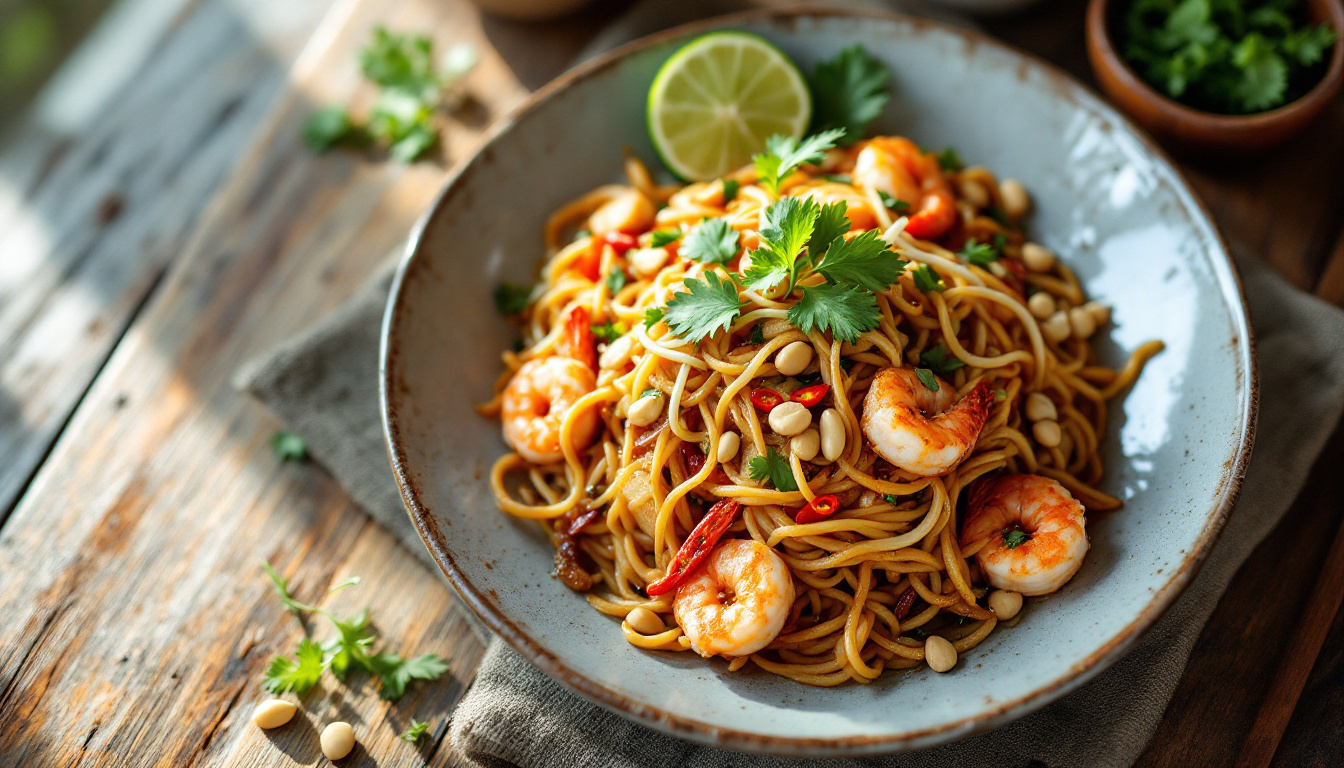
Taiwanese beef noodle soup is the island’s unofficial national dish, a deep, soy-braised broth with chunks of tendon-rich shank, pickled mustard greens, and chewy wheat noodles. The hongshao (red-braised) style is dark, rich, and gently spiced with star anise and chili bean paste. Taipei takes it so seriously it runs an annual beef noodle festival. A bowl at a no-frills shop is one of the great comfort meals, and there is plenty more in our guides to the best food in Taipei and Taiwan.
6. Char kway teow 炒粿條
Char kway teow is the smokiest, most addictive plate of fried noodles in Southeast Asia. Flat rice noodles hit a screaming-hot wok with prawns, cockles, Chinese sausage, egg, garlic chives, and bean sprouts, tossed so fast the whole thing picks up wok hei, that charred, breath-of-the-wok flavor. Penang is its spiritual home, and the best versions still come from cooks frying over charcoal. Smoky, savory, faintly sweet. Find your stall in our guide to the best food in Penang.
7. Laksa 叻沙
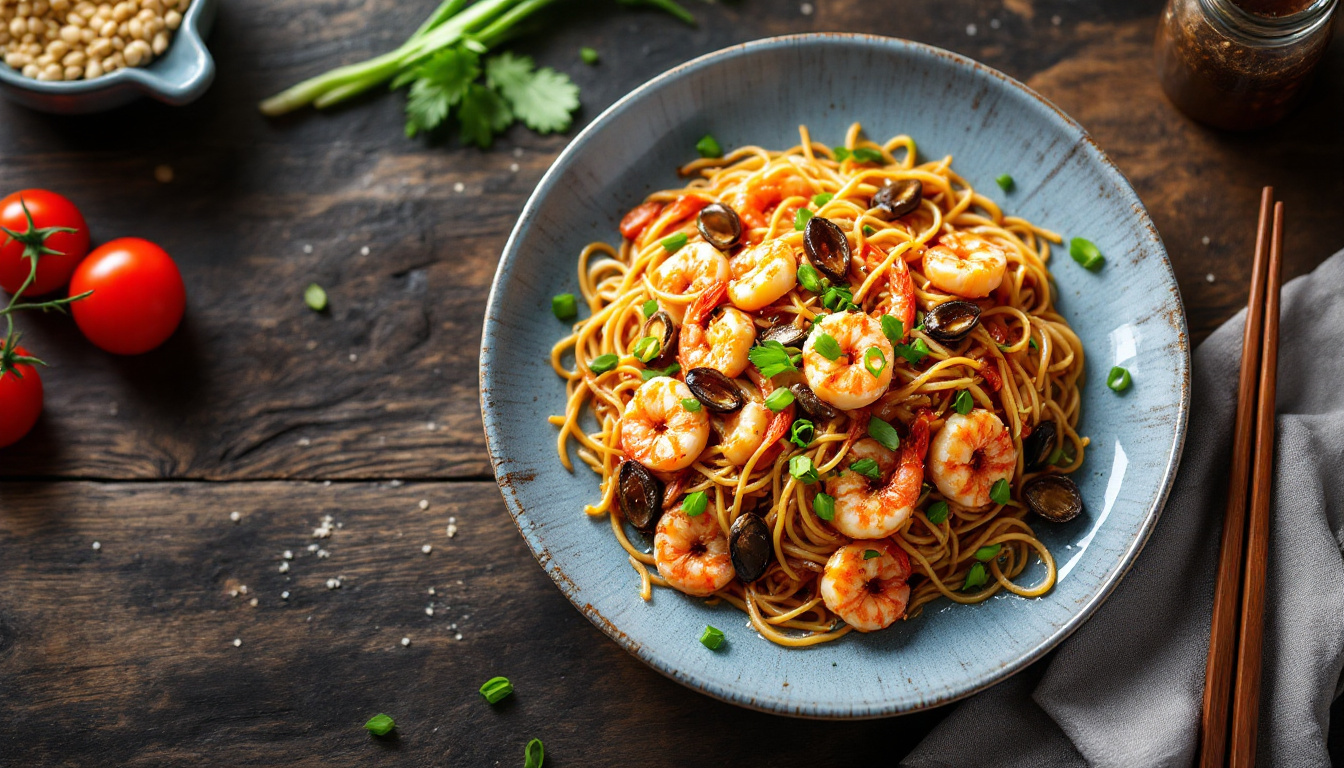
Laksa is two great noodle dishes wearing one name. Curry laksa is a coconut-rich, chili-deep bowl with noodles, tofu puffs, prawns, and cockles, while Penang’s asam laksa is sour and funky, built on tamarind and flaked mackerel with thick rice noodles. Both are loud, layered, and unforgettable. I am team asam laksa, but you cannot go wrong. Singapore’s Katong style is its own creamy cult. Track them down in our guides to Singapore and Penang.
8. Dan dan noodles 担担面
Dan dan noodles are Sichuan’s pocket-sized masterpiece, a small bowl you stir yourself into something explosive. The base is chili oil, sesame paste, preserved vegetables, and Sichuan peppercorns, topped with crumbled pork, and you mix it until every noodle is coated. The hit is málà, the numbing-and-spicy tingle that the peppercorns give. Traditionally sold by street vendors carrying the noodles on a pole (the “dan”). Small, cheap, and impossible to stop eating.
9. Bun bo Hue bún bò Huế
Bun bo Hue is pho’s bolder, spicier cousin, and plenty of Vietnamese will tell you it is the better bowl. Thick round rice noodles sit in a lemongrass-and-chili beef broth shot through with fermented shrimp paste and a slick of chili oil, with beef shank, pork knuckle, and sometimes congealed blood. It comes from the old imperial capital of Hue and tastes royal, complex and fiery at once. More central Vietnamese cooking in our guide to the best food in Vietnam.
10. Khao soi ข้าวซอย
Khao soi is northern Thailand’s coconut curry noodle soup and the dish I miss most from Chiang Mai. Egg noodles sit in a golden, Burmese-influenced curry broth with braised chicken, then get crowned with a nest of crisp fried noodles for crunch. You add pickled mustard greens, shallots, and lime yourself. Rich, creamy, and a little sweet, with texture in every spoonful. It barely shows up on tourist menus in Bangkok, so chase it in the north. More in our guide to the best food to eat in Thailand.
11. Naengmyeon 냉면
Naengmyeon is the great cold noodle dish, and it converts everyone who tries it on a hot day. Chewy buckwheat noodles sit in an icy, tangy beef-and-radish broth (mul naengmyeon) topped with cucumber, pear, and a halved egg, with mustard and vinegar to sharpen it. The bibim version skips the broth for a fiery gochujang sauce instead. Koreans eat it after grilled meat to cool down. Strange and brilliant. More in our guide to the best food to eat in South Korea.
12. Japchae 잡채
Japchae is the glossy, sweet-savory glass noodle dish at the heart of every Korean celebration. The noodles are dangmyeon, made from sweet potato starch, so they turn springy and translucent, then get tossed with sesame oil, soy, spinach, carrots, mushrooms, and often beef. Served warm or at room temperature, it is lighter than it looks and easy to make vegetarian. A staple of the Seoul table you will meet in our guide to the best food in Seoul.
13. Wonton noodles 雲吞麵
Wonton noodles are Hong Kong in a bowl, springy thin egg noodles in a clear shrimp-and-pork broth with plump prawn wontons. The detail locals obsess over is the noodle staying firm, so the wontons go in the bottom and the noodles rest on top, clear of the soup. A good bowl is delicate and clean, not heavy. Eat it at an old cha chaan teng or a dai pai dong. Find more in our guide to the best food in Hong Kong.
14. Biang biang noodles biángbiáng麵
Biang biang noodles are wide as a belt and named after the slap they make on the counter. A single hand-pulled noodle can be longer than your arm, thick and chewy, finished with chili powder, garlic, and scallions that get seared by a ladle of smoking-hot oil poured over the top. From Xi’an in Shaanxi, the dish is famous partly for its character, “biang,” one of the most complex in written Chinese. Chewy, oily, and fiercely satisfying.
15. Udon うどん
Udon is the thick, bouncy wheat noodle that proves simple can be sublime. The best style, Sanuki udon from Kagawa, is so firm it almost snaps back, served in a light dashi broth (kake) or cold with dipping sauce (bukkake) in summer. Toppings stay restrained: tempura, a raw egg, grated ginger, scallions. It is cheap, fast, and often self-serve at counters where you slurp standing up. Comfort food at its most honest, and a staple in our guide to the best food in Osaka.
16. Jjajangmyeon 짜장면
Jjajangmyeon is Korea’s beloved black-bean noodle dish and the national order for a night in. Thick wheat noodles get smothered in a glossy, dark sauce of fermented black bean paste (chunjang) cooked down with pork and onion until sweet and savory. It is Korean-Chinese comfort food, eaten on Black Day (April 14) by the single and delivered to more doors than almost anything else. Mix it thoroughly before the first bite. Messy and wonderful.
17. Hokkien mee 福建麵
Hokkien mee is a tale of two cities and both are worth your time. In Singapore and Penang it means a prawn-stock noodle dish, the Penang version a dark, peppery prawn-and-pork soup, while in Kuala Lumpur it is thick yellow noodles wok-fried in dark soy until almost black and smoky. All of it leans on pork lard, prawns, and serious wok heat. Order it where the queue is longest. Compare the regional takes in our guide to the best food in Kuala Lumpur.
18. Soba そば
Soba is the elegant one, thin buckwheat noodles with a nutty flavor and a clean snap. Purists eat them cold as zaru soba, dipped in a soy-dashi sauce with wasabi and scallions, the better to taste the buckwheat. In winter they go into hot broth (kake soba) with tempura or duck. Tokyo has a deep soba culture, and the best shops mill their own flour daily. Lighter and more delicate than ramen, and just as worth seeking out in our guide to the best food in Tokyo.
19. Mi Quang mì Quảng
Mi Quang is central Vietnam’s quietly genius noodle dish, almost a salad in how little broth it has. Turmeric-tinted rice noodles sit in just a few spoonfuls of intense, concentrated stock with shrimp, pork, herbs, peanuts, and a piece of toasted rice cracker you crumble over the top. You toss it all together. From Quang Nam province near Da Nang, it is the antidote to soupy pho, drier, nuttier, and full of texture. A regional specialty most visitors miss.
20. Mie goreng mie goreng
Mie goreng is the sweet, smoky fried noodle that fuels Indonesia, sold from carts (kaki lima) and warungs everywhere. Yellow wheat noodles get wok-fried with kecap manis (sweet soy), garlic, chili, egg, and whatever protein is around, then topped with fried shallots and a fried egg. It is sweet, savory, and a little charred, the kind of cheap late-night plate you eat standing on a curb. Simple, ubiquitous, and a perfect close to this list.
Honorable mentions
Twenty slots is not enough for a continent of noodles, so a few more deserve a nod. Italian pasta is deliberately left off, because carbonara and ragu belong to their own ranking, not a bowl-of-broth list. Beyond that, watch for pad see ew (Thailand’s wide, soy-charred stir-fry), Burmese mohinga (a fishy catfish-and-rice-noodle breakfast soup that is Myanmar’s national dish), kalguksu (Korea’s knife-cut wheat noodles in clam or chicken broth), cheung fun (Cantonese steamed rice rolls), mee rebus (Malay noodles in a sweet-potato gravy), laksa’s quieter cousin lontong, and Filipino pancit (stir-fried egg or rice noodles with pork, shrimp, and vegetables; the palabok version, under a thick shrimp-and-annatto sauce, is the one to seek out, and TasteAtlas ranks it among the world’s top 25 noodle dishes). Any of them could crack a longer list.
How to eat noodles like a local
The first rule of eating noodles well is to stop being polite about it. Across Japan and much of East Asia, slurping is not just allowed, it is the point, pulling air in with the noodle cools it and lifts the aroma, and a quiet ramen counter sounds wrong. Use chopsticks to lift and a spoon underneath to catch broth, and bring the bowl closer rather than leaning down to it.
- Slurp in Japan, China, Korea, and Vietnam. It cools the noodles and is taken as a compliment, not bad manners.
- Eat noodles fast, before they swell and go soft. A bowl is built to be finished in minutes, not lingered over.
- Dress it yourself. Pho, bun bo Hue, and laksa come with herbs, lime, and chili on the side so you balance the bowl to taste.
- Cold noodles (naengmyeon, zaru soba) are a summer thing. Locals order them to cool down, often after grilled meat.
- For hand-pulled lamian or biang biang, ask for your preferred thickness; the cook pulls to order.
FAQ
What is the best noodle dish in the world?
Tonkotsu ramen from Fukuoka, Japan tops this ranking: thin wheat noodles in a pork-bone broth simmered 12 to 20 hours until milky and rich. Vietnam’s pho bo and China’s hand-pulled Lanzhou beef lamian are close behind. The “best” is personal, but those three turn up on almost every serious noodle list.
What is the difference between ramen and pho?
Ramen is a Japanese dish of wheat noodles in a usually rich, opaque broth (pork-bone tonkotsu, soy, or miso), eaten hot and hearty. Pho is Vietnamese: flat rice noodles in a clear, aromatic beef or chicken broth spiced with star anise and cinnamon, finished with fresh herbs and lime. Ramen is rich and comforting; pho is light and fragrant.
What is the spiciest noodle dish?
Among the classics, Sichuan dan dan noodles and Vietnam’s bun bo Hue bring the most heat, and dan dan adds the numbing málà tingle of Sichuan peppercorns. Korean bibim naengmyeon and many laksa bowls are also seriously spicy. You can usually ask for a milder version at the stall.
Which noodle dishes are vegetarian-friendly?
Japchae (Korean glass noodles), zaru soba, and many pad thai and mie goreng stalls can be made without meat or fish, though check for fish sauce and shrimp paste, which hide in a lot of Southeast Asian cooking. Curry laksa and khao soi can often be ordered with tofu and vegetables instead of meat.
Is Italian pasta a noodle?
Technically yes, pasta and Asian noodles are both unleavened dough cut into strands, but this ranking keeps them apart on purpose. Pasta is a whole cuisine of its own, with sauces and rules that deserve a separate list, so here we focus on the broth-and-wok noodle traditions of Asia.
More food guides waiting for you
Browse our complete collection of food travel tips and rankings.