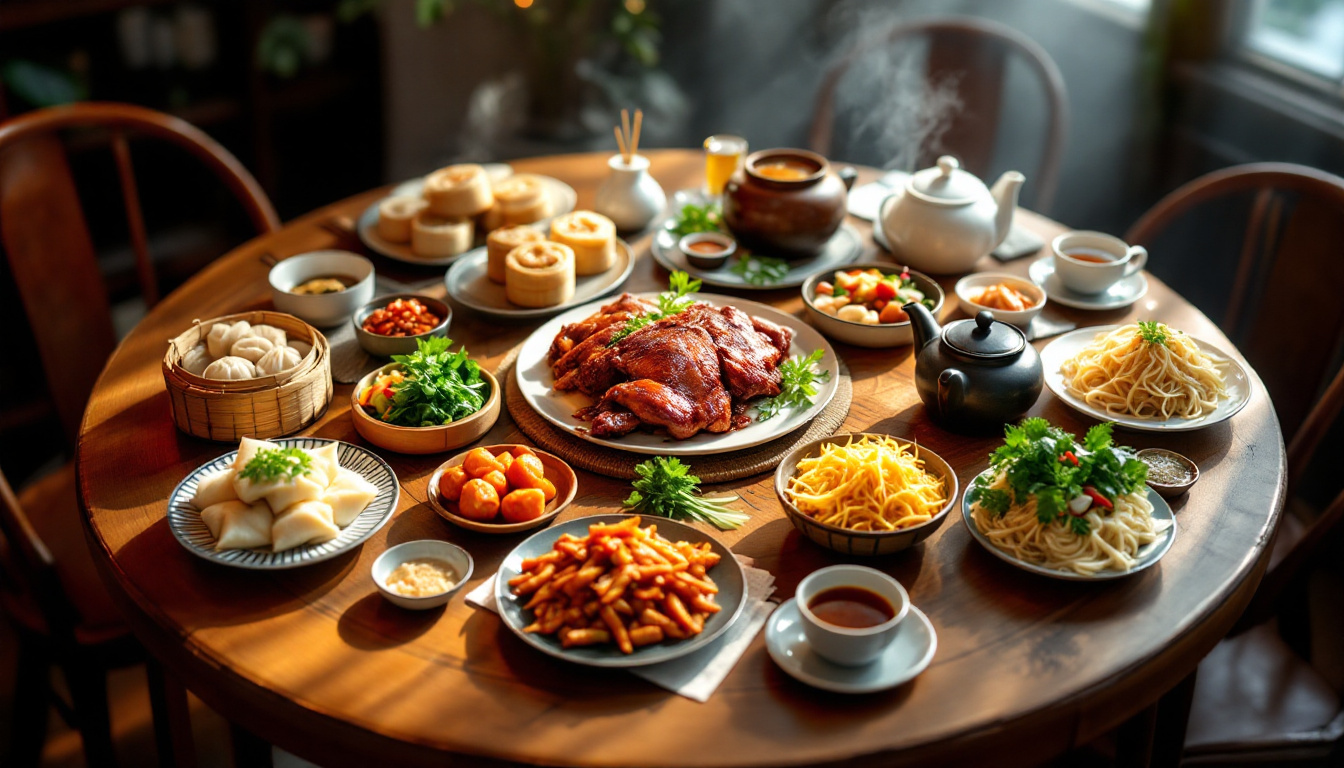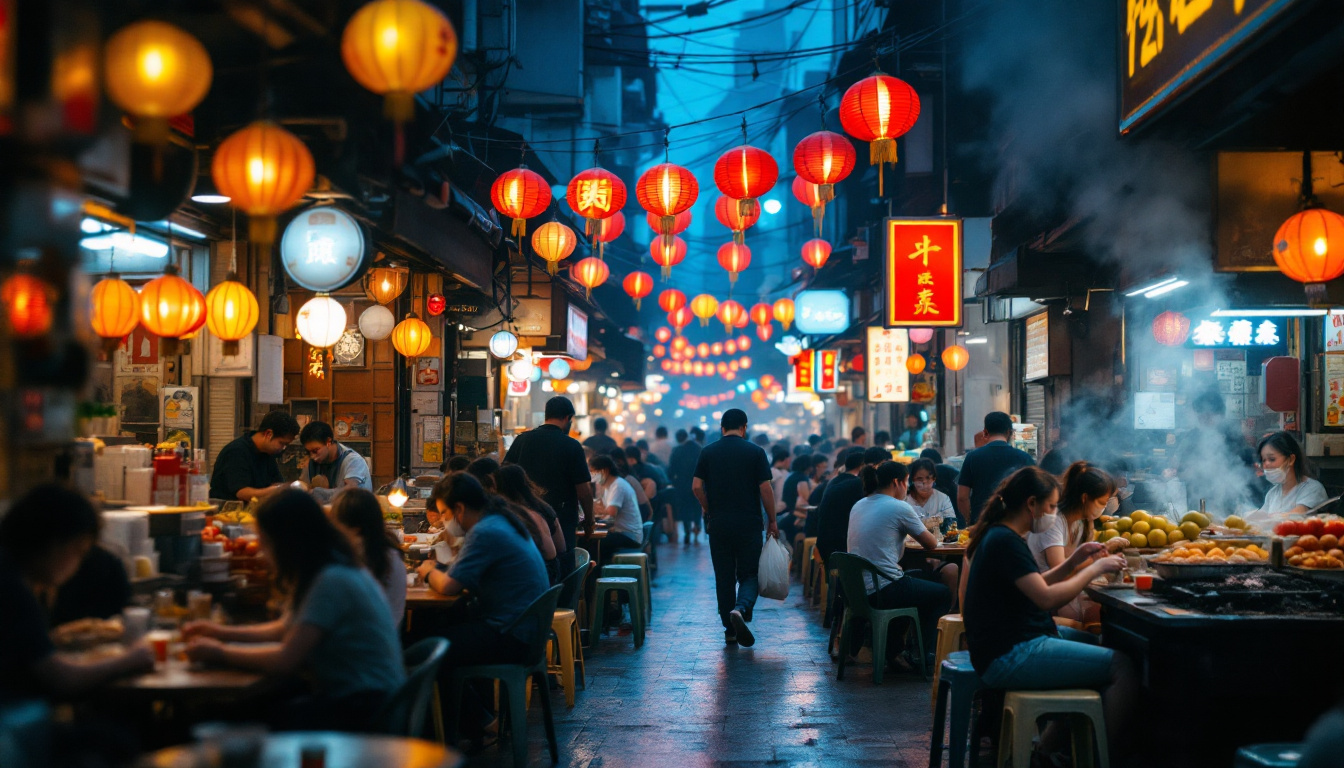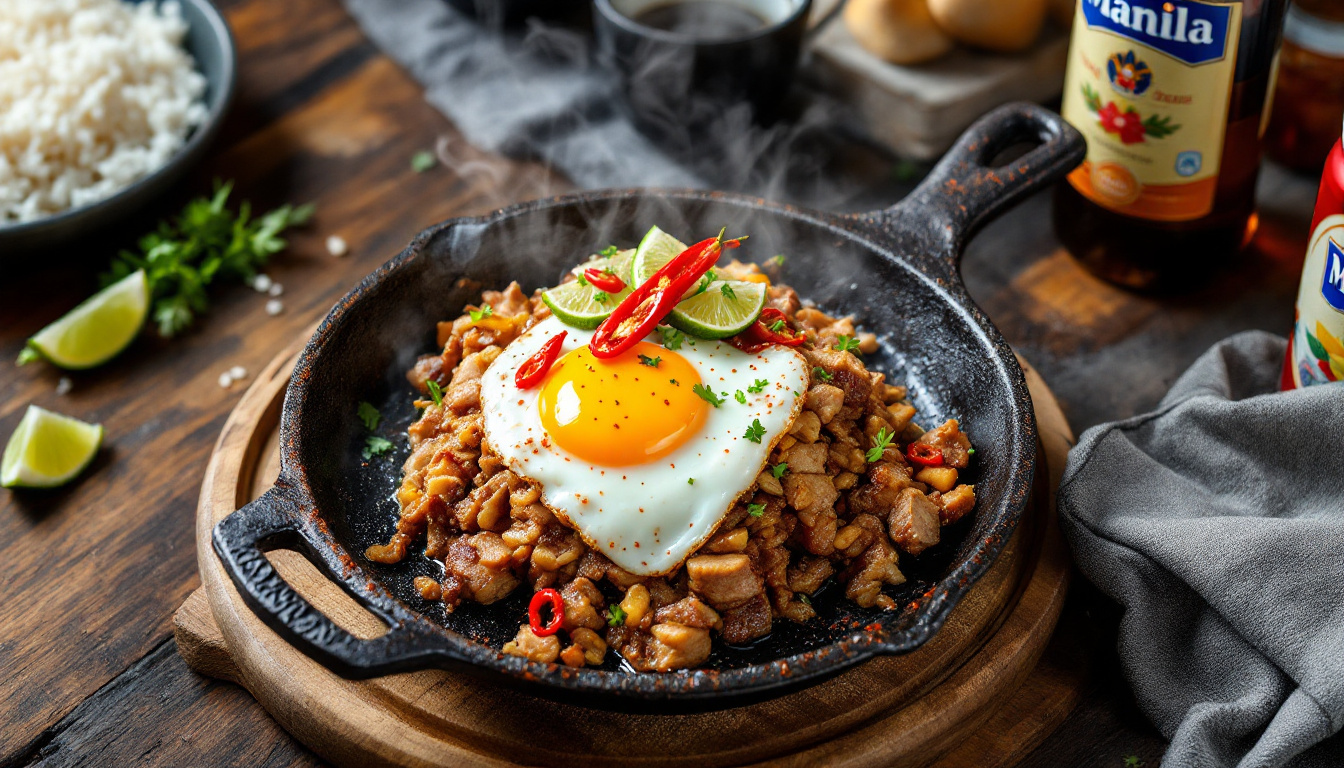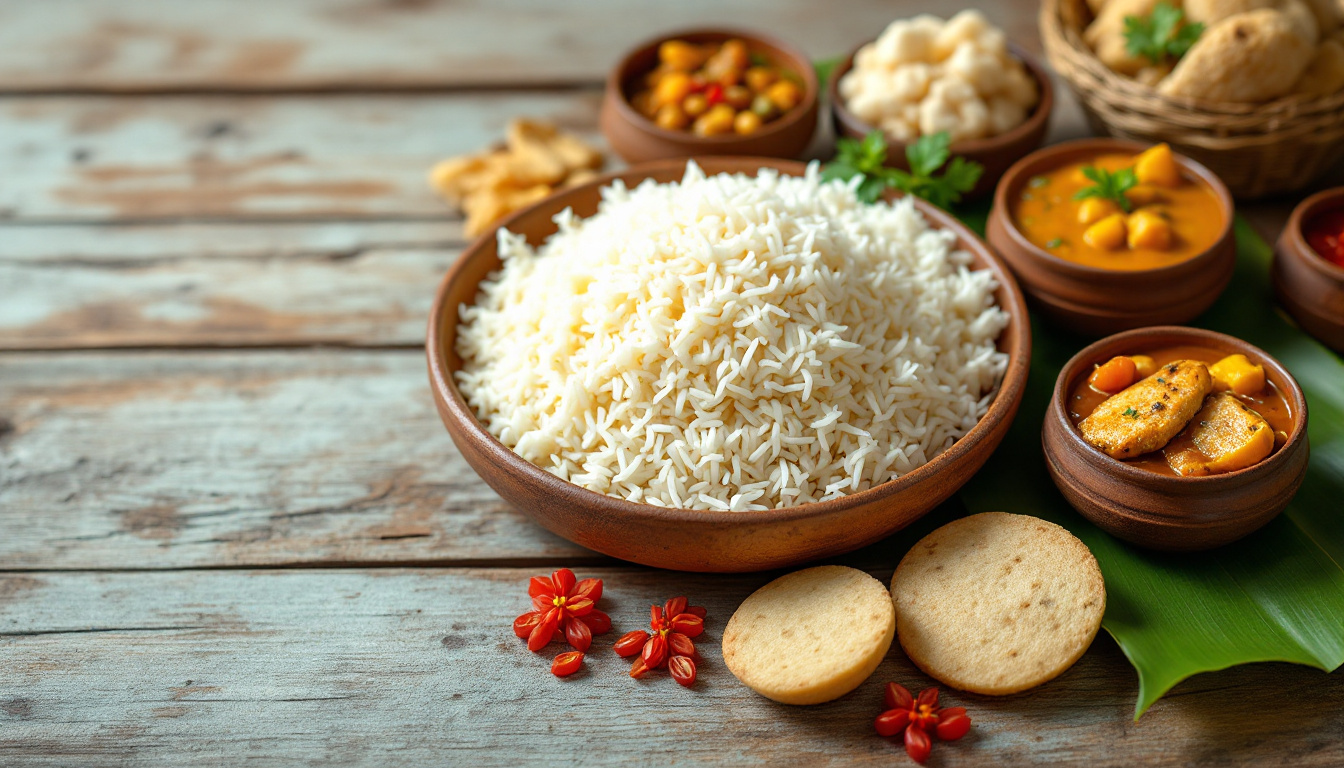
Rice and curry spread across a banana leaf, egg hoppers with a jammy yolk, the clatter of kottu off a night griddle, and Jaffna crab curry that bites back: a region-by-region guide to what to eat in Sri Lanka.
The best food to eat in Sri Lanka is the most underrated cooking in Asia, and it is nothing like the Indian food people expect. This is an island that turned rice and a dozen little curries into a daily art form, that ferments rice batter into crisp bowl-shaped hoppers, and that chops leftover roti into the addictive street dish you hear before you see. The flavors are coconut, chili, curry leaf, and tamarind, and the heat is real. Sri Lanka eats with more spice, more coconut, and more invention than almost anywhere, and barely anyone outside the island knows it.
Why Sri Lanka is Asia’s most underrated cuisine
Sri Lanka is Asia’s most underrated cuisine because it built a distinct food culture on an island at the center of the spice trade, separate from its giant neighbor. People assume it is a version of South Indian food, but Sri Lankan cooking is its own thing: more coconut (grated, milked, and oiled into nearly every dish), more chili heat, sour notes from goraka and tamarind, and unique forms like the hopper that exist nowhere else. It is one stop on our wider guide to the best food in Asia.
The base is rice and curry, but the island layers on Tamil, Muslim, Malay, and Dutch Burgher influences, plus the legacy of Arab and Portuguese traders. The north cooks fiery Tamil seafood; the coasts do sour fish curries; the hill country grows the tea and gentler vegetable curries; and Colombo pulls it all together with a frantic street-food scene. This guide runs through the dishes that define the island, then breaks it down region by region.
The best food to eat in Sri Lanka, dish by dish
These are the 14 dishes I send every first-timer after, the most popular and typical things to eat on the island, with a rough 2026 price and where each belongs. Prices are in Sri Lankan rupees (LKR), with the dollar figure at roughly LKR 300 to USD 1.
Rice and curry
Rice and curry is the national meal of Sri Lanka, a mound of rice surrounded by several small curries, sambols, and a papadam, and it is eaten daily by nearly everyone. A good spread runs to at least three and ideally five curries: a dhal, a vegetable or two (jackfruit, beans, pumpkin), a fish or chicken curry, plus pol sambol and a mallum of chopped greens. You mix it with your right hand, balancing heat, sourness, and coconut. At a local “hotel” it is astonishingly cheap and changes daily.
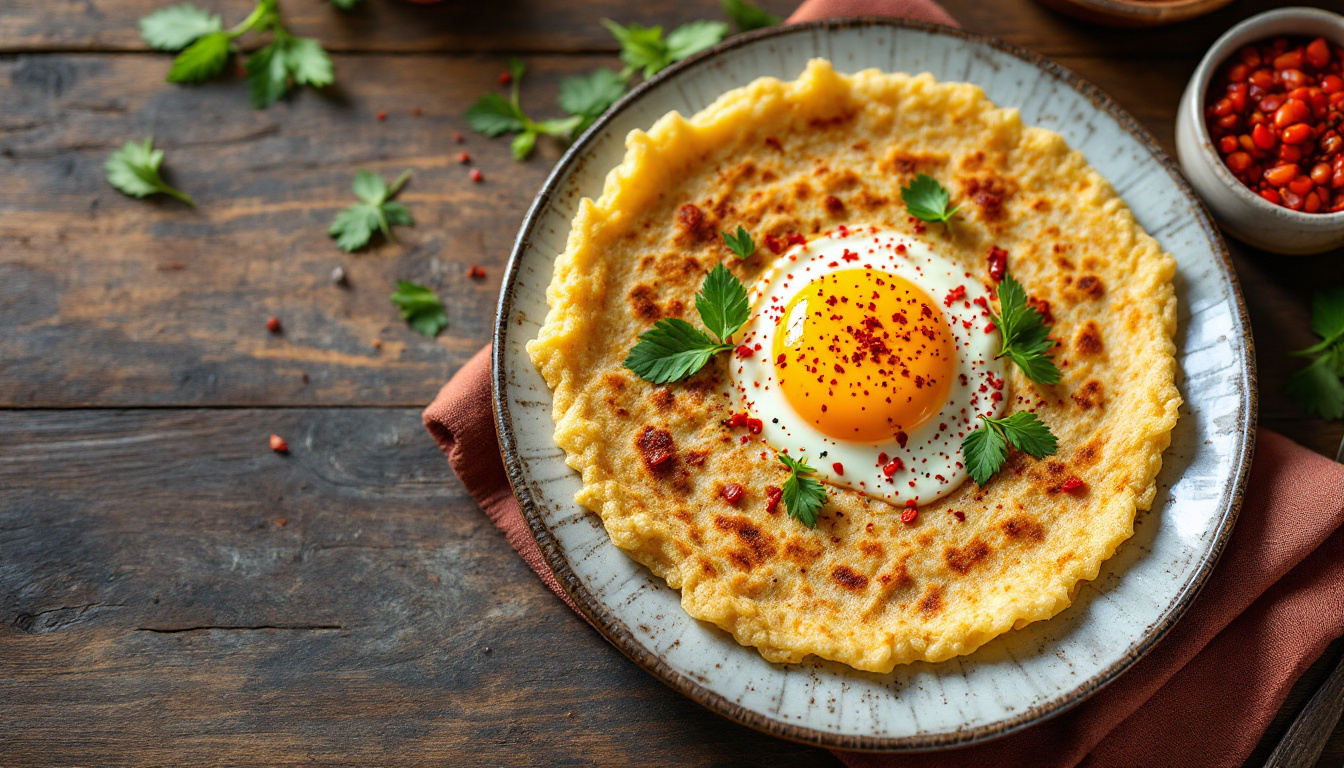
Hoppers appa
Hoppers (appa) are bowl-shaped pancakes made from fermented rice flour and coconut milk, crisp and lacy at the edges and soft in the middle, and they are one of the great breakfasts on Earth. The classic is the egg hopper, with an egg cracked into the center so the yolk sets jammy inside the crisp bowl, eaten with lunu miris (a chili-onion sambol) for heat. They are cooked to order in little curved pans at carts and “hotels” across the island. Upali’s in Colombo is a famous spot.
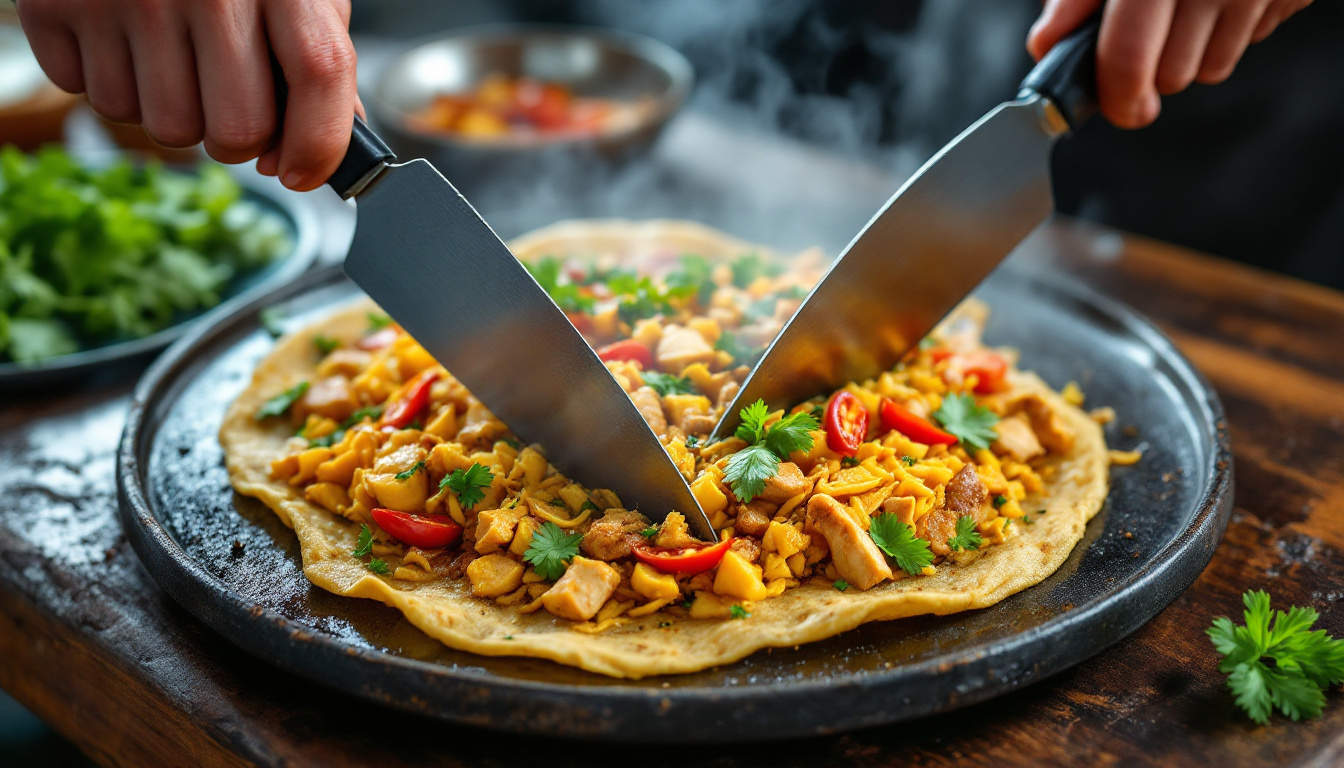
Kottu roti
Kottu roti is chopped godamba roti stir-fried on a hot griddle with egg, vegetables, spices, and your choice of meat, and you hear it before you see it. The cooks chop the roti and toppings with two metal blades in a fast, clattering rhythm that is the soundtrack of a Sri Lankan night. The result is savory, chewy, and endlessly customizable, from a simple vegetable kottu to a rich cheese kottu. It is the island’s great late-night street food, eaten from stalls everywhere after dark.
String hoppers idiyappam
String hoppers (idiyappam) are nests of steamed rice-flour noodles, pressed into delicate tangles and served with curry and sambol, and they are a classic Sri Lankan breakfast. Light and slightly springy, they soak up a mild coconut-milk dhal or a fish curry, with pol sambol on the side for heat. They come in plain white or red rice-flour versions. Cheap, comforting, and naturally vegan when served with a vegetable curry, they are the gentler counterpart to the fiery sambols.
Pol sambol and lunu miris
Pol sambol is a relish of grated fresh coconut pounded with red chili, lime, onion, and often Maldive fish, and it is the condiment that defines a Sri Lankan plate. Bright, hot, and a little salty, it goes on everything from rice and curry to hoppers and bread. Its sharper cousin lunu miris is a fierce paste of chili, onion, and lime, the thing you dab onto an egg hopper at dawn. Neither is optional once you taste them; they are what makes the island’s food sing.
Dhal curry parippu
Dhal curry (parippu) is red lentils simmered with coconut milk, turmeric, curry leaves, and a tempering of fried onion, garlic, and mustard seed, and it is the curry on every Sri Lankan table. Creamy, mild, and comforting, it balances the fiercer dishes and is the backbone of any rice and curry. It is also the easiest entry point for anyone wary of the heat. Made well, with a fragrant tempered finish, it is far more than a humble lentil dish.
Fish ambul thiyal
Fish ambul thiyal is a dry, intensely sour fish curry, chunks of tuna cooked with goraka (a black, tamarind-like fruit), black pepper, and spices until the sauce nearly disappears, and it is a southern coastal specialty. The goraka gives it a deep tang and acts as a preservative, a technique from before refrigeration. It is less soupy than other curries, almost a pickle of fish, and it keeps for days. Eat it with rice as part of a southern rice and curry spread.
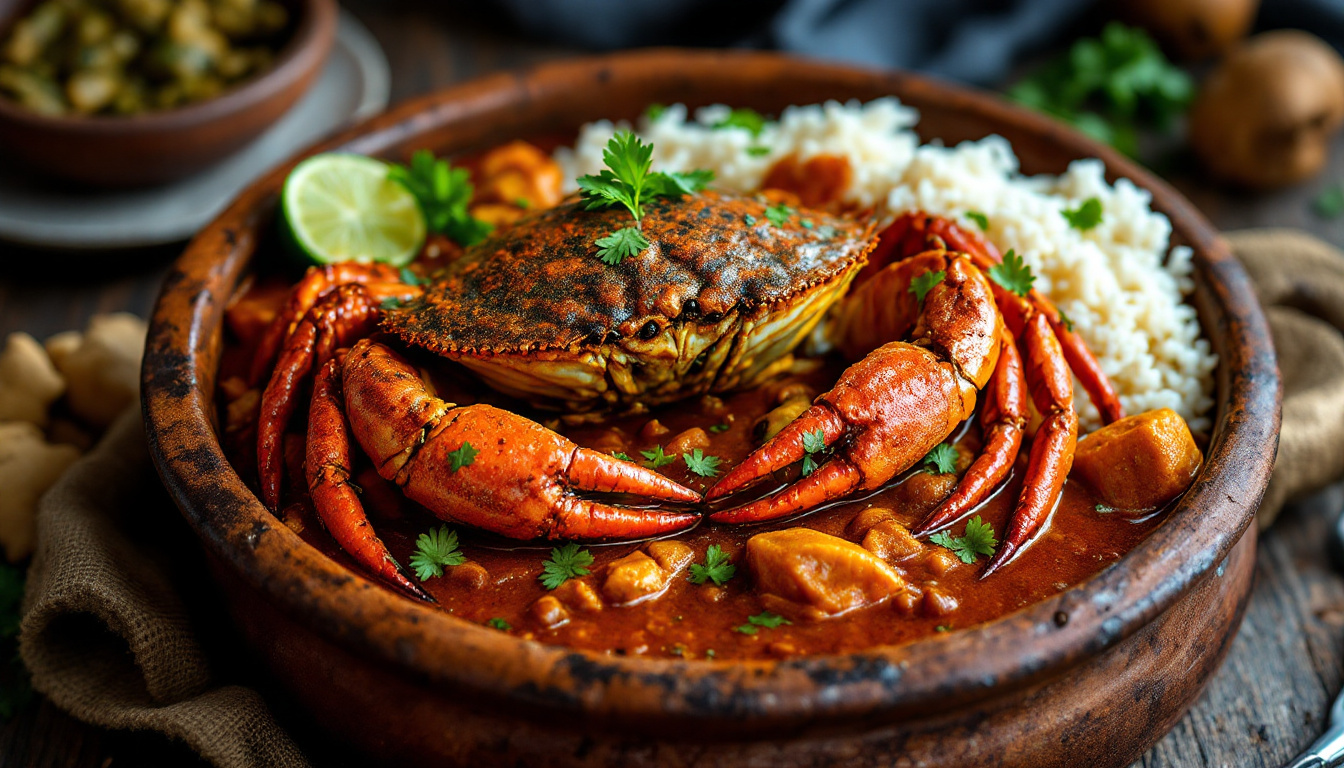
Jaffna crab curry
Jaffna crab curry is fresh lagoon crab cooked in a dark, fiery gravy of roasted Jaffna curry powder, fenugreek, fennel, tamarind, and coconut milk, and it is the showpiece of Sri Lanka’s Tamil north. The northern style is hotter and more deeply spiced than the rest of the island, built on its own roasted curry powder. Eating it is messy, hands-on work with cracked shells and rich gravy, best mopped up with rice. Colombo’s Ministry of Crab made Sri Lankan crab world-famous, but Jaffna is the heartland.
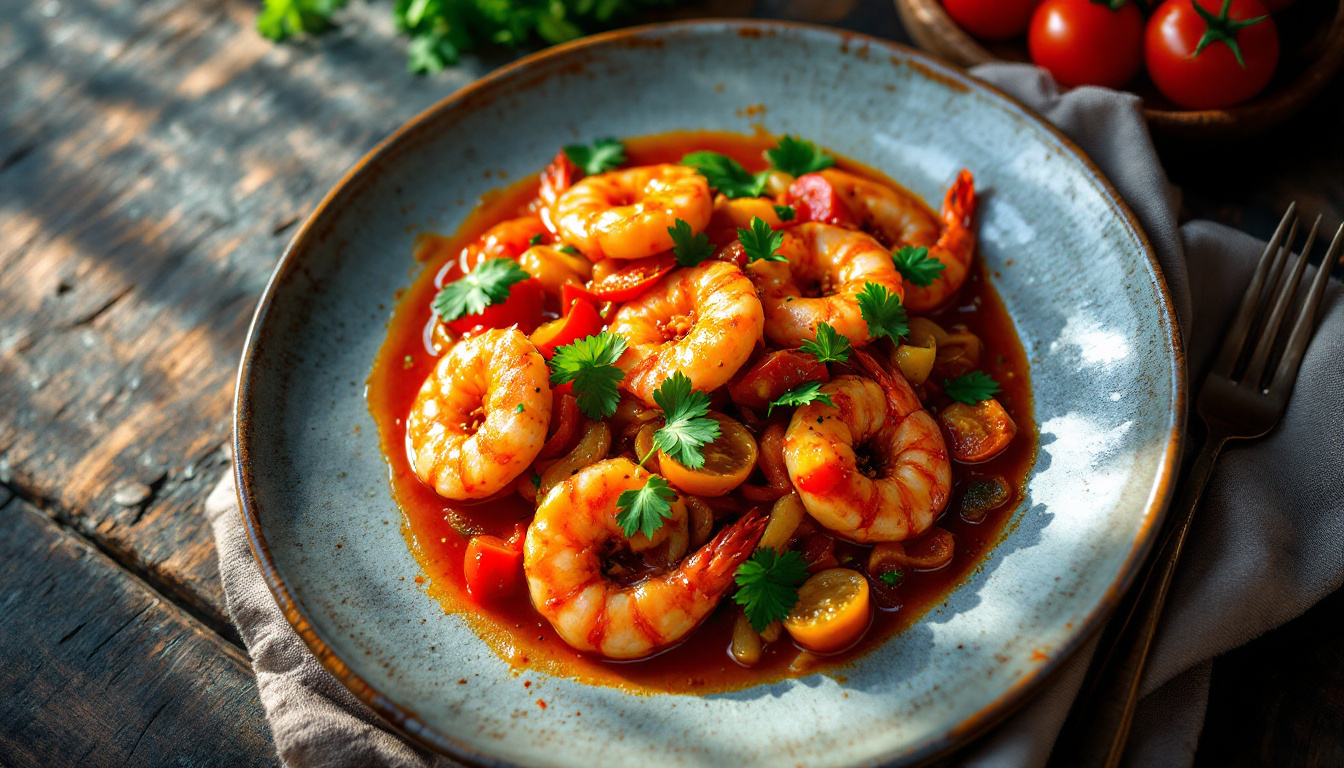
Deviled prawns and chicken
“Deviled” is the Sri Lankan style of stir-frying prawns, chicken, beef, or cuttlefish with onion, capsicum, tomato, and a sweet-hot chili-and-soy sauce until everything is glossy and clinging. It is the island’s Chinese-influenced cooking, a staple of Colombo “hotels” and beach restaurants, and the dish people order to go with arrack or a cold Lion lager. Deviled prawns (devilled isso) are the showpiece, plump and fiery, but deviled chicken is the everyday favorite. Sticky, spicy, and a little sweet, it is the most addictive thing on a lot of Sri Lankan menus.
Lamprais
Lamprais is a Dutch Burgher dish of rice cooked in stock, packed with a mixed-meat curry, a frikkadel meatball, blachan, and sambol, all wrapped in a banana leaf and baked, and it is a unique piece of Sri Lanka’s colonial food history. The name comes from the Dutch “lomprijst.” Unwrapping the leaf releases a smoky, fragrant steam, and everything has melded together. It is richer and more composed than everyday rice and curry, a special-occasion dish you find at Colombo bakeries and Burgher kitchens.
Kiribath and pittu
Kiribath is rice cooked in coconut milk until thick, set, and cut into diamonds, a celebratory dish eaten at New Year and the first of the month with lunu miris or jaggery. Pittu is steamed cylinders of rice flour and coconut, crumbly and mild, served with coconut milk and curry. Both are coconut-rich rice staples that show how central rice and coconut are to the island’s cooking. Kiribath in particular marks every important occasion, sweet or savory depending on what you put with it.
Short eats
Short eats are the savory snacks sold at every Sri Lankan bakery and tea stop, and grazing on them is a national habit. The lineup runs to fish buns (maalu paan), Chinese rolls (a crumbed, fried roll of fish or chicken), cutlets, patties, vadai (lentil fritters), and isso wade (a crunchy lentil cake topped with prawns, sold on southern beaches). You grab a few from a tray, pay by the piece, and wash them down with sweet milk tea. They are the cheapest, easiest way to eat through a Sri Lankan day.
Watalappan
Watalappan is a steamed coconut-and-jaggery custard spiced with cardamom and nutmeg and studded with cashews, and it is Sri Lanka’s great dessert, brought by the Malay community. Set like a firm flan and deeply caramel from the kithul or palm jaggery, it is the sweet that appears at celebrations and especially during Ramadan. The texture is silky and the flavor is warm and spiced rather than simply sugary. It is the dessert to order at the end of a rice and curry feast.
Curd and treacle
Curd and treacle is thick buffalo-milk curd drizzled with kithul treacle (the syrup tapped from the fishtail palm), and it is the simplest and most beloved Sri Lankan dessert. The curd is tangy and set in a clay pot; the treacle is dark, smoky, and floral, nothing like maple syrup. Together they are cool, rich, and just sweet enough, the perfect end to a hot, spicy meal. Buffalo curd from places like the south is prized, and the clay pot keeps it cold.
How food changes across Sri Lanka, region by region
Sri Lankan food splits clearly by region, and knowing where you are tells you what to order. The north cooks fiery Tamil seafood, the coasts do sour fish curries and snacks, the hill country grows tea and gentler vegetable curries, and Colombo concentrates the street food. Here is the map.
Colombo, the capital, is the island’s food crossroads, where rice and curry “hotels,” Burgher lamprais, Muslim biryani and watalappan, and a frantic kottu street scene all meet. It is the best place to eat across every regional and community style in a few days, plus modern restaurants like the crab specialists that put Sri Lankan seafood on the world map. Nearby Negombo adds a strong Catholic fishing-town seafood tradition.
Jaffna and the Tamil north cook the island’s hottest, most distinct food, built on a dark roasted Jaffna curry powder. This is the home of crab curry, Jaffna kool (a tangy seafood soup thickened with palmyra flour), goat curry, and intensely spiced vegetarian Tamil cooking. The flavors are deeper and fierier than the south, with palmyra palm products unique to the region. It is the most rewarding and least-visited food destination on the island.
The south coast, around Galle and Matara, is seafood and sour-curry country. Fish ambul thiyal (the dry, goraka-soured tuna curry) comes from here, alongside fresh grilled and curried fish, prawns, and the isso wade sold on the beaches. Coconut is everywhere, and the rice and curry leans on the day’s catch. The surf towns now mix this with traveler-friendly cafes, but the local fish curries are the thing to seek out.
The hill country around Kandy, Nuwara Eliya, and Ella is tea country, and its food is cooler-climate and vegetable-forward. This is where Ceylon tea grows on the misty slopes, and the cooking leans on hill vegetables, gentler curries, and the food of the Tamil tea-estate communities. It is also prime hopper and string-hopper territory, and the place to drink the tea at its source while looking over the plantations.
Where to eat: hotels, kottu stalls and short eats
The best food in Sri Lanka is found at local “hotels,” kottu stalls, and bakeries, not at resort buffets. Each has its role, and eating like a local means knowing which is which. Here is where to go. Prices in this guide are 2026, in Sri Lankan rupees with US-dollar conversions at roughly LKR 300 to the dollar; a rice-and-curry “hotel” meal costs barely a dollar or two.
- Rice and curry “hotels”, the small local eateries (confusingly called hotels) serving a daily-changing buffet of rice with curries for a dollar or two. The cheapest great meal on the island.
- Kottu stalls, the night-time street spots where you follow the clatter of the blades; order it with cheese or extra egg.
- Bakeries and tea stops, for short eats (fish buns, rolls, cutlets, vadai) grabbed by the piece with a sweet milk tea.
- Hopper carts, the little stands cooking egg hoppers and string hoppers to order at breakfast and dusk.
- Coastal seafood and Jaffna spots, for crab curry, fresh fish, and the fierce northern Tamil cooking worth a trip in itself.
What to drink in Sri Lanka
The two drinks of Sri Lanka are Ceylon tea and the king coconut, and both are essential. The island gave its old name, Ceylon, to the tea grown on its hill-country slopes, drunk strong and sweet with milk at every roadside stop. The king coconut (thambili), a bright-orange coconut sold from carts, is the natural hydrator in the heat, hacked open to drink the water straight. Beyond them, the island makes arrack, a spirit distilled from coconut palm sap, drunk neat or with soda and ginger beer; faluda, a sweet rose-and-jelly milk drink; and excellent fresh lime sodas.
- Eat with your right hand, mixing curries into the rice; a finger-bowl or sink is provided to wash up.
- Rice and curry is the main meal; pile on several curries and sambols and adjust the heat as you go.
- Tip around 10 percent at restaurants; a service charge is sometimes already included.
- Vegetarians and vegans eat brilliantly: most curries are coconut-based, and jackfruit, dhal, beans, and greens (mallum) are everywhere, with strong Buddhist and Tamil vegetarian traditions.
- A “hotel” usually means an eatery, not lodging; look for a busy local one at lunch.
Frequently asked questions
What is Sri Lanka’s national dish?
Rice and curry is Sri Lanka’s national dish, a mound of rice served with several small curries (dhal, vegetable, fish or meat), sambols like pol sambol, a mallum of greens, and papadam. A good spread has at least three and ideally five curries, balancing heat, sourness, and coconut. It is eaten daily across the island and changes from region to region and day to day.
Is Sri Lankan food spicy?
Yes, Sri Lankan food is genuinely spicy, often hotter than Indian food. It relies heavily on red chili and fiery sambols like pol sambol and lunu miris. That said, milder dishes like dhal, coconut-milk curries, string hoppers, and curd balance the heat, and you can ask for less chili. The northern Jaffna style is the hottest of all.
How is Sri Lankan food different from Indian food?
Sri Lankan food is distinct from Indian cooking despite the proximity. It uses far more coconut (grated, milked, and as oil), unique sour agents like goraka, and its own forms such as hoppers, string hoppers, and kottu roti that do not exist in India. The roasted, dark Jaffna curry powder and ingredients like Maldive fish and kithul treacle give it a flavor profile all its own.
What is kottu roti?
Kottu roti is Sri Lanka’s signature street food: chopped godamba roti stir-fried on a griddle with egg, vegetables, spices, and a choice of meat. The cooks chop it with two metal blades in a loud, rhythmic clatter you can hear down the street. It is savory, filling, and endlessly customizable, from vegetable to cheese kottu, and it is the classic late-night meal across the island.
Can vegetarians eat well in Sri Lanka?
Vegetarians and vegans eat exceptionally well in Sri Lanka. Most curries are coconut-milk based and many are naturally plant-based, with jackfruit (polos), dhal, beans, pumpkin, and chopped-green mallums everywhere. Strong Buddhist and Tamil vegetarian traditions mean a meat-free rice and curry is easy and delicious. Just confirm that sambols and curries do not contain Maldive fish if you are strict.
What is the most popular food in Sri Lanka?
The most popular and most famous food in Sri Lanka is rice and curry, the national meal eaten daily by nearly everyone. After that, the dishes most associated with the island are hoppers and egg hoppers, kottu roti (the great street food), pol sambol, and Jaffna crab curry. Deviled prawns and chicken are the most popular restaurant order, and watalappan and curd with treacle are the classic sweets. Together these are the typical Sri Lankan dishes every visitor should try.
What should I drink in Sri Lanka?
Drink Ceylon tea and king coconut. The island is the home of Ceylon tea, drunk strong and sweet with milk at roadside stops, and you can visit the hill-country estates where it grows. The king coconut (thambili) is the natural way to cool down in the heat. For something stronger, try arrack, the local coconut-palm spirit, with soda and ginger beer.
More food guides waiting for you
Browse our complete collection of Asian food guides.