Mexicans will tell you that the best food in the country is not in Mexico City but in Oaxaca, and after eating my way through its markets I am inclined to agree. This is the culinary capital of Mexico, a southern state where pre-Hispanic cooking survived almost intact: complex moles built from dozens of ingredients, corn in a hundred forms, smoky mezcal, and yes, toasted grasshoppers by the handful. The first time I had real mole negro, dark and bittersweet and impossibly layered, I understood it was less a sauce than a culture. The best food in Oaxaca is the deepest, most ancient cooking in Mexico, eaten in its markets.
Why Oaxaca is Mexico’s food capital
Oaxaca is widely called the culinary capital of Mexico because its indigenous food traditions are the most intact in the country. This mountainous southern state was never fully homogenized, so dozens of native cuisines, Zapotec, Mixtec and more, kept their distinct dishes, chiles and techniques alive. Corn, chiles, beans, chocolate and agave, the foundations of Mexican food, are all worshipped here in their oldest forms.
The result is cooking of extraordinary depth, where a single mole can take days and dozens of ingredients, yet a market tlayuda costs a couple of dollars. It is a richer, more ancient layer beneath the street food of Mexico City, and the heart of the wider cuisine our Mexico food guide explores. Eat in the markets, drink the mezcal, and take your time.
The dishes you have to eat in Oaxaca
Mole Negro mole negro
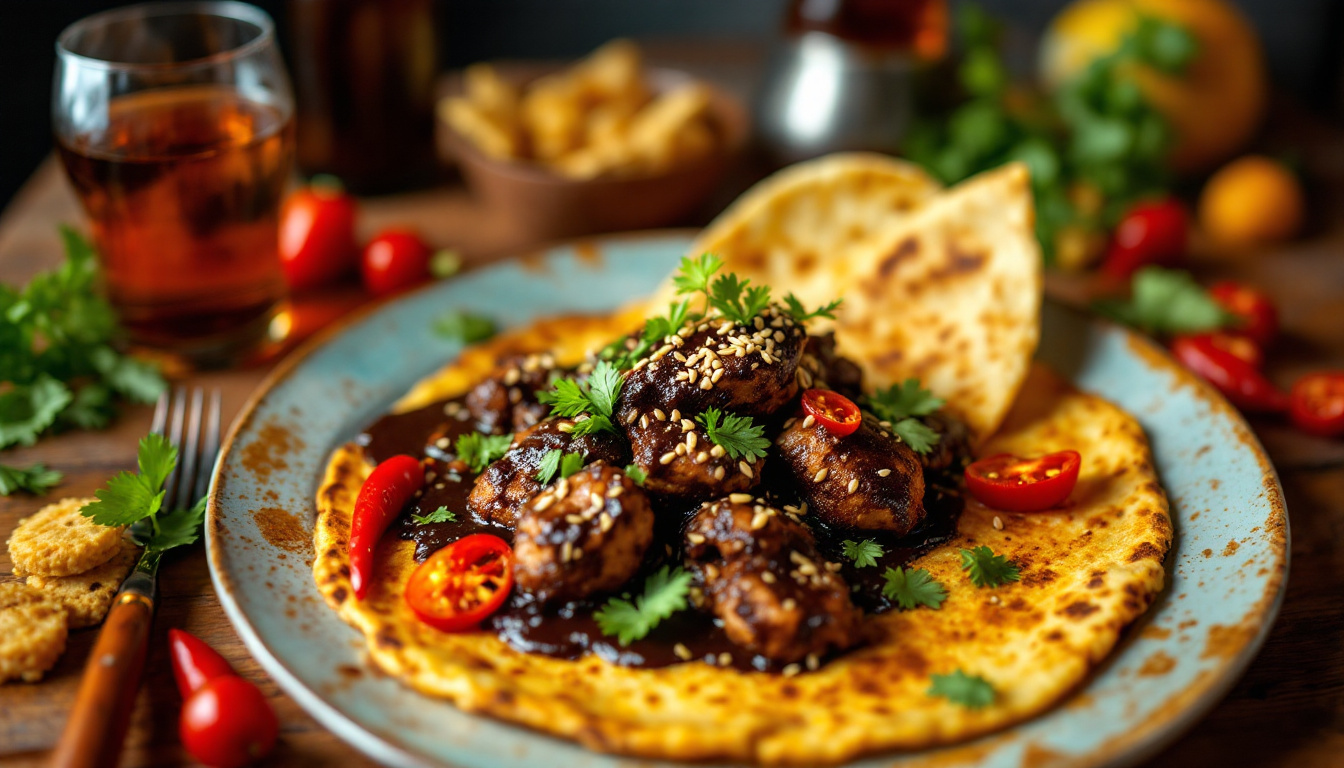
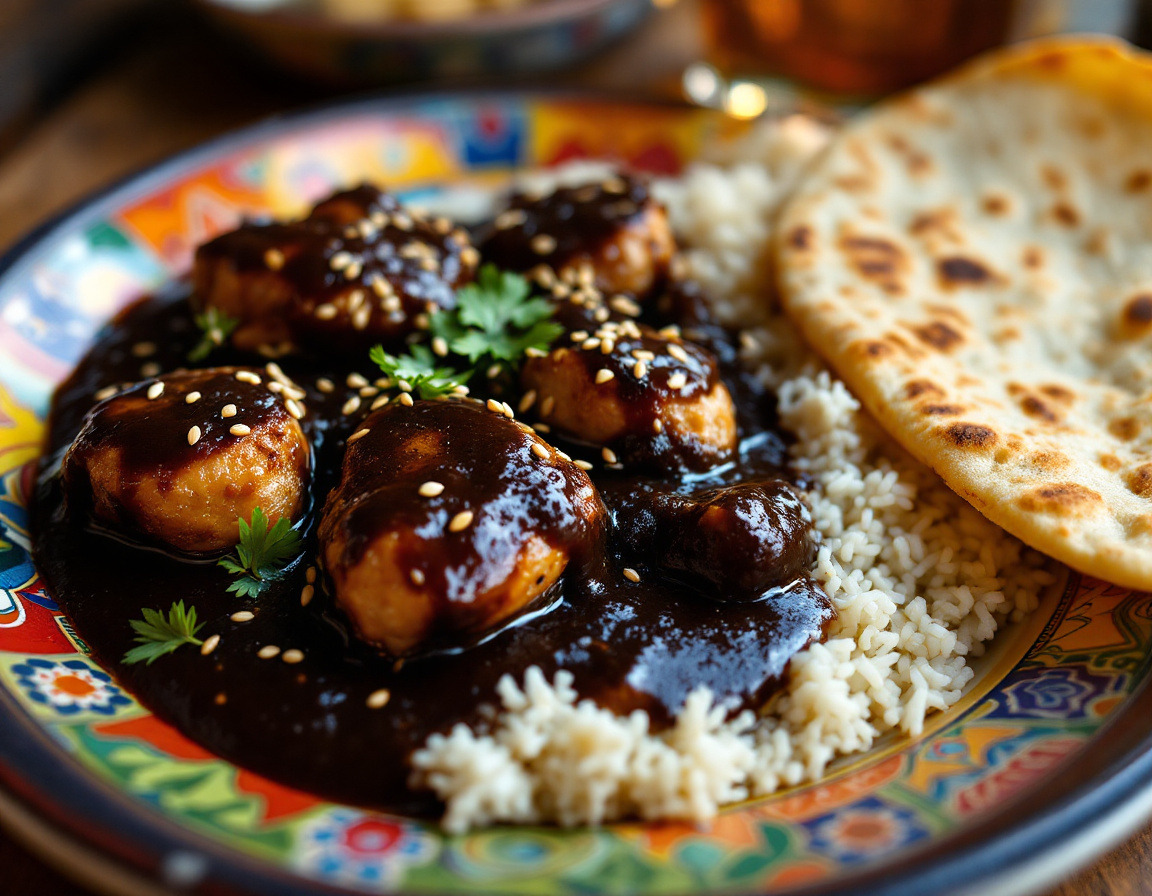
Mole negro is the most famous of Oaxaca’s seven moles and the dish that defines the state. It is a dark, glossy, almost black sauce built from dozens of ingredients, several kinds of chile, chocolate, nuts, seeds, spices and charred chile seeds that give it its color and faint bitterness, simmered for hours and served over chicken or turkey. The flavor is deep, complex, barely sweet, unlike anything else you’ve had. Oaxacans say no two cooks make it the same. Order it the first chance you get.
Tamales oaxaqueños tamales de mole
Oaxacan tamales are steamed in banana leaves rather than corn husks, which keeps the masa softer and lends a faint sweetness, and the classic filling is chicken drowned in mole negro. You buy them from a basket at a market or a street corner in the morning, unwrap the leaf, and eat the rich, dark, mole-soaked masa with a coffee or a cup of chocolate. It is the definitive Oaxacan breakfast, and a cheaper, more portable way to taste the state’s famous mole.
Memelas memelas
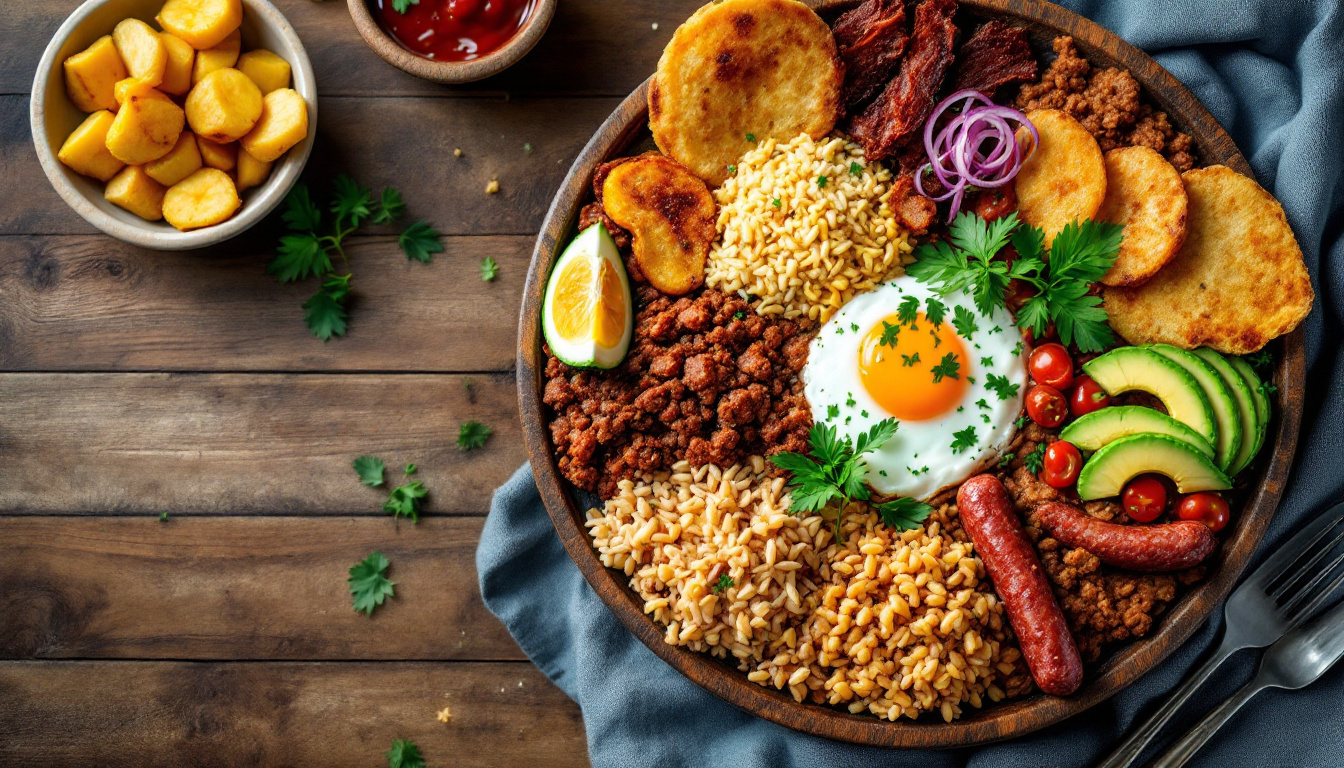
Memelas are the everyday Oaxacan street breakfast: a thick, hand-pressed oval of masa toasted on a comal, pinched at the edges, then smeared with asiento (unrefined pork lard), black bean paste and crumbled quesillo, often finished with salsa and a little tasajo or chorizo. Crisp at the base, soft on top, cheap and filling, they are what locals actually eat before work, sold at market comedores and corner griddles across the city. Order one with salsa verde and a cup of chocolate.
Tlayuda tlayuda
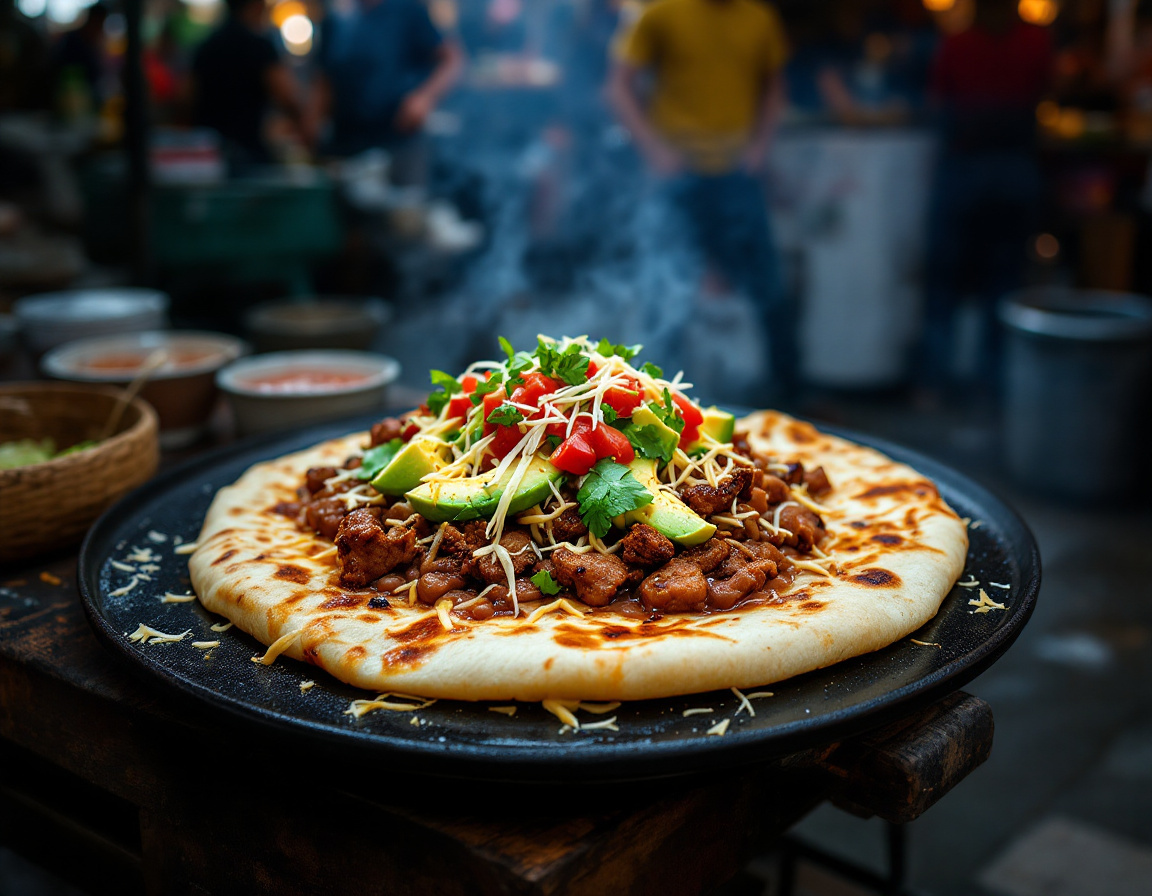
The tlayuda is Oaxaca’s great street dish, a huge, thin, crisp-toasted corn tortilla loaded like an open sandwich. It is smeared with asiento, the unctuous pork lard, then layered with refried beans, shredded quesillo cheese, avocado, salsa and a grilled meat like tasajo or chorizo, then folded or left flat and charred over coals. Locals nickname it the Oaxacan pizza, though it’s entirely its own thing. The best come from smoky night stalls. Eat it hot off the grill.
Quesillo and Tasajo quesillo, tasajo
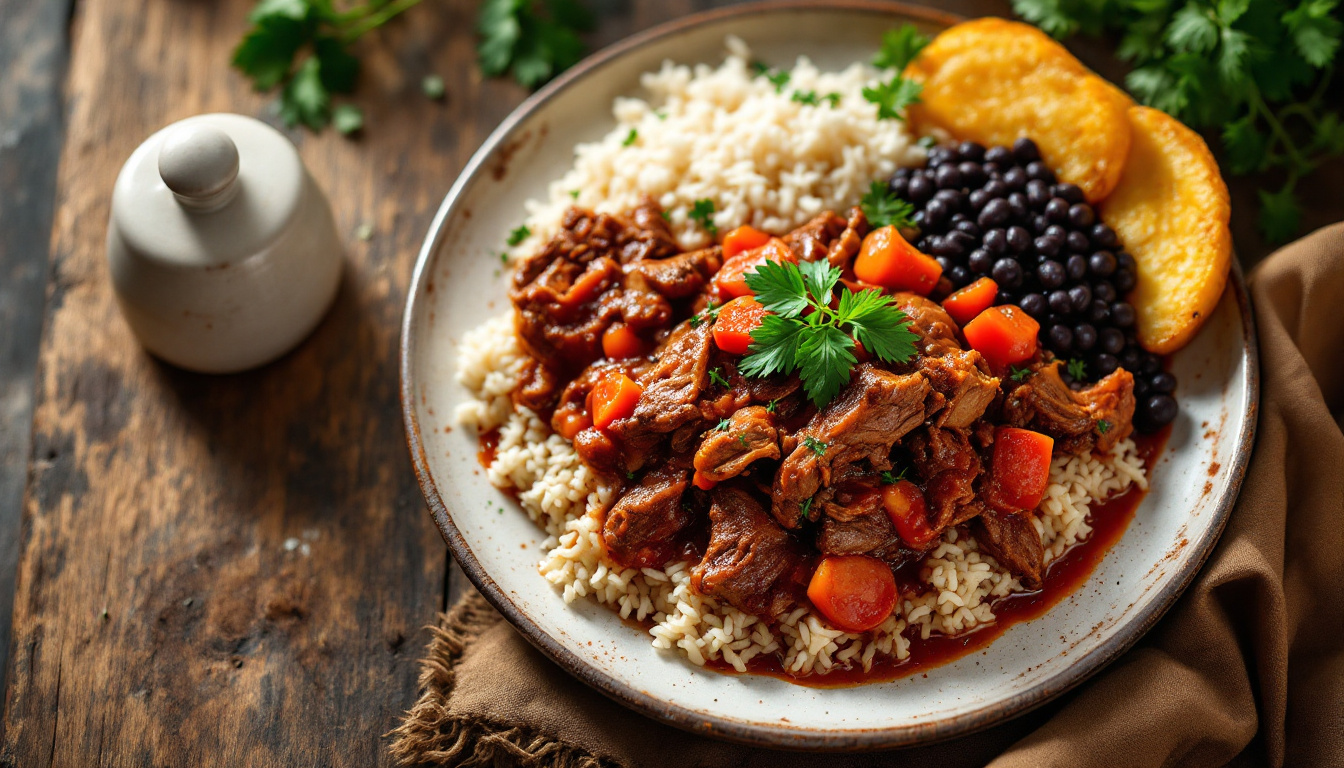
Two Oaxacan staples deserve a stop of their own. Quesillo is the region’s famous string cheese, a soft, mild cheese wound into balls that pulls apart in ribbons and melts into everything from tlayudas to quesadillas. Tasajo is thin sheets of salted, air-dried beef, grilled fast over coals until smoky and chewy, the classic market protein alongside its pork cousin cecina. You buy the meat raw at the stall, have it grilled on the spot, then wrap it in a tortilla. Simple and superb.
Chapulines chapulines
Chapulines are Oaxaca’s famous edible grasshoppers, and they are far better than they sound. The little insects are toasted on a comal with garlic, lime and chile until crisp, turning a deep red, then sold by the scoop in the markets to snack on like nuts. They’re crunchy, tangy and savory, a serious source of protein and a genuine pre-Hispanic tradition. Sprinkle them over guacamole or a tlayuda, or just eat a handful with a beer. Trying them is a rite of passage in Oaxaca.
Mezcal mezcal
Oaxaca is the heartland of mezcal, the smoky agave spirit that is tequila’s older, wilder cousin. Made by roasting agave hearts in earth pits, then crushing and distilling them, it carries a deep smoke and an enormous range of flavors from one small-batch palenque to the next. You drink it sipped slowly, neat, traditionally with orange slices and sal de gusano, a salt made with ground agave worm and chile. Visit a mezcaleria in the city or a distillery in the valleys to understand it. Sip, do not shoot.
Oaxacan Chocolate chocolate de agua
Chocolate runs deep in Oaxaca, where it has been drunk for millennia, and the local hot chocolate is a revelation. Cacao is ground with sugar, cinnamon and almonds at the old mills on Mina street, where the smell alone is worth the visit, then whisked with water or milk into a frothy, spiced drink. It’s served with a sweet bread for dipping, especially at breakfast and during Day of the Dead. The same chocolate is a key ingredient in mole negro. Have a cup the local way.
Where to eat: the markets
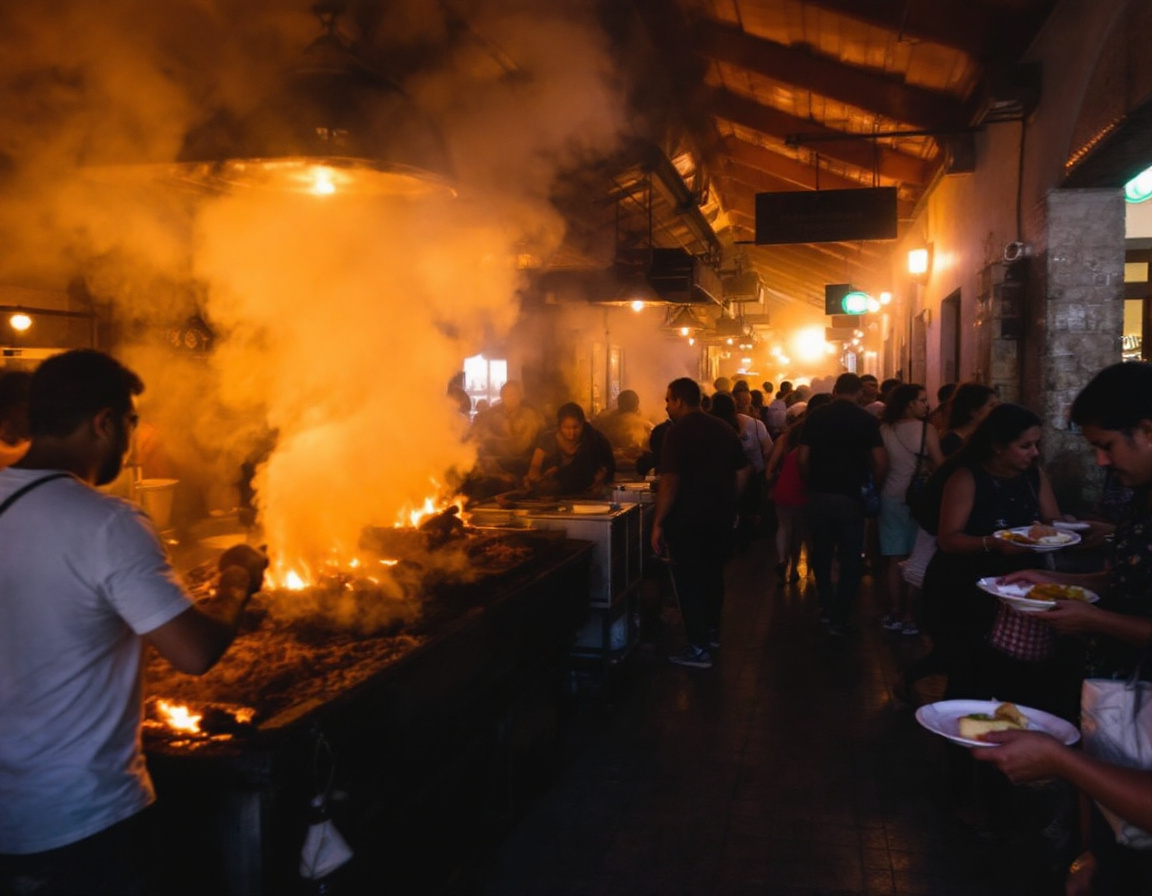
The heart of food in Oaxaca is its markets, and one is essential: the Mercado 20 de Noviembre in the center, home to the famous pasillo de humo, the smoke hall. Here you walk a corridor of grills, choose raw tasajo, cecina or chorizo from a butcher, and hand it to a griller who cooks it over coals in a haze of smoke while you grab tortillas, quesillo, salsa and grilled spring onions to go with it. It is one of the great eating experiences anywhere.
Beyond it, the Mercado Benito Juarez next door is the place for chapulines, chocolate, cheese and produce, and on Sundays the huge Tlacolula market in the valleys is a pre-Hispanic trading day worth the trip. Around the zocalo and in the Jalatlaco neighborhood, modern restaurants reinterpret all of this. Wherever you go, follow the busy local stalls, the rule we set out for any city in our guide to eating like a local.
Tips and what to know
A few local notes help you eat Oaxaca well, especially in the markets.
- Carry small cash. Market stalls and grillers are cash only; small pesos make it easy.
- Sip mezcal slowly. It is meant to be savored neat, not shot; pace yourself with the high proof.
- Try the chapulines. Toasted grasshoppers are a genuine local delicacy and milder than you expect.
- Go for the festivals. Day of the Dead and the July Guelaguetza bring the food culture to its peak.
Oaxaca is good for vegetarians, with quesillo, beans, squash blossom, mushrooms and the vegetable moles, though watch for the pork lard, asiento, in many market dishes. After Oaxaca, the taco and mercado scene of the capital is the obvious next stop on a Mexican eating trip.
FAQ
What food is Oaxaca famous for?
Oaxaca is famous for its seven moles, especially the dark, complex mole negro, along with tlayudas (the giant crisp tortilla), quesillo string cheese, tasajo grilled beef, chapulines (toasted grasshoppers), Oaxacan hot chocolate, and mezcal. It is widely considered the culinary capital of Mexico for its deep, intact indigenous cooking.
What is mole negro?
Mole negro is the most celebrated of Oaxaca’s seven moles, a dark, almost black sauce made from dozens of ingredients including several chiles, chocolate, nuts, seeds and spices, simmered for hours. It is deep, complex and only faintly sweet, served over chicken or turkey, and is considered the king of Mexican moles.
What is a tlayuda?
A tlayuda is a large, thin, crisp-toasted corn tortilla from Oaxaca, spread with pork lard (asiento) and refried beans, then topped with quesillo cheese, avocado, salsa and a grilled meat like tasajo. It is often grilled over coals and folded, and is sometimes called the Oaxacan pizza, though it is entirely its own dish.
Where should I eat in Oaxaca?
The essential spot is the Mercado 20 de Noviembre and its pasillo de humo (smoke hall), where you buy raw meat from a butcher and have it grilled over coals on the spot. The neighboring Mercado Benito Juarez is great for chapulines, chocolate and cheese, and the Sunday Tlacolula market in the valleys is worth a trip.
Are chapulines (grasshoppers) safe and good to eat?
Yes, chapulines are a safe, traditional Oaxacan snack and a good source of protein. They are toasted with garlic, lime and chile until crisp and sold in the markets to eat by the handful or sprinkle over dishes. They taste crunchy, tangy and savory, and are far milder and more pleasant than first-timers expect.
More food guides waiting for you
City and country deep dives across the Americas and every continent we have eaten our way through.