From smoked brisket in Texas to ceviche in Lima and asado in Buenos Aires: a region-by-region guide to eating across North America, the Caribbean, and South America.
I have eaten my way from a Texas brisket pit to a Lima ceviche counter to a Buenos Aires parrilla, and the through-line still surprises me. The best food in the Americas is two continents of cooking that share one origin story and almost nothing else. Maize, potatoes, chilies, tomatoes, cacao, and vanilla all came from this side of the world, then five centuries of conquest, slavery, and immigration rebuilt the kitchen on top of them. The result runs from a Montreal smoked-meat counter to a Peruvian cevichería that holds the title of the world’s best restaurant. No other food region covers this much ground.
Why the best food in the Americas spans two continents
The Americas are one of the world’s great food regions because they gave the planet its core ingredients and then layered every immigrant cuisine on top. The potato and the tomato that anchor European cooking, the chocolate the world runs on, the chilies that define Thai and Indian food: all were domesticated here. That indigenous base, Aztec, Maya, Inca, and hundreds of other peoples, never disappeared. It got overlaid.
Spanish and Portuguese colonists brought wheat, pork, beef, and frying. Enslaved West Africans brought okra, black-eyed peas, and techniques that built Brazilian, Caribbean, and US Southern cooking. Later waves changed everything again: Italians made Argentina a pasta-and-pizza country, Japanese immigrants created Nikkei food in Peru, Cantonese laborers founded the chifa kitchens of Lima. Eating across the Americas means eating that whole history on a plate.
For a traveler, the practical split is geographic. This guide moves north to south: the United States, Canada, and Mexico; the Caribbean and Central America; then the powerhouse food countries of South America. Each section links to our full country and city guides where you can go deeper.
North America: barbecue, poutine, and the depth of Mexico
North America is three food cultures with almost nothing in common: the regional immigrant sprawl of the United States, the cold-country comfort food of Canada, and the ancient, complex cooking of Mexico. The first two are young and built on arrivals; the third is one of the oldest living cuisines on Earth.
The United States eats regionally, not nationally, and the best of it is older and stranger than the fast food it exported. Texas smokes brisket for 14 hours, the Carolinas argue about vinegar versus mustard on pulled pork, New Orleans cooks Creole gumbo and jambalaya, and the South fries chicken and simmers collard greens in a tradition built by enslaved cooks. New York runs on dollar pizza slices and bagels, and immigrant kitchens from Vietnamese to Salvadoran feed every city. Order barbecue in the South, seafood in New England, and a proper taco in California.
Canada’s food is built for cold and shaped by French and First Nations roots. Quebec gave the country poutine, fries under cheese curds and hot gravy, plus tourtière meat pie and maple everything. The Maritimes serve some of the world’s best lobster and scallops, the Pacific coast has wild salmon and a deep Asian-Canadian food scene, and the prairies do game and bison. Montreal’s smoked meat and bagels are worth the trip alone. Our full Canada food guide breaks it down region by region.
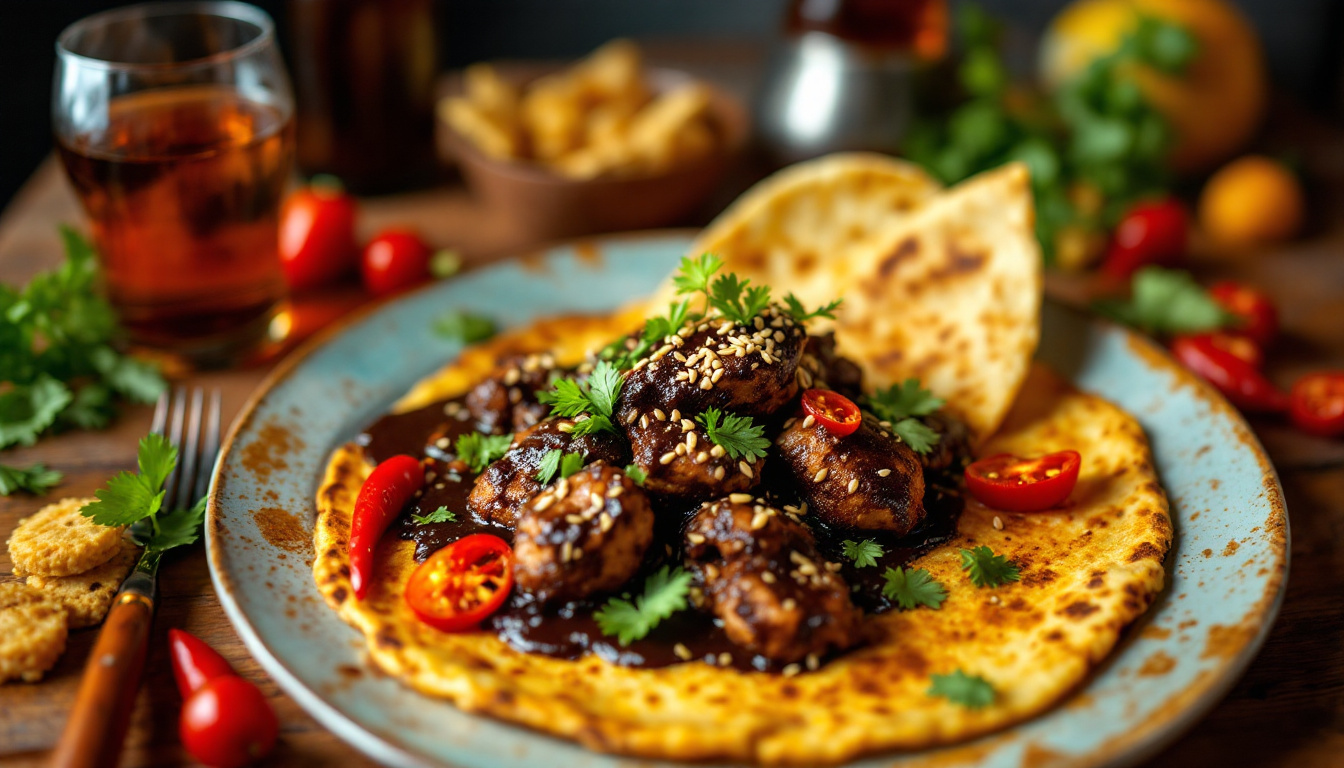
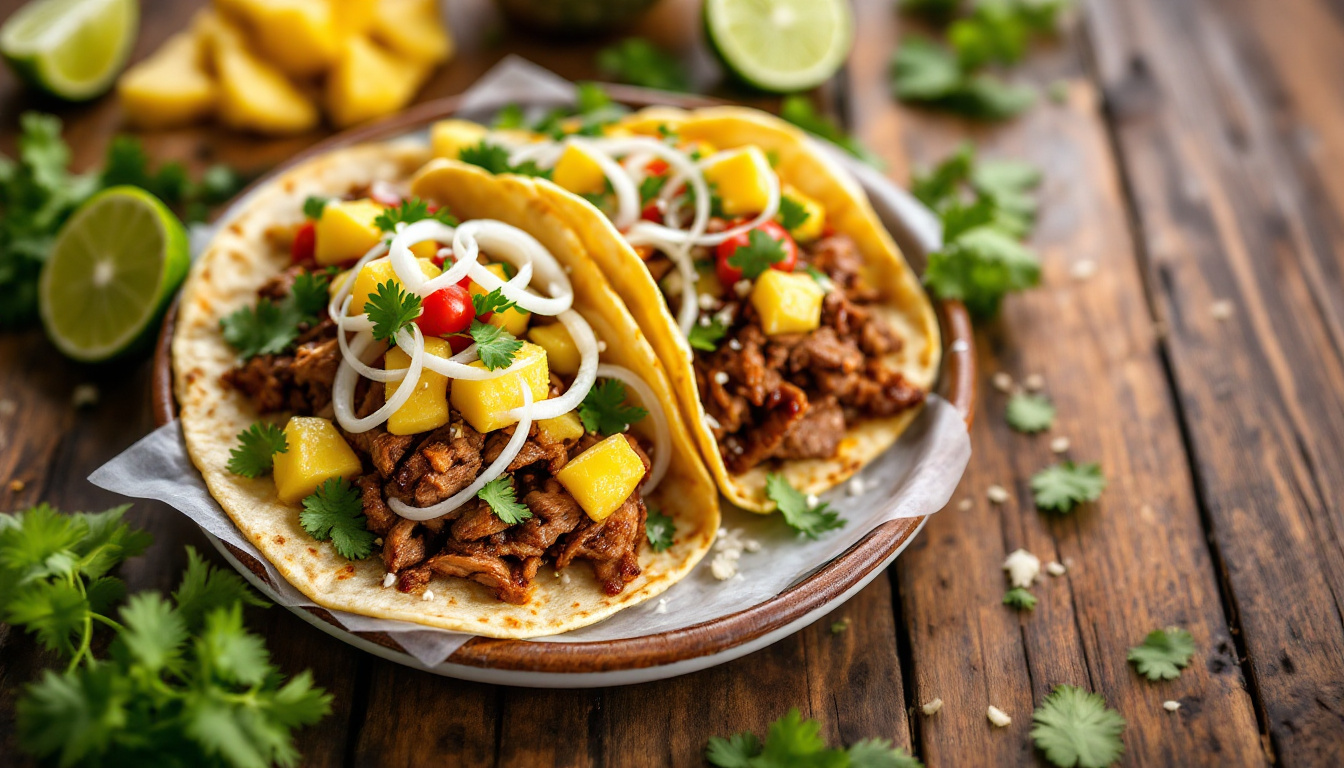
Mexico has the deepest, most complex cooking in North America, recognized by UNESCO as Intangible Cultural Heritage in 2010. Tacos al pastor, carnitas, and barbacoa are only the entry point. The real depth is in the moles of Oaxaca, sauces of 20-plus ingredients ground for days, the tamales steamed in corn husks, and the cochinita pibil of the Yucatán. Corn is sacred here, nixtamalized into masa for every tortilla. Eat at street stalls and mercados, where the cooking is best and cheapest. Our Mexico food guide covers the regional map.
The Caribbean and Central America: rice, plantain, and spice
The Caribbean and Central America cook with rice, beans, plantain, and slow-spiced meat, the food of islands and coasts where African, Spanish, and indigenous traditions met. It is comfort cooking with bright tropical edges, eaten to a soundtrack and rarely in a hurry.
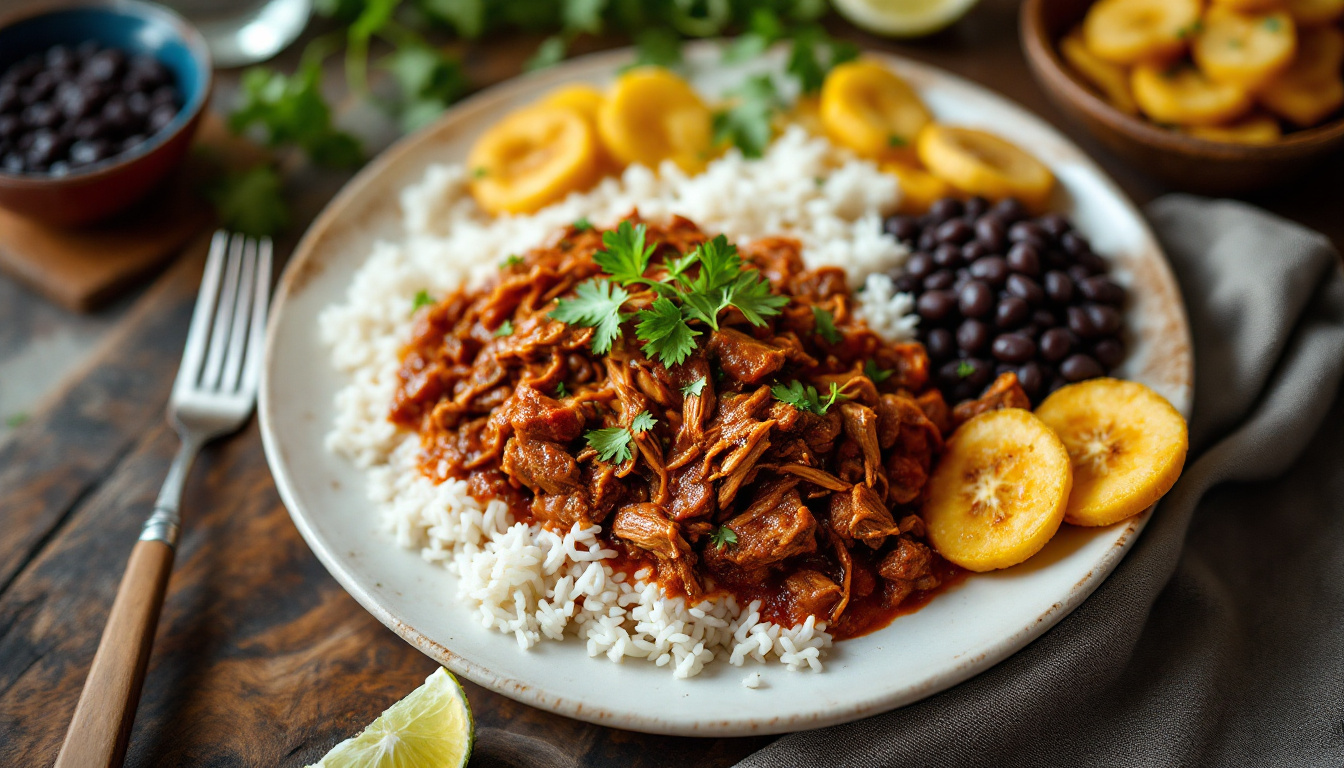
Cuba is the classic Caribbean table: ropa vieja (shredded beef stewed with peppers), moros y cristianos (black beans and rice cooked together), roast pork, and fried plantain, finished with a mojito or a strong coffee. Across the wider Caribbean, Jamaica brings jerk chicken and pork rubbed with scotch bonnet and allspice, the Dominican Republic has its mangú, and Puerto Rico its mofongo of mashed fried plantain. The cooking leans savory, garlicky, and built around the plantain in all its forms.
Central America runs on the comal and the bean pot. El Salvador’s pupusas, thick corn cakes stuffed with cheese, beans, or pork and griddled to order, are one of the region’s great street foods. Costa Rica and Nicaragua start the day with gallo pinto, rice and beans fried together with peppers. Guatemala has its own deep Maya cooking of tamales and stews. It is honest, filling, indigenous-rooted food, often overlooked by travelers heading for the beaches.
South America: the powerhouse of American food
South America is the strongest food region in the Americas, home to the continent’s most celebrated kitchens and its best-value eating. Peru holds the world’s best restaurant, Argentina turns grilling into an art form, and Brazil feeds a country the size of a continent. Beyond the big three, Colombia and Venezuela share the arepa, Chile pairs Pacific seafood with its own wines, and Bolivia and Ecuador round out a continent of distinct, under-travelled cuisines. This is where most serious food travelers point themselves.
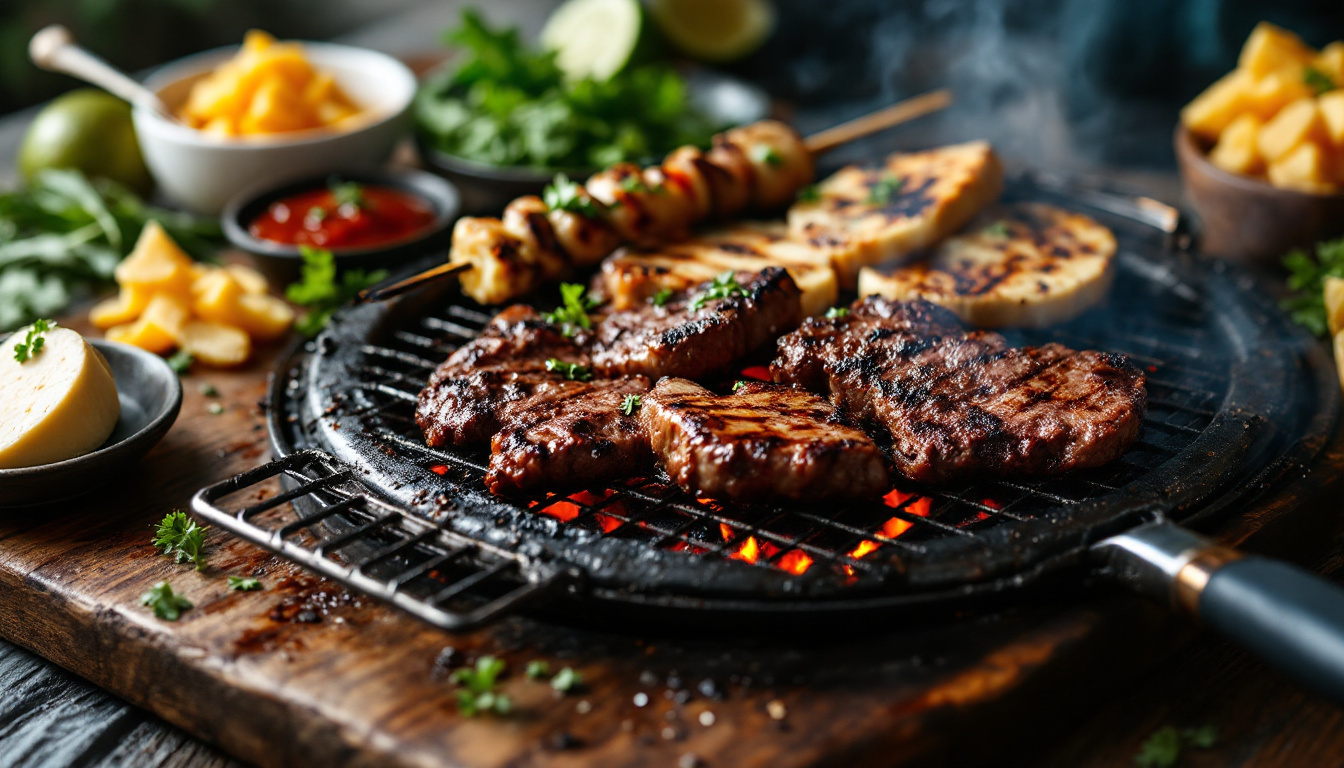
Peru is the best food country in South America, full stop. Coastal ceviche and tiradito, the Chinese-Peruvian chifa kitchen, and the Japanese-Peruvian Nikkei style all sit alongside Andean cuy and pachamanca and Amazonian river fish. Lima’s Maido was named the World’s Best Restaurant in 2025. Start with our complete Peru food guide, then dig into the capital with our Lima food guide.
Brazil eats like the continent-sized country it is. Feijoada, the black-bean and pork stew, is the national Saturday ritual; churrasco turns endless cuts of grilled meat into a meal; and street snacks like coxinha, pão de queijo, and açaí bowls feed the day. The Bahian coast adds African-rooted moqueca, fish stewed in palm oil and coconut. Read our Brazil food guide and the Rio de Janeiro guide for beach snacks and carioca classics.
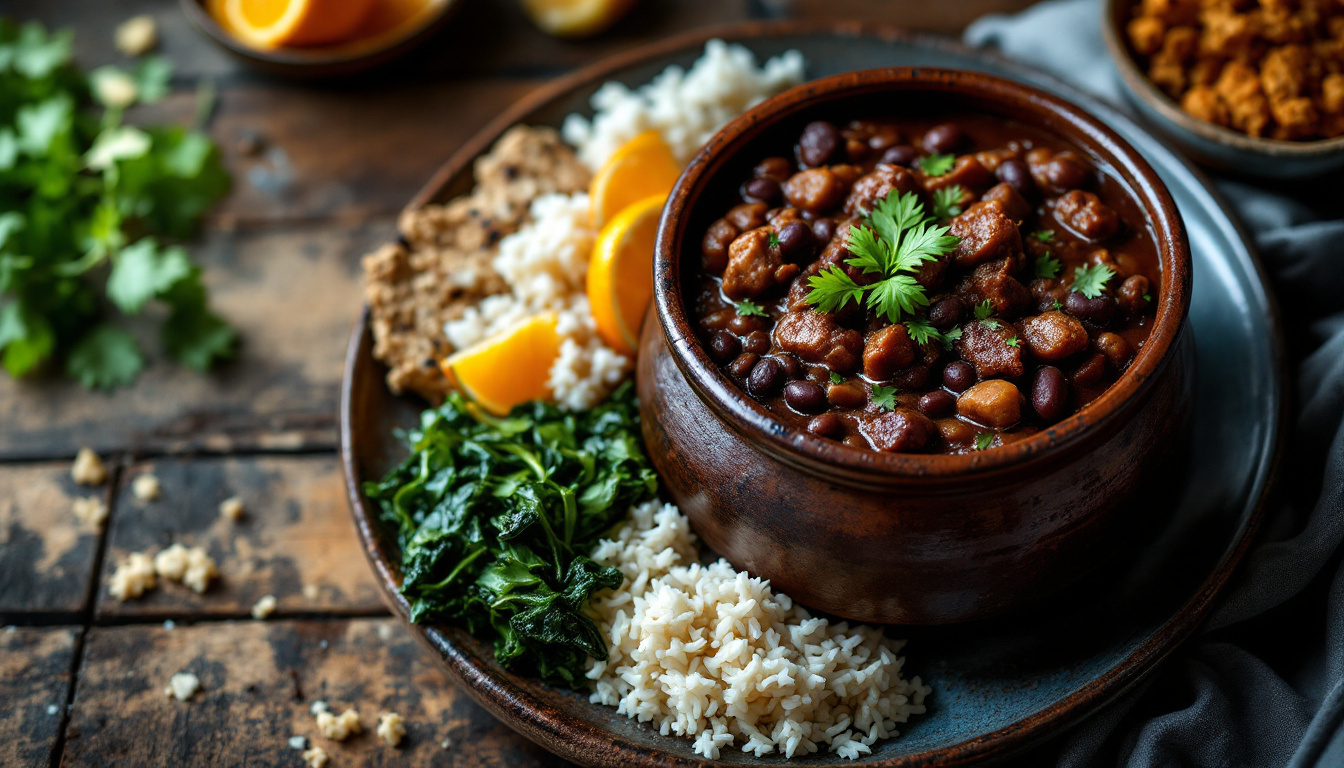
Argentina is built around the asado, the wood-fire barbecue that is the center of social life. Beef is the headline, raised on the pampas and grilled over coals with nothing but salt, but the country is also Italian at heart: pizza, pasta, and gelato arrived with millions of immigrants. Empanadas, choripán, and dulce de leche on everything round it out. Our Argentina food guide covers the steak and the sweets.
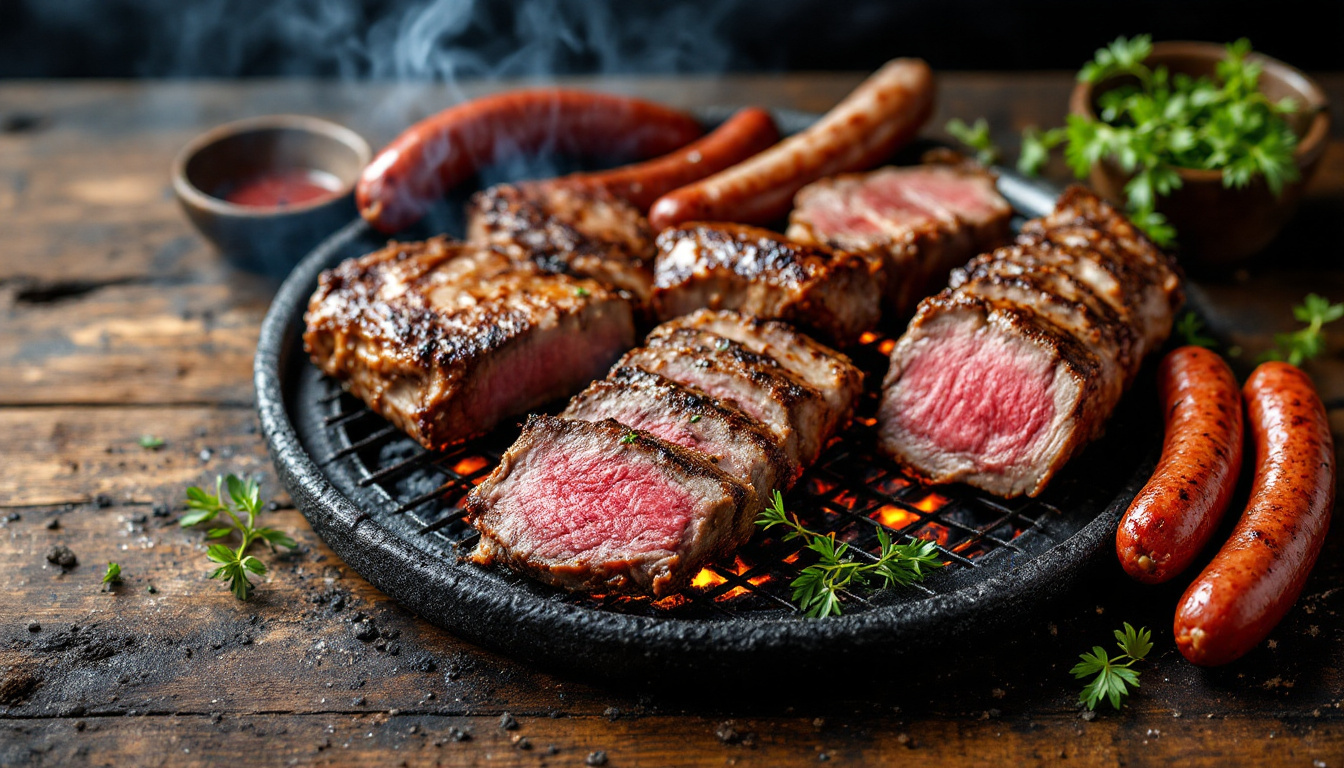
Colombia and the wider Andes eat hearty, altitude-friendly food built on corn, potato, and grilled meat. Colombian arepas, bandeja paisa (a groaning platter of beans, rice, pork, egg, and plantain), and ajiaco chicken-and-potato soup anchor the table. The Andean larder of dozens of potato varieties, quinoa, and corn runs from Colombia down through Ecuador and Bolivia. It is filling, cheap, and far less known abroad than it should be.
The cities worth planning a trip around
The best food cities in the Americas are Lima, Mexico City, and Buenos Aires, with New York and Rio close behind. A city focuses a country’s cooking into a few walkable neighborhoods, which makes it the easiest way to eat a cuisine fast.
- Lima, Peru, the food capital of South America, from two-dollar market ceviche to the world’s best restaurant. See our Lima food guide.
- Mexico City, the deepest street-food culture in the hemisphere, where taquerías, mercados, and fondas feed 20 million people.
- Buenos Aires, parrillas, Italian-Argentine kitchens, and a café culture that runs late into the night.
- Rio de Janeiro, beach snacks, botecos, and feijoada with a view. Our Rio food guide has the details.
- New York City, every immigrant cuisine on Earth on one island, plus pizza and bagels worth crossing town for.
The Americas compared: dishes, prices, and why to go
The cheapest great eating in the Americas is in the Andes and Central America, while the priciest is in the United States and Canada. This table sums up the signature dish, a rough street-meal price, and the reason each country earns a place on a food trip.
| Country | Signature dish | Street meal (approx, 2026) | Why go |
|---|---|---|---|
| Mexico | Tacos al pastor | $1-3 per taco | Deepest indigenous cuisine, best street food |
| Peru | Ceviche | $4-8 | Fusion capital, world’s best restaurant |
| Argentina | Asado | $8-15 | Beef, Italian heritage, café life |
| Brazil | Feijoada | $5-10 | Continent-sized variety, beach food |
| United States | Barbecue | $12-20 | Regional depth, immigrant cities |
| Canada | Poutine | $8-12 | Seafood, French roots, maple |
| Cuba | Ropa vieja | $5-10 | Classic Caribbean comfort food |
- Lunch is the main meal in most of Latin America, eaten slowly in the early afternoon; dinner runs late.
- Tip 18 to 20 percent in the US and Canada, around 10 percent in Latin America.
- Tacos, arepas, and empanadas are hand food; no cutlery expected.
- Vegetarians do well in the Andes (potatoes, corn, beans, quinoa) and in Mexico (beans, nopales, cheese), less so in beef-first Argentina.
- Coffee is a destination in itself in Colombia and Brazil, two of the world’s great producers.
Frequently asked questions
What is the most popular and famous food in the Americas?
The most famous foods of the Americas are tacos (Mexico), barbecue and burgers (United States), ceviche (Peru), asado and empanadas (Argentina) and feijoada (Brazil). The most popular everyday foods across the region are built on shared New World staples: maize, beans, potatoes, chilies and plantain. What’s most popular shifts by country, which is exactly why the Americas reward a region-by-region trip.
What is the best food country in the Americas?
Mexico and Peru lead the Americas for food. Mexico has the deepest, most complex everyday cuisine, recognized by UNESCO, while Peru tops the fine-dining world and offers the most exciting fusion cooking, with Lima’s Maido named the World’s Best Restaurant in 2025. For barbecue and regional variety, the United States is unmatched; for grilled beef, Argentina.
What is the difference between North American and Latin American food?
North American food (the US and Canada) is young, regional, and immigrant-driven, built on barbecue, comfort food, and the cuisines of recent arrivals. Latin American food is older and more indigenous-rooted, built on corn, beans, chilies, and potatoes, with Spanish, Portuguese, African, and Asian layers. Mexico bridges both, geographically in North America but culturally the heart of Latin cooking.
Is street food safe to eat in the Americas?
Street food in the Americas is safe when you choose busy stalls with high turnover and food cooked to order. Mexico, Peru, and Central America have outstanding street-food cultures. Follow local crowds, eat hot food fresh off the grill or comal, stick to ceviche at lunch, and drink bottled or filtered water in most of Latin America rather than tap.
Which city has the best food in the Americas?
Lima and Mexico City are the two best food cities in the Americas. Lima is the fine-dining and fusion capital of South America, home to the world’s best restaurant, while Mexico City has the deepest and most affordable street-food culture in the hemisphere. Buenos Aires, New York, and Rio de Janeiro round out the top tier.
Where can you eat well on a budget in the Americas?
The Andes and Central America offer the cheapest great eating in the Americas. A set-lunch menú del día in Peru, Bolivia, or Ecuador runs around $3-5, Mexican street tacos cost $1-3 each, and Salvadoran pupusas are about a dollar. The United States and Canada are the most expensive, where a sit-down meal with tip easily passes $25 per person.
What are the must-try dishes in the Americas?
The essential dishes of the Americas are tacos al pastor (Mexico), ceviche (Peru), asado (Argentina), feijoada (Brazil), barbecue (United States), poutine (Canada), and ropa vieja (Cuba). Together they cover the indigenous, immigrant, and African-rooted traditions that define eating across both continents.
More food guides waiting for you
Browse our complete collection of food guides across the Americas.