Al pastor shaved off a spinning trompo at midnight, tamales stuffed into a bread roll for breakfast, mercado fondas plating up comida corrida, and tasting menus that rank among the world’s best: a neighborhood guide to eating in Mexico City.
The best food in Mexico City is the deepest street-food culture in the Americas, eaten standing at a taco stand, perched on a market stool, or at a table that takes months to book. This is a megacity of 22 million where a two-peso difference is worth arguing over, where the taco al pastor was perfected, and where the same square mile holds a sidewalk suadero cart and Pujol, one of the world’s most celebrated restaurants. CDMX eats constantly, brilliantly, and cheaply, and there is no better food city on the continent.
Why Mexico City is the Americas’ street-food capital
Mexico City is the street-food capital of the Americas because it concentrates the world’s deepest taco culture into a single, endlessly hungry megacity. The wider national picture is in our complete Mexico food guide, but CDMX is where it all converges: regional cooks from every Mexican state, a UNESCO-recognized cuisine, and a street-stall (puesto) on nearly every corner. It is also one of the great cities of our wider guide to the best food in the Americas.
The genius of the city is the range. At the bottom, taco stands and market fondas feed millions for a few pesos. At the top, Pujol and Quintonil sit among the World’s 50 Best Restaurants, reinventing Mexican cooking with native ingredients. In between are the mercados, the cantinas, the Roma and Condesa restaurant scene, and the historic spots in the Centro. This guide moves through the essential dishes, then where to eat them across the city.
The best food in Mexico City, dish by dish
These are the 13 things I tell every visitor to eat, with a rough 2026 price and what makes each matter. Prices are in Mexican pesos (MXN), with the dollar figure at roughly MXN 20 to USD 1.
Tacos al pastor
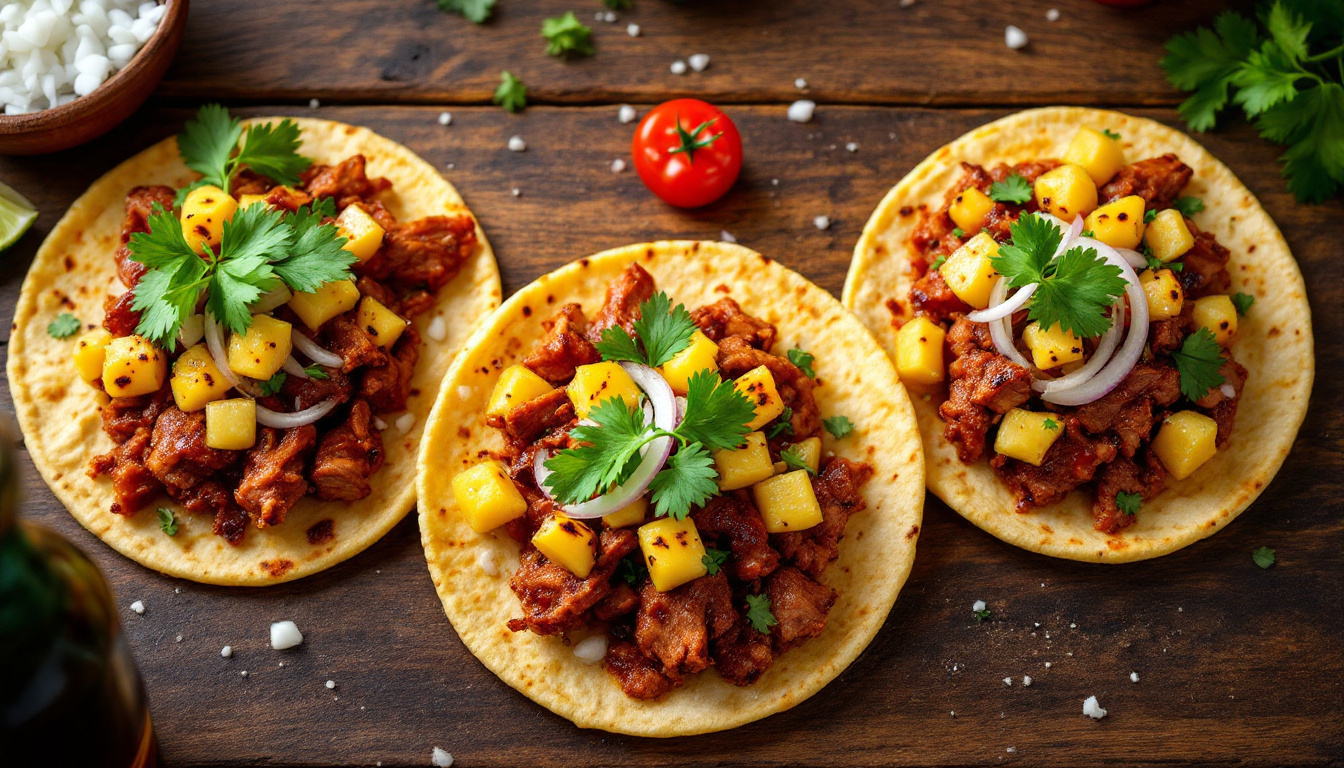
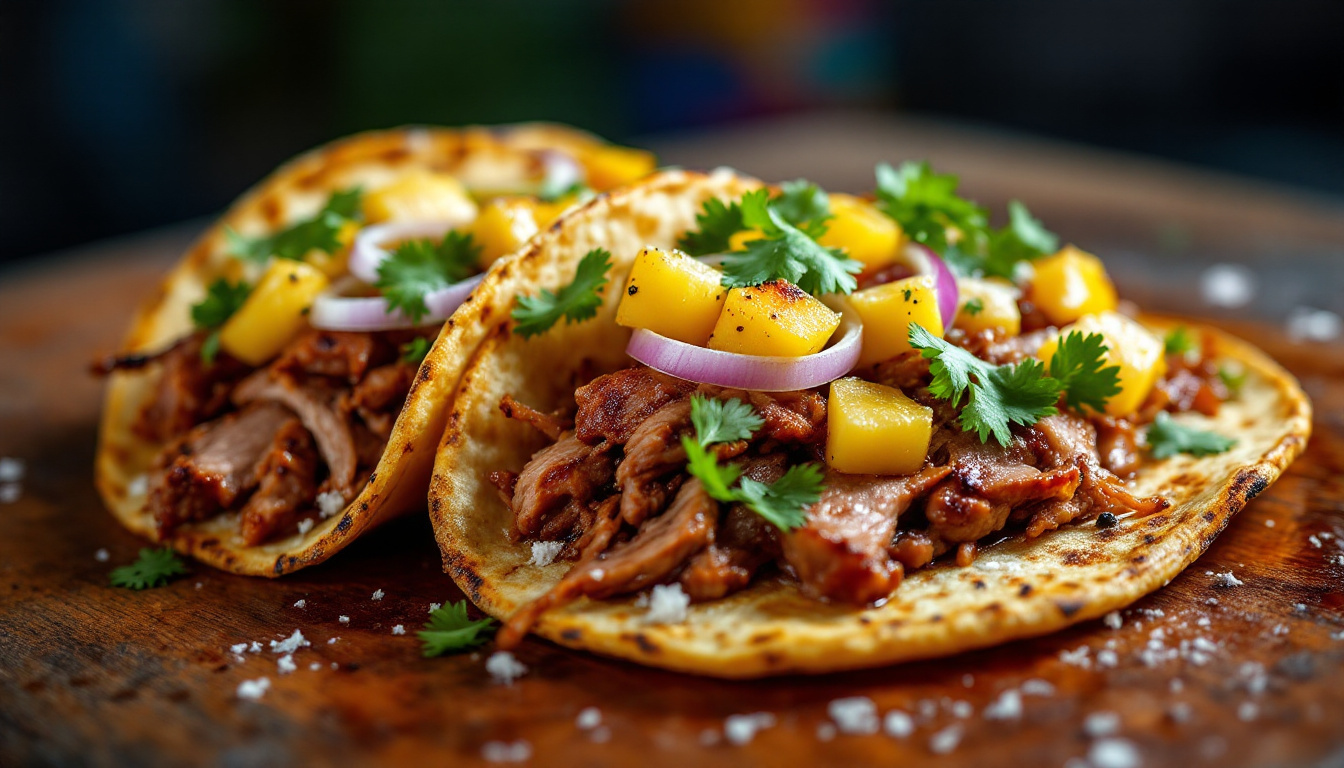
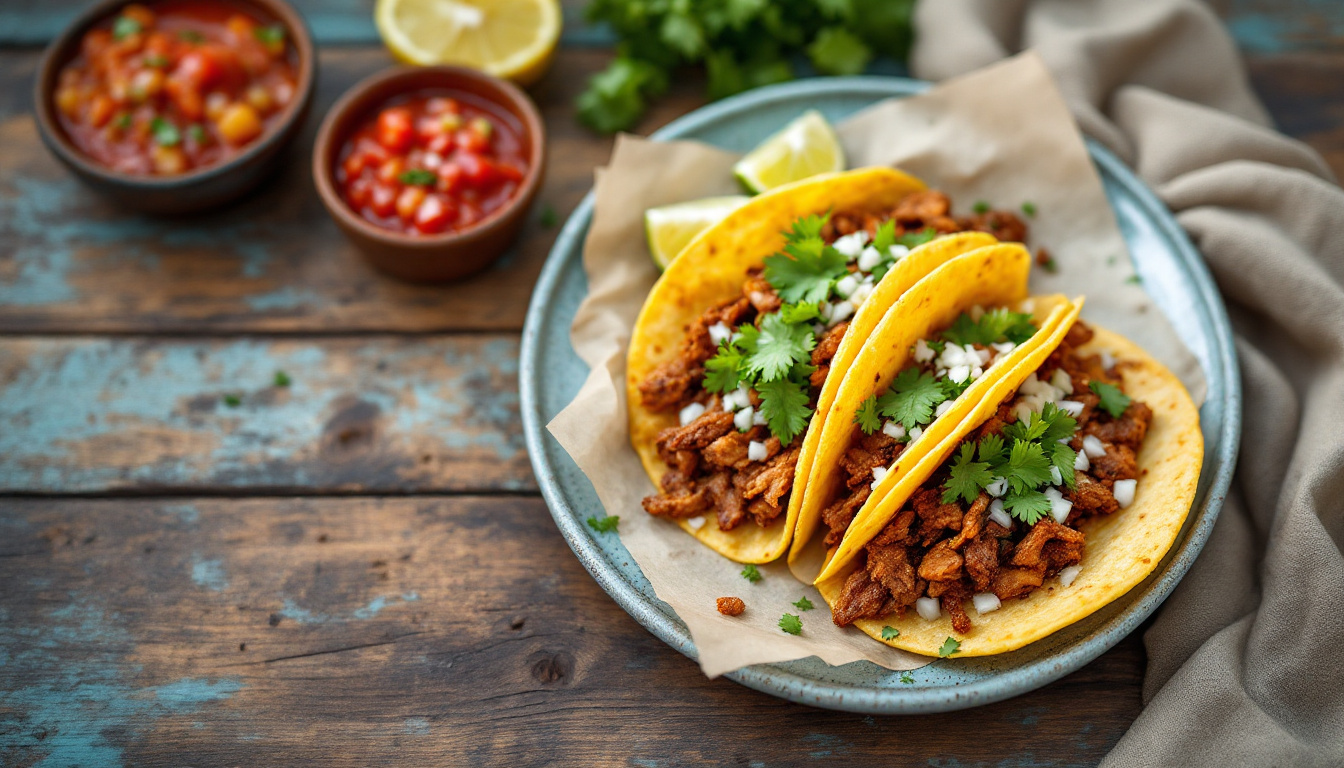
Tacos al pastor are the defining bite of Mexico City, marinated pork stacked on a vertical trompo, slow-roasted, and shaved onto small corn tortillas with a flick of charred pineapple, onion, and cilantro. Brought by Lebanese immigrants (who adapted shawarma) and perfected in CDMX, the best ones are crisp at the edges and dressed with salsa and lime. El Huequito in the Centro claims to have created it in 1959, and El Vilsito (a mechanic shop by day) is a cult favorite. Order them by the handful, standing up, at night.
Suadero and street tacos
Beyond pastor lies the whole world of street tacos, each cart specializing. Suadero (beef from between belly and leg, rendered soft then crisped on the griddle) is the silky, evening-cart favorite around Condesa and Doctores. Carnitas (slow-confited pork, every part), longaniza, bistec, cochinita pibil (Yucatecan achiote-marinated pork, slow-roasted until it shreds) at the more specialized stands, and the offal cuts (tripa, cabeza, lengua) round out the menu. You pick your meat, it is chopped on a flat-top, and you dress it from the salsa lineup. A few tacos from the right cart is the cheapest great meal in the Americas.
Tamales and the guajolota
Tamales, masa steamed in a corn husk or banana leaf with a filling of mole, salsa verde, or rajas, are the breakfast of Mexico City, sold from steaming pots and bicycle carts at dawn. The local specialty is the guajolota, a tamal stuffed inside a bread roll (bolillo), a carb-on-carb breakfast torta that fuels the working city. Oaxacan-style tamales in banana leaf are richer and softer. Grab one with an atole (warm corn drink) from a street vendor on your way out the door.
Tlacoyos and antojitos
Tlacoyos are oval, stuffed masa cakes (blue corn is best), filled with beans, fava, or requeson and griddled on a comal, then topped with nopales, salsa, and cheese, and they are the great pre-Hispanic market snack. Around them sit the other antojitos: sopes, huaraches, gorditas, and quesadillas (in CDMX, ask if you want cheese, since a quesadilla here can come without it). The women working the comales in markets and on street corners make some of the most authentic food in the city.
Quesadillas and the comal
Quesadillas in Mexico City are folded masa filled to order from a row of guisados: flor de calabaza (squash blossom), huitlacoche (corn fungus, a delicacy), tinga, chicharron, mushrooms, and more, then griddled or fried. The famous CDMX quirk is that “quesadilla” does not automatically include cheese, a debate locals take seriously. Eaten at a market stall with green and red salsa, a couple of quesadillas with seasonal fillings is a perfect light meal and a taste of the city’s masa mastery.
Chilaquiles
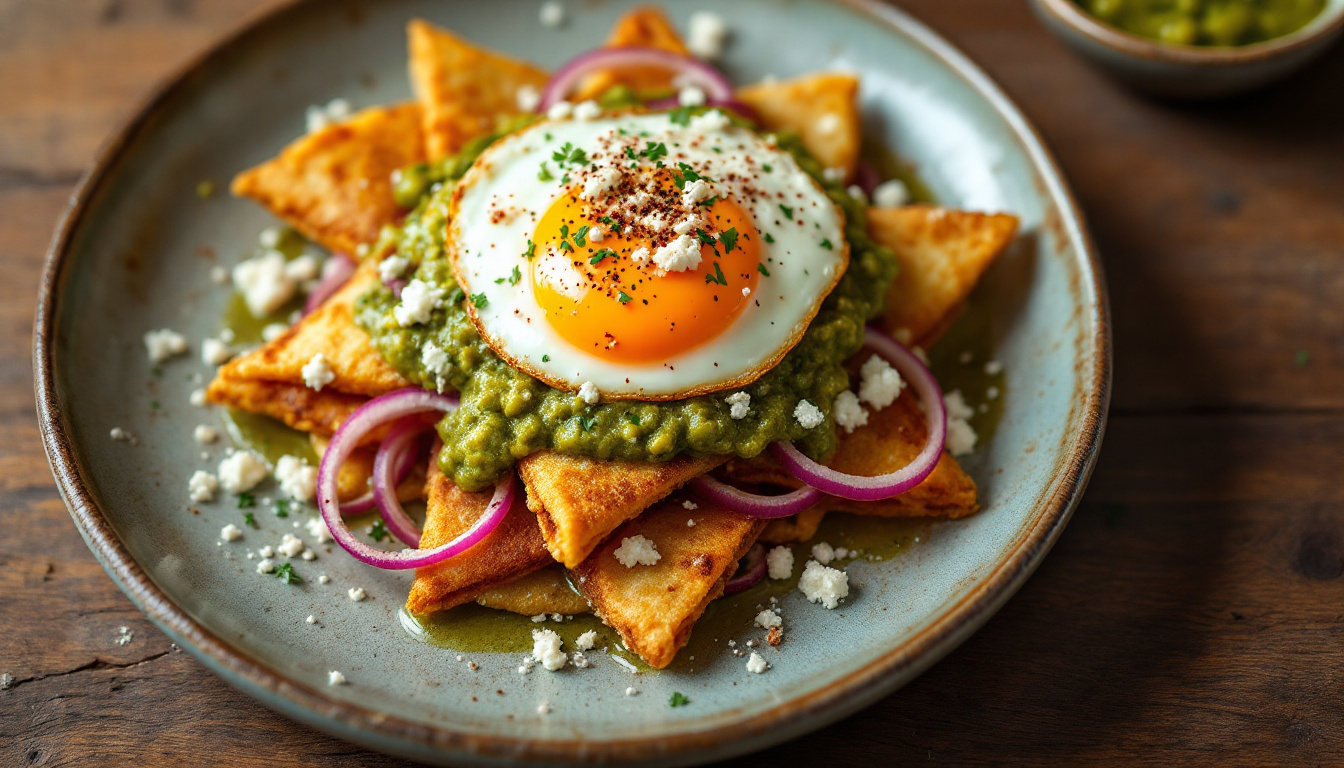
Chilaquiles are fried tortilla triangles simmered in salsa (verde or roja) until just softened, topped with cream, cheese, onion, and often a fried egg or shredded chicken, and they are the great Mexican breakfast and hangover cure. The trick is the texture, the chips soft but not soggy. They are on every fonda and cafe menu, and a plate with a cafe de olla is the classic CDMX morning. Order them “divorciados” to get half green, half red salsa.
Esquites and elote
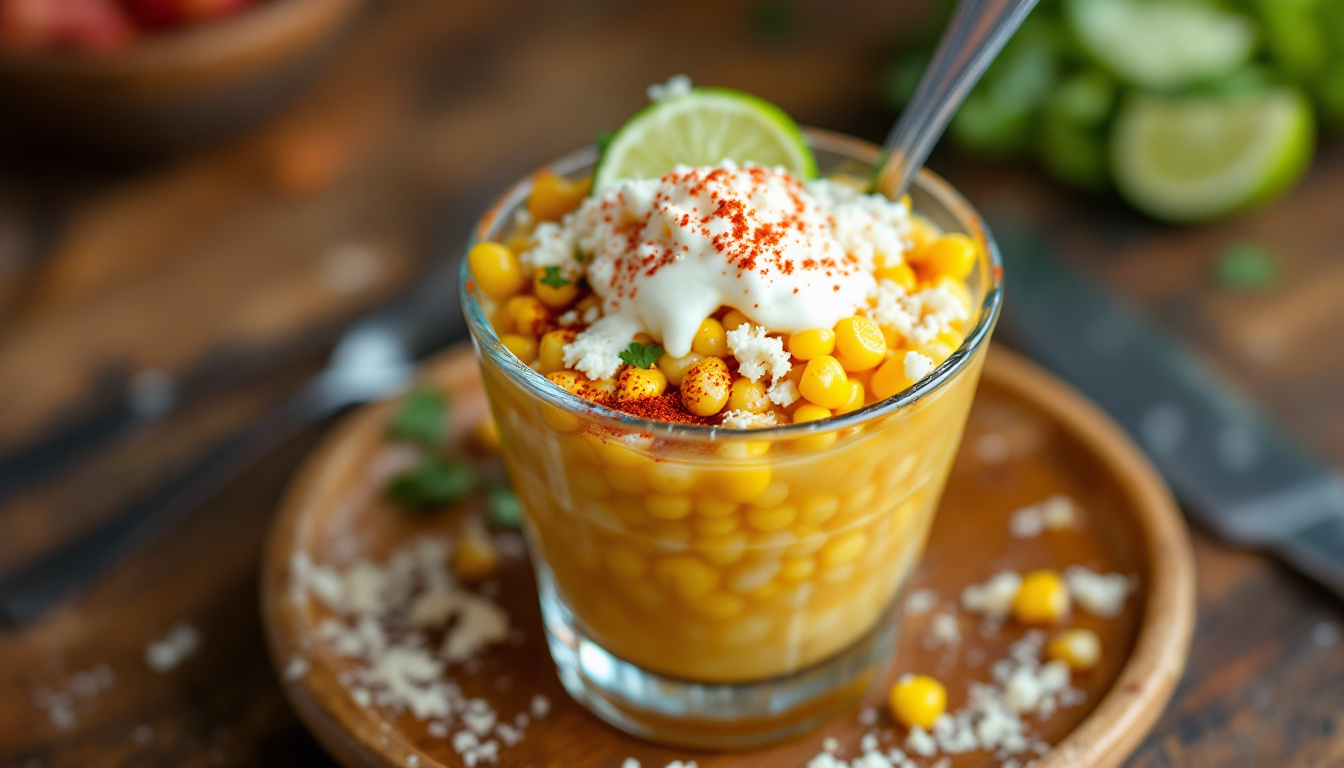
Esquites and elote are the city’s beloved corn snacks, sold from steaming pots and carts everywhere. Elote is corn on the cob slathered with mayo, cotija cheese, chili powder, and lime; esquites are the same kernels served loose in a cup with the broth, eaten with a spoon. Cheap, messy, and addictive, they are the quintessential street snack, often sold near metro stations and parks in the evening. Get them with extra chili and a squeeze of lime.
Tacos de canasta
Tacos de canasta (“basket tacos”) are soft, pre-made tacos of potato, beans, chicharron, or adobo, packed warm into a cloth-lined basket and steamed in their own oil until they go soft and slightly greasy in the best way. Sold from bicycles and street corners for a handful of pesos, they are the cheapest tacos in the city and a workers’ lunch staple. Pile on the pickled chilies and salsa. They are humble, fast, and quietly delicious.
Barbacoa and consome
Barbacoa is lamb slow-cooked in an underground pit lined with maguey leaves until meltingly tender, and it is the Mexico City weekend ritual. Sold on Saturday and Sunday mornings from specialist stands, it comes in tacos with onion, cilantro, and salsa borracha, alongside a cup of consome (the rich broth with chickpeas and rice) to drink. It is the classic cure-all and family breakfast, often eaten after a late night. Find a busy weekend barbacoa stand and join the line.
Tortas
The torta is Mexico City’s mighty sandwich, built on a crusty telera or bolillo roll and stuffed with everything from milanesa to carnitas, ham and cheese, or chiles, plus avocado, beans, and pickled jalapenos. The legendary version is the torta de tamal (the guajolota), but the savory meat tortas at lunch counters are a meal in themselves. Filling, cheap, and infinitely customizable, the torta is the city’s portable lunch, sold at stands and dedicated torterias.
Mole and pozole
For a proper sit-down meal, mole and pozole are the great Mexican classics found across the city. Mole, the complex sauce of chilies, spices, nuts, and sometimes chocolate, is ladled over chicken or turkey, with the dark mole poblano the most famous. Pozole is a hominy and meat soup, dressed at the table with radish, lettuce, oregano, and lime, traditionally eaten on Thursdays. Both are best at a traditional fonda or cantina, and both show the depth behind the street food.
Churros and Mexican sweets
Churros, fried dough ridged and rolled in cinnamon sugar, are the late-night and early-morning sweet of Mexico City, best dipped in thick hot chocolate. The historic spot is El Moro, churning them out 24 hours since 1935. Around them sit the wider sweet world: pan dulce (conchas and more) from the panaderia, nieves and the legendary ice cream of Neveria Roxy, and the candy stalls of the markets. A bag of hot churros and a chocolate is the perfect way to end a CDMX night.
Mercado fondas and comida corrida
The fondas (market kitchens) serving comida corrida are how the city eats lunch, and they are some of the best value anywhere. For a fixed price you get a multi-course set meal: a soup or rice, a main (guisado) with tortillas, agua fresca, and sometimes dessert, all home-cooked and changing daily. The fondas inside markets like Mercado de San Juan, Medellin, and Coyoacan are the place to taste real everyday Mexican home cooking. Sit at the counter and order the menu of the day.
Where to eat: mercados, taquerias and Roma-Condesa
The best food in Mexico City is spread across street carts, markets, and a few key neighborhoods, and knowing the map is everything. Here is where to point yourself.
The mercados are the soul of CDMX eating. Mercado de San Juan is the gourmet market, famous for exotic ingredients and the brave end of Mexican eating: chapulines (toasted grasshoppers with chili and lime), escamoles (ant larvae, the “Mexican caviar”), seafood tostadas and even more unusual game. Mercado Medellin leans Latin American, and the Mercado de Coyoacan and La Merced are classics for fondas, tostadas, and antojitos. Go hungry, eat at the counters, and try the comida corrida and the seafood tostadas.
The taquerias and street carts are everywhere and best after dark, when the al pastor trompos light up and the suadero carts fire their griddles. By day, look for tacos de guisado stands, where a row of home-style stews (chicharron in salsa verde, tinga, rajas, picadillo) is spooned into tortillas for a cheap breakfast-into-lunch. The Centro, Condesa, Doctores, and Narvarte are prime taco-hunting grounds. The rule is simple: eat where the line is long and local, and let the busiest stand pick itself.
Roma and Condesa are the city’s restaurant heartland, with the densest concentration of great places in CDMX. Contramar is the iconic lunch (its tuna tostadas and pescado a la talla are legendary), Rosetta does Italian-Mexican baking, and the area is thick with cafes, cantinas, mezcalerias, and Mercado Roma for grazing. This is where modern Mexico City eats and drinks.
For a special-occasion meal, Pujol (Enrique Olvera) and Quintonil rank among the World’s 50 Best Restaurants, reinventing Mexican cooking and requiring booking well ahead. The historic Centro, meanwhile, holds the old cantinas, El Huequito, and the 24-hour churreria El Moro, mixing deep tradition with the city’s grandest dining at the other end of the scale.
What to drink in Mexico City
Mexico City drinks across a huge range, from ancient to ice-cold. Pulque, the fermented, slightly viscous maguey sap drunk since pre-Hispanic times, is enjoying a revival in old pulquerias, often flavored (curados) with fruit or oats. Mezcal and tequila are the spirits, sipped neat at the city’s many mezcalerias. For the everyday, aguas frescas (jamaica, horchata, tamarindo) cool the heat, the michelada (beer with lime, salsa, and chili rim) is the brunch and cantina staple, and cafe de olla (coffee with cinnamon and piloncillo) is the traditional cup. There is something for every hour.
- Tacos are eaten by hand, standing or at the counter; fold, dress with salsa and lime, and go.
- Lunch (comida) is the main meal, eaten mid-afternoon; the market fonda comida corrida is the local default.
- Tip around 10 to 15 percent at sit-down restaurants; a few pesos for street stalls is appreciated, not required.
- Vegetarians do well with quesadillas (flor de calabaza, huitlacoche, mushroom), tlacoyos, esquites, and nopales, though confirm beans and tortillas are not cooked in lard.
- Salsa is self-serve and central; taste before piling it on.
Frequently asked questions
What food is Mexico City known for?
Mexico City is known for its tacos, above all tacos al pastor (spit-roasted pork with pineapple), plus street tacos of suadero and carnitas, tamales and the guajolota (a tamal in a bread roll), tlacoyos and quesadillas, chilaquiles, and esquites. It also has world-class fine dining at restaurants like Pujol and Quintonil. It is widely considered the best street-food city in the Americas.
Where are the best tacos al pastor in Mexico City?
El Huequito in the Centro claims to have created al pastor in 1959, and El Vilsito in Narvarte (a mechanic shop that becomes a taqueria at night) is a cult favorite. Taqueria Orinoco is a reliable sit-down option. The best al pastor is shaved fresh off the spinning trompo in the evening, with a flick of grilled pineapple, onion, and cilantro.
Is street food safe in Mexico City?
Street food in Mexico City is safe when you choose busy stands with high turnover where food is cooked or griddled to order, which describes most of the good ones. Follow local crowds, eat hot food fresh off the comal, and drink bottled or purified water. Add salsa gradually, since some are very hot. The fearless variety of CDMX street food is the whole point.
How much does food cost in Mexico City?
Mexico City is very affordable for street food. Tacos cost MXN 12-30 each, tamales MXN 20-45, a market comida corrida set lunch MXN 80-150, and chilaquiles around MXN 80-150. A meal at a Roma restaurant runs more, and a Pujol or Quintonil tasting menu costs into the thousands of pesos. As of 2026, a dollar is roughly 20 pesos.
Can vegetarians eat well in Mexico City?
Vegetarians eat well in Mexico City with a little care. Quesadillas with flor de calabaza, huitlacoche, or mushrooms, tlacoyos and sopes with beans, esquites and elote, nopales, and many antojitos are meat-free. Confirm that beans and rice are not cooked with lard or chicken stock if you are strict. Roma and Condesa also have dedicated vegetarian and vegan restaurants.
What should I drink in Mexico City?
Drink aguas frescas (jamaica, horchata, tamarindo) with meals, a michelada (beer with lime, chili, and salsa) at brunch or a cantina, and mezcal or tequila in the evening. For something ancient, try pulque, the fermented maguey sap, at a traditional pulqueria, often flavored as a curado. Cafe de olla, coffee with cinnamon and raw sugar, is the traditional hot drink.
More food guides waiting for you
Browse our complete collection of food guides across the Americas.