Singapore is what happens when Chinese, Malay, Indian, and Peranakan cooking traditions collide on a tiny island, compete furiously for 60 years inside government-built hawker centers, and produce a food culture so refined that a S$3 plate of chicken rice can hold its own against any fine-dining meal on Earth. UNESCO agreed, they put Singapore’s hawker culture on the Intangible Cultural Heritage list. This is where to eat it all.
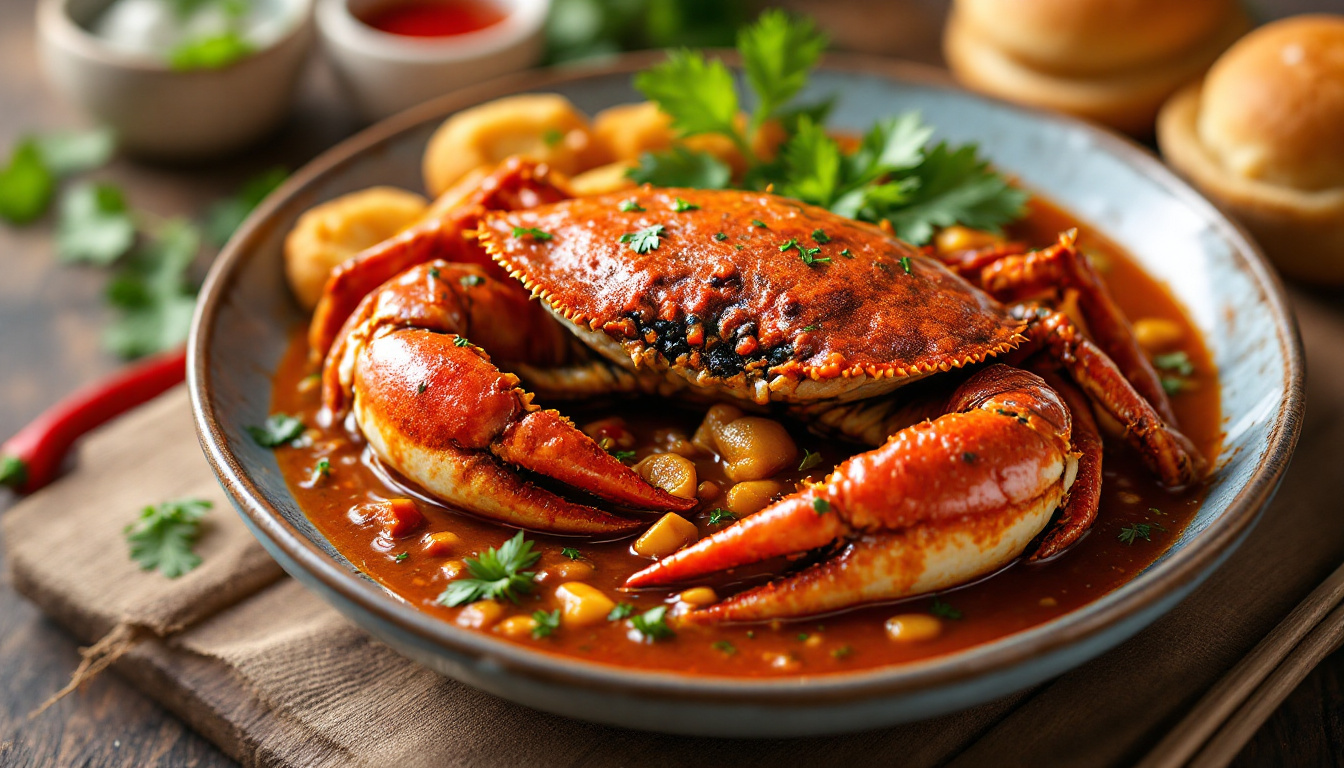
The first plate of Hainanese chicken rice I ate in a Singapore hawker center cost about three dollars and ruined every version I have eaten since. That is the strange genius of this city: four great cooking traditions, Chinese, Malay, Indian and Peranakan, packed onto one tiny island and forced to compete stall by stall, plate by plate, for sixty years inside government-built hawker centers. The result is food so good that UNESCO put the hawker culture on its heritage list, and a S$3 dish can outshine a fine-dining course.
In This Guide
Singapore’s food culture is built on a system that no other country has replicated: the hawker center. In the 1960s and 70s, the government relocated thousands of street food vendors from congested roads into purpose-built, open-air food courts with running water, waste disposal, and hygiene inspections. The result is a network of over 110 hawker centers across the island, each containing 30 to 200+ individual stalls, each stall typically run by one person or family cooking one dish they’ve perfected over decades.
This system created something remarkable: a city where a three-generation chicken rice specialist sits next to a Malay nasi lemak master, next to an Indian roti prata flipper, next to a Peranakan laksa cook, all under one roof, all charging S$3–6 per plate, all competing not on marketing but purely on taste. The stalls with the longest queues have earned them. The ones with no queue won’t survive. It’s culinary Darwinism, and it works.
Singapore’s food also draws from its neighbors. For the Malaysian side of the story (and the eternal debate about who makes better chicken rice), see our guide to the best food in Malaysia. For a comparison with the closest rival hawker city, check our Kuala Lumpur food guide.
Chinatown & Maxwell Food Centre, Where It All Begins
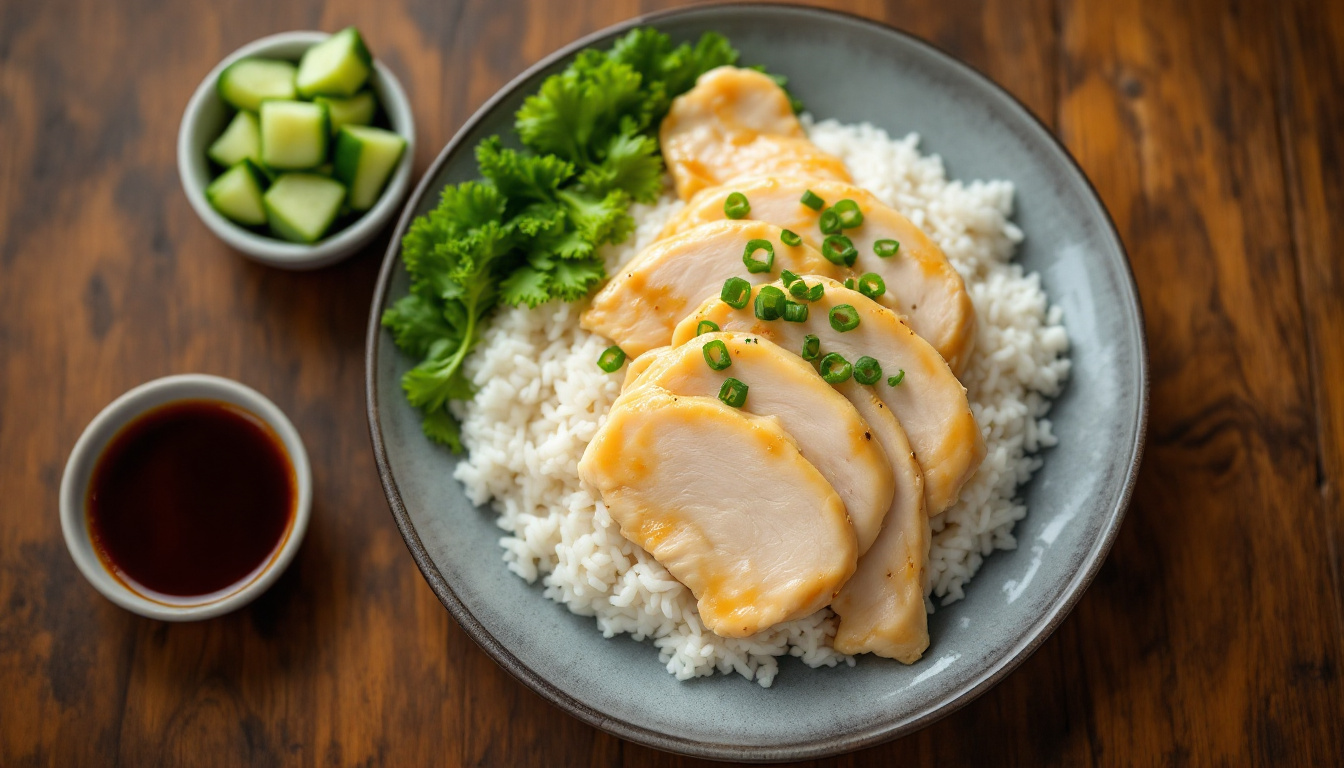
Maxwell Food Centre is Singapore’s most internationally famous hawker center, made legendary by Anthony Bourdain and the fact that it houses Tian Tian Chicken Rice, widely considered the best chicken rice in the city. The center sits in the heart of Chinatown, a 5-minute walk from the Buddha Tooth Relic Temple and the colorful shophouses of Pagoda Street.
Beyond Maxwell, Chinatown itself is packed with food: Hong Kong-style cha chaan tengs on Smith Street, traditional Chinese bakeries, and the Chinatown Complex Food Centre (the biggest hawker center in Singapore with 260+ stalls, including the world’s cheapest Michelin-starred meal).
What to eat at Chinatown & Maxwell
Tian Tian Hainanese Chicken Rice (Maxwell, Stall #10), The most famous chicken rice in Singapore. Silky poached chicken, fragrant oily rice, spicy chili sauce, dark soy, and ginger paste. S$5–6 (~$3.70–4.50). Queue is 20–40 min at lunch. Worth it. Get the breast for leaner meat, thigh for more flavor. Pro tip: arrive at 10:30 AM or after 2 PM to dodge the peak.
Hawker Chan (Chinatown Complex, Stall #02-126), The world’s cheapest Michelin-starred meal. Soya sauce chicken rice and roasted pork rice for S$3.80 (~$2.80). The Michelin star was awarded to the original owner; the stall has since expanded into a chain, but the Chinatown Complex location remains the best. The chicken skin glistens with a lacquered soy glaze that’s absurdly good for the price.
Fuzhou oyster cake stalls (Maxwell), Deep-fried oyster cakes, a crispy shell of rice flour and five-spice filled with tiny oysters, pork, and vegetables. S$2–3. A disappearing heritage snack. Only a handful of hawkers still make them. If you see one, eat one.
Chinatown Complex supper stalls, The Complex has stalls open until midnight and beyond: zi char (Chinese stir-fry to share), congee, fried carrot cake (chai tow kway), and the late-night crowds that make hawker centers feel alive. Budget S$8–15 for a full supper with a beer.
Little India & Tekka Centre, Biryani, Roti and Banana Leaf Meals
Little India is Singapore’s most sensory neighborhood, spice shops, jasmine garlands, Tamil music, and the smell of curry from every doorway. The food here is predominantly South Indian and North Indian, with Sri Lankan and Bangladeshi influences. Tekka Centre (at the edge of Little India) is the neighborhood’s hawker center and one of the most diverse in Singapore.
What to eat in Little India
Tekka Centre (Blk 665 Buffalo Road), Ground floor: a wet market with produce, meat, and fish. Upstairs: a hawker center where Malay, Chinese, and Indian stalls sit side by side. The Indian stalls serve biryani (S$5–7), roti prata (S$1.50–3), masala dosa (S$3–5), and fish head curry (S$12–18 to share). Come for breakfast and get roti prata with dhal, one of Singapore’s greatest meals for under S$3.
Banana leaf restaurants (Race Course Road), Full South Indian meals served on a banana leaf: rice, three vegetable curries, rasam, papadum, pickles. The leaf IS the plate. Eat with your right hand (no cutlery needed, though it’s available). S$8–12 per person. Komala Vilas (since 1947) and Samy’s Curry are the classic choices.
Mustafa Centre food court, The 24-hour Mustafa shopping complex has a food court and surrounding restaurants that serve some of the cheapest and most authentic Indian food on the island. Biryani for S$5, tandoori for S$6. Open late, perfect for midnight biryani after shopping.
Roti prata at Jalan Kayu or The Roti Prata House, Roti prata is Singapore’s favorite late-night carb: flaky, buttery flatbread served with fish or mutton curry for dipping. Plain prata: S$1.20. Egg prata: S$1.80. Cheese prata: S$2.50. The best prata shops are open 24 hours. Jalan Kayu (near Seletar) is prata row, worth the taxi ride.
Katong & Joo Chiat, Peranakan Food and Laksa Wars
Katong and Joo Chiat are the heartland of Peranakan (Straits Chinese) culture, a community born from centuries of intermarriage between Chinese settlers and Malay locals. Peranakan food is a unique fusion: Chinese cooking techniques with Malay spices, coconut milk, and bold flavors. The architecture here, pastel-colored shophouses with ornate tiles, is as beautiful as the food.
What to eat in Katong & Joo Chiat
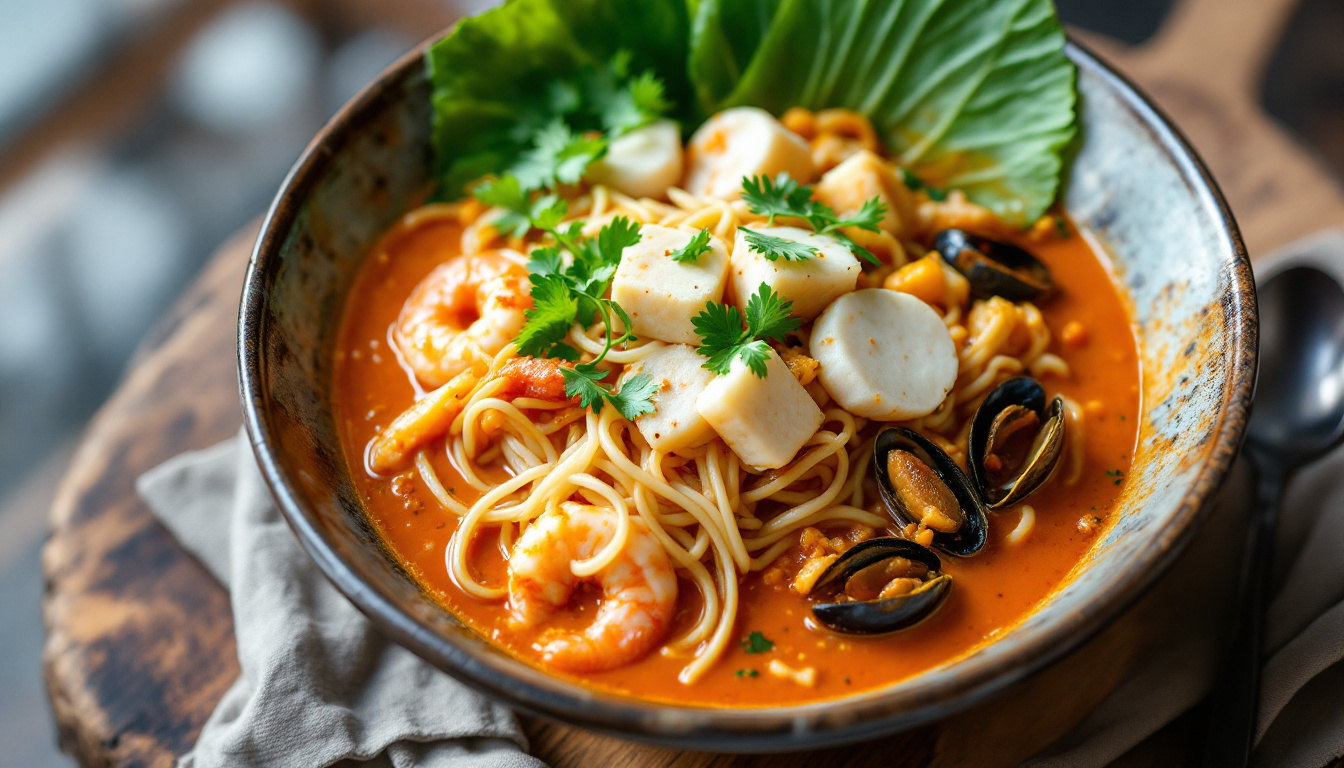
328 Katong Laksa (51 East Coast Road), The most famous laksa in Singapore. Rich, spicy coconut curry broth with thick rice noodles (cut short so you eat with a spoon, not chopsticks), prawns, cockles, fish cake, and a generous pour of chili oil. S$6–8 (~$4.50–6). The portions are small, order a large or get two. There are other laksa shops on the same street claiming to be the “original”, 328 has the biggest queue and and the best broth.
Kim Choo Kueh Chang (109/111 East Coast Road), Peranakan rice dumplings (nonya chang) wrapped in pandan-scented blue glutinous rice. Also: kueh (Peranakan sweets), otah-otah (grilled fish paste in banana leaf), and Peranakan cakes. S$2–5 per item. The shop doubles as a small Peranakan museum.
Joo Chiat Road restaurants, The stretch of Joo Chiat between Katong and Geylang has Peranakan restaurants (try Chilli Padi for nonya cuisine, S$15–25 per person), Thai food (the Geylang end has a Thai community), and bakeries. Walk the full length, every block has something different.
Katong Bakery & Confectionery, Old-school bakery famous for pandan chiffon cake and kaya (coconut jam) rolls. S$3–8. The kind of place where everything is wrapped in paper and nothing has changed since 1985.
Tiong Bahru, Heritage Hawkers Meet Third-Wave Coffee
Tiong Bahru is Singapore’s oldest public housing estate, built in the 1930s with art deco-inspired blocks. It’s now the city’s most photogenic foodie neighborhood: a mix of heritage hawker stalls and trendy cafes in a walkable, low-rise setting that feels nothing like the skyscraper Singapore of Marina Bay.
What to eat in Tiong Bahru
Tiong Bahru Market & Food Centre (Blk 30, Seng Poh Road), One of the best hawker centers in Singapore. Famous stalls include: Tiong Bahru Hainanese Boneless Chicken Rice (the name says it all, S$4), Jian Bo Shui Kueh (steamed rice cakes with preserved radish, S$2 for 5 pieces), and Lor Mee 178 (thick noodles in starchy gravy, S$4). The wet market downstairs is excellent for local produce.
Chwee kueh (steamed rice cakes), Tiong Bahru’s signature hawker dish: soft, wobbly steamed rice cakes topped with stir-fried chai poh (preserved radish). S$2 for 5 pieces. Deceptively simple, perfectly satisfying. The Jian Bo stall at Tiong Bahru Market opens at 6 AM and often sells out by noon.
Tiong Bahru Bakery, French-style bakery that kicked off the neighborhood’s cafe renaissance. Excellent croissants (S$4.50), kouign-amann (S$4.50), and coffee. Good for a calm morning before hawker-center chaos.
Forty Hands / Drips Bakery Café, Third-wave coffee scene meets Southeast Asian flavors. Flat whites, pour-overs, and brunch plates in converted shophouse settings. S$6–8 for coffee, S$15–22 for brunch. The Tiong Bahru cafe strip along Yong Siak Street is walkable and Instagram-friendly.
Old Airport Road & East Coast, The Locals’ Favorite
Old Airport Road Food Centre is regularly voted the best hawker center in Singapore by locals. It’s large (150+ stalls), slightly out of the tourist trail, and packed with heritage stalls that have been operating for 30–40 years. The East Coast area nearby adds seafood restaurants along the waterfront.
What to eat at Old Airport Road & East Coast
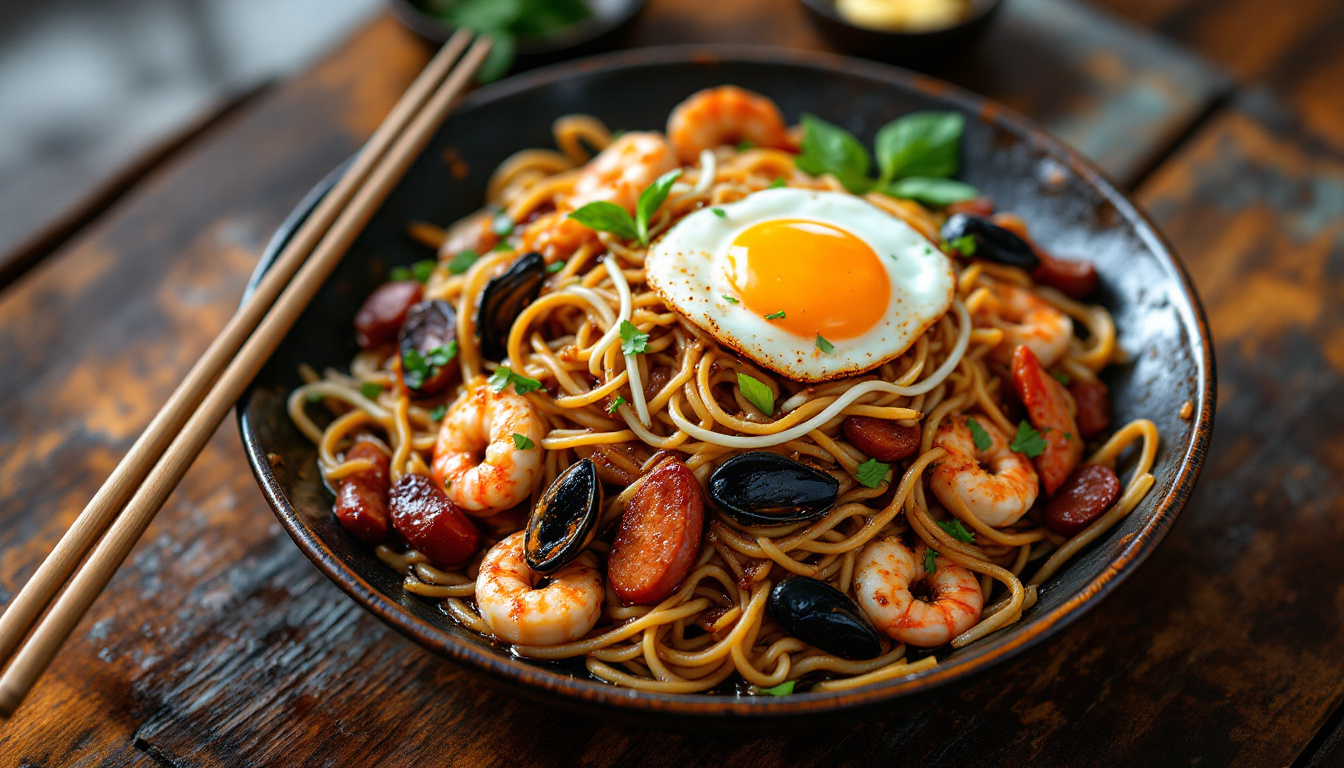
Old Airport Road Food Centre (Blk 51, Old Airport Road), Highlights: Nam Sing Hokkien Mee (stir-fried prawn noodles, S$5), Lao Fu Zi Fried Kway Teow (smoky wok hei char kway teow, S$4), Albert Street Prawn Noodle (rich prawn-head broth, S$5), and Xin Mei Xiang Lor Mee (thick braised noodles, S$4). Come hungry, you’ll want to try at least 3–4 stalls.
East Coast Lagoon Food Village, A seaside hawker center facing the ocean. Famous for satay, dozens of satay stalls grill chicken, mutton, and beef skewers over charcoal. Order 10–20 sticks (S$0.60–0.80 each), peanut sauce, and ketupat (compressed rice cakes). The ocean breeze and BBQ smoke make this the most atmospheric hawker center in Singapore.
East Coast seafood restaurants, The stretch of East Coast Parkway has open-air zi char restaurants serving Singapore’s most famous dish for groups: chilli crab. Whole crab in sweet-spicy tomato-chili sauce, eaten with mantou (fried buns) to mop up the gravy. S$40–80 per crab depending on size. Long Beach Seafood and Jumbo Seafood have East Coast outlets. Go with friends, this is a sharing dish.
CBD, Lau Pa Sat & Amoy Street, Business District Hawker Culture
Singapore’s Central Business District (CBD) hides some of the best hawker food in the city inside the towers. Lau Pa Sat (Telok Ayer Market) is the most architecturally beautiful hawker center in Singapore, a Victorian-era cast-iron structure surrounded by skyscrapers. Amoy Street Food Centre, two blocks away, is smaller and better for food quality.
What to eat in the CBD
Lau Pa Sat (18 Raffles Quay), The building alone is worth a visit, an 1894 octagonal cast-iron market hall. Food quality varies (some stalls are tourist-facing), but the satay street that opens every evening on Boon Tat Street outside is spectacular: rows of satay grills smoking under the skyscrapers. 10 sticks for S$7–9. Come at dusk for the best atmosphere.
Amoy Street Food Centre (7 Maxwell Road), A small, excellent hawker center popular with CBD office workers. Famous stalls: A Noodle Story (Michelin Bib Gourmand, Singapore-style ramen, S$7), Han Kee Fish Soup (light, clean fish soup with rice, S$6), and Ah Hua Kway Teow (dry char kway teow, S$4). Lunchtime queues are long but move fast.
Telok Ayer area restaurants, The streets around Telok Ayer MRT have upscale versions of hawker food: modern Singaporean restaurants with cocktail bars. Good for a fancier meal after a day of hawker eating. Budget S$30–60 per person.
Top 10 Dishes to Eat in Singapore
Singapore’s food is a collision of four great culinary traditions, Chinese, Malay, Indian, and Peranakan, forged in the competitive crucible of the hawker center. These ten dishes are the foundation. You could eat nothing else for a week and declare it the best food trip of your life.
| # | Dish | Where to Try | Price | Area | Rating |
|---|---|---|---|---|---|
| 1 | Hainanese chicken rice | Tian Tian / Hawker Chan | S$3.50–6 | Maxwell / Chinatown | ★★★★★ |
| 2 | Laksa | 328 Katong Laksa | S$6–8 | Katong | ★★★★★ |
| 3 | Chilli crab | Long Beach / Jumbo (East Coast) | S$40–80/crab | East Coast | ★★★★★ |
| 4 | Char kway teow | Lao Fu Zi (Old Airport Road) | S$4–5 | Old Airport Road | ★★★★★ |
| 5 | Roti prata | Tekka Centre / Jalan Kayu | S$1.20–2.50 | Little India | ★★★★★ |
| 6 | Hokkien mee (prawn noodles) | Nam Sing (Old Airport Road) | S$5–6 | Old Airport Road | ★★★★ |
| 7 | Satay | Lau Pa Sat Boon Tat Street | S$0.60–0.80/stick | CBD | ★★★★ |
| 8 | Nasi lemak | Any Malay hawker stall | S$3–5 | Everywhere | ★★★★ |
| 9 | Kaya toast + soft-boiled eggs | Ya Kun / Chin Mee Chin | S$4–6 (set) | Various | ★★★★ |
| 10 | Chwee kueh (steamed rice cakes) | Jian Bo (Tiong Bahru Market) | S$2 | Tiong Bahru | ★★★★ |
A word about kaya toast: this is Singapore’s national breakfast. Two slices of thin, charcoal-grilled bread spread with kaya (a coconut-egg jam flavored with pandan) and a slab of cold butter. Served with two soft-boiled eggs (break them into a saucer, add dark soy and white pepper, stir) and a cup of kopi (local coffee with condensed milk). The whole set costs S$4–6. Ya Kun Kaya Toast is the classic chain (since 1944). Chin Mee Chin Confectionery in Katong is the nostalgic indie choice. Either way, this breakfast will rewire your morning routine permanently.
Practical Tips for Eating in Singapore
How to “chope” a table
At busy hawker centers, Singaporeans reserve tables by placing a tissue packet on a seat or table. This is called “choping” and it’s a universally respected custom. Arrive, chope your table, then go order from stalls. Don’t move someone else’s tissue packet, it’s the equivalent of cutting in line. If the center is very crowded, sharing tables with strangers is completely normal and expected.
Ordering at hawker centers
Walk the center once before ordering. Identify 2–3 stalls with queues. Order from each separately (give your table number). Food arrives at different times, this is normal. You don’t need to order everything from one stall. A proper hawker meal involves chicken rice from stall #10, char kway teow from stall #47, and a drink from stall #03. Nobody thinks this is strange.
Kopi vocabulary
Ordering coffee in Singapore requires a mini-vocabulary: kopi = coffee with condensed milk. Kopi-O = black coffee with sugar. Kopi-O-kosong = black coffee, no sugar. Kopi-C = coffee with evaporated milk and sugar. Kopi-gao = extra strong. Kopi-peng = iced. This system also works for tea (replace “kopi” with “teh”). Learn “kopi-C-kosong-peng” (iced coffee with evaporated milk, no sugar) and you’ve peaked at Singaporean integration.
Hawker center hygiene
Singapore’s hawker centers are government-regulated with mandatory hygiene grading (A, B, C, D, displayed at every stall). A and B stalls are excellent. C is acceptable. D is rare and worth avoiding. The system works: Singapore has one of the lowest foodborne illness rates in Southeast Asia despite the open-air cooking.
Beyond hawkers, fine dining
Singapore also has one of Asia’s best fine dining scenes. Burnt Ends, Odette, and Labyrinth are world-ranked. But the honest truth is that the gap between a S$5 hawker plate and a S$150 fine-dining course is narrower in Singapore than anywhere else. The hawker stalls have had 40+ years to perfect single dishes. Many fine-dining chefs freely admit that their best meal of the week is at a hawker center.
Frequently Asked Questions About Food in Singapore
More Asian food guides waiting for you
Country and city deep dives across Southeast Asia and the wider continent.