Smoky party jollof, egusi soup with pounded yam, late-night suya off the grill, and soups with serious heat: a region-by-region guide to what to eat in Nigeria, where to find it, and what it costs.
My first plate of party jollof in Lagos came with a side of friendly menace, two strangers debating whether Nigerian or Ghanaian jollof was superior while making sure I knew the correct answer. The best food to eat in Nigeria is bold, fiery, and built around a simple idea most visitors take a day to learn: you eat soup with your hands, using a starchy “swallow” as the spoon. Nigeria is three great food cultures in one country, Yoruba in the southwest, Igbo in the southeast, and Hausa in the north, plus the seafood-rich Niger Delta and the engine room of Lagos. It is also the country that will fight you over jollof rice, and win. This is genuinely spicy cooking, and it is some of the most underrated food on Earth.
Why Nigerian food is West Africa’s powerhouse
Nigerian food is the powerhouse of West African cooking because it bundles several distinct cuisines under one flag and exports them through the largest population in Africa. The southwest, home of the Yoruba, leans on yam-flour swallows and rich vegetable stews. The southeast, Igbo country, specializes in nutty, leafy soups and bold delicacies. The north, Hausa and Fulani land, is grilled-meat and grain country. The Niger Delta adds seafood and palm-oil soups.
What ties it together is the format: a thick, spicy soup or stew, eaten with a starchy “swallow” like pounded yam, eba, or amala that you pinch off and dip with your right hand. The other unifier is heat. Unlike much of the food across the Americas, Nigerian cooking is genuinely, proudly spicy, built on scotch bonnet peppers that go into almost everything.
And then there is jollof. The smoky, tomato-rich one-pot rice is the centerpiece of every party, and the “jollof wars,” the running argument with Ghana and Senegal over whose version is best, are a real and beloved part of West African culture. This guide runs through the dishes that define Nigeria, then breaks the country into its food regions. It sits alongside our wider guide to the best food in Africa and the Middle East.
The best food to eat in Nigeria, dish by dish
These are the dishes I send every first-timer after, with a rough 2026 price and the region each belongs to. Prices are in Nigerian naira (₦), with the dollar figure at roughly ₦1,600 to USD 1, though the naira moves a lot.
Jollof rice
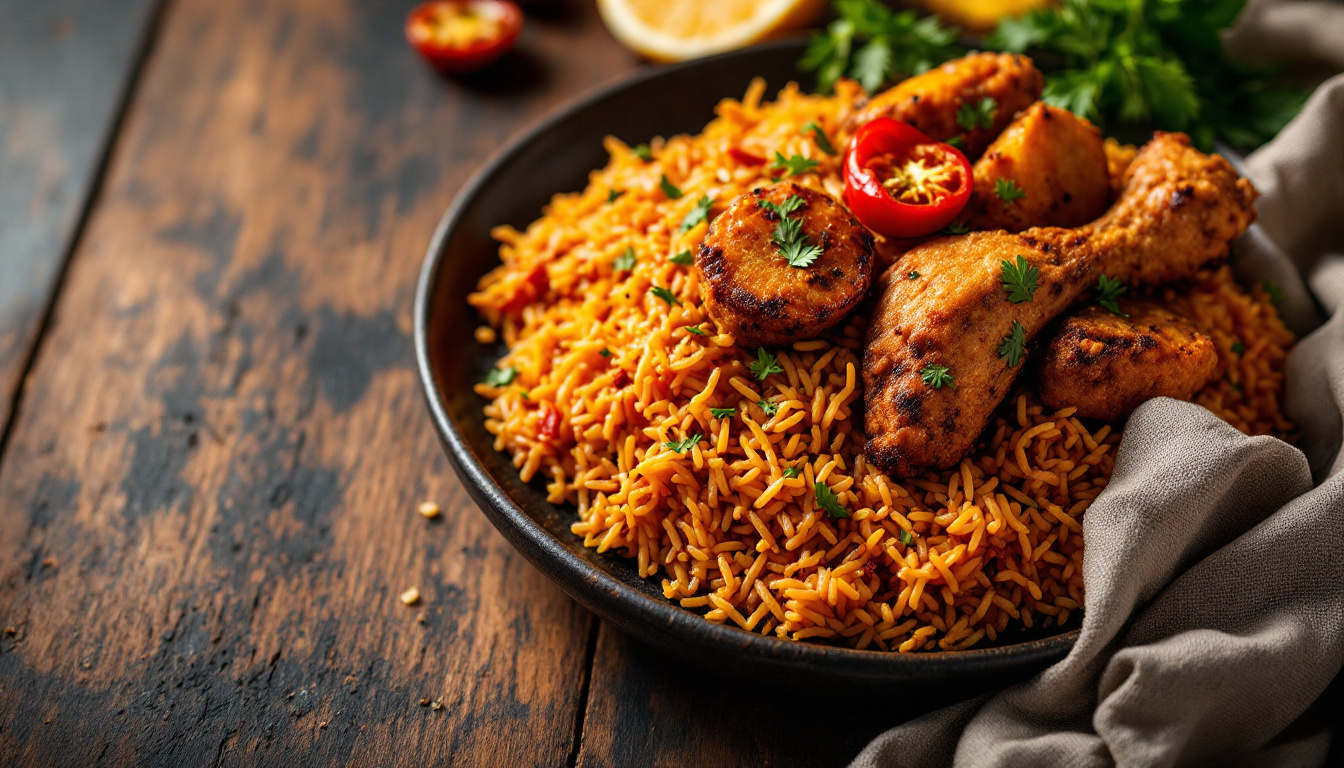
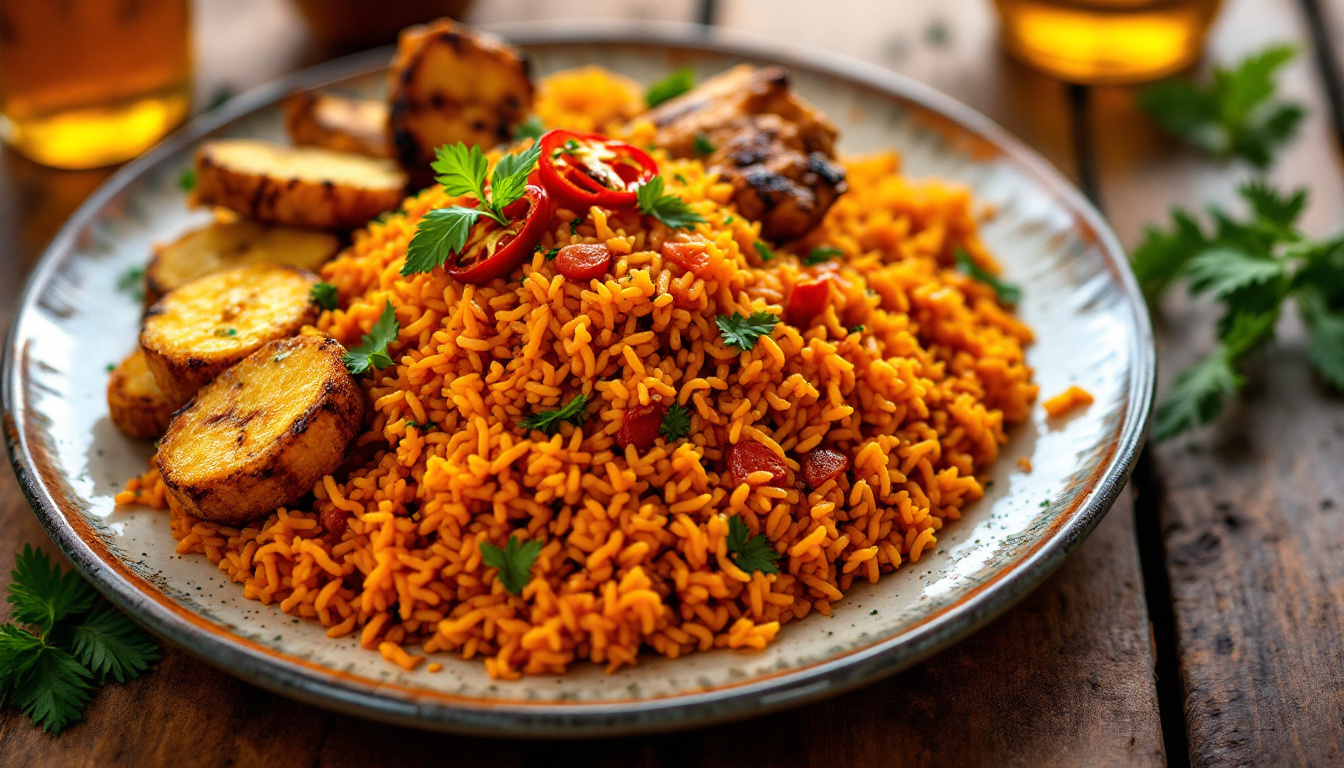
Jollof rice is long-grain rice cooked in a rich blend of tomato, pepper, and onion until every grain is stained red and flavorful, and it is the dish Nigeria is most willing to argue about. The prized version is “party jollof,” cooked over firewood so the bottom lightly chars and the whole pot takes on a smoky depth. It turns up at every celebration with fried plantain, chicken, and moin moin. The rivalry with Ghana over whose jollof reigns is genuine, and most Nigerians consider it settled.
Egusi soup
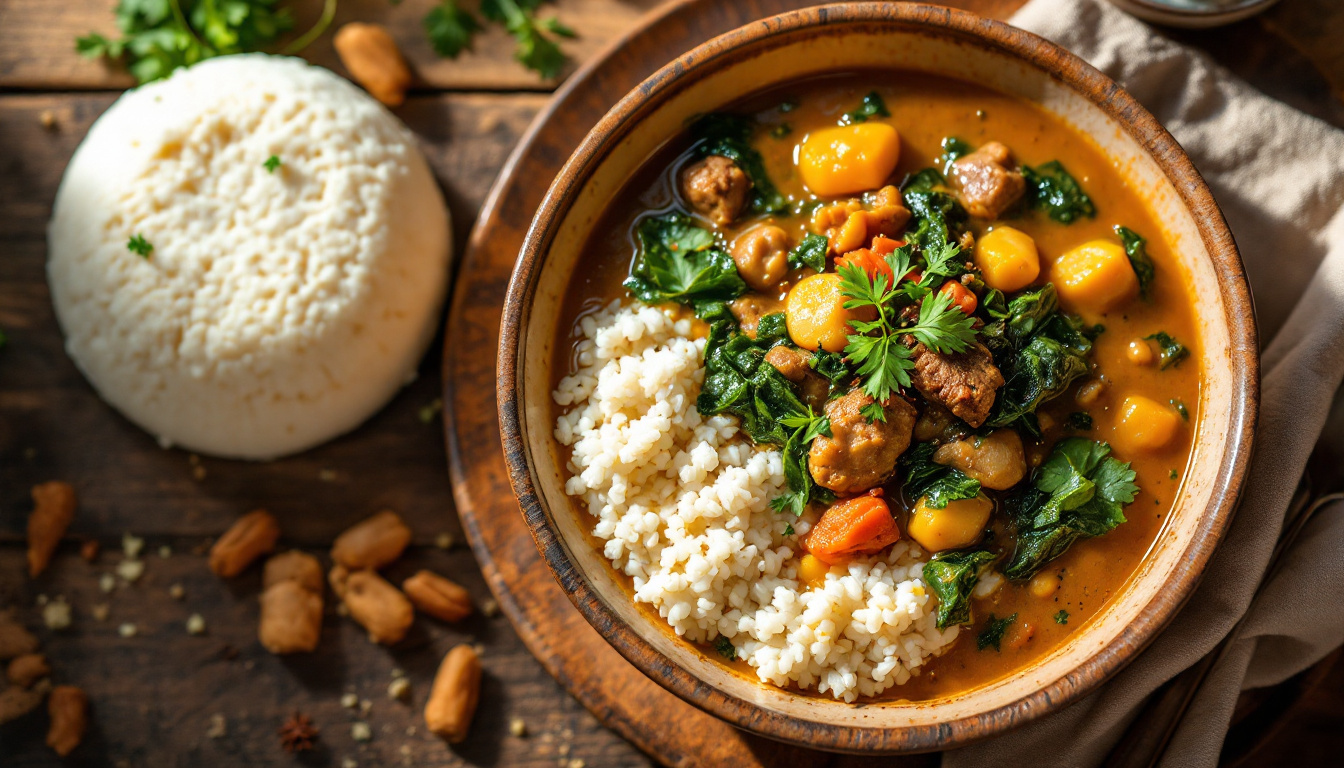
Egusi soup is a thick, nutty soup made from ground melon seeds, cooked with leafy greens, palm oil, and assorted meat or fish, and the pairing with pounded yam is the pinnacle of Nigerian hospitality. The melon seeds give it body and a rich, almost cheesy depth, and it is served at weddings, funerals, and naming ceremonies across the country. Eat it the proper way, with a ball of smooth pounded yam dipped straight into the soup by hand.
Pounded yam and swallows iyan, eba, amala, fufu
A “swallow” is a soft, stretchy starch you pinch off, dip in soup, and swallow without much chewing, and it is the foundation of how Nigerians eat. Pounded yam (iyan) is the smooth, elastic king; eba is made from cassava granules (garri); amala is a dark yam-flour swallow popular in the Yoruba southwest; and fufu is fermented cassava. Each pairs with the soups, and which one you prefer is a matter of regional pride and personal loyalty.
Suya
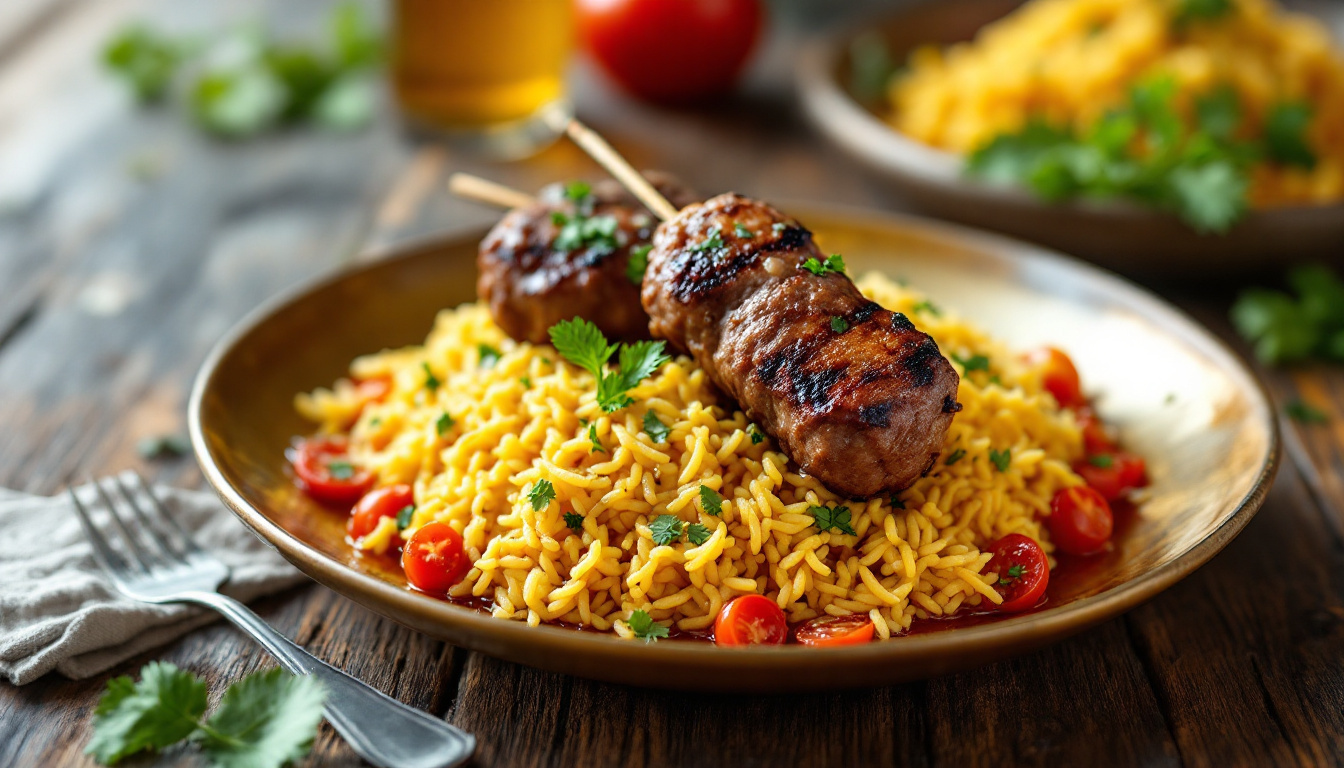
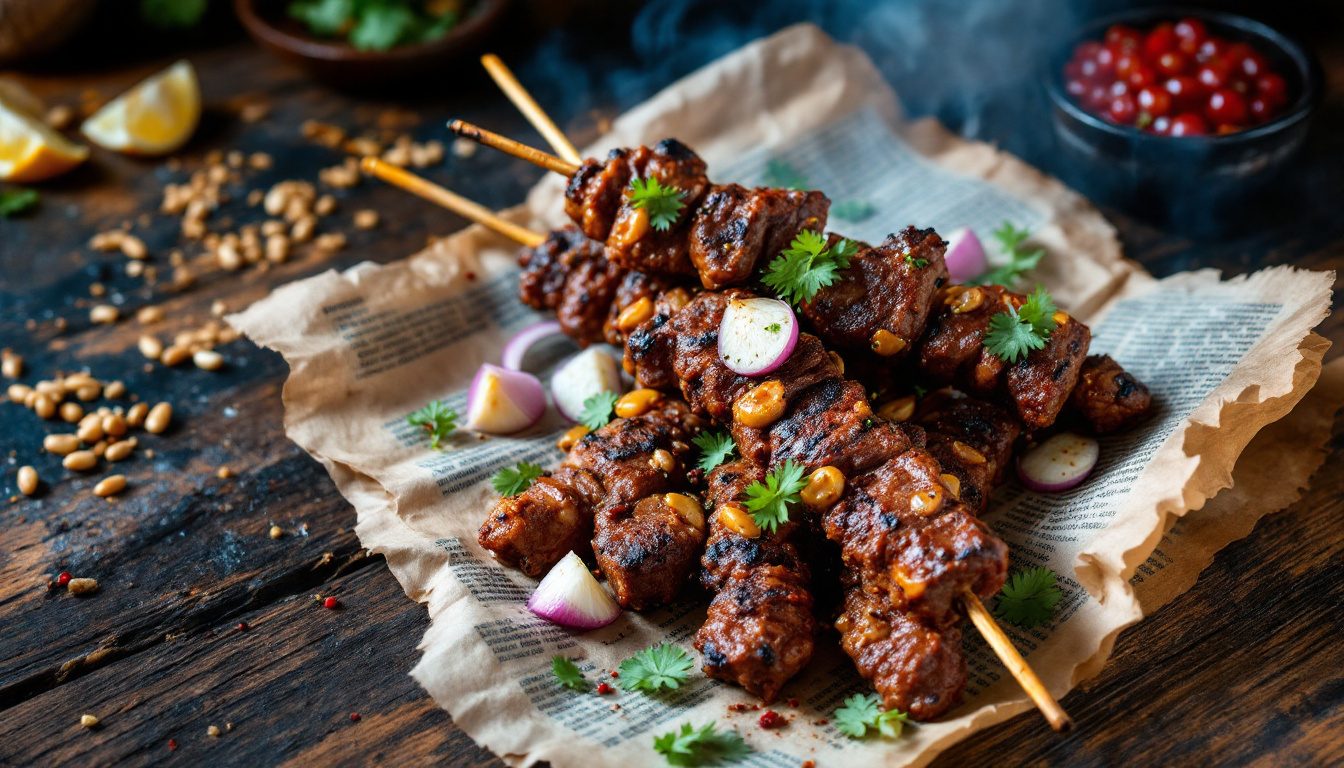
Suya is thinly sliced beef coated in yaji, a dry spice rub of ground peanuts and chili, then grilled over charcoal, and it is the undisputed king of Nigerian street food. It is Hausa in origin and now sold from smoky roadside grills (suya spots) across the country after dark, wrapped in newspaper with raw onion and extra yaji. The peanut-and-pepper crust is unmistakable. Find the busiest mai suya (suya seller) you can after sunset and order more than you think you need.
Pepper soup
Pepper soup is a thin, intensely spiced broth loaded with goat meat, catfish, or assorted meat and a blend of aromatic local spices, and it is the soup Nigerians reach for to warm up or recover. Unlike the thick swallow soups, it is light and drunk almost like a clear soup, but the heat is serious. The catfish (point-and-kill) version, where you choose your live fish, is a Delta and riverside favorite. It doubles as comfort food and a famous hangover cure.
Moi moi
Moi moi is a savory steamed pudding of blended peeled beans, peppers, onion, and oil, often studded with egg or fish, and it is the soft, rich counterpart to jollof at every party. The beans are soaked, peeled, and ground to a smooth batter, then steamed in leaves or tins until set. It is a complete protein and a vegetarian-friendly option when made without fish. Its fried cousin, akara, uses the same bean base.
Akara and puff puff
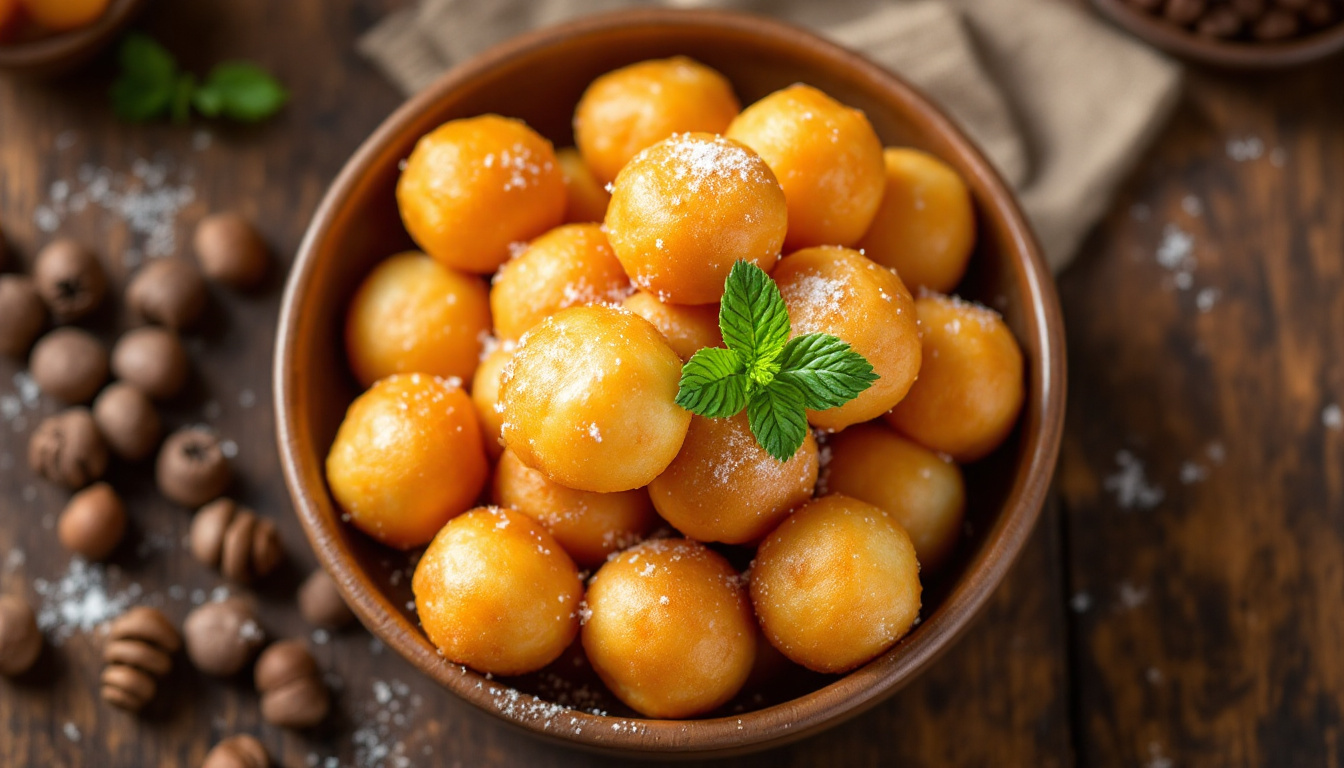
Akara and puff puff are Nigeria’s two great fried snacks, sold from street-side pans morning and evening. Akara is a savory fritter of ground beans and peppers, fried crisp and eaten for breakfast with bread (a Lagos classic). Puff puff is the sweet one: balls of yeasted dough fried golden and slightly chewy, sold by the bagful and impossible to stop eating. Both cost a few naira and are the easiest way to graze your way through a Nigerian day.
Efo riro and Nigerian soups
Efo riro is a Yoruba spinach stew cooked down with peppers, palm oil, and assorted meat, and it heads a deep bench of Nigerian soups eaten with swallow. Beyond it lie ogbono (a drawn, slightly slimy soup from wild mango seeds), okra soup, banga (palm-fruit soup from the Delta), and bitterleaf soup. Each region has its favorites, and the texture varies from smooth to deliberately stretchy. Order whichever the locals are eating and pair it with your swallow of choice. Two South-South soups to seek out: edikang ikong, a rich, expensive Calabar vegetable soup loaded with waterleaf, ugu, assorted meats and seafood, and afang, its cousin built on wild okazi leaves , both considered among the most prestigious soups in the country.
Ofada rice and ayamase
Ofada rice is a local, unpolished short-grain rice with an earthy aroma, served with ayamase, a fierce green-pepper stew cooked in bleached palm oil with assorted meat. The pairing is a Yoruba southwest specialty, traditionally served wrapped in green leaves that perfume the rice. The ayamase (also called designer stew) is properly hot, dark, and oily in the best way. It is one of the most distinctive regional plates in the country and a must in Lagos.
Nkwobi and isi ewu
Nkwobi is spiced cow foot in a thick, fragrant palm-oil sauce, and isi ewu is the same treatment for goat head, and both are prized Igbo delicacies eaten with cold drinks. The meat is gelatinous and rich, bound in a sauce loaded with utazi leaves, peppers, and ground ehu seeds. These are bar and celebration foods of the southeast, meant to be picked over slowly with friends. Adventurous eaters are rewarded; this is some of the most flavor-packed eating in Nigeria.
Dodo and bole plantain
Dodo is ripe plantain fried until sweet and caramelized, and bole is plantain roasted over coals, and the plantain in some form turns up alongside half the meals in Nigeria. Dodo is the soft, sweet side that balances spicy stews and rice. Bole is street food, charred whole and served with a roasted fish and a fiery palm-oil pepper sauce, a Port Harcourt favorite. Cheap and everywhere, plantain is the comforting counterweight to all that chili.
Asun and kilishi
Asun is chunks of goat meat grilled then tossed with peppers and onions until smoky and fiery, and kilishi is the north’s answer to jerky, a dried, spiced sheet of meat. Asun is party and bar food, served hot and dangerously spicy. Kilishi is thin beef coated in a peanut-spice paste and dried in the sun, the Hausa cousin of suya built to last. Both are protein-packed, intensely flavored, and made for picking at with a cold drink in hand.
Small chops, chin chin and meat pie
Small chops is the Nigerian party platter of bite-sized snacks, and chin chin and meat pie are the everyday treats sold everywhere. Small chops bundles puff puff, samosas, spring rolls, and peppered gizzard (gizdodo) into one shareable box at every event. Chin chin is sweet, crunchy fried dough cut into little cubes, sold in bags. The Nigerian meat pie is a sturdy pastry filled with minced beef, potato, and carrot, the classic on-the-go bite. These are the snacks that bridge the meals. For a cheap full plate, ewa agoyin is the Lagos street classic: soft mashed beans served with a dark, deeply spiced fried-pepper-and-palm-oil sauce, scooped up with soft agege bread.
How food changes across Nigeria, region by region
Nigerian food splits into distinct regional traditions, and knowing where you are tells you what to order. The Yoruba southwest does yam-flour swallows and green stews, the Igbo southeast does nutty soups and offal delicacies, the Hausa north does grilled meat and grains, and Lagos pulls it all together. Here is the map.
The Yoruba southwest, centered on Lagos and Ibadan, is the land of amala (dark yam-flour swallow) with ewedu and gbegiri, ofada rice with ayamase, efo riro, and suya on every corner. The cooking leans on rich, peppery stews and a wide range of swallows. This is also Nigeria’s street-food heartland, where akara-and-bread breakfasts and roadside suya define how the region snacks.
The Igbo southeast and the Niger Delta specialize in soups: egusi, ofe nsala (white soup), bitterleaf, and the Delta’s palm-fruit banga, plus delicacies like nkwobi and abacha (African salad). The riverine Delta adds fresh fish and seafood, and point-and-kill catfish pepper soup. The cooking here is bold, herbal, and proudly distinct from the rest of the country.
The northern Hausa-Fulani regions are grilled-meat and grain country, the home of suya and its dried cousin kilishi, plus tuwo shinkafa (rice swallow), miyan kuka (baobab-leaf soup), masa (rice cakes), and fura da nono (millet balls in fermented milk). The food is less palm-oil-heavy and more about grains, dairy, and charcoal-grilled meat than the south.
Lagos is where all of Nigeria’s regional cooking collides, the country’s undisputed food capital. The megacity serves every regional dish alongside its own fast-paced street food, from bukas dishing jollof and efo to night markets of suya and bole. If you only have one stop in Nigeria, Lagos lets you eat across the whole country in a few days.
Where to eat: bukas, suya spots and Lagos street food
The best food in Nigeria is found at bukas, roadside suya grills, and street stalls, not in hotel restaurants. Each setting has its role, and eating like a local means knowing which is which. Here is where to point yourself.
- Bukas and mama put, the local canteens (often run by a “mama” ladling from big pots) serving jollof, swallow, and soups for a few hundred naira. The cheapest great meal in the country.
- Suya spots, the smoky roadside grills that come alive after dark; follow the smoke and the crowd to the busiest mai suya.
- Party and event catering, where the legendary smoky party jollof lives; if a Nigerian invites you to a celebration, go for the food alone.
- Bole and akara stands, the street vendors for roasted plantain with fish and for bean-fritter breakfasts.
- Lagos markets and joints, from Balogun-area food stalls to sit-down spots for ofada and ayamase, the easiest place to eat across all regions.
What to drink in Nigeria
Nigeria’s most distinctive drinks are zobo and palm wine, alongside a sweet local soft-drink culture. The country pairs its spicy food with cooling, often sweet drinks, plus a strong beer scene.
- Zobo, a tart, deep-red hibiscus drink spiced with ginger and fruit, served cold and often homemade.
- Palm wine, the milky, lightly fermented sap of the palm tree, an ancient drink best fresh and sold roadside in the south.
- Chapman, a sweet non-alcoholic cocktail of soft drinks, grenadine, and citrus with a cucumber slice, the classic Nigerian party drink.
- Kunu and fura da nono, northern drinks from millet and fermented milk, cooling and filling.
- Beer and malt, lagers like Star and Gulder, and the non-alcoholic Supermalt loved across the country.
- Eat swallow and many dishes with your right hand; a hand-washing bowl is usually provided.
- Meals are communal and generous; sharing and second helpings are part of the hospitality.
- Vegetarians can eat moi moi (no fish), akara, efo riro made without meat, beans (ewa), dodo, and plantain, though most soups use meat or fish stock.
- A tip of around 10 percent is appreciated at sit-down restaurants, less expected at bukas.
- The food is hot by default; asking for less pepper is normal and no offense.
Frequently asked questions
What is the most popular and famous Nigerian food?
The most famous and most popular Nigerian foods are jollof rice, egusi soup with pounded yam, and suya, followed by pepper soup, moi moi and akara. Everyday eating revolves around rich soups with a starchy swallow (pounded yam, eba, amala or fufu), and the most popular street snacks are puff puff, suya and small chops.
What is Nigeria’s national dish?
Jollof rice is the dish most associated with Nigeria and its closest thing to a national dish, a smoky one-pot tomato rice served at every celebration. The combination of pounded yam and egusi soup is the other strong contender, regarded as the height of Nigerian hospitality and served at all major ceremonies. Both define how the country eats and celebrates.
Is Nigerian food spicy?
Yes, Nigerian food is genuinely spicy, far more than most cuisines. Scotch bonnet peppers go into stews, soups, and rice, and dishes like pepper soup, ofada ayamase, and asun are properly hot. The heat is central to the flavor, not an add-on. You can ask for less pepper at most places, and cooling drinks like zobo and chapman help.
What is “swallow” and how do you eat it?
Swallow is a soft, starchy staple, such as pounded yam, eba, amala, or fufu, that you eat with soup by pinching off a small ball with your right hand, dipping it in the soup, and swallowing it with little chewing. It functions as both the carbohydrate and the edible utensil. A bowl of water is provided to rinse your hand, and which swallow you prefer is a matter of regional and personal loyalty.
What are the jollof wars?
The jollof wars are the long-running, mostly friendly rivalry between Nigeria, Ghana, and Senegal over whose version of jollof rice is best. Each country cooks it differently, and the debate is a genuine and beloved part of West African culture, flaring up online and at every gathering. Most Nigerians consider their smoky party jollof the definitive version.
Which city has the best food in Nigeria?
Lagos is the best food city in Nigeria, the megacity where every regional cuisine meets alongside a fast, inventive street-food scene. You can eat Yoruba amala and ofada, Igbo soups, northern suya, and smoky party jollof within a few days. Other strong spots include Ibadan for Yoruba classics and Port Harcourt for bole and Delta seafood.
What should vegetarians eat in Nigeria?
Vegetarians can eat moi moi (made without fish), akara bean fritters, ewa (stewed beans), dodo (fried plantain), efo riro made without meat, and plain jollof rice, plus snacks like puff puff and chin chin. The challenge is that most soups and stews use meat or fish stock, so ask before ordering. Larger Lagos restaurants increasingly offer meat-free versions.
What is suya?
Suya is thinly sliced beef coated in yaji, a dry spice rub of ground peanuts and chili, then grilled over charcoal. It originated with the Hausa of northern Nigeria and is now the country’s most popular street food, sold from smoky roadside grills after dark and served with raw onion and extra spice. It is the must-try Nigerian street snack.
More food guides waiting for you
Browse our complete collection of food guides across Africa and the Middle East.