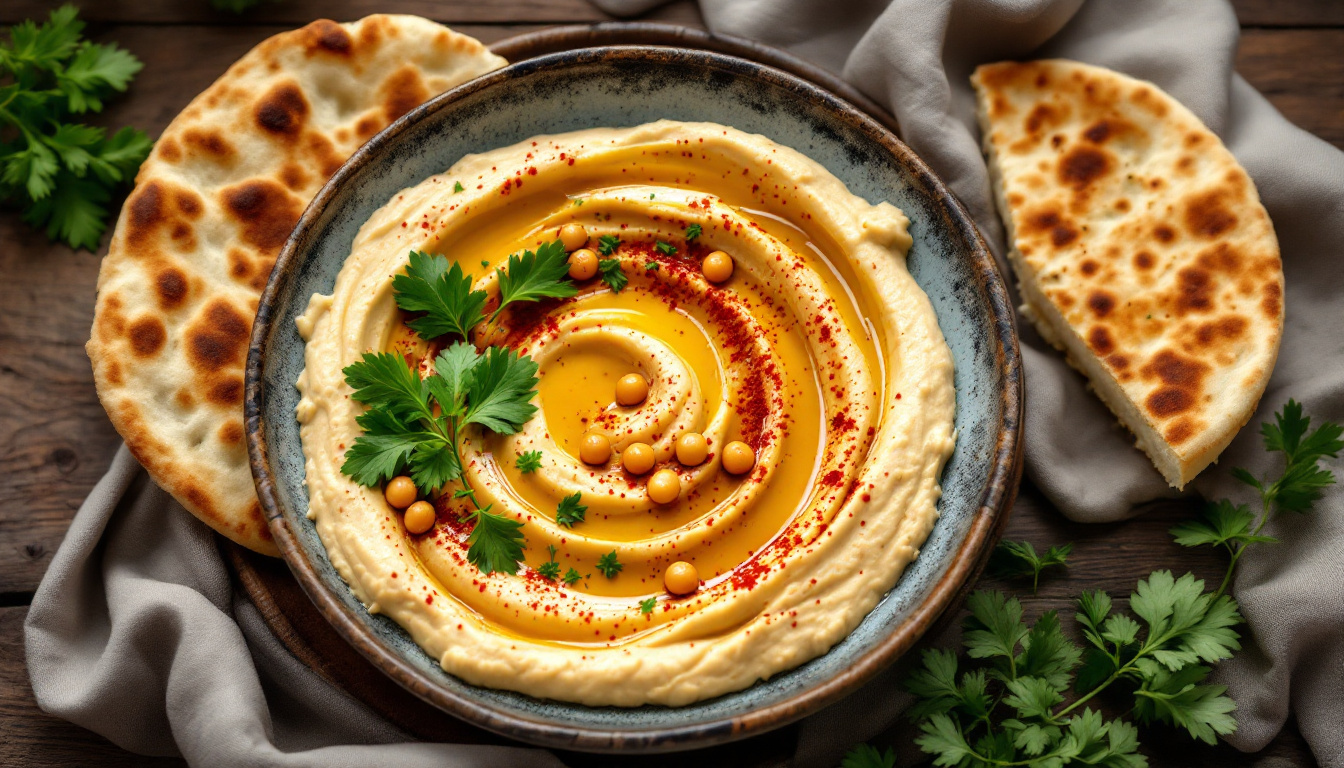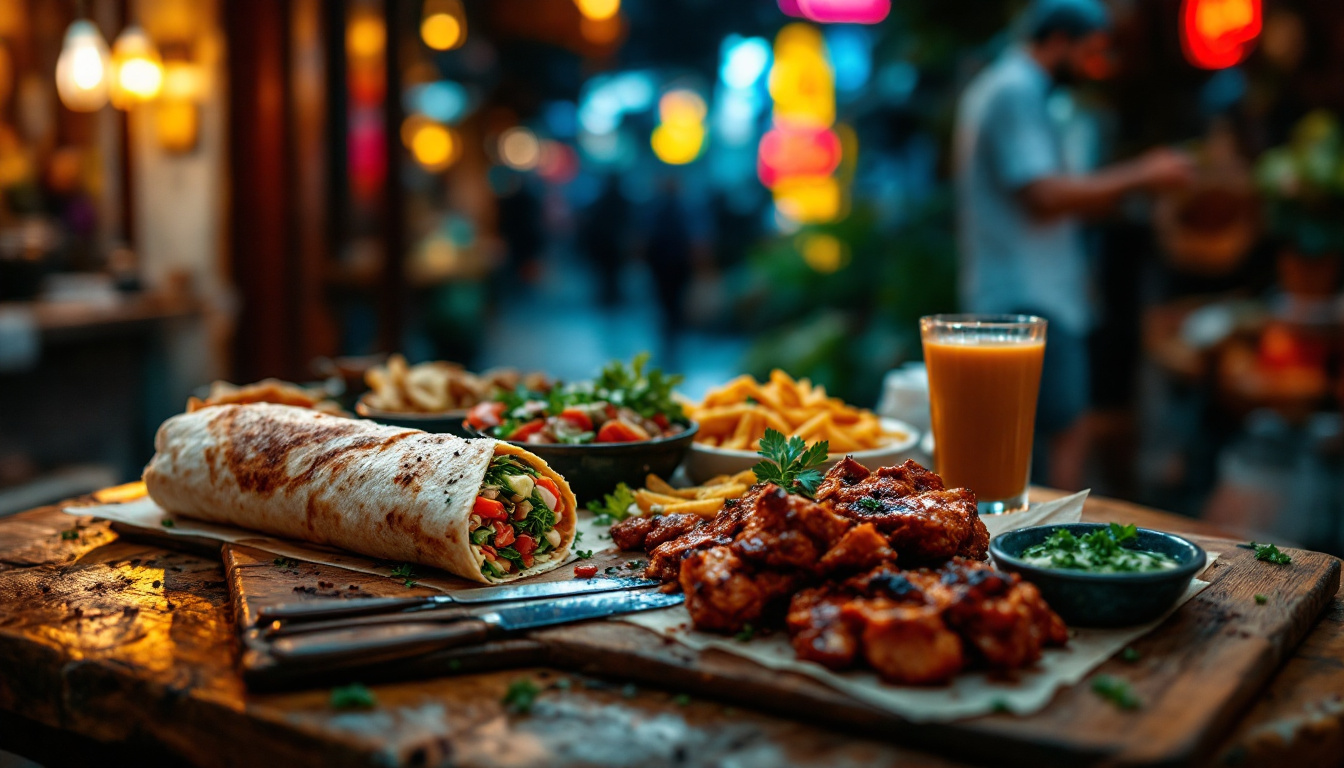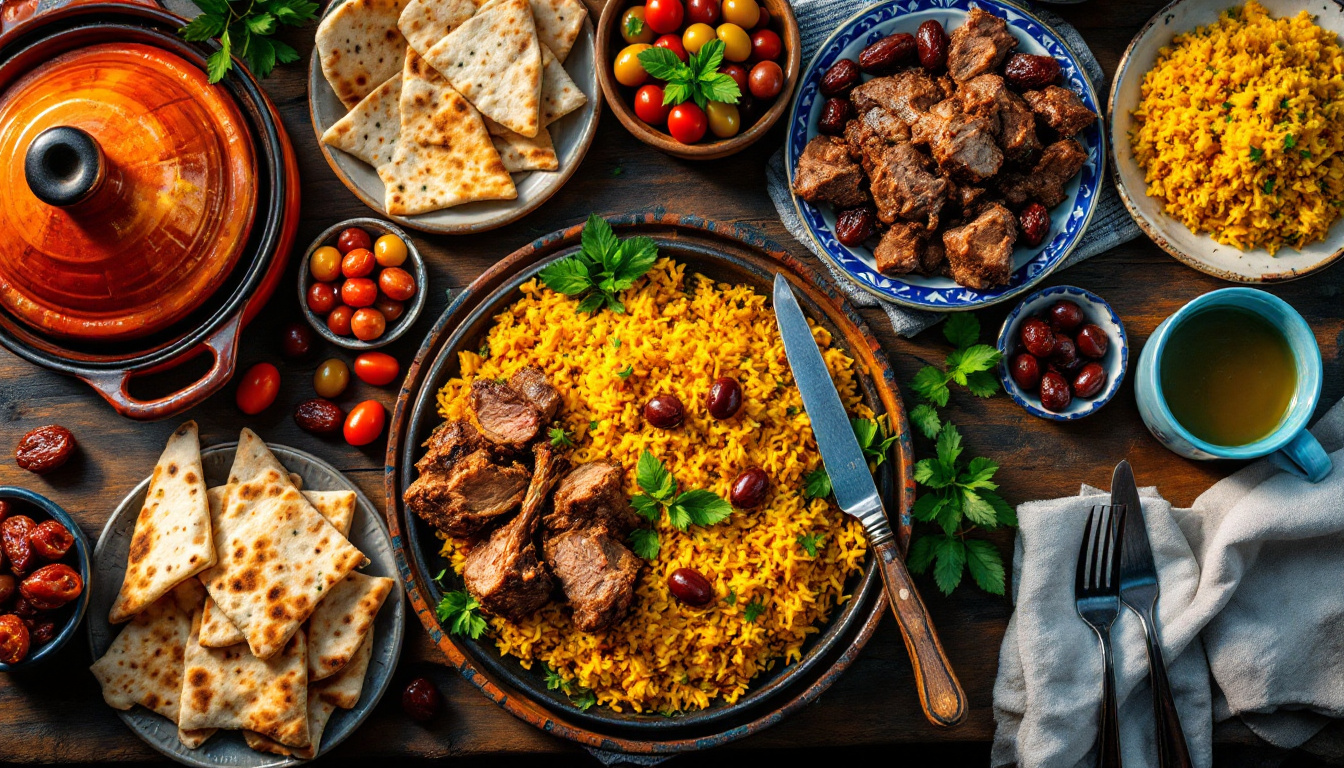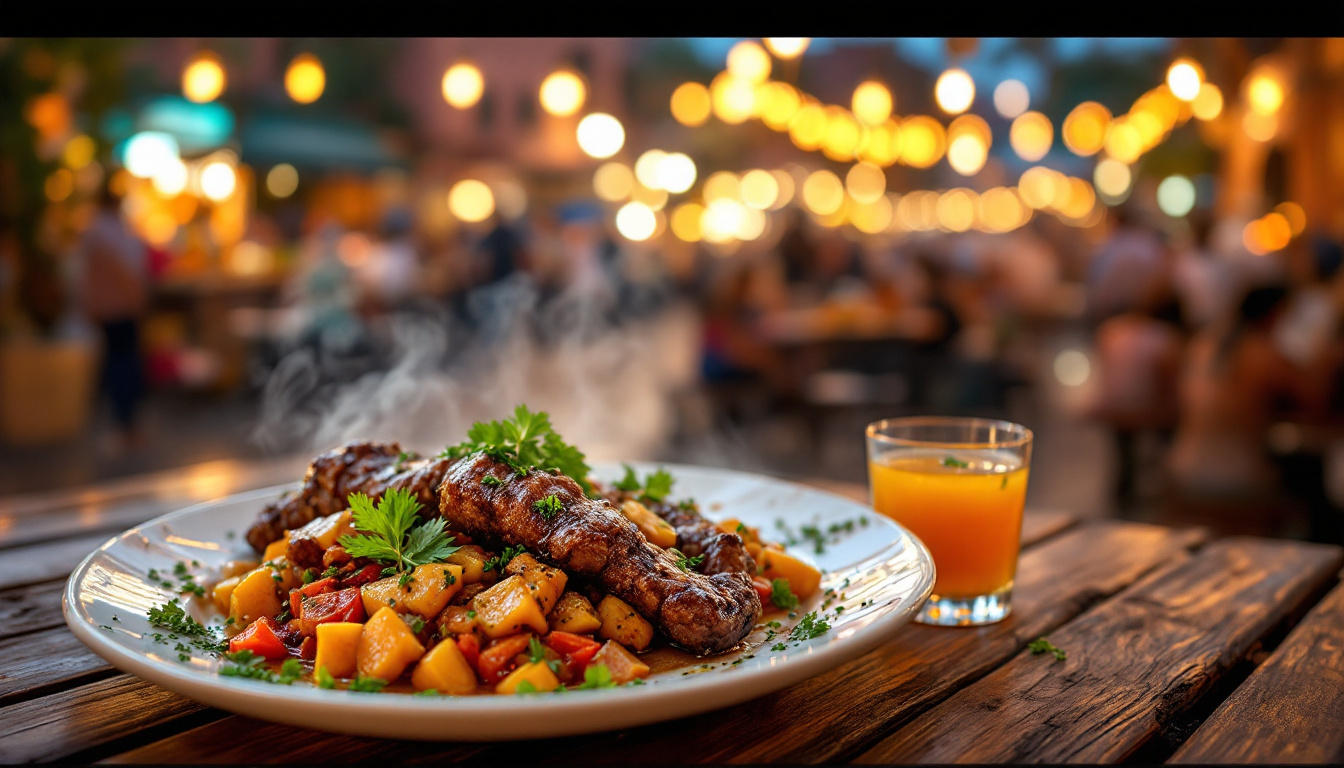
Night-time grills on Jemaa el-Fna, tanjia pulled from the hammam embers, whole roast lamb in Mechoui Alley, and mint tea on a rooftop: a neighborhood guide to eating in the Red City.
I ate my first bowl of babbouche, the spiced Marrakech snail soup, standing at a Jemaa el-Fna cart while the vendor topped it up twice and refused to let me leave until I’d drained the broth. The best food in Marrakech is split between the theatrical night stalls of Jemaa el-Fna and the quiet lanes of the medina where the city’s own dishes are made. Most visitors only see the square, get pulled into an overpriced ring restaurant, and leave thinking Moroccan food is just tagine. The real Marrakech runs on tanjia, the slow-cooked meat the city invented, on whole lambs roasted in clay pits, and on bowls of harira ladled out for a few dirhams. Knowing which lane to turn down? That’s the whole game.
Why Marrakech is Morocco’s street-food capital
Marrakech is Morocco’s street-food capital because it concentrates the country’s cooking into one walkable medina with a thousand-year-old market at its heart. The Red City is the place where the wider world of Moroccan food, covered in our complete Morocco food guide, gets its most concentrated, theatrical expression. The big difference from Fez or Casablanca is tanjia, a dish Marrakech invented and still considers its own.
The food splits by area. Jemaa el-Fna, the vast main square, becomes an open-air food court at night. The souks and medina lanes hide the cheap, brilliant local spots and the clay-pit lamb roasters. Gueliz, the French-built new town, holds the modern restaurants, and the riads serve refined Moroccan cooking in courtyard settings. This guide moves through each, and sits alongside our wider guide to the best food in Africa and the Middle East.
Jemaa el-Fna: the night food stalls
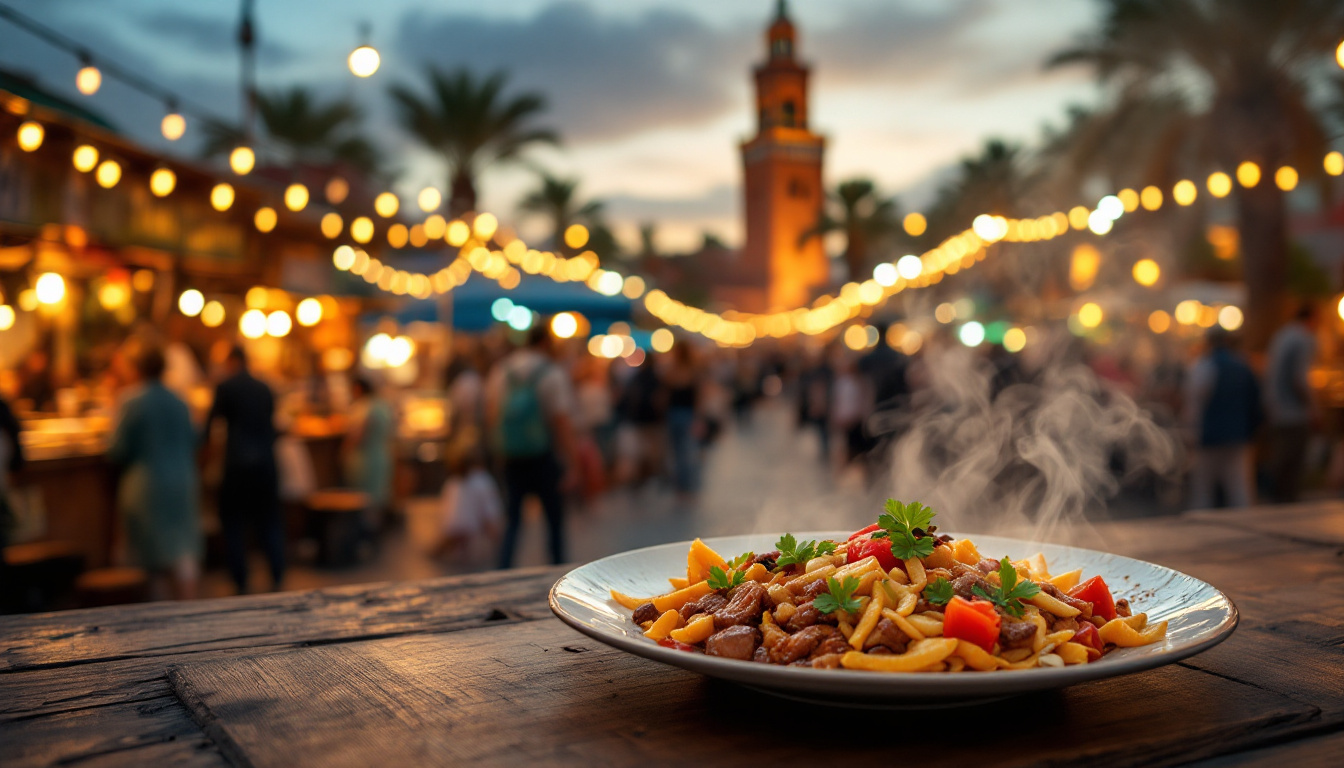
Jemaa el-Fna is best eaten at the night food stalls in the center of the square, not the restaurants ringing it. As the sun sets, dozens of numbered stalls fire up grills and set out benches, turning the square into a smoky open-air canteen. This is the quintessential Marrakech meal, and a UNESCO-listed cultural space. But only if you eat in the right place.
- Grilled brochettes and merguez, skewers of lamb, beef, and spicy sausage cooked to order, the safest and best bet.
- Harira, the tomato, lentil, and chickpea soup, ladled out for 10-15 MAD a bowl with a date on the side.
- Babbouche, snails in a peppery broth, sipped from the shell, the adventurous local snack.
- Makouda, golf-ball-sized fried potato fritters, dipped in harissa and stuffed into bread for a cheap dirham-or-two snack at the edges of the square.
- Sheep’s head and offal, for the brave; the stalls serving it are where Marrakchis actually eat.
- Fresh orange juice, from the ring of juice carts, 5-10 MAD a glass and genuinely good.
Eat at a stall that’s busy with locals and grilling in front of you, agree what you’re paying before you sit, and ignore the touts shouting numbers. A full plate of grilled meat, bread, and salad runs 40-80 MAD (around $4-8).
The souks and the medina: where locals eat
The best everyday food in Marrakech is in the medina lanes and the souks, away from the square. This is where the clay-pit roasters, the tanjia spots, and the cheap local canteens hide, often unmarked and full of Marrakchis at lunch. Wander in. Follow the smoke.
Mechoui Alley
Mechoui Alley is a short lane off the north end of Jemaa el-Fna, on Derb Semmarine, where family-run shops roast whole lambs in clay pit ovens. You point at the meat, they hack off a portion by weight, sprinkle it with cumin and salt, and hand it over with bread. The lamb is meltingly soft with crisp edges. Chez Lamine Hadj Mustapha, whose owner once cooked for King Hassan II, is the famous name for both mechoui and tanjia.
Deeper in, Rahba Kedima (the spice square) is ringed by stalls selling dried fruit, spices, and quick street snacks. It’s a good place to try msemen (flaky griddle bread) or a bowl of bessara (fava-bean soup) at breakfast. For couscous, which traditionally appears on Fridays, small medina spots like Naima Couscous do a proper version. The rule holds: the unmarked places with a local lunch crowd beat anything with a menu in five languages.
Gueliz and the riads: modern Marrakech
Gueliz and the riads are where Marrakech does refined and modern Moroccan cooking. Gueliz, the early-20th-century French new town a short ride from the medina, has the city’s contemporary bistros and cafes, with the Mellah spice market nearby. The riads, traditional courtyard houses, serve elegant set menus in candlelit settings.
- Riad dining, multi-course Moroccan menus in a courtyard; Dar Moha is known for a modern take on the classics.
- Rooftop restaurants, around the medina and square, for a tagine with a view over the rooftops to the Atlas Mountains.
- Gueliz bistros, modern Moroccan and international cooking, plus the city’s better coffee and wine (alcohol is mostly limited to licensed restaurants and hotels).
- The Mellah market, the old Jewish quarter’s spice and food market, less touristy than the main souks.
The dishes you have to try
The dish that defines Marrakech is tanjia, but the city does the whole Moroccan repertoire well. Here are the essential plates, the rough price, and what makes each worth ordering in the Red City.
Tanjia marrakchia tanjia
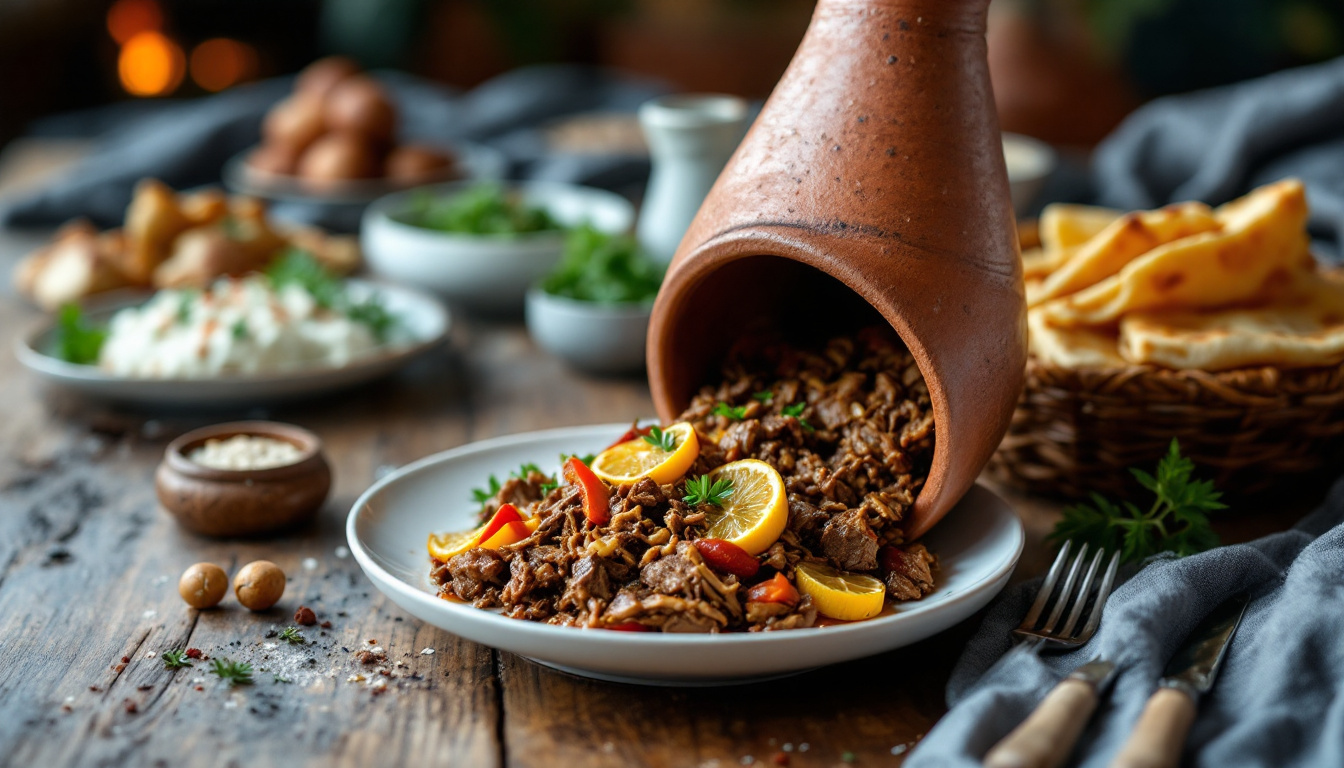
Tanjia is beef or lamb sealed in a tall clay urn with preserved lemon, garlic, cumin, saffron, and ras el hanout, then slow-cooked for six to eight hours in the ashes of a hammam furnace (the ferran). The result is meat of extraordinary tenderness, perfumed and falling apart. It was the bachelor’s dish, carried to the bathhouse to cook while the owner worked. Unique to Marrakech, it often needs ordering in advance, and it’s the one thing you shouldn’t leave without eating. Tanjia Secrets and Chaabi are reliable spots.
Tagine
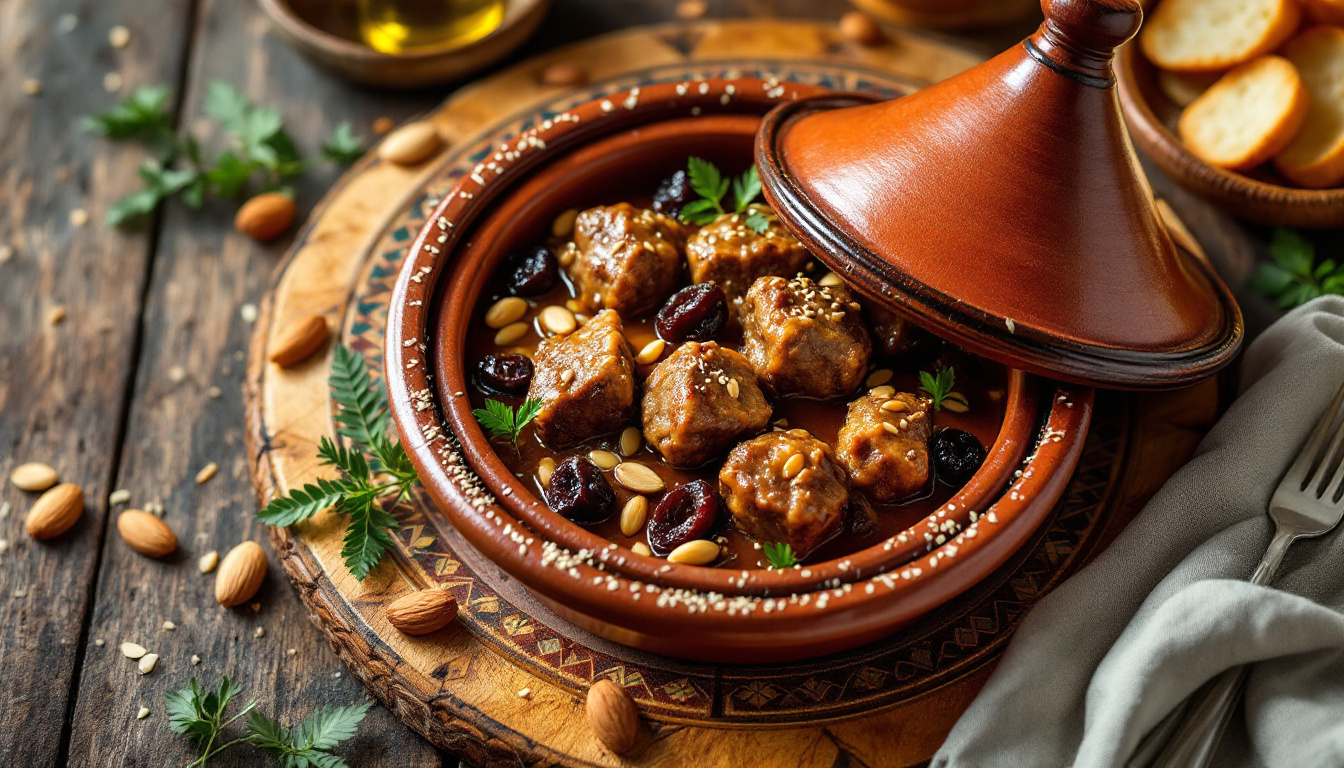
Tagine is the slow-cooked stew named for the conical clay pot it cooks in, and Marrakech does every version. The classics are lamb with prunes and almonds (sweet and rich), chicken with preserved lemon and olives (bright and savory), and kefta with egg (spiced meatballs in tomato). It arrives bubbling, eaten communally by scooping with bread. A good tagine is gentle and layered, not the watery tourist version. So choose a busy local spot over a square-side menu.
Chebakia
Chebakia is Marrakech’s sticky sweet, strips of spiced sesame dough folded into a rose shape, deep-fried until crisp, then dunked in warm honey and showered with sesame seeds. It is the essential Ramadan sweet, eaten alongside a bowl of harira to break the fast, but medina bakeries sell it by the kilo year-round. It is fragrant with orange-blossom water and anise, crunchy then chewy, and almost too sweet on its own, which is exactly why it goes with mint tea. Buy a few from a pyramid stacked in a bakery window.
| Dish | What it is | Price (2026) | Where |
|---|---|---|---|
| Tanjia marrakchia | Meat slow-cooked in a sealed jar in hammam ashes | 50-90 MAD | Medina spots, order ahead |
| Mechoui | Clay-pit roast lamb by weight | 60-120 MAD | Mechoui Alley, Derb Semmarine |
| Tagine | Slow-cooked stew (lamb/prune, chicken/lemon) | 50-100 MAD | Medina and riads |
| Couscous | Steamed semolina with vegetables and meat | 50-90 MAD | Fridays; Naima Couscous |
| Harira | Tomato, lentil and chickpea soup | 10-20 MAD | Jemaa el-Fna stalls |
| Pastilla | Sweet-savory pie of pigeon or chicken in pastry | 60-120 MAD | Riads and sit-down spots |
| Brochettes and merguez | Grilled skewers and spicy sausage | 40-80 MAD | Jemaa el-Fna night stalls |
| Babbouche | Snails in spiced broth | 10-20 MAD | Jemaa el-Fna stalls |
| Chebakia | Honey-and-sesame fried dough, rose-shaped | 15-40 MAD | Medina bakeries, Ramadan |
What to drink and how to eat well
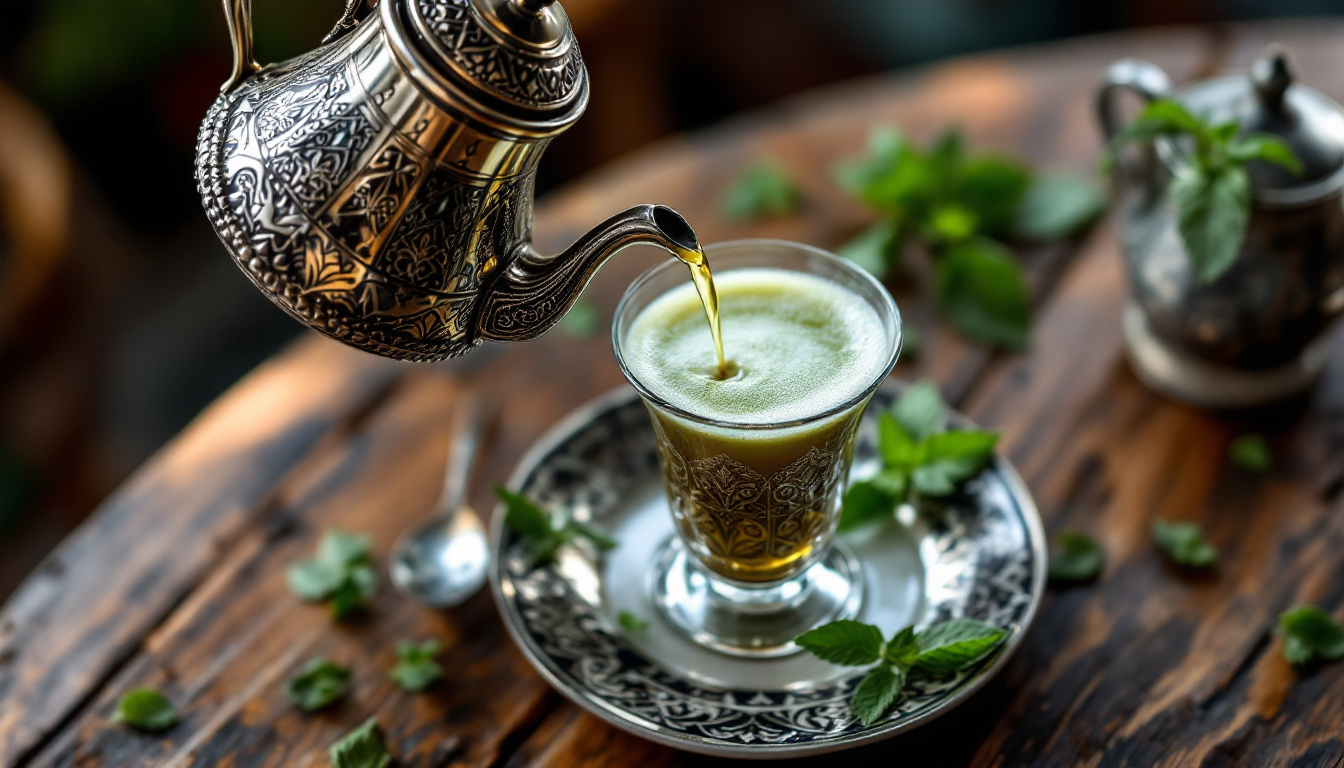
The drink of Marrakech is mint tea, poured from height into small glasses, and it frames every meal and transaction. Atay, the sweet green tea with fresh spearmint, is offered constantly, in shops, riads, and homes, and refusing it can read as cold. Fresh orange juice from the Jemaa el-Fna carts is the other staple, along with strong coffee and almond-milk amlou at breakfast. Alcohol is limited, served mainly in licensed restaurants, hotels, and Gueliz bars rather than the medina.
- Eat with your right hand, scooping tagine and couscous with bread rather than cutlery.
- Accept mint tea when offered; it is the cornerstone of Moroccan hospitality.
- Agree prices before ordering at stalls and souk spots, and haggle politely where there is no fixed price.
- During Ramadan, daytime eating is limited and the food scene shifts to after sunset (ftour), starting with harira and dates.
- Tip around 10 percent in restaurants, and round up for stall food; vegetarians do fine with vegetable tagine, couscous, zaalouk, and bread-based dishes.
Frequently asked questions
What is the most popular and famous food in Marrakech?
The most famous food in Marrakech is tanjia marrakchia, the city’s own slow-cooked meat sealed in a clay urn and buried in hammam embers. The most popular dishes you’ll eat day to day are tagine, harira soup, mechoui (clay-pit roast lamb) from Mechoui Alley, and the grilled brochettes, kefta and merguez at the Jemaa el-Fna night stalls. Pastilla, babbouche (snail soup) and mint tea round out the typical Marrakech eating list.
Is the food at Jemaa el-Fna safe to eat?
Food at the Jemaa el-Fna night stalls is generally safe if you choose busy stalls with high turnover where food is grilled fresh in front of you and locals are eating. Stick to cooked-to-order grills, harira, and freshly made items, drink bottled water, and be more cautious with snails and offal if your stomach is sensitive. Avoid the overpriced ring restaurants, which are about hassle and markup more than safety.
What is the difference between tanjia and tagine?
Tanjia and tagine are both slow-cooked meat dishes but differ in method and vessel. Tagine is a stew cooked in a conical clay pot on a heat source, made across Morocco. Tanjia is unique to Marrakech: meat is sealed in a tall urn (also called a tanjia) and slow-cooked for six to eight hours in the ashes of a hammam furnace, producing an intensely tender, perfumed result. Tagine is everyday; tanjia is the Marrakech specialty.
Where do locals eat in Marrakech?
Locals eat in the medina lanes and souks rather than the square-side restaurants, at unmarked canteens, clay-pit lamb roasters in Mechoui Alley, and tanjia spots. The Jemaa el-Fna central night stalls are also genuinely popular with Marrakchis, especially for grills and harira. The reliable signal is a local lunch crowd and food cooked in front of you, a few minutes’ walk off the main square.
How much does food cost in Marrakech?
Marrakech is cheap to eat in if you avoid the tourist ring. A bowl of harira is 10-20 MAD, a full plate of grilled meat at the night stalls 40-80 MAD, a tanjia or tagine 50-100 MAD, and fresh orange juice 5-10 MAD. A riad set menu or modern Gueliz restaurant runs higher, often 150-300 MAD per person. As of 2026, a dollar is roughly 10 dirhams.
Can vegetarians eat well in Marrakech?
Vegetarians can eat well in Marrakech with a little care. Vegetable tagine, couscous with vegetables, zaalouk (smoky eggplant salad), taktouka (pepper and tomato), lentils, bessara (fava-bean soup), and bread with olive oil and amlou are all widely available and meat-free. Confirm that tagines and couscous are made without meat stock, since some are. The riads and Gueliz restaurants offer the most reliable vegetarian options.
When is the best time to eat at Jemaa el-Fna?
The Jemaa el-Fna food stalls come alive after sunset, roughly from 6 or 7 PM, when the square transforms into an open-air food court. Arrive in the early evening to watch it set up and eat while the food is freshest and the crowds are local rather than late-night tourist. During Ramadan, the action starts after the ftour meal that breaks the fast at sundown.
More food guides waiting for you
Browse our complete collection of food guides across Africa and the Middle East.