Swedish food is not the IKEA cafeteria, and the best food in Sweden is built on two things the country takes seriously: superb cold-water ingredients and the daily ritual of stopping to eat them. This is a cuisine of cured salmon, lingonberries, rye and cardamom, of long summer crayfish parties and dark-winter cinnamon buns. Get past the meatball clichés and you find one of Europe’s most quietly satisfying tables, where even the coffee break has a name and a set of rules.
Why Swedish food is better than its reputation
Swedish food is defined by preservation, the seasons and a deep social ritual around eating. Long winters gave the country a genius for curing, pickling, smoking and fermenting, which is why salmon, herring and root vegetables sit at the center of the table. Dairy and baking run just as deep, from the cardamom in every bun to the cream in every sauce.
The other half of the story is the calendar. Swedes eat to a rhythm of festivals, and most of them revolve around the smörgåsbord, the spread of cold and warm small dishes (herring, gravlax, cold cuts, Janssons frestelse) that becomes the julbord at Christmas: pickled herring and new potatoes at Midsummer, crayfish parties in August, a groaning julbord in December. This is a Nordic corner of the continent we cover in our guide to the best food in Europe, but the flavors here, lingonberry, dill, cardamom and cured fish, are unmistakably Swedish.
The best food in Sweden, dish by dish
The best food in Sweden is built on cured fish, comforting meat dishes and a baking tradition that takes cardamom seriously. These are the fourteen things I’d order first, with rough prices as of 2026 (the krona sits around 9.5 to the US dollar, so a 150 SEK plate is about $16) and when each one belongs.
Köttbullar Swedish meatballs
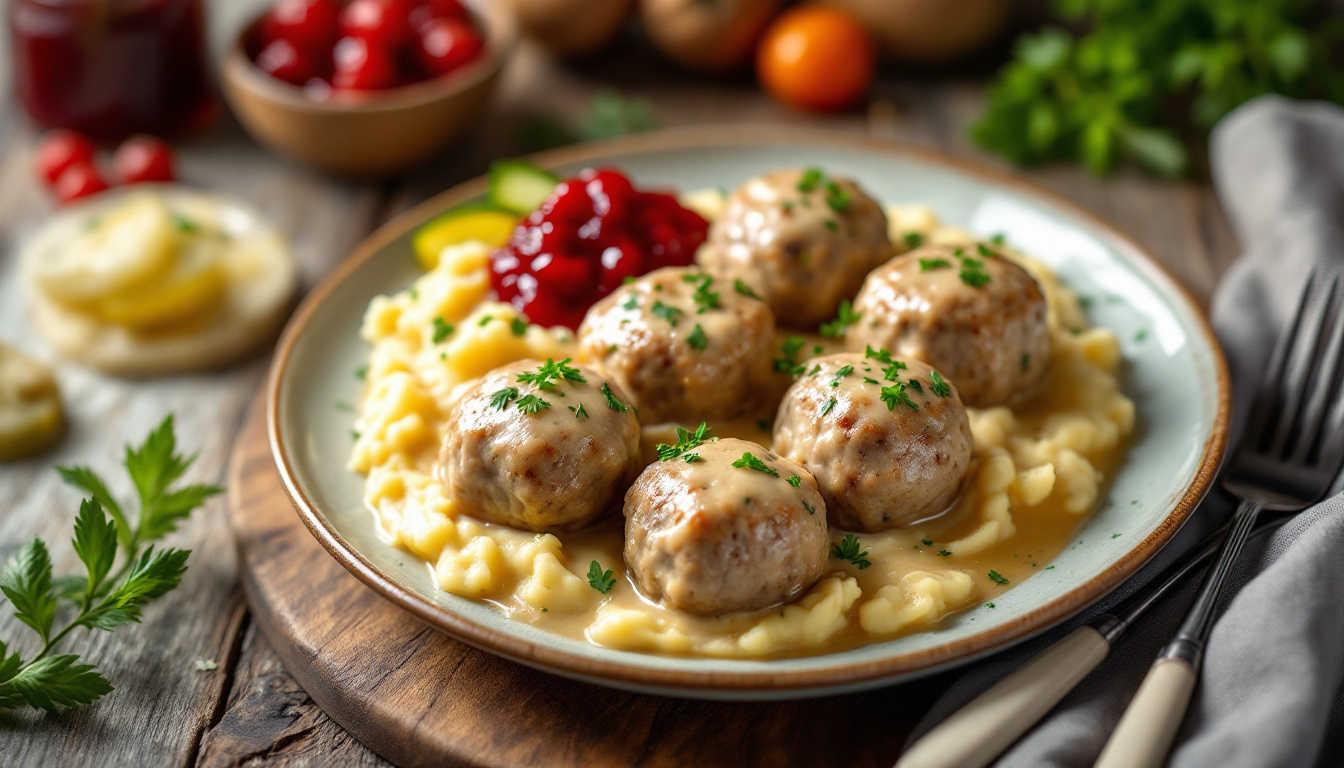
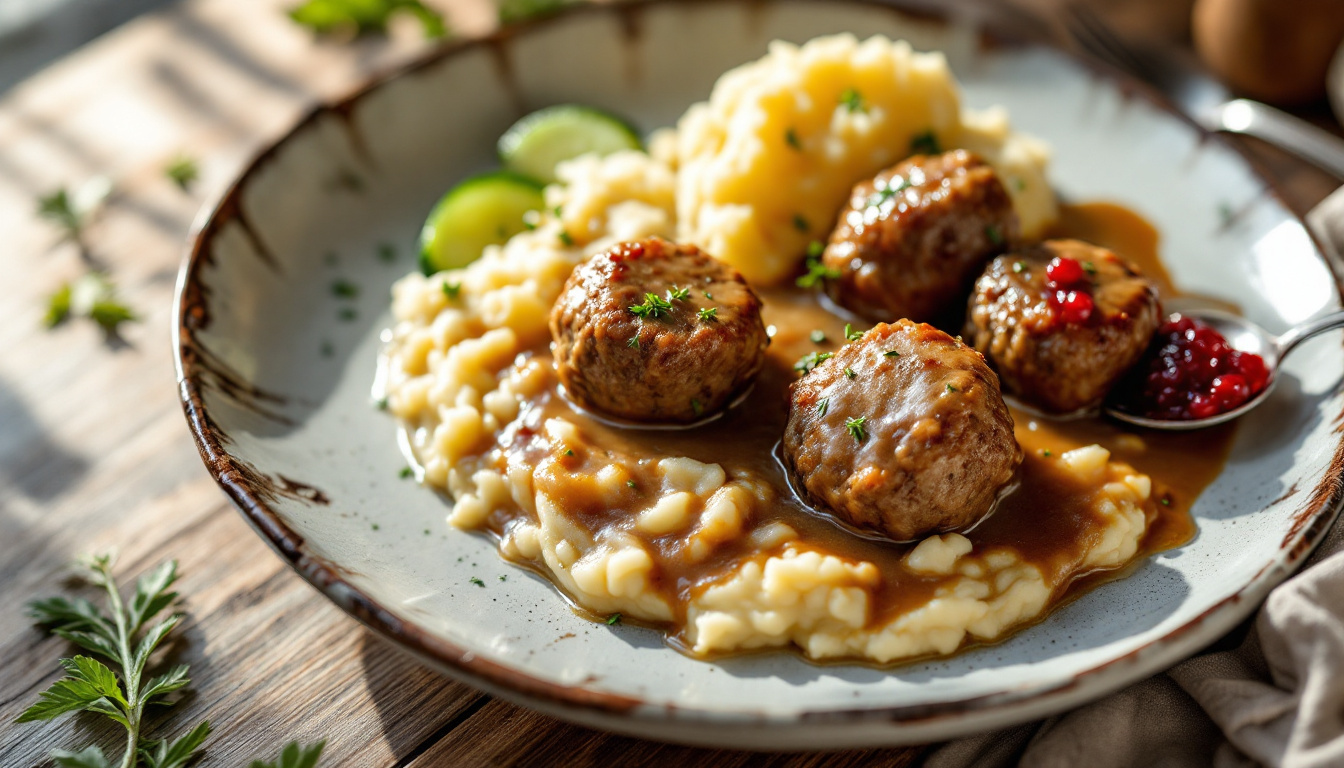
Köttbullar are the real Swedish meatballs, and they put the flat-pack version to shame. Small, tender balls of beef and pork are pan-fried, then served with a creamy gravy, a scoop of mashed potato, pressed cucumber and a spoon of tart lingonberry jam. The lingonberry is the key: its sharpness cuts the richness and ties the plate together. Order them at a husmanskost (home-cooking) restaurant rather than a tourist spot, and you’ll understand why this is the country’s ultimate comfort food.
Gravlax gravad lax
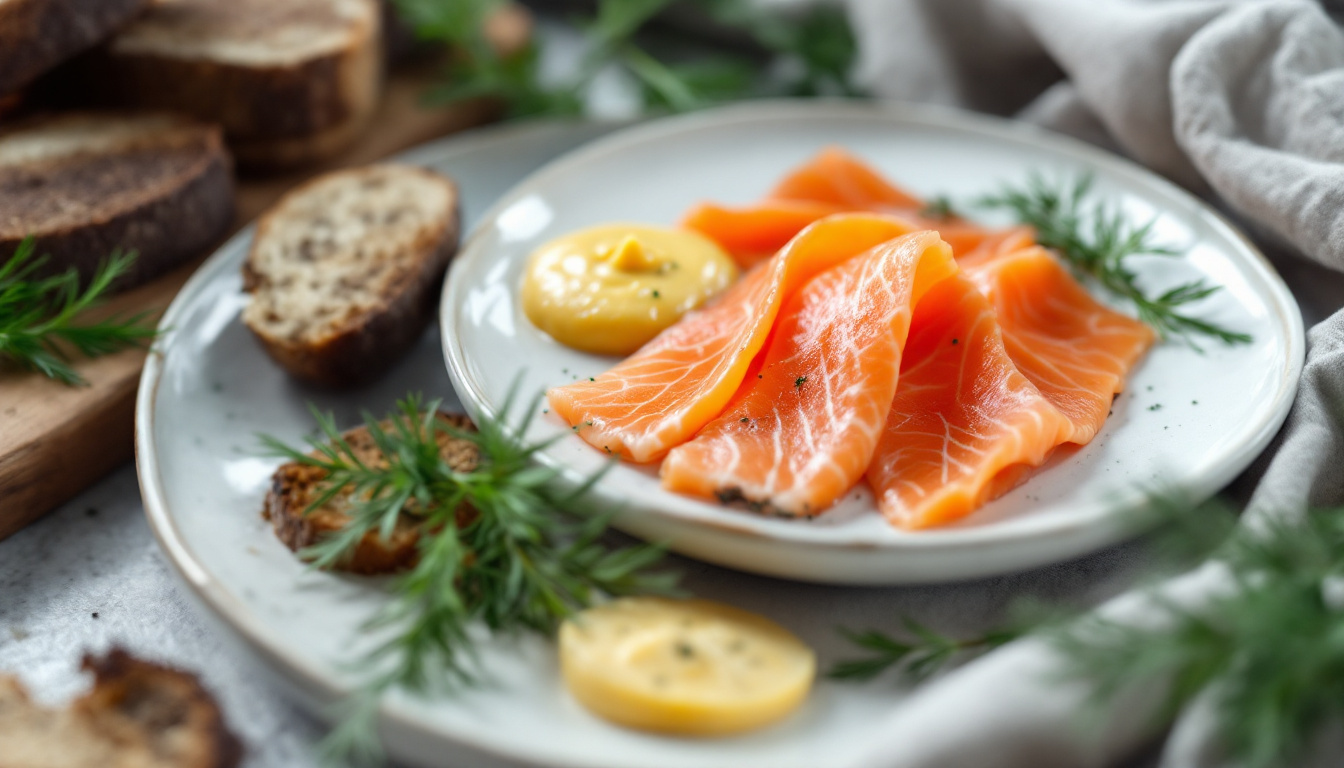
Gravlax is Sweden’s great cured salmon, buried (the name means “grave salmon”) in salt, sugar and dill until silky and lightly sweet. It’s sliced thin and served with a sweet-sharp mustard-and-dill sauce called hovmästarsås, usually on dark rye or with boiled potatoes. Unlike smoked salmon, it’s cured raw, so the flavor is clean and herbal rather than smoky. It anchors the smörgåsbord and the holiday table, and it’s one of the easiest Swedish flavors to fall for.
Pickled herring sill / inlagd sill
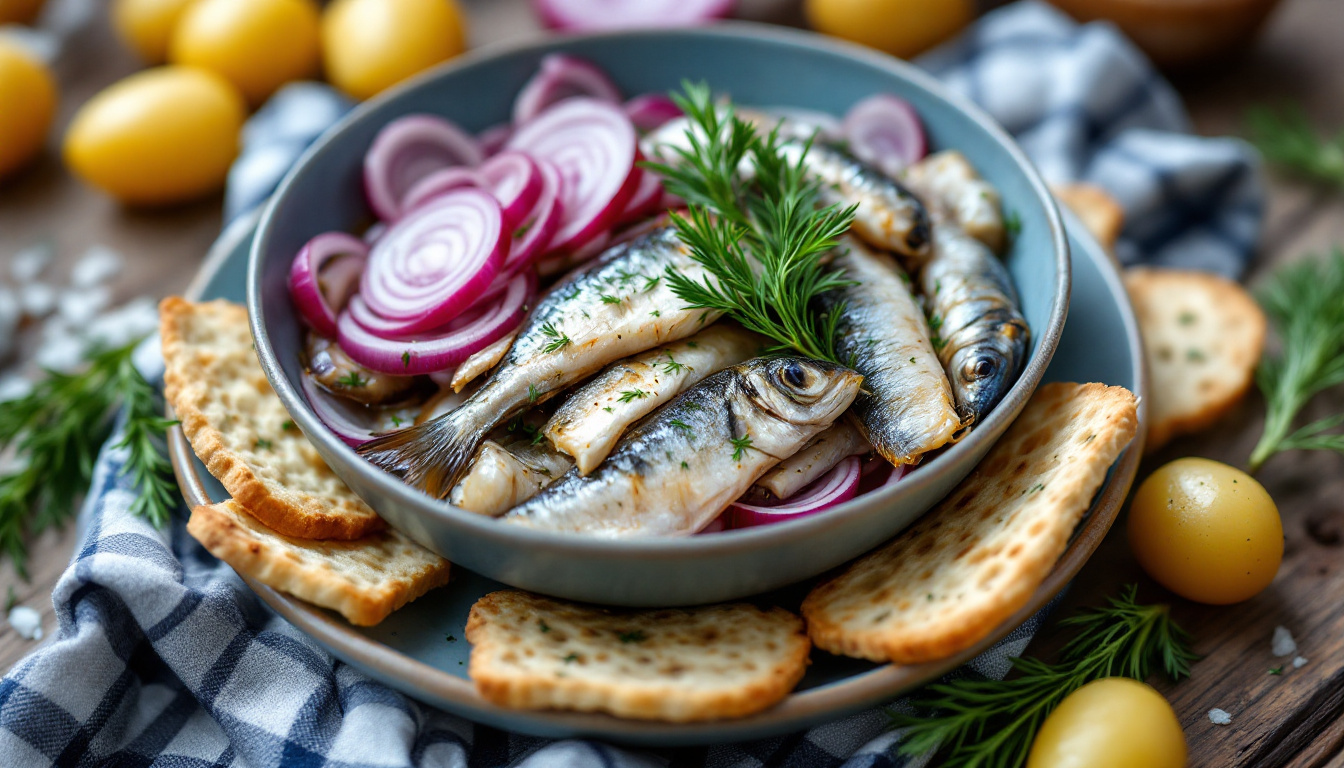
Pickled herring is the backbone of every Swedish celebration table. The herring is cured and then dressed in a range of sauces: classic onion, sweet mustard (senapssill), or with sour cream and chives. It’s eaten on crispbread or boiled potatoes, usually chased with a shot of snaps. At Midsummer it appears with new potatoes, dill and a song; at Christmas it opens the julbord. Start with the mustard version, which is the most approachable.
Toast Skagen toast Skagen
Toast Skagen is the dish to order when you want to feel spoiled. Small cold-water prawns are folded through mayonnaise, dill and a little lemon, piled onto fried or toasted bread, and often crowned with a spoon of bleak roe (löjrom). It’s creamy, fresh and faintly luxurious, invented by a Swedish restaurateur in the 1950s and now a fixture on every bistro menu. As a starter or a light lunch with a cold beer, it’s hard to beat.
Räksmörgås räkmacka
If toast Skagen is the bistro starter, the räksmörgås is its everyday cousin, and it is enormous. A slice of bread vanishes under sliced boiled egg, lettuce, cucumber, a slick of mayonnaise and a heap of cold-water prawns, finished with dill and a lemon wedge. Cafés, harbour kiosks and Baltic ferries all sell one, and a good räkmacka is judged by how little of the bread you can still see. Order it with a coffee and that is lunch handled.
Smörgåstårta sandwich cake
Smörgåstårta, literally “sandwich cake”, is the showpiece Swedes wheel out for birthdays, christenings and office parties, and it baffles every first-time visitor. Layers of soft bread are stacked with mayonnaise or crème fraîche and fillings, usually shrimp, smoked salmon, ham or egg, then the whole loaf-shaped cake is “frosted” with more cream cheese and decorated with prawns, cucumber, dill and roe like a real gâteau. It’s sliced and served cold as a generous lunch. Strange to look at, genuinely good to eat, and a fixture of Swedish celebration tables you’ll rarely see on tourist menus.
Surströmming surströmming
Surströmming is fermented Baltic herring and the most notorious food in Sweden. The herring ferments in the tin until the can bulges, releasing a smell strong enough that it’s traditionally opened outdoors. The fish itself is eaten in small pieces on thin tunnbröd flatbread with potato, onion and sour cream, which tames the intensity. It’s a late-summer ritual in the north, and more a test of nerve than an everyday meal. Try it once, outside, with locals who know the drill.
Janssons frestelse Jansson’s temptation
Janssons frestelse is the creamy potato gratin that no Swedish Christmas table is without. Julienned potato is layered with onion and Swedish anchovies (really cured sprats), then baked in cream until golden and savory-sweet. The sprats melt into the cream and give the whole dish a deep, salty backbone. It’s pure winter comfort and the side dish everyone fights over at the julbord. Even people who claim to dislike anchovies tend to come back for seconds.
Raggmunk raggmunk
Raggmunk are crisp potato pancakes and a classic of Swedish home cooking. Grated potato is bound into a thin batter and fried until lacy and golden, then served with fried salt pork and, again, lingonberry jam. The contrast of crisp pancake, salty pork and tart berry is the whole point. It’s cheap, filling weekday food you’ll find on the husmanskost lunch menu, and a good window into how Swedes actually eat at home.
Pyttipanna pyttipanna
Pyttipanna, literally “small bits in a pan”, is Sweden’s beloved hash and the smartest use of leftovers in the Nordic kitchen. Diced potato, onion and meat, often falukorv (the mild, U-shaped smoked sausage from Dalarna that’s a fridge staple in every Swedish home), or a vegetarian mix, are fried until crisp, then topped with a fried egg and served with pickled beetroot. The egg yolk and the sweet-sour beetroot make it more than the sum of its parts. It’s diner food, comfort food and hangover food all at once, and it’s on menus across the country.
Ärtsoppa och pannkakor pea soup and pancakes
Ärtsoppa och pannkakor is the most Swedish meal you’ve never heard of: thick yellow pea soup with pork, followed by thin pancakes with jam and cream, eaten in that order on a Thursday. The tradition is old and oddly institutional, the Swedish Armed Forces have served it every Thursday since before the war, and many cafes and homes still keep it up. The soup is flavored with mustard and dried marjoram and the pancakes are dessert. It’s humble, filling weekday cooking and a genuine slice of how the country eats by the calendar.
Kanelbulle kanelbulle
The kanelbulle is the Swedish cinnamon bun and the undisputed king of fika. What sets it apart from the American version is cardamom in the dough and a topping of pearl sugar rather than thick icing, so it’s fragrant rather than cloying. It’s so central to the culture that the country celebrates Kanelbullens dag (Cinnamon Bun Day) every 4 October. Eat one fresh and slightly warm with strong coffee, and you’ve performed the most Swedish act there is.

Semla semla
The semla is the seasonal cream bun Swedes obsess over from January until Lent. A cardamom-scented wheat bun is hollowed out, filled with almond paste and a thick cap of whipped cream, then dusted with icing sugar. Traditionally eaten on Fat Tuesday (Fettisdagen), it now appears in bakery windows for weeks beforehand, and the national debate over the “best” semla is genuinely heated. Have it with coffee and a fork; this is not a one-handed pastry.
Prinsesstårta princess cake
Prinsesstårta is Sweden’s celebration cake, instantly recognizable under its dome of pale-green marzipan. Inside are layers of sponge, raspberry jam, vanilla custard and a thick mound of whipped cream, all wrapped in marzipan and topped with a pink rose. It’s the birthday and graduation cake of choice, and there’s even a Princess Cake Week each autumn. Order a slice with afternoon coffee to see Swedish baking at its most polished.
Fika: Sweden’s coffee-and-cake ritual
Fika is the daily Swedish ritual of pausing for coffee and something sweet, and it’s the key to understanding how the country eats. It is less a snack than an institution: a deliberate break, usually mid-morning and mid-afternoon, taken with colleagues or friends over coffee and a bun. Swedes are among the world’s heaviest coffee drinkers, and fika is why. The classic pairing is a kanelbulle and a strong filter coffee, and you’ll find it everywhere from offices to country cafes. It’s the social glue of the day, and it fits neatly into the wider story of coffee cultures around the world.
How food changes across Sweden
Norrland, Sweden’s vast north, is the land of reindeer, game and wild berries. Reindeer (renskav, sautéed thin) and elk appear on menus, foraged cloudberries top desserts, and the Kalix bleak roe (löjrom) from the Bothnian coast is a protected delicacy. This is also surströmming country, where the late-summer fermented-herring tradition is strongest.
The west coast is Sweden’s seafood heartland, and Gothenburg is its capital. Cold Atlantic waters produce superb shellfish, langoustines, oysters, prawns and mussels, sold at the landmark Feskekôrka fish market. Order a seafood platter or a prawn-laden räkmacka here and you’re eating the best of the Swedish coast.
Skåne, the flat southern province, is Sweden’s pantry and its most continental kitchen. Rich farmland gives goose (eaten on St Martin’s Day), apples and root vegetables, and the local sweet spettekaka is a tower of baked egg and sugar. The food here is heartier and closer to Danish cooking than to the north.
What to drink in Sweden
The defining Swedish drink is coffee, consumed in vast quantities and built into the day through fika. Beyond it, the traditional table drink is snaps (aquavit), a caraway- or dill-spiced spirit downed in shots between bites of herring, usually after a short drinking song. At Christmas, Swedes warm up with glögg, a spiced mulled wine with raisins and almonds, and sip julmust, a malty seasonal soft drink that outsells cola over the holidays. Lingonberry and elderflower cordials round out the non-alcoholic side.
- Fika is taken seriously; accepting a coffee invitation is a social yes, not just caffeine.
- Snaps is sipped, not slammed, and often follows a quick drinking song (snapsvisa).
- Lunch (the dagens rätt) is the best-value hot meal of the day in pricey cities.
- Vegetarians manage well with raggmunk, pyttipanna, crispbread with cheese and the whole world of fika baking.
FAQ
What is the national dish of Sweden?
Köttbullar, Swedish meatballs, are the country’s signature dish: small beef-and-pork meatballs in cream gravy with mashed potato, pressed cucumber and tart lingonberry jam. Pickled herring and gravlax are equally iconic on the celebration table.
What is fika?
Fika is the Swedish ritual of pausing for coffee and something sweet, usually a cinnamon bun, taken mid-morning and mid-afternoon with friends or colleagues. It’s a social institution rather than a quick snack, and it’s central to how Swedes eat.
Does surströmming really smell that bad?
Yes. Surströmming is fermented Baltic herring with a famously powerful smell, traditionally opened outdoors. The fish is eaten in small amounts on flatbread with potato, onion and sour cream, which tames it. It’s a northern late-summer ritual and a test of nerve, not an everyday meal.
Is Sweden good for vegetarians?
Reasonably, especially in cities. Raggmunk (potato pancakes), pyttipanna in its vegetarian version, crispbread with cheese, and the entire world of fika baking are meat-free. Many traditional dishes center on fish or meat, so vegetarians lean on sides and bakes.
How expensive is eating out in Sweden?
Sweden, especially Stockholm, is expensive for dinner, but lunch is a bargain. The dagens rätt (daily special) gets you a hot main with bread, salad, water and coffee for a set price, often 110 to 160 SEK as of 2026, far less than the same food at dinner.
What is a Swedish smörgåsbord?
A smörgåsbord is the traditional Swedish buffet of many small hot and cold dishes, eaten in rounds: pickled herring and gravlax first, then cold cuts and egg dishes, then warm dishes like köttbullar and Janssons frestelse. At Christmas the same spread becomes the julbord, the centerpiece of Swedish holiday eating.
More food guides waiting for you
Browse our complete collection of European food guides.