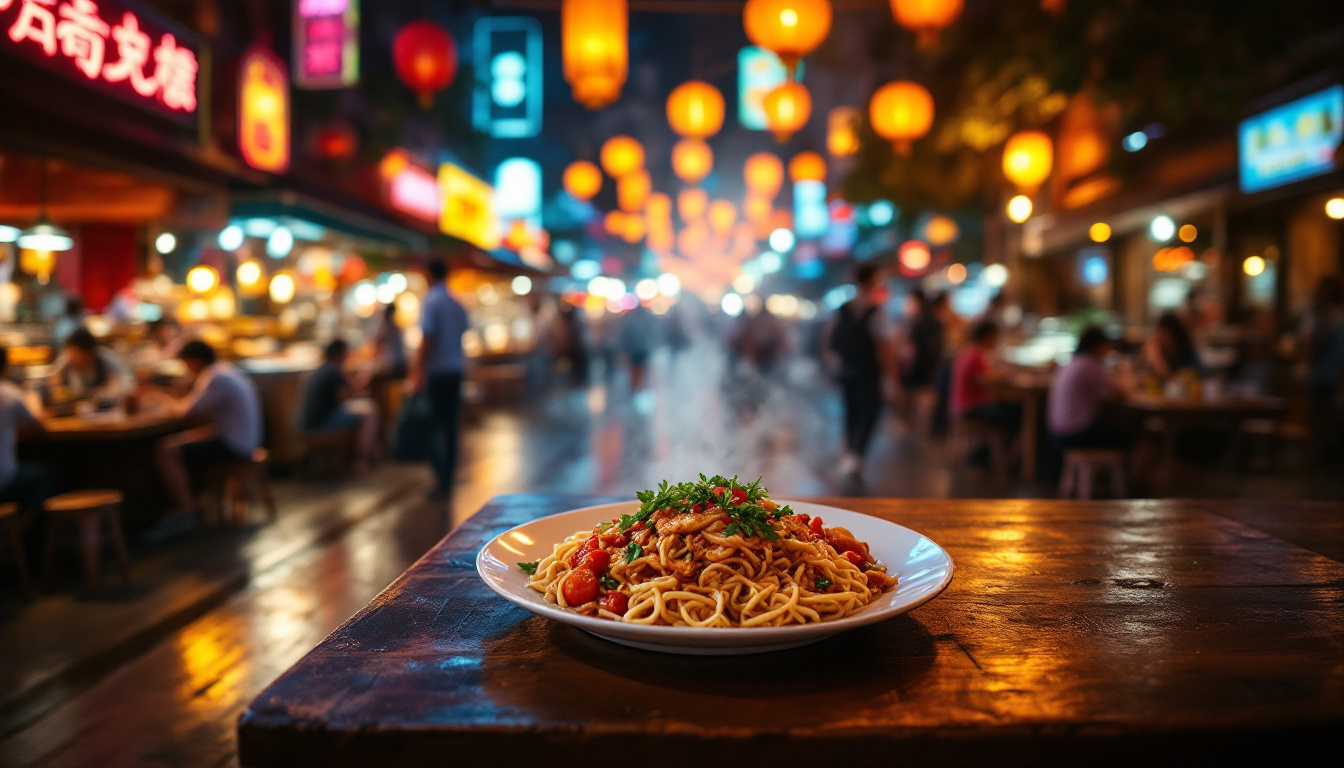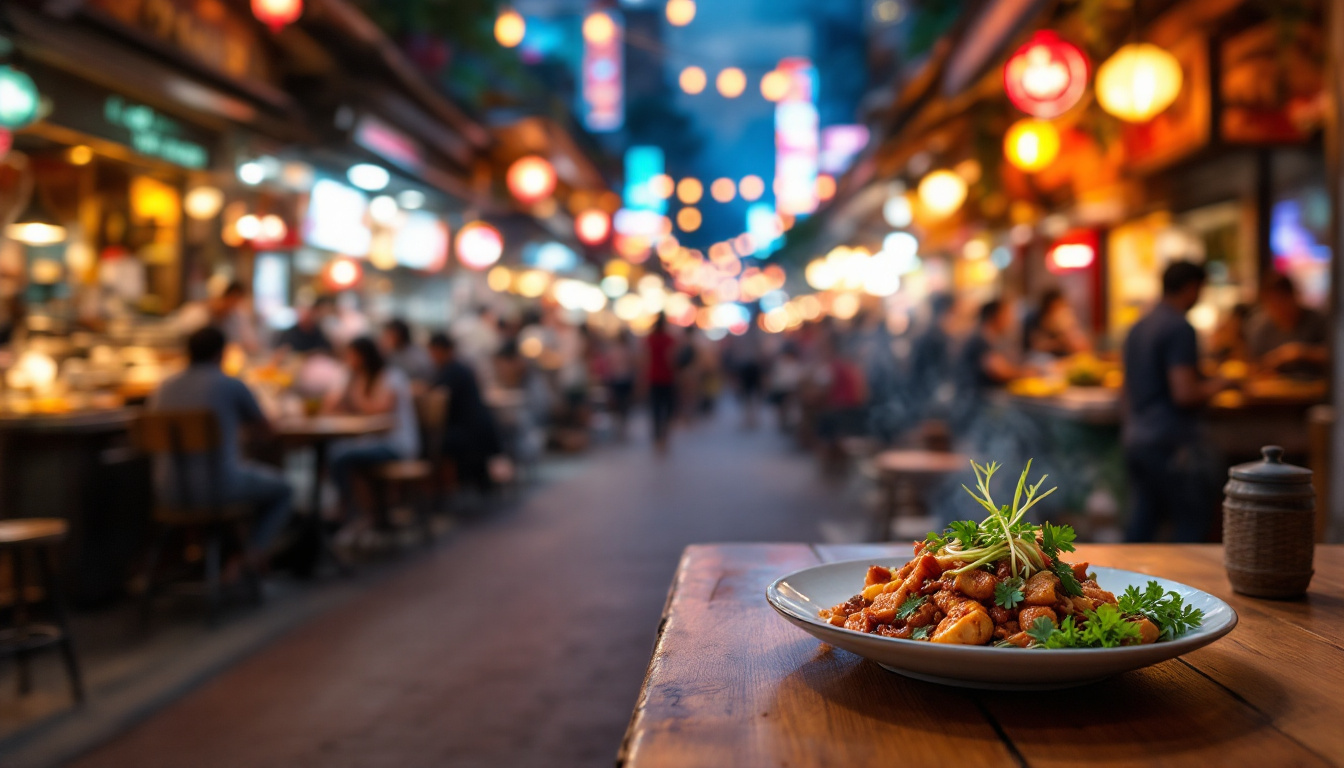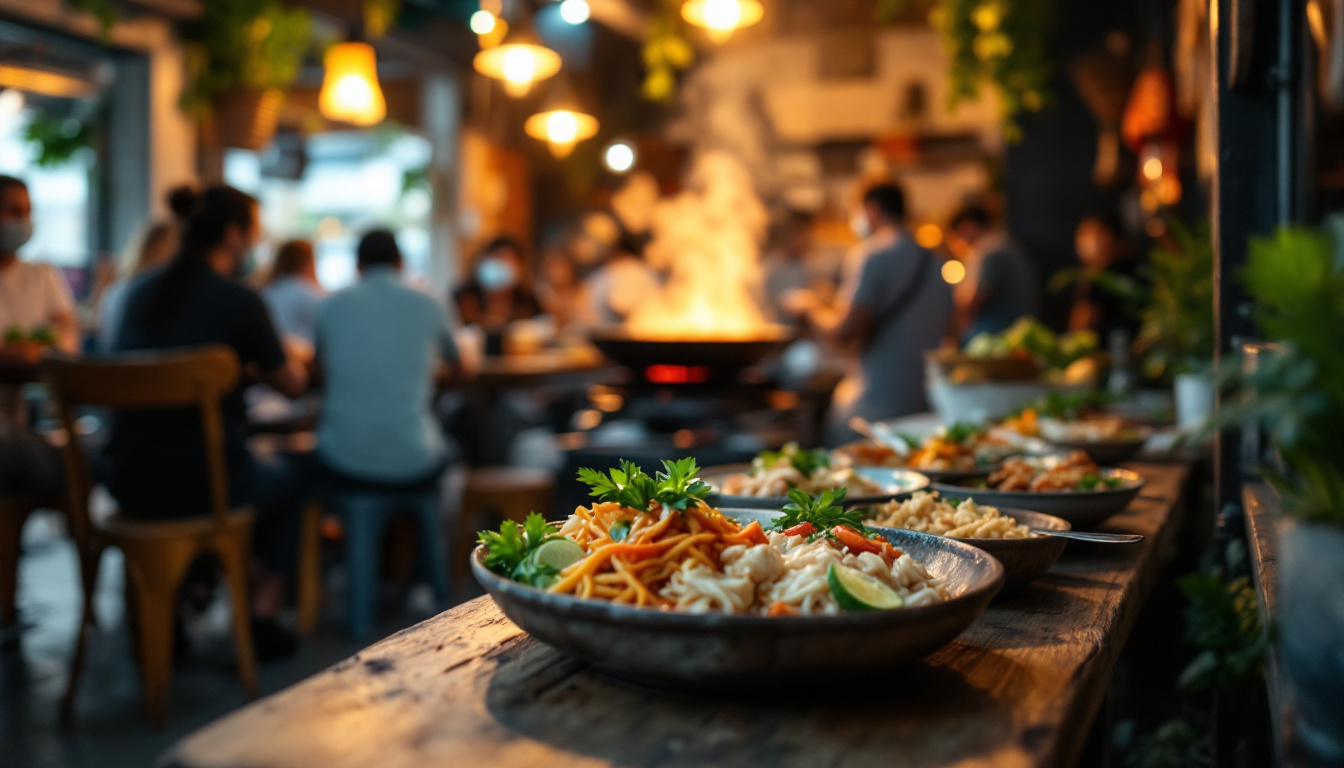
The best meal of my life cost about a dollar and came from a woman who only made one dish. No menu, no English, no sign. Just a pot, a queue of taxi drivers, and a stool fifteen centimeters off the ground. I’d walked past three half-empty restaurants with laminated photo menus to get there, and that’s the whole trick. Eating like a local isn’t a talent you’re born with. It’s a set of small, repeatable decisions: where you stand, when you show up, what you point at. This guide is how I make them in a city I’ve never seen before.
Why eating like a local beats the tourist trail
Eating like a local gets you better food for less money, and the gap is bigger than most travelers think. The restaurant with a host waving menus at you on the cathedral square is paying for that address, and you pay it back through the plate. The cook three streets away feeds the same regulars every week and can’t afford to disappoint them.
The price gap is real and easy to test. I have eaten near-identical plates of pasta cacio e pepe a block apart in Rome where the tourist-facing version cost roughly twice the one in a back-street trattoria, and the cheaper one was better. The math is simple. A place that survives on locals competes on food and value. A place that survives on one-time visitors competes on foot traffic and photos.
There is a tell on the menu itself. A local kitchen usually cooks a short list well: six to ten dishes, often only what is in season. The tourist trap hedges its bets with twelve laminated pages, photographs of every plate, and flags marking which languages it speaks. A long menu spanning four cuisines means most of it sits frozen. A short menu in one language means the kitchen has opinions, and opinions are what you came for.
How to find where locals actually eat
To find where locals eat, watch where locals are during a meal, not where the search results point. The single most reliable signal is a crowd of local people at the local meal time. A queue at 12:30 on a Tuesday is a recommendation written by a hundred people who eat there on purpose and pay their own money.
A handful of cues stack up fast once you know to read them:
- The crowd is local. Office workers, families, old regulars greeting the owner. Not a room of people holding the same guidebook.
- The menu is short and in one language. Handwritten and changing is even better. It means today’s cooking, not a year-round catalogue.
- It sits off the main drag. Walk three to five blocks from the headline sight and prices drop while quality climbs.
- Turnover is high. Food moving fast means it is fresh and the regulars trust it.
- Someone competent is in charge. An owner working the floor or a cook visible at the pass usually cares more than a chain manager.
The best question I know is short: ask a local where they eat, not where you should eat. Hotel staff, a driver, the person who sells you a coffee. Phrase it personally, “where do you eat lunch near here?”, and you skip the polite tourist answer and get the real one. When I use mapping apps, I sort or read reviews written in the local language, because those are the people who go back.
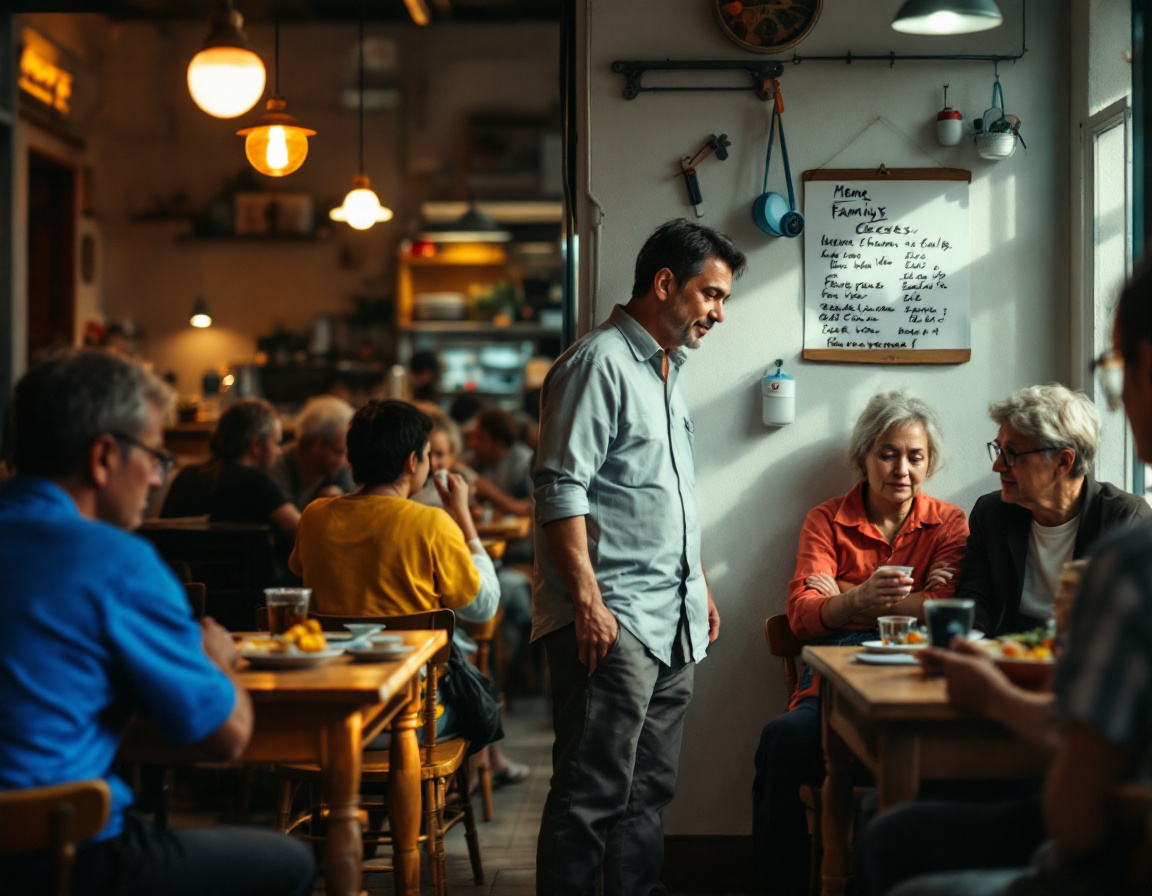
Order like a local: menus and the dish of the day
The single best thing to order is whatever the place is known for, even when it scares you a little. Every region has a signature, and the kitchen’s made it ten thousand times. Order a grilled chicken breast in a seafood town, or pasta in a steak country, and you’ll walk out with the most boring plate in the building.
Three habits get me to the good plate almost every time. First, I look for the dish of the day or the set lunch; the plat du jour, the menu del dia, the daily special is built around what came in fresh that morning and it is usually the best value on offer. Second, I glance at what the table next to me is eating, because regulars order the hits. Third, I ask the staff “what do you recommend?” and then I order that, not the thing I would have picked at home.
One more rule that has never failed me: in a place with a wall of options, order the thing in the restaurant’s name or on the sign out front. If it says noodles, it lives or dies on noodles. Narrow specialists beat generalists almost everywhere, which is exactly why I chase down single-dish stalls in the first place.
Eat when locals eat: timing is everything
You have to eat on the local clock. Meal times shift by two to four hours from country to country, and the best food follows the crowd. Show up when locals do and the kitchen’s in full swing. Show up at the “international” hour and you might be eating a reheated plate in an empty room. An empty restaurant at peak local time is information, and it’s rarely good news.
The clock moves a lot more than people expect. Here is the rough shape of it, based on how these places actually eat rather than what the guidebook says.
| Place | Main meal | Typical dinner time | What this means for you |
|---|---|---|---|
| Spain | Lunch, around 2-3pm | 9-10:30pm | An 8pm dinner means an empty room; eat the big meal midday |
| Italy / France | Lunch or dinner | 8-9pm | Kitchens often close 3-7pm; do not expect a hot meal mid-afternoon |
| Argentina | Dinner | 9:30-11pm | Restaurants barely open before 8:30pm |
| Germany / USA | Dinner | 6-7:30pm | Eat earlier than you would in southern Europe |
| Much of Asia | Grazing all day | Whenever you are hungry | Breakfast street stalls vanish by 9-10am, so get there early |
Two practical edges come out of this. Breakfast is the most local meal of the day and the most fleeting; the congee cart, the bun stall, the morning soup window are often gone by mid-morning, so I set an alarm for them the way other people do for museums. And markets are a morning sport. Go early for the freshest produce and the cooked-breakfast counters, because by afternoon the best of it has sold and the cooks are packing up.
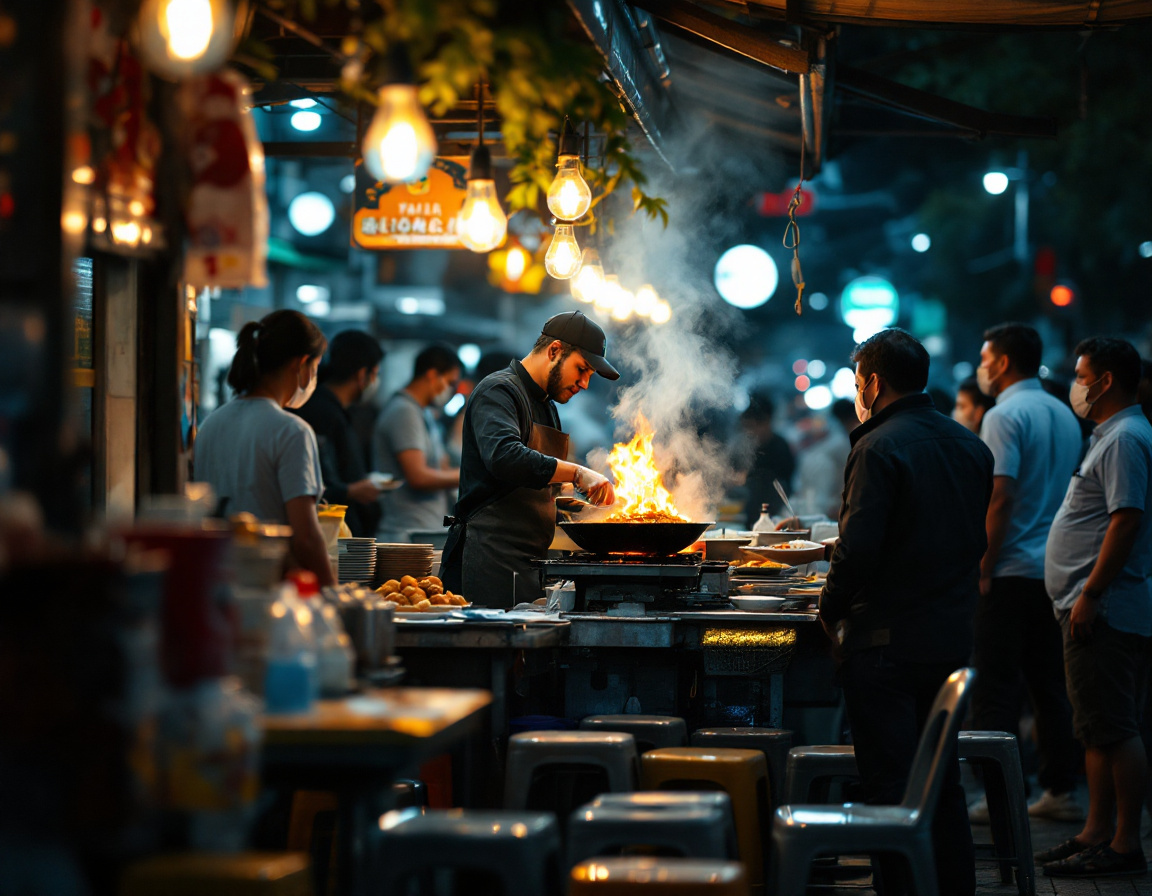
Markets, street food and food halls: where a city eats cheapest
A market is the fastest way to understand how a city actually eats, and usually the cheapest. Under one roof or along one street, you get a cross-section of the local diet, cooked by specialists who do one thing all day. Got a single free morning in a new city? Spend it at the central market before anything else.
Street food rewards the same instinct as everything above: follow the single-dish stall with the queue and the fast turnover. A cook who makes only one thing, all day, every day, has had years to get it right, and a constant line means each plate is fresh off the heat. If you are nervous about diving straight into a roadside stall, a covered food hall or night market is the gentler way in, with seating, lighting, and dozens of stalls to graze across. I have mapped the best of them in our guide to the world’s best night markets and food halls, and the cities that do this best in our ranking of the best street food cities in the world.
Mind the manners: etiquette that earns respect
Good table manners abroad come down to a few local rules that signal respect, and getting them right changes how you’re treated. You don’t need to master a culture’s entire etiquette. You need to dodge the two or three gestures that read as rude, and locals will meet your effort halfway every time.
- Chopsticks down, not standing up. Never plant them upright in a bowl of rice; it echoes a funeral rite across East Asia. Rest them on the holder or across the bowl.
- Mind the left hand. In much of the Middle East, South Asia and parts of Africa, eat and pass food with the right hand.
- Know the tipping rule. It swings from expected (USA) to already-included (much of Europe) to mildly insulting (Japan). Check before you travel.
- Wait for the cue. A toast, a host’s first bite, an “itadakimasu”. A few seconds of watching saves you the wrong move.
These are the headlines, and the rules really do differ enough country to country that they are worth a proper read before a trip. I keep a longer, country-by-country breakdown in our guide to food etiquette around the world, including the ones that surprise people, like why asking for cheese on a seafood pasta can earn you a look in Italy.
Eat boldly but safely: street food without the regret
You can eat street food almost anywhere safely if you follow one rule: hot, fresh, and high turnover. Food cooked to order in front of you, served steaming, at a stall that sells out and restocks all day, is safer than a lukewarm buffet in a four-star hotel. Fear of street food keeps travelers from the best meals of their trip, and it’s mostly the wrong fear.
The risks worth respecting are specific, not general. Raw and room-temperature foods carry more risk than anything off a live grill or out of a bubbling pot. Tap water and ice are the real culprits in many countries, more than the food itself, so I drink sealed or boiled drinks where the water is suspect and skip ice when in doubt. Peel-it-yourself fruit is a safe friend. None of this means avoiding stalls; it means choosing the busy ones.
Eat well on a budget: how locals get the best value
Eating well cheaply is mostly about timing and venue, not deprivation. The same kitchen often serves its best value at lunch, when a set menu of several courses costs a fraction of the same food at dinner. In much of southern Europe the menu del dia or formule midi is the locals’ secret: a starter, a main, often a drink, for the price of a single evening plate.
The cheapest great meals, though, come from markets, street stalls, and workers’ canteens, the milk-bar and hawker tier of eating. These exist to feed local people on a budget, every day, and the value is extraordinary. Some of the best food cities on earth are also the cheapest, which is the happiest overlap in travel. I keep a running list of where this is most true in our guide to the cheapest cities for food, where a few dollars buys a feast.
Shortcuts worth taking: food tours, cooking classes and a little homework
If you only have a few days, a food tour or cooking class on day one is the fastest shortcut to eating well for the rest of the trip. A good local guide walks you into the places you would have walked straight past, explains what you are tasting, and hands you a list of where to go next. I treat the first morning’s tour as research that feeds the whole week, not a one-off splurge.
Cooking classes do something a restaurant can’t: they show you how locals eat at home, the everyday dishes that rarely reach a menu. Pick a small one run out of someone’s kitchen or a market, not a hotel ballroom, and aim for a class built around a couple of dishes rather than a greatest-hits parade. You’ll leave able to recognize those dishes anywhere you travel next.
Do a little homework before you land, too. Twenty minutes with a local food blog, a city food vlog, or an episode of a street-food series tells you the names of the dishes worth chasing and roughly what they should cost, so you order with intent instead of guessing. Searching “best [dish] in [city]” in the local language turns up better places than any generic top-ten. Our country and city guides, like the deep dive on Bangkok street food, are written for exactly this kind of pre-trip read.
A few words and tools go a long way
Five words of the local language will improve your eating more than any app, because effort opens doors that fluency can’t. You’re not trying to hold a conversation. You’re signaling that you respect the place enough to try, and people answer that with better tables, honest recommendations, and patience.
The starter kit is small and pays off immediately:
- Hello, thank you, delicious, the bill, and “what do you recommend?” Learn these five before you land. The last one is the one that gets you fed properly.
- A translation app with camera mode. Point it at a handwritten menu and the mystery clears in seconds. Download the language for offline use.
- Small cash in local currency. Street food and markets rarely take cards, and a stall should not have to break your largest note.
- A saved note in the local language for any allergy or diet, so you can show it rather than mime it.
That last point matters most if you do not eat meat. Plant-based travel is far easier in some cuisines than others, and a clear card in the local language saves a lot of confusion about hidden fish sauce or stock. Our vegetarian and vegan food travel guide covers which countries make it easy and what to watch for. And if your real fuel is caffeine, how a place takes its coffee is its own window into the culture, which is why I wrote a whole guide to coffee around the world.
The traveler sees what he sees; the tourist sees what he has come to see.
G. K. Chesterton
FAQ
How do I find where locals eat in a new city?
Walk three to five blocks away from the main sight and look for a busy place full of local people at the local meal time, with a short menu in one language and high turnover. Ask hotel staff or a driver where they personally eat, not where you should eat, and read map reviews written in the local language.
Is eating like a local less hygienic or riskier?
No, often the opposite. A busy local stall cooking to order with high turnover serves fresher food than a quiet tourist restaurant. The rule is hot, fresh, and crowded. The real risks are tap water, ice, and room-temperature food, not freshly grilled street food at a stall with a queue.
What should I order if I do not know the cuisine?
Order the regional specialty or the dish of the day, which the kitchen makes constantly and builds around fresh ingredients. Look at what the table next to you ordered, or ask the staff what they recommend and order that. In a specialist place, order the thing it is named after.
How do I eat like a local if I do not speak the language?
Learn five words: hello, thank you, delicious, the bill, and “what do you recommend?” Carry a translation app with camera mode to read menus, keep small cash for stalls, and point at what looks good on someone else’s table. Effort matters far more than fluency.
Should I tip when I travel?
It depends entirely on the country. Tipping is expected in the United States, often already included as a service charge in much of Europe, and can be mildly insulting in Japan. Check the local norm before you travel rather than applying your home habit everywhere.
How can I eat well on a tight budget?
Make lunch your main meal, when set menus offer the best value, and eat from markets, street stalls, and workers’ canteens, which exist to feed locals cheaply. Many of the world’s best food cities are also among the cheapest, where a few dollars buys a genuine feast.
Are food tours and cooking classes worth it?
Yes, especially early in a trip. A food tour on day one walks you into places you would otherwise miss and gives you a local guide to ask for further recommendations, while a cooking class shows you the home cooking that rarely appears on a menu. Book small, locally run sessions focused on a few dishes rather than large tourist groups.
More food guides waiting for you
Country and city deep dives across every continent we have eaten our way through.