I have eaten from plastic stools in back alleys from Hanoi to Marrakech, and the meal that once put me out for two days wasn’t street food. It was a hotel breakfast buffet. Street food isn’t the enemy. What gets you is food that has been sitting around, water you can’t trust, and your own hands. Get those three things right and you can eat adventurously almost anywhere without paying for it later. Most food safety tips for travelers come down to those three habits, not a hundred rules.
Is street food safe? How to pick a stall
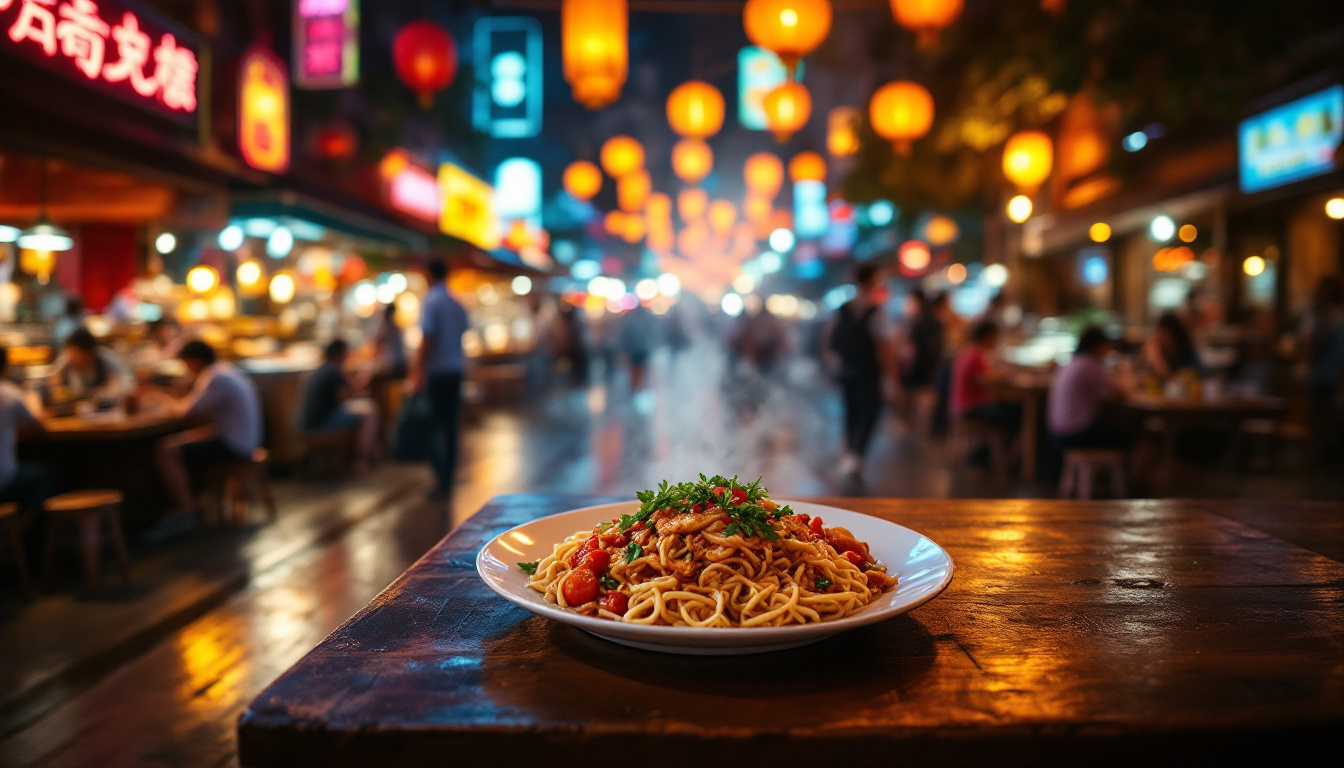
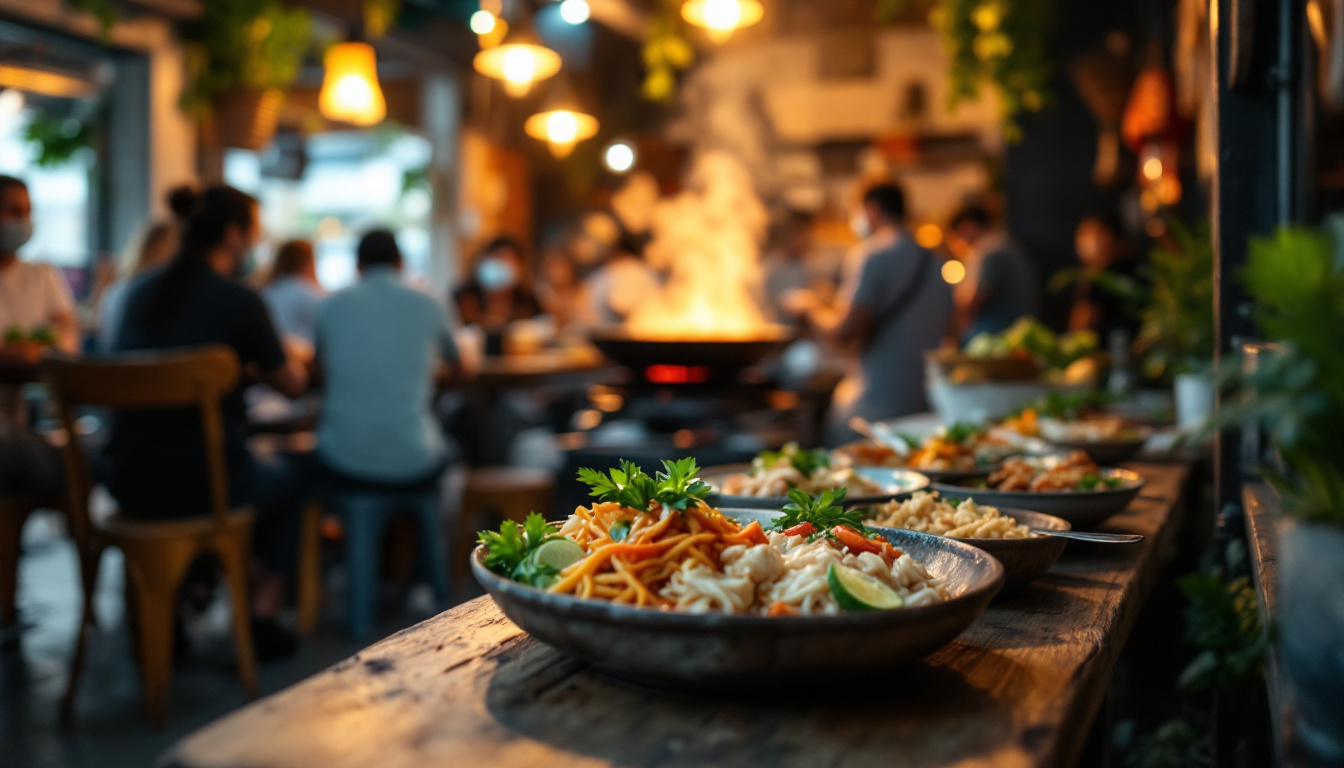
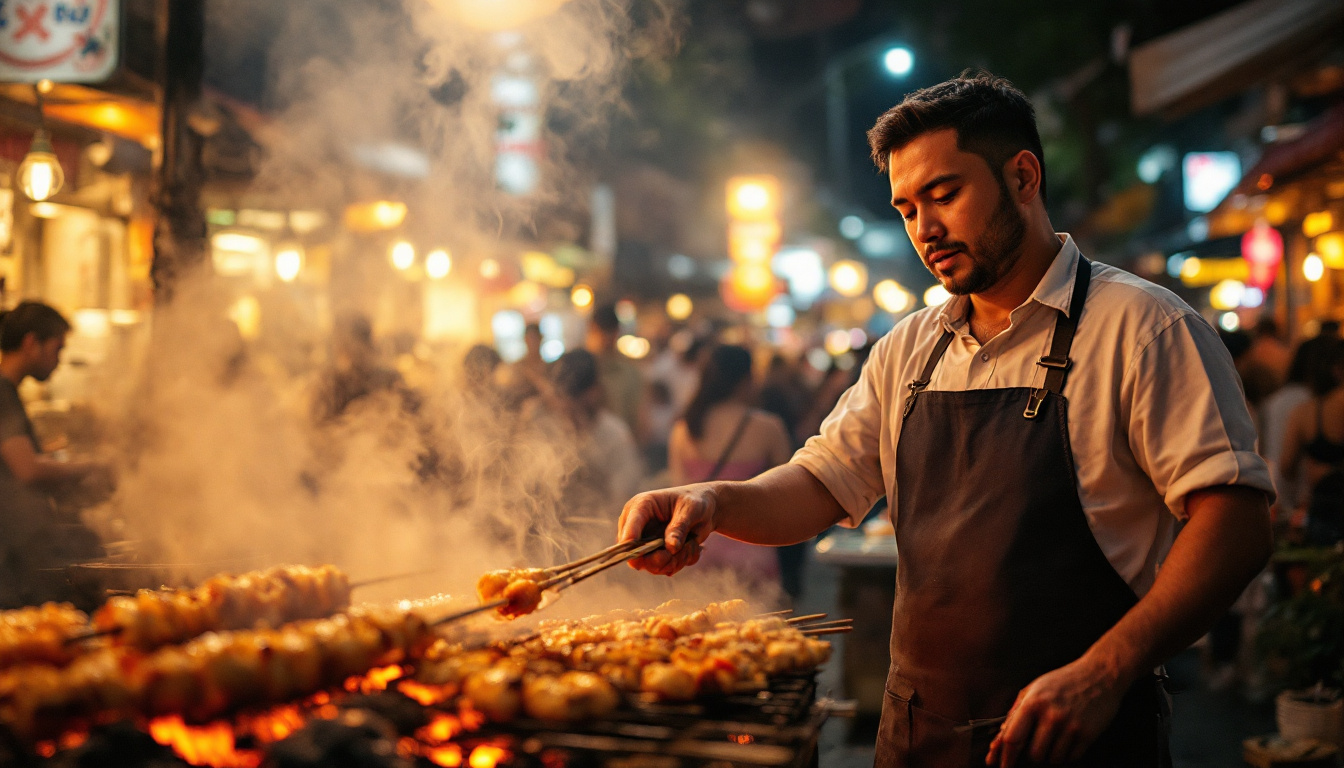
Street food is as safe as the stall you choose, and the signals are easy to read once you know them. The single best one is a crowd: a stall with a line of locals turns over its ingredients fast, so nothing sits long enough to grow bacteria. Some of the world’s best street food cities are also the safest precisely because the food never stops moving.
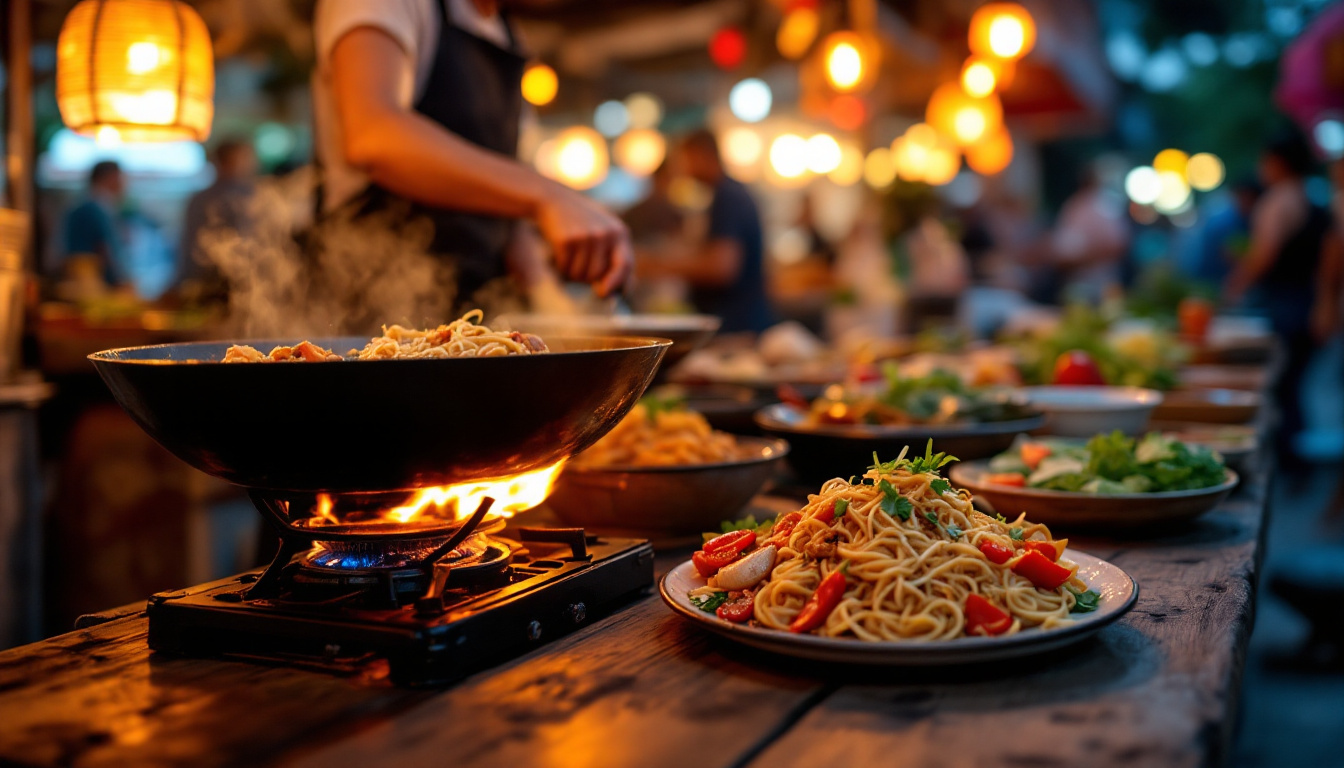
Watch how the food is handled before you order. You want it cooked to order in front of you and handed over steaming hot, not pre-cooked and rewarmed. A wok that hits searing heat or a grill with live coals kills most of what could hurt you. Be wary of anything that’s been cooked and is now sitting at room temperature, especially rice, seafood, and meat.
One more tell: how the vendor handles money. If the same hand takes cash and plates your food without a wipe, that’s a small red flag. The classic public-health rule still holds, “cook it, peel it, or forget it.” Most of the food at busy night markets and food halls passes that test without you thinking about it.
Water, ice and drinks: what’s safe abroad
In higher-risk regions, drink only sealed bottled water or water you have treated yourself, and treat tap water as off-limits for drinking and brushing your teeth. This is the rule that prevents more trouble than any other, because contaminated water is behind a large share of travel stomach illness, not the food itself.
Check that the bottle’s cap seal is intact before you drink, since refilled bottles are a known scam in some markets. Skip ice unless you’re confident it was made from purified water, which is common in established restaurants and rare from a street cart in a hot country. When in doubt, order drinks without ice.
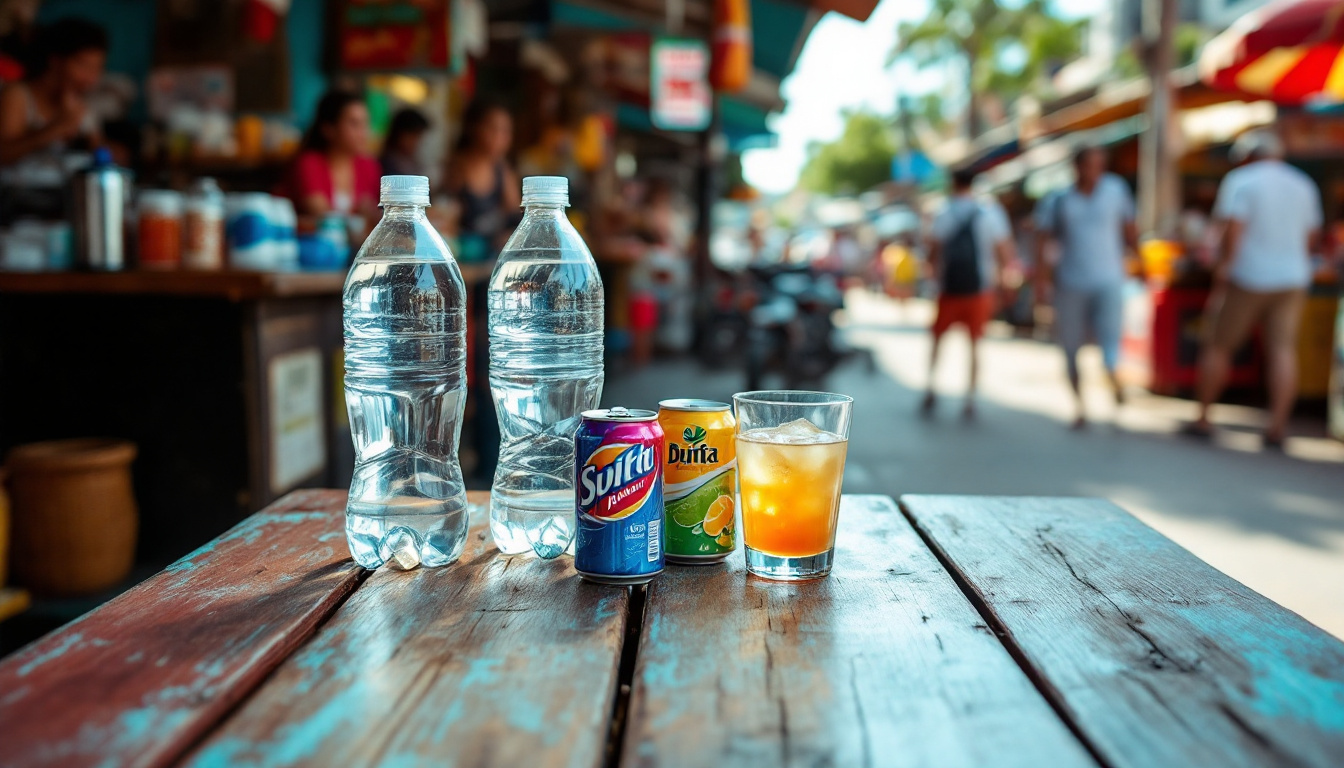
The safe-drink list is longer than people expect: anything boiled or sealed. Hot tea and coffee, bottled soft drinks, canned drinks, and bottled water are all reliable. Carbonated bottled water and fizzy soft drinks are an especially safe bet, because the bubbles mean the bottle was sealed and pressurized at the factory and hasn’t been refilled. Fruit you peel yourself, like bananas, oranges, and mangoes, is safe because the skin protects the flesh. Pre-cut fruit from a tray that’s been sitting out is the opposite. Treat it with caution.
If you are heading somewhere remote, or want to cut plastic, learn to treat water yourself. Bringing tap water to a rolling boil for a minute makes it safe; chemical purification tablets (chlorine dioxide or iodine), a portable filter, or a UV pen like a SteriPen all work when boiling is not practical. These pay for themselves on long trips and keep you covered when sealed bottles run out.
What to eat vs what to approach with caution
The safest foods share one trait: they are served hot or sealed by nature. The riskiest share another: they sit at room temperature or are eaten raw. Here is the quick sort I use before ordering anything new.
| Food | Why | Verdict |
|---|---|---|
| Anything cooked to order and steaming | High heat kills pathogens, no time to sit | Safe |
| Fruit you peel yourself | Skin protects the flesh from handling and water | Safe |
| Bottled, canned or boiled drinks | Sealed or sterilized | Safe |
| Raw salads and pre-cut fruit | Washed in tap water, sit at room temperature | Caution |
| Room-temperature buffets | Food held warm for hours is a top culprit | Caution |
| Unpasteurized milk and soft cheese | Can carry bacteria when unrefrigerated | Caution |
| Raw shellfish and raw seafood | Filter feeders concentrate contaminants | Higher risk |
None of this means you can never eat a salad or raw oyster abroad. It means you save those for places with a reputation to protect: a busy restaurant with refrigeration and turnover, not a stall in the midday heat. Match the risk to the venue.
Food safety basics: hand hygiene and storing food on the road
Wash your hands or use sanitizer before you eat anything with your fingers, because your own hands carry more of what makes travelers sick than most people realize. Street food culture is hands-on, and a small bottle of sanitizer in your pocket is the cheapest insurance you can buy on a trip. This is also where knowing the local eating etiquette helps, since many cultures already build hand-washing into the meal.
For food you carry, the rule of thumb is simple: don’t let perishable food sit in the heat for more than about two hours, and half that when it’s genuinely hot out. Leftover meat, rice, and dairy snacks turn risky fast on a warm bus or a beach day. A cheap insulated cooler bag changes the math for long transfers.
Favor sealed, shelf-stable snacks over loose leftovers when you are on the move, nuts, sealed crackers, whole fruit, and packaged bars travel well and carry almost no risk. And when something smells off, looks off, or you simply are not sure how long it has been out, throw it out. A wasted snack is cheaper than a lost travel day.
Eating well, not just safely
Safe and nourishing aren’t the same thing, and long trips have a way of collapsing your diet into fried carbs and beer. The fix is to plan a rough balance the way you would at home. Stay ahead on water in hot climates, since mild dehydration masquerades as fatigue and bad mood far more often than travelers notice.
Build in fiber and protein on purpose. Fruit you can peel and a handful of nuts cover fiber and healthy fats without any food-safety risk. For protein, markets are your friend, grilled meats, skewers, eggs, grilled fish, beans, and lentils are everywhere and usually safe because they are cooked hot. If you eat plant-based, our vegetarian and vegan food travel guide shows where meat-free eating is genuinely easy.
Supplements have a place, but as a backup, not a replacement. Real food provides vitamins and minerals in forms your body uses best, so lean on a varied diet first and treat a basic multivitamin as a safety net for stretches when fresh produce is hard to find, not as a license to skip it. Eating well on a budget is easier than it sounds in the cheapest cities for food, where fresh markets are cheap and everywhere.
Before you go: vaccinations and a travel kit
The most effective food safety tips for travelers start before you leave home. Several weeks before a higher-risk trip, see a travel clinic or your doctor about vaccinations. The two that matter most for food and water are hepatitis A (a virus spread through contaminated food and drink, and a standard travel vaccine) and typhoid (a bacterial infection from contaminated food and water in much of South Asia, Africa, and Latin America). Make sure routine shots are current too, and ask whether anything else is recommended for your destination.
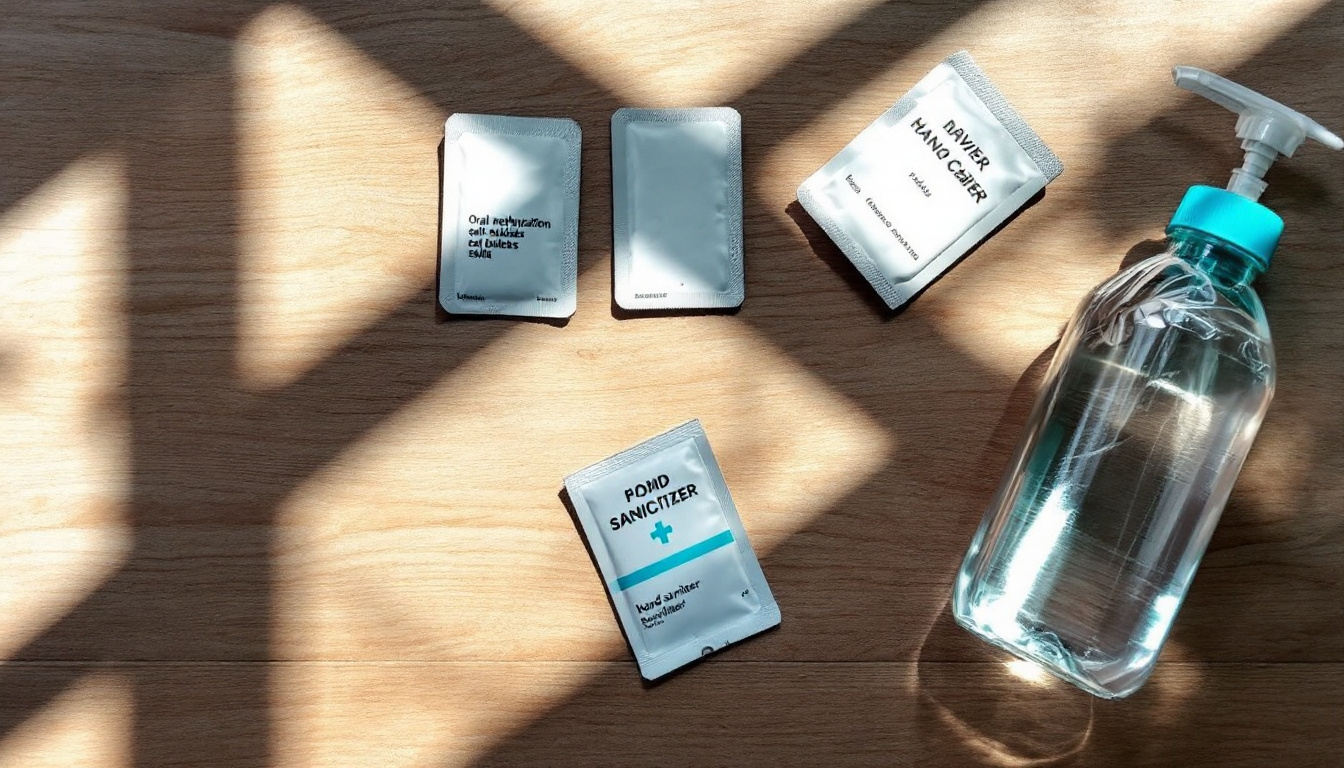
Then pack a small food-and-stomach kit so a bad night does not send you hunting for a pharmacy in a language you do not speak. The essentials are oral rehydration salts (ORS), an anti-diarrheal like loperamide (Imodium) to control symptoms on a travel day, and bismuth subsalicylate (Pepto-Bismol), which both soothes an upset stomach and can lower your risk if taken preventively. Add hand sanitizer (at least 60 percent alcohol), and talk to your doctor about whether to carry a standby course of antibiotics for a severe bout, which is commonly advised for trips far from good medical care.
What to do if you get sick
Most travelers’ diarrhea clears on its own within one to two days, and the priority is rehydration, not panic. It’s the most common travel illness in the world, affecting an estimated 30 to 70 percent of travelers to higher-risk regions according to the CDC, so getting a bout doesn’t mean you did anything wrong.
Replace fluids and salts first. Oral rehydration salts (ORS), sold cheaply at any pharmacy abroad, are far better than water alone, and you can improvise with clean water, a little sugar, and a pinch of salt if you cannot find them. To control symptoms, loperamide (Imodium) slows things down for a long bus or flight, and bismuth subsalicylate (Pepto-Bismol) eases an upset stomach; avoid loperamide if you have a high fever or blood in the stool, since those need a doctor, not a plug. For a severe case of traveler’s diarrhea, especially with fever, a doctor-prescribed standby antibiotic can cut it short. Rest, ease back in with plain food like rice, toast, and bananas, and avoid alcohol and heavy meals until you feel normal.
Know the red flags that mean see a doctor rather than wait it out: blood in the stool, a high fever, symptoms lasting more than 48 hours, or signs of serious dehydration like dizziness and very dark urine. Pack ORS and a basic plan before you go, and the worst case becomes an inconvenience, not a ruined trip.
FAQ
Is street food safe for travelers?
Yes, when you choose well. Pick busy stalls with high turnover, eat food cooked to order and served steaming hot, and avoid anything sitting at room temperature. By those rules, street food is often safer than a buffet.
Can I eat salads and raw vegetables abroad?
Be cautious in higher-risk regions, since raw vegetables are usually washed in tap water and held at room temperature. Eat them at established restaurants with refrigeration and turnover rather than from street stalls, and skip pre-cut fruit that has been sitting out.
Is the ice safe to drink in my drinks?
Only if it was made from purified water, which is common in established restaurants and unreliable from street carts in hot countries. When you are not sure, order drinks without ice. Hot drinks, bottled, and canned drinks are always safer bets.
How long does travelers’ diarrhea last?
Most cases clear within one to two days with rest and rehydration. Use oral rehydration salts to replace fluids and salts. See a doctor if you have blood in the stool, a high fever, symptoms beyond 48 hours, or signs of dehydration.
How do I treat traveler’s diarrhea?
Rehydrate first with oral rehydration salts (ORS) to replace lost fluids and salts. Loperamide (Imodium) controls symptoms for a travel day, and bismuth subsalicylate (Pepto-Bismol) soothes an upset stomach, but avoid loperamide if you have a high fever or blood in the stool. For a severe bout, a doctor-prescribed standby antibiotic can shorten it. See a doctor for blood, high fever, symptoms beyond 48 hours, or signs of dehydration.
Do I need vaccinations before a food trip?
For higher-risk regions, yes. The two food- and water-related vaccines that matter most are hepatitis A and typhoid, both recommended by travel clinics for much of South Asia, Africa, and Latin America. See a travel clinic or your doctor several weeks before you leave, make sure routine shots are current, and ask what else is advised for your specific destination.
Do I need supplements when traveling?
Not usually. A varied diet of cooked food, peelable fruit, and market protein covers your needs, and real food beats pills for absorption. A basic multivitamin is a reasonable safety net for long trips where fresh produce is hard to find, not a replacement for eating well.
More food guides waiting for you
Browse our complete collection of food travel tips and guides.