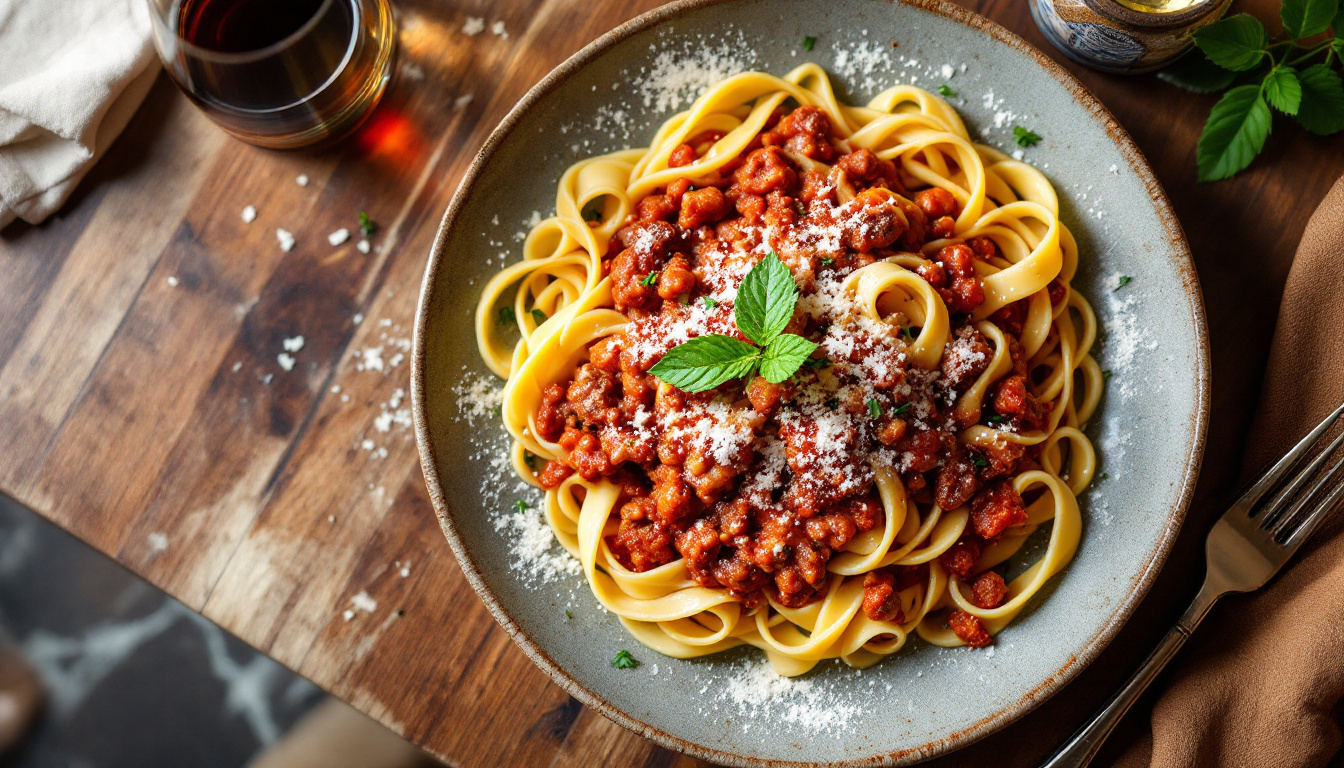
Italians call Bologna “La Grassa”, the fat one, and they mean it as the highest praise. This is the food capital of Italy, the heart of Emilia-Romagna, the region that gave the world Parmigiano Reggiano, balsamic vinegar, mortadella, prosciutto di Parma and the real ragu. The first time I ate tagliatelle al ragu in a Bologna osteria I understood that the dish the world calls spaghetti bolognese is a misunderstanding, because here it is wide egg noodles and a slow meat sauce, and it is perfect. The best food in Bologna is fresh egg pasta and cured pork, made with an obsessive seriousness.
Why Bologna is Italy’s food capital
Bologna is widely called the food capital of Italy because it sits at the center of Emilia-Romagna, the country’s richest food region. The fertile Po valley and a long tradition of artisan production gave the world Parmigiano Reggiano cheese, traditional balsamic vinegar from Modena, prosciutto di Parma, mortadella and a culture of fresh egg pasta rolled by hand. Few places concentrate this much culinary heritage in such a small area.
The cooking here is rich, golden and meat-and-dairy based, a world away from the olive oil and tomato of the south you find in Naples. Bologna is the home of the sfoglina, the woman who rolls fresh pasta by hand, and of the proper ragu. For the rest of the country, our Italy food guide covers it region by region.
The dishes you have to eat in Bologna
Bologna’s canon is small, old and fiercely defended: egg pasta, pork, Parmigiano and butter, done properly. These are the nine things to order, with rough 2026 prices in euros (at about €1 to $1.10, a €12 plate of tagliatelle runs around $13).
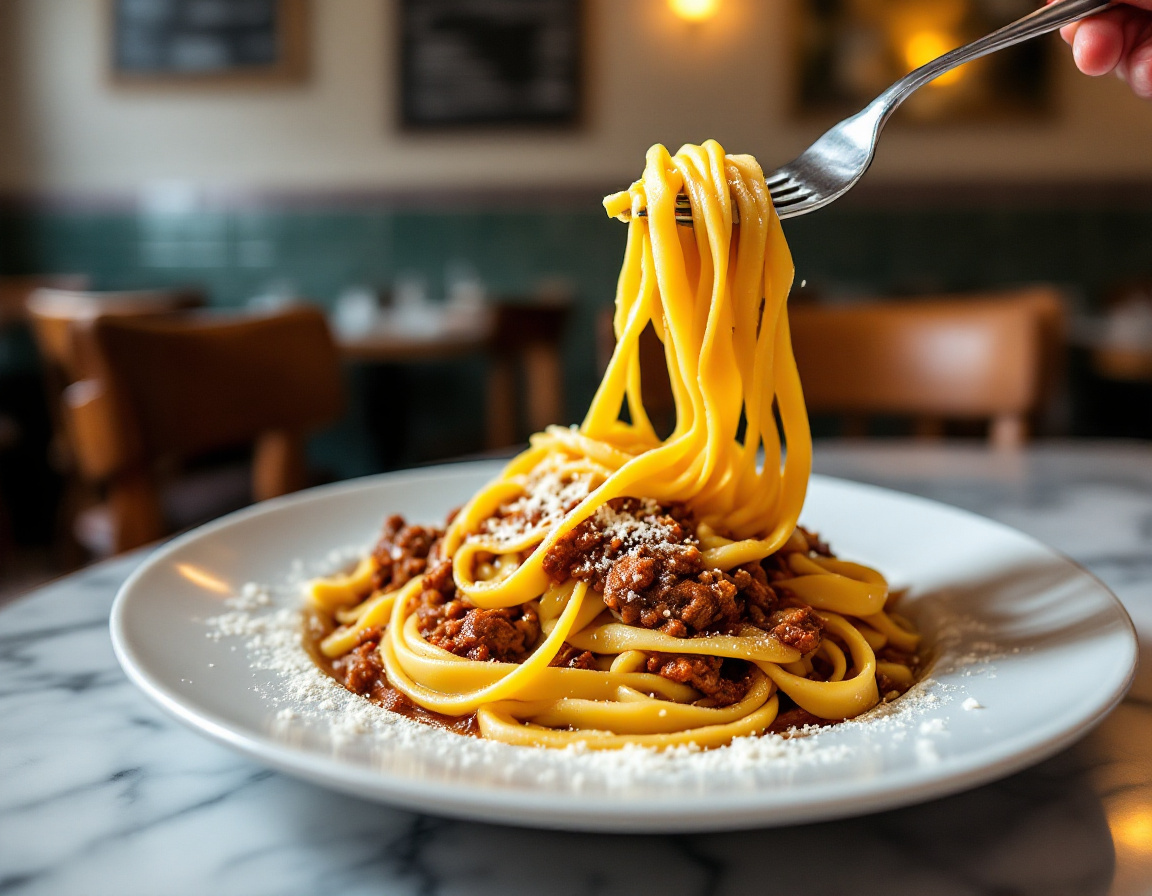
Tagliatelle al Ragu tagliatelle al ragu
Tagliatelle al ragu is the dish the world gets wrong, and the one to order first in Bologna. There is no spaghetti bolognese here. The ragu, a slow-simmered sauce of minced beef and pork, soffritto, a little tomato, wine and milk, clings to wide ribbons of fresh egg tagliatelle, not spaghetti, because the flat noodle holds the meat. It’s rich, savory and balanced, finished with Parmigiano. The official recipe is even lodged with the city’s chamber of commerce. This is the original.
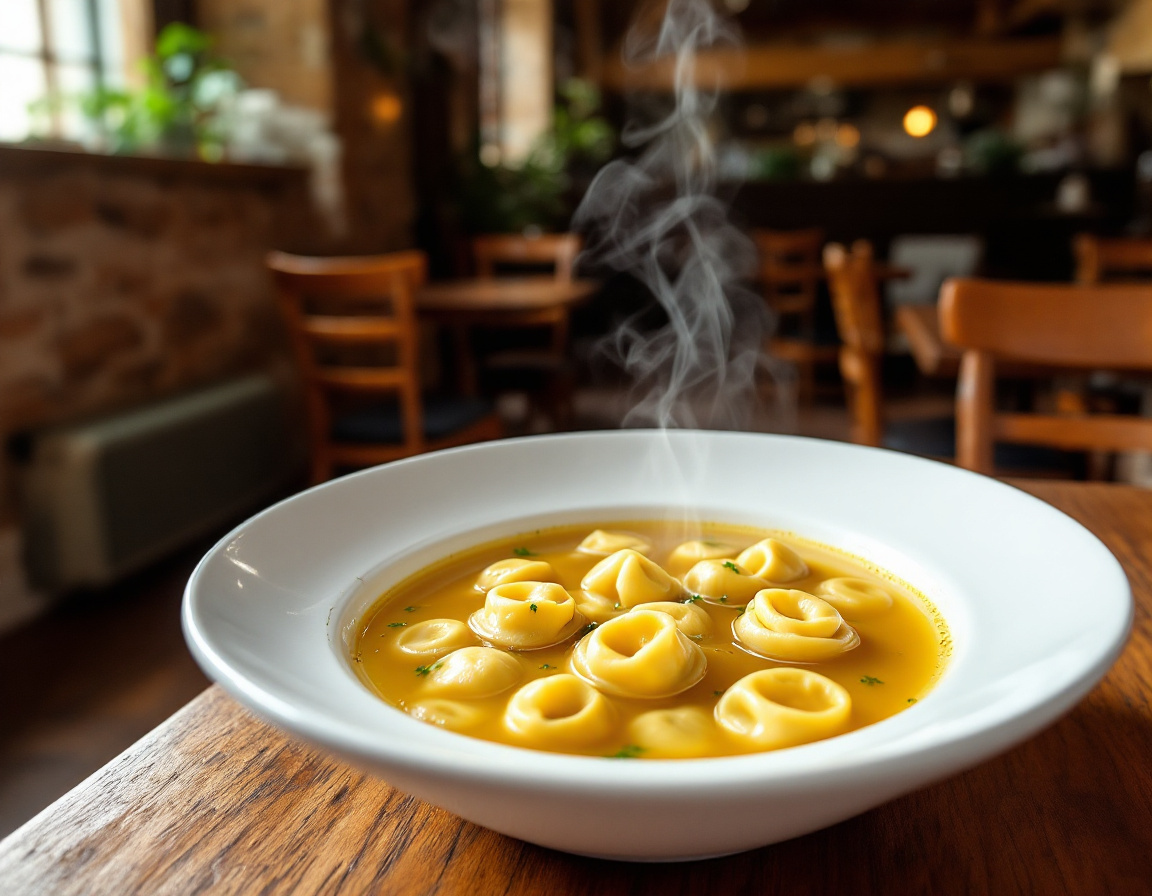
Tortellini in Brodo tortellini in brodo
Tortellini in brodo is Bologna’s most cherished dish, tiny navel-shaped pasta parcels stuffed with pork, mortadella, prosciutto and Parmigiano, served floating in a clear capon broth. The pasta is folded by hand, hundreds to a plate, and the elegance is in the restraint: no sauce, just dumpling and broth. It is the centerpiece of Christmas and Sunday lunch, a dish locals are deeply protective of. Do not ask for them in cream sauce here; in brodo is the way.
Lasagne alla Bolognese lasagne verdi
Lasagne in Bologna is a different, more refined thing than the heavy version known abroad. Thin sheets of green spinach egg pasta are layered with ragu, creamy bechamel and Parmigiano, then baked until just set, never gloopy or drowning in cheese. The result is delicate and golden, pasta and sauce in perfect proportion. It is a classic Sunday and holiday dish, and tasting the real one rewires your idea of lasagne for good. Order it where the pasta is made in house.
Balanzoni tortelloni verdi
Balanzoni are Bologna’s other stuffed pasta and they are unmistakable: fat green tortelloni of spinach dough filled with ricotta, mortadella and Parmigiano, dressed in nothing more than butter and sage so the filling leads. They are named after Dottor Balanzone, the pompous know-it-all of Bologna’s carnival tradition, which tells you how local they are. Bigger and richer than tortellini, and served on a plate rather than swimming in broth.
Cotoletta alla Bolognese la petroniana
If you order one main course in Bologna, order this. A veal cutlet is breaded and fried in butter, crowned with a slice of prosciutto crudo and a blanket of Parmigiano, then finished in the oven with a splash of meat broth until the cheese slumps into the ham. It takes its other name, la petroniana, from San Petronio, the city’s patron saint. Where Milan’s cotoletta is lean and austere, Bologna’s is unapologetic. Have a small pasta first, not a large one.
Friggione friggione bolognese
Friggione is what happens when you cook onions and tomatoes for hours and refuse to hurry. White onions are salted, sugared and stewed down with tomato until they collapse into a sweet, jammy, deep-red spread, with no herbs and no shortcuts. The recipe dates to 18th-century peasant kitchens and the official version is registered with Bologna’s chamber of commerce, which is a very Bolognese thing to do. It comes as a side to meat or simply spread on bread, and it tastes far more interesting than two ingredients have any right to.
Mortadella mortadella
Mortadella is Bologna’s great cured meat, the silky pork sausage that bad imitations abroad turned into bland “baloney”. The real thing is a marvel: finely ground pork studded with cubes of fat and sometimes pistachios, gently spiced and steamed, sliced gossamer-thin or cubed. Eat it folded onto warm crescentine bread, cubed with a glass of Lambrusco, or whipped into a fluffy mousse called spuma. It’s the taste of the city in every deli window.
Crescentine and Tigelle tigelle, gnocco fritto
The breads of Emilia are a meal in themselves, and two are essential. Tigelle, also called crescentine, are small round griddled flatbreads split and stuffed with cured meats, soft squacquerone cheese and a herb-and-lard spread called cunza. Gnocco fritto is its puffed, deep-fried cousin, pillows of dough draped with prosciutto and mortadella. Both arrive as a shared starter with a board of salumi and cheese. Both are dangerously easy to overeat before the pasta even arrives.
Parmigiano and Cured Meats Emilia-Romagna
Bologna is the gateway to the greatest cured meats and cheese in Italy, all made within an hour of the city. Parmigiano Reggiano is aged in nearby Parma and Reggio Emilia, prosciutto di Parma is cured in the same hills, and traditional balsamic vinegar is aged for decades in Modena. A simple board of aged Parmigiano, fine prosciutto and a drizzle of real balsamic, with a glass of fizzy red Lambrusco, is one of the best things you can eat anywhere. Buy some at the market to take home.
Where to eat: the Quadrilatero and osterie
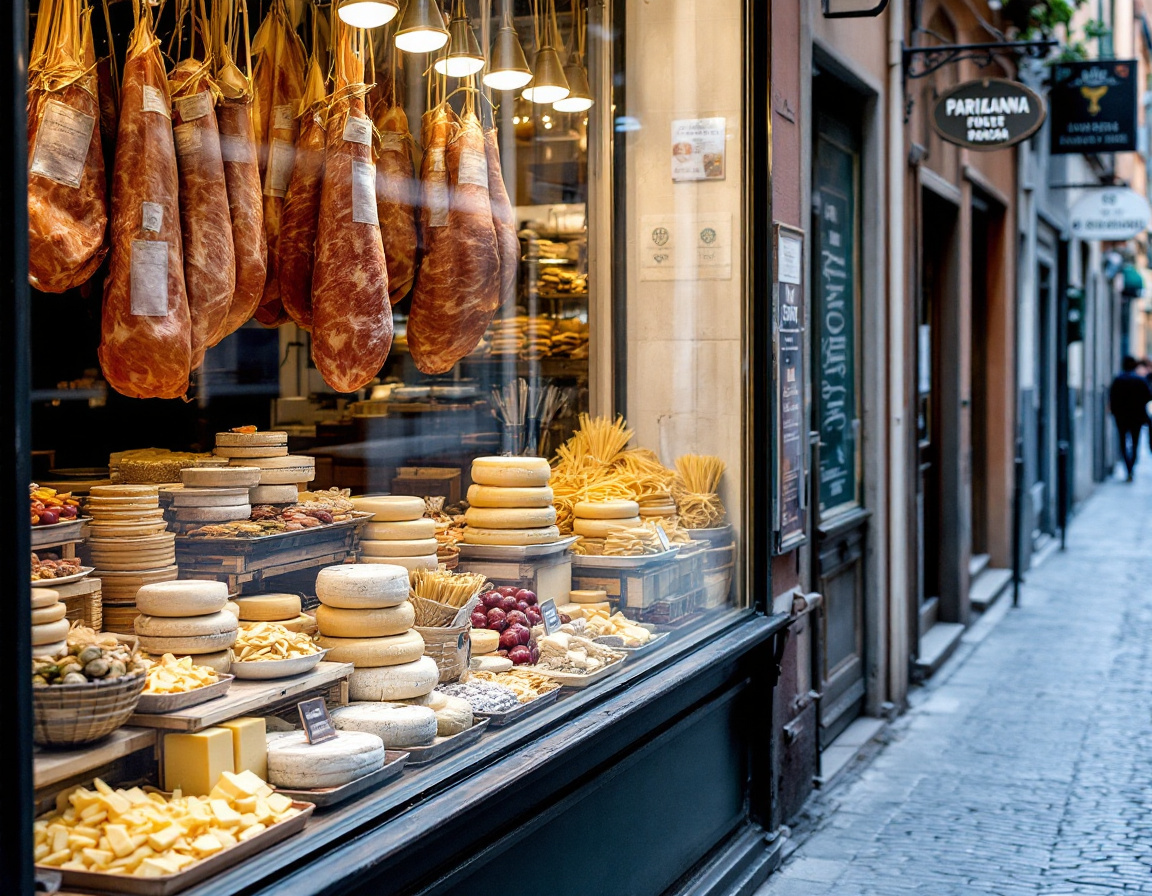
The historic heart of food in Bologna is the Quadrilatero, the medieval grid of lanes just off Piazza Maggiore where the old food shops cluster. Here you wander past windows of hanging mortadella, towers of Parmigiano, fresh pasta laid out in trays, and stalls of produce and fish, much as the city has shopped for centuries. It’s a place to graze, buy a board of salumi, and soak up the atmosphere before lunch. The nearby Mercato delle Erbe is a covered market with food stalls too.
For meals, look for a proper osteria or trattoria where the pasta is rolled in house, ideally watching a sfoglina at work in the window. Avoid the few tourist traps on the main square and walk a couple of streets out, the same rule that works in Rome. Lambrusco, the slightly fizzy local red, is the natural drink with all of it.
Tips and what to know
A few local truths will keep you eating well and on the right side of Bolognese pride.
- Never order spaghetti bolognese. It does not exist here; the dish is tagliatelle al ragu, and asking for spaghetti marks you instantly.
- Tortellini go in broth. The classic is in brodo; cream sauces are for tourists.
- Lunch is the big meal. Many osterie do their best work at lunch; eat the heavy pasta then.
- Drink Lambrusco. The fizzy local red cuts the richness perfectly; do not dismiss it as cheap.
Bologna is rich, meaty territory and trickier for vegetarians than southern Italy, though fresh pasta with butter and sage, tortelloni stuffed with ricotta, and the region’s cheeses give you plenty. After Bologna, the lighter pasta and street food of the south show the other face of Italian cooking entirely.
FAQ
What food is Bologna famous for?
Bologna is famous for fresh egg pasta and cured pork: tagliatelle al ragu (the real “bolognese”), tortellini in brodo, green lasagne, and mortadella. As the capital of Emilia-Romagna, it is also the gateway to Parmigiano Reggiano, prosciutto di Parma and balsamic vinegar, which is why it is called Italy’s food capital.
Is spaghetti bolognese real?
No, spaghetti bolognese does not exist in Bologna. The authentic dish is tagliatelle al ragu, a slow-cooked meat sauce served on wide, flat fresh egg noodles rather than spaghetti, because the broad pasta holds the sauce better. Ordering spaghetti bolognese in the city marks you out as a tourist.
What is the difference between tortellini and tortelloni?
Tortellini are small, navel-shaped pasta stuffed with a pork, mortadella and Parmigiano filling, traditionally served in capon broth. Tortelloni are larger and usually filled with ricotta and herbs or greens, served with butter and sage. Both are Bologna specialties, but the tiny tortellini in brodo is the more celebrated dish.
Where should I eat in Bologna?
Graze the Quadrilatero, the old food-shop quarter near Piazza Maggiore, and the Mercato delle Erbe, then eat at an osteria or trattoria that makes its own fresh pasta, ideally with a sfoglina rolling dough in the window. Walk a couple of streets away from the main square to avoid the tourist traps.
What wine do you drink in Bologna?
The classic wine of Bologna and Emilia-Romagna is Lambrusco, a slightly fizzy, dry red that cuts through the rich, fatty food beautifully. It is often dismissed abroad because of sweet exported versions, but the local dry Lambrusco is an ideal match for ragu, mortadella and Parmigiano.
More food guides waiting for you
City and country deep dives across Europe and every continent we have eaten our way through.