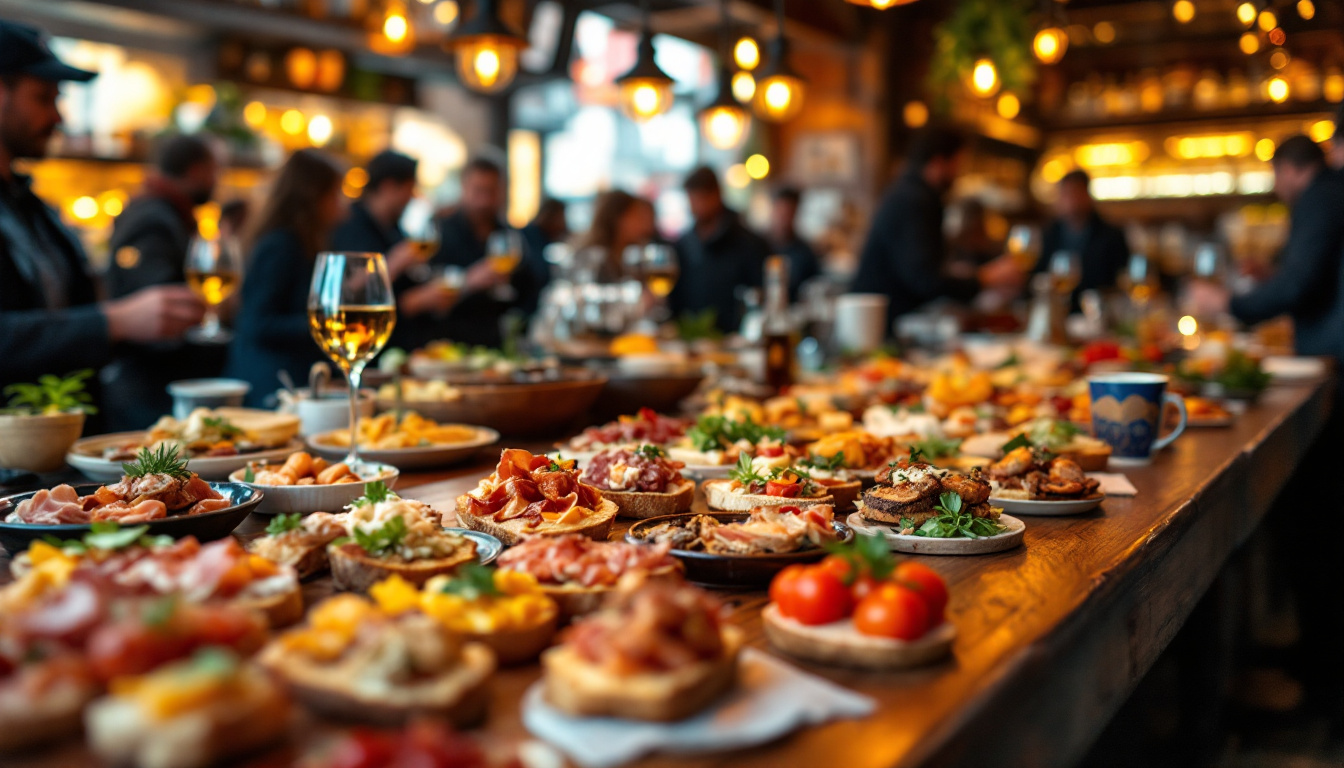
San Sebastian may be the single best place to eat in the world per square meter, and the locals will not argue. This small Basque city on the Bay of Biscay has more Michelin stars per capita than almost anywhere, but the real magic is at the bar, where you stand shoulder to shoulder eating pintxos and drinking young txakoli wine. I have done a crawl through the Parte Vieja that started with a gilda and ended, hours later, with a slice of burnt Basque cheesecake, and I am still thinking about it. The best food in San Sebastian is built for grazing, glass in hand.
Why San Sebastian is a food capital
San Sebastian is one of the world’s great food cities because the Basques take eating more seriously than almost anyone, and they have the raw materials to back it up. Superb seafood from the Bay of Biscay, aged beef from old dairy cattle, txakoli wine and cider from the hills, and a fierce local pride all feed a culture obsessed with the table. The city packs an extraordinary number of Michelin stars into a small space, yet the soul of it is the humble pintxo.
This is Basque cooking at its most refined and its most democratic at once, a different world from the tapas of southern Spain. Where a tapa is often free with a drink, a pintxo is a small, crafted plate you pick from the bar and pay for. Come hungry, move from bar to bar, and let the city show off.
The dishes you have to eat in San Sebastian
Prices are 2026 figures in euros; at roughly €1 to $1.10, a €3 pintxo runs about $3.30 and a €15 plate around $16.50.
Pintxos pintxos
Pintxos are the reason to come to San Sebastian, small, intense bites lined up along every bar in the Old Town. Some are classic and cold, skewered on bread and left on the counter; the best are hot, made to order, and listed on a board. Look for txangurro spider crab, seared foie gras, cured Cantabrian anchovies served a dozen ways, bacalao salt cod, and morsels of grilled txuleta. The move is one or two pintxos and a small glass per bar, then on to the next one. Quality varies wildly, so follow the locals.
Gilda gilda
The gilda is the original pintxo and the one to start any crawl with, a skewer of green olive, a salt-cured Cantabrian anchovy and a pickled guindilla pepper. Named after the Rita Hayworth film, it is salty, briny, acidic and a little spicy, designed to make you thirsty for the next txakoli. It looks like nothing. It tastes like the whole Basque coast in one bite. Order it, knock it back, and you have begun properly.
Tortilla de patata tortilla de patatas
San Sebastian takes the humble Spanish potato omelet and turns it into an event. The legendary version is at Bar Nestor, which makes exactly two tortillas a day, one at 1pm and one at 8pm, each cut into a handful of slices that sell out in minutes to a list you have to sign in advance. It is barely set, almost molten in the middle, all soft potato and egg. Even away from Nestor, a good barra tortilla, oozing and just-cooked, is one of the great cheap pleasures of the city. Get there early or go without.
Hongos a la plancha setas con yema
The signature pintxo at Ganbara, and one of the great plates in the Old Town, is a heap of wild mushrooms seared hard on the plancha and crowned with a raw egg yolk you break and stir through so it coats everything. Depending on the season it is porcini, chanterelles or a mix, earthy and rich, the yolk turning it into something silky. You order it at the bar, pay more than a normal pintxo, and it is worth every cent. Basque cooking at its simplest and best: great ingredients, barely touched.
Txuleta txuleta
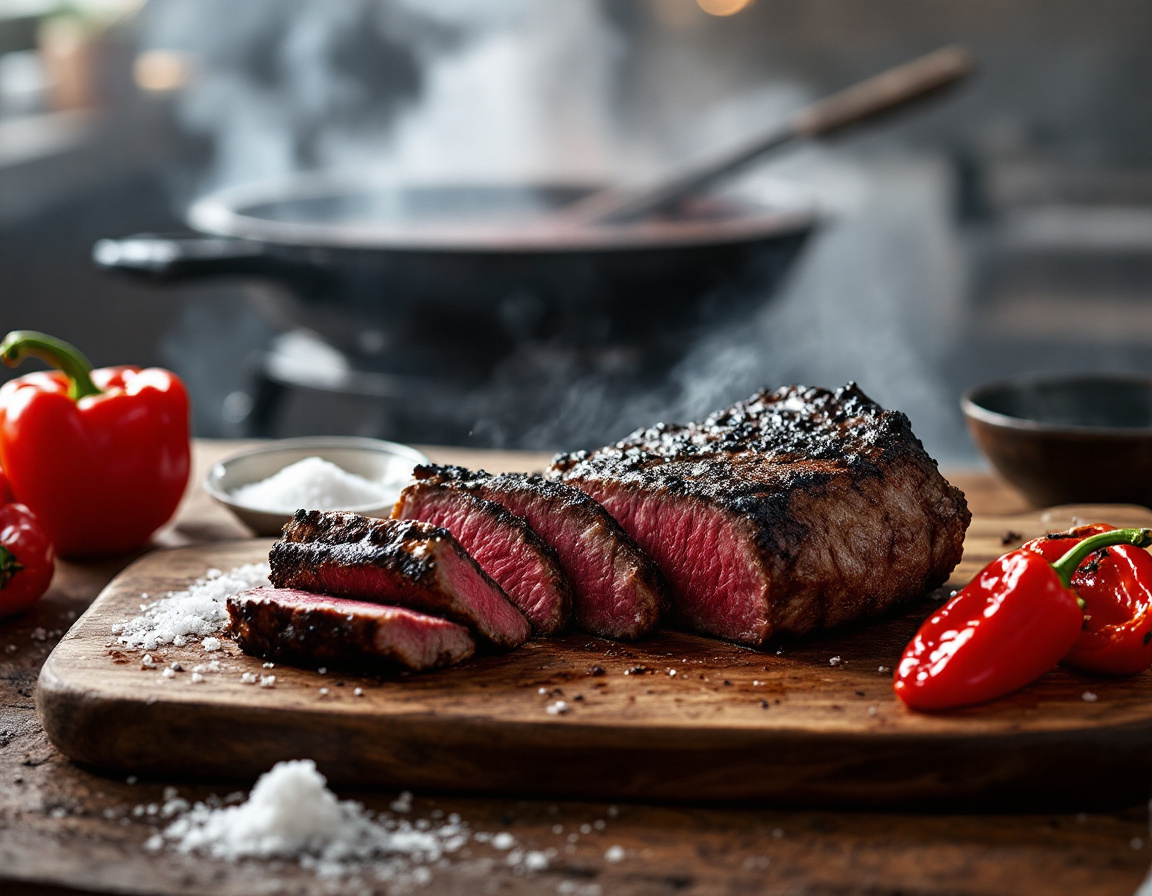
Txuleta is the legendary Basque beef steak, a huge bone-in rib from old dairy cows, dry-aged and seared hard over coals. It comes crusted and charred outside, scarlet and tender inside, salted with flakes and sliced to share, the centerpiece of any asador or cider house meal. The beef is intensely beefy, almost funky, nothing like a young steak you’ve had before. Order it for the table with grilled peppers and a bottle of red. This is Basque feasting at its best.
Grilled Turbot rodaballo
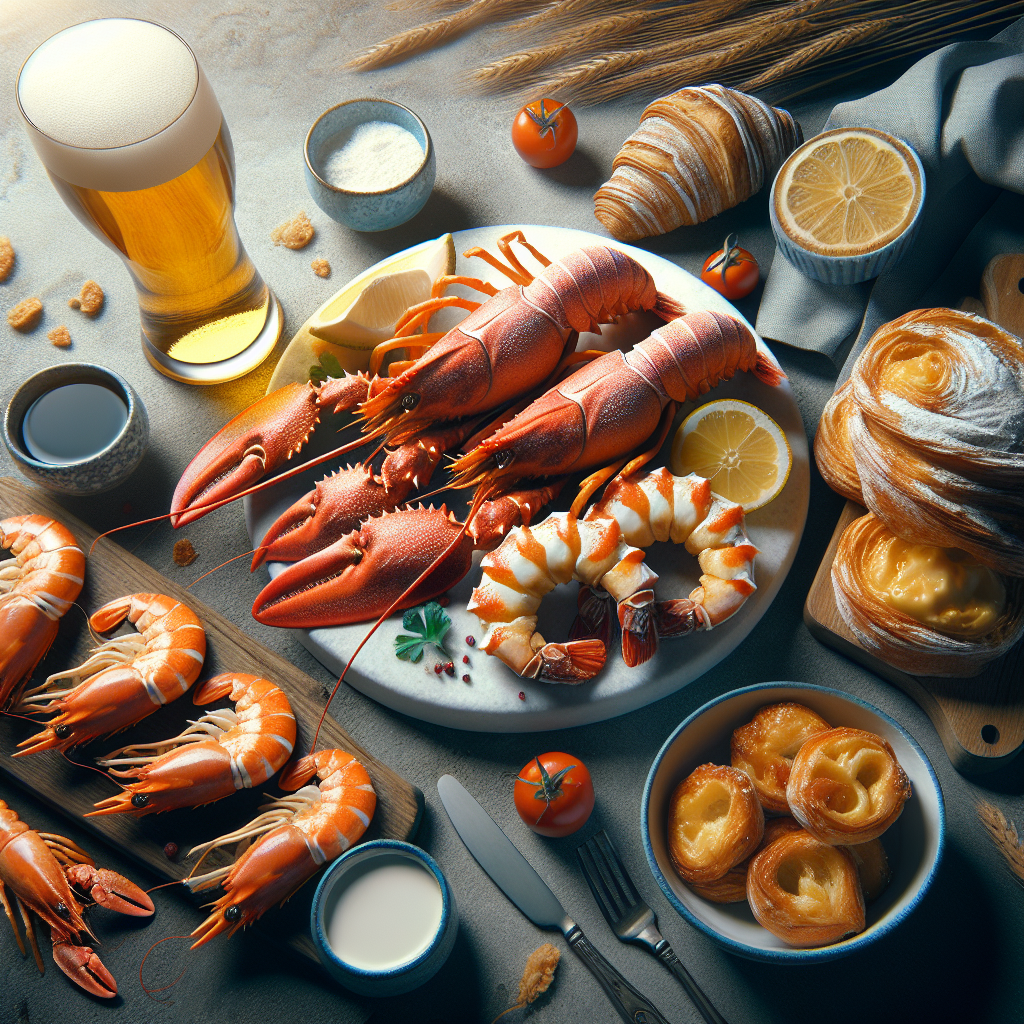
Whole grilled turbot is the seafood counterpart to the txuleta, and the Basque coast does it better than anywhere. A whole fish is grilled over coals in a metal cage, basted with a garlic, vinegar and oil dressing, then the moist white flesh is lifted off the bone at the table. The fishing town of Getaria nearby is the spiritual home of this style of grilling. Simple, smoky and pristine, it shows off the bay’s superb seafood, including the prized Cantabrian bonito white tuna that goes into the local marmitako stew, with almost no interference.
Basque Cheesecake tarta de queso
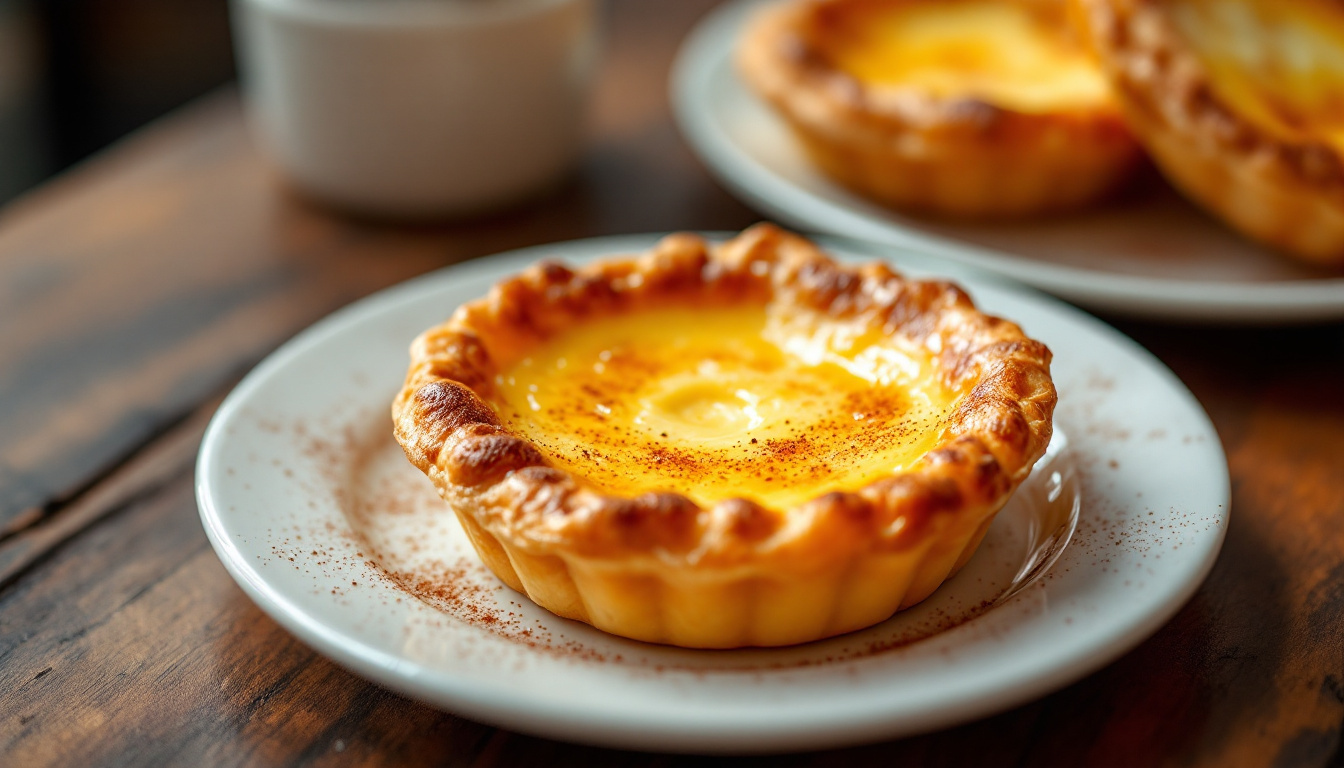
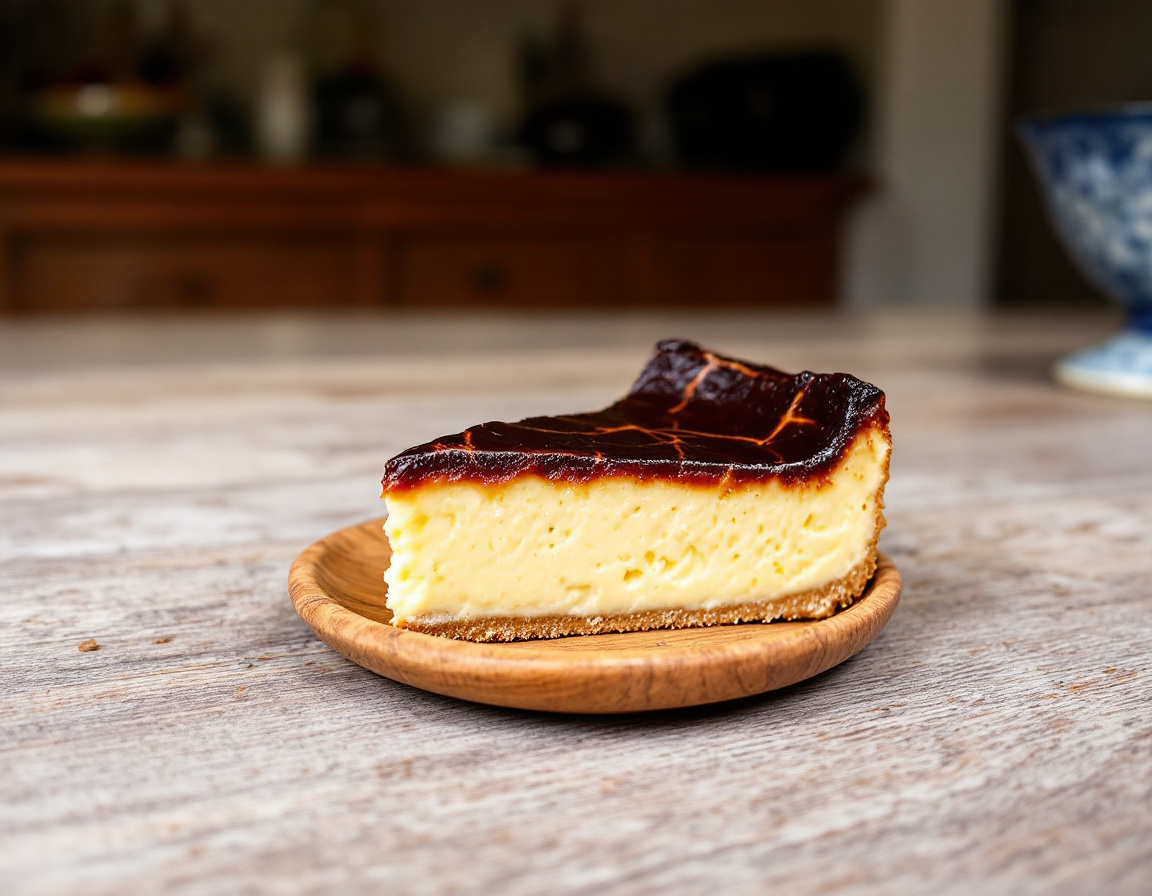
The burnt Basque cheesecake was born here, at La Vina bar in the Old Town, and it has since taken over dessert menus worldwide. It is a crustless cheesecake baked hot and fast so the top scorches dark and the center stays loose and almost molten. The contrast of caramelized, slightly bitter top and loose, creamy middle is the whole appeal. Eat a slice at the source with a glass of sweet wine. It is the perfect end to a pintxos crawl.
Bacalao bacalao
Salt cod, bacalao, is a Basque obsession, and two preparations are essential. Bacalao al pil pil is salt cod cooked gently in olive oil and garlic until the fish gelatin emulsifies the sauce into a silky, glossy yellow; bacalao a la vizcaina serves it in a rich red pepper and onion sauce. Both turn up as pintxos and as plates. It is a reminder that this coast built its cooking on preserved fish long before the Michelin stars arrived.
How to do a pintxos crawl
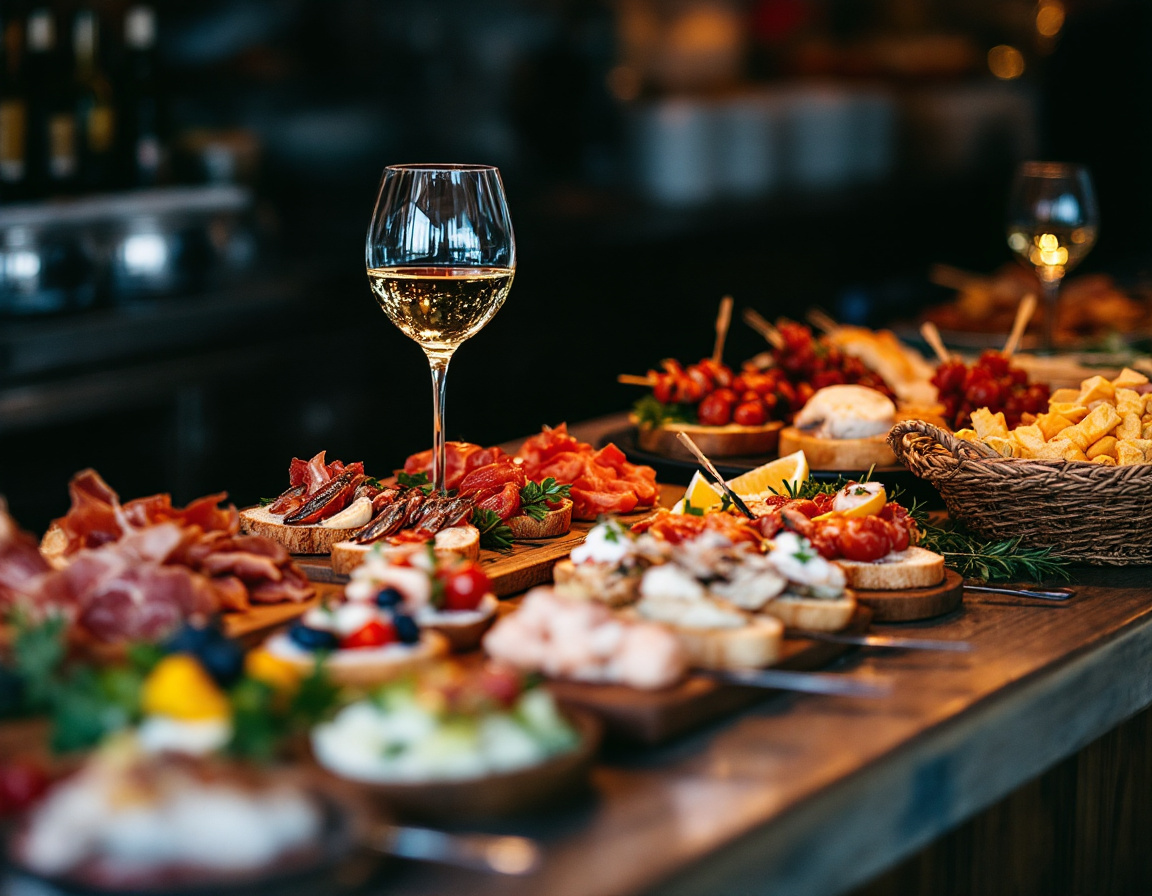
The right way to eat in San Sebastian is a txikiteo, a pintxos crawl through the Parte Vieja, the Old Town. The rule is simple: never settle in one bar. Order one or two pintxos and a single small drink, a txakoli or a short glass of beer called a zurito, then move on to the next bar a few doors down. Each place has a specialty, so you build a perfect meal across five or six stops over an evening.
A few habits make it work. Look at what is coming hot out of the kitchen rather than only the counter display, ask the bartender for the house specialty, and keep cash handy for speed. The neighborhood of Gros, across the river, has a younger, more creative pintxos scene if you want a second night. It is the same graze-and-move logic that powers the world’s great street food cities, just with a glass of wine in hand.
Tips and etiquette
The pintxos bar has its own rhythm, and knowing it makes the night smoother.
- Order hot pintxos from the board. The displayed ones are a backup; the kitchen specials are the prize.
- Be honest about your count. Many bars run on trust; tell the bartender what you had when you pay.
- Drink small. A txakoli or a zurito per bar; the point is to keep moving and stay clear-headed.
- Eat late. Like the rest of Spain, dinner is late; bars get going from around 8pm.
San Sebastian is a paradise for seafood and meat lovers, and a little trickier for vegetarians, though the modern bars now offer more meat-free pintxos. After the Basque country, the tapas and markets of Barcelona are the natural next stop on a Spanish eating trip.
FAQ
What food is San Sebastian famous for?
San Sebastian is famous for pintxos, the Basque bar snacks eaten on a crawl through the Old Town, along with the original gilda skewer, txuleta aged beef steak, grilled whole fish like turbot, salt cod (bacalao), and the burnt Basque cheesecake that was invented in the city. It has one of the highest concentrations of Michelin stars in the world.
What is the difference between pintxos and tapas?
Pintxos are the Basque version of small plates, usually a crafted bite served on or skewered to bread, which you choose from the bar and always pay for. Tapas, more common in southern Spain, are often free or cheaper snacks served with a drink. Pintxos tend to be more elaborate and are the heart of eating in San Sebastian.
How does a pintxos crawl work?
A pintxos crawl, or txikiteo, means visiting several bars in one evening, ordering just one or two pintxos and a small drink at each before moving on. Each bar has a specialty, so you build a meal across five or six stops. Order hot pintxos from the board rather than only the counter display, and keep the drinks small.
Where was Basque cheesecake invented?
The burnt Basque cheesecake, or tarta de queso, was invented at La Vina bar in the Old Town of San Sebastian. It is a crustless cheesecake baked hot so the top caramelizes dark while the center stays soft and creamy, and it has since become a global dessert sensation.
Is San Sebastian expensive to eat in?
San Sebastian can be done on any budget. Individual pintxos cost only a few euros each, so a crawl is affordable if you pace yourself, while the txuleta steak houses, grilled-fish asadores and Michelin restaurants are a splurge. Eating mostly pintxos with the occasional shared steak keeps it reasonable.
More food guides waiting for you
City and country deep dives across Europe and every continent we have eaten our way through.