The best food in Sardinia is not the Italian food you think you know. Forget the pizza-and-tomato cliché. This is an island that spent centuries with its back to the sea, eating like shepherds rather than sailors. Roast pig scented with myrtle, sheep’s cheese in a dozen forms, hand-pleated pasta, and a paper-thin bread baked to last. It’s also one of the world’s Blue Zones, where people routinely live past 100, and the food and red wine are part of why. Come hungry, and come inland.
Why Sardinian food is unlike anywhere else in Italy
Sardinian food is a pastoral, inland cuisine, built around sheep, grain and cheese rather than the seafood you’d expect from a Mediterranean island. For centuries, malaria and pirate raids pushed Sardinians off the coast and into the hills, so the island’s soul food is shepherd food: roasted meat, pecorino, bread that keeps for weeks. It tastes nothing like the cooking of mainland Italy, with its own breads, pastas and a heavy hand with myrtle, saffron and bitter honey.
There’s also a longevity story here. Sardinia’s mountainous Ogliastra and Nuoro provinces form one of the planet’s original Blue Zones, those rare places where people regularly reach 100. Researchers point to the local diet of pecorino, pane carasau, garden vegetables and minestrone, plus a polyphenol-rich red wine, Cannonau. You can taste that longevity diet at almost any inland table, far from the resort kitchens of the Costa Smeralda or the trattoria classics of Rome.
The best food in Sardinia, dish by dish
The best food in Sardinia runs from hand-made pasta and roasted meat to cured fish roe and a famous honeyed dessert. These are the thirteen dishes I’d order first, with rough prices as of 2026 (at roughly €1 to $1.10, a €12 plate of culurgiones runs about $13) and where each one belongs.
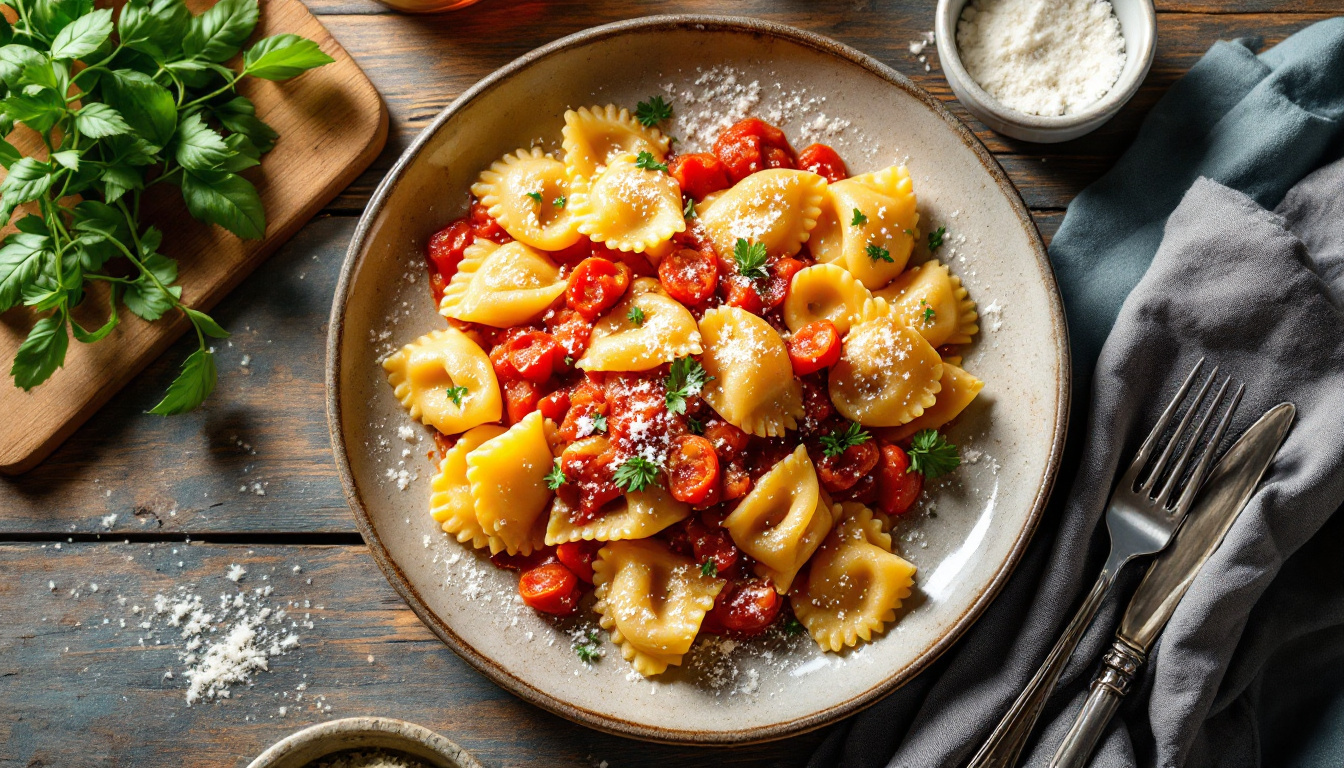
Culurgiones culurgionis
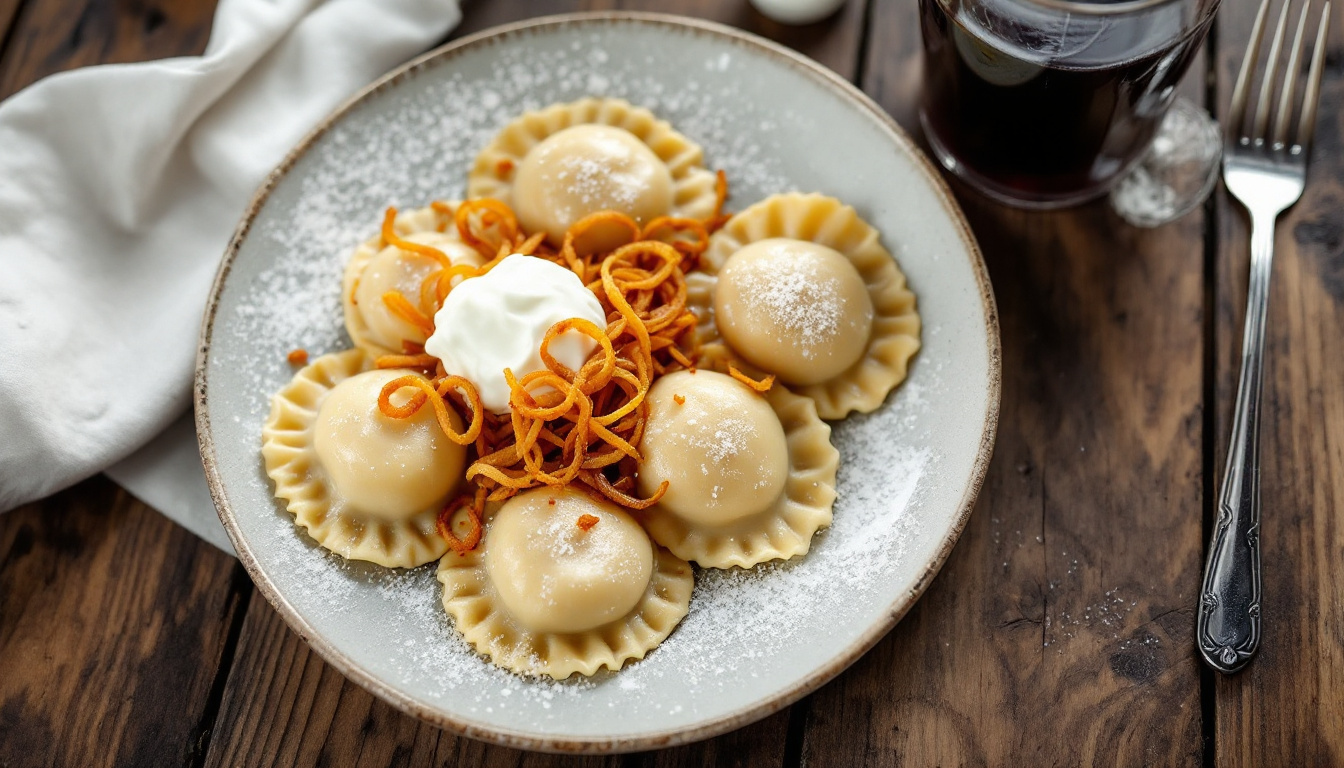
Culurgiones are Sardinia’s signature stuffed pasta, filled with potato, pecorino and mint and sealed by hand into a pleat that looks like an ear of wheat. That spiga seal is a point of local pride, pinched closed with a rhythm that takes practice to learn. They’re usually dressed simply, just tomato sauce and grated pecorino, so the filling stays the star. Earthy, herby, a little tangy. They come from the eastern Ogliastra region but turn up on menus all over the island.
Malloreddus malloreddus alla campidanese
Malloreddus are small ridged semolina dumplings, often called Sardinian gnocchi, and the everyday pasta of the island. The classic version, alla campidanese, sauces them with a rich sausage and tomato ragù scented with saffron, then finishes them with aged pecorino. The ridges and saffron are the giveaways that you are eating Sardinian, not mainland Italian. Hearty and satisfying, they show up at Sunday lunches and village festivals alike.
Filindeu su filindeu
Filindeu, the threads of God, is reckoned the rarest pasta in the world, made by only a handful of women in the area around Nuoro. Thousands of impossibly fine wheat strands are pulled by hand and layered three ways across a round frame, then dried in the sun into a translucent sheet. It’s broken into a rich sheep broth with pecorino as su filindeu in brodo. Traditionally it fed pilgrims walking through the night to the feast of San Francesco in Lula. The technique is so hard it has nearly died out, which is exactly why it’s worth seeking.
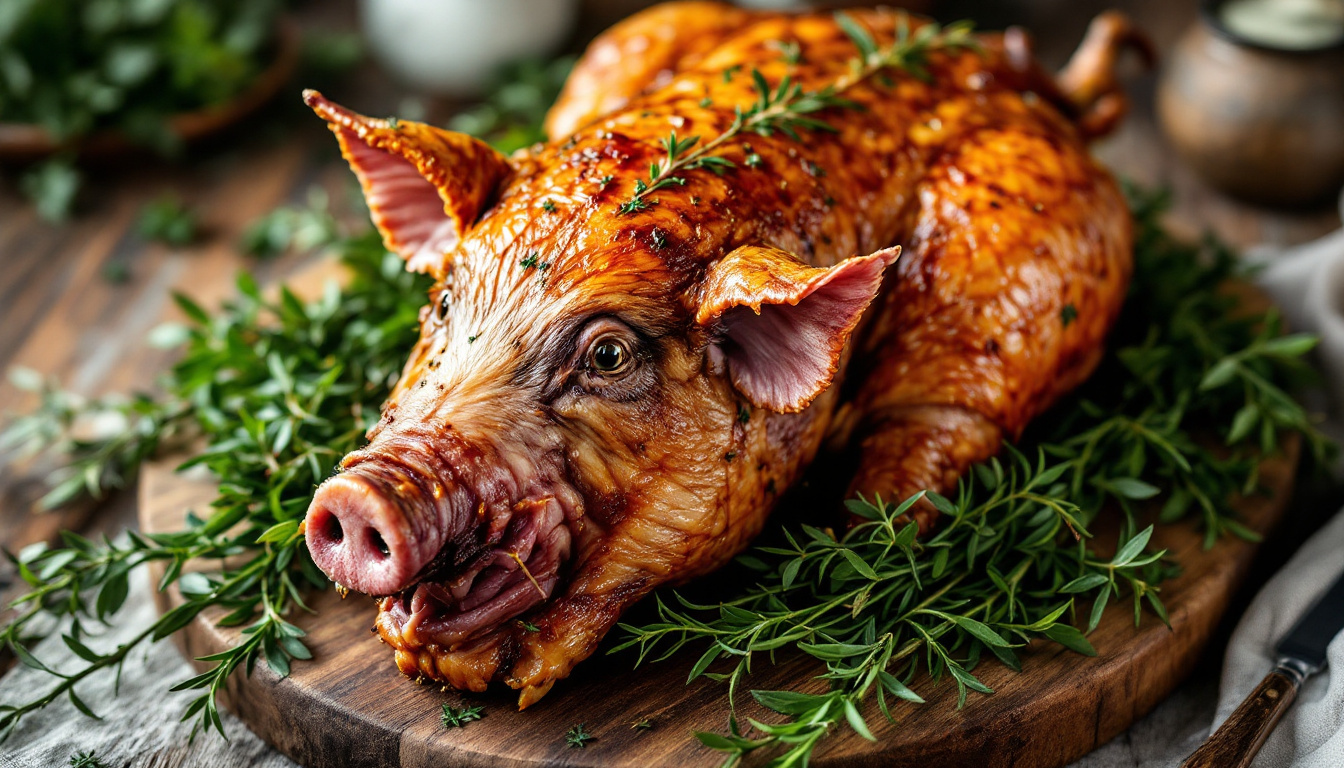
Porceddu porceddu / porcheddu
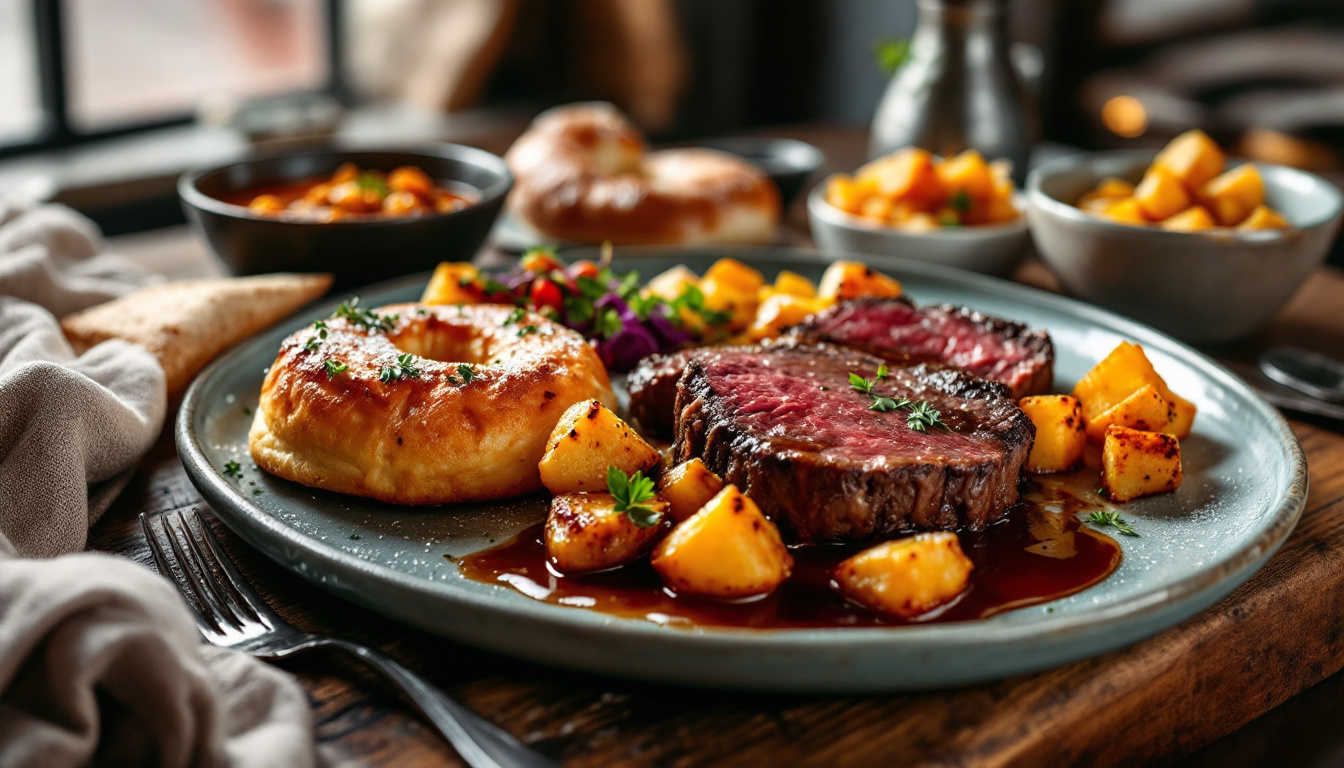
Porceddu is spit-roasted suckling pig, and it is the dish Sardinians cook for any occasion that matters. A young pig is turned slowly over open coals or aromatic wood until the skin crackles and the meat pulls apart, then often rested on a bed of myrtle leaves that perfume it as it cools. Seasoning is minimal, just salt and smoke, because the point is the pork itself. This is shepherd cooking at its proudest, the centerpiece of a real Sardinian feast.
Roasted lamb agnello
Roast lamb is Sardinia’s other great roast, the one that shares the table with porceddu at any serious feast. Milk-fed Sardinian lamb, protected as agnello di Sardegna, is tender and mild. It’s roasted simply with rosemary and myrtle, or stewed with wild artichokes and mint as agnello con carciofi. It’s the traditional centerpiece of Easter, long since a year-round restaurant staple too. Where porceddu is all crackling and smoke, lamb is the gentler, herbier side of shepherd cooking.
Pane carasau carta da musica
Pane carasau is the crisp, paper-thin flatbread that shepherds carried into the hills for weeks at a time. Baked twice until brittle, it keeps almost indefinitely, which is why it fed herders away from home for long stretches. Italians nickname it carta da musica, music paper, for how thin and crackly it is. Eat it plain with cheese, or seek out pane frattau, where the bread is layered with tomato sauce, pecorino and a poached egg into something close to a Sardinian lasagne.
Bottarga bottarga di muggine
Bottarga is cured grey mullet roe, the one great gift of the Sardinian coast and often called the island’s sea gold. The roe sac is salted, pressed and air-dried into a dense amber block, then grated or sliced paper-thin. Sardinians grate it over spaghetti with garlic and oil, or shave it onto bread, where it tastes intensely of the sea, salty and almost smoky. The best comes from the lagoons around Cabras on the west coast. A little goes a long way.
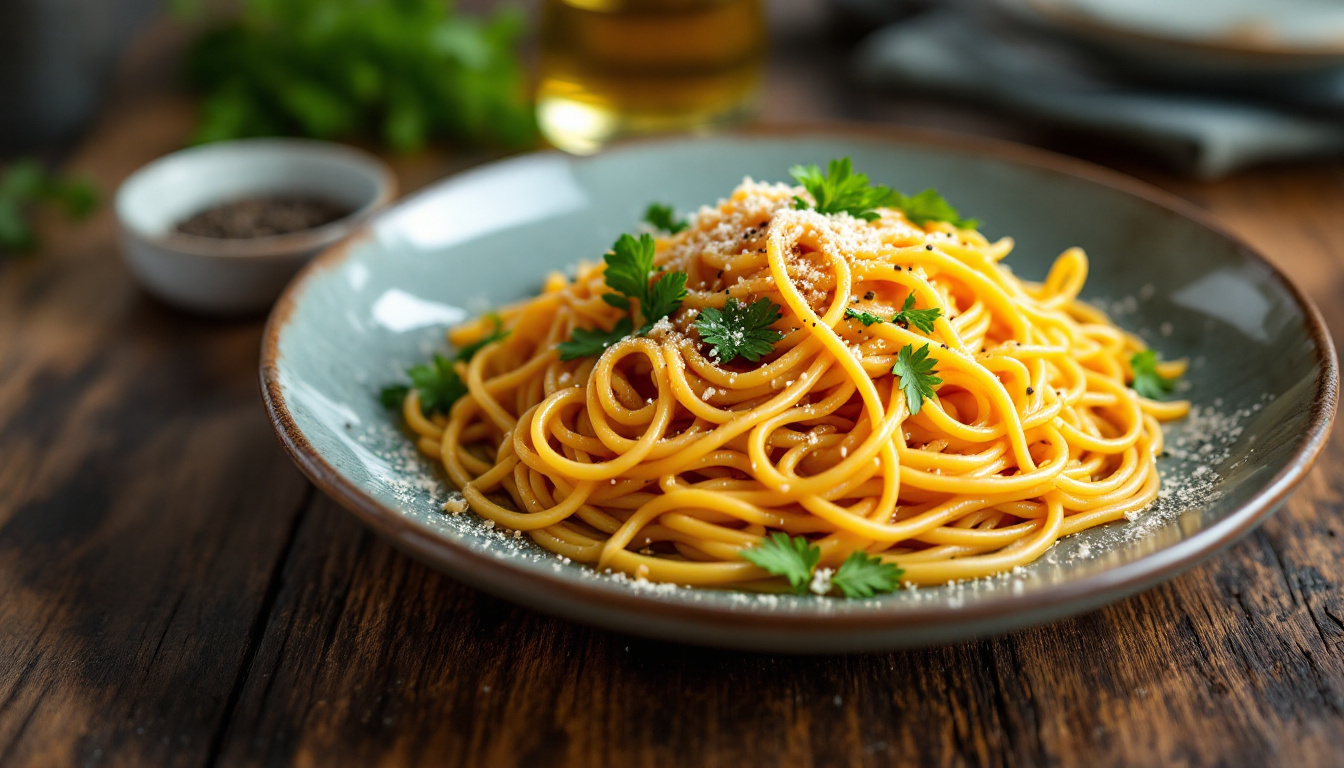
Fregola fregula con arselle
Fregola is a toasted semolina pasta rolled into little pearls, somewhere between couscous and tiny gnocchi. Toasting gives it a nutty flavor and a chewy bite that holds up in broths and stews. The classic is fregola con arselle, simmered with small clams, tomato and garlic until the pasta soaks up the briny juices. It is one of the few Sardinian dishes where the sea takes the lead, and proof the island does seafood beautifully when it wants to.
Pecorino Sardo pecorino sardo / fiore sardo
Pecorino is the beating heart of Sardinian food, since the island has long had more sheep than people. The local sheep’s cheeses range from young and mild to the hard, smoky, aged Fiore Sardo, grated over pasta or eaten in chunks with bread and wine. Cheese here is not a course so much as a constant, woven through nearly every dish. It is also one of the foods researchers link to the island’s famous longevity, eaten daily and made the old way.
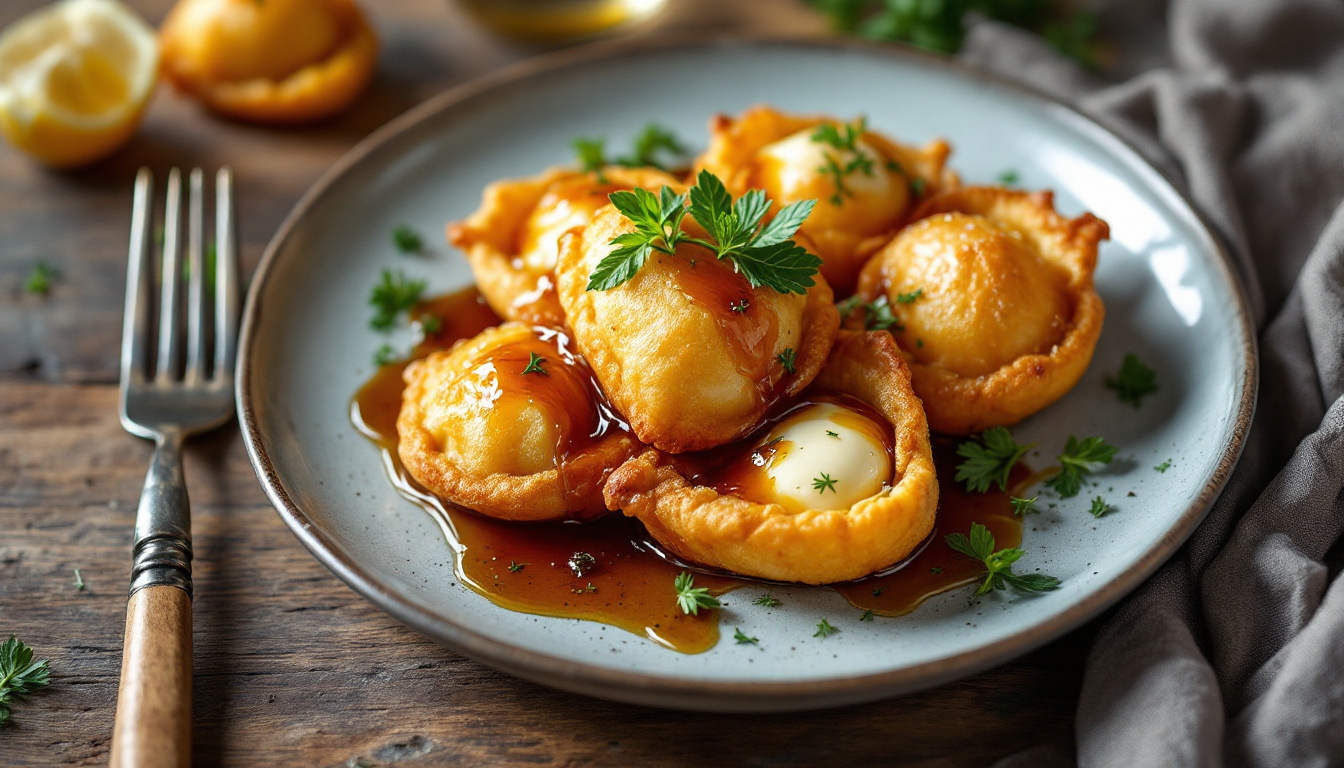
Seadas seadas / sebadas
Seadas are the great Sardinian dessert, a fried pastry the size of your palm stuffed with fresh, slightly sour cheese and drizzled with bitter honey. The contrast is the whole trick. Warm crisp dough, molten tangy cheese, and a pour of dark corbezzolo (strawberry-tree) honey that finishes almost bitter. It started as a shepherd’s sweet, a way to use up cheese and honey on hand. Beyond seadas, look for pardulas, little saffron and ricotta cheese tarts, and almond amaretti, the everyday Sardinian sweets. Order one to share at the end of a meal and you’ll wish you hadn’t agreed to share.
Aragosta alla catalana aragosta alla catalana
Aragosta alla catalana is spiny lobster served Catalan-style, the signature dish of Alghero on the northwest coast. The lobster is boiled, then dressed simply with raw tomato, sweet onion and a sharp olive oil and lemon vinaigrette, served cool. The Catalan name is no accident: Alghero was settled from Catalonia in the Middle Ages and still speaks a Catalan dialect. It is the island’s classic seafood splurge, and a reminder that Sardinian food carries more than one country’s fingerprints.
Zuppa gallurese suppa cuata
Zuppa gallurese is a soup in name only, really a rich baked dish of stale bread layered with sheep’s cheese and soaked in meat broth. From the Gallura region in the north, it bakes until the top turns golden and crusty while the inside stays soft and savory. It is the ultimate use-it-up peasant food, turning hard bread and broth into something deeply comforting. Filling enough to be a meal, it shows the Sardinian genius for never wasting bread.
Casu marzu casu marzu
Casu marzu is Sardinia’s notorious maggot cheese, a pecorino deliberately left to ferment with live cheese-fly larvae inside. The larvae break down the fats until the cheese turns soft, weeping and intensely pungent, and it is traditionally eaten with the maggots still in it. It is officially banned from commercial sale on health grounds, so it survives quietly at home tables and among shepherds. You don’t have to try it, and most visitors won’t, but it is the most extreme expression of the island’s old cheese culture.
Where to eat: agriturismi, towns and the coast
The best Sardinian food is eaten inland at an agriturismo, a working farm that serves long, fixed-price feasts of its own produce. You sit down to a parade of antipasti, house pasta, roast meats, cheese and seadas, usually with wine included, for a set price that is hard to beat. For everyday eating, interior towns like Nuoro and Oliena are the heartland of shepherd cooking, while coastal Cagliari, Alghero and Cabras are where the seafood, bottarga and Catalan lobster shine. Skip the glossy resort restaurants of the Costa Smeralda. Prices soar there, and the cooking rarely matches a simple village trattoria.
What to drink in Sardinia
Cannonau is Sardinia’s defining wine, a deep, robust red made from the grape known elsewhere as Grenache. Sardinian Cannonau is unusually high in polyphenols, and it is the wine most often linked to the island’s Blue Zone longevity, drunk in modest amounts with food. For something sweeter, Vermentino is the crisp white that pairs with all that seafood on the coast. After dinner, the island runs on mirto, a dark, aromatic liqueur made by steeping wild myrtle berries, served ice cold as a digestivo. Filu ‘e ferru, a fierce traditional grappa, is the old shepherd’s nightcap for the brave.
FAQ
What is the most famous food in Sardinia?
Porceddu, spit-roasted suckling pig scented with myrtle, is Sardinia’s most iconic dish and the centerpiece of any feast. Culurgiones, the hand-pleated potato and pecorino pasta, and pane carasau, the crisp shepherd’s flatbread, are close behind as island signatures.
Is Sardinian food the same as Italian food?
No. Sardinia is part of Italy, but its cuisine is distinct, built around shepherding rather than the sea or the mainland’s tomato-and-pasta image. Expect roast pork, sheep’s cheese, saffron, myrtle, bitter honey and unique breads and pastas you won’t find in Rome or Naples.
Why do Sardinians live so long?
Sardinia’s Ogliastra and Nuoro provinces are a recognized Blue Zone with an unusual number of centenarians. Researchers link it partly to the traditional diet of pecorino, pane carasau, vegetables and minestrone, plus modest daily glasses of polyphenol-rich Cannonau wine and an active, walking lifestyle.
Is Sardinian food good for vegetarians?
Reasonably, yes. Culurgiones, pane carasau, pecorino, fregola with vegetables and seadas are all meat-free, and the island’s gardens and cheeses give vegetarians plenty to eat. Just note that many pastas and soups are built on meat broth, so it is worth asking.
How much does food cost in Sardinia?
Inland Sardinia is good value. A fixed-price agriturismo feast with wine runs roughly EUR 30 to 45 per person as of 2026, while a plate of culurgiones or malloreddus is EUR 9 to 16. Coastal seafood and resort areas cost far more, with Catalan lobster in Alghero easily EUR 30 to 60.
More food guides waiting for you
Browse our complete collection of European food guides.