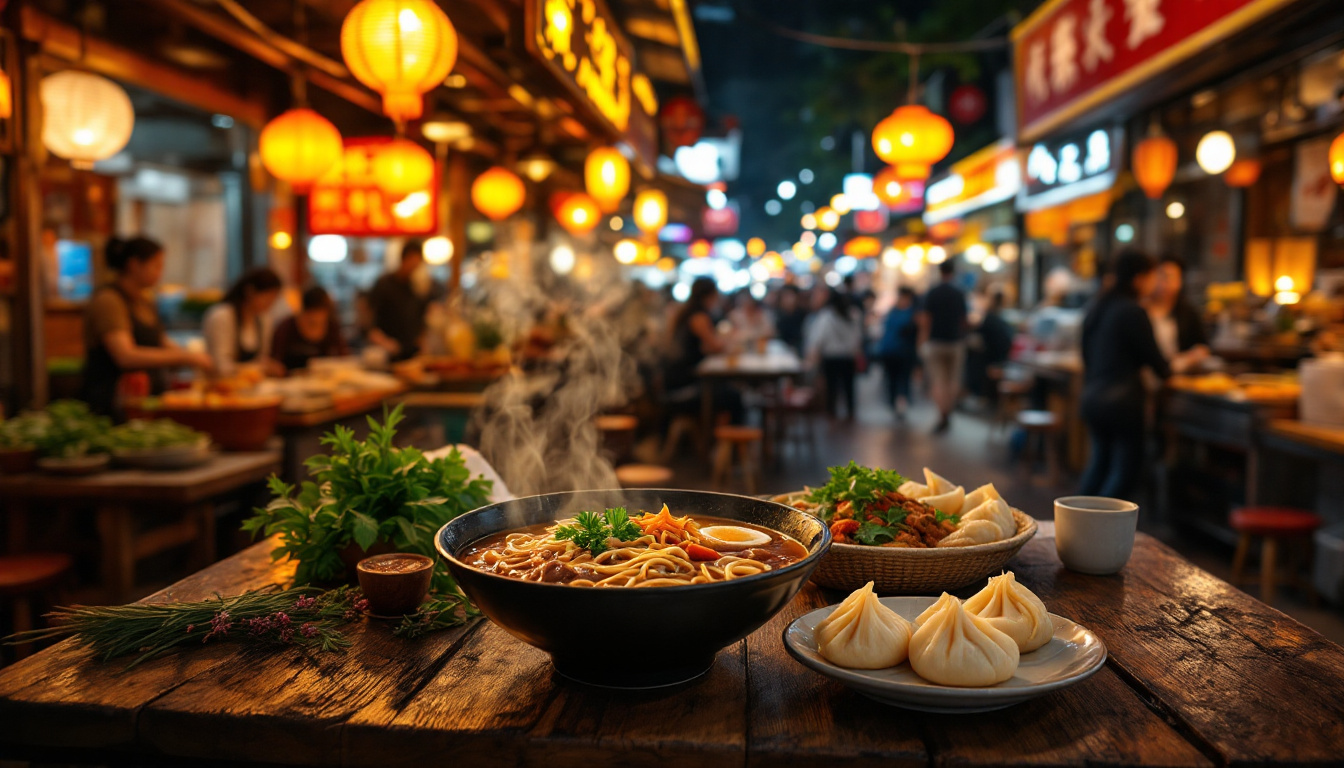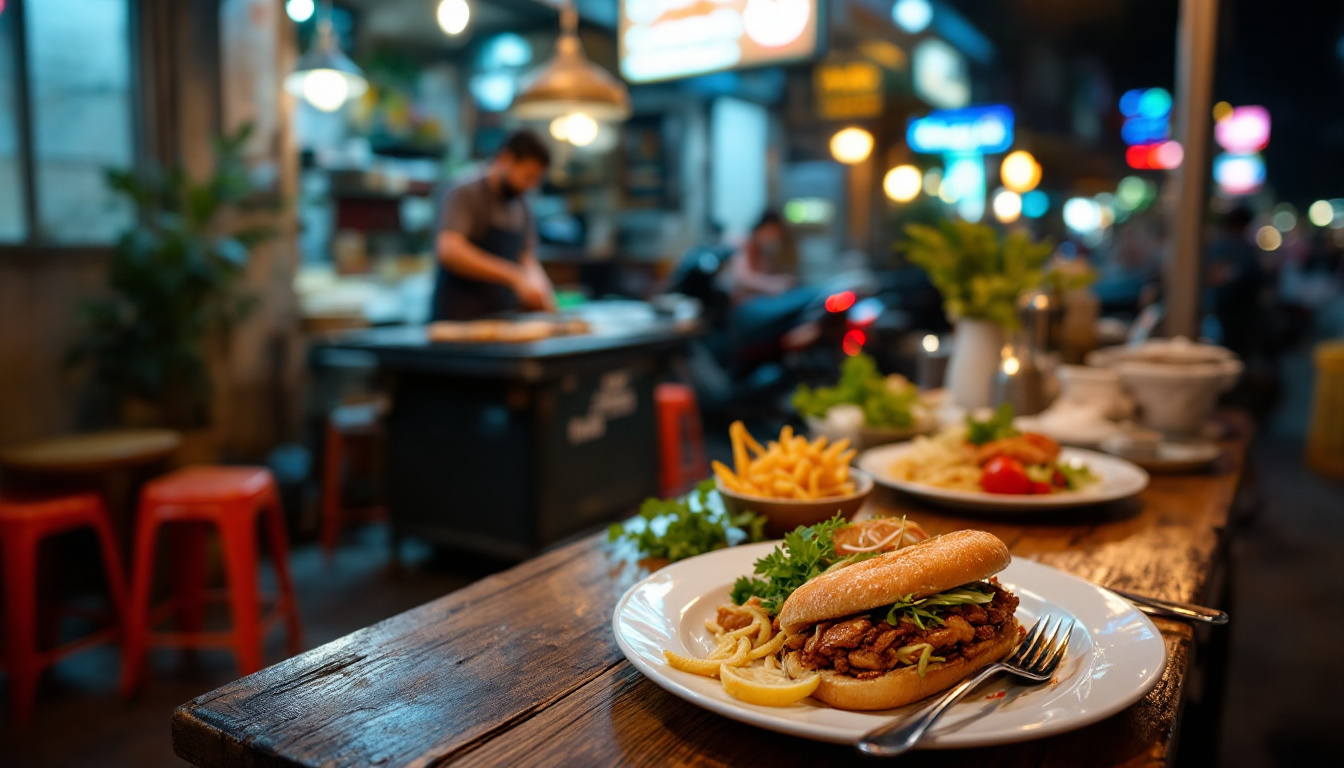
Saigon eats on the street, on plastic stools, in a roar of motorbikes, and it does it better than almost anywhere. Officially Ho Chi Minh City, this southern megacity has a sweeter, brighter, more herb-heavy take on Vietnamese food than the north, and a relentless energy that turns every curb into a kitchen. I have had a banh mi that ruined every sandwich since, a plate of com tam at a stall with a hundred stools, and an iced coffee so strong it reset my afternoon. The best food in Ho Chi Minh City is fast, fresh, cheap and eaten outdoors, the beating heart of southern Vietnamese cooking.
Why Saigon is a street food capital
Ho Chi Minh City is one of the best street food cities in the world because southern Vietnamese cooking is built for the street and the city never stops moving. The warm Mekong Delta climate gives an abundance of herbs, fruit and seafood, and the southern palate runs sweeter and brighter than the north, with more sugar, coconut and fresh herbs piled on top. French colonial history left baguettes, coffee and pate folded into the local repertoire.
The result is a city you eat with your hands on a low stool, where the best food costs a dollar or two and the variety is endless. It’s the southern counterpoint to the cleaner, subtler cooking of Hanoi in the north, and a brilliant entry to the food our Vietnam food guide covers in full. Pull up a stool and start grazing.
The dishes you have to eat in Ho Chi Minh City
Prices below are 2026 street-stall figures in Vietnamese dong; at roughly 25,000 dong to the US dollar, most dishes here land between one and three dollars, which is exactly why you can graze all day.
Banh Mi bánh mì
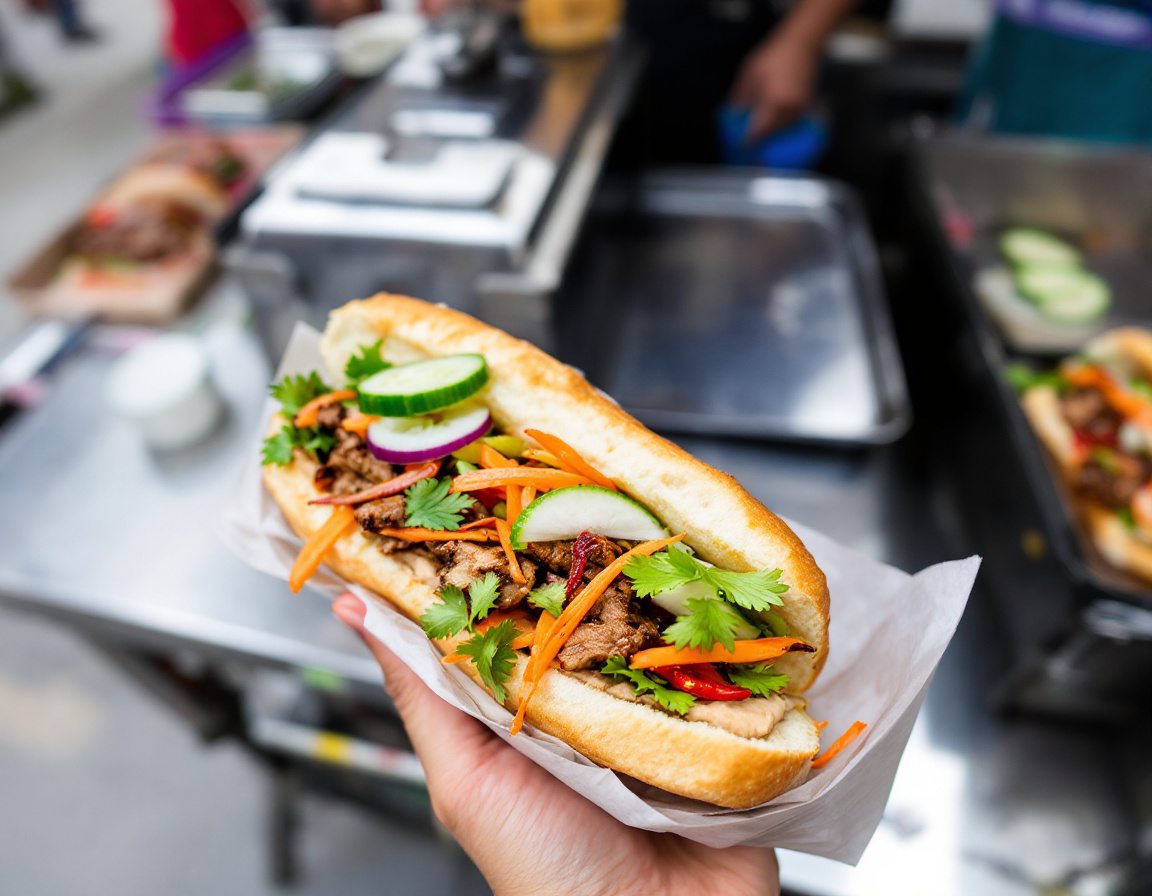
Banh mi is the greatest sandwich in the world, and Saigon makes the definitive version. A light, crackly Vietnamese baguette, lighter than a French one thanks to rice flour, is filled with pate, mayo, cold cuts or grilled pork, then loaded with pickled carrot and daikon, cucumber, cilantro, chili and a splash of soy. The contrast of crisp bread, rich meat and sharp pickle is the whole thing. The best come from humming cart stalls that sell one thing all day. Eat it fresh, within minutes.
Com Tam cơm tấm
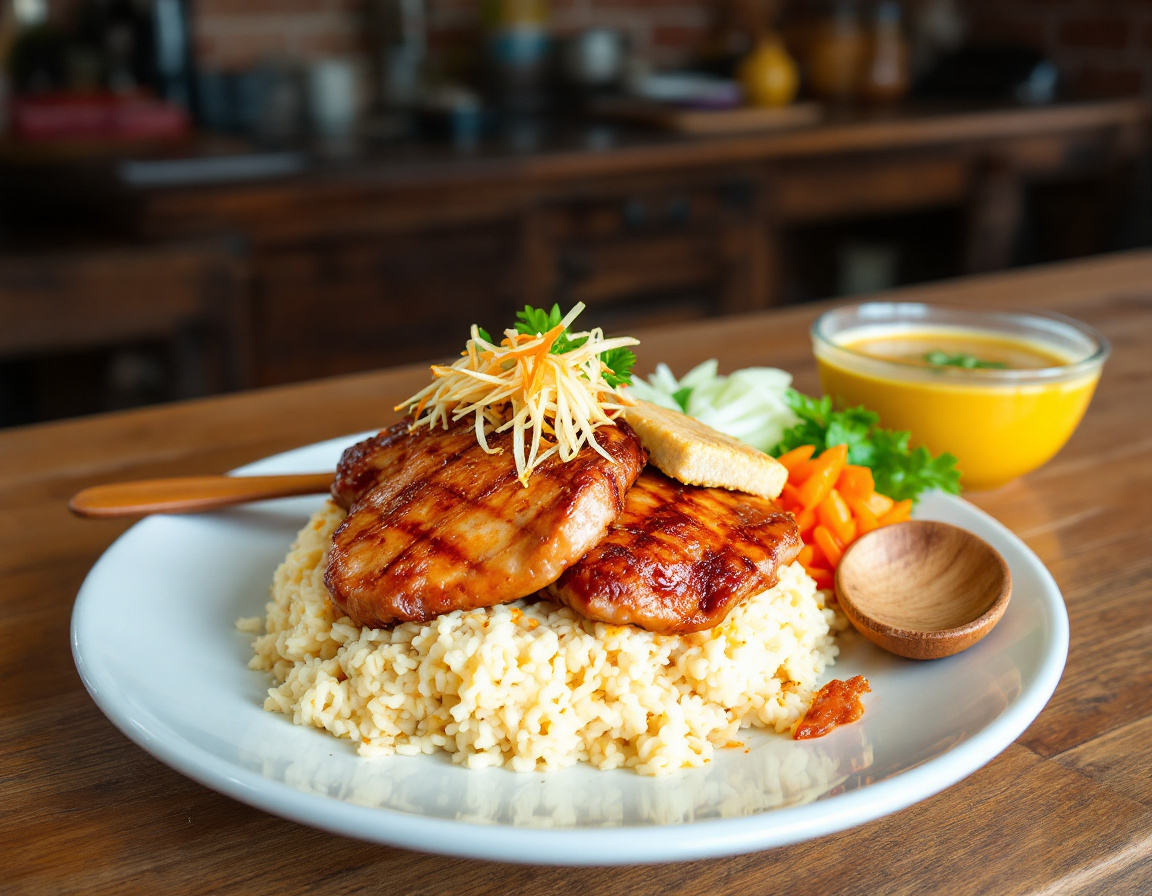
Com tam, broken rice, is the dish that says Saigon more than any other. The plate is built on fractured rice grains, once a cheap byproduct and now a beloved base, topped with a sweet, smoky grilled pork chop marinated in lemongrass and fish sauce. It comes with shredded pork skin, a savory steamed egg meatloaf, pickles, and a small bowl of nuoc cham dressing to pour over. It’s the classic Saigon breakfast and lunch, hearty and a little sweet. Find a busy local stall.
Southern Pho and Noodle Soups phở, hủ tiếu
Southern pho is a different animal from the northern original, sweeter and served with a heaping plate of herbs, bean sprouts, lime and hoisin and sriracha on the side. Beyond pho, Saigon loves hu tieu, a southern noodle soup of Chinese-Cambodian origin that can be served dry or in a clear pork-and-seafood broth. Both get eaten morning, noon and night. The herb plate is yours to customize, so pile it on. These soups are the everyday soul of the city.
Banh Xeo bánh xèo
Banh xeo, the sizzling pancake, is one of the great hands-on southern dishes. A thin rice-flour batter stained yellow with turmeric is fried crisp in a hot pan with pork, shrimp and bean sprouts, folded into a giant crackling half-moon. You tear off a piece, wrap it in lettuce and a pile of herbs, then dip it in sweet-sour nuoc cham. The crunch, the fresh herbs and the tangy dip together are addictive, and impossible to stop. Order one to share and build your own wraps.
Bun Thit Nuong bún thịt nướng
Bun thit nuong is the dish to order when the heat wins: a bowl of cool rice vermicelli piled with charcoal-grilled pork, a crisp chopped spring roll (cha gio), lettuce, cucumber, bean sprouts, pickled carrot, herbs and crushed peanuts, all brought together with a small jug of sweet-sour nuoc cham you pour over and toss yourself. It is savory, fresh, crunchy and sweet at once, eaten at room temperature rather than hot. Saigon does the southern version with a heavier hand on the herbs and peanuts. Mix it thoroughly before the first bite.
Goi Cuon gỏi cuốn
Goi cuon, fresh spring rolls, are the cool, healthy counterpoint to all the grilling. Soft rice-paper wrappers are rolled around poached shrimp and pork, vermicelli noodles, lettuce and a tangle of herbs, served cold and never fried. The classic dip is a thick peanut-hoisin sauce or nuoc cham. They are light, clean and refreshing in the Saigon heat, a perfect snack between heavier dishes. Vegetarian versions with tofu are easy to find too.
Oc ốc / quán ốc
A night at a quan oc, a snail-and-shellfish joint, is the most Saigon evening there is. You sit on tiny plastic stools around a low metal table and order plate after plate of sea snails, clams, scallops, oysters and mud crawlers, each cooked a different way: grilled over coals, stir-fried with garlic butter, tamarind, chili and lemongrass, or steamed with herbs. It is loud, social, endless and washed down with iced beer. District 4’s Vinh Khanh Street is the legendary strip, lined with quan oc that fill every night. Point at the tank, share everything, and stay late.
Ca Phe Sua Da cà phê sữa đá
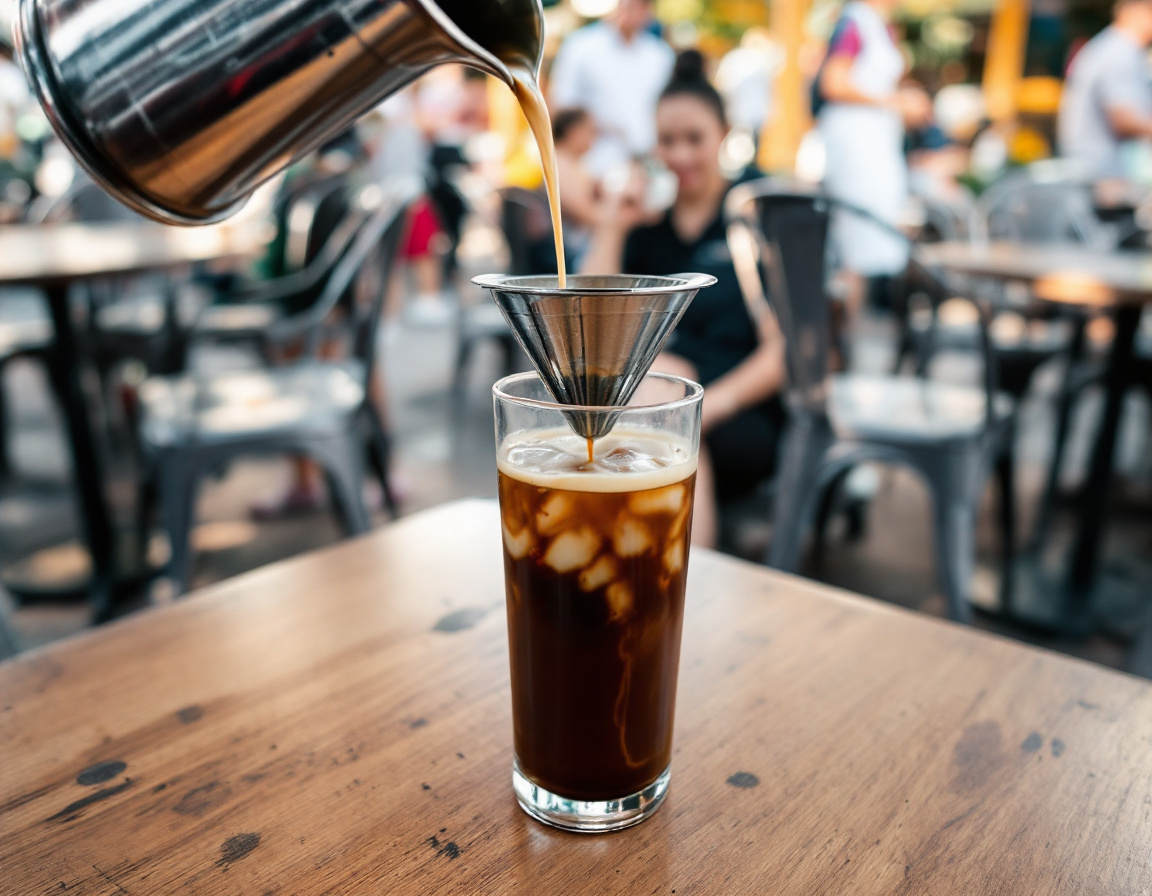
Vietnamese iced coffee is a daily ritual in Saigon, and it is unlike coffee anywhere else. Dark, strong robusta is dripped slowly through a metal phin filter over a layer of sweetened condensed milk, then stirred and poured over ice into a tall glass. The result is intense, sweet and bracing, perfect for the heat. Drink it on a low stool watching the motorbikes, or try the whipped egg coffee that came south from Hanoi. It anchors a whole guide of its own in our piece on coffee around the world.
Where to eat: markets and street stalls
The best food in Ho Chi Minh City is on the street, so the first rule is to eat where the locals sit. Ben Thanh Market in District 1 is the famous one, good for a first orientation though touristy; the surrounding lanes and the night market outside are better value. For an immersive food experience, the alleys and hems off the main streets hide some of the city’s best single-dish stalls, and District 4 is a beloved seafood and street food zone.
Cho Lon, the historic Chinatown in Districts 5 and 6, is the place for hu tieu and Chinese-Vietnamese cooking, centered on the sprawling Binh Tay Market. Wherever you are, the rule holds: a busy stall full of locals with high turnover beats a quiet restaurant every time, the principle we lay out in our guide to eating like a local. Bring small cash and an appetite.
Tips and what to know
A few practical habits make eating in Saigon smoother and safer.
- Carry small cash. Street stalls are cash only; small notes make the cheap dishes easy.
- Drink bottled or iced drinks. Bottled water and the ubiquitous iced coffee and sugarcane juice are safe; tap water is not.
- Pile on the herbs. The plate of fresh herbs and sprouts is yours to add; it is part of every southern dish.
- Eat where it is busy. High turnover means fresh food; pick the stall with the local crowd.
Saigon is good for vegetarians thanks to a strong Buddhist tradition of com chay (vegetarian food), with many dishes like goi cuon and banh xeo available meat-free. After the south, the cleaner northern cooking up in the capital is the natural next stop on a Vietnam food trip.
FAQ
What food is Ho Chi Minh City famous for?
Ho Chi Minh City, or Saigon, is famous for its street food: banh mi sandwiches, com tam (broken rice with grilled pork), southern pho and hu tieu noodle soups, banh xeo crepes, fresh spring rolls (goi cuon) and strong Vietnamese iced coffee. Southern Vietnamese cooking is sweeter and more herb-heavy than the north.
What is com tam?
Com tam, or broken rice, is the signature dish of Saigon, a plate of fractured rice grains topped with a sweet, smoky grilled pork chop, shredded pork skin, a steamed egg meatloaf and pickles, served with a small bowl of nuoc cham dressing. Once a cheap food made from broken grains, it is now a beloved breakfast and lunch.
Is Saigon food different from Hanoi food?
Yes. Southern food in Ho Chi Minh City is generally sweeter, brighter and more herb-heavy, using more sugar, coconut and fresh herbs, and comes with a big plate of greens to add yourself. Northern Hanoi cooking is cleaner, subtler and more savory. Even shared dishes like pho taste noticeably different between the two cities.
Where is the best street food in Ho Chi Minh City?
The best street food is in the alleys and side lanes off the main streets, and in areas like District 4 for seafood and Cho Lon (Chinatown, Districts 5 and 6) for hu tieu. Ben Thanh Market and its night market are a good first stop, though touristy. Look for busy single-dish stalls full of locals.
Is street food in Saigon safe to eat?
Yes, Saigon street food is generally very safe if you choose busy stalls with high turnover where food is cooked or assembled fresh in front of you. Drink bottled water and stick to the popular iced coffee and bottled or canned drinks rather than tap water, and you will rarely have a problem.
More food guides waiting for you
City and country deep dives across Asia and every continent we have eaten our way through.