Barley rusks piled with tomato and myzithra, lamb roasted upright around an open fire, little cheese pies with thyme honey, and a free shot of raki to finish: a guide to the food of Crete, the island that gave the world the Mediterranean diet.
The meal that converted me to Crete ended, like every meal there, with a free shot of raki and a wedge of sfakianopita dripping honey, set down by a taverna owner who refused to take money for either. The best food in Crete is its own thing, distinct from the Greek food you think you know, and it may be the healthiest great cuisine on Earth. This is the island that gave the Mediterranean diet its name, where olive oil is poured like water, wild greens are foraged from the hills, and a meal almost always ends with a free shot of fiery raki and something sweet. Cretans eat seasonally, simply, and generously, and the result is food that is rustic, deeply flavored, and tied to one of the longest-living populations in the world.
Why Crete has its own food culture
Crete has its own food culture because the island has eaten the same way for millennia, and that way became the template for the Mediterranean diet. Researchers studying Cretan longevity in the mid-20th century found a population thriving on olive oil, wild greens, barley, legumes, cheese, fruit, and only small amounts of meat and fish. That is still how the island eats. It is part of the wider world of Greek food, but Crete is distinct enough to stand on its own.
The differences are real: barley rusks (paximadi) instead of bread, an obsession with wild greens (horta and the prized stamnagathi), local cheeses like graviera and myzithra, and the clear grape spirit raki rather than ouzo. Above all, there is filoxenia, the deep tradition of hospitality, which is why the raki and a sweet usually arrive free at the end of a meal. This guide runs through the dishes that define the island, then breaks Crete down region by region. It is one of Europe’s great food regions.
The best food in Crete, dish by dish
These are the 13 dishes I tell every visitor to seek out, the most popular and typical food to eat in Crete, with a rough 2026 price and what makes each matter. Prices are in euros and reflect a taverna or market meal.
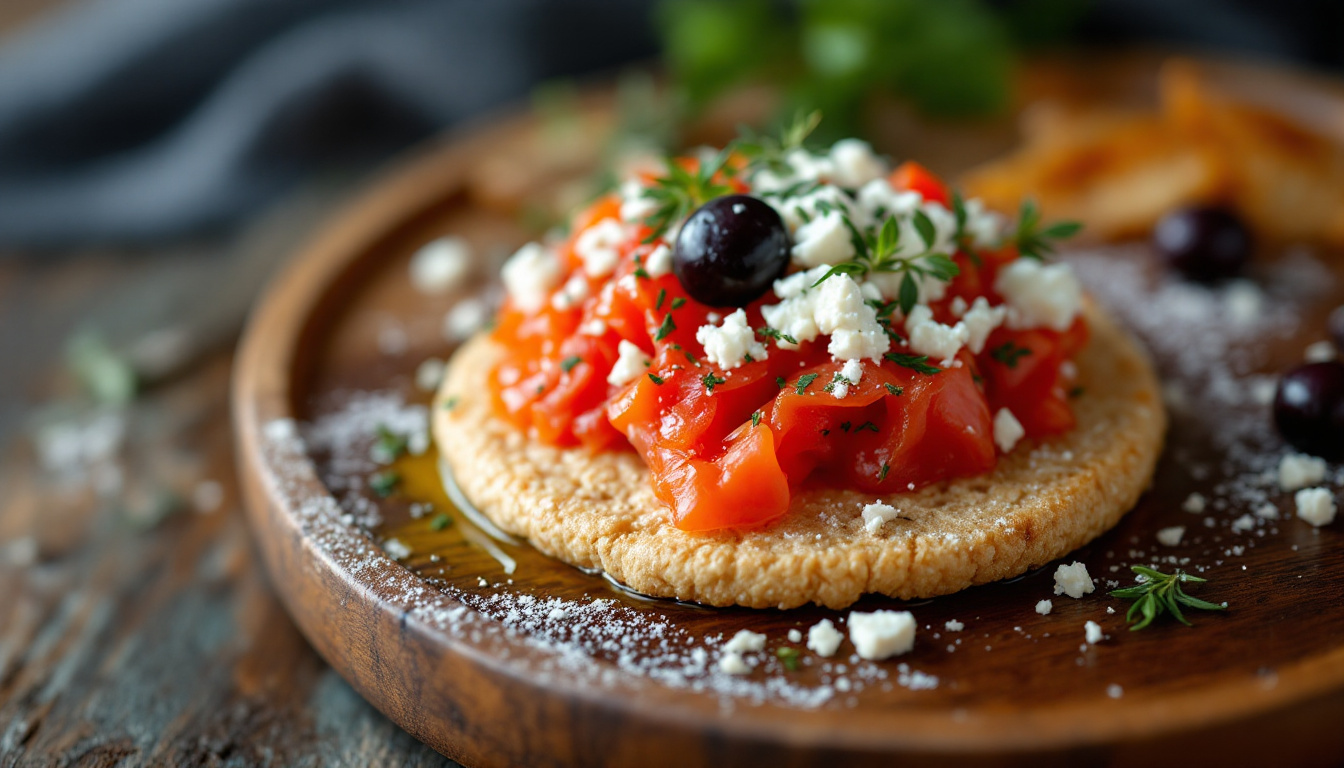
Dakos
Dakos is the defining Cretan meze, a hard barley rusk (paximadi) softened with grated ripe tomato and good olive oil, then topped with crumbled myzithra or feta and a dusting of oregano. Simple, fresh, and built on three superb ingredients, it is the taste of a Cretan summer and proof that the island’s food is about quality, not complexity. Sometimes called “Cretan salad” or “the poor man’s salad,” it is anything but poor when the tomatoes and oil are this good. Order it everywhere.
Antikristo and ofto
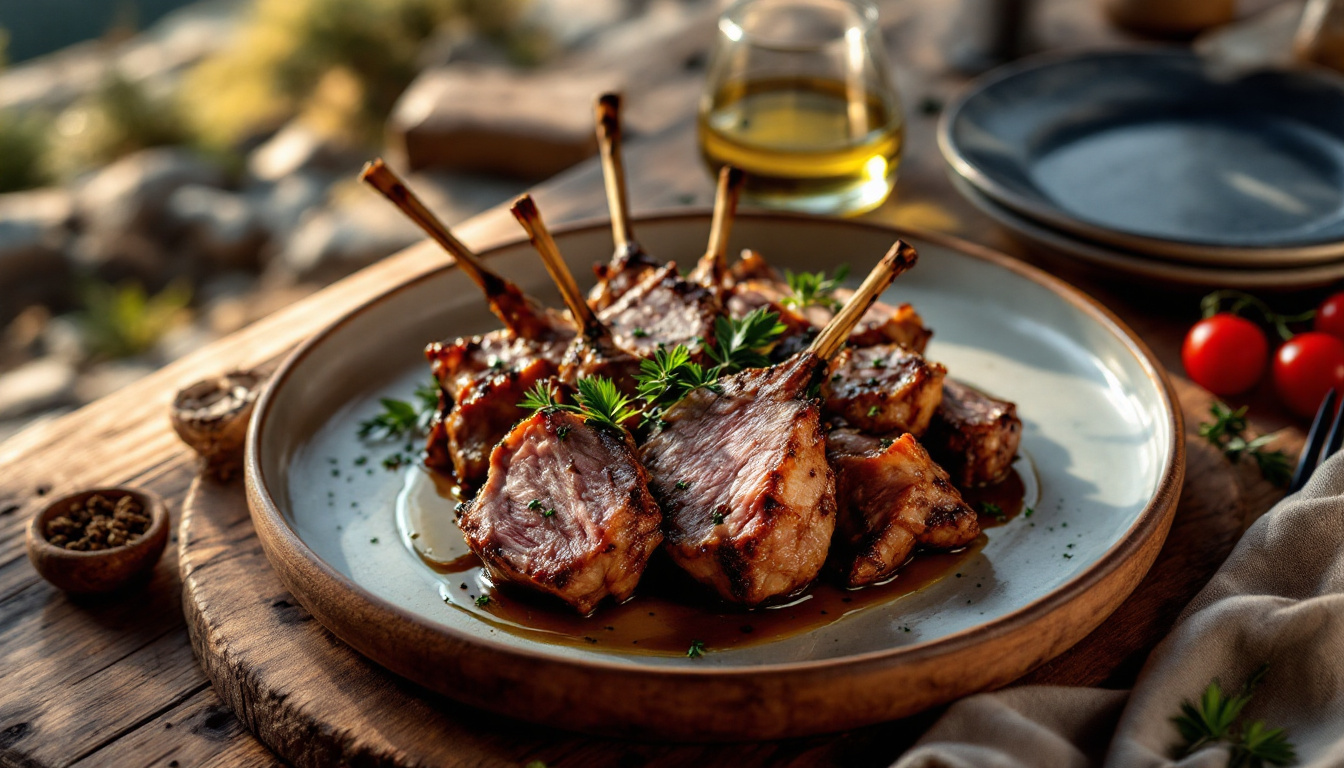
Antikristo is lamb or goat cut into pieces, salted, and arranged on wooden skewers planted upright around an open fire, then slow-roasted for hours, sometimes up to six. The name means “across the fire,” describing the ancient shepherds’ technique. The meat ends up smoky, tender, and crisp-edged, seasoned with nothing but salt and wood smoke. It is the great celebration meat of the Cretan mountains, and eating it at a village feast or a taverna that still cooks it the old way is unforgettable.
Kalitsounia
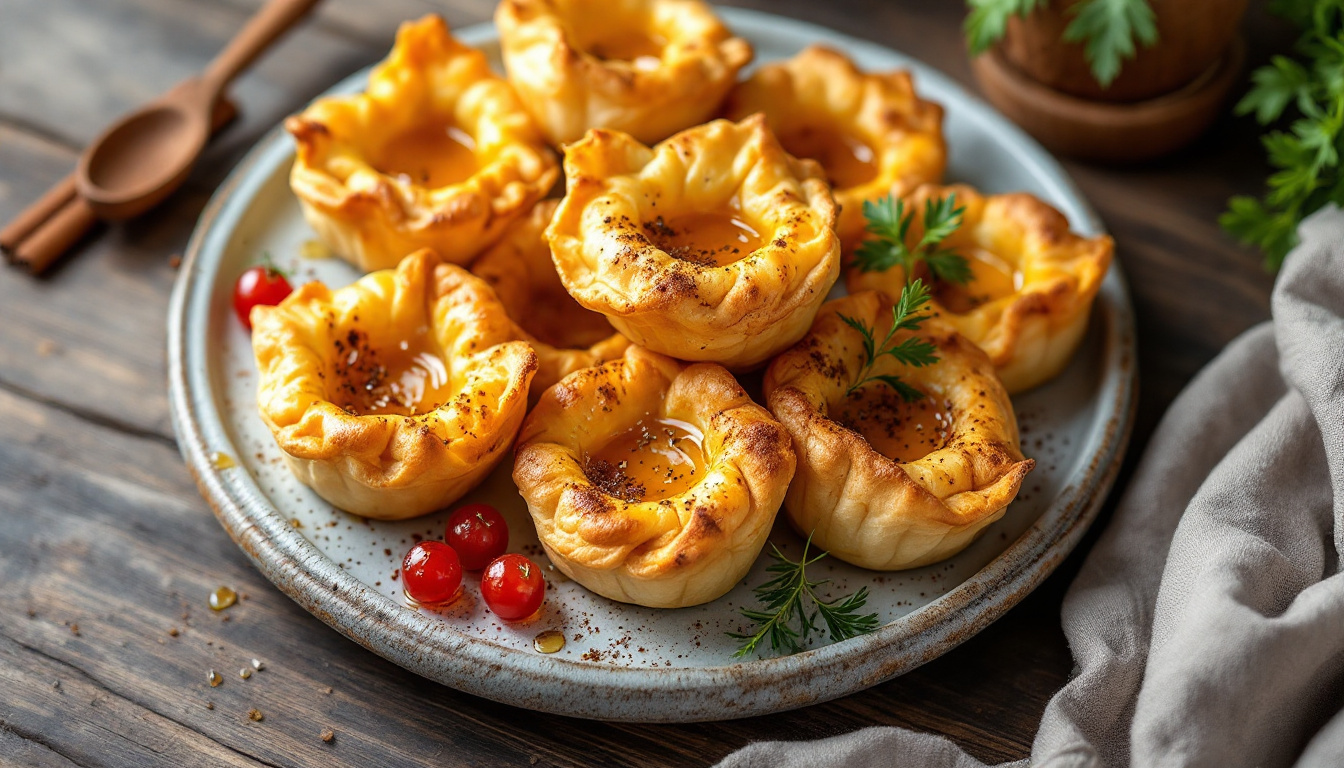
Kalitsounia are small Cretan pies that come in countless shapes, both savory and sweet, and they are the island’s beloved everyday snack. The classic is filled with fresh myzithra cheese, sometimes mixed with wild herbs (these are the savory ones, often called hortopita when greens-filled), while the sweet versions are drizzled with honey and cinnamon. Hand-pinched and baked or fried, they are sold at bakeries and made in every home. A bag of them is the perfect thing to graze on.
Sfakianopita
Sfakianopita is a thin, pan-fried pie from the Sfakia region, layers of unleavened dough wrapped around soft white whey cheese and cooked until golden, then drizzled with Cretan thyme honey. The contrast of the faintly tangy cheese and the floral honey is sublime, and it is eaten as a sweet breakfast or a snack with coffee or raki. It looks simple, almost like a crepe, but making the paper-thin dough is a real skill. Seek it out in the Chania region and the mountains.
Chochlioi boubouristi
Chochlioi boubouristi are the famous Cretan snails, fried face-down in olive oil over high heat (boubouristi means “face down”), then finished with rosemary and a splash of vinegar or wine. Snails have been eaten on Crete since antiquity, gathered after the rains, and they are a true island delicacy rather than a novelty. The flavor is earthy and herby, and you pick the meat out with a toothpick or fork. Order them as a meze with raki for the most authentic Cretan experience there is.
Cretan cheeses
Crete is a serious cheese island, and its dairy is central to the cuisine. Graviera is the flagship, a hard, nutty, slightly sweet cheese made from sheep’s milk and aged in mountain dairies, superb grated or eaten in chunks. A must-order is saganaki, a thick slice of graviera or kefalotyri floured and pan-fried in olive oil until golden and bubbling, brought sizzling to the table with a squeeze of lemon. Myzithra is the soft, fresh whey cheese that fills kalitsounia and tops dakos, while anthotyros and the sour xinomyzithra add tang. Cretans eat cheese at every meal, and the village dairies and market stalls are the place to taste it at its best.
Gamopilafo
Gamopilafo is the famous Cretan “wedding rice,” rice slow-cooked in a rich meat broth (goat, lamb, and chicken) until creamy, then finished with staka, a tangy clarified butter made from milk skin. The result is unctuous, savory, and deeply comforting, traditionally cooked in huge cauldrons for village weddings and feasts. Despite its simple look, the depth of the broth and the staka make it special. It is the dish of Cretan celebration, and a few tavernas serve a proper version year-round.
Kleftiko
Kleftiko is lamb or goat cooked the bandit way, sealed with garlic, lemon, oregano and olive oil and baked slow for hours until it falls off the bone. The name comes from the klephts, the mountain outlaws who supposedly stole a sheep and cooked it in a covered pit so no smoke would give them away, and the modern version keeps that logic, wrapped in paper or sealed in a clay pot so nothing escapes. It arrives meltingly soft, fatty and fragrant, usually on a bed of potatoes that have soaked up the juices. Order it in a mountain taverna and go slow.
Stifado
Stifado is the great Cretan braise: meat (rabbit, beef, or in the villages snail) stewed low and slow with a mound of small sweet onions, tomato, vinegar or red wine, and warm spices like cinnamon and clove. The onions cook down until they are as important as the meat, and the sauce turns dark, sweet and sour at once. Rabbit stifado (kouneli stifado) is the classic, a hearty cold-weather dish that tastes of a Cretan grandmother’s kitchen. Mop the sauce with bread and finish the raki.
Chaniotiko boureki
Boureki is the summer dish of Chania, a baked layer of thinly sliced zucchini and potato with fresh myzithra cheese and mint, bound lightly and baked until the top browns. Some versions wrap it in filo, many skip the pastry entirely and let the vegetables set into a soft, savory cake. It is light, herby and vegetarian, exactly the kind of thing you want at lunch after a morning on a west-Crete beach. Best in high summer when the zucchini is at its sweetest.
Apaki
Apaki is Cretan smoked pork, lean cuts marinated in vinegar and then smoked over aromatic herbs and woods like sage, thyme, and cypress, a preservation method going back centuries. Sliced thin, it is intensely aromatic and a little tangy, eaten as a meze, in omelettes, or with pasta. It is the island’s answer to the cured meats of the wider Mediterranean, and a great thing to order alongside cheese, olives, and raki for a classic Cretan spread.

Bougatsa
Bougatsa is a breakfast pastry of crisp phyllo, and the Cretan version is special: filled with fresh, slightly sour myzithra cheese rather than the sweet custard found elsewhere in Greece. Served warm, cut into pieces, and dusted with sugar or eaten plain, it is the classic morning food of Chania and Heraklion. The shops that make it are institutions, frying or baking the phyllo to order. A warm bougatsa and a Greek coffee is the perfect Cretan start to the day.
Horta, stamnagathi and fava
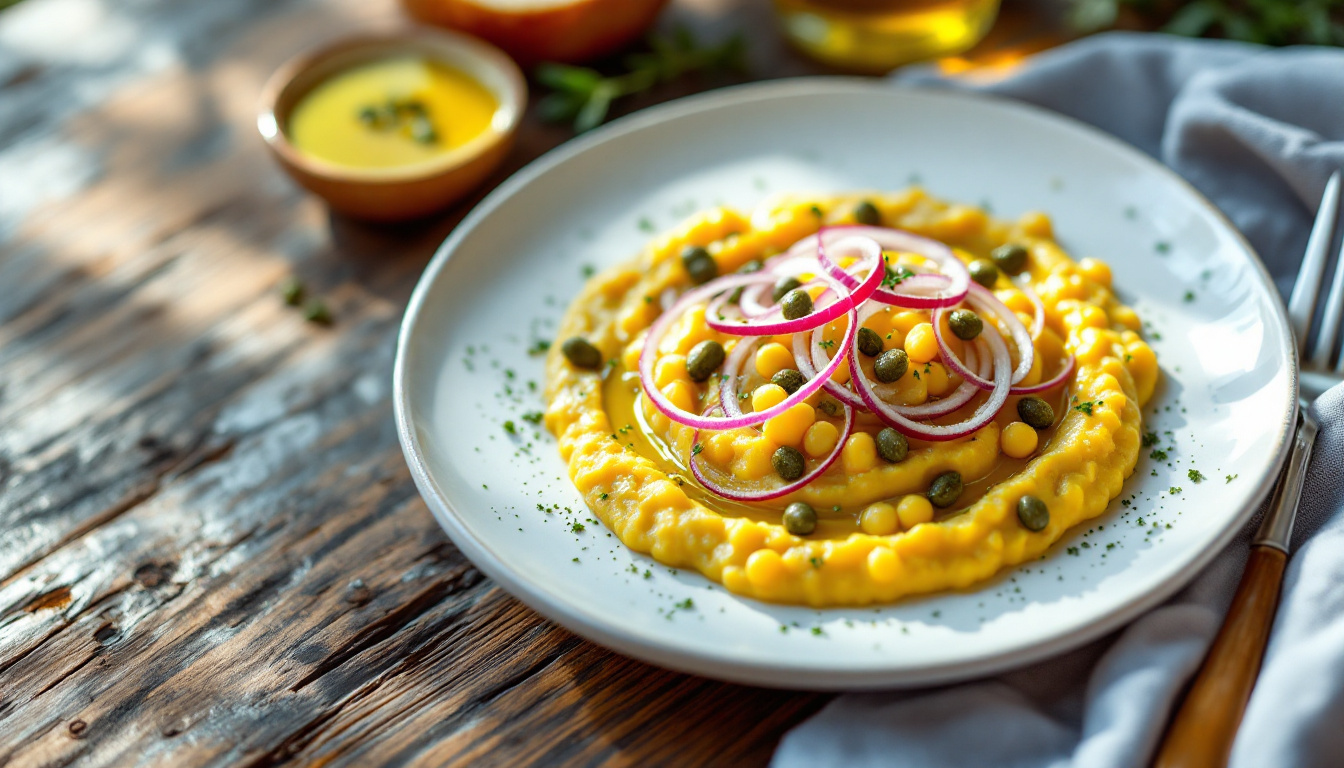
Horta, wild greens boiled and dressed simply with olive oil and lemon, are the green heart of the Cretan diet, foraged from the hillsides through the seasons. The prized variety is stamnagathi, a slightly bitter, crunchy wild chicory that is a true island specialty, served boiled or in salads and sometimes paired with snails or fish. Alongside the greens, almost every taverna serves fava, a silky purée of yellow split peas cooked down with olive oil and topped with raw onion, capers, and a swirl more oil, scooped up with bread as a meze. Cheap, healthy, and central to the longevity of Cretans, horta and fava are exactly the kind of food that made the island’s diet famous.
Fresh fish and seafood
Crete’s long coastline delivers excellent fish and seafood, grilled whole and dressed with just olive oil, lemon, and oregano (ladolemono). Look for fresh catch like red mullet, sea bream, and sardines, plus grilled octopus, fried small fish (marides), and sea urchins in season. Eat it at a harborside taverna where the day’s catch is on display and priced by weight. Simple and unfussy, Cretan seafood is about freshness, the same philosophy that runs through the whole cuisine.
Loukoumades and honey sweets
Cretan desserts lean on honey, nuts, and the island’s superb thyme honey rather than heavy creams. Loukoumades, little fried dough balls soaked in honey syrup and cinnamon, are the classic, often served free at the end of a meal alongside the raki. Around them sit sweet kalitsounia, xerotigana (fried pastry ribbons in honey, a wedding sweet), and yogurt with honey and walnuts. The Cretan sweet tooth is real but restrained, and the honey here, scented with wild mountain herbs, is exceptional.
Crete region by region
Crete is a big island, and its food shifts from the harbor towns to the mountains to the coast. Knowing the areas helps you plan where to eat what. Here is the map.
Chania, with its beautiful Venetian harbor, is the island’s food capital. The covered municipal market (the agora) is the place to taste cheeses, apaki, olives, honey, and raki, and the old town’s tavernas serve dakos, snails, and the famous Chania bougatsa. The surrounding west, including Sfakia, brings sfakianopita and mountain antikristo. It is the best base for a Cretan food trip.
Heraklion, the island’s capital, has a buzzing food scene anchored by its central market street and a new wave of restaurants reinventing Cretan classics. This is bougatsa territory too, and the gateway to the wine country of the central hills and the Lasithi plateau. The city mixes traditional tavernas with modern Cretan cooking, making it a strong second base alongside Chania.
The mountainous south, above all Sfakia, is the heartland of the most traditional Cretan food: antikristo lamb roasted around the fire, sfakianopita with thyme honey, fresh mountain cheeses, and the strongest hospitality on the island. This is shepherd country, where meat, dairy, and wild greens dominate and raki flows. Eating at a mountain village taverna is the most authentic Cretan meal you can have.
Around the coast and the countless inland villages, the food is about the day’s catch and the season’s produce: grilled fish at harbor tavernas, horta and stamnagathi from the hills, sun-ripened tomatoes, olives, and oil from family groves. The village kafeneion and taverna, where the owner grows half of what is on the plate, is where Cretan food is at its purest and cheapest.
Where to eat: tavernas, markets and mountain villages
The best food in Crete is found at family tavernas, the town markets, and mountain villages, not the beach-strip tourist spots. Each has its role, and the rule is to follow the locals and the home cooking. Here is where to go.
- Family tavernas, ideally inland or in villages, where the owner grows or rears much of the menu and the raki is homemade. The best Cretan meals happen here.
- The Chania market (agora), the covered market for cheese, apaki, olives, honey, herbs, and a glass of raki, plus the central market street in Heraklion.
- Mountain villages, especially in Sfakia and the highlands, for antikristo cooked over fire, sfakianopita, and serious hospitality.
- Harbor tavernas, for fresh fish and seafood priced by weight, with the catch on display.
- Bougatsa shops and bakeries, the old institutions in Chania and Heraklion for a warm myzithra bougatsa and kalitsounia.
What to drink in Crete
The drink of Crete is raki (also called tsikoudia), a clear, strong spirit distilled from grape pomace, and it is inseparable from the island’s hospitality. It is poured at the end of almost every meal, usually for free, and offered as a welcome in homes and shops; refusing is nearly impossible and not advised. Beyond it, Crete makes excellent wine from ancient native grapes like Vidiano, Liatiko, and Kotsifali, and the island’s olive oil and thyme honey are products worth seeking out and taking home. Greek coffee, fresh juices, and herbal mountain teas (like Cretan dittany) round out the table.
- Meals are shared, meze-style; order several plates for the table rather than individual mains.
- The free raki and sweet at the end are filoxenia (hospitality); accept them, and a relaxed pace is expected.
- Tipping is modest, around 5 to 10 percent or rounding up; it is appreciated but not obligatory.
- Vegetarians eat exceptionally well: dakos, horta, kalitsounia, cheeses, beans, stuffed vegetables, and the whole wild-greens tradition.
- Olive oil is the signature ingredient, not a garnish; expect it generously on almost everything.
Frequently asked questions
What is the Cretan diet?
The Cretan diet is the traditional way of eating on Crete that became the model for the Mediterranean diet. It is built on olive oil, wild greens, barley, legumes, fruit, and cheese, with only small amounts of meat and fish, all seasonal and minimally processed. Studies of Cretan longevity in the 20th century made it famous, and the island still largely eats this way.
What is the most popular Cretan food?
The most popular and typical Cretan food is dakos, the barley rusk piled with grated tomato, myzithra cheese, and olive oil. After it, the dishes most associated with the island are antikristo (lamb roasted upright around an open fire), kalitsounia and sfakianopita cheese pies, fava, fried saganaki, the famous chochlioi (snails), and plates of wild horta greens. Almost every meal ends with a free shot of raki and something sweet like loukoumades with honey.
What is dakos?
Dakos is the classic Cretan meze: a hard barley rusk (paximadi) softened with grated ripe tomato and olive oil, then topped with crumbled myzithra or feta and oregano. Sometimes called the Cretan salad, it relies entirely on the quality of the tomatoes, oil, and cheese. It is fresh, simple, vegetarian, and on every taverna menu on the island.
Is Cretan food different from Greek food?
Yes, Crete has a distinct food culture within Greece. It uses barley rusks instead of bread, has an obsession with wild greens (especially stamnagathi), its own cheeses like graviera and myzithra, dishes like dakos, antikristo, and sfakianopita, and drinks raki rather than ouzo. It is the island most associated with the original Mediterranean diet and is widely considered one of the healthiest cuisines in the world.
What is raki (tsikoudia)?
Raki, or tsikoudia, is the traditional Cretan spirit, a clear, strong drink distilled from grape pomace, similar to Italian grappa. It is central to Cretan hospitality and is poured for free at the end of almost every meal and offered as a welcome. It is not the same as Turkish raki, which is anise-flavored; the Cretan version is unflavored.
Which part of Crete is best for food?
Chania, in the west, is the island’s food capital, with its Venetian harbor, the covered market (agora), and excellent tavernas, plus nearby Sfakia for antikristo and sfakianopita. Heraklion, the capital, is a strong second base with a lively market and modern Cretan restaurants. For the most authentic food, head into the mountain villages.
Can vegetarians eat well in Crete?
Vegetarians eat exceptionally well in Crete, since the traditional diet is largely plant-based. Dakos, horta and stamnagathi (wild greens), kalitsounia, fresh cheeses, beans, stuffed vegetables (gemista), and the abundant tomatoes, olives, and oil make it one of the easiest places in Europe to eat meat-free. The island’s Lenten fasting tradition also means many naturally vegan dishes.
More food guides waiting for you
Browse our complete collection of European food guides.