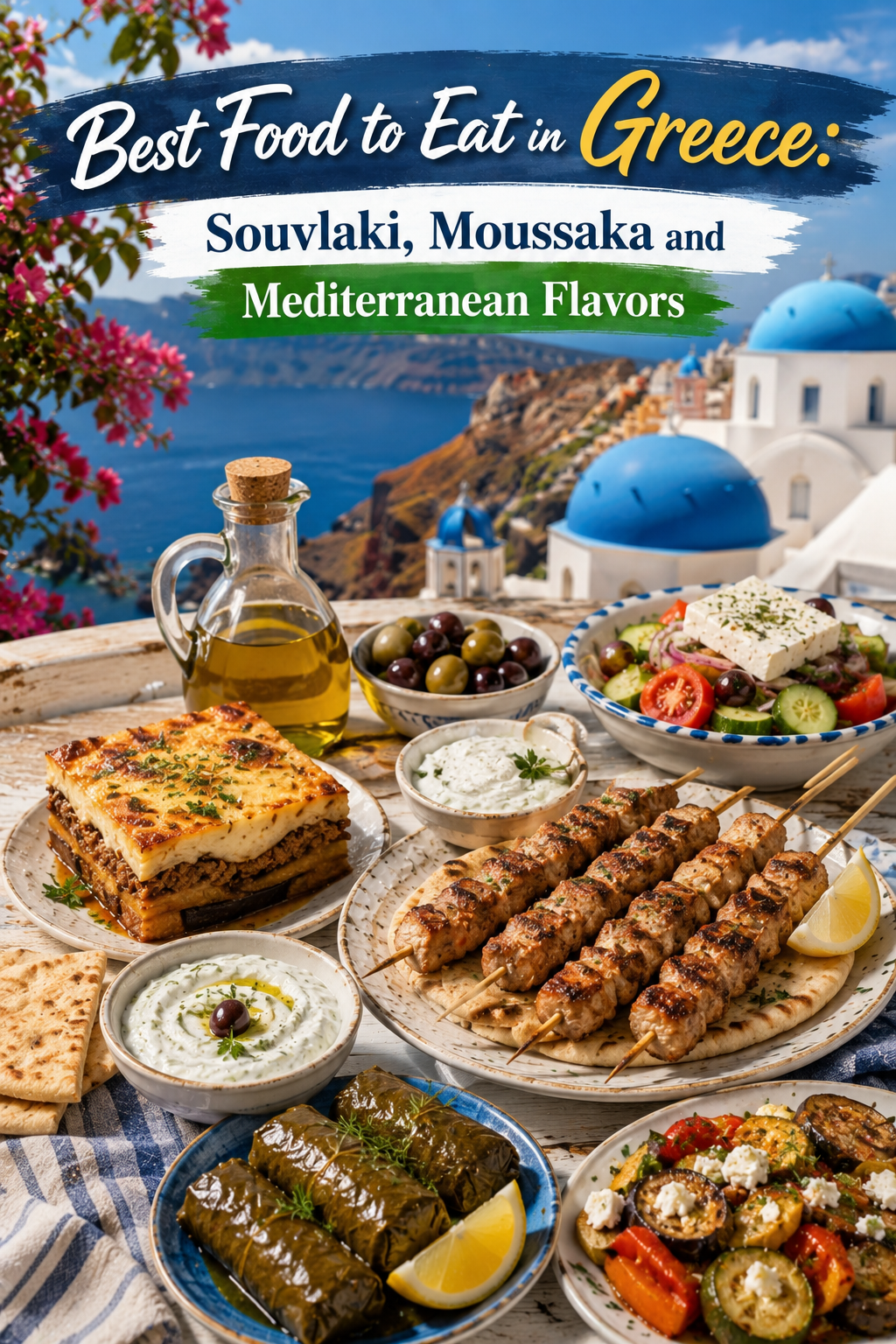
The best food to eat in Greece is simple, generous, and built on extraordinary ingredients. Greek food is 3,000 years of Mediterranean tradition distilled into olive oil, feta, grilled meat, and the view of an impossibly blue sea. It is the original farm-to-table cooking and the birthplace of the Mediterranean diet, and it runs on honesty rather than technique: the freshest tomato, the greenest oil, oregano from the hillside, and a slab of feta good enough to rethink everything you knew about cheese.
The best meal I had in Greece cost fifteen euros: a whole fish caught that morning, grilled at a Cycladic taverna, dressed with nothing but lemon and oil, eaten as the sun dropped into the Aegean. That is the peak of the best food to eat in Greece, and it is gloriously cheap. Greek cooking does not have the precision of France or the pasta obsession of Italy. What it has is ingredients that do not need help, and a table where nobody leaves hungry or without a second helping they did not ask for.
This guide covers the mainland and the islands, 20-plus must-try dishes, the taverna and mezedes culture, prices, and the seasonal rhythms that shape it all. Greece is one of nine countries in our guide to the best food in Europe.
Souvlaki and gyros: Greece’s everyday food
Souvlaki is what Greeks eat more than anything else: fast, cheap, satisfying, available at every corner from morning to past midnight. The word means “little skewer,” but in practice it covers the whole universe of grilled-meat-in-pita that fuels Greek daily life. Athens does it best, covered in depth in our Athens food guide.
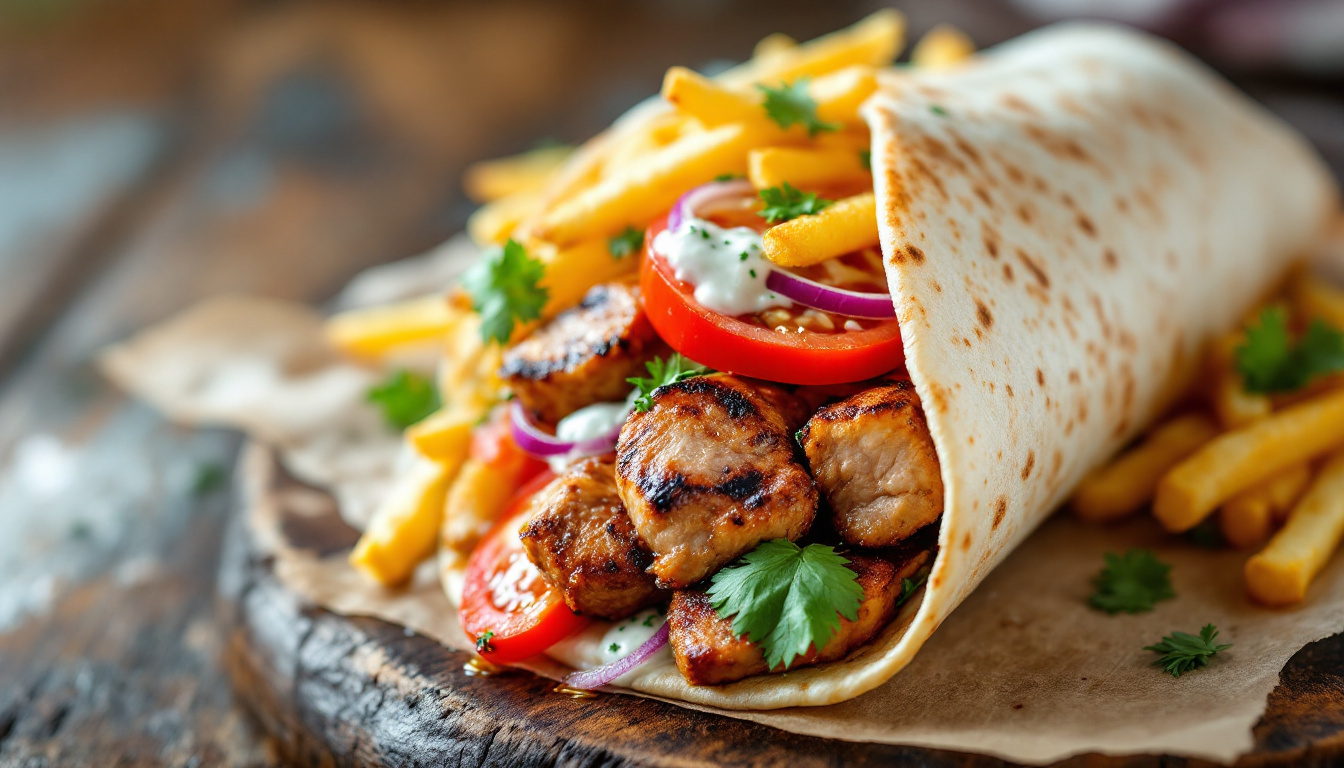
Souvlaki Pita Souvlaki
Cubes of pork or chicken grilled over charcoal, stripped off the skewer, and wrapped in a warm, lightly grilled pita with tomato, red onion, tzatziki, and, crucially, French fries inside the wrap. The fries inside are non-negotiable in Greece. You eat it standing, walking, or on a park bench, a complete meal for €3 to 5.
Kostas in Monastiraki (a tiny stall since the 1950s) and O Thanasis are Athens legends. The best souvlaki joints have queues at midnight on a Tuesday.
Gyros Gyros
Pork or chicken stacked on a vertical rotisserie, slowly turning, carved in thin slices as the outer layer crisps, then served in pita with the same accompaniments as souvlaki. The difference: souvlaki is cubed meat on a skewer, gyros is carved rotisserie meat. Most Greeks rate souvlaki slightly higher for being fresh off the grill, but the gyros-versus-souvlaki debate is one of Greece’s favorite arguments.
€3 to 5 for a pita. Skip the tourist-area shops with photo menus and find the counter with a queue of locals.
Mezedes: the Greek art of small plates and shared eating
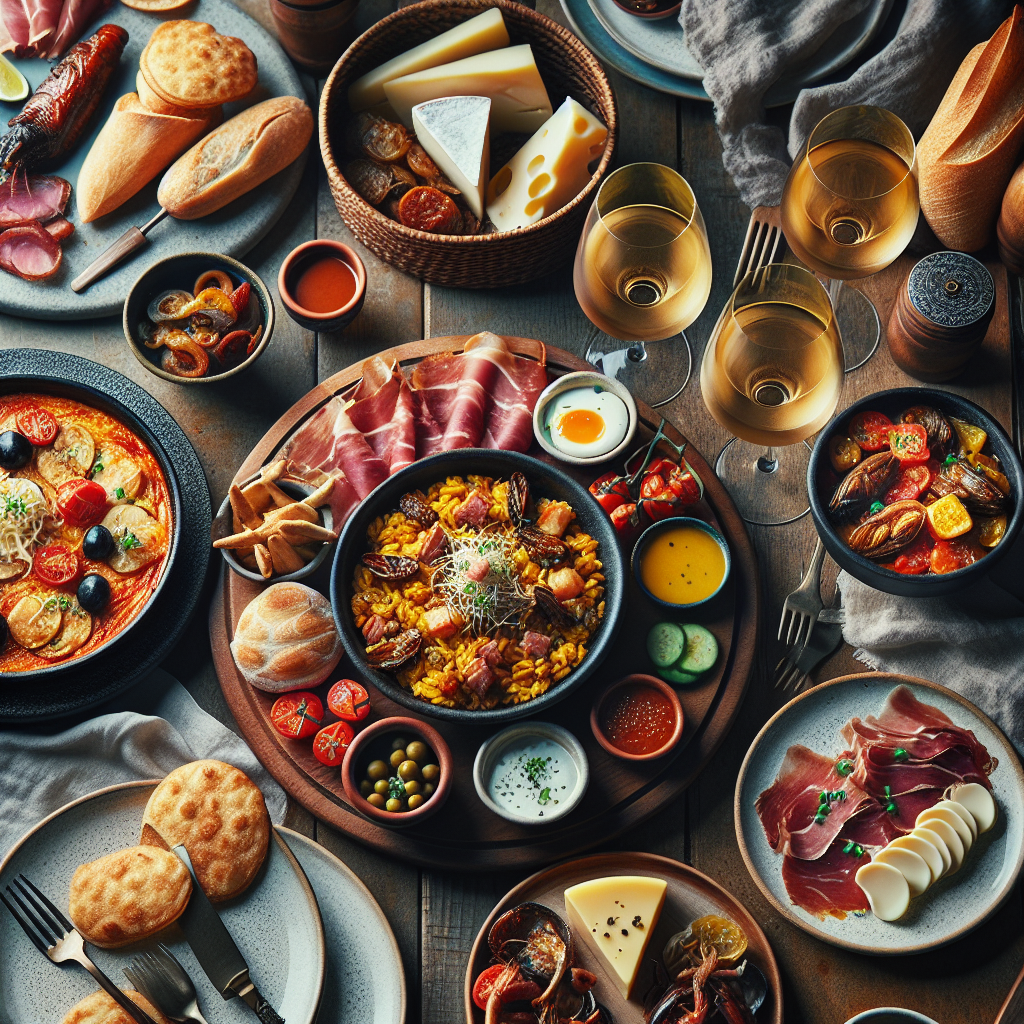
Mezedes are small shared plates served before or alongside the main, usually with ouzo, wine, or tsipouro. A mezedes dinner is one of Europe’s great eating experiences: order 6 to 10 plates for the table, share everything, let the dishes arrive in no order, and stretch the meal for hours. The waiter never brings the bill until you ask.
- Tzatziki. Thick strained yogurt with grated cucumber, garlic, olive oil, and dill, as a dip or a sauce for grilled meat. €3 to 5.
- Saganaki. A slab of graviera or kefalograviera pan-fried until golden-crusted and melting, with a squeeze of lemon. The starter that vanishes fastest. €5 to 8.
- Dolmades. Vine leaves stuffed with herbed rice (and sometimes mince), simmered in lemon and oil; the meatless version is a great Lenten dish. The same idea wraps up all over the Balkans, where Romania turns it into the cabbage-rolled sarmale you find on every festive table. €5 to 7.
- Taramosalata. A pale, creamy fish-roe dip with bread or potato, lemon, and oil. Seek the subtle, briny version, not the electric-pink one. €4 to 6.
- Fava. A puree of yellow split peas topped with raw onion, capers, and oil; Santorini’s is the benchmark and one of the best vegan dishes in the Mediterranean. €4 to 6.
- Horta and kolokithokeftedes. Boiled wild greens dressed with oil and lemon, and crispy zucchini-feta fritters with mint and dill, a Cretan favorite gone nationwide. €4 to 7.
- Fried calamari. Flour-dusted squid rings fried crisp, tender inside, with lemon, at every seaside taverna. €6 to 9.
- Spanakopita and tiropita. Flaky phyllo pies filled with spinach and feta, or just feta and egg, cut into golden triangles. A bakery and taverna staple eaten any time of day. €3 to 6.
Greek main dishes: moussaka, kleftiko and the oven tradition
Greek mains split into grilled meats and fish, and oven-baked dishes (ta mageirefta). The oven tradition is where Greek home cooking lives: slow-roasted lamb, baked pastas, stuffed vegetables, and casseroles that simmer for hours.
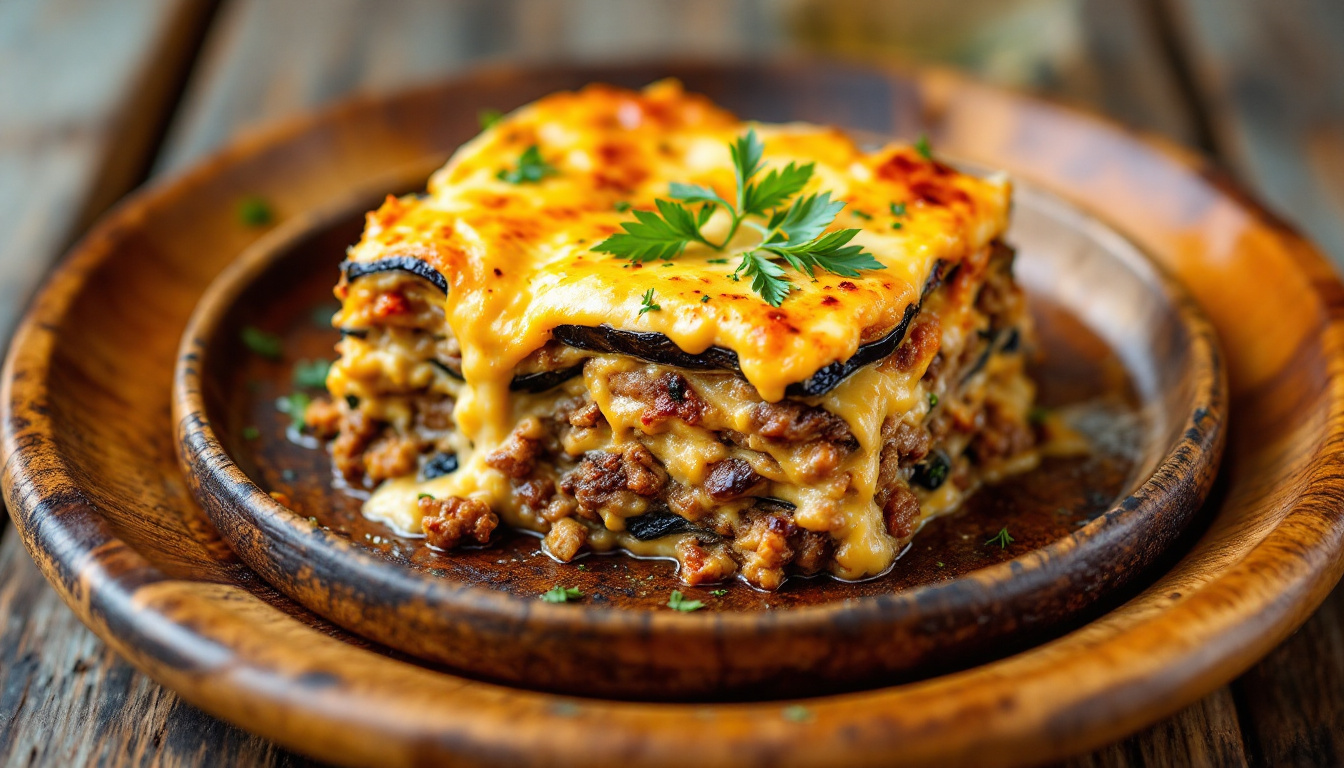
Moussaka Moussakas
Layers of fried eggplant, spiced minced lamb (with cinnamon, allspice, and tomato), and a thick bechamel top, baked until golden and bubbly. It is Greece’s most famous casserole and the dish most travelers try first. A good moussaka is rich but not heavy, the eggplant soft, the bechamel creamy rather than gluey.
€8 to 14. A traditional taverna version is far better than the reheated hotel-buffet kind.
Kleftiko Kleftiko (slow-roasted lamb)
Lamb shoulder or leg seasoned with garlic, lemon, and oregano, wrapped in parchment (traditionally sealed in a clay oven with dough) and slow-roasted 4 to 6 hours until the meat falls off the bone. The name means “stolen,” from the klepht bandits who supposedly cooked lamb in sealed pits to hide the smoke from Ottoman authorities.
€12 to 18, and one of the most tender, flavorful lamb dishes you will eat anywhere.
Paidakia Lamb chops
Small thin lamb rib chops rubbed with oil, lemon, and oregano, grilled over charcoal until charred outside and pink inside, eaten with your hands one at a time with bread for the juices. Greek lamb is smaller and more intensely flavored than Antipodean lamb because the sheep graze on wild herbs and scrubby hillsides. Spring lamb around Easter is the pinnacle.
€10 to 16 a plate. Order paidakia alongside a mezedes spread and a carafe of house wine.
- Pastitsio. The Greek lasagna: tube pasta, cinnamon-and-nutmeg spiced meat sauce, and bechamel, baked golden. Heartier than the Italian version. €8 to 12.
- Stifado. Beef or rabbit braised with small whole onions, tomato, red wine, cinnamon, and cloves until the onions melt into the sauce. A warming winter stew. €10 to 16.
- Gemista. Tomatoes and peppers stuffed with herbed rice and baked until they collapse; the meatless version is one of Greece’s best vegan dishes. €7 to 10.
- Giouvetsi. Beef or lamb baked with kritharaki (orzo-like pasta) in a cinnamon-spiced tomato sauce until the pasta drinks up the juices, a Sunday-oven classic. €9 to 14.
Greek seafood: from the Aegean to your plate
Greece has more coastline than any European country except Norway, and the fishing culture is ancient. Seafood here is simple: whole fish grilled, octopus sun-dried then charcoal-grilled, calamari fried, shellfish barely cooked. A fish swimming that morning and on your plate by lunch needs only lemon and oil.
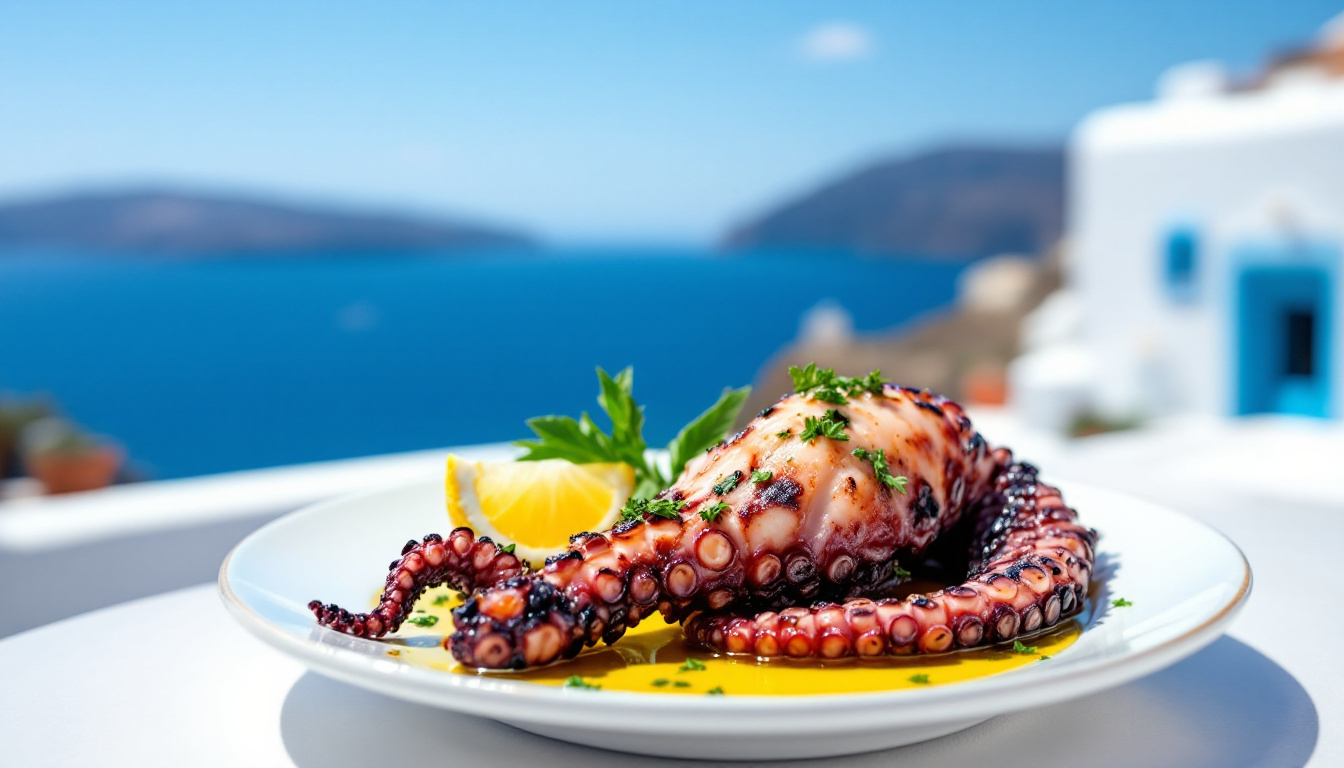
Grilled Octopus Htapodi sti schara
The most photogenic dish in Greek cuisine. A whole octopus, tenderized by beating against rocks or freezing, grilled over charcoal until the tentacles char and the flesh turns soft and smoky, dressed with olive oil, red wine vinegar, and oregano. The best is at island tavernas where the catch hangs to dry on a line above the harbor.
€8 to 14. Order it with a glass of ouzo and watch the sun go down.
Whole Grilled Fish Psari sti schara
Sea bream (tsipoura), sea bass (lavraki), or red mullet (barbouni) grilled whole over charcoal with lemon and oil. Fish is priced by the kilo: €40 to 65 for wild, €25 to 40 for farmed. Always ask “einai fresko?” (is it fresh?) and “einai apo dho?” (is it from here?).
A small whole fish for one runs €12 to 20. Garides saganaki (shrimp baked with feta and tomato) and fried gavros (anchovies) round out the seafood table.
Cretan cuisine: the healthiest food on earth
Crete has its own food culture, distinct from the rest of Greece. The Cretan diet was the subject of the famous Seven Countries Study, which found Cretans had the lowest rates of heart disease and cancer in the world. The secret: huge amounts of olive oil, wild greens, legumes, fresh vegetables, mostly goat and sheep dairy, little red meat, and local wine.
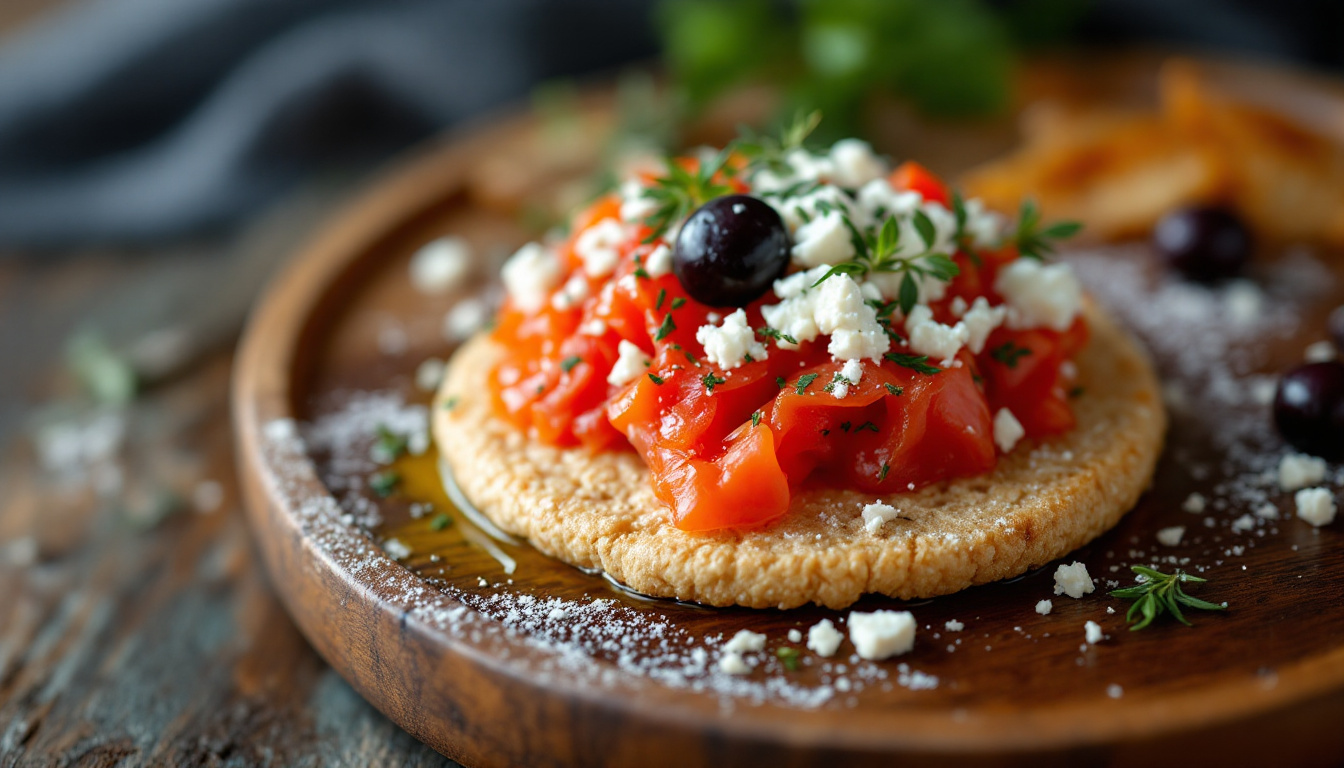
- Dakos. A barley rusk softened with water, topped with grated fresh tomato, crumbled mizithra or feta, capers, and olive oil. The Cretan bruschetta, simple and intense. €5 to 7.
- Kalitsounia. Small fried or baked pastries filled with sweet mizithra or wild greens, Crete’s answer to empanadas.
- Apaki. Smoked, herb-cured pork loin, Crete’s signature charcuterie.
- Gamopilafo. Wedding pilaf cooked in rich goat or lamb broth and finished with lemon, creamy and comforting. €10 to 14. Chania and Rethymno are the best food towns on Crete.
Island food: each archipelago tastes different
Wind-swept, dry, volcanic soil that produces uniquely flavored ingredients. Must-eat: Santorini fava (the best in Greece), tomatokeftedes (tomato fritters), white eggplant and capers, Naxos graviera and potatoes, and Sifnos chickpea dishes baked slowly in clay.
Venetian-influenced, greener, more Italian in character, with softer flavors and more butter. Must-eat: pastitsada (Corfu, beef or rooster in a cinnamon-tomato sauce over thick pasta), sofrito (veal in white wine and garlic), bourdeto (spicy fish stew), and Robola wine from Kefalonia.
Closer to Turkey, with Ottoman and Italian influence. Must-eat: pitaroudia (Rhodes chickpea fritters), makarounes (Karpathos handmade pasta with onion and goat cheese), Symi’s tiny sweet shrimp, and on Lesvos, the ouzo island, ouzo with sardines straight from Kalloni bay.
Greek cheese: an ancient tradition beyond feta
Greece produces more cheese per capita than almost any country in Europe, and feta is just the start. Thousands of small goat and sheep herds across mountains and islands make an extraordinary variety, much of which never leaves its home region.
- Feta. The icon: brined sheep’s-milk cheese (with up to 30% goat), crumbly, tangy, and salty, PDO-protected since 2002. A thick slab with oil and oregano is nothing like the pre-crumbled supermarket version. €3 to 5.
- Graviera. Greece’s favorite hard cheese, nutty and sweet, aged 3 to 12 months; the Cretan version is the most prized.
- Manouri and mizithra. A soft, slightly sweet whey cheese excellent with honey, and a fresh or aged sheep cheese for eating or grating.
- Kopanisti and arseniko. Mykonos’s sharp, peppery, fermented spread, and Naxos’s hard, complex aged cheese, one of Greece’s best-kept secrets.
Greek sweets and desserts: honey, phyllo and syrup
Greek sweets are drenched, soaked in syrup, drowning in honey, layered with nuts, and rich enough to need a strong coffee alongside. The tradition is shared with Turkey and the wider Levant, and the argument over who invented what is older than most countries.
- Loukoumades. Small fried dough puffs drenched in honey and dusted with cinnamon and crushed walnuts, served hot, crisp outside and airy inside. €4 to 7.
- Baklava. Phyllo layered with walnuts or pistachios, butter, cinnamon, and a honey soak; the Greek version leans more on honey than the Turkish. €2 to 4 a piece.
- Galaktoboureko. Semolina custard wrapped in phyllo and soaked in lemon syrup, rich and wobbly. €3 to 5.
- Greek yogurt with honey and walnuts. Thick strained yogurt drizzled with thyme honey, the perfect end to a meal or a Greek breakfast. €3 to 5.
Wine, ouzo and the Greek way of drinking
- Ouzo. The anise spirit that turns milky with water and ice, sipped slowly through a long mezedes meal, never shot. Lesvos (Plomari) makes the best.
- Tsipouro and raki. The stronger pomace spirits of the mainland and Crete, often served free at the end of a meal.
- Greek wine. Assyrtiko (Santorini’s mineral white) is world-class; Agiorgitiko and Xinomavro are the great reds. Retsina, the pine-resin white, is an acquired but authentic taste.
- Greek coffee and frappe. Thick, unfiltered coffee brewed in a briki and sipped slowly, and the iced, frothy instant frappe that fuels Greek summers.
Best food cities and islands in Greece
The mainland’s food heart: legendary souvlaki, the Varvakios central market, meze-and-ouzo districts, and a booming modern Greek scene. Full breakdown in our Athens food guide. Must-eat: souvlaki at Kostas, mezedes in Psyri, and a coffee in Exarchia.
The healthiest food on earth and the most distinct regional cuisine in Greece. Must-eat: dakos, kalitsounia, apaki, gamopilafo, and Cretan graviera, with a glass of raki to finish.
Santorini for fava, tomatokeftedes, and Assyrtiko; the islands for the seaside-taverna fish-and-octopus ideal. On the mainland, Thessaloniki is Greece’s underrated food capital, with strong Ottoman and refugee influences, bougatsa for breakfast, and the best mezedes culture in the country.
Best food to eat in Greece: the dish guide with prices
| Dish | Type | Region | Price (€) | Must-try |
|---|---|---|---|---|
| Souvlaki pita | Street food | Nationwide | €3–5 | ★★★★★ |
| Gyros | Street food | Nationwide | €3–5 | ★★★★★ |
| Moussaka | Casserole | Nationwide | €8–14 | ★★★★★ |
| Kleftiko | Roast lamb | Mainland/islands | €12–18 | ★★★★★ |
| Paidakia (lamb chops) | Grill | Nationwide | €10–16 | ★★★★★ |
| Pastitsio | Baked pasta | Nationwide | €8–12 | ★★★★☆ |
| Stifado | Stew | Nationwide | €10–16 | ★★★★☆ |
| Grilled octopus | Seafood | Islands/coast | €8–14 | ★★★★★ |
| Whole grilled fish | Seafood | Islands/coast | €12–20 | ★★★★★ |
| Tzatziki | Meze | Nationwide | €3–5 | ★★★★★ |
| Saganaki | Meze | Nationwide | €5–8 | ★★★★☆ |
| Fava | Meze | Santorini | €4–6 | ★★★★☆ |
| Dakos | Meze | Crete | €5–7 | ★★★★★ |
| Greek salad (horiatiki) | Salad | Nationwide | €6–9 | ★★★★★ |
| Loukoumades | Dessert | Nationwide | €4–7 | ★★★★★ |
| Baklava | Dessert | Nationwide | €2–4 | ★★★★☆ |
How to eat well in Greece on any budget
Budget: under €20 a day ($22)
Two souvlaki pitas (€6 to 10), a cheese pie (tiropita) or koulouri bread ring for breakfast (€1.50), horta or fava with bread, and a frappe. Greece is one of the cheapest food countries in Western Europe, and the street food is genuinely excellent.
Mid-range: €30 to 50 a day ($33 to 55)
A full mezedes-and-ouzo dinner for the table (€20 to 30 per person across shared plates), a taverna lunch with grilled fish or moussaka, and Greek yogurt with honey. The sweet spot, where the long shared meals happen.
High-end: €60+ a day ($66+)
Wild whole fish priced by the kilo at a seaside taverna (€40 to 65/kg), modern Greek tasting menus in Athens, and Santorini’s cliffside restaurants. Even the splurges stay reasonable next to the rest of Western Europe.
Frequently asked questions about Greek food
What is the national dish of Greece?
Moussaka, the baked casserole of eggplant, spiced lamb, and bechamel, is most often called the national dish. Souvlaki and gyros are the everyday staples, while the Greek salad (horiatiki) is the most iconic light dish. Each region and island also has its own signature.
How much does food cost in Greece per day?
Greece is cheap by Western European standards. A souvlaki pita is 3 to 5 euro, a mezedes dinner runs 20 to 30 per person, and a whole grilled fish is priced by the kilo at 40 to 65 for wild. Budget travelers eat well on under 20 euro a day, mid-range on 30 to 50.
What is the difference between souvlaki and gyros?
Souvlaki is cubes of meat grilled on a skewer; gyros is meat stacked on a vertical rotisserie and carved in thin slices as it crisps. Both are wrapped in pita with tomato, onion, tzatziki, and fries. Most Greeks rate souvlaki slightly higher for being fresh off the grill, but it is a beloved local debate.
Is Greek food good for vegetarians?
Very. Greek Orthodox fasting created a deep tradition of vegan and vegetarian dishes (nistisima): fava, gemista, dolmades, horta, briam, gigantes beans, and many mezedes are naturally meat-free. Tzatziki, feta, and Greek salad cover vegetarians easily. It is one of the easier Mediterranean countries for plant-based eating.
What is the best Greek island for food?
Crete is the most distinct and one of the healthiest, with dakos, kalitsounia, and gamopilafo. Santorini is best for fava and Assyrtiko wine, the Cyclades for the seaside fish-and-octopus ideal, and Lesvos for ouzo and sardines. The Ionian islands offer Venetian-influenced dishes like Corfu’s pastitsada.
What should I drink with Greek food?
Ouzo, sipped slowly with water and ice through a mezedes meal, is the classic pairing. Greek wine is excellent: Assyrtiko white from Santorini, Agiorgitiko and Xinomavro reds. Tsipouro and raki appear free at the end of meals, and frappe or Greek coffee fuel the afternoons.
More food guides waiting for you
Browse our complete collection of European food guides.