A towering mortadella sandwich at the Mercadao, virado a paulista on a Monday, sushi in Liberdade, and pizza the way only Sao Paulo makes it: a neighborhood guide to eating in Brazil’s food capital.
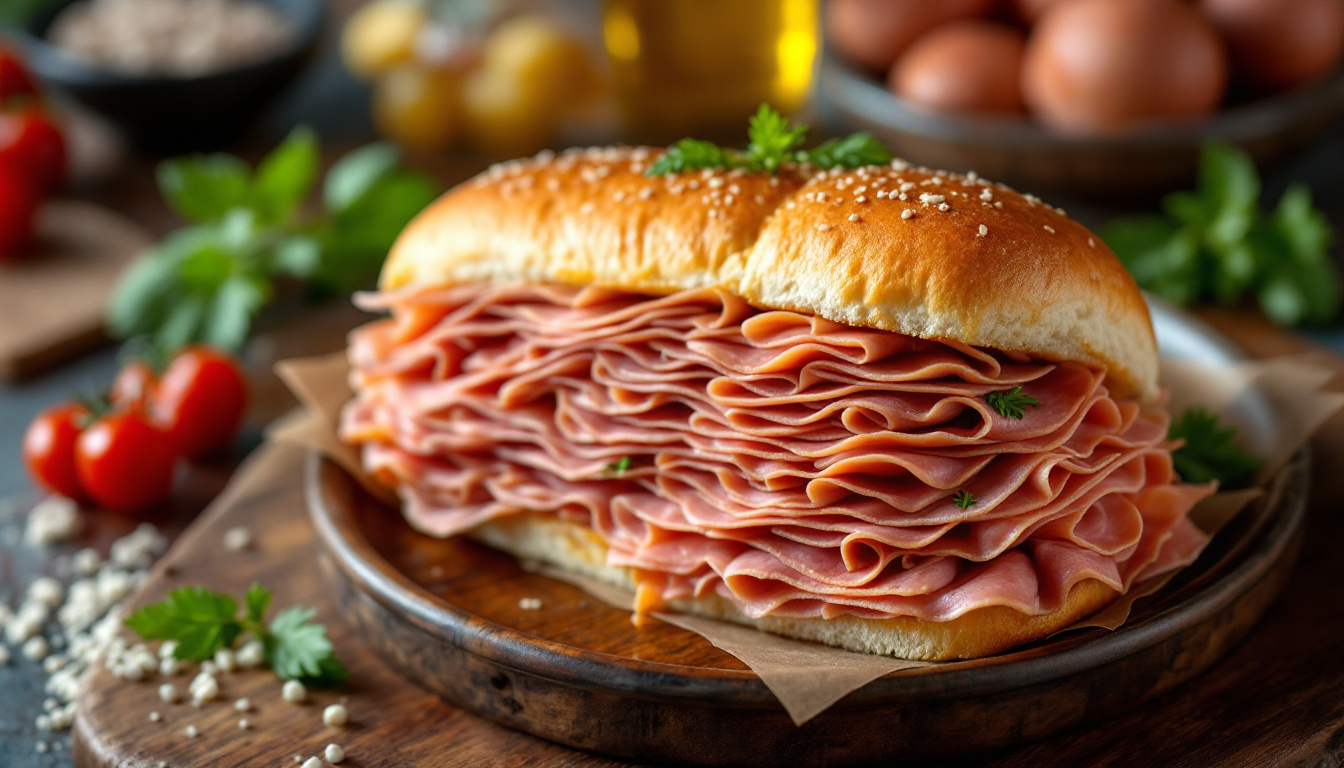
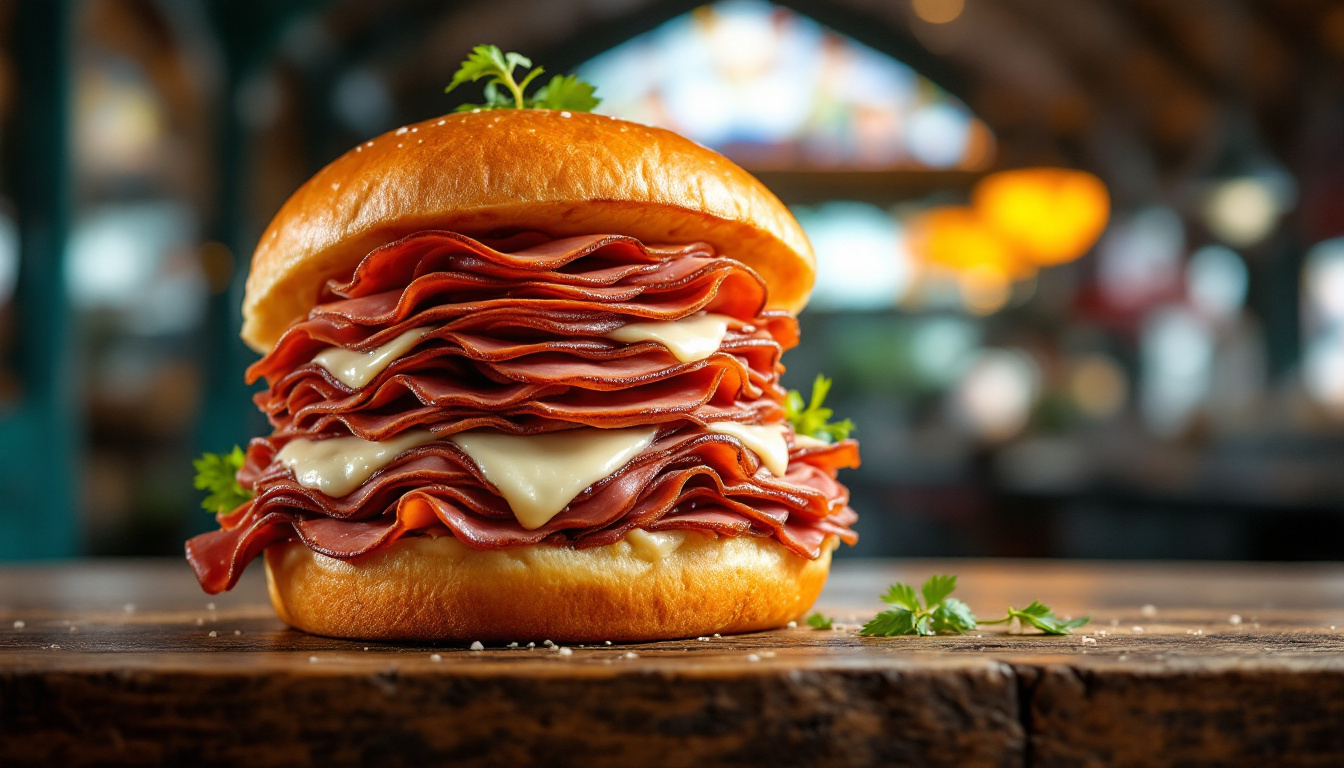
I have never been beaten by a sandwich until São Paulo. The mortadella sandwich at the Mercadão , a soft roll buried under a quarter-kilo of warm, griddled mortadella , defeated me halfway through, and I’ve thought about finishing it ever since. The best food in São Paulo is the most diverse eating in South America, because the city was built by everyone. This is the largest Japanese community outside Japan, one of the great Italian diaspora food cities, a Lebanese and Syrian stronghold, and the place every region of Brazil sends its cooks. The result runs from a two-dollar pastel at a street market to A Casa do Porco, regularly ranked among the world’s best restaurants. Rio gets the beaches. Sao Paulo gets the plates, and Paulistanos will tell you that’s the better deal.
Why Sao Paulo is Brazil’s food capital
Sao Paulo is Brazil’s food capital because waves of immigration turned a coffee-money boomtown into the most varied dining city on the continent. The wider national picture is in our complete Brazil food guide, but Sao Paulo concentrates it and then adds the world: Italian cantinas, Japanese sushi counters, Lebanese grills, and Northeastern Brazilian stews, all in one sprawling megacity.
The food organizes by neighborhood. The Mercadao and the street markets (feiras) are for classic snacking. Liberdade is the Japanese and wider Asian district; Bixiga and Mooca are Italian; the Northeast and the Levant have their own enclaves. For modern dining, Jardins does high-end, Pinheiros does contemporary restaurants and craft beer, and Vila Madalena does botecos and bar food. This guide moves through the essentials, and it sits alongside our wider guide to the best food in the Americas.
The Mercadao and the street markets
The Mercado Municipal, known as the Mercadao, is the best first stop for food in Sao Paulo. The grand 1933 market hall is famous for two excessive, glorious snacks eaten standing up: the mortadella sandwich and the pastel de bacalhau. And around the city, the open-air feiras (street markets) are where Paulistanos eat their weekend pastel.
Mortadella sandwich sanduiche de mortadela
The Mercadao mortadella sandwich is a soft roll stuffed with a towering, almost absurd pile of warm sliced mortadella, often 300 grams or more, and it’s the city’s most famous market bite. A tribute to Sao Paulo’s Italian roots, it’s served at the market’s counters like Hocca Bar and Bar do Mane, sometimes with melted cheese. It’s too big to eat politely, and that’s the point. Pair it with the pastel de bacalhau, a fried pastry packed with salt cod, for the full Mercadao experience.
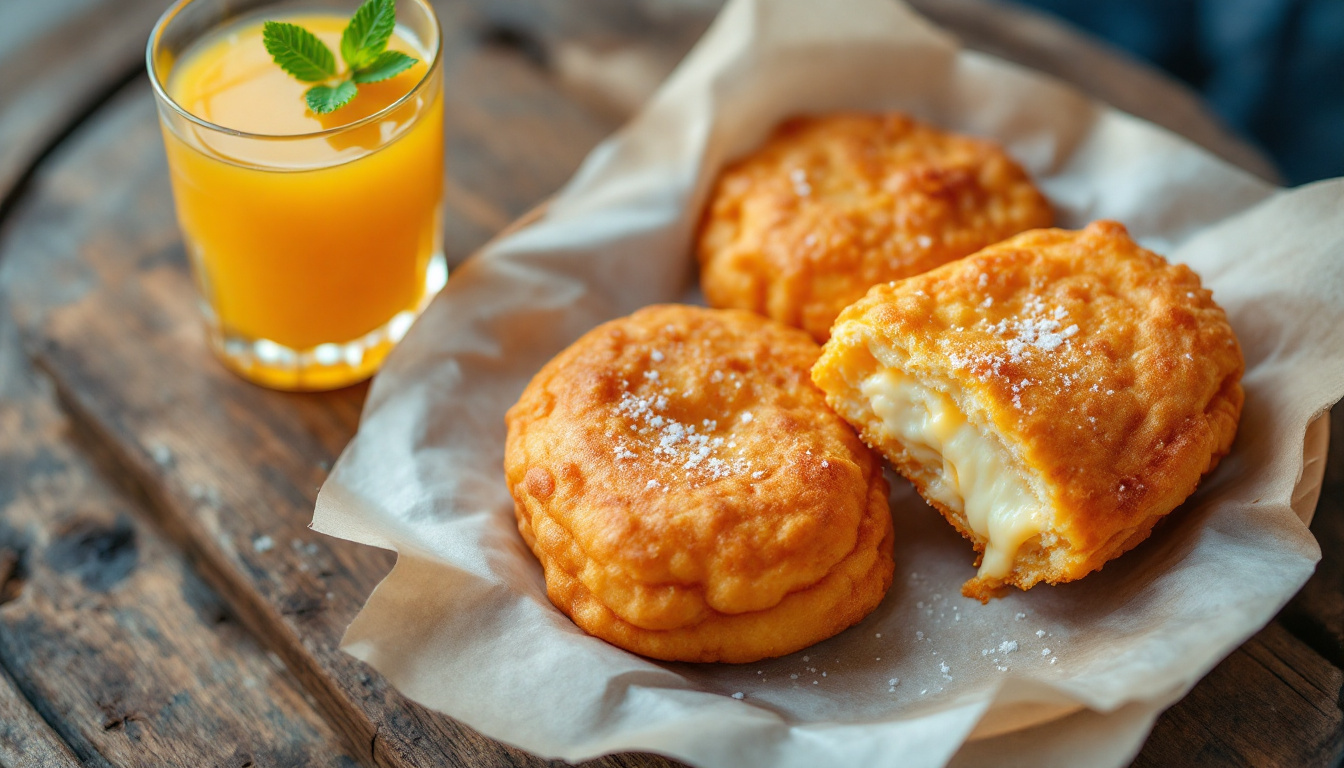
The street feiras are the other essential. At any neighborhood market you’ll find a pastel stall frying thin, crackly pastries to order, filled with cheese, ground beef, or heart of palm, traditionally washed down with a cold glass of caldo de cana (pressed sugarcane juice). It’s the quintessential Saturday-morning Paulistano ritual, costing a few reais.
Immigrant kitchens: Liberdade, Bixiga and beyond
Sao Paulo’s immigrant neighborhoods are where the city’s food gets its depth, each one a distinct culinary world. Eating across them in a single weekend is the real Sao Paulo experience. No other city in the Americas offers quite this range.
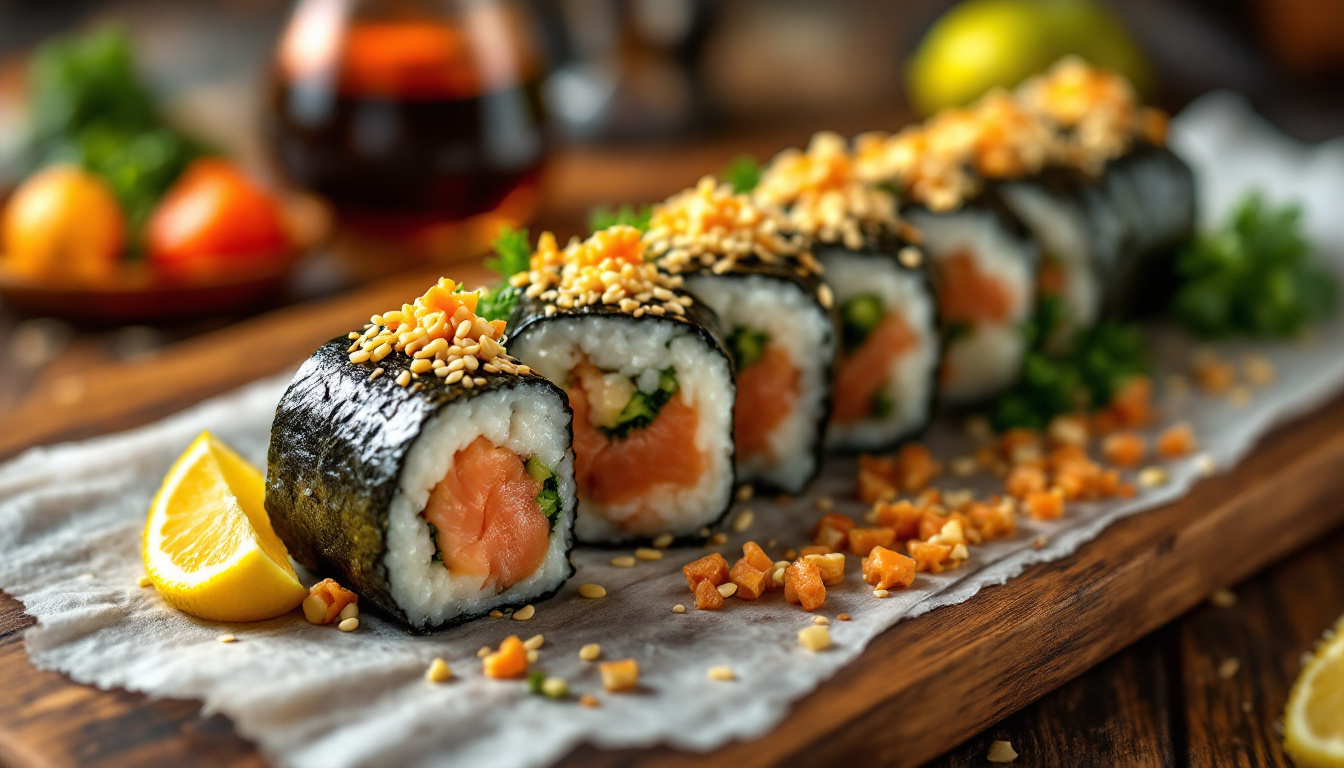
Liberdade is home to the largest Japanese community outside Japan, and it made Brazil a serious sushi country. The district is dense with sushi counters, ramen and yakisoba spots, and Japanese-Brazilian inventions like the temaki (a large hand roll, often eaten as fast food here) and the pastel filled with Japanese ingredients. The Sunday street fair sells gyoza, yakisoba, and mochi. These days it’s mixed with Korean and Chinese food too, which makes it the city’s Asian heart.
Bixiga (Bela Vista) and Mooca are the historic Italian neighborhoods, and they’re why Sao Paulo takes pizza so seriously. The city has thousands of pizzerias and a Sunday-night pizza tradition that rivals any Italian diaspora on Earth. The old cantinas serve heaped pasta, parmigiana, and polenta in a boisterous family style. This is comfort cooking from the Italians who poured into Sao Paulo a century ago.
Sao Paulo’s Lebanese and Syrian communities embedded esfiha (open or folded flatbread pies) and kibe so deeply that they are now everyday Brazilian fast food, sold at chains and corner spots across the city. Meanwhile, migrants from Brazil’s Northeast brought acaraje, baiao de dois, carne de sol, and tapioca, giving Sao Paulo a second, home-grown layer of regional Brazilian cooking alongside the international one.
The dishes you have to try
The dish that belongs to Sao Paulo itself is virado a paulista, but the city does the whole Brazilian and immigrant repertoire. Here are the essentials, the rough price, and what makes each worth ordering.
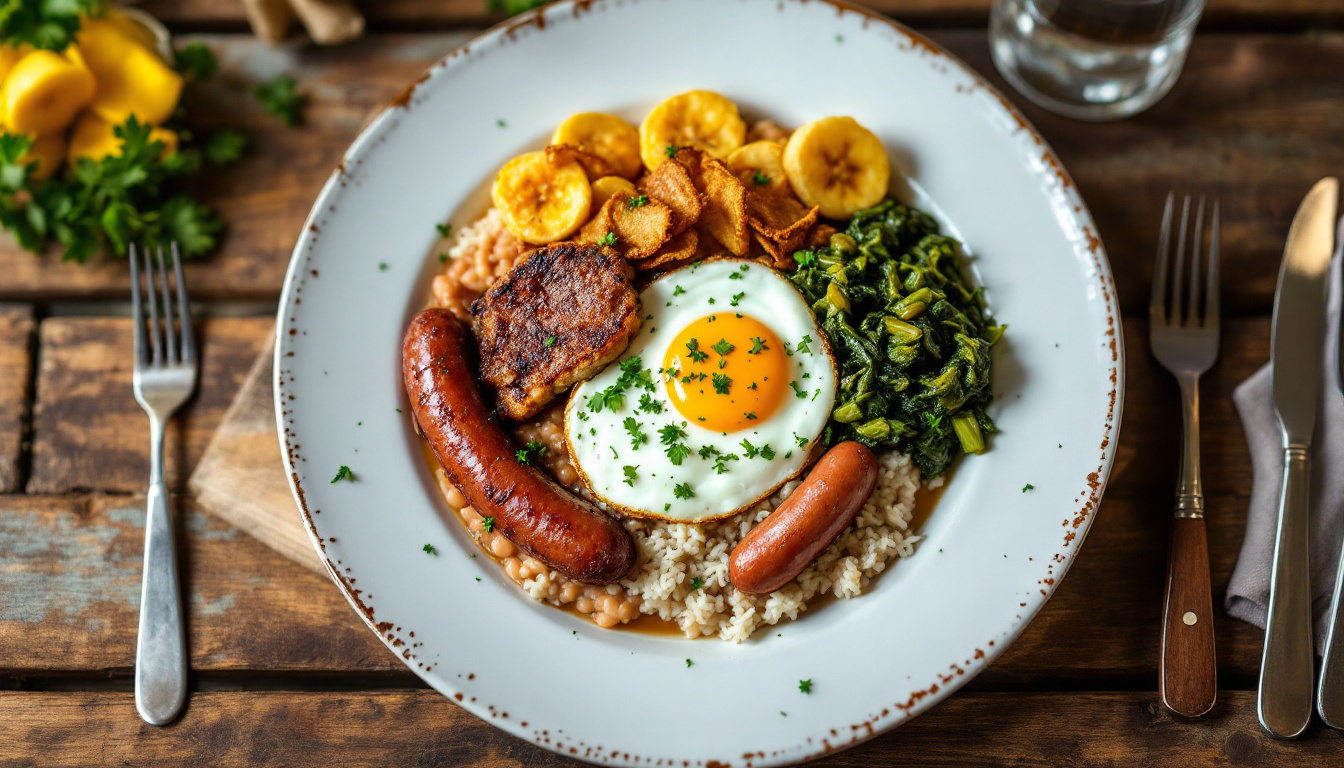
Virado a paulista
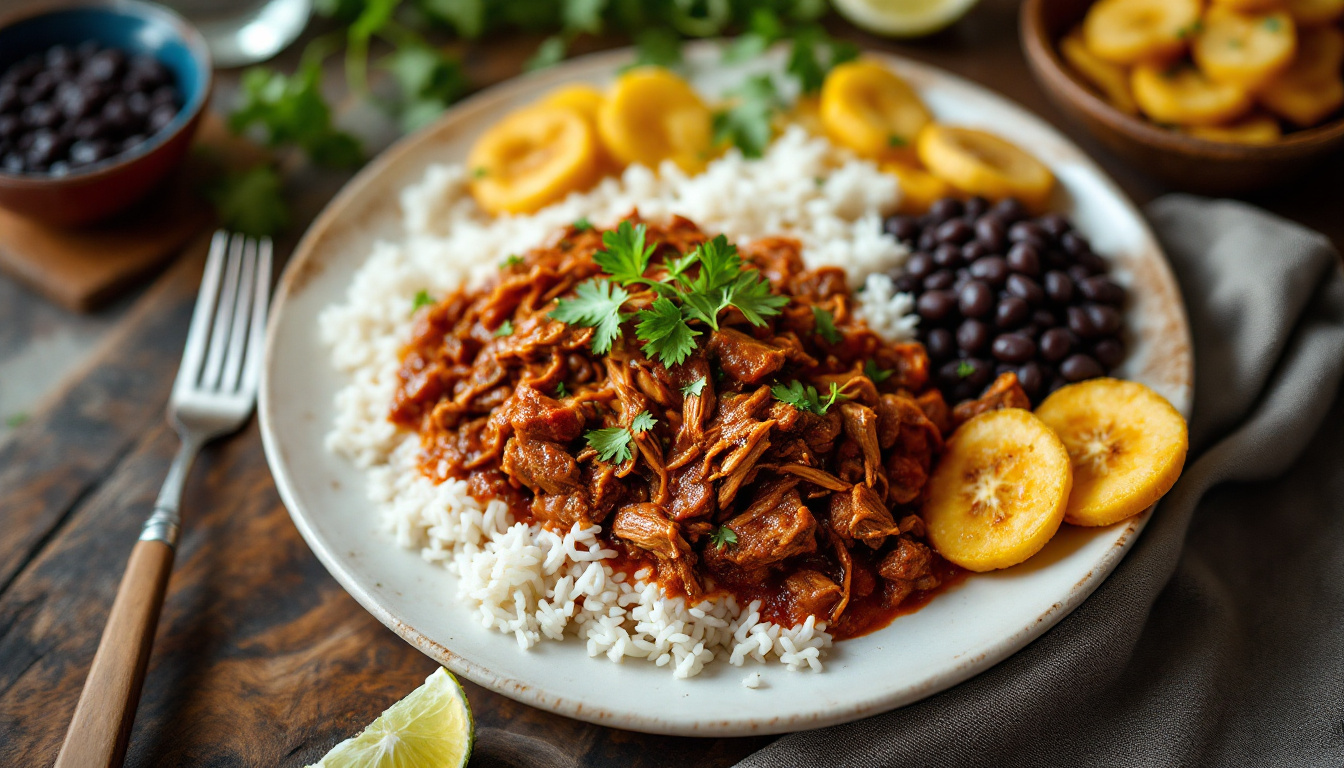
Virado a paulista is Sao Paulo’s signature plate, a generous spread of mashed beans thickened with cassava flour, a pan-fried pork chop, fried sausage, sauteed collard greens, a fried egg, crispy pork rinds, and fried banana, all around white rice. It descends from the food of the bandeirantes, the colonial-era pioneers, and it’s hearty enough to power a day. Many traditional restaurants serve it as the Monday prato feito (set dish). The most Paulistano meal there is.
Pizza paulistana
Pizza paulistana is Sao Paulo’s own style, generally fluffier and more generously topped than Neapolitan, with hundreds of inventive flavors and a near-religious Sunday-night following. Paulistanos eat it with a knife and fork, often finishing a savory pizza with a sweet dessert pizza (chocolate and banana). The mozzarella-heavy classics and the catupiry cheese versions are local staples. With thousands of pizzerias, the city makes a strong claim to the best pizza outside Italy.
Bauru
The bauru is São Paulo’s own sandwich, invented at Ponto Chic downtown in the 1930s: roast beef, melted mozzarella, tomato and pickled cucumber packed into a crustless French roll, the crumb hollowed out so the filling sits tight. It’s rich, neat and beloved enough that the original recipe is legally protected. Ponto Chic still makes the benchmark.
Cachorro-quente paulistano
The Paulistano hot dog takes the idea to extremes: the sausage disappears under a tomato-and-onion sauce, corn, peas, mashed potato, grated parmesan, crunchy potato sticks (batata palha) and a tangle of sauces, eaten standing at a street cart late at night. Order it “com tudo” (with everything) and accept that a fork may be required.
| Dish | What it is | Price (2026) | Where |
|---|---|---|---|
| Mortadella sandwich | Towering pile of warm mortadella in a roll | R$35-50 | Mercadao (Hocca Bar, Bar do Mane) |
| Virado a paulista | Beans, pork, egg, greens, banana and rice | R$35-55 | Traditional restaurants, Mondays |
| Pastel de feira | Crackly fried pastry with savory fillings | R$12-22 | Street markets (feiras) |
| Pizza paulistana | Fluffy, generously topped Sao Paulo pizza | R$70-130 | Bixiga, Mooca, citywide |
| Temaki | Large Japanese-Brazilian hand roll | R$25-45 | Liberdade, temakerias |
| Feijoada | Black-bean and pork stew | R$45-75 | Wed and Sat, botecos |
| Esfiha and kibe | Lebanese flatbread pies and bulgur croquettes | R$8-18 | Citywide chains and corners |
| Coxinha | Teardrop fried chicken croquette | R$8-15 | Padarias and botecos |
What to drink and how to eat well
The drink to pair with Sao Paulo food is caldo de cana at the market and chopp (draft beer) at a boteco. Fresh-pressed sugarcane juice is the traditional partner for a pastel, sweet and grassy. In the bars, ice-cold chopp and the caipirinha (cachaca, lime, sugar) are the standards, and Sao Paulo has a serious craft beer scene in Pinheiros and Vila Madalena. The city also runs on excellent coffee, fitting for the capital of a coffee state. The padarias (bakeries) serve a strong pingado (coffee with milk) with pao na chapa at breakfast.
- A 10 percent service charge is usually added to restaurant bills (and is effectively expected); extra tipping is not required.
- Pizza is eaten with a knife and fork, and a Sunday-night pizza is a Paulistano institution.
- Feijoada is a Wednesday and Saturday lunch; virado a paulista is the classic Monday plate.
- Vegetarians do well: heart-of-palm pastel, cheese esfiha, Japanese and contemporary spots, and a strong plant-based scene in Pinheiros and Vila Madalena.
- Lunch is the big meal; many restaurants serve a great-value prato feito (set plate) midday.
Frequently asked questions
What is the most popular and typical food in Sao Paulo?
The most popular and most typical Sao Paulo foods are the Mercadao mortadella sandwich, virado a paulista (the city’s signature plate), pastel with caldo de cana at a feira, and the sushi and temaki of Liberdade. The local sandwich inventions , the bauru and the loaded Paulistano hot dog , are everyday favourites, and Paulistana pizza is a religion. It is widely considered Brazil’s food capital.
What food is Sao Paulo known for?
Sao Paulo is known for its immigrant food diversity: the Mercadao mortadella sandwich, virado a paulista (the city’s signature dish of beans, pork, egg, greens, and banana), Paulistana pizza, and Liberdade’s Japanese-Brazilian sushi and temaki. It is widely considered Brazil’s food capital, spanning street markets to globally ranked restaurants like A Casa do Porco.
What is virado a paulista?
Virado a paulista is the signature dish of Sao Paulo: mashed beans thickened with cassava flour, served with a pan-fried pork chop, fried sausage, sauteed collard greens, a fried egg, pork rinds, fried banana, and white rice. It descends from the food of the colonial bandeirantes and is often served as the Monday set plate (prato feito) at traditional restaurants.
Why is the food in Liberdade Japanese?
Liberdade is the historic center of Sao Paulo’s Japanese community, the largest outside Japan, established from the early 1900s. The district is packed with sushi counters, ramen shops, and Japanese-Brazilian creations like the temaki hand roll, and it hosts a Sunday street fair of gyoza, yakisoba, and mochi. It has since mixed in Korean and Chinese food to become the city’s Asian heart.
Where is the best mortadella sandwich in Sao Paulo?
The famous mortadella sandwich is found at the Mercado Municipal (Mercadao), where counters like Hocca Bar and Bar do Mane pile a soft roll with a towering amount of warm sliced mortadella. It is a Sao Paulo rite of passage, best paired with a pastel de bacalhau (salt cod pastry). Confirm the price before ordering, as the market is tourist-priced.
When is feijoada served in Sao Paulo?
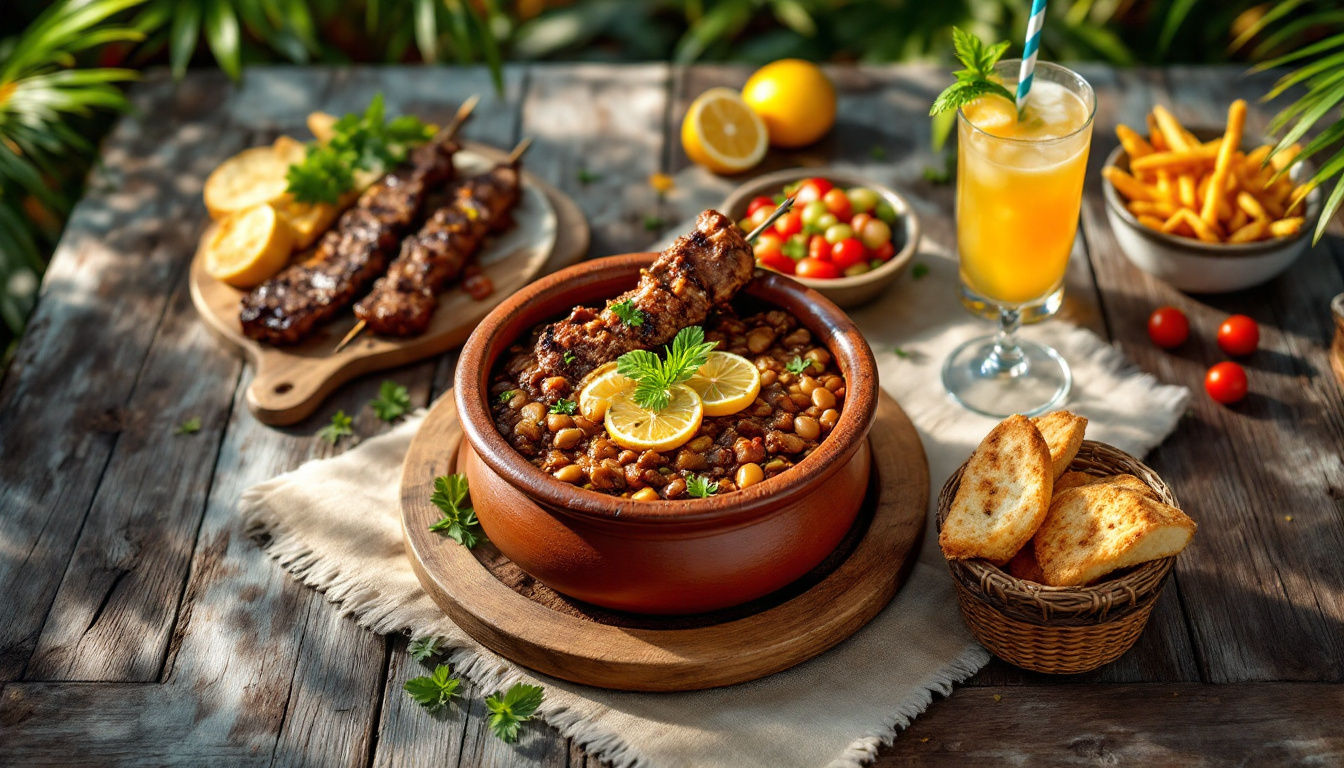
Feijoada, the black-bean and pork stew, is traditionally served on Wednesdays and Saturdays in Sao Paulo, usually as a lunch. Many botecos and restaurants follow this schedule, so plan your feijoada meal for one of those days. It comes with rice, collard greens, farofa, orange slices, and often a caipirinha.
Can vegetarians eat well in Sao Paulo?
Vegetarians eat very well in Sao Paulo. Heart-of-palm and cheese pastel, cheese esfiha, Japanese dishes, Italian pasta and pizza, and a strong contemporary plant-based scene in Pinheiros and Vila Madalena all make it easy. The city is one of the more vegetarian-friendly in Brazil, though traditional dishes like virado and feijoada are meat-heavy.
More food guides waiting for you
Browse our complete collection of food guides across the Americas.