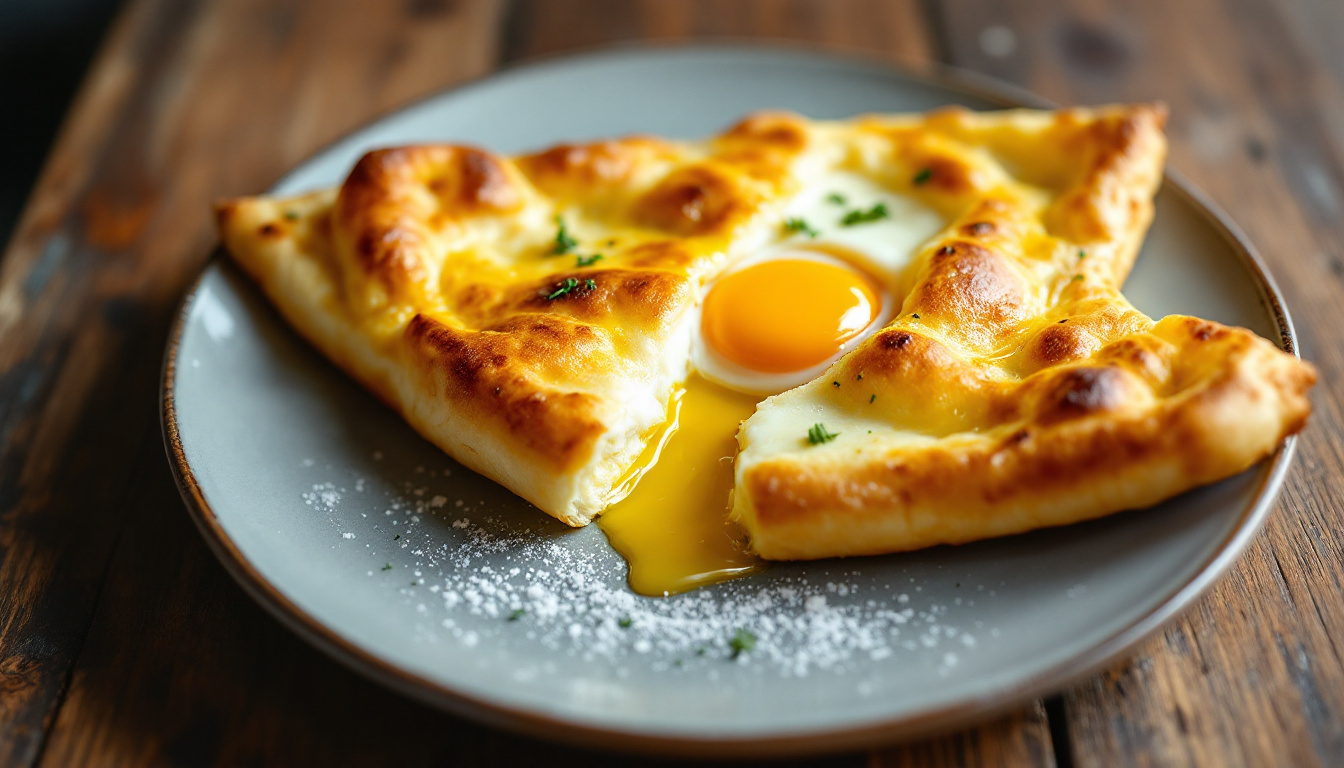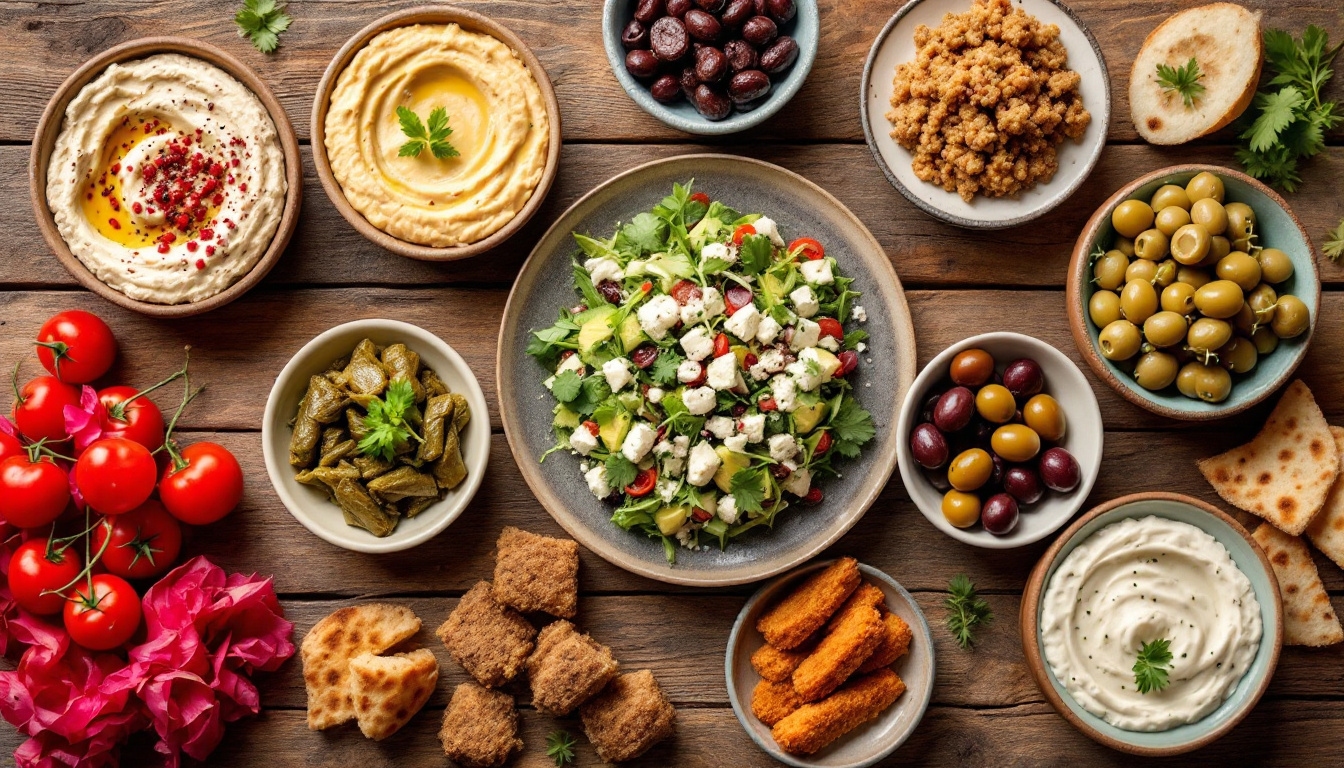
A za’atar manoushe straight from the furn, a mezze table that never seems to end, late-night shawarma in Hamra, and Armenian sujuk in Bourj Hammoud: a neighborhood guide to eating in Beirut.
I sat down for a “small lunch” in Beirut and lost count of the plates somewhere past fifteen, hummus, baba ghanoush, tabbouleh, kibbeh, things I couldn’t name, all arriving while I insisted I was full and nobody listened. The best food in Beirut is the most generous eating in the Levant, a city that answers hardship by setting an even bigger table. This is the home of the mezze feast, where a meal means a dozen small plates and nobody counts, of the morning manoushe pulled hot from a neighborhood furn, and of a late-night shawarma scene that runs until dawn. Lebanon has been through an economic collapse that flattened the currency. Yet Beirut still feeds you like it has something to prove, and it does.
Why Beirut is the mezze capital of the Levant
Beirut is the mezze capital of the Levant because it turns eating into a long, communal event built from dozens of small plates. The wider tradition is in our complete Lebanon food guide. But Beirut concentrates it: the bakeries (furn) turning out manoushe at dawn, the mezze houses that fill a table edge to edge, the Armenian kitchens of Bourj Hammoud, and a nightlife-driven street-food scene that never really closes.
The food organizes by neighborhood and by time of day. Mornings are for manoushe and knafeh from the furn. Lunch is the mezze table. Hamra has the classic 24-hour shawarma and falafel joints; Gemmayzeh and Mar Mikhael are the nightlife and modern dining hubs; Bourj Hammoud is the Armenian quarter; and the seaside Corniche has its ka’ak vendors. This guide moves through each, and sits alongside our wider guide to the best food in Africa and the Middle East.
The mezze table: how Beirut really eats
The mezze table is the heart of Beirut eating, a spread of small cold and hot plates meant to be shared slowly over hours. You don’t order a main; you order many plates and keep going. It’s the most social, generous way to eat in the region, and the city’s mezze houses do it better than anywhere.
Mezze
Mezze is a table of small plates, and a proper Beirut spread runs to twenty or more. The cold plates come first: hummus, moutabbal (the smoky grilled-eggplant dip better known abroad as baba ghanoush), tabbouleh (the parsley-heavy Lebanese salad), fattoush, labneh, warak enab (stuffed vine leaves), and muhammara. Then the hot: kibbeh, sambousek, fried halloumi, makanek (small sausages), and skewers of shish taouk (garlicky grilled chicken) to finish. Much of it is vegan, eaten by scooping with warm flatbread. Tawlet in Mar Mikhael, where village cooks make regional specialties, is a standout.
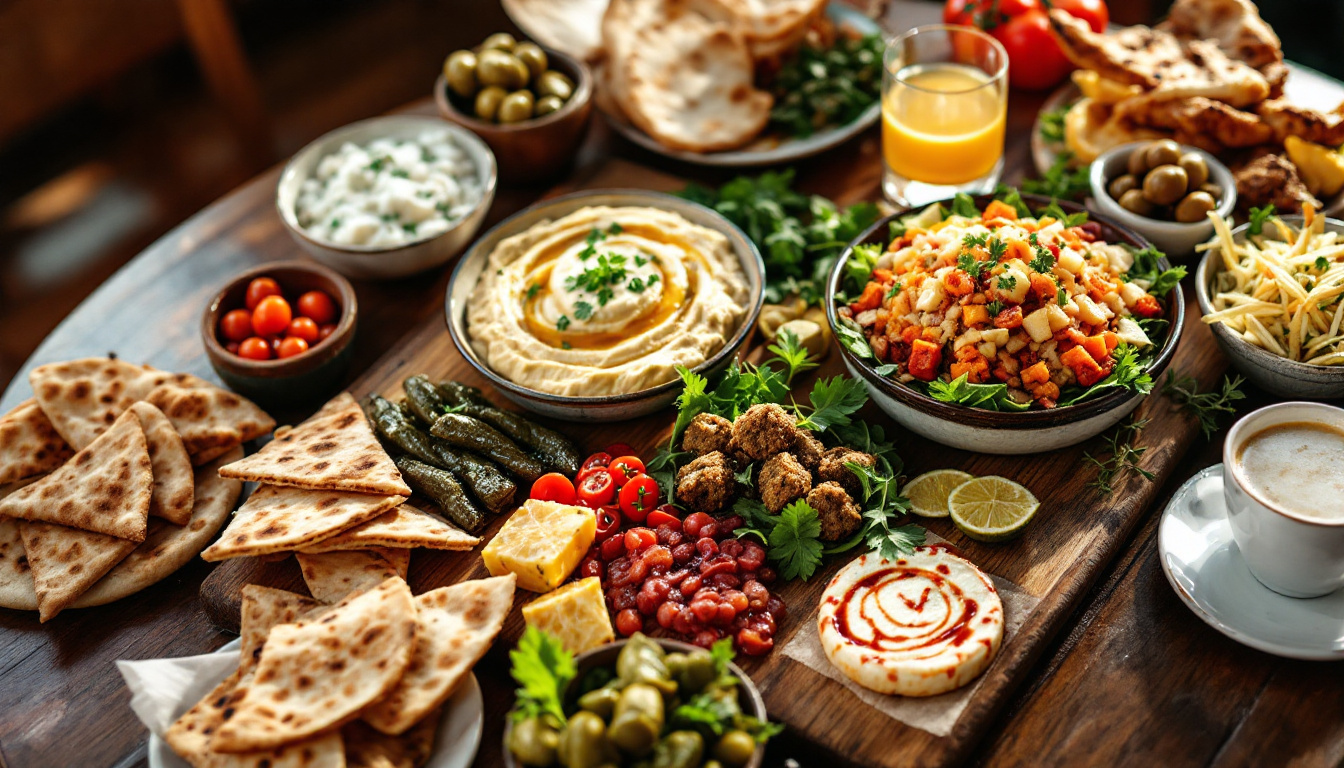
The unwritten rules: bread is the utensil, you never order a single plate, and the table fills until there’s no space left. A mezze meal stretches across an afternoon or evening, lubricated by arak. It’s the most Lebanese thing you can do, and the best value when shared by a group.
Street food: manoushe, shawarma and ka’ak
Beirut’s street food peaks at the furn (bakery) in the morning and the shawarma counter at night. Between them sit the ka’ak vendors and falafel stands that keep the city fed around the clock.
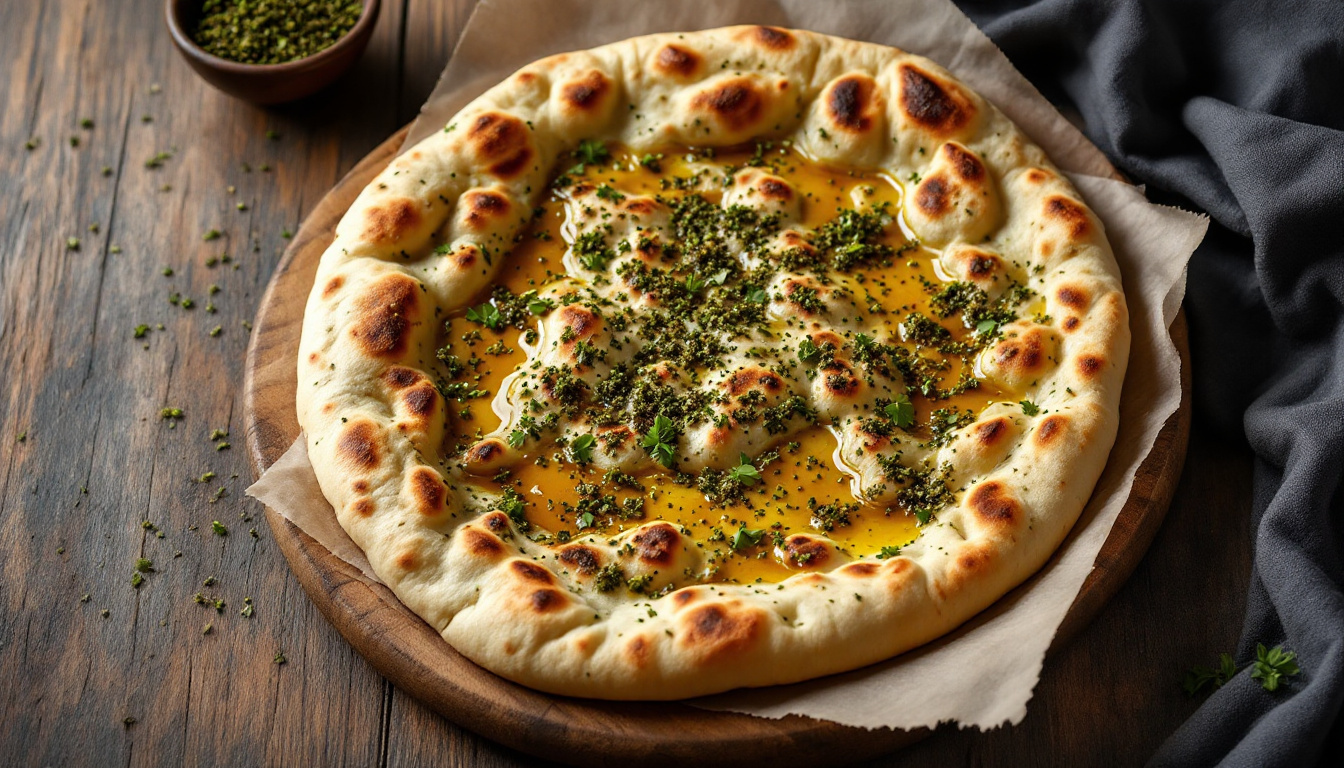
Manoushe man’oushe
Manoushe is flatbread baked to order at a furn and topped most classically with za’atar (a wild thyme, sumac, and sesame blend) and olive oil, and it’s the breakfast of Beirut. The dough goes into a blazing oven until the edges blister, then it’s folded around the topping and eaten hot, walking. Beyond za’atar come cheese (jibneh), spicy lahm bi ajeen with minced meat, and combinations with tomato and mint. At a place like Abou Arab in Bourj Hammoud the clay oven runs so hot the crust bubbles. A dollar or two, and unbeatable.
After dark, the shawarma takes over. Beirut shawarma (chicken with garlic toum, or beef with tahini and pickles) wrapped tight in thin bread is a citywide obsession, and Barbar in Hamra is the round-the-clock institution, serving shawarma, manoushe, and juices to a 3 AM crowd. Falafel has its own temples, like the long-running Falafel Sahyoun. And the Corniche ka’ak vendors sell the sesame-crusted bread purse, often filled with cheese or za’atar, eaten looking at the sea. From the bakeries, look for sfiha (also called lahm bi ajin). These are little open-faced flatbreads topped with spiced minced lamb and a squeeze of lemon, the Levantine cousin of Turkish lahmacun.
Neighborhoods: Hamra, Mar Mikhael and Bourj Hammoud
Beirut’s food changes sharply by neighborhood, and three are essential. Hamra is the round-the-clock classic, Mar Mikhael and Gemmayzeh are the nightlife and modern-dining hubs, and Bourj Hammoud is the Armenian quarter with a cuisine all its own.
Hamra is the old student and intellectual quarter on the west side, and its food runs all day and night. This is the home of the 24-hour shawarma and falafel institutions, cheap and reliable, plus traditional restaurants and cafes. It’s the place to eat at any hour, especially the late-night shawarma that has fueled Beirut nights for decades.
Gemmayzeh and Mar Mikhael are Beirut’s nightlife and modern-dining heart, lined with bars, wine spots, and creative restaurants. This is where the contemporary Lebanese scene lives, alongside late-night eats to soak up the arak and the city’s famous bar culture. Tawlet, in Mar Mikhael, is the essential stop for regional home cooking.
Bourj Hammoud is Beirut’s Armenian quarter, and its food is distinct from the rest of the city. The narrow streets are packed with spots serving sujuk (spicy sausage), basterma (air-cured beef), mante (tiny meat dumplings), and Armenian grills, at places like Basterma Mano. The spicing is bolder, the traditions different. That makes it the most rewarding food detour in the city.
The dishes you have to try
The dish that opens every Beirut day is the manoushe, but the city’s range runs from the mezze table to the sweet counter. Here are the essentials, the rough price, and what makes each worth ordering. Prices are in US dollars, now the working currency for most transactions.
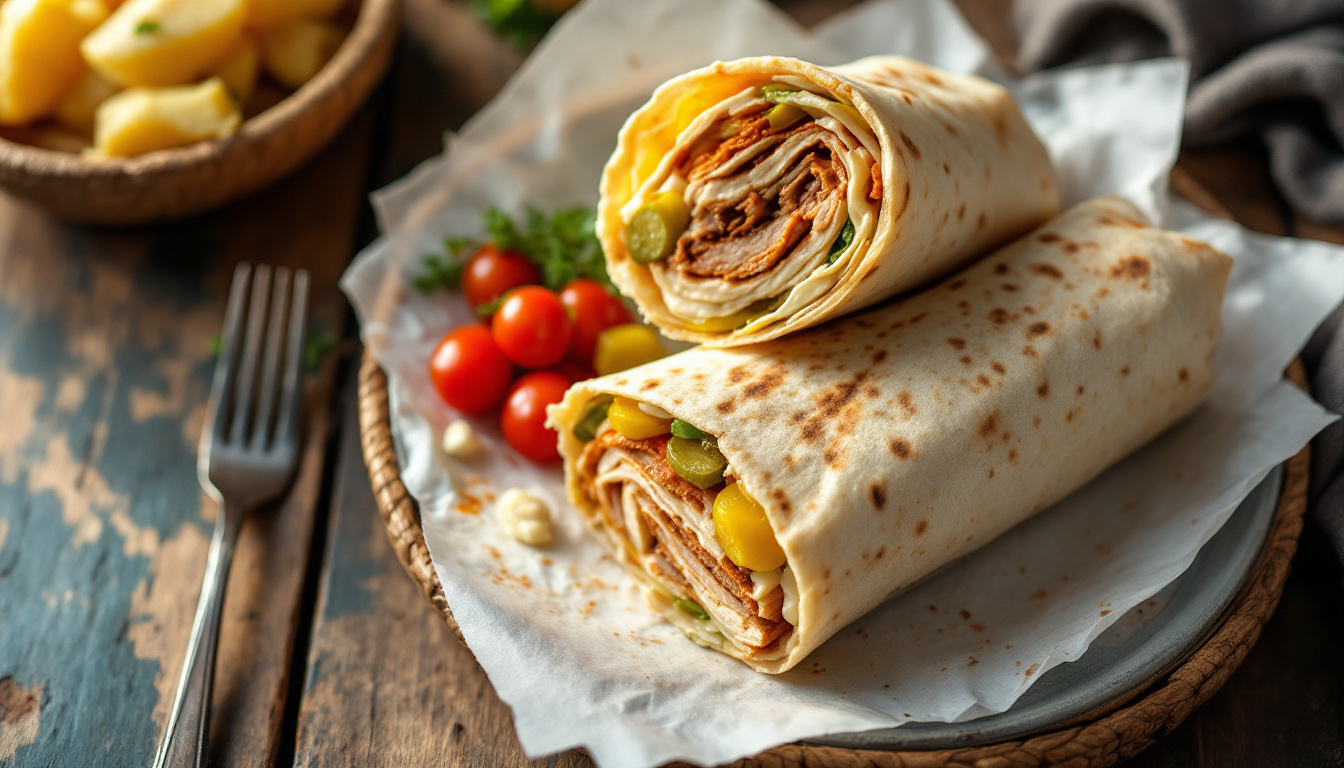
Shawarma
Shawarma in Beirut is meat stacked on a vertical spit, slow-roasted and shaved into thin bread, and it’s the city’s great late-night food. The chicken version comes with garlic toum so potent it lingers for hours; the beef with tahini, pickles, and tomato. Wrapped tight, pressed on a grill, eaten on the move. Hamra’s 24-hour spots, above all Barbar, are the classic, and a shawarma at 3 AM is a Beirut rite of passage.
Kibbeh
Kibbeh is a mix of bulgur and finely minced lamb, and it’s one of Lebanon’s defining dishes, served several ways. The classic is the fried torpedo, a crisp shell of bulgur around spiced meat and pine nuts. There is also kibbeh bil sanieh (baked in a tray) and, for the adventurous, kibbeh nayyeh, the raw version eaten with olive oil, mint, and onion, a prized delicacy on the mezze table. Each household and region has its own version, and it’s a point of real pride.
| Dish | What it is | Price (2026, USD) | Where |
|---|---|---|---|
| Manoushe | Za’atar (or cheese) flatbread from the furn | $1-3 | Bakeries (Abou Arab, Barbar) |
| Mezze spread | Many small cold and hot plates, shared | $15-30 pp | Mezze houses (Tawlet, Em Sherif) |
| Shawarma | Spit-roasted meat wrapped in bread | $3-6 | Hamra (Barbar), citywide |
| Kibbeh | Bulgur and lamb, fried, baked, or raw | $5-10 | Mezze houses |
| Falafel | Fried chickpea fritters in bread | $2-5 | Falafel Sahyoun and others |
| Sujuk and basterma | Armenian spicy sausage and cured beef | $5-12 | Bourj Hammoud (Basterma Mano) |
| Ka’ak | Sesame bread purse with cheese or za’atar | $1-3 | Corniche vendors |
| Knafeh | Warm cheese pastry in syrup, often in ka’ak | $3-6 | Sweet shops, breakfast |
What to drink and how to eat well
The drink that belongs with a Beirut mezze is arak, the anise spirit poured with water and ice until it clouds. Sipped slowly across a long meal, never shot. Lebanon also makes serious wine in the Bekaa Valley, from historic producers like Chateau Ksara and Chateau Musar, and a mezze dinner with a bottle of Lebanese red is a classic. Beyond alcohol, Lebanese coffee (cardamom-scented and thick) is the everyday ritual, jallab (a date-and-grape syrup drink with pine nuts) is the summer cooler, and fresh juices and ayran are everywhere. Almaza is the local lager.
- Mezze is communal; order many plates to share and use bread, not cutlery, to scoop.
- Hospitality is intense; expect to be urged to eat more, and a host will often insist on paying.
- Tip around 10 percent; service is sometimes included, so check the bill.
- Vegetarians and vegans eat exceptionally well: much of the mezze table (hummus, moutabbal, tabbouleh, falafel, warak enab) is plant-based.
- Carry small US dollar notes; the economy is largely dollarized and card acceptance is uneven.
Frequently asked questions
What is the most popular and typical food in Beirut?
The most popular and most typical Beirut foods are the za’atar manoushe (breakfast), the shared mezze table (hummus, baba ghanoush/moutabbal, tabbouleh, kibbeh and a dozen more), shawarma and shish taouk, and ka’ak from Corniche carts. The famous desserts are knafeh and baklava, and most Lebanese drink arak with mezze.
What food is Beirut known for?
Beirut is known for the mezze table (hummus, tabbouleh, kibbeh, and a dozen more small plates), the za’atar manoushe eaten for breakfast from a furn, late-night shawarma, and the Armenian sujuk and basterma of Bourj Hammoud. It is widely considered the mezze capital of the Levant, with a famously generous, communal way of eating.
What is manoushe?
Manoushe is a Lebanese flatbread baked to order at a furn (bakery) and topped most classically with za’atar (wild thyme, sumac, and sesame) and olive oil, though cheese and minced-meat versions are common. Eaten hot and folded, walking, it is the everyday breakfast of Beirut and costs only a dollar or two. It is the city’s most beloved morning food.
How does mezze work in Beirut?
Mezze is a shared meal of many small plates rather than individual mains. You order a spread of cold plates (hummus, moutabbal, tabbouleh, fattoush, labneh) followed by hot ones (kibbeh, sambousek, sausages) and grilled meats, all to share, scooping with bread. It runs for hours, is best with a group, and is usually accompanied by arak. The more people, the better the value.
Is Beirut safe and easy for food travel right now?
Beirut’s food scene remains excellent and welcoming despite Lebanon’s economic crisis. Practically, the economy runs largely on US dollars, so carry small-denomination cash; power cuts mean some spots have limited hours on generators; and prices can shift. Check current travel advice before going, but the restaurants, bakeries, and street stalls continue to serve some of the best food in the region.
Where should vegetarians eat in Beirut?
Vegetarians and vegans eat exceptionally well in Beirut. Much of the mezze table is plant-based: hummus, moutabbal, tabbouleh, fattoush, warak enab (stuffed vine leaves), falafel, foul, and balila. A za’atar manoushe is vegan, as are many furn breads. Just confirm that dishes like warak enab are the meat-free version, since some include lamb.
What is the best area to eat in Beirut?
Hamra is best for round-the-clock classics and late-night shawarma, Mar Mikhael and Gemmayzeh for modern restaurants, wine, and nightlife eats, and Bourj Hammoud for distinctive Armenian food like sujuk and basterma. For a single standout meal, Tawlet in Mar Mikhael serves regional Lebanese home cooking by village cooks.
More food guides waiting for you
Browse our complete collection of food guides across Africa and the Middle East.