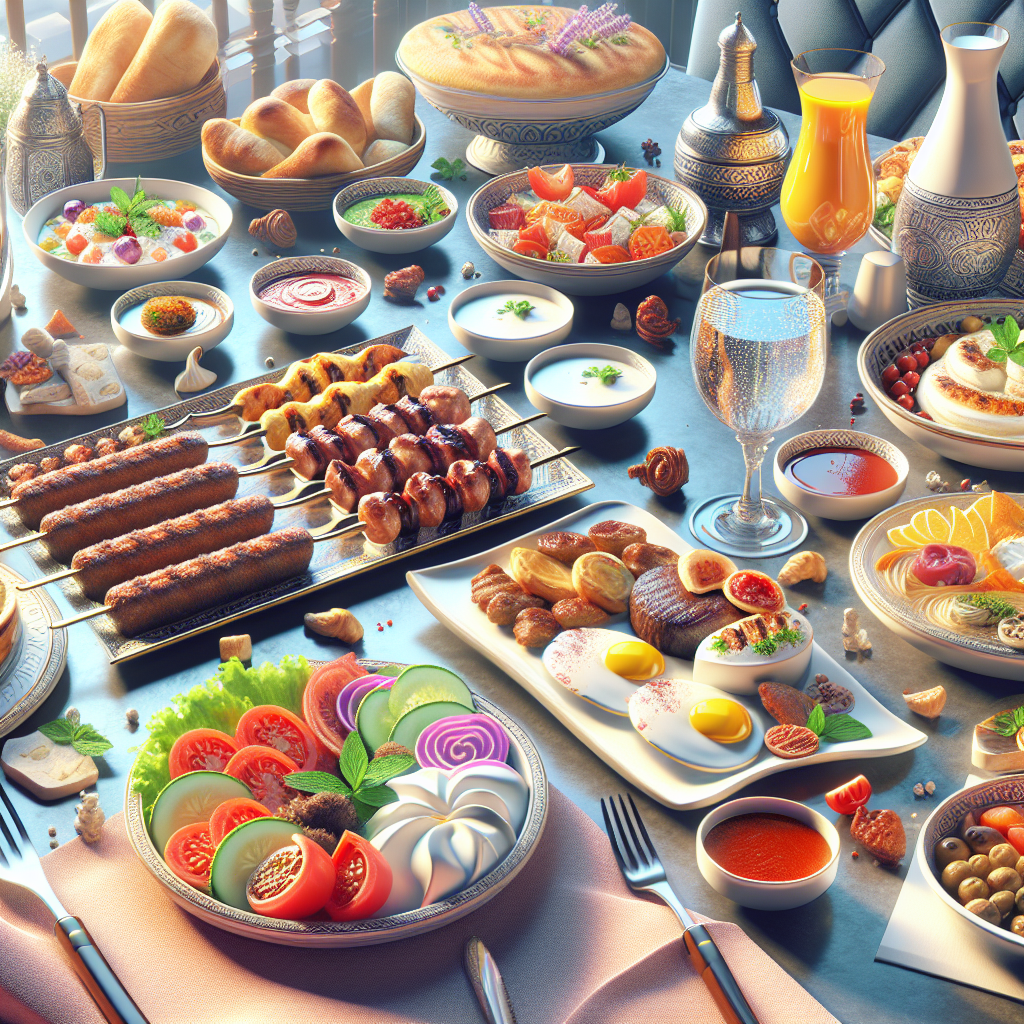
Slow-cooked machboos in a heritage house, luqaimat dripping with date syrup, a one-dirham karak from a drive-through, and a shawarma at midnight: a guide to eating in the UAE, where subtle Emirati cooking meets the most international food scene on Earth.
The best food to eat in the UAE is two stories at once: a quiet, date-and-rice Emirati heritage cuisine, and the most international eating scene on the planet built by the country’s huge expat majority. Most of what fills Dubai and Abu Dhabi tables, the shawarma, the biryani, the Lebanese mezze, isn’t actually Emirati. It’s Levantine, South Asian, and Iranian food brought by the people who built these cities. The real local cooking is gentler and harder to find, hidden in heritage houses and family kitchens. Knowing the difference is how you eat the UAE properly.
Why the UAE has the world’s most international food scene
The UAE has the world’s most international food scene because around nine in ten residents are expats, and they brought their kitchens with them. Dubai and Abu Dhabi are where you can eat Keralan, Lebanese, Iranian, Filipino, and modern European food at the highest level, often within a single block. The flip side is that authentic Emirati cuisine is genuinely hard to find, since the local population is small and traditionally ate at home. This guide sits alongside our wider guide to the best food in Africa and the Middle East.
Emirati food itself is a Gulf cuisine shaped by Bedouin, coastal, and trade-route history: rice, slow-cooked meat, fish, dates, and warm spices brought by the old dhow trade with India and Persia. Subtle rather than fiery. Around it sits the everyday food of the UAE, which is overwhelmingly South Asian and Levantine, plus a luxury dining scene that now rivals any global city. This guide covers all three: the authentic Emirati dishes, the expat food that actually feeds the country, and where to find each.
The best food to eat in the UAE, dish by dish
These are the 14 things I tell every visitor to seek out, the most popular and typical food to eat in the UAE, starting with authentic Emirati dishes and moving to the everyday eats that define the country. Prices are in dirhams (AED), which are pegged at about 3.67 to the US dollar, so figures are stable.
Machboos majboos
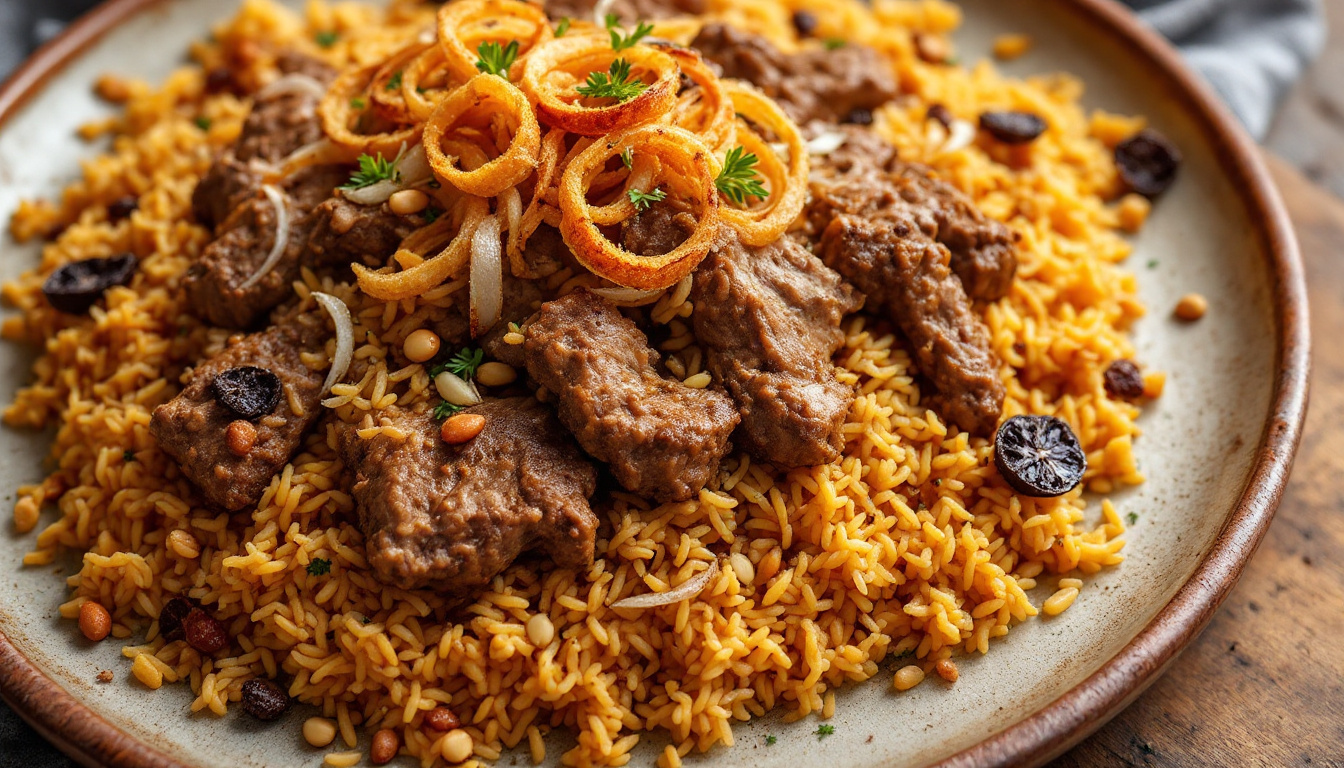
Machboos is the national dish of the UAE, a one-pot of spiced rice cooked with meat, chicken, or shrimp, flavored with loomi (dried black lime), cinnamon, cardamom, and a spice mix called bzar. It’s similar in spirit to biryani but gentler and more aromatic than fiery, with the sour loomi as its signature note. Served as a sharing platter, it’s the centerpiece of Emirati hospitality. Order machboos al laham (lamb) or machboos rubyan (shrimp) at a heritage restaurant for the real thing.
Harees
Harees is a comforting porridge of wheat and slow-cooked meat beaten together until smooth and creamy, seasoned simply with salt and sometimes a drizzle of ghee. It’s a Ramadan and celebration staple across the Gulf, prized for being filling, nourishing, and easy on the stomach after a day of fasting. The texture is soft and almost savory-oatmeal-like, a world away from the spice-forward dishes visitors expect. One of the most genuinely traditional things you can eat in the Emirates.
Balaleet
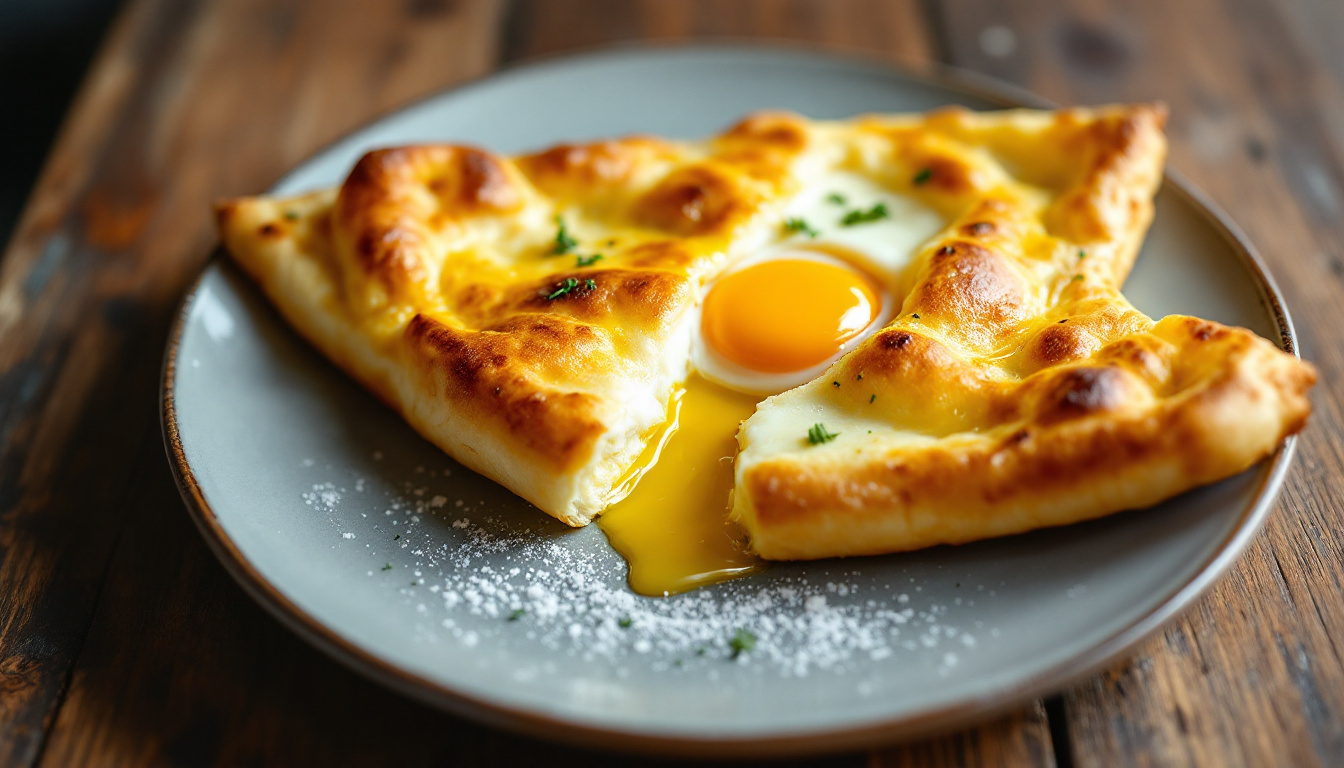
Balaleet is the classic Emirati breakfast, sweet vermicelli noodles infused with saffron, cardamom, cinnamon, sugar, and rose water, then topped with a thin savory omelette. The sweet-and-savory combination surprises first-timers, then wins them over. It’s the dish that best captures the gentle, fragrant, dessert-leaning side of Gulf cooking. Eat it with a karak at a heritage cafe like the Arabian Tea House to start a morning in Old Dubai.
Chebab and khameer
Chebab and khameer are the traditional Emirati breads, and they anchor a heritage breakfast. Chebab is a saffron-and-cardamom pancake, soft and fragrant, eaten with date syrup (dibs) and cream cheese. Khameer is a denser, slightly sweet flatbread, often split and filled. Both come from a baking tradition built for the climate and the trade-route spices, and both are best fresh and warm. They show how central dates, saffron, and cardamom are to the Emirati table.
Luqaimat
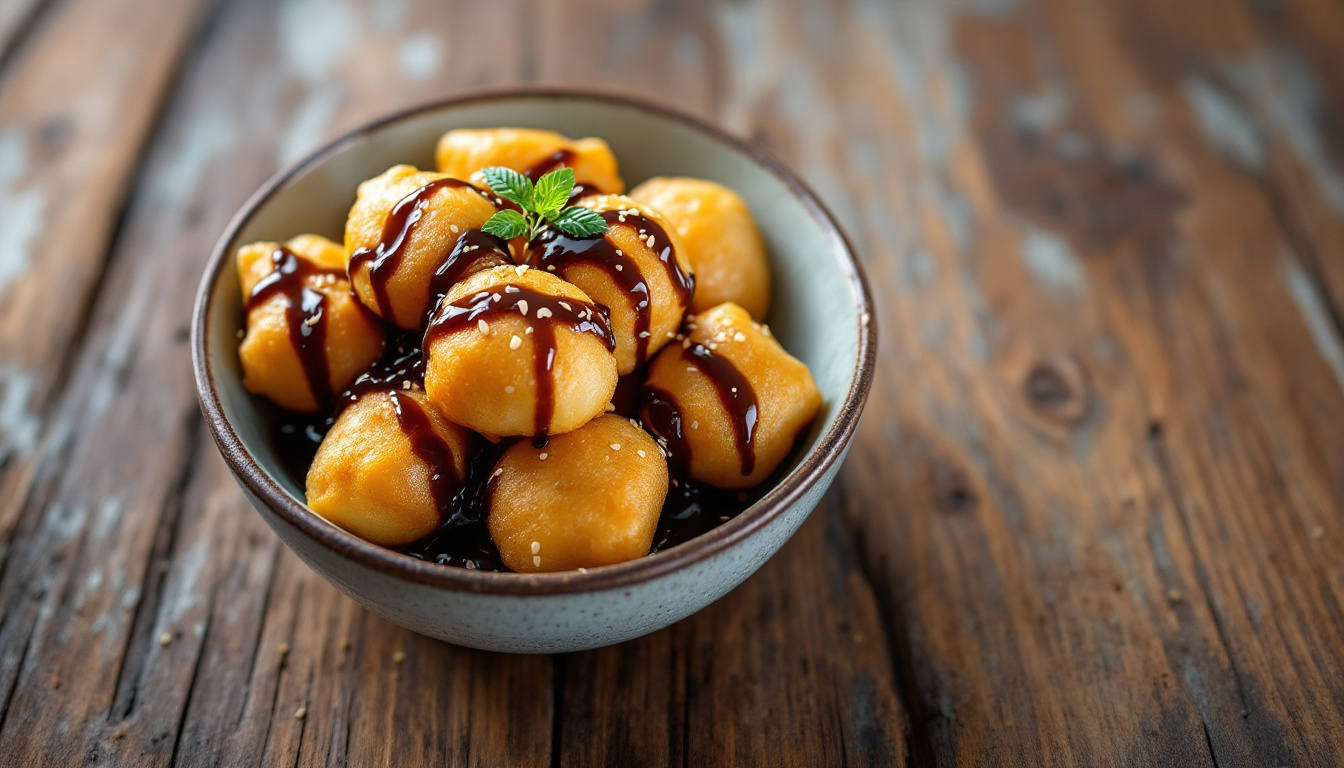
Luqaimat are the beloved Emirati dessert, small balls of dough deep-fried until crunchy and golden outside and soft inside, then drizzled with date syrup or honey and sometimes sesame. Warm, sweet, and addictive, they’re everywhere during Ramadan and at every heritage meal. The contrast of the crisp shell and the syrup-soaked middle is irresistible. They’re the perfect end to a machboos feast, eaten with strong Arabic coffee.
Madrouba and salona
Madrouba and salona are the everyday Emirati home dishes you rarely see on tourist menus. Madrouba is a soft, almost mashed rice-and-chicken dish cooked down with spices to a creamy consistency, comfort food at its purest. Salona is a tomato-based stew of meat, fish, or vegetables, lightly spiced and served with rice, the Emirati answer to a daily curry. Both are gentle, homey, and the kind of food Emirati families actually eat, found at dedicated heritage restaurants.
Ghuzi, thareed and regag
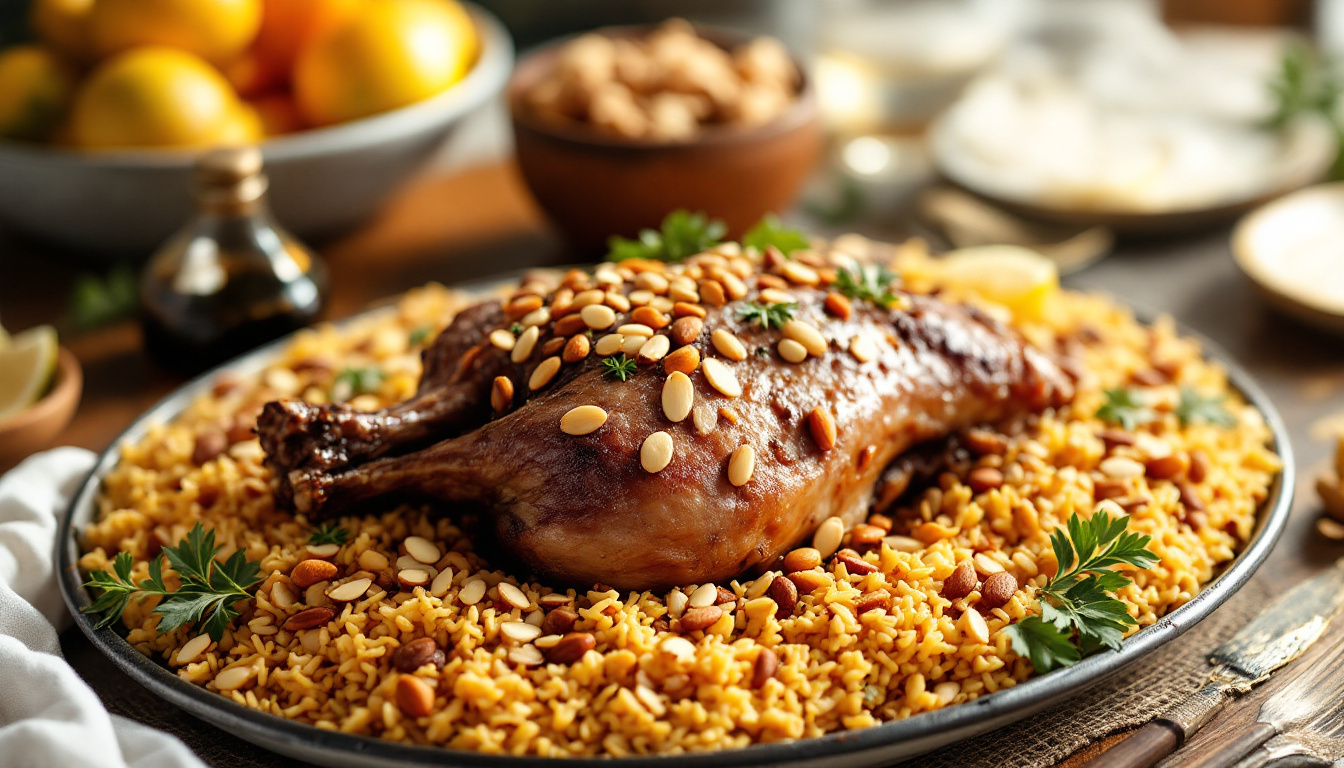
Three more Emirati heritage dishes worth seeking out. Ghuzi (also khuzi or ouzi) is the celebration centerpiece: a whole slow-roasted lamb or goat laid over spiced rice and showered with toasted almonds and pine nuts, served at weddings and feasts, and considered by many a national dish alongside machboos. Thareed is the great Ramadan stew, a fragrant meat-and-vegetable broth ladled over torn pieces of regag, the thin crispy Emirati flatbread, until it soaks soft. Regag itself is also eaten as a snack, the wafer-thin bread brushed with egg, melted cheese, fish-paste mehyawa, or date syrup off a hot griddle. Together they round out the home-and-festival table beyond machboos.
Camel meat and camel milk
Camel is the most traditional Gulf protein, eaten since Bedouin times and still served at celebrations, where a whole stuffed camel is the ultimate feast. The meat is lean and a little gamey, served in machboos, stews, or as a camel burger at modern spots. Camel milk is the other half of the story, drunk fresh, blended into a “camelccino,” or made into chocolate sold across the UAE. Try camel in some form and you get a genuine taste of the region’s heritage.
Karak chai
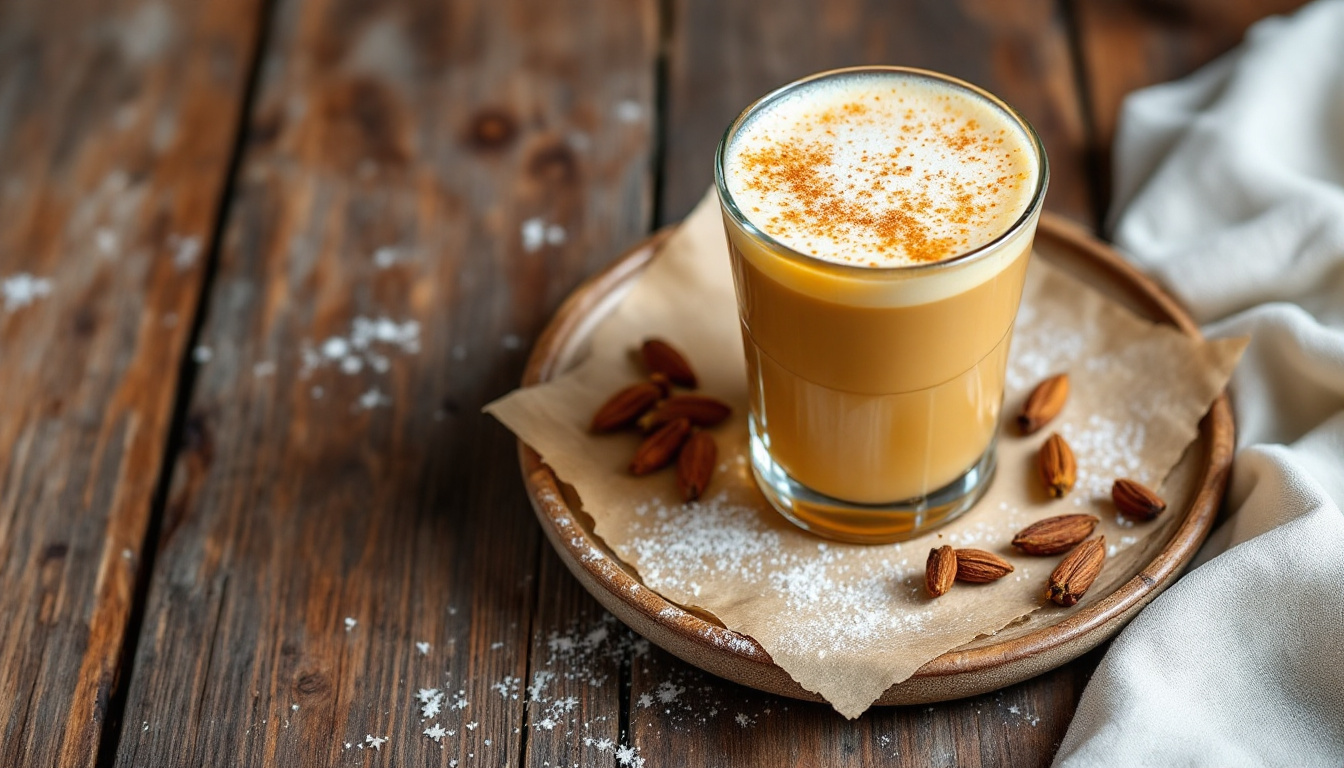
Karak chai is the UAE’s unofficial national drink, a strong, sweet, milky tea spiced with cardamom and sometimes saffron, brought by South Asian communities and adopted by everyone. It costs a dirham or two and is sold at thousands of cafeterias, often via drive-through windows where cars pull up for a paper cup at all hours. Sweet, comforting, ubiquitous, karak is the great unifier of UAE food culture, crossing every nationality and class. Order it everywhere.
Shawarma and the Levantine table
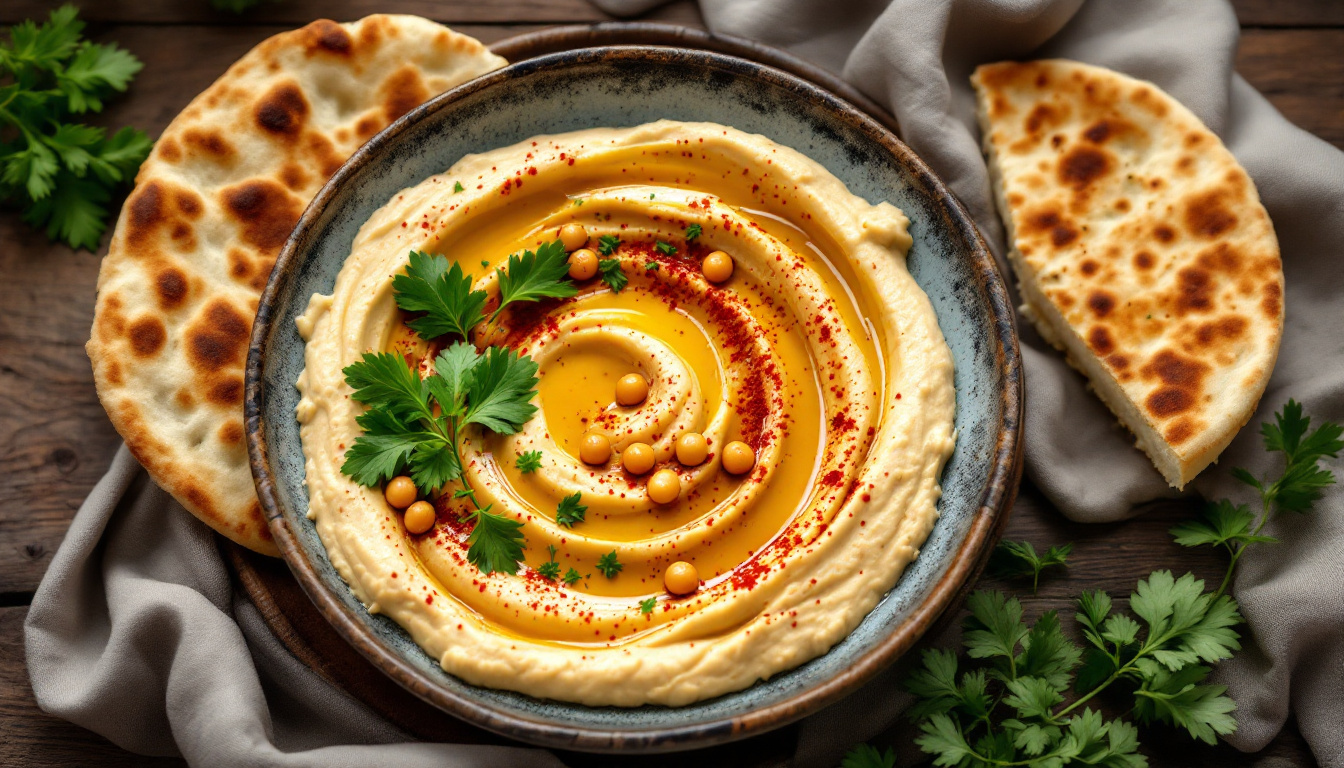
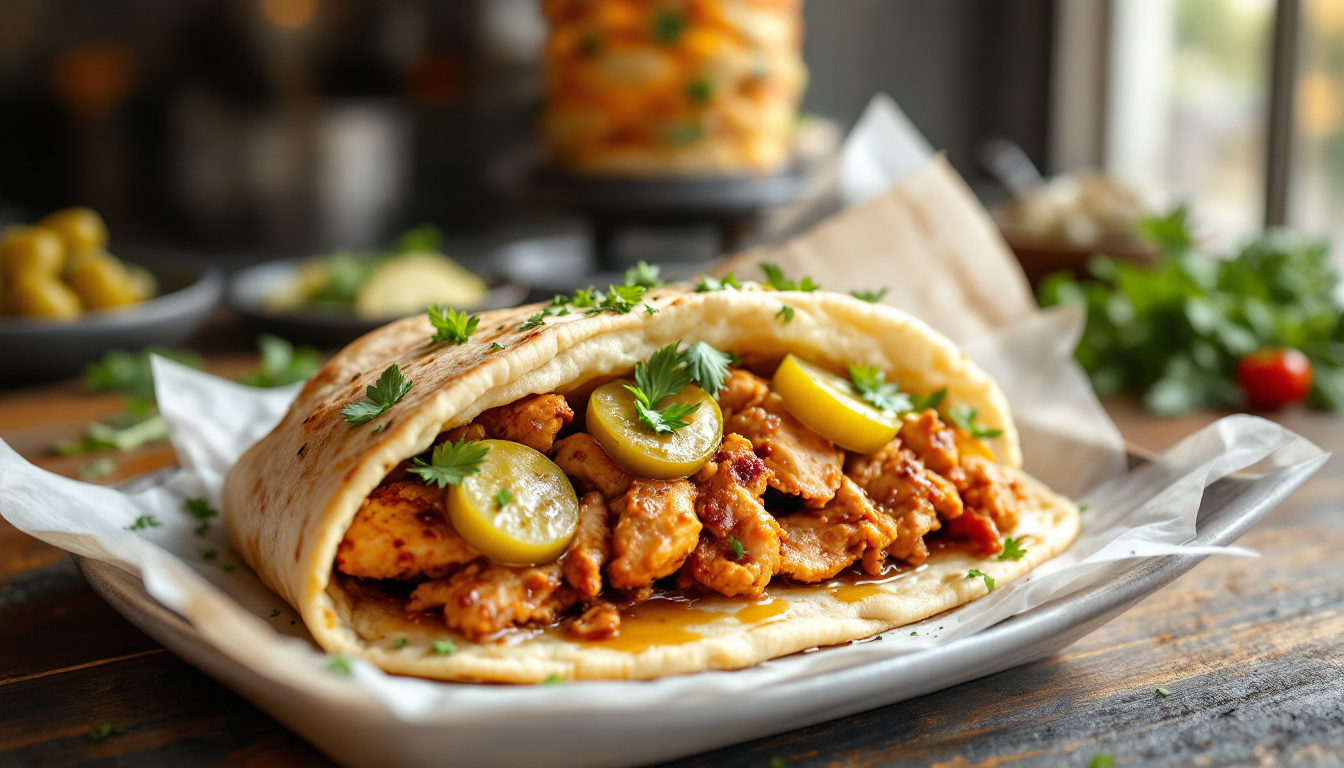
Shawarma is the everyday street food of the UAE, even though it’s Levantine rather than Emirati. Spit-roasted chicken or beef wrapped in thin bread with garlic sauce and pickles, it’s sold at every cafeteria for a few dirhams and eaten by everyone. Around it sits the wider Levantine table that dominates “Arabic” menus here: hummus, falafel, manousheh, grills, and kunafa, the cooking of Lebanon, Syria, and Palestine. Delicious and essential to eating in the UAE, just not local in origin.
Biryani and the South Asian table
Biryani and South Asian food are the daily backbone of eating in the UAE, since Indians and Pakistanis make up the largest expat communities. The legendary cheap eats are here: Ravi, the Pakistani institution in Dubai’s Satwa, serves nihari, dal, and grilled meat to crowds late into the night. Keralan, Hyderabadi, and Pakistani biryanis, fresh tandoor breads, and dosas are everywhere and superb. For most residents this, not machboos, is the food of everyday life, and it’s some of the best value in the country.
Gulf seafood
Gulf seafood is a quieter UAE highlight, built on the catch from the warm coastal waters. Hammour (a local grouper), kingfish, and prawns turn up grilled, in machboos, and in salona stews. The classic experience is Bu Qtair, a once-shack, now-famous Dubai spot near the fishing harbor where you pick your fish, have it fried in a secret masala, and eat it with rice and your hands at plastic tables. Simple, fresh, a world away from the city’s glitz.
Dates and gahwa
Dates and gahwa are the heart of Emirati hospitality, offered to every guest as a gesture of welcome. Gahwa is Arabic coffee, light gold and lightly bitter, scented with cardamom and saffron and poured from a long-spouted dallah into tiny handleless cups. It is always served with dates, of which the UAE grows dozens of varieties (try khalas or medjool). The ritual, accepting the coffee with your right hand and a small cup shake to signal you are done, is a cultural experience as much as a flavor.
How the UAE eats: Emirati heritage and the expat majority
Eating in the UAE makes sense once you separate the local heritage cuisine from the expat food that actually fills most tables. Both are worth your time; they are just different stories. Here is the map.
Authentic Emirati food is subtle, rice- and date-based Gulf cooking: machboos, harees, balaleet, madrouba, luqaimat, and camel, scented with loomi, saffron, and cardamom rather than chili heat. Because the Emirati population is small and traditionally ate at home, you mostly find it at dedicated heritage restaurants in Old Dubai and Abu Dhabi rather than on the street. It is the rarest and most rewarding food to seek out here.
South Asian food is what most of the UAE actually eats day to day, since Indian and Pakistani residents form the largest communities. Keralan and Hyderabadi biryani, Pakistani nihari and grills (Ravi in Satwa is the legend), tandoor breads, and dosas are everywhere, superb, and cheap. This is the everyday backbone of UAE eating, and some of the best value going, especially in Old Dubai’s Bur Dubai and Deira.
The Levantine and Iranian kitchens fill most “Arabic” menus in the UAE. Lebanese and Syrian shawarma, mezze, manousheh, and kunafa are the default Arabic food here, and Iranian spots like Al Ustad Special Kebab in Bur Dubai, a wall-of-photos Dubai institution, serve charcoal-grilled kebabs and saffron rice. None is Emirati, but all are central to how the country eats.
Old Dubai (Deira, Bur Dubai, Al Fahidi) is where the heritage restaurants, cheap legends, and spice and gold souks are, and it is the place to eat authentically and cheaply. New Dubai (Downtown, DIFC, the marina) is the global fine-dining and Friday-brunch capital, with celebrity-chef restaurants and lavish hotel buffets. The UAE food experience is eating across both: a one-dirham karak in Deira and a tasting menu downtown.
Where to eat: heritage houses, Old Dubai and fine dining
The best food in the UAE is found in Old Dubai’s heritage houses and cheap-eat legends, not only the glossy malls. Each setting has its role, and the contrast is the point. Here is where to go.
- Heritage restaurants, for authentic Emirati food: Al Fanar (1960s Dubai setting), Arabian Tea House and Local House in Al Fahidi, and Logma for a modern Emirati take.
- Old Dubai cheap legends, Ravi (Pakistani, Satwa) and Al Ustad Special Kebab (Iranian, Bur Dubai), where locals and laborers have eaten for decades.
- Bu Qtair, the famous fried-fish spot near the Jumeirah fishing harbor, pick your fish and eat it with your hands.
- Karak cafeterias, the drive-through tea-and-snack windows on every corner, for a dirham karak and a quick paratha or shawarma.
- Markets and brunch, Global Village and the Ripe Market for street food, and the famous Friday hotel brunches for a blowout global spread.
What to drink in the UAE
The two essential drinks of the UAE are karak chai and gahwa (Arabic coffee), one the everyday fuel, the other the ritual of hospitality. Karak, sweet and spiced, is sold for a dirham everywhere; gahwa, cardamom-scented and served with dates, is the formal welcome. Beyond them, the UAE drinks fresh juices and laban (a salty buttermilk), camel milk in various forms, and Levantine jallab and tamr hindi (tamarind) in Ramadan. Alcohol is available but only in licensed hotels, bars, and restaurants, not in supermarkets or casual cafeterias, and it’s heavily taxed. So a drink with dinner is a pricey luxury rather than a casual habit.
- Accept dates and gahwa (Arabic coffee) with your right hand when offered; it is the core of hospitality.
- Emirati meals are often shared from a communal platter, traditionally eaten with the right hand.
- Tipping around 10 to 15 percent is appreciated; a service charge is sometimes already added.
- Vegetarians eat very well thanks to the huge South Asian scene (dosas, dal, vegetable biryani) plus Levantine mezze; Emirati food is more meat- and rice-based.
- During Ramadan, respect daytime fasting in public; iftar after sunset is a spectacular time to eat.
Frequently asked questions
What is the national dish of the UAE?
Machboos (also spelled majboos) is the national dish of the UAE, a one-pot of spiced rice cooked with meat, chicken, or shrimp and flavored with loomi (dried black lime), cinnamon, and cardamom. It resembles biryani but is gentler and more aromatic, built around the sour loomi note. It is served as a sharing platter and is the centerpiece of Emirati hospitality.
What is the most popular food in the UAE?
The most popular and typical food in the UAE depends on whether you mean local or everyday eating. The most popular Emirati dishes are machboos (the national spiced rice), ghuzi (festive roast lamb on rice), harees, balaleet for breakfast, and luqaimat for dessert. But what actually feeds the country day to day is expat food: shawarma, biryani, Iranian kebabs, and the unofficial national drink, one-dirham karak chai. For the most popular Emirati experience, eat at a heritage restaurant in Al Fahidi; for everyday favorites, follow the karak stalls and shawarma counters.
Is shawarma Emirati food?
No, shawarma is Levantine, originating in Lebanon, Syria, and the wider region, not Emirati. The same goes for hummus, falafel, and kunafa, which dominate “Arabic” menus in the UAE but are not local. Authentic Emirati dishes are different: machboos, harees, balaleet, madrouba, and luqaimat. Shawarma is still the everyday street food of the UAE, just not native to it.
What is karak chai?
Karak chai is the UAE’s unofficial national drink, a strong, sweet, milky tea spiced with cardamom and sometimes saffron, brought by South Asian communities. It costs only a dirham or two and is sold at thousands of cafeterias, often through drive-through windows. Comforting and ubiquitous, it crosses every nationality and is the great unifier of UAE food culture.
Where can I find authentic Emirati food in Dubai?
Authentic Emirati food is found mainly at dedicated heritage restaurants, since the local population is small and traditionally ate at home. The best are in Old Dubai’s Al Fahidi district: Al Fanar (recreating 1960s Dubai), Arabian Tea House, and Local House, plus Logma for a modern take. Order machboos, harees, balaleet, and luqaimat to taste the real local cuisine.
Is food in the UAE expensive?
Food in the UAE spans extremes. The fine-dining and Friday-brunch scene is genuinely expensive, but everyday eating is cheap: a karak costs a dirham, a shawarma a few dirhams, and a Pakistani feast at a Satwa legend like Ravi is very affordable. Old Dubai’s cafeterias and heritage spots offer excellent value, so you can eat extremely well without the luxury price tag.
Can vegetarians eat well in the UAE?
Vegetarians eat exceptionally well in the UAE, largely thanks to the enormous South Asian food scene: dosas, idli, vegetable biryani, dal, and paneer dishes are everywhere and cheap. Levantine mezze (hummus, falafel, moutabbal, fattoush) adds more options, and modern restaurants cater well to plant-based diners. Traditional Emirati food is more meat- and rice-focused, but the country overall is very vegetarian-friendly.
More food guides waiting for you
Browse our complete collection of food guides across Africa and the Middle East.