Boiled horse meat over hand-rolled noodles, sausages made from prized cuts, dumplings steamed in tiered pots, and a bowl of fermented mare’s milk: a guide to the nomadic steppe cuisine of Kazakhstan, where meat and dairy are everything.
The best food to eat in Kazakhstan is some of the most distinctive and least-known cooking in Asia, built over centuries of nomadic life on the steppe. This is a meat-and-dairy culture where horse is the most honored meat on the table, where a host shows respect by serving you the finest cuts, and where the national dish is eaten with your hands from a shared platter. Layered on top are the flavors brought by Uzbek, Uyghur, Russian, and Korean neighbors, making the food of Kazakhstan far richer than its empty-steppe reputation suggests.
Why Kazakh food is the great cuisine of the steppe
Kazakh food is the great cuisine of the steppe because it was shaped by a nomadic life built around herds, where meat and milk were survival and hospitality was sacred. For centuries, Kazakhs moved with horses, sheep, and camels across the world’s largest steppe, and the food reflects it: boiled and preserved meats, hand-rolled noodles, fried dough, and a whole world of fermented and dried dairy. It is one stop on our wider guide to the best food in Asia.
Horse meat sits at the center, considered the finest and most honorable meat to serve a guest, which surprises many visitors. Around that nomadic core, Kazakhstan absorbed the cooking of its neighbors and settlers: Uzbek and Uyghur plov, lagman, and samsa from the south and the Silk Road; Russian soups and salads from the Soviet era; and a distinctive Korean strand from the Koryo-saram community deported here in the 1930s. This guide runs through the dishes that define the country, then the influences behind them.
The best food to eat in Kazakhstan, dish by dish
These are the 14 dishes I tell every visitor to seek out, the most popular and typical food to eat in Kazakhstan, with a rough 2026 price and what makes each matter. Prices are in Kazakhstani tenge (KZT), with the dollar figure at roughly KZT 500 to USD 1.
Beshbarmak
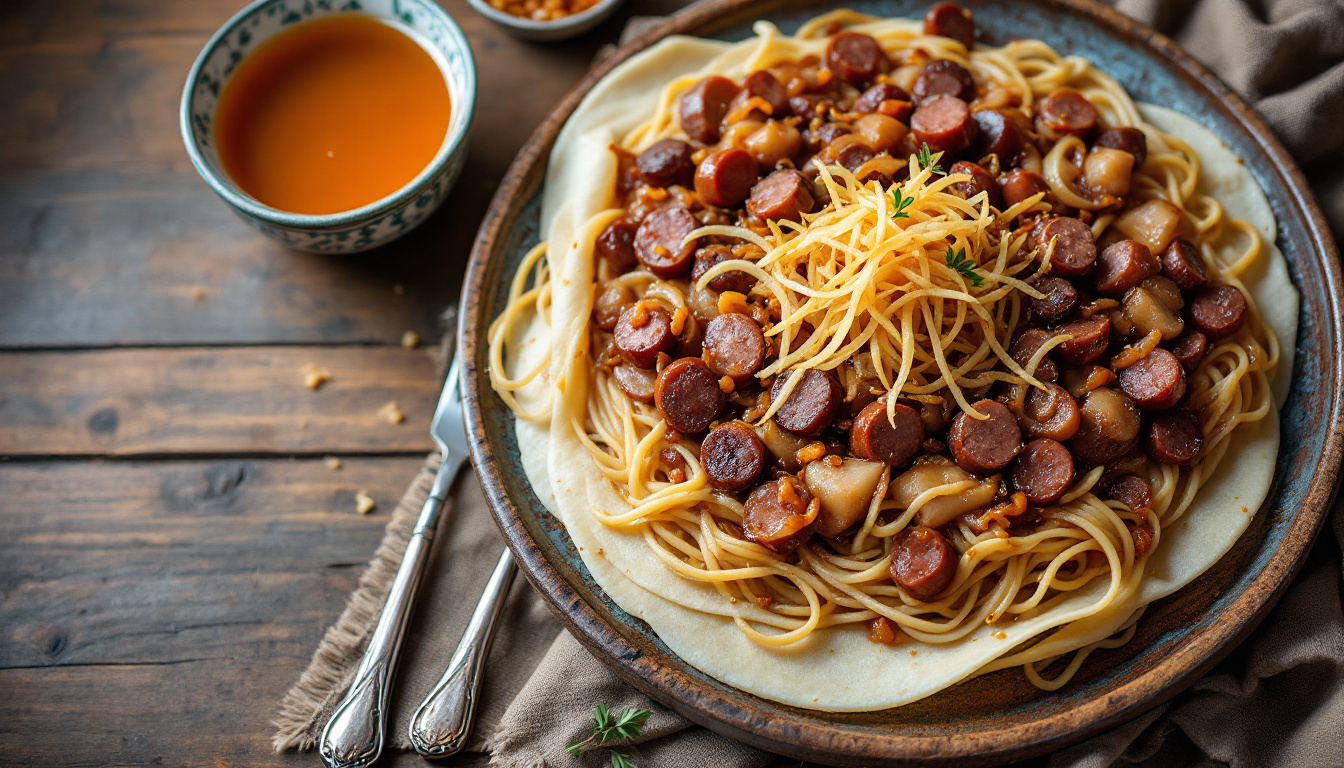
Beshbarmak is the national dish of Kazakhstan, boiled horse meat and beef served over wide, freshly made flat noodles and topped with caramelized onions, with the cooking broth (sorpa) drunk on the side. The name means “five fingers,” because it is traditionally eaten by hand from a shared platter. It is the centerpiece of every important occasion, from weddings to funerals, and the way the meat is divided and offered to guests follows real etiquette. This is the dish to understand Kazakh food and hospitality.
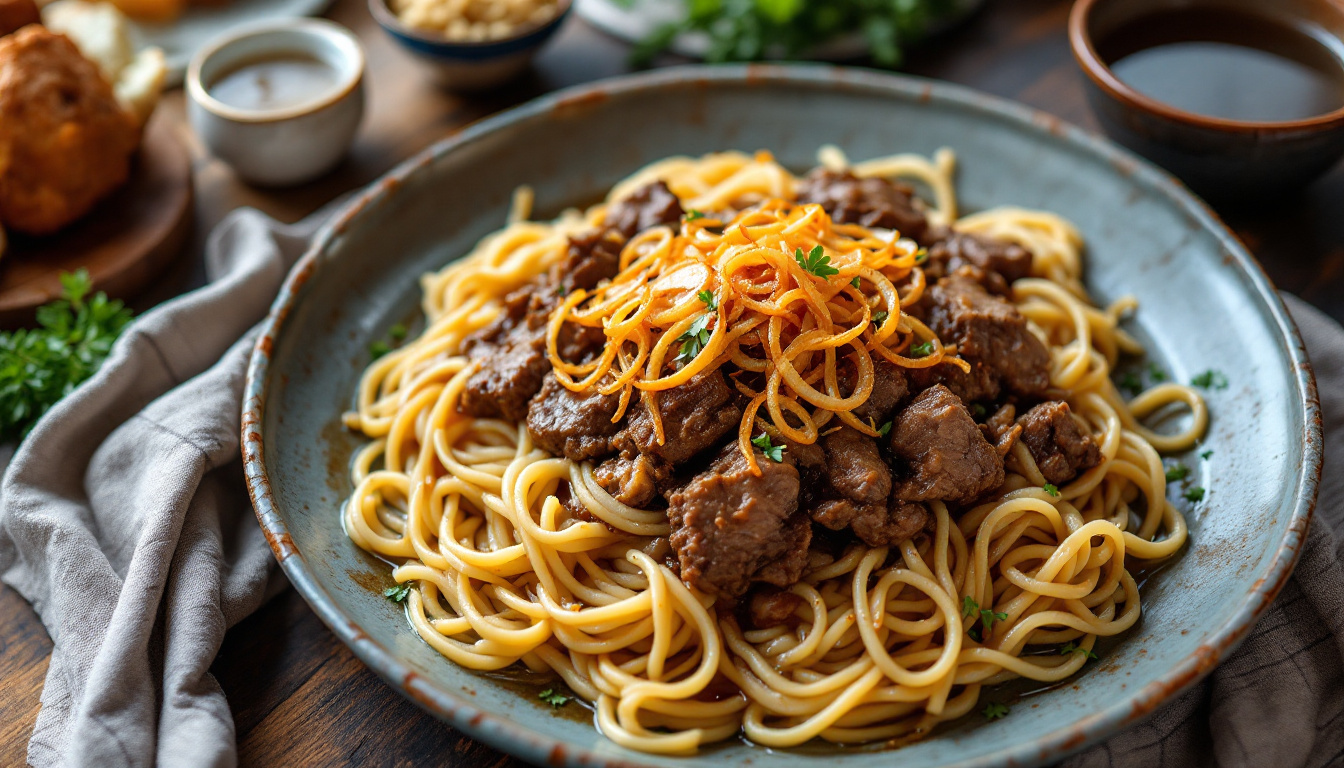
Kazy and horse meat
Kazy is a homemade horse-meat sausage made from rib meat and fat cured in the intestine, and it is the most prized food on the Kazakh table. Sliced into rounds, it crowns a beshbarmak at every celebration. Horse meat in general (also as zhaya and shuzhuk cuts) is considered the finest, most honorable meat to serve guests, a status that surprises Western visitors but sits at the heart of the culture. Rich, savory, and slightly sweet, kazy is the taste of a Kazakh feast.
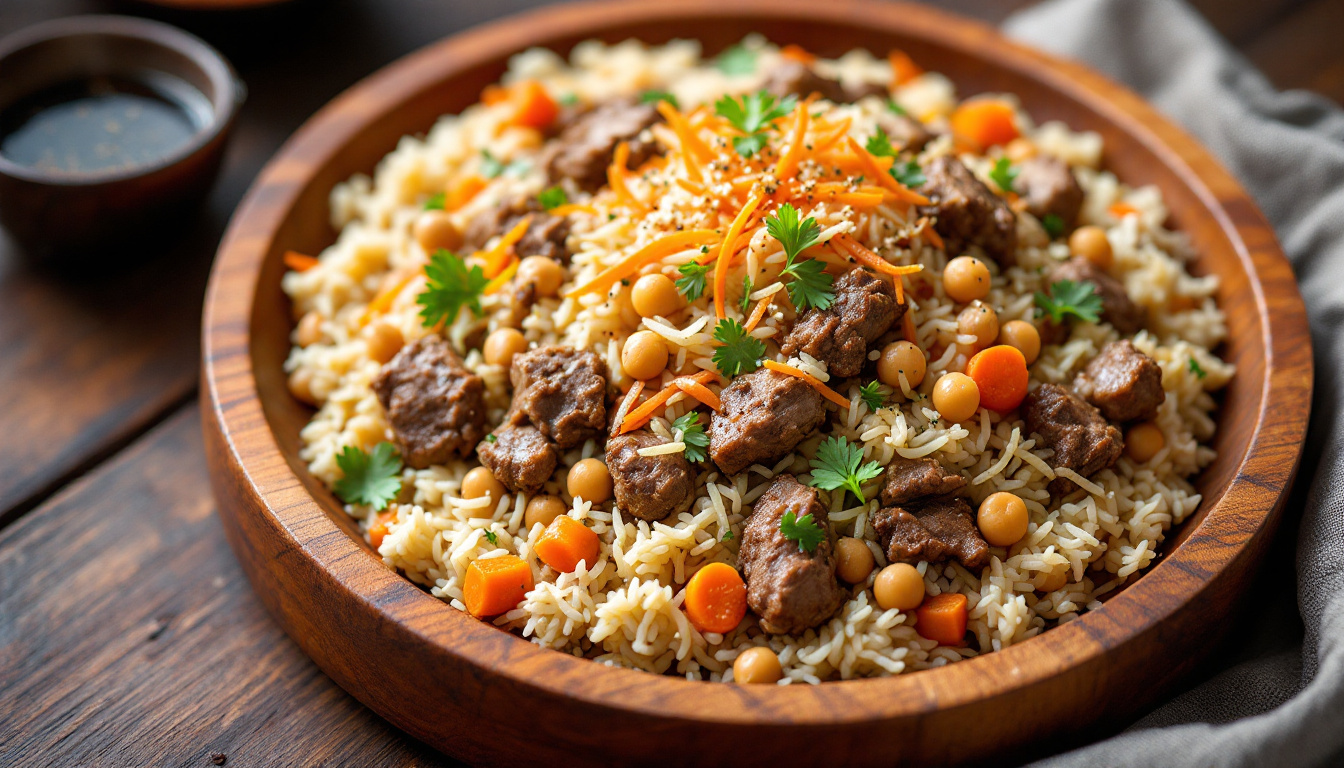
Plov palau
Plov is the great rice dish of Central Asia, fragrant rice cooked with chunks of meat, onions, and shredded carrots in a single heavy pot, seasoned with cumin and coriander. It came to Kazakhstan from the Uzbek south and the Silk Road, and it is the dish cooked in huge quantities for guests and gatherings. The rice soaks up the meat fat and spices until every grain is golden. It is comfort food across the whole region and a reliable, delicious order anywhere.
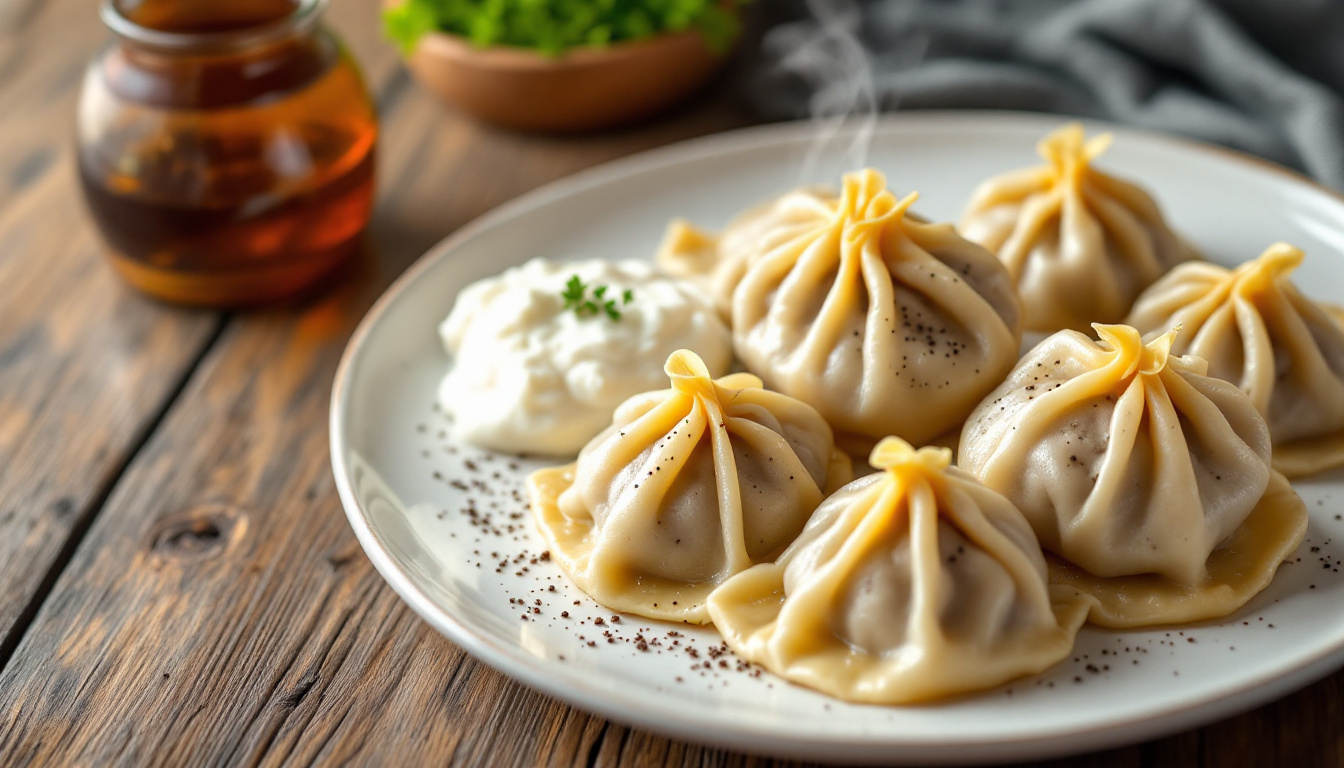
Manty
Manty are large steamed dumplings stuffed with minced meat (often lamb or beef with onion, sometimes pumpkin), folded into parcels and cooked in a tiered steamer called a kaskan. Bigger and juicier than Chinese dumplings, they are eaten with sour cream (kaymak) or a tomato and chili sauce. Shared across the Turkic world, manty are a Kazakh staple and a great entry point to the cuisine. The juicy, oniony filling and soft dough make them universally loved.
Lagman
Lagman is a dish of hand-pulled wheat noodles served in a spiced meat-and-vegetable sauce or soup, brought to Kazakhstan by the Uyghur and Dungan communities. The noodles are stretched and swung by hand to order, then topped with a stir-fry of beef, peppers, and tomato, or served in a rich broth. It is hearty, a little spicy, and shows the Silk Road and Chinese influence on the country’s food. Seek out a Dungan or Uyghur cafe for the best version.
Shashlik
Shashlik is marinated meat grilled on skewers over charcoal, and it is the social, warm-weather food of Kazakhstan and the whole post-Soviet world. Lamb, beef, and chicken are the usual cuts, marinated with onion and spices and grilled until charred at the edges, served with raw onion, flatbread, and a sharp sauce. It is the food of summer dachas, roadside cafes, and gatherings. Simple and smoky, it pairs with cold beer and good company.
Kuyrdak
Kuyrdak is an ancient steppe dish of meat and offal (liver, heart, kidney, and lung) fried with onions and potatoes, traditionally made right after an animal is slaughtered. Rich, deeply savory, and rustic, it is one of the oldest Kazakh dishes and a real taste of nomadic cooking. Modern versions sometimes use just meat for the squeamish, but the offal version is the authentic one. It is hearty, frugal cooking that wastes nothing, the nomadic ethos on a plate.
Sorpa, syrne and koktal
Three more dishes round out a proper Kazakh table. Sorpa (also shorpa) is the rich, skimmed meat broth from boiling beshbarmak, drunk from a bowl as a restorative course in its own right and often the first thing a host presses on you. Syrne is a celebratory dish of young lamb slow-cooked in its own juices with onions and potatoes until meltingly tender, a feast dish from the south. And koktal is the great exception to all the meat: a whole fish, usually carp, split, layered with tomatoes and onions, and hot-smoked in a metal box, a specialty of Kazakhstan’s rivers and lakes. Together they show the cuisine beyond the famous platters.
Samsa
Samsa is a savory baked pastry filled with meat and onion (or pumpkin), traditionally baked on the wall of a clay tandyr oven until the crust is flaky and blistered. A Silk Road snack shared across Central Asia, it is the grab-and-go food of bazaars and roadsides, juicy inside and crisp outside. The tandyr-baked versions from the south are the best, with a smoky char. Cheap and satisfying, samsa is the perfect thing to eat while exploring a market.
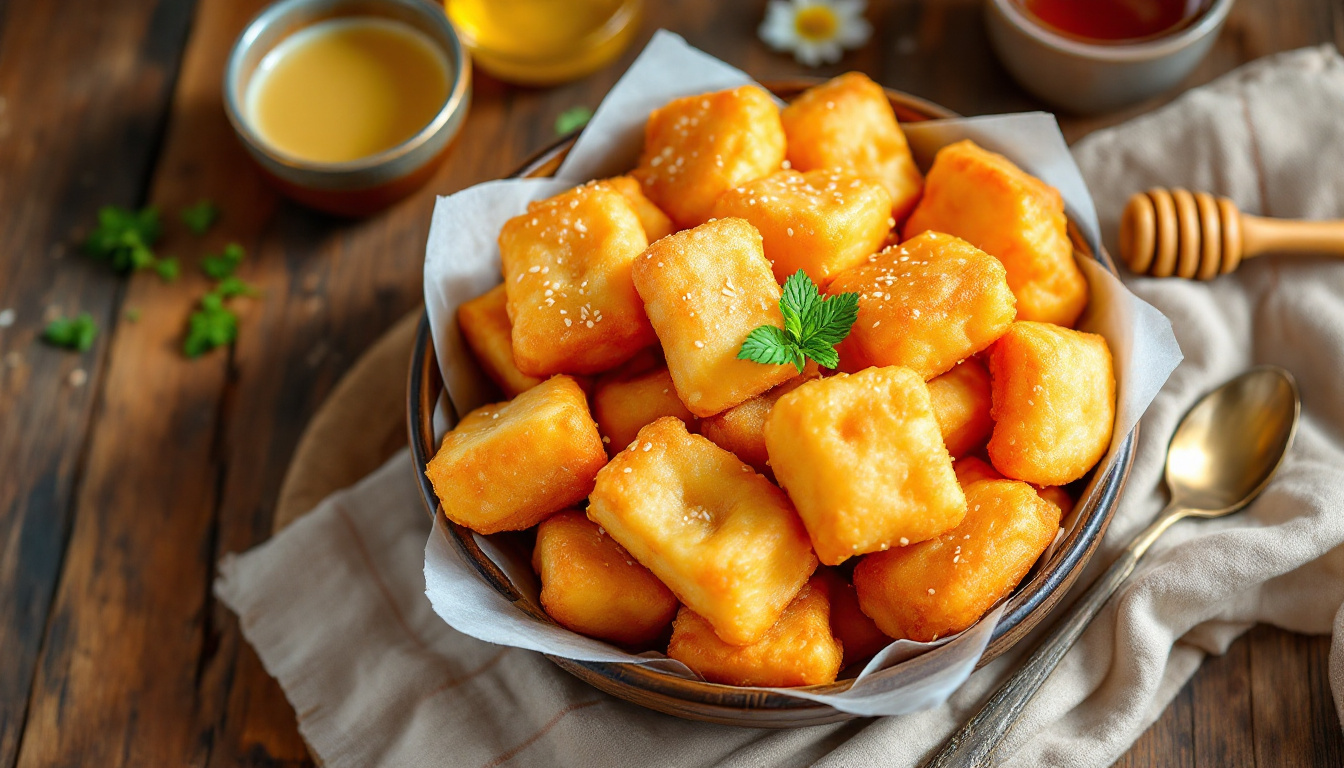
Baursak
Baursak are pieces of yeast dough deep-fried into golden, pillowy puffs, and they are the bread of every Kazakh celebration. Piled high on the table at weddings, holidays, and memorials, they are eaten with tea, honey, or jam, or alongside savory dishes. Slightly sweet and irresistibly soft, they are a symbol of hospitality and plenty. The sight of a mountain of baursak signals a feast, and they are impossible to stop eating once they are warm.
Kurt and dried dairy
Kurt is dried, salted balls of fermented cheese, hard and intensely sour, and it is the original nomadic travel food. Made by drying strained sour milk, it kept for months on the steppe and provided protein and salt on long journeys. The taste is sharp and acquired, somewhere between cheese and yogurt concentrated to a tangy stone. Alongside it sits irimshik, a milder dried curd. Sold by the bag at every bazaar, kurt is a genuine bite of nomadic history.
Korean-Kazakh food
Korean-Kazakh food is one of the country’s most surprising and delicious strands, created by the Koryo-saram, ethnic Koreans deported to Kazakhstan in the 1930s. Their cooking adapted to local ingredients and became part of everyday life, above all morkovcha (a spicy marinated carrot salad invented here, not in Korea) and kuksi, a cold noodle soup. Bazaar stalls sell rows of Korean salads and kimchi alongside the kazy and kurt. It is a unique fusion you will not find anywhere else.
Kumys and shubat
Kumys is fermented mare’s milk and shubat is fermented camel’s milk, and these slightly sour, mildly alcoholic drinks are the ancient lifeblood of the steppe. Kumys especially is prized as a health tonic, said to be packed with vitamins, and drinking it is a rite of passage for any visitor. The taste is tangy, fizzy, and unlike anything in Western diets. Sold at bazaars and roadside stands in spring and summer, it is the most authentically nomadic thing you can drink in Kazakhstan.
Chak-chak and sweets
Chak-chak is a sweet of short fried dough pieces bound together with honey syrup into a sticky mound, and it is the classic accompaniment to the all-important Kazakh tea table. Crunchy, sweet, and shareable, it is broken off piece by piece with endless cups of milky tea. The tea ritual (the dastarkhan spread) is central to hospitality, and chak-chak, baursak, dried fruit, nuts, and jams all crowd the table. It is the sweet end to a meat-heavy meal.
The cuisine: nomadic roots and its neighbors
Kazakh food makes sense once you see its layers: a nomadic meat-and-dairy core, plus the cooking of the neighbors and settlers who shaped the modern country. Knowing the layers tells you what to order and where. Here is the map.
The heart of Kazakh cuisine is nomadic herding food: beshbarmak, horse-meat kazy, kuyrdak, dried kurt, and fermented kumys and shubat. This is the cooking of people who lived with their animals on the steppe, preserving meat and milk for survival and treating hospitality as sacred. It is meat-forward, dairy-rich, and built on the horse, the sheep, and the camel rather than vegetables or spice.
Southern Kazakhstan, around Shymkent and Turkestan, eats closer to its Uzbek and Uyghur neighbors, with plov, lagman, samsa, and tandyr breads at the center. This is the settled, Silk Road side of the country’s food, warmer in climate and richer in vegetables and spice. The tandyr-baked samsa and the hand-pulled lagman here are some of the best in the country.
Almaty, the cosmopolitan former capital, is the best place to eat across all of Kazakhstan’s influences in one city, including the unique Korean-Kazakh food of the Koryo-saram. The bazaars here sell morkovcha and kimchi beside the kazy and kurt. Almaty is also apple country (its name is linked to the apple, and the wild ancestor of the domestic apple grows nearby), so local apples and compotes are a quiet highlight.
The Russian and Soviet era left a deep mark on everyday Kazakh eating, especially in the north and the cities. Borscht, pelmeni (small dumplings), blini, and the mayonnaise-rich salads of a Soviet table are normal here, sitting comfortably alongside the Turkic and nomadic dishes. It is part of why a Kazakh menu can swing from horse-meat beshbarmak to borscht in the same cafe.
Where to eat: bazaars, ashkanas and the dastarkhan
The best food in Kazakhstan is found at bazaars, simple canteens (ashkanas), and around the family dastarkhan, not in fancy restaurants. Each has its role, and a market visit in particular is the fastest way into the cuisine. Here is where to go. Prices in this guide are 2026, in tenge with US-dollar conversions at roughly 500 tenge to the dollar; Kazakhstan is inexpensive, and a bazaar or canteen meal runs just a few dollars.
- Bazaars, like Almaty’s Green Bazaar (Zelyony Bazar), for kazy and horse meat, kurt and dried dairy, Korean salads, samsa, and dried fruit, all under one roof.
- Ashkanas and canteens, the cheap, no-frills eateries serving beshbarmak, plov, lagman, and manty to locals at lunch.
- National-cuisine restaurants, the sit-down spots (yurt-themed traditional restaurants like Alasha in Almaty, or the polished modern-Kazakh places in the capital Astana) for a proper beshbarmak and the full hospitality experience.
- Dungan and Uyghur cafes, for the best hand-pulled lagman and ashlyamfu.
- The dastarkhan, the spread laid out in a home, where the real feast happens; an invitation is the best meal you can get.
Kazakhstan’s food cities: Almaty, Shymkent and Astana
For food, the three cities that matter are Almaty, Shymkent and Astana, and they taste noticeably different. Almaty has the most variety, Shymkent is the southern plov-and-samsa capital, and Astana is where modern Kazakh cooking is being reinvented.
- Almaty, the former capital and largest city, has the broadest food scene: the Green Bazaar (Zelyony Bazar) for kazy, kurt and Korean morkovcha under one roof, yurt-themed national restaurants like Alasha, and strong Uyghur and Korean (Koryo-saram) influences from its mixed population.
- Shymkent, in the south near the Uzbek border, is the most Central Asian city in the country and the one place where plov rivals beshbarmak as the celebration dish. Its samsa and wood-fired kazan plov are widely rated the best in Kazakhstan (a plate of plov runs under $3), and its chaikhana tea-house culture is the strongest anywhere; the Central Bazaar is a working Silk Road market.
- Astana, the modern capital, is where the polished, contemporary take on Kazakh cuisine lives, alongside the regional and international options a new capital attracts.
What to drink in Kazakhstan
The most traditional drinks of Kazakhstan are kumys and shubat, the fermented mare’s and camel’s milks of the steppe, but everyday life runs on tea. Tea (chai), usually black and served with milk, is poured constantly and is the center of the dastarkhan and all hospitality, refilled endlessly in small bowls. Beyond them, ayran (a salty yogurt drink) cools the heat, kompot (stewed-fruit drink) and apple juice nod to Almaty’s orchards, kvass (fermented bread drink) is a Russian-era staple, and vodka and beer are widely drunk thanks to the Soviet legacy. Trying kumys at least once is essential.
- Beshbarmak is eaten by hand from a shared platter; use your right hand, and expect the host to offer you honored cuts.
- Hospitality is sacred; refusing food or tea outright can offend, so accept at least a little.
- Tea is constant and central; an empty cup will be refilled, and the tea table (dastarkhan) frames every visit.
- Vegetarians have a harder time in this meat-heavy cuisine, but plov can be made meat-free, and samsa, manty with pumpkin, baursak, salads, and Korean vegetable dishes help.
- Tipping around 10 percent is normal in city restaurants; less expected at bazaars and canteens.
Frequently asked questions
What is the national dish of Kazakhstan?
Beshbarmak is the national dish of Kazakhstan, boiled horse meat and beef served over wide flat noodles with caramelized onions, accompanied by the cooking broth (sorpa). The name means “five fingers” because it is traditionally eaten by hand from a shared platter. It is the centerpiece of weddings, funerals, and every major celebration, with real etiquette around how the meat is offered to guests.
What is the most popular Kazakh food?
The most popular and most famous Kazakh food is beshbarmak, the national dish of boiled meat over flat noodles eaten by hand. After it, the most typical dishes are horse-meat kazy sausage, plov, manty dumplings, and lagman noodles, with kurt and fermented kumys as the iconic nomadic dairy. For a quick, cheap taste of the most popular foods, head to a city bazaar for kazy, kurt, samsa, and Korean-Kazakh salads.
Do Kazakhs really eat horse meat?
Yes, horse meat is central to Kazakh cuisine and considered the finest, most honorable meat to serve a guest. It appears as kazy (horse-meat sausage), zhaya, and shuzhuk, and in beshbarmak at every celebration. This deep tradition comes from the nomadic herding culture. Beef versions of the same dishes are widely available if horse meat is not for you.
What is kumys?
Kumys is fermented mare’s milk, a slightly sour, mildly alcoholic drink that has been the lifeblood of the Kazakh steppe for millennia. It is prized as a health tonic, said to be rich in vitamins, and drinking it is a rite of passage for visitors. Shubat, the camel’s-milk equivalent, is similar. Both are sold at bazaars and roadside stands, mostly in spring and summer.
Why is there Korean food in Kazakhstan?
Korean food is part of everyday Kazakh life because of the Koryo-saram, ethnic Koreans deported to Kazakhstan from the Soviet Far East in the 1930s. Their cooking adapted to local ingredients and became mainstream, especially morkovcha (a spicy carrot salad actually invented in Central Asia) and kuksi noodle soup. Bazaars sell rows of Korean salads beside traditional Kazakh products.
Where can vegetarians eat in Kazakhstan?
Vegetarians face a challenge in this meat-heavy cuisine but can manage. Plov is sometimes made without meat, manty can come with pumpkin, and samsa, baursak, fresh bread, Korean vegetable salads (morkovcha and others), and Russian-style salads offer options. Almaty and the bigger cities have the most choice, including international restaurants. Confirm that dishes are genuinely meat-free, since broth is common.
Where should I eat in Kazakhstan?
Start at a bazaar like Almaty’s Green Bazaar for kazy, kurt, Korean salads, and samsa, then eat beshbarmak, plov, and manty at simple canteens (ashkanas) or a traditional national-cuisine restaurant such as a yurt-themed spot. For the best lagman, find a Dungan or Uyghur cafe. The ultimate experience is a home dastarkhan if you are lucky enough to be invited.
More food guides waiting for you
Browse our complete collection of Asian food guides.