Scotland’s food has spent decades being the butt of a joke, and the joke is badly out of date. Yes, the deep-fried Mars bar exists. But the everyday eating here is built on some of the best raw ingredients in Europe: Highland venison, Shetland mussels, Aberdeen Angus beef, smoked haddock and oats. The best food in Scotland is hearty, smoky and unapologetic, and once you’ve had a proper haggis with neeps and tatties, or a full Scottish breakfast done right, the jokes stop making sense.
Why Scotland’s food deserves a second look
Scotland’s food is defined by its larder, not its reputation. The country produces world-class beef, lamb, game, seafood and oats, and the modern kitchen has finally learned to leave those ingredients alone. Smoking is the great Scottish technique, from Arbroath smokies to cold-smoked salmon, and oats run through everything from breakfast to dessert.
This is one nation within a larger food culture, so it overlaps with the rest of the country covered in our guide to the best food to eat in the UK, but Scotland’s table is distinctly its own. The square Lorne sausage, the tattie scone, haggis, cullen skink and cranachan are Scottish, not generically British. Add whisky and a deep tradition of baking, and you have a cuisine worth crossing the border for.
The best food in Scotland, dish by dish
The best food in Scotland is hearty, smoky and built around oats, game and superb seafood. These are the eleven dishes I’d order first, with rough prices as of 2026 and where each one belongs.
Haggis, neeps and tatties haggis
Haggis is Scotland’s national dish and tastes far better than its description. It’s a savory pudding of sheep’s offal, oatmeal, suet and pepper, traditionally cooked in a stomach lining, served with mashed neeps (swede) and tatties (potato). The texture is crumbly and the flavor is warm, peppery and deeply savory. It takes center stage on Burns Night every January, when it’s piped to the table and addressed in verse. A vegetarian haggis, built on oats, pulses and seeds, is genuinely good and on most menus.
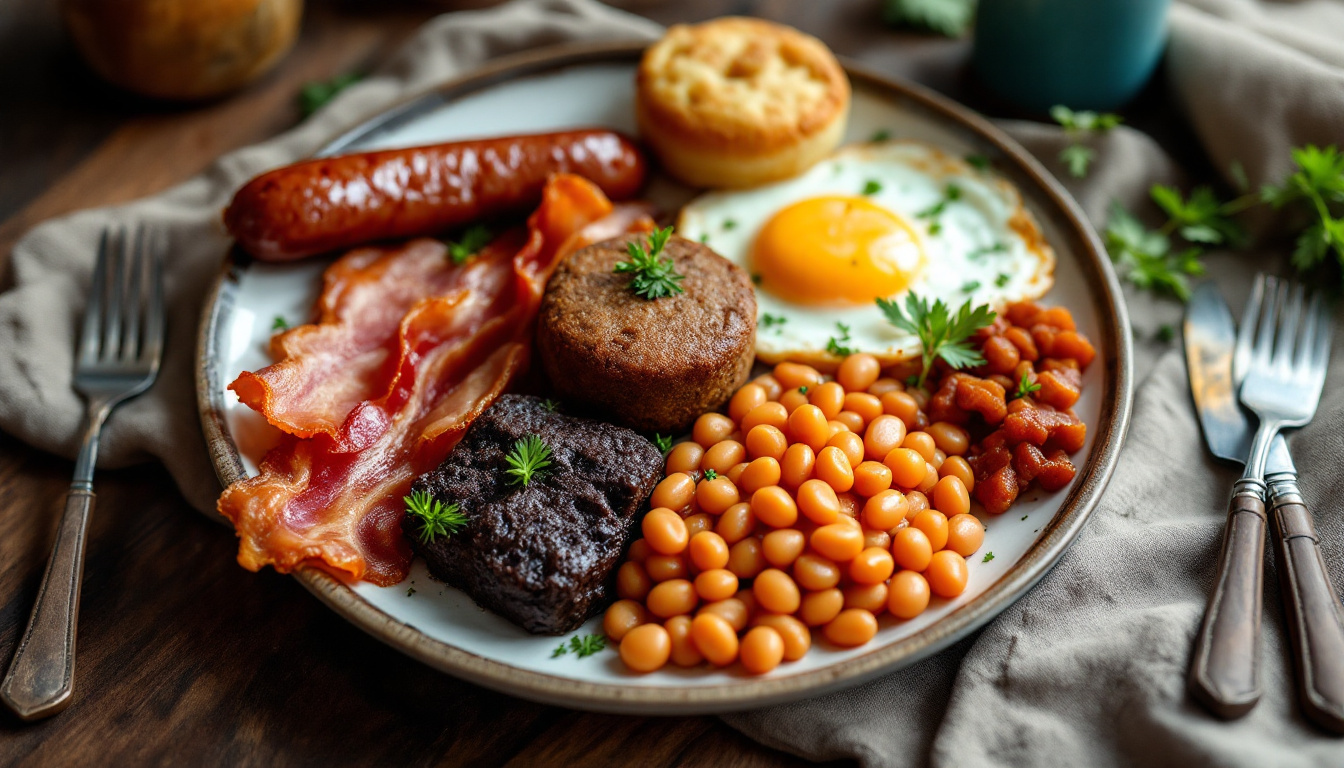
The full Scottish breakfast a full Scottish
A full Scottish breakfast is a full English with better, distinctly Scottish additions. Alongside the bacon, eggs, beans and grilled tomato, you get a flat square Lorne sausage, a tattie scone (a soft griddled potato flatbread), black pudding and often a slice of fried haggis. The tattie scone is the secret weapon, crisp at the edges and built to mop up egg yolk. If you want the lighter, older Scottish breakfast, ask for porridge: real Scottish oats cooked slow and traditionally seasoned with salt, not sugar. Order at a no-frills cafe, not a hotel buffet, and ask for it with a roll. It will carry you to dinner.
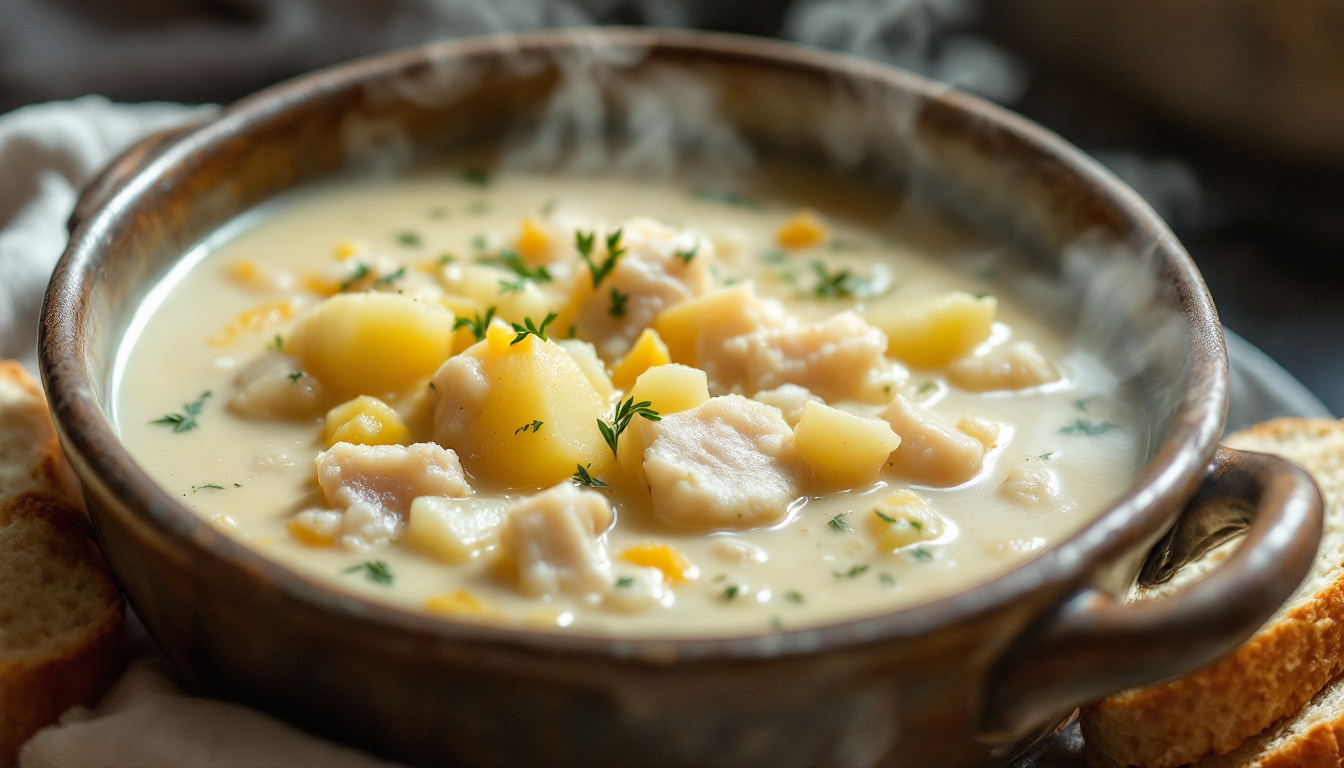
Cullen skink cullen skink
Cullen skink is a thick, smoky soup of smoked haddock, potato and onion, named after the fishing town of Cullen on the Moray coast. The smoked fish (traditionally finnan haddie) gives it a deep, savory body that a normal fish soup never reaches. It’s served as a starter or a light meal with bread, and the best versions are chunky rather than blended smooth. On a cold day on the east coast, it’s the single most comforting thing you can order.
A fish supper fish and chips
A fish supper is Scotland’s name for fish and chips, and it’s a serious chippy tradition. The fish is usually haddock rather than cod, in a thin crisp batter, with thick chips. The local twist is “salt and sauce” in Edinburgh, a thin brown sauce poured over instead of vinegar, while the west coast leans to salt and vinegar. Eat it from the paper, ideally near the coast. A good fish supper is one of the cheapest great meals in the country.
Scotch pie Scotch pie
The Scotch pie is a small, double-crust pie filled with spiced minced mutton, with a sturdy hot-water pastry built to be eaten in one hand. It’s the classic football-ground and bakery snack, sometimes topped with mashed potato or beans. The straight-sided shape and the slightly peppery mutton set it apart from any English pie. Grab one from a town bakery for under three pounds and you’ve eaten like a local for the price of a coffee.
Scottish smoked salmon smoked salmon
Scottish smoked salmon is one of the country’s great exports and best eaten where it’s made. The fish is cured and cold-smoked, often over oak, until silky and lightly smoky, then served simply with brown bread, lemon and capers. For the hot-smoked, intensely savory style, seek out an Arbroath smokie, a haddock smoked over hardwood that carries protected PGI status. Both show off the Scottish obsession with smoke far better than any supermarket pack.
Stornoway black pudding marag dubh
Stornoway black pudding is the finest blood sausage in Britain, made on the Isle of Lewis in the Outer Hebrides and protected by PGI status. It’s coarse, peppery and oaty, less sweet and more savory than most black puddings, and it holds its shape when fried. You’ll meet it on the breakfast plate, but it’s good enough to serve on its own with apple or a poached egg. It’s proof that the islands punch well above their weight at the table.
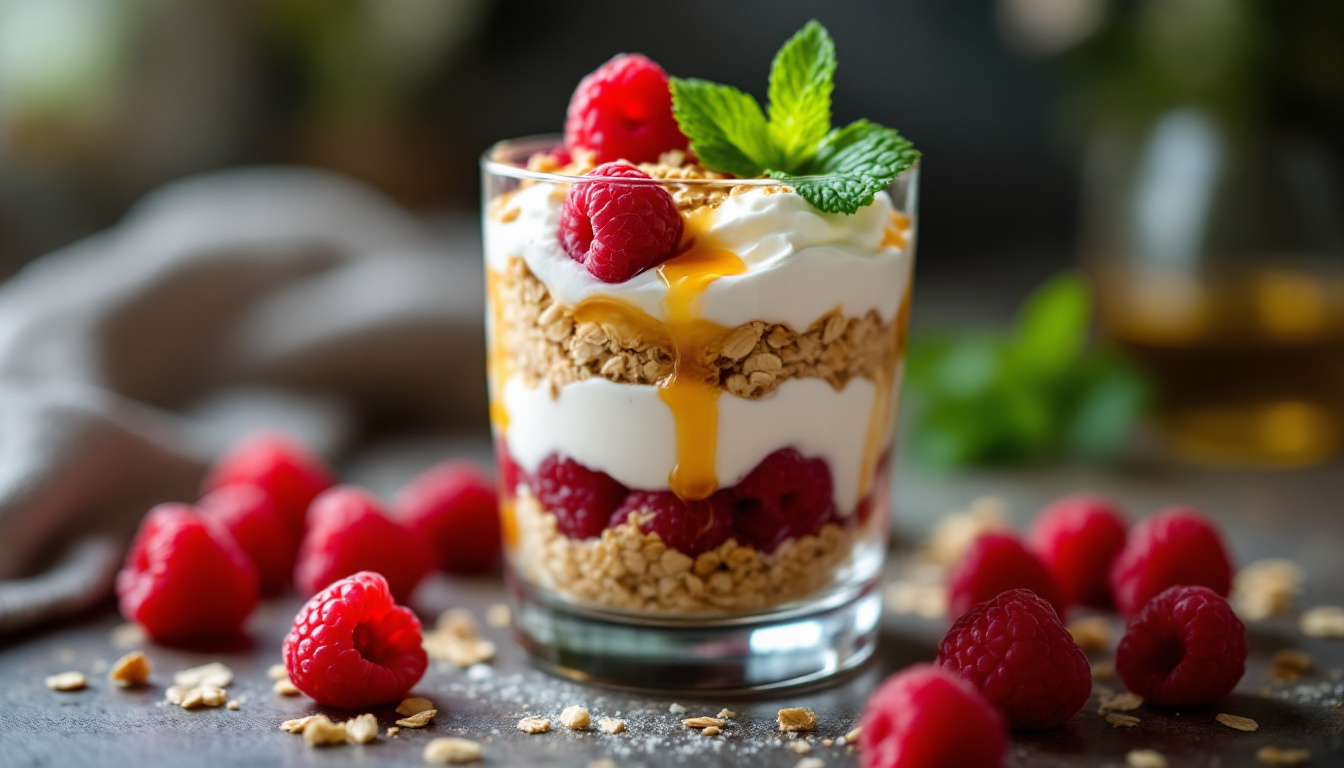
Cranachan cranachan
Cranachan is the Scottish dessert worth saving room for. It layers whipped cream with toasted oatmeal, fresh raspberries, a spoonful of honey and a slug of whisky, served in a glass. The toasted oats give it crunch, the whisky gives it warmth, and the raspberries (a genuine Scottish specialty) cut the richness. It’s the national dish of celebration, easy to make and impossible to dislike, and the best argument that Scottish cooking does sweet as well as savory.
Shortbread shortbread
Shortbread is Scotland’s most famous bake and a lesson in restraint: just butter, sugar and flour, baked until pale and crumbly. It comes as fingers, as round “petticoat tails”, or as thick individual rounds, and the good stuff is all about the quality of the butter. Eat it with tea or alongside a bowl of cranachan. Skip the tartan tourist tins and buy it from a local baker, where it’s fresher and far better.
Cock-a-leekie soup cock-a-leekie
Cock-a-leekie is Scotland’s old-school chicken and leek soup, with one surprising touch: prunes. The chicken and leeks simmer into a clear, savory broth, and the prunes add a faint sweetness that sounds wrong and tastes right. It’s a classic starter at a Burns Supper and on traditional menus. Its heartier cousin is Scotch broth, a thick barley-and-root-vegetable soup built on mutton or lamb that eats like a meal in itself. Order either when you want something lighter than haggis but still rooted in the old Scottish kitchen.
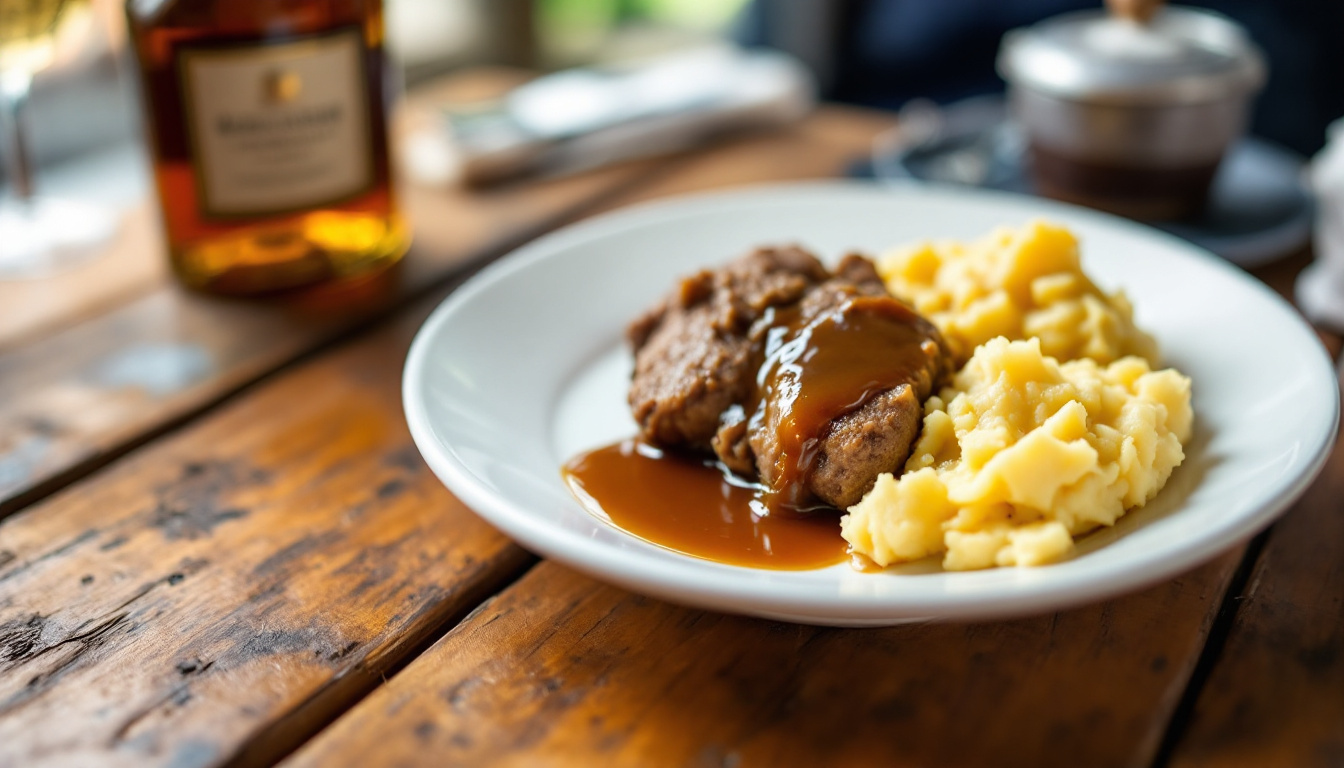
Stovies stovies
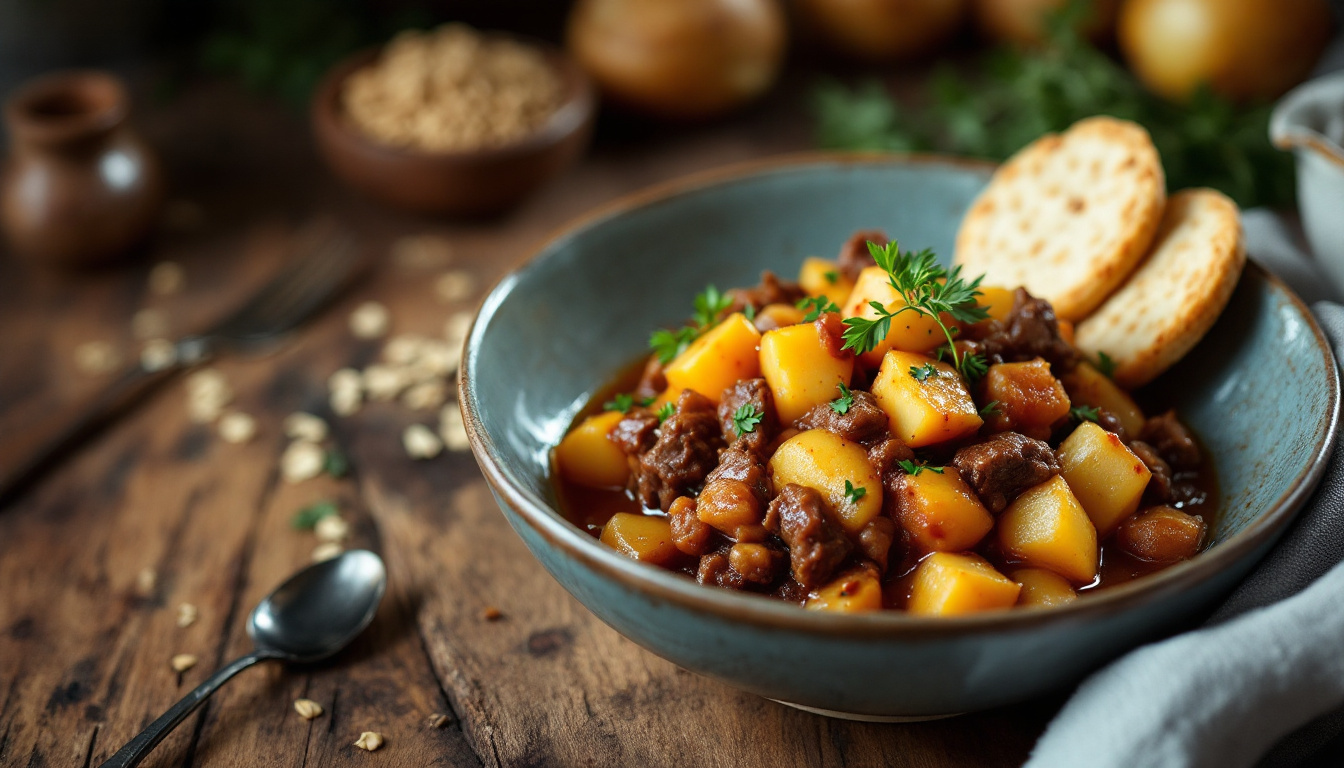
Stovies is the ultimate Scottish comfort dish and the one you’ll never see on a tourist menu: potatoes slow-cooked with onions and dripping until they collapse, then enriched with leftover roast beef or lamb. The name comes from “stove”, and every family makes it differently, some loose and stew-like, others almost dry and caramelized at the base. It’s traditionally served with oatcakes and a glass of milk, and it’s the classic post-Hogmanay and funeral-tea dish, the food Scots actually eat at home. A meat-free version on good potatoes alone still delivers.
How food changes across Scotland
The Highlands and Islands are Scotland’s pantry of game and seafood. Red deer venison, grouse and Highland beef come off the hills, while the Hebrides deliver langoustines, scallops, mussels and the famous Stornoway black pudding. This is also the heartland of Scotch whisky, and many dishes here are built to pair with it.
The east coast is smoked-fish country. Cullen on the Moray coast gives its name to cullen skink, and the town of Arbroath produces the hot-smoked Arbroath smokie under PGI protection. Aberdeen Angus beef and rich farmland produce define the northeast, making it the most quietly serious eating region in the country.
Scotland’s two big cities pull in opposite directions. Edinburgh leans refined, with strong seafood restaurants and salt-and-sauce chippies, while Glasgow is the country’s curry capital and lays claim to inventing chicken tikka masala. Both cities are where modern Scottish cooking is at its most ambitious.
Where to eat in Scotland
The best food in Scotland is found in town bakeries, harbor chippies and old pubs rather than tourist restaurants. For everyday eating, a local bakery gives you Scotch pies, bridies and shortbread for a few pounds, while a coastal chippy is the place for a fish supper. In Edinburgh, look beyond the Royal Mile to neighborhood spots; in Glasgow, the curry houses of the southside are a destination in their own right.
Time a visit around late January and you’ll hit Burns Night, when pubs and restaurants across the country serve a Burns Supper of cock-a-leekie, haggis with neeps and tatties, and cranachan. It’s the single best night to eat traditional Scottish food, and part of the wider story of eating your way across Europe.
What to drink in Scotland
The drink in Scotland is whisky, and the country is its global home. Scotch is split by region: light, honeyed Speyside, intense peaty-smoky Islay, and the broad range of the Highlands, all spelled “whisky” with no “e”. A dram is the standard pour, and many distilleries run tours and tastings. For something non-alcoholic, try Irn-Bru, the bright-orange soda that’s a genuine national obsession and the rare drink that outsells global colas in its home market. Together they bracket the Scottish table from breakfast to nightcap.
- “Neeps” means swede, “tatties” means potato; ordering haggis usually gets you all three.
- Whisky is spelled without an “e” in Scotland; the “whiskey” spelling is Irish or American.
- On Burns Night (25 January) the haggis is piped in and toasted before anyone eats.
- Vegetarian haggis is widely available and good, so veggies don’t miss out on the national dish.
FAQ
What is the national dish of Scotland?
Haggis is the national dish of Scotland, a savory pudding of sheep’s offal, oatmeal, suet and pepper, served with mashed neeps (swede) and tatties (potato). It takes center stage on Burns Night every 25 January, when it is piped to the table and toasted in verse.
What does a full Scottish breakfast include?
A full Scottish breakfast includes bacon, eggs, beans and grilled tomato plus distinctly Scottish additions: a flat square Lorne sausage, a tattie scone (griddled potato flatbread), black pudding and often a slice of fried haggis. The tattie scone is the highlight.
Is Scottish food good for vegetarians?
Yes, more than its reputation suggests. Vegetarian haggis is widely available and genuinely good, and cranachan, shortbread, cullen skink’s vegetable cousins and oat-based bakes are easy to find. Most cafes and restaurants offer a clearly marked vegetarian option.
How much does food cost in Scotland?
Scotland is affordable if you eat like a local. A Scotch pie costs £2-3, (~$2.5-4) a fish supper £8-12, (~$11-16) and a plate of haggis, neeps and tatties £8-14 (~$11-19) as of 2026. A full Scottish breakfast runs £8-12, (~$11-16) and cranachan or shortbread a few pounds more.
What should I drink in Scotland?
Whisky is the obvious answer, with Speyside, Islay and Highland styles to explore, ideally at a distillery. For a non-alcoholic option, try Irn-Bru, the bright-orange national soda that famously outsells global colas on home ground.
What is the most popular food in Scotland?
The most popular and most famous Scottish food is haggis with neeps and tatties, the national dish. For everyday eating, the fish supper (Scotland’s fish and chips) and the full Scottish breakfast are what locals reach for most, while cullen skink and cranachan are the best-loved soup and dessert.
More food guides waiting for you
Browse our complete collection of European food guides.