The best food to eat in Russia is built for cold, long winters and even longer dinners. Think soups thick enough to stand a spoon in. Sour cream on almost everything, pickled and fermented vegetables, and a whole genre of little snacks called zakuski that exist mainly to be eaten between shots of vodka. And it runs far past borscht and dumplings, pulling in Siberian game, Caucasus grilling and Central Asian rice. Come hungry, dress warm, and pace yourself with the vodka. (Prices are approximate for 2026 at roughly 86 RUB to $1; the ruble moves, so treat dollar figures as ballpark.)
Why Russian food is worth the trip
Russian food is comfort food on a national scale, built to keep people warm and fed through a brutal climate. The backbone is soup, dark bread, root vegetables and dairy, plus preserved everything: salted cucumbers, pickled mushrooms, cured fish, fermented cabbage. Smetana, a thick sour cream, goes into and onto nearly every savory dish. A basket of black rye bread sits on every table.
Two things make it more interesting than its grey reputation suggests. First, the tradition of zakuski, a spread of cold snacks (pickles, cured fish, salads, pelmeni) laid out for drinking and grazing. Second, the deep repertoire of meat-free dishes that came out of Russian Orthodox fasting, when believers skip meat and dairy for long stretches of the year. So the country does borscht and dumplings as well as its neighbors in Ukraine, then folds in Siberian, Tatar and Caucasus flavors you won’t find anywhere else.
The best food to eat in Russia, dish by dish
The best food to eat in Russia centers on hearty soups, dumplings, cured fish and rich, sour-cream-laced mains. These are the fifteen dishes I’d put on the table first, with rough prices as of 2026 and where each one belongs. Treat the ruble figures as ballpark; prices move fast.
Borscht борщ
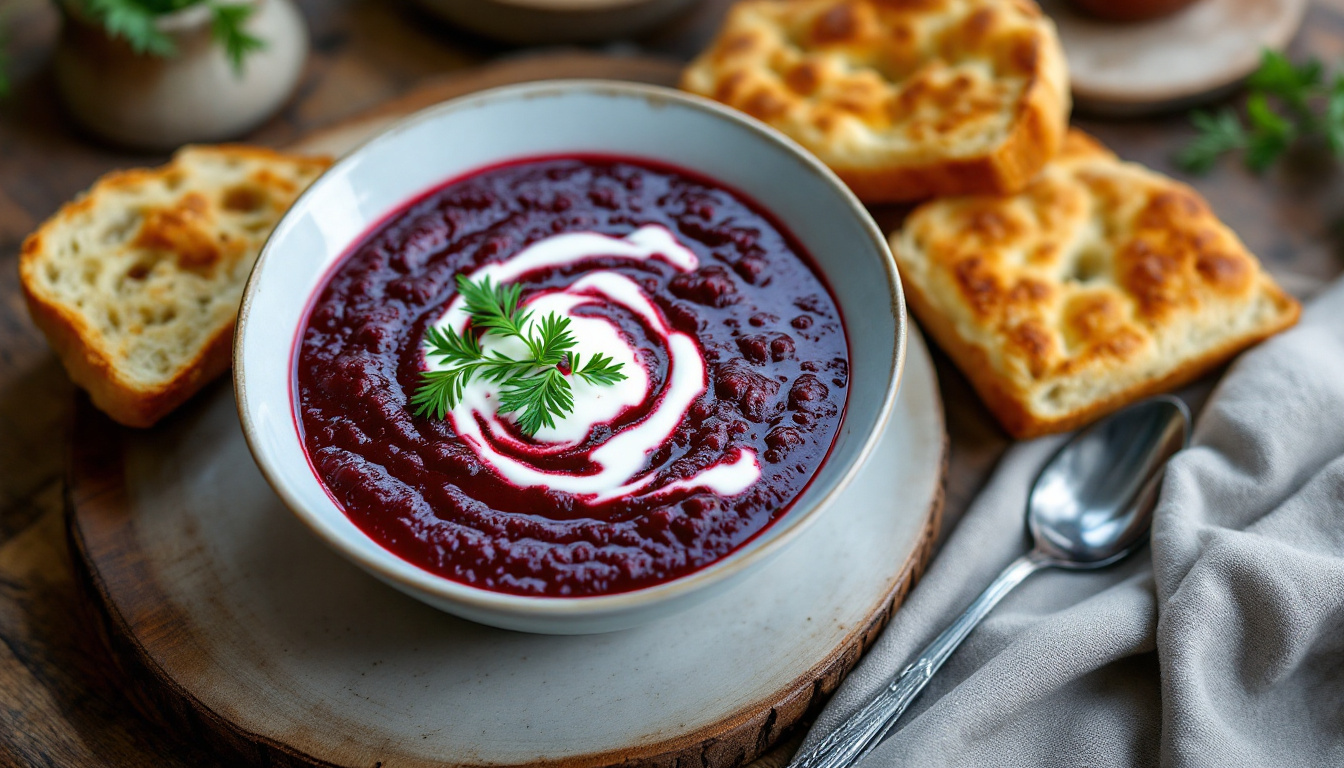
Borscht is the beetroot soup that defines comfort eating across the region, ruby red, sweet and sour at once. Beets, cabbage, carrot and often beef simmer into a deep broth, finished with a generous spoon of smetana stirred in at the table and a scatter of dill. Eat it with dark rye bread or the little garlic rolls called pampushki. Russians have it year round, hot in winter, sometimes cold in summer. It’s a daily dish here, even if the wider culture of borscht cooking is one Ukraine and Russia both claim as their own.
Shchi щи
Shchi is the cabbage soup that has fed Russia for a thousand years, the country’s oldest everyday dish. It’s built on cabbage, fresh or fermented into sauerkraut for a sour version, simmered with onion, carrot and sometimes meat into a humble, warming bowl. An old saying goes “shchi da kasha, pishcha nasha”, meaning cabbage soup and porridge are our food. Like borscht, it comes with smetana and black bread. The sauerkraut version tastes even better reheated the next day.
Solyanka солянка
Solyanka is a thick, tangy soup locals swear by the morning after vodka. It comes in three versions, meat, fish or mushroom, all built on a salty, sour base of pickled cucumbers, brine, onions and tomato, brightened with olives and a slice of lemon on top. The meat version piles in sausage, ham and other cured offcuts, so every spoonful tastes a bit different. Intense, savory, a little funky. It’s the kind of soup that wakes you up.
Okroshka окрошка
Okroshka is the cold soup Russians live on through summer, served chilled and pleasantly sour. Diced cucumber, radish, boiled potato, egg and ham or sausage go into a cold base of either kvass, the fermented rye-bread drink, or kefir, a tart drinking yogurt, then finished with smetana and a heap of fresh dill. The kvass version tastes faintly sweet and bready; the kefir one is sharper and creamier. On a hot day it’s exactly right. Light, tangy, cooling, the seasonal opposite of all that heavy winter food.
Pelmeni пельмени
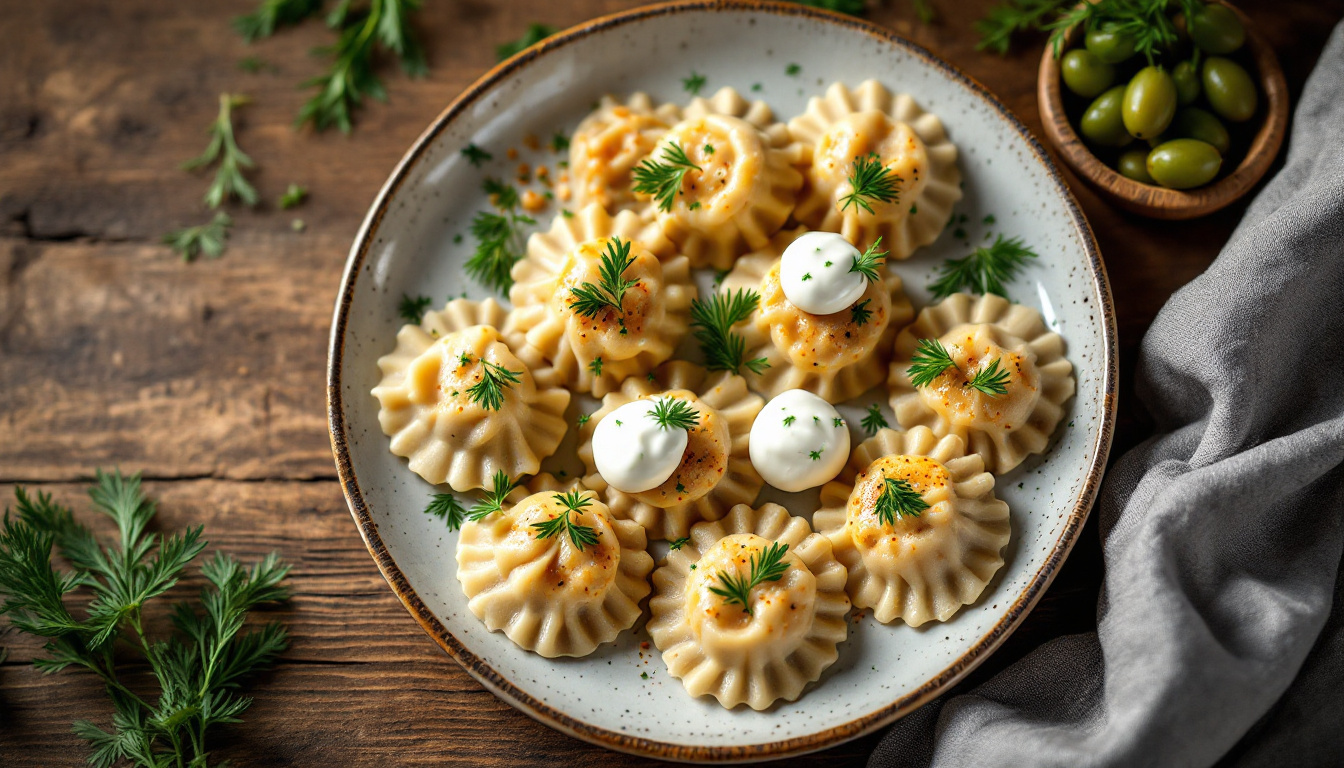
Pelmeni are small Siberian dumplings filled with seasoned minced meat, Russia’s answer to comfort food in a bowl. Thin dough wraps a mix of pork, beef and onion, twisted into little parcels and boiled until they float. Eat them slicked with butter or, better, with smetana and a splash of vinegar, maybe black pepper and dill. In Siberia, families once made them by the hundred and froze them outdoors through winter. They’re close cousins of Polish pierogi, covered in our guide to the best food to eat in Poland, just smaller and almost always filled with meat.
Blini блины
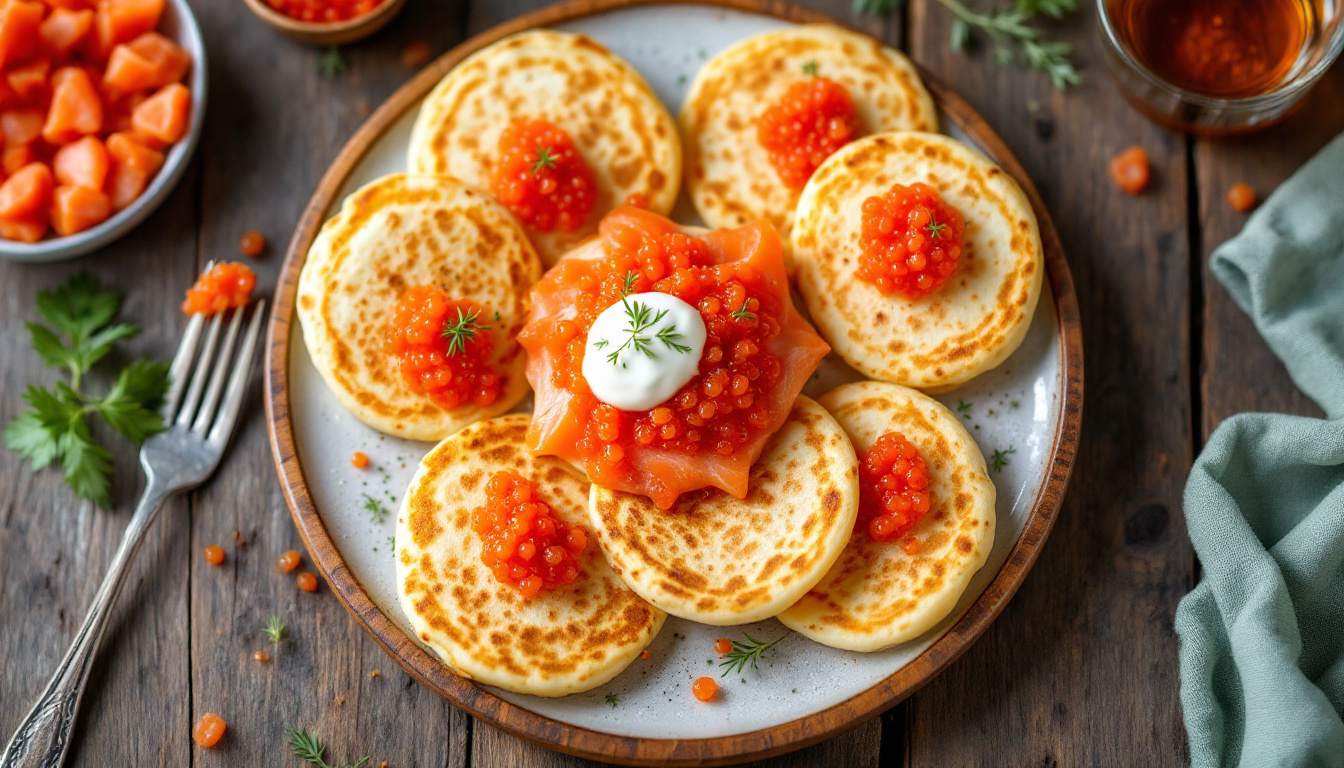
Blini are thin Russian pancakes eaten with everything from caviar to jam, and they even have their own festival. Cooked thin like crepes from a yeasted or plain batter, they get rolled or folded around savory fillings (smetana, cured salmon, mushrooms, ground meat) or sweet ones (jam, honey, sweetened tvorog cheese, condensed milk). During Maslenitsa, the butter week before Orthodox Lent in late winter, Russians eat stacks of them to welcome the coming spring. That round golden shape is said to stand for the sun.
Caviar, ikra икра
Caviar, known here as ikra, is the festive luxury of the Russian table, and it comes in two colors. Red caviar, the larger salmon roe, is the everyday celebration version, spooned onto buttered blini or black bread for New Year and birthdays. Black caviar, the prized sturgeon roe, is far rarer and pricier, its wild trade tightly regulated to protect the fish. You don’t need much. A little on bread with butter, maybe a cold shot of vodka alongside, and that’s the classic pairing. Skip the cheap dyed stuff and treat the real thing as an occasion.
Beef Stroganoff бефстроганов
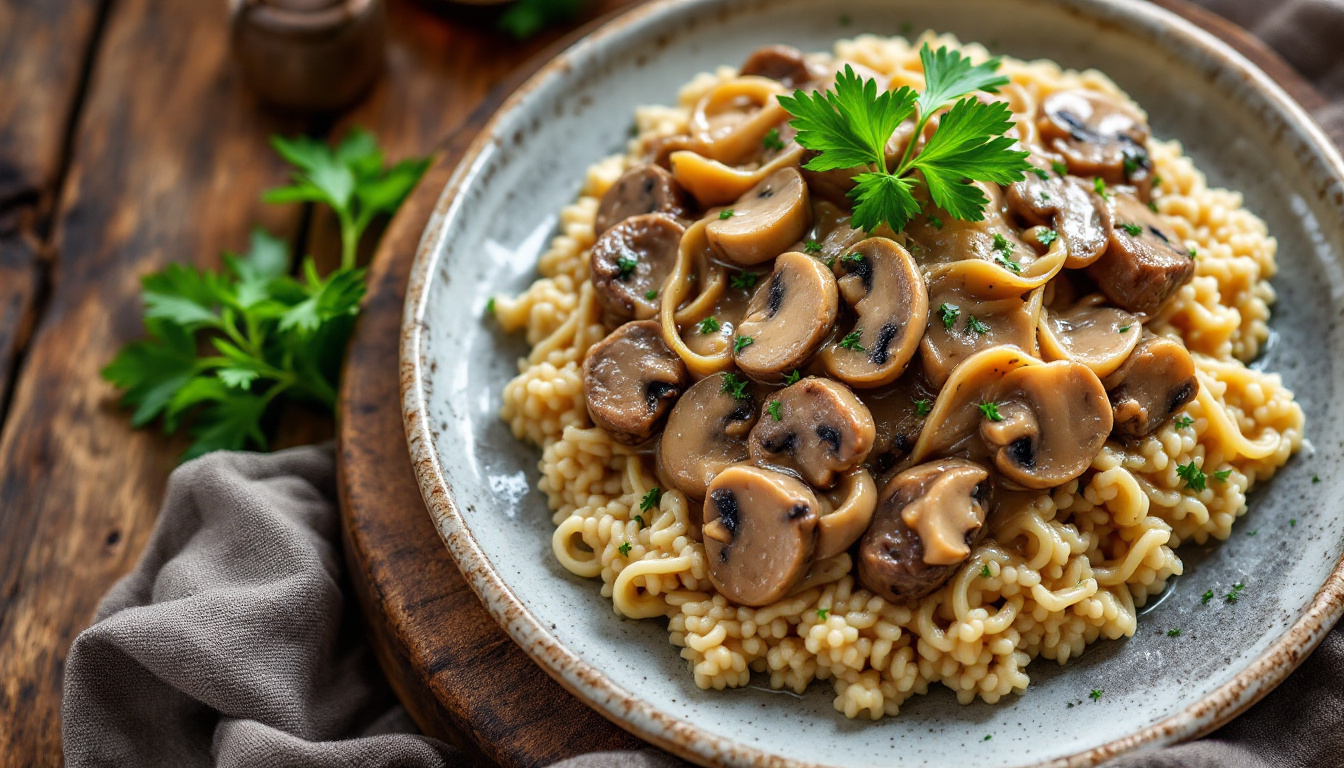
Beef Stroganoff is Russia’s most famous export dish, strips of beef in a creamy, savory sauce. Tender slices are seared and simmered with onions and mushrooms in a sauce loosened with smetana, then served over buckwheat kasha, mashed potato or thin fried potatoes. It dates to 19th-century St. Petersburg and the kitchen of the wealthy Stroganov family, which is how it got their name. The version you meet abroad is often heavier. The Russian original is simpler, and it lets the beef and sour cream do the talking.
Golubtsy голубцы
Golubtsy are cabbage rolls stuffed with meat and rice, Russian home cooking at its most comforting. Softened cabbage leaves are wrapped around a filling of minced meat and rice, packed tight, then braised slowly in a sauce of tomato and smetana until the cabbage goes meltingly tender. They take time, so they read as a Sunday or family dish rather than a quick lunch, and they come to the table glossy with sauce and a final spoon of sour cream. Like so much here, they are shared across Eastern Europe, but every Russian grandmother guards her own version.
Olivier salad салат Оливье
Olivier salad is the dish that says New Year to every Russian, the one the rest of the world calls Russian salad. Diced boiled potato, carrot, egg and peas are bound with mayonnaise and studded with pickles and either boiled chicken, ham or bologna. It was invented by a Belgian-French chef in 1860s Moscow as a fancy restaurant dish, then democratized into the giant bowl that anchors every New Year’s Eve table. Families make enough to graze on for days, and no two versions are quite the same.
Herring under a fur coat селёдка под шубой
Herring under a fur coat is the layered pink salad that shares the New Year table with Olivier, stranger and more delicious than it sounds. Salted herring sits at the bottom under building layers of grated boiled potato, carrot, beetroot and egg, each bound with mayonnaise, with the beet on top staining the whole thing magenta. The “fur coat” is those vegetable layers tucking the fish in. Cold, creamy, sweet and salty all at once, it is one of those Soviet-era classics that tastes far better than its photo.
Pirozhki пирожки
Pirozhki are small stuffed buns, baked or fried, and the perfect thing to eat on the move. Soft dough is wrapped around a filling and sealed into a little pocket: cabbage, minced meat, mashed potato, egg and spring onion, or fruit like cherry and apple for a sweet one. The big baked oval pie they come from is a pirog, made for the table; pirozhki are its handheld children, sold at markets, train stations and grandmother’s kitchen alike. Two or three make a cheap, filling lunch.
Syrniki сырники
Syrniki are the fried cheese pancakes Russians eat for breakfast, soft and slightly sweet. Tvorog, a fresh farmer’s cheese similar to quark, is mixed with egg, a little flour and sugar, shaped into thick discs and pan-fried until golden outside and tender within. They land on the plate with smetana, jam, honey or fresh berries. Light, protein-rich and comforting, they are the morning counterpart to all the heavier dishes, and a reason to love Russian dairy.
Shashlik шашлык
Shashlik is grilled skewered meat and the heart of any Russian outdoor gathering, especially at the summer dacha. Chunks of pork, lamb or chicken marinate overnight, often in onion, vinegar or kefir, then grill over coals until charred at the edges and juicy inside. It comes simply dressed: raw onion, fresh herbs, flatbread and a sharp tomato or plum sauce. The technique came from the Caucasus and shares its soul with the grilled meats of neighboring Georgia, but Russians made it their own warm-weather ritual.
Medovik медовик
Medovik is the honey layer cake that is Russia’s favorite celebration dessert, tall and tender. Thin honey-spiced sponge layers are stacked with a sour cream or condensed milk frosting, then left to rest a day so the layers soften into something almost like a torte. The honey gives a gentle caramel note and the sour cream keeps it from being too sweet. Legend ties it to a 19th-century imperial kitchen, but every Russian household has its own version. Its main rival on the celebration table is Napoleon, a Russian take on mille-feuille built from many thin, flaky pastry layers and custard cream. One slice of either with black tea is the proper way to end a meal here.
How food changes across Russia
Russian food shifts hard as you cross the world’s largest country, picking up Siberian, Caucasus, Tatar and Far Eastern accents. The Moscow and St. Petersburg classics are only the start.
Siberia is pelmeni country, where the dumplings were born and the deep freeze of winter was the original way to store them. The cooking leans on river fish like omul from Lake Baikal, wild game and venison, foraged mushrooms and berries, pine nuts from the cedar forests. This is the most rugged, frontier end of Russian food.
Southern Russia, near the Caucasus, is where the grill takes over. Shashlik is at its best here, the food is spicier and more herb-forward, and you’ll see dishes shading into Georgian and Armenian territory. Fresh tomatoes, peppers, coriander and hot sauces show up far more than in the cold north.
Tatarstan brings a Muslim, Turkic table to the mix, built around lamb and beef instead of pork. Look for echpochmak, triangular pastries stuffed with meat and potato, hearty noodle soups, and honey-soaked sweets like chak-chak. Central Asian plov, a spiced rice and lamb pilaf, is hugely popular across this part of Russia too.
Russia’s Pacific Far East, around Vladivostok, eats from the sea and looks toward Asia. Red caviar, king crab, scallops and other seafood are local and relatively affordable, and Korean and Chinese influences run deep, including the spicy carrot salad confusingly called “Korean carrots” that is now eaten all over Russia.
Where to eat: markets, stolovayas and restaurants
The best cheap, authentic Russian food is found in stolovayas, the no-frills self-service canteens left over from the Soviet era. You slide a tray along a counter, point at borscht, cutlets, kasha and salads, and pay by the plate. It’s one of the best-value hot meals anywhere. For fresher ingredients and snacking, the big city food markets have been smartly renovated into food halls. In Moscow, Danilovsky Market and Izmailovsky Market mix produce stalls with hot food counters, while the historic Gastronom No. 1 inside GUM on Red Square is worth a look even just to gawk. In St. Petersburg, the Kuznechny Market is the classic spot for cured fish, honey, pickles and cheese. Sit-down restaurants range from cozy traktir taverns serving the classics to ambitious modern kitchens reinventing them.
What to drink in Russia
Vodka is the national drink, but the Russian table is wider than that. Vodka is served ice cold and neat, never to be sipped slowly, and toasting is a whole ritual (more below). Beyond it, kvass is a mildly fermented, low-alcohol drink made from rye bread, slightly sweet and sour, sold from barrels on the street in summer and used to make the cold soup okroshka. Mors, a tart berry drink usually from cranberries or lingonberries, and kompot, a homemade fruit compote, are the everyday non-alcoholic options. Tea is enormous: brewed strong as a concentrate called zavarka and diluted to taste, traditionally kept hot in a samovar and drunk with jam, lemon or honey. For something old and gentle, look for medovukha, a lightly alcoholic honey drink.
- When a toast is made, make eye contact, and don’t refuse the first one; it’s part of the welcome.
- Always eat while you drink. Vodka without zakuski is considered both rude and reckless.
- Don’t put an empty bottle back on the table; tradition says it stays on the floor.
- Bread is respected; finishing what’s on your plate is polite, and so is accepting seconds.
- Tipping around 10 percent is normal in sit-down restaurants, less so in stolovayas.
FAQ
What is the national dish of Russia?
Russia has no single official national dish, but if pressed, most would name pelmeni, the Siberian meat dumplings, or shchi, the ancient cabbage soup. Borscht, blini and buckwheat kasha are also strong contenders. Together they capture the heart of the cuisine: soup, dumplings, pancakes and porridge.
Is borscht Russian or Ukrainian?
Borscht is eaten as a daily staple across Eastern Europe, and both Russia and Ukraine treat it as part of their food identity. In 2022, UNESCO added the culture of Ukrainian borscht cooking to its list of intangible cultural heritage. The soup itself is shared across the region, and you’ll find excellent versions on both sides of the border.
Can vegetarians eat well in Russia?
Yes, better than you’d expect. Centuries of Orthodox fasting, when meat and dairy are avoided, produced a deep menu of meat-free dishes: vinegret beet salad, mushroom solyanka, buckwheat kasha, vegetable pirozhki, syrniki and blini with jam. Mushrooms and pickled vegetables are everywhere. Ask for postnoye, the word for Lenten or fasting food, and doors open.
How much does a meal cost in Russia?
Russia can be very cheap if you eat like a local. A full hot meal at a stolovaya canteen runs roughly 300 to 600 rubles (~$7) as of 2026, while a main course at a mid-range restaurant is closer to 500 to 1200 rubles (~$14). Street pirozhki cost about 60 to 150 rubles (~$2) each. Treat all prices as approximate, since the ruble moves a lot.
When is the best time to visit Russia for food?
Two windows stand out. Maslenitsa, the butter week in late winter before Orthodox Lent, is when Russians eat mountains of blini. And the New Year holiday brings out the great festive spread of Olivier salad, herring under a fur coat and caviar. Summer is best for shashlik at the dacha, kvass from the barrel and cold okroshka soup.
More food guides waiting for you
Browse our complete collection of European food guides.