British food spent decades as the punchline of every travel joke. That reputation is a decade out of date. The best food to eat in the UK runs from a perfect chippy cod to a Sunday roast that takes all afternoon, by way of the curry house that gave Britain its real national dish. Here’s what to order, where, and how much it costs.
My first proper meal in Britain was fish and chips eaten out of paper on a cold Whitby seafront, vinegar soaking through, gulls circling. It beat half the sit-down dinners I had that whole trip. The country that gets mocked for boiled vegetables also invented the sandwich, perfected the slow Sunday roast, and turned chicken tikka masala into a thing the rest of the world now copies. Eat where locals actually eat, the pub, the chippy, the curry house, the market, and the UK feeds you far better than its reputation lets on.
The UK is one of the nine countries in our guide to the best food in Europe, and it eats nothing like its neighbour across the Channel, our France food guide covers that other side of the water.
Why British food is better than its reputation
British food is genuinely good now. The bad reputation belongs to the post-war decades of rationing, not to today’s kitchens. Two forces did the rebuilding. The first is regional tradition: distinct cooking in England, Scotland, Wales and the islands, built on superb raw ingredients, lamb, beef, seafood, dairy, that for years got overcooked and is now mostly left alone. The second is immigration. Waves of South Asian, Caribbean, Chinese and Middle Eastern arrivals reshaped the everyday British plate so thoroughly that the unofficial national dish is chicken tikka masala, not roast beef.
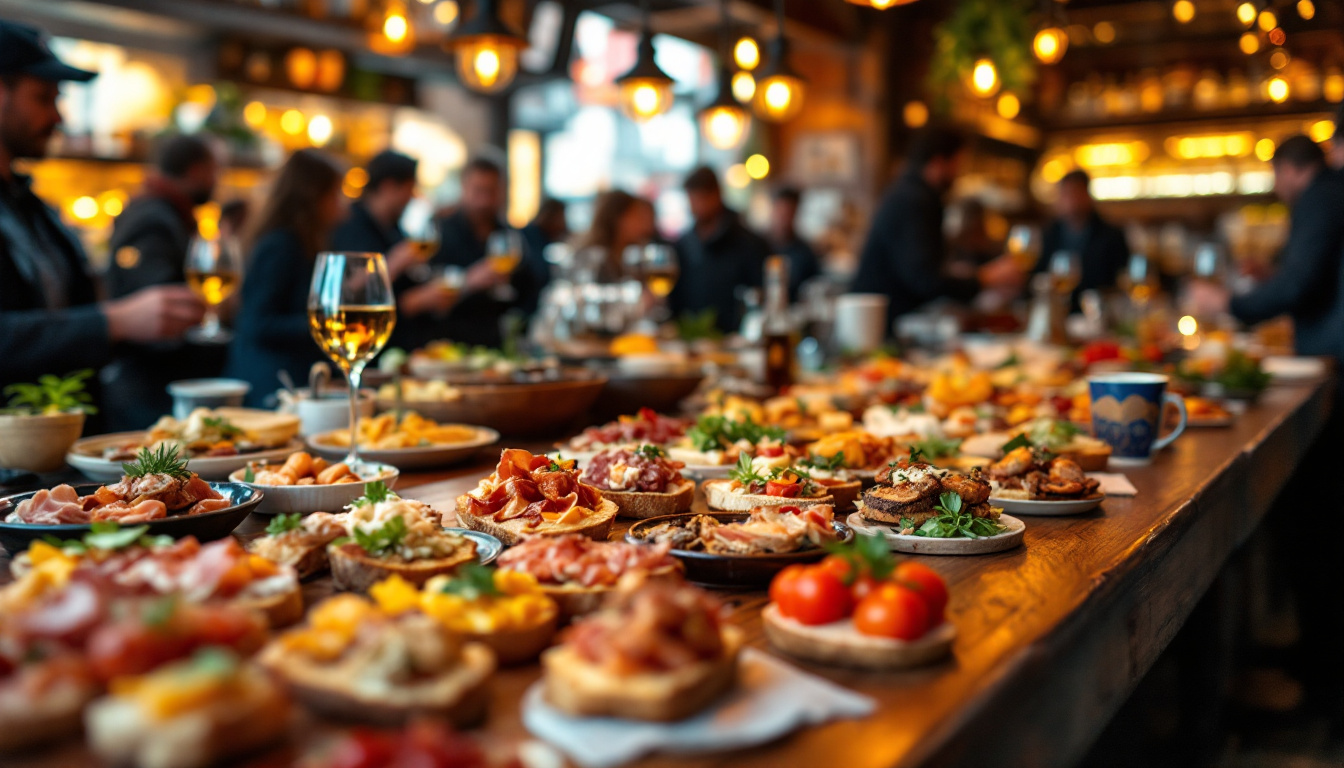
Eat across a single British high street and you taste all of it: a centuries-old pub, a Bangladeshi curry house, a Polish deli, a Cantonese roast-meat window. The trick is the same as anywhere. Skip the tourist-strip “traditional English” restaurant and follow locals into the pub, the chippy and the market.
The best food to eat in the UK, dish by dish
The best British food and the most traditional British dishes are mostly the same list: fish and chips, the full English breakfast, the Sunday roast, pies and pasties, curry, and afternoon tea, with a back catalogue of puddings and cheese behind them. Whether you are eating in England, Scotland, Wales or a London curry house, order your way through these and you have eaten the country properly. Prices below are 2026 figures in pounds; at roughly £1 to $1.34, a £10 plate of fish and chips runs about $13.
Fish and chips
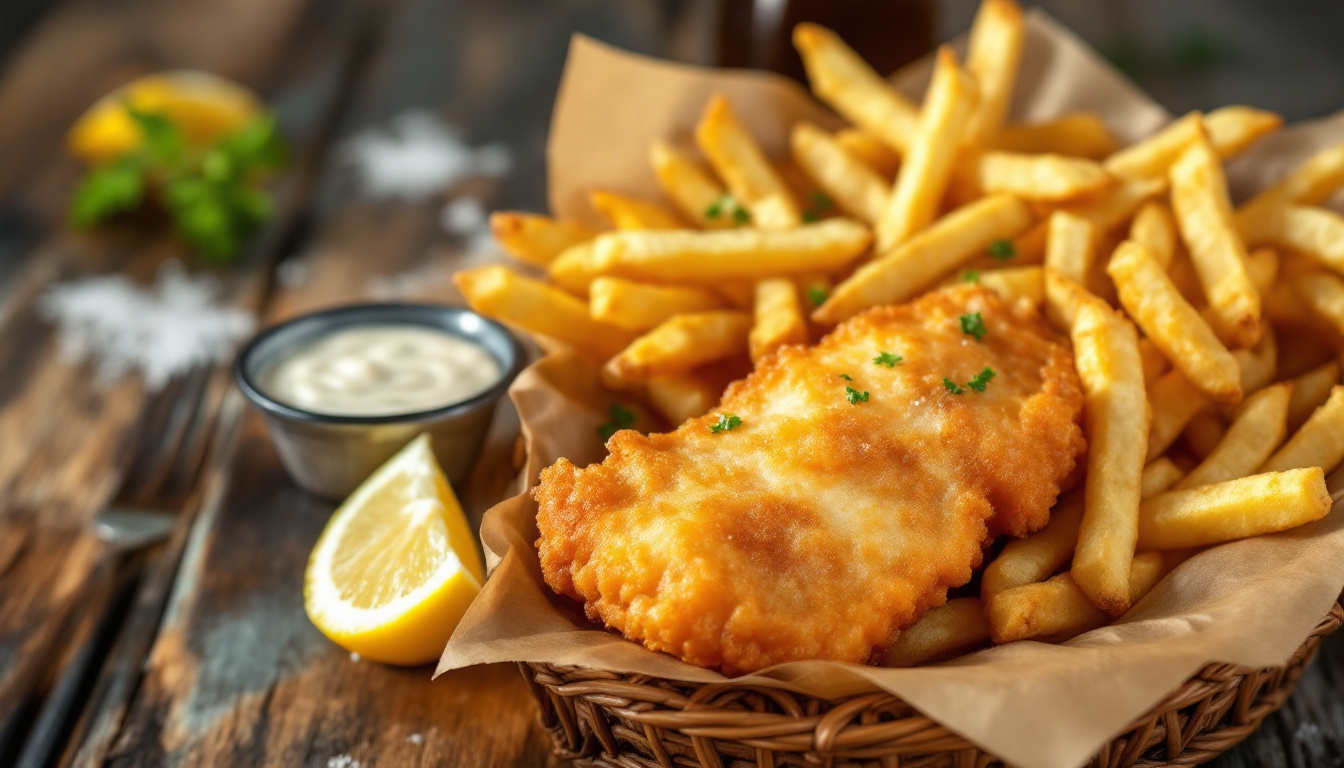
Fish and chips is the UK’s defining takeaway: a fillet of cod or haddock in crisp beer batter with thick-cut chips, eaten from paper with salt and malt vinegar. The good versions come from a proper chippy, not a restaurant, and they taste of the sea and hot fat in the best way. Order mushy peas on the side, and in the north ask for “scraps” (free bits of fried batter). Curry sauce or gravy over the chips is a regional loyalty test. And it’s always better by the coast.
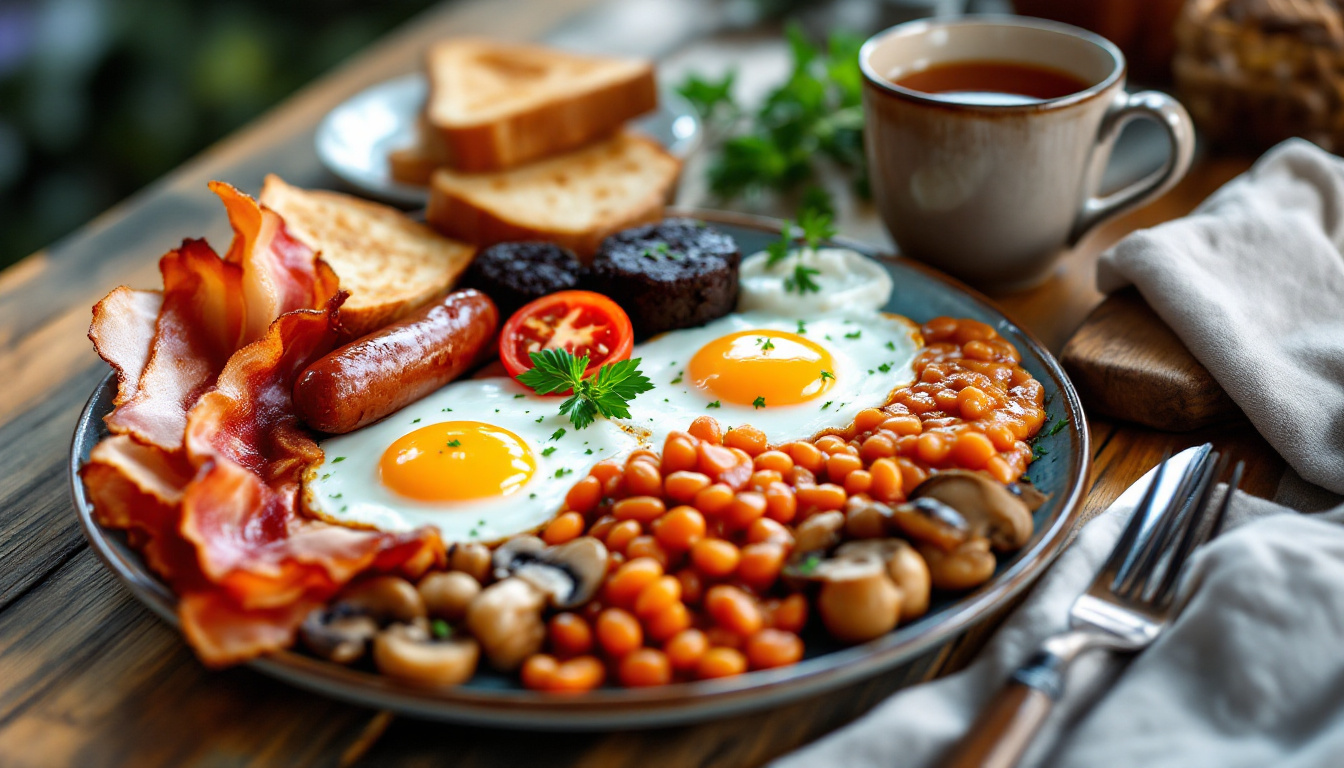
Full English breakfast
The full English, the “fry-up”, is a single plate of back bacon, fried eggs, pork sausages, baked beans, grilled tomato, mushrooms, black pudding and buttered toast, usually with a mug of strong tea. Eaten at a “greasy spoon” caff it costs little and sets you up for a day of walking. Scotland adds tattie scones and swaps in a square Lorne sausage, Wales adds laverbread and cockles, Ireland adds white pudding and soda bread. The morning-after side is bubble and squeak, leftover potato and cabbage fried into a crisp patty. Skip the hotel buffet version. Find a busy local cafe.
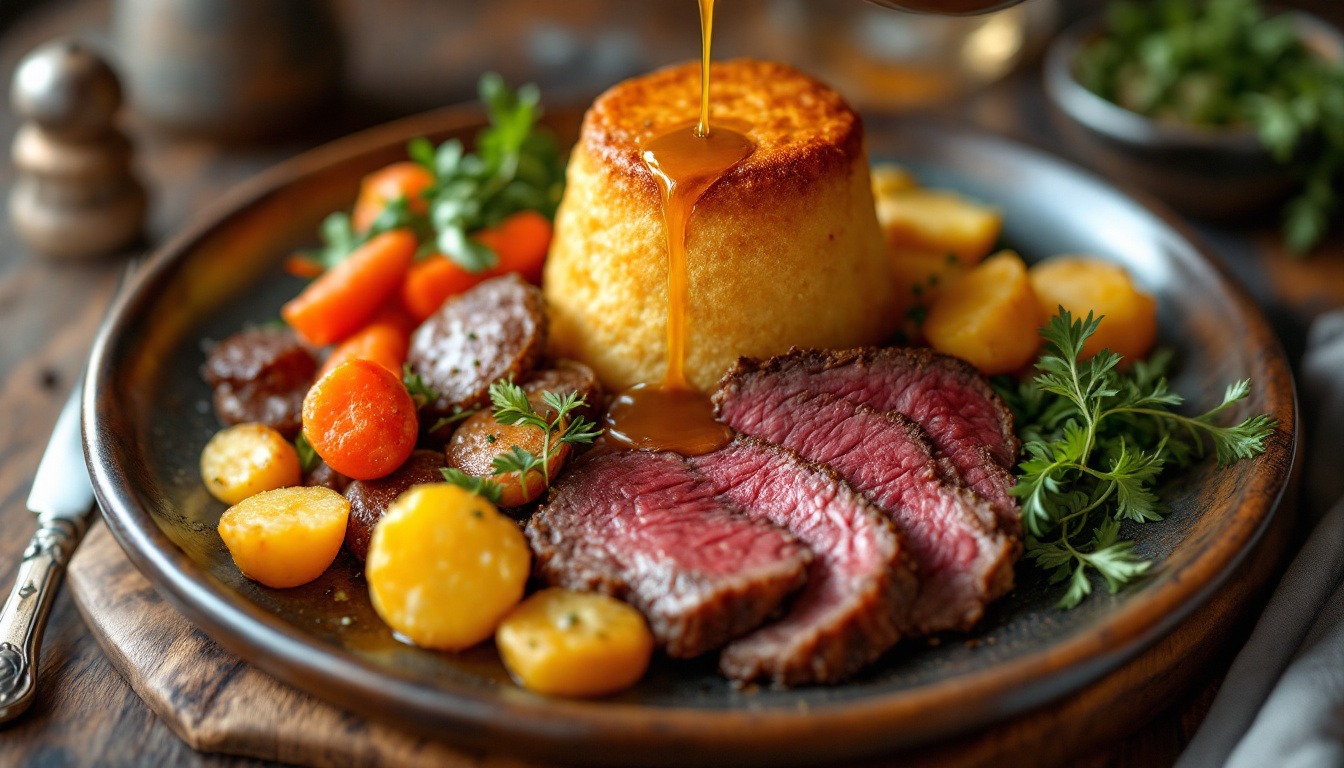
Sunday roast and Yorkshire pudding
The Sunday roast is the meal Britain organises its week around: roasted meat (beef, lamb, chicken or pork), crisp roast potatoes, seasonal vegetables, lashings of gravy, and a tall, golden Yorkshire pudding to soak it up. Roast beef with horseradish is the classic, and cauliflower cheese on the side is non-negotiable for many. The place to eat it is a good pub, booked for around 1pm on a Sunday, because the best ones sell out by mid-afternoon. Slow, generous, social food. The opposite of the bad British-cooking cliche.
Pies, pasties and pub classics
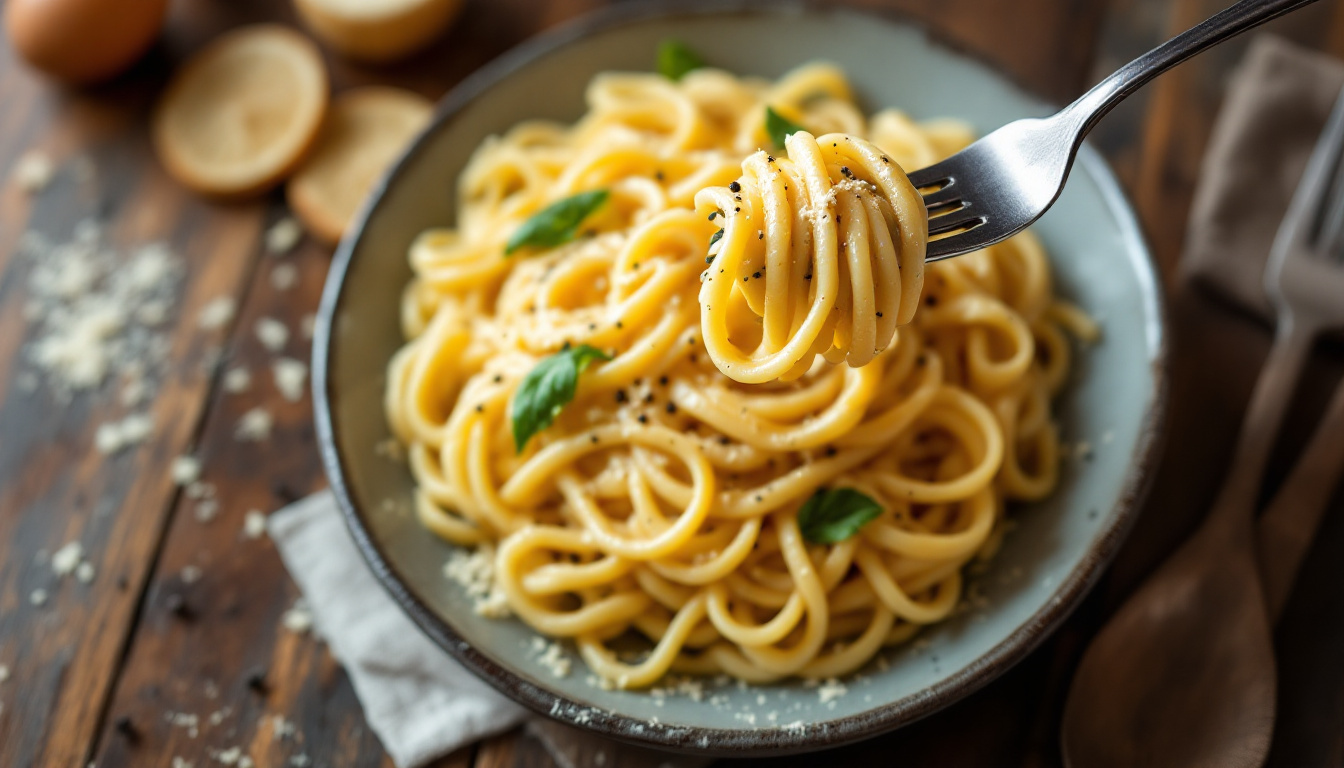
British pub and bakery cooking lives on pastry and slow-cooked filling. A steak and ale pie with a proper suet or shortcrust lid is the pub bench-mark, served with mash and peas, and its older cousin the steak and kidney pudding steams the same filling inside a suet crust. The two great “cottage” bakes are shepherd’s pie (minced lamb under mashed potato) and cottage pie (the same with beef), comfort food that turns up on every pub menu. The Cornish pasty (a protected regional product) is a whole meal in your hand, beef, potato, swede and onion crimped into a pastry case for tin miners to eat underground. Add the pork pie from Melton Mowbray, the scotch egg, bangers and mash (best with a peppery Cumberland sausage), toad in the hole, and a ploughman’s lunch of cheese, bread, pickle and ham, and you have the British pub canon.
Curry and the British curry house
Curry is as British as the roast, and the curry house is an institution in its own right. Chicken tikka masala, creamy, tomato-rich, invented in Britain rather than India, is so embedded that it’s routinely called the national dish. Birmingham gave the world the balti, cooked and served in a thin steel bowl, and has a whole “Balti Triangle”; London’s Brick Lane is lined with Bangladeshi restaurants. Go beyond the tikka masala to a proper bhuna, dhansak or vindaloo, and lean on our India food guide for the roots of it all.
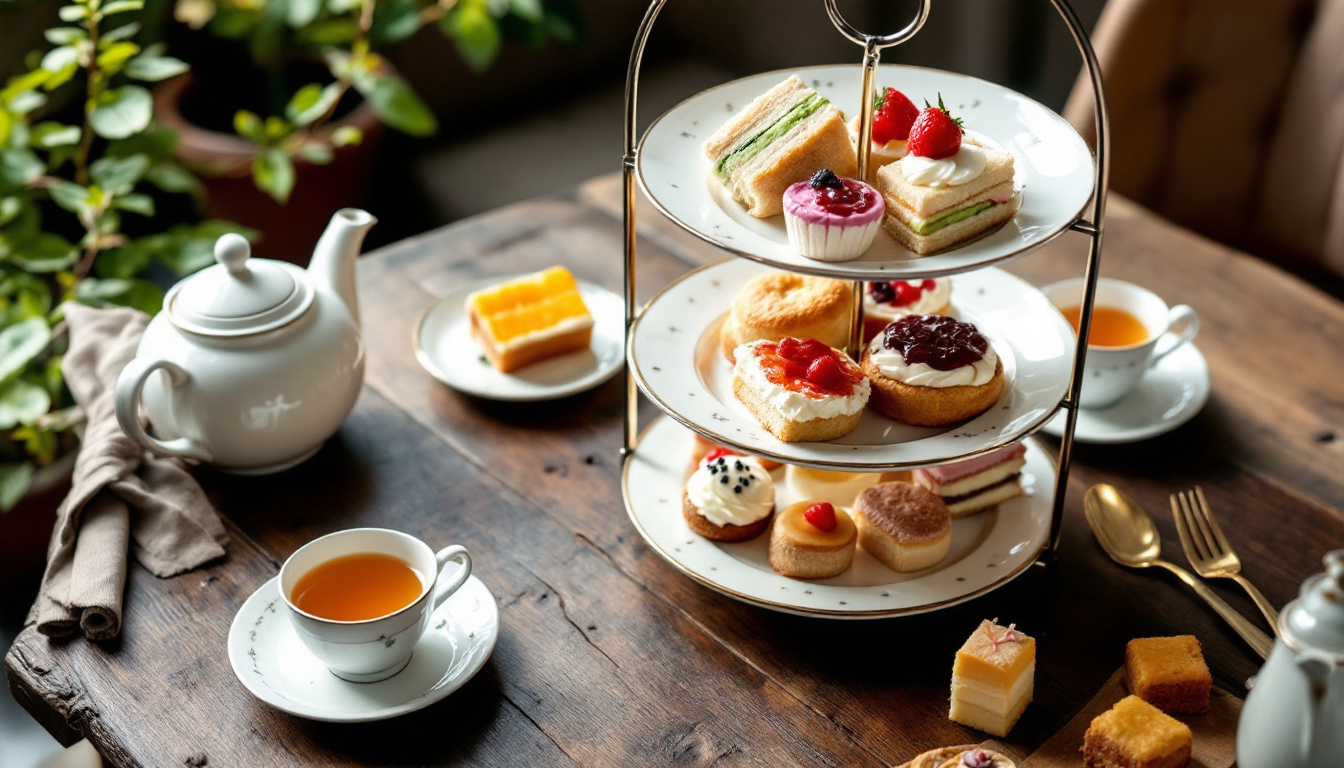
Afternoon tea, scones and the cream tea
Afternoon tea is the most theatrical British meal: a three-tier stand of finger sandwiches, warm scones, and little cakes (a wedge of Victoria sponge, the jam-and-cream sponge named for Queen Victoria, is the classic), with endless pots of tea, served from about 3pm. The heart of it is the cream tea, a scone split and loaded with clotted cream and strawberry jam. Devon and Cornwall fight over the order, cream first then jam (Devon) or jam first then cream (Cornwall), and locals genuinely care. A full hotel afternoon tea runs £30 to 60; a humble tearoom cream tea is a fraction of that and just as good.
British puddings
British puddings are the country’s quiet superpower, and sticky toffee pudding is the one to order first: a dark, moist sponge in hot toffee sauce with custard or vanilla ice cream. Around it sit Eton mess (meringue, cream, crushed strawberries), a fruit crumble with custard, banoffee pie, trifle, bread and butter pudding, and the comically named spotted dick. “Pudding” means dessert here, and almost every pub lists two or three. Have them with custard, which the British pour over nearly anything sweet.
British cheese and the ploughman’s
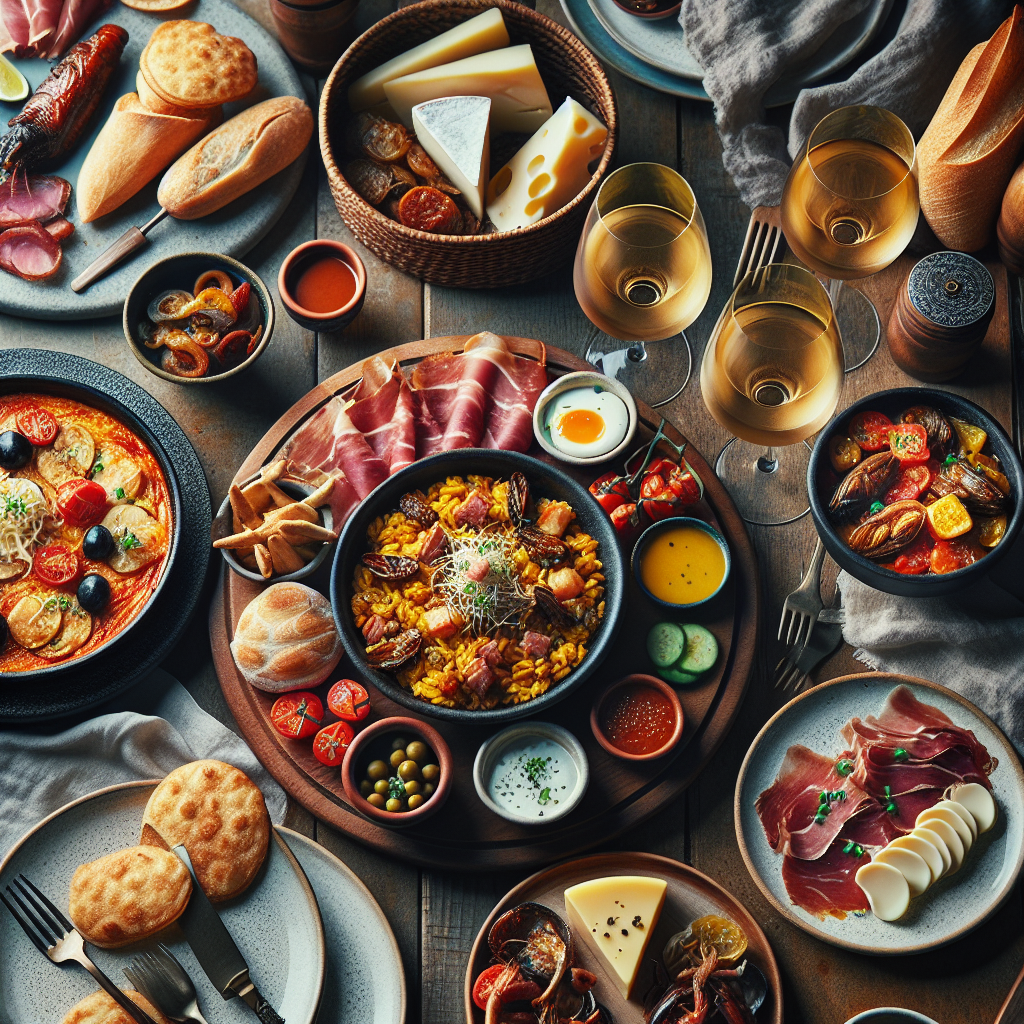
Britain makes world-class cheese, and a proper cheese board is one of its best low-key meals. Mature farmhouse cheddar from the West Country has nothing to do with the orange blocks sold abroad, and blue Stilton is one of the great cheeses anywhere. Eat them the local way in a ploughman’s lunch: a wedge of cheese, crusty bread, pickle (sharp Branston or pickled onions), ham and an apple, usually in a pub at lunchtime. It’s the easy vegetarian order across the country.
How food changes across the UK
The UK is four nations with four food cultures, so what you eat shifts sharply as you travel. The roast and the chippy are everywhere, but the specialities are intensely local.
Scotland’s plate is hearty and proud. Haggis (spiced sheep offal and oats) with “neeps and tatties” (mashed swede and potato) is the national dish, eaten any time but ritually on Burns Night. Add Cullen skink (a smoked-haddock chowder), Aberdeen Angus beef, fresh langoustines, buttery shortbread, and a dram of Scotch whisky. The deep-fried Mars bar is real. Mostly as a chip-shop dare. There is far more to it in our full guide to the best food in Scotland.
Welsh cooking is warming and underrated. Cawl, a slow lamb-and-vegetable broth, is the national dish; Welsh rarebit is a grown-up cheese-on-toast made with ale and mustard; and Welsh cakes are little griddle scones sold warm at markets. Laverbread (cooked seaweed) with cockles and bacon is the coastal breakfast worth trying once.
The South West is pasty-and-cream-tea country, plus some of the best seafood in Britain. Eat a Cornish pasty where it was invented, crab and mussels straight off the day boats, and a cream tea in a village tearoom. This is the coastline that makes British seafood worth a trip.
The north does comfort food best. Lancashire hotpot is slow-cooked lamb under sliced potato; Yorkshire claims the best Sunday roast and the original Yorkshire pudding; and Middlesbrough’s parmo (breaded chicken under bechamel and cheese) is a late-night legend. Portions are bigger here, and prices kinder than in the south.
London is the most multicultural eating city in Europe (see our London food guide), and its “British food” is the whole world on one map. The old East End survives in the pie, mash and liquor shops, a minced-beef pie with mash and a green parsley “liquor” sauce, with jellied eels for the brave. Beyond that and the historic chop houses, you eat Bangladeshi on Brick Lane, Cantonese in Chinatown, West African in Peckham, and everything under one roof at the food halls. Start at Borough Market, covered in our night markets and food halls guide.
Where to eat: pubs, chippies, curry houses and markets
The best British food is in everyday institutions, not “traditional English” tourist restaurants. Learn these four and you’ll eat well anywhere in the country.
- The pub (and gastropub). The centre of British eating. A good gastropub does the Sunday roast, pies and seasonal plates; a proper old pub does a cheaper, simpler version. This is where to eat most of this list, washed down with a pint of cask ale (real ale, served cool not cold), a gin and tonic, or a jug of Pimm’s in summer.
- The chippy. The fish-and-chip shop, best near the coast, always a takeaway, always cash-friendly. Busy at lunch and Friday teatime.
- The curry house. Every town has one. The mid-range Bangladeshi or Indian restaurant is reliable, generous and central to British life.
- The caff and the market. Greasy-spoon cafes for the full English, and food markets (Borough in London, Mackie Mayor in Manchester) for the modern, multicultural side.
British food etiquette and pub rules
The one rule that matters most in Britain is that you order at the bar in a pub, not from your table. Find a table, remember the number if there is one, go to the bar to order food and drinks, pay there and then, and the food is brought out to you. There is usually no table service and no tipping at the bar. A few more habits make life easier, and our food etiquette guide has the wider picture.
- Order at the bar. No waiting to be served at your table in most pubs. If you want food, the menu tells you whether to order at the bar or the table.
- Tipping is light. Around 10 to 12.5 percent in sit-down restaurants (often added as a “service charge”, check the bill so you do not pay twice). You do not tip when buying drinks at a bar.
- Rounds. In a group at the pub, people take turns buying a “round” for everyone. Buy yours when it is your turn.
- Book the Sunday roast. Good pubs sell out of roasts by mid-afternoon. Reserve a midday table.
- Tea. Builder’s tea (strong black tea with a splash of milk) is the everyday cup. Asking how someone takes their tea is basic politeness.
Frequently asked questions
What is the national dish of the UK?
There are two answers. The traditional national dish is the Sunday roast (roast beef with Yorkshire pudding), but chicken tikka masala, a creamy curry invented in Britain, is so popular it is widely called the unofficial national dish. Fish and chips is the most famous British food abroad.
Is British food actually good?
Yes, the bad reputation is decades out of date. Modern British food is built on excellent ingredients, a strong pub and gastropub scene, world-class cheese and seafood, and one of the most diverse restaurant cultures in the world, especially in London. Eat where locals eat and you eat very well.
Where can I get the best fish and chips in the UK?
By the sea. Coastal towns in Yorkshire (Whitby), Scotland and the South West have the freshest fish and the best chippies. As a rule, a busy takeaway-only chip shop near the coast beats any sit-down restaurant version inland. Expect to pay £8 to 12 for fish and chips in 2026.
Is the UK good for vegetarians?
Very. Britain has one of the strongest vegetarian and vegan scenes in Europe, with clear labelling, plant-based options on most menus, and the huge influence of Indian cooking giving you excellent meat-free curries. The pub ploughman’s, cauliflower cheese and a good Indian thali are easy wins.
How much does afternoon tea cost?
A full hotel afternoon tea with a tiered stand and Champagne option runs roughly £30 to 60 per person in 2026, more at landmark hotels. A simple cream tea, just scones with clotted cream, jam and a pot of tea, costs a fraction of that at a village tearoom and is arguably the better experience.
What is the difference between shepherd’s pie and cottage pie?
It is the meat. Shepherd’s pie is made with minced lamb (shepherds keep sheep), cottage pie with minced beef. Both are slow-cooked with onions and gravy under a topping of mashed potato and baked until the top crisps. Order either as classic British comfort food in any pub.
Do you tip in the UK?
Lightly. Around 10 to 12.5 percent in sit-down restaurants, but check whether a “service charge” has already been added to the bill so you do not tip twice. You do not tip when ordering drinks or food at a pub bar, and tipping is not expected in cafes or takeaways.
More food guides waiting for you
Browse our complete collection of European food guides.