The fastest way to insult a host is rarely with words. It is sticking your chopsticks upright in the rice, reaching with your left hand, or asking for cheese on a seafood pasta. I have made most of these mistakes so you do not have to. This is my guide to food etiquette around the world, country by country, plus the universal manners that travel anywhere.
Food etiquette around the world isn’t about being fancy. It’s about reading the room: knowing that slurping is a compliment in Japan and rude in France, that your right hand does all the work in India, that the cafezinho you’re offered in Brazil is not optional. Get these small things right and tables open up to you. Get them wrong and you eat alone.
These customs sit on top of the food itself, which we cover across Asia and Europe. Think of this as the manual for behaving well once the plates arrive.
Why food etiquette matters when you travel
Sharing food is the oldest form of hospitality there is, and every culture has wrapped its meals in rules that signal respect. Following them isn’t about performing. It’s about showing the people feeding you that you see and value how they do things. The reward is real: vendors warm up, hosts relax, and you stop being a tourist and start being a guest.
None of this requires memorizing a hundred customs. A handful of high-stakes rules per region covers almost every meal, and good intentions cover the rest. Locals are forgiving of an honest mistake from someone clearly trying. They’re far less forgiving of someone who never bothered to look up.
Food etiquette around the world, country by country
Japan: respect the chopsticks
The biggest taboos in Japan involve chopsticks. Never stand them upright in a bowl of rice, which echoes a funeral rite, and never pass food chopstick to chopstick for the same reason. Slurping noodles, on the other hand, is welcome and signals enjoyment. Say itadakimasu before eating. And don’t tip, since it can cause genuine confusion. Our Japan food guide covers the dishes these rules surround.
China: the table is shared
Meals are communal, with dishes in the center and everyone serving themselves. Serving others before yourself, especially elders, is a mark of good manners, and so is leaving a little food to show you were well fed. Do not flip a whole fish over (an old superstition for fishing families) and rest chopsticks on the holder, never stuck in the rice. Two habits surprise visitors: a gentle burp can pass as a compliment to the cook, and when someone refills your tea you tap two fingers on the table to say thank you without interrupting the conversation. See our China food guide for the regional spread.
South Korea: follow the elders
Age sets the order of the table. Wait for the oldest person to lift their spoon before you start, and use both hands when an elder pours your drink or you pour theirs. Keep the rice bowl on the table rather than lifting it to your mouth, the opposite of the Japanese habit. Our South Korea food guide has the dishes and the drinking culture.
India: the right hand rules
Across much of India you eat with your hand, and it must be the right hand: the left is considered unclean. Use your fingers to scoop with bread or rice, and do not let your eating hand touch the communal serving spoon. In the south, a banana-leaf thali is meant to be eaten this way. Our India food guide explains the regional styles.
Thailand: the spoon leads
The fork is a tool, not a utensil that goes in your mouth. You push food onto the spoon with the fork, and eat from the spoon. Chopsticks are mainly for noodle dishes, not for rice. And as almost everywhere in Asia, keep your feet away from food and people. Our Thailand food guide covers what lands on that spoon.
Middle East and Ethiopia: hands, sharing, and tea
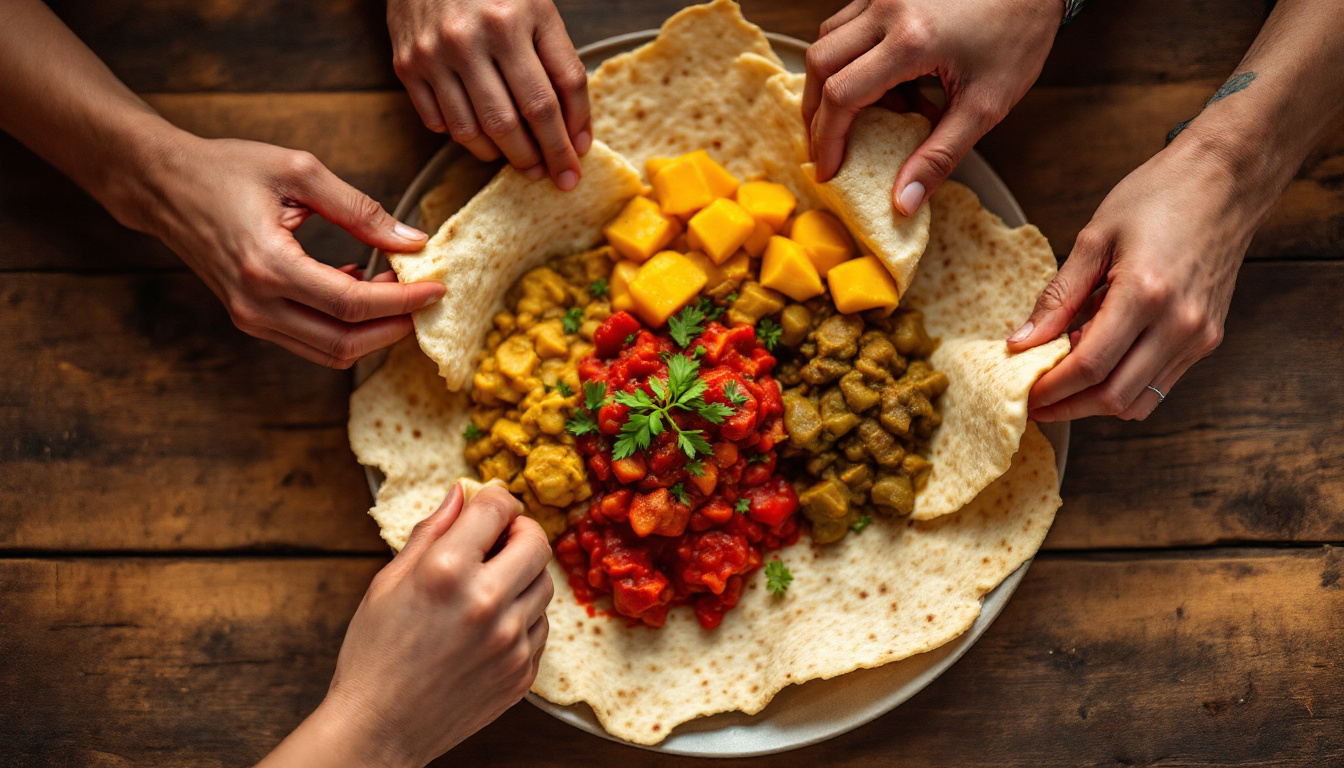
Across the Middle East and the Horn of Africa, the right hand does the eating and meals are shared from a common platter. In Ethiopia you tear injera to scoop the stews, and being offered a gursha, a bite placed in your mouth by a host, is an act of affection you should accept. Refusing tea or coffee can read as rejecting hospitality itself. Our Africa and Middle East food guide goes deeper, and the Turkey food guide covers its endless tea culture.
Italy: the unwritten food laws
Italians are relaxed people with strong food rules. No cappuccino after late morning, no cheese on a seafood pasta, and bread is for mopping the sauce at the end (the scarpetta), not for buttering before the meal. A coffee after dinner is an espresso. Never a milky drink. Our Italy food guide and the global coffee guide spell out the coffee customs.
France: keep your hands on the table
In France, rest your wrists on the table edge rather than hiding your hands in your lap, an old custom of showing you conceal nothing. Bread goes directly on the tablecloth beside your plate, you tear it rather than bite it whole, and you never cut lettuce with a knife. Our France food guide sets the table.
Spain: eat late, share, and respect the bread
Spain runs on its own clock: lunch from two, dinner rarely before nine, and a long sobremesa of talking over empty plates that you should never rush. Tapas are for sharing from the center, not hoarding. Keep your hands visible on the table, use cutlery rather than fingers for most dishes, and do not dunk your bread in the soup. Our Spain food guide and Barcelona guide have the dishes.
Portugal: never ask for salt and pepper
The one rule that trips up every visitor: don’t ask for salt and pepper. Reaching for the shaker, or requesting it, tells the cook you think the dish is underseasoned, and it’s taken as a real insult. Taste first, trust the kitchen, and wait to be invited to the table before sitting. The same caution applies in Switzerland.
Hungary: do not clink your glasses
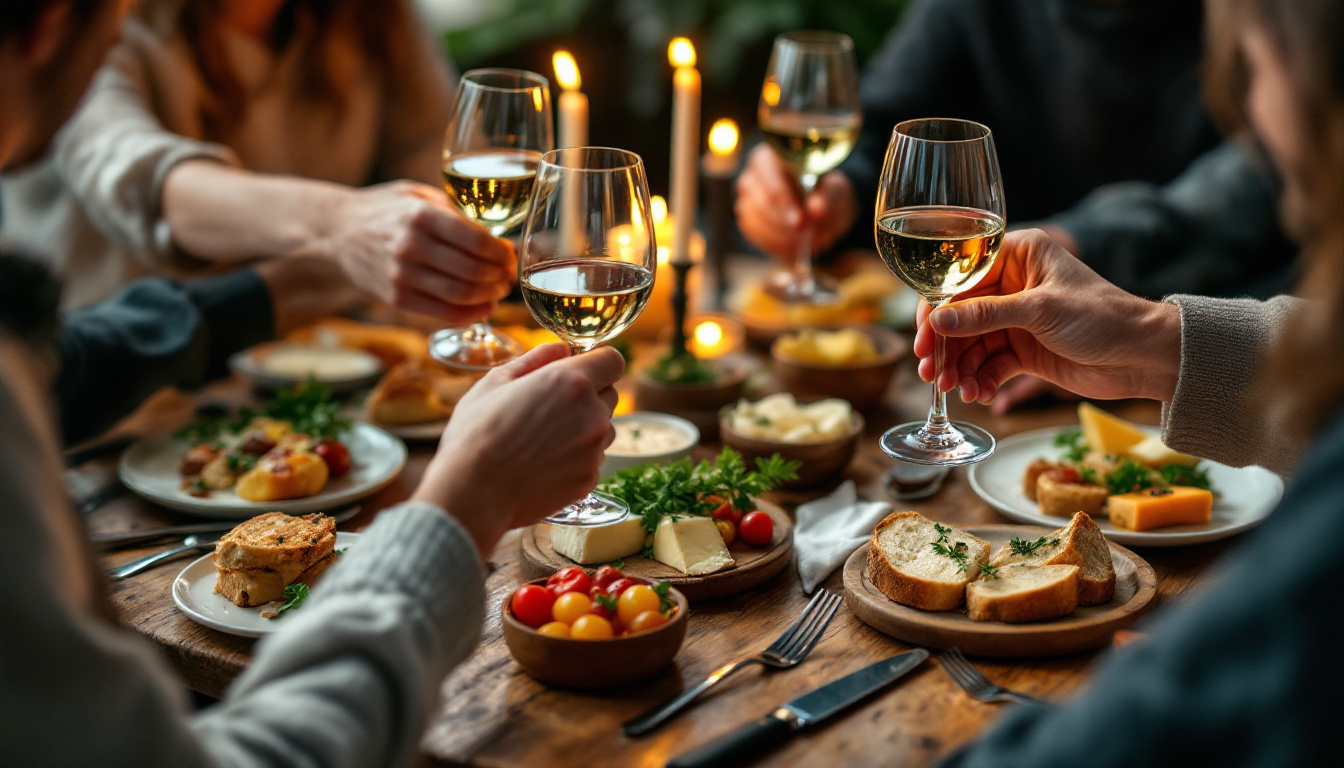
Hungary has one strikingly specific rule: never clink beer glasses in a toast. The custom dates to 1849, when Austrians were said to have clinked glasses to celebrate executing Hungarian generals, and many still honor the boycott. Raise your glass, make eye contact, say egeszsegedre, but do not chime it against another.
Russia: accept the drink
If you are offered a drink, especially vodka, accepting is part of the hospitality, and refusing outright can feel like a snub. Toasts are frequent and meant to be honored, hosts often greet guests with bread and salt, and you wait for the host to start before eating. Arrive on time and let them lead.
Mexico: tacos belong to your hands
Eating a taco with a knife and fork is the clearest tourist tell there is. Tacos, tlacoyos, and most antojitos are finger food. Full stop. Lime, salsa, and a folded tortilla are your tools. Our Mexico food guide covers the street food worth getting your hands dirty for.
Chile and Brazil: knife and fork for everything
South America’s two big surprises for travelers are the opposite of Mexico. In Chile, eating with your hands is considered ill-mannered, so utensils are used for almost everything, even fries, pizza, and fruit. Brazil is much the same: locals eat pizza and sandwiches with a knife and fork, hold a slice with a napkin rather than bare fingers, and in churrascarias flip a token to green when they want more meat and red when they are done. When in doubt here, reach for cutlery.
A few more rules worth knowing
Quick ones that save you abroad: in Germany, eat with knife and fork and cut potatoes with the side of the fork rather than a knife. In the UK, tilt the soup bowl away from you and do not clink the spoon while stirring tea. In Vietnam, lift the rice bowl to your mouth and let elders start first. And almost everywhere in Latin America and southern Europe, arriving 15 to 30 minutes after the stated time for a home dinner is polite, not rude.
Tipping around the world
Tipping is where well-meaning travelers cause the most confusion, because the norms swing from mandatory to mildly offensive. Here is the short version for the cultures above.
| Country | Tipping norm | Notes |
|---|---|---|
| Japan | None | Can cause confusion or be refused |
| South Korea | None | Not expected, no tip line |
| China | Rare | Not customary at local restaurants |
| Thailand | Optional | Round up or leave small change |
| India | ~5 to 10% | Appreciated at sit-down places |
| Turkey | ~5 to 10% | Cash, left on the table |
| Italy | Coperto or round up | Cover charge often replaces tips |
| France | Service included | Round up for good service |
| Mexico | ~10 to 15% | Expected at sit-down restaurants |
When unsure, ask whether service is included, or quietly watch what locals leave. Tipping street vendors is almost never expected anywhere.
Universal table manners that travel well
A few habits work almost everywhere and will carry you through any meal you have not specifically researched.
- Wait to be seated and to start. Let the host or the eldest begin, and follow the lead of the table around you.
- Accept what you are offered. Refusing food or drink from a host reads as cold in most cultures. Take a little, even if you are full.
- Use your right hand by default. In much of Asia, the Middle East, and Africa, the left hand is reserved for other duties. The right hand is always safe.
- Try a bit of everything. Tasting what is put in front of you honors the cook. Save strong dislikes for a quiet, polite pass.
- Watch before you act. When a custom is unclear, copy the person next to you. Imitation is the universal sign of respect.
Frequently asked questions
What is the most common food etiquette mistake travelers make?
Using the wrong hand or the wrong utensil. Eating with the left hand in India, the Middle East, or much of Africa is a frequent slip, as is using a knife and fork on food meant to be eaten by hand, like tacos in Mexico or a taco-style wrap anywhere.
Should I tip when traveling abroad?
It depends entirely on the country. Tipping is unexpected and can even confuse in Japan and South Korea, optional in much of Southeast Asia, and expected at around 10 to 15% in Mexico. In Europe, service is often included, so rounding up is enough.
Why can’t you stick chopsticks upright in rice?
In Japan and several other East Asian cultures, chopsticks standing upright in a bowl of rice resemble incense sticks used at funerals and offerings to the dead. It is associated with mourning, so chopsticks are laid across a rest or the bowl instead.
Is it rude to refuse food from a host?
In most cultures, yes, at least a little. Sharing food is a core act of hospitality, and turning it down can feel like rejecting the person. The polite move is to accept a small portion and express genuine thanks, even if you do not finish it.
Which hand should I eat with in India and the Middle East?
Always the right hand. The left hand is traditionally reserved for hygiene tasks and is considered unclean at the table. Use your right hand to eat, tear bread, and pass dishes, and keep the left out of the food.
Do I need to finish everything on my plate?
It varies. In China, leaving a little signals you were well fed, while in other cultures a clean plate is a compliment. When in doubt, eat most of it and leave a small amount, which reads as satisfied rather than wasteful almost anywhere.
Is it rude to ask for salt and pepper?
In Portugal and Switzerland, yes. Asking for salt and pepper, or even reaching for it before tasting, suggests the cook underseasoned the food and is taken as an insult. The safe move anywhere is to taste first and only season if you genuinely need to.
Which countries should you not tip in?
Japan and South Korea are the big ones, where tipping is not expected and can cause confusion or even offense. China is rarely tipped at local spots, and across much of Europe service is already included, so rounding up is plenty. Tipping street vendors is almost never expected anywhere.
More food guides waiting for you
Country and city deep dives across every continent we have eaten our way through, manners and all.