Lima is the food capital of South America, and it is not close. The best food in Lima is built from cold Pacific seafood, Andean potatoes, Chinese woks, Japanese knife work, and African and Spanish roots, all on one plate. This is a city where a two-dollar ceviche at a market counter can be as thrilling as any tasting menu.
A great Lima meal might start with ceviche so fresh it was swimming that morning, move through a sizzling plate of lomo saltado born in a Chinese kitchen, and end with a pisco sour shaken at the bar. Eat the Limeno way, from cevicherias to chifa joints to anticucho carts, and you eat as well as anywhere in the Americas.
Lima is the capital of Peru and the single best place to start eating the country, so read this next to our complete guide to the best food to eat in Peru. Lima sits alongside the great Latin American food cities, a natural next stop after our Argentina and Brazil guides, and one of the picks in our underrated food cities list. Use this as the city-level deep dive.
What food to eat in Lima
Limeno cooking runs on lime, chili, fresh fish, and centuries of fusion. Order a spread of these and you have eaten the city.
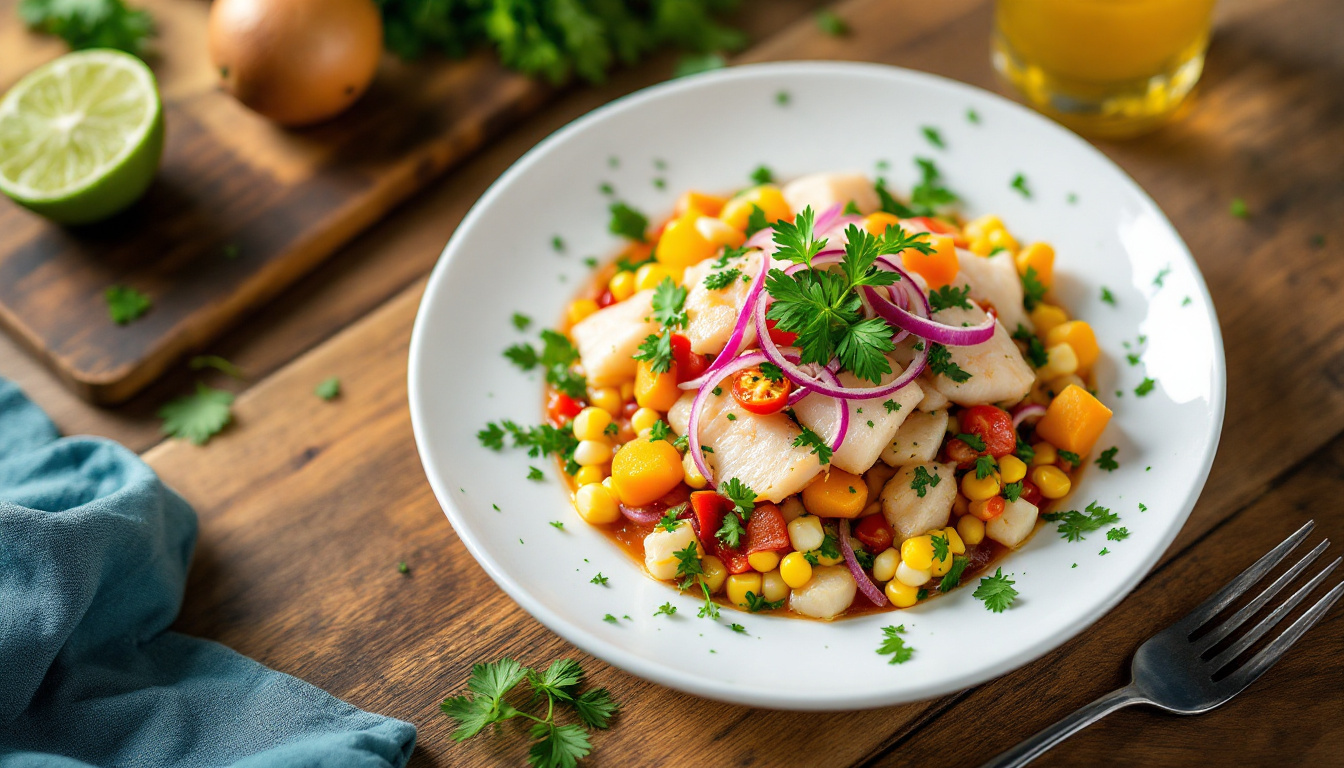
Ceviche
The national dish, and Lima does it best. Fresh raw fish cured in lime juice with red onion, chili, and salt, served with choclo (giant corn), sweet potato, and cancha (toasted corn nuts). It is bright, sharp, and alive. Always eat it at lunch, when the fish is freshest, never at night. When you want your seafood cooked rather than cured, order arroz con mariscos, a glistening, aji-stained rice loaded with prawns, squid, and mussels, Peru’s answer to paella.
Leche de tigre and tiradito
Leche de tigre is the citrusy, spicy marinade left over from ceviche, served as a shot and famed as a hangover cure and aphrodisiac. Tiradito is ceviche’s Japanese-influenced cousin: fish sliced sashimi-thin and dressed in a chili-lime sauce, no onion. Both show off the city’s love of raw seafood.
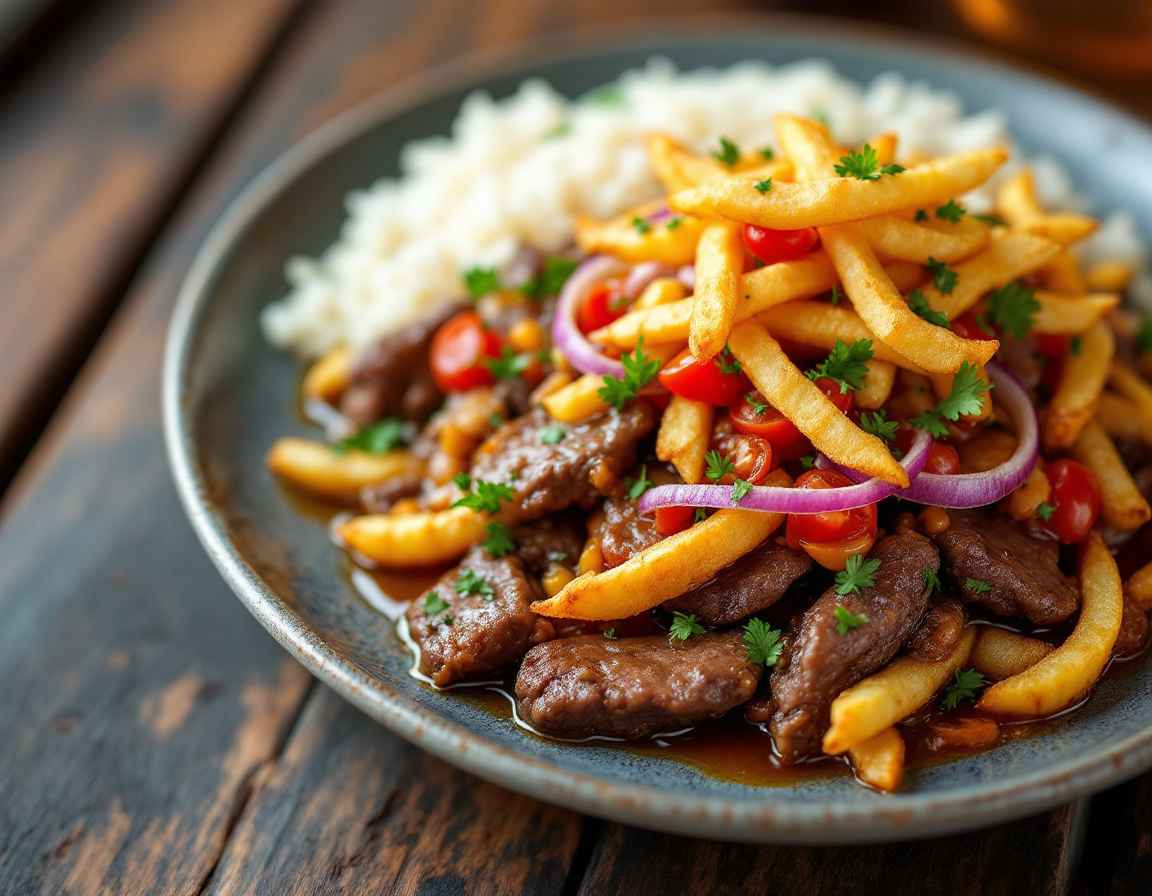
Lomo saltado
The dish that explains Lima. Strips of beef stir-fried in a wok with onion, tomato, soy sauce, and aji amarillo, piled with crispy fries and served alongside rice. It was born when Chinese immigrants met Peruvian ingredients, and it is the definitive chifa-influenced plate.
Aji de gallina
Shredded chicken in a creamy, mildly spicy sauce of aji amarillo, bread, walnuts, and cheese, served over rice and potato. Comfort food at its most Limeno, rich and gently warming.
Anticuchos
Skewers of marinated beef heart grilled over charcoal at street carts, smoky and tender, served with potato and a fierce aji sauce. The great Lima street food, especially at night, and a star of any list of the world’s best food cities. For the truly adventurous, the city’s cuyerias serve cuy (guinea pig), more an Andean specialty than a Lima one, but on the menu if you want to try it once.
Causa and papa a la huancaina
Peru has thousands of potato varieties and shows them off here. Causa is a chilled layered cake of mashed yellow potato spiked with lime and aji, filled with chicken, tuna, or avocado. Papa a la huancaina is sliced potato under a creamy aji-cheese sauce. And papa rellena is the street-food version: a whole potato mashed around spiced minced meat, then breaded and deep-fried. Causa and papa a la huancaina are vegetarian-friendly highlights from our vegetarian and vegan guide.
Chifa
Peruvian-Chinese cooking, born of Cantonese immigration, is a cuisine of its own. Order arroz chaufa (Peruvian fried rice), wonton soup, and tallarin saltado in the chifa restaurants of the Barrio Chino. It is everyday Lima eating at its most beloved.
Nikkei cuisine
The fusion of Japanese technique and Peruvian ingredients, the food that helped make Lima world-famous. Think maki rolls with aji, tiradito, and delicate raw fish dishes. A more refined side of the city, but rooted in the same markets. This is where Lima’s restaurant fame was forged: Maido, chef Mitsuharu Tsumura’s nikkei temple, has topped the World’s 50 Best list, and Osaka and Hanzo serve the style at a more accessible level.
Pollo a la brasa
Peruvian rotisserie chicken, marinated and slow-roasted until the skin is lacquered and crisp, served with fries and a battery of green and yellow aji sauces. The Sunday-dinner favorite of every Lima family.
Sanguches: chicharron sandwich and butifarra
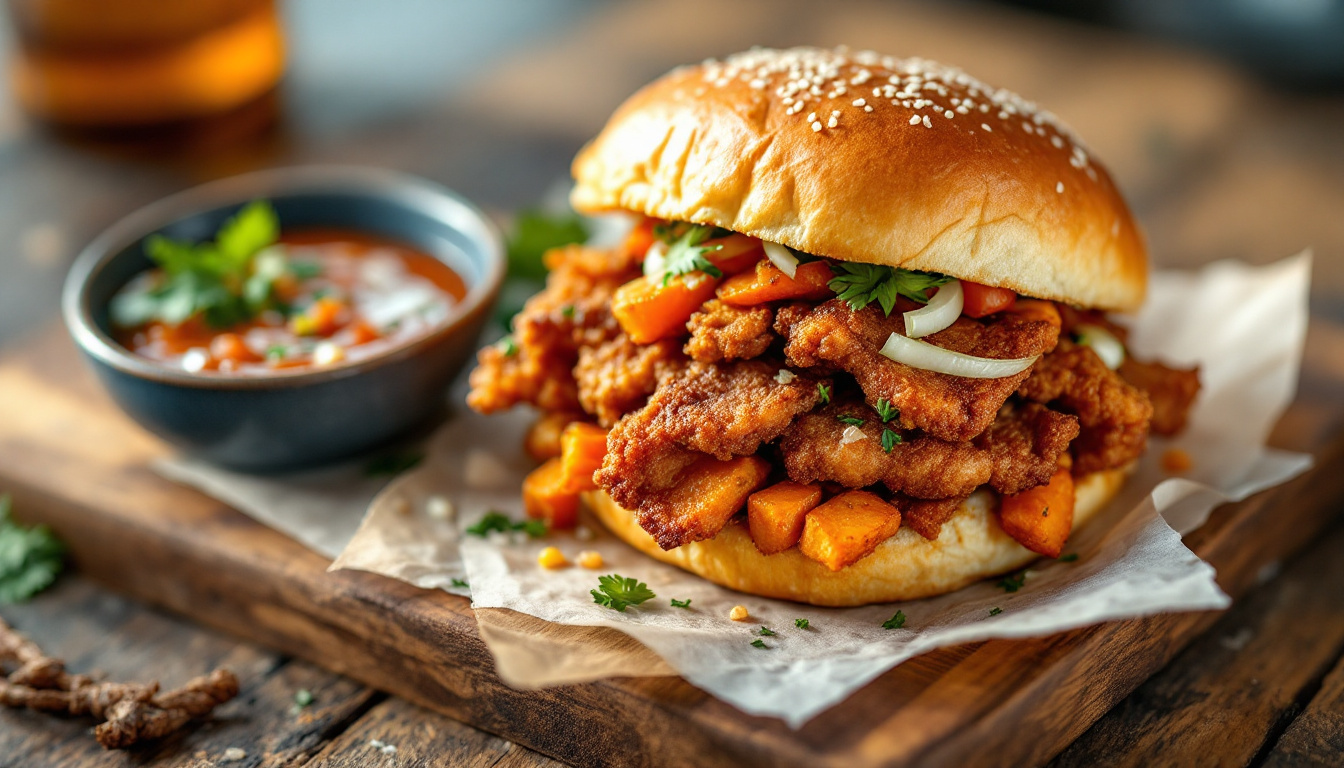
Lima takes its sandwiches seriously, and the sangucheria is an institution. The classic is the chicharron sandwich: slabs of crisp fried pork piled into a roll with sweet potato and salsa criolla (lime-onion relish), eaten for breakfast or after a long night. The butifarra is its elegant cousin, thin slices of jamon del pais (Peruvian country ham) with the same sharp onion. Chase one down at La Lucha in Miraflores or the legendary El Chinito, where Limenos have queued for decades.
Picarones and suspiro a la limena
To finish: picarones are squash-and-sweet-potato doughnut rings fried and drenched in spiced molasses syrup, sold from street stalls. Suspiro a la limena is a rich caramel and meringue dessert, sweet enough to make you sigh, which is how it got its name. For something more everyday, ask for el combinado: a glass layering mazamorra morada (a spiced purple-corn pudding) with arroz con leche (cinnamon rice pudding), the classic two-tone Lima sweet.
Pisco sour and chicha morada
The pisco sour, made with Peru’s grape brandy, lime, egg white, and bitters, is the national cocktail and a point of fierce pride. Alongside it, chicha morada is a sweet, spiced purple-corn drink that goes with everything. And then there is Inka Kola, the fluorescent-yellow, bubblegum-sweet national soda that outsells Coca-Cola here, a Peruvian icon you have to taste at least once.
Best neighborhoods to eat in Lima
Where you eat in Lima shapes the meal. Each district has its own strengths.
Barranco. The bohemian, seaside arts district, home to some of the city’s best modern restaurants, anticucho carts, and bars, all walkable. It is also home to Central, chef Virgilio Martinez’s tasting-menu landmark that has ranked number one in the world, and Isolina, the beloved taberna for criollo home cooking.
Miraflores. The polished coastal neighborhood with cevicherias, nikkei spots, and clifftop views over the Pacific. Pricier, but reliable and central. This is where you will find La Mar, Gaston Acurio’s lunch-only cevicheria, his flagship Astrid y Gaston, and the warm criollo grill of Panchita.
Surquillo market. The great food market just over the bridge from Miraflores, where chefs shop and the market stalls serve some of the freshest, cheapest ceviche in the city.
Barrio Chino. Lima’s Chinatown near the historic center, the heartland of chifa, with bustling restaurants serving Peruvian-Chinese classics.
Callao. The old port, where the seafood is landed and the cevicherias are at their most authentic, increasingly an arts and food destination of its own.
How much food costs in Lima
Lima spans street-cheap to world-class splurge. Market ceviche and menus are excellent value, while the famous fine-dining scene is a different budget. Prices below are 2026, in US dollars; Peru uses the sol, at roughly S/3.7 to the dollar:
| Item | Typical price | Where |
|---|---|---|
| Anticucho skewer | ~$1 to $2 | Street cart |
| Picarones | ~$2 to $3 | Street stall |
| Market ceviche | ~$3 to $6 | Surquillo market |
| Menu del dia (set lunch) | ~$3 to $6 | Local restaurant |
| Lomo saltado | ~$6 to $10 | Restaurant |
| Ceviche at a cevicheria | ~$8 to $15 | Cevicheria |
| Pisco sour | ~$4 to $8 | Bar |
| Tasting menu | ~$150 to $300 | Central, Maido |
The menu del dia, a set lunch of soup, a main, and a drink, is the best value in Lima and how most of the city eats midday. For more destinations like this, see our best food cities in the world guide.
Lima food tips that matter
A few habits make a Lima food trip far better.
- Eat ceviche at lunch. Cevicherias serve the day’s fresh catch and often close by mid-afternoon. Ceviche for dinner is a red flag.
- Go to the market. Surquillo and the port at Callao serve some of the best, cheapest seafood in the city. Eat where the chefs shop.
- Try the menu del dia. The set lunch is how Lima eats on a budget, a full meal for a few dollars at neighborhood spots.
- Embrace the fusion. Chifa and nikkei are not gimmicks, they are core Lima cuisine. Order arroz chaufa and a tiradito with confidence.
- Drink the aji with respect. The yellow and green chili sauces are addictive but can be fierce. Taste before you pour. Our food etiquette guide has more.
Frequently asked questions
What food is Lima famous for?
Lima is famous for ceviche, the national dish of lime-cured raw fish, along with lomo saltado, aji de gallina, anticuchos, causa, and the fusion cuisines of chifa (Peruvian-Chinese) and nikkei (Peruvian-Japanese), finished with a pisco sour.
Why is Lima considered the food capital of South America?
Lima blends Andean, Spanish, African, Chinese, and Japanese traditions into one cuisine, draws on cold Pacific seafood and thousands of potato and chili varieties, and is home to some of the world’s most acclaimed restaurants alongside brilliant cheap eats.
When should I eat ceviche in Lima?
At lunch. Traditional cevicherias serve the morning’s fresh catch and many close by mid-afternoon. Ceviche eaten at lunch is at its freshest, and locals consider dinner ceviche a sign the fish is not fresh.
What is chifa food?
Chifa is Peruvian-Chinese cuisine, created by Cantonese immigrants who adapted their cooking to Peruvian ingredients. Classics include arroz chaufa (fried rice), tallarin saltado (stir-fried noodles), and wonton soup, eaten in the chifa restaurants of Lima’s Barrio Chino.
Is food cheap in Lima?
It can be very cheap. Street anticuchos, market ceviche, and the menu del dia set lunch cost just a few dollars. Lima also has a famous high-end dining scene that costs far more, so the range is wide.
What is the best area to eat in Lima?
Barranco for modern restaurants and bars, Miraflores for cevicherias and nikkei with ocean views, Surquillo market and the port of Callao for the freshest cheap seafood, and Barrio Chino for chifa.
Do I need a reservation for Central or Maido?
Yes. Lima’s world-ranked restaurants, especially Central and Maido, book out weeks or months ahead, so reserve online two to four months before your trip. If you cannot get a table, La Mar, Isolina, and Panchita take you a long way into Lima’s great food for far less and far easier.
What is Peru’s national dish?
Ceviche, lime-cured raw fish with onion, chili, corn, and sweet potato, is the national dish and even has its own official day in Peru. Lomo saltado and pollo a la brasa are the everyday favorites Peruvians eat most often.
Should I try cuy (guinea pig) in Lima?
If you are curious, yes, once. Cuy is really an Andean dish (it is far more common in Cusco and Arequipa), but Lima cuyerias serve it roasted or fried. Expect rich, gamey meat and very little of it on small bones, more a cultural experience than an everyday meal.
More food guides waiting for you
Country and city deep dives across every continent we have eaten our way through.