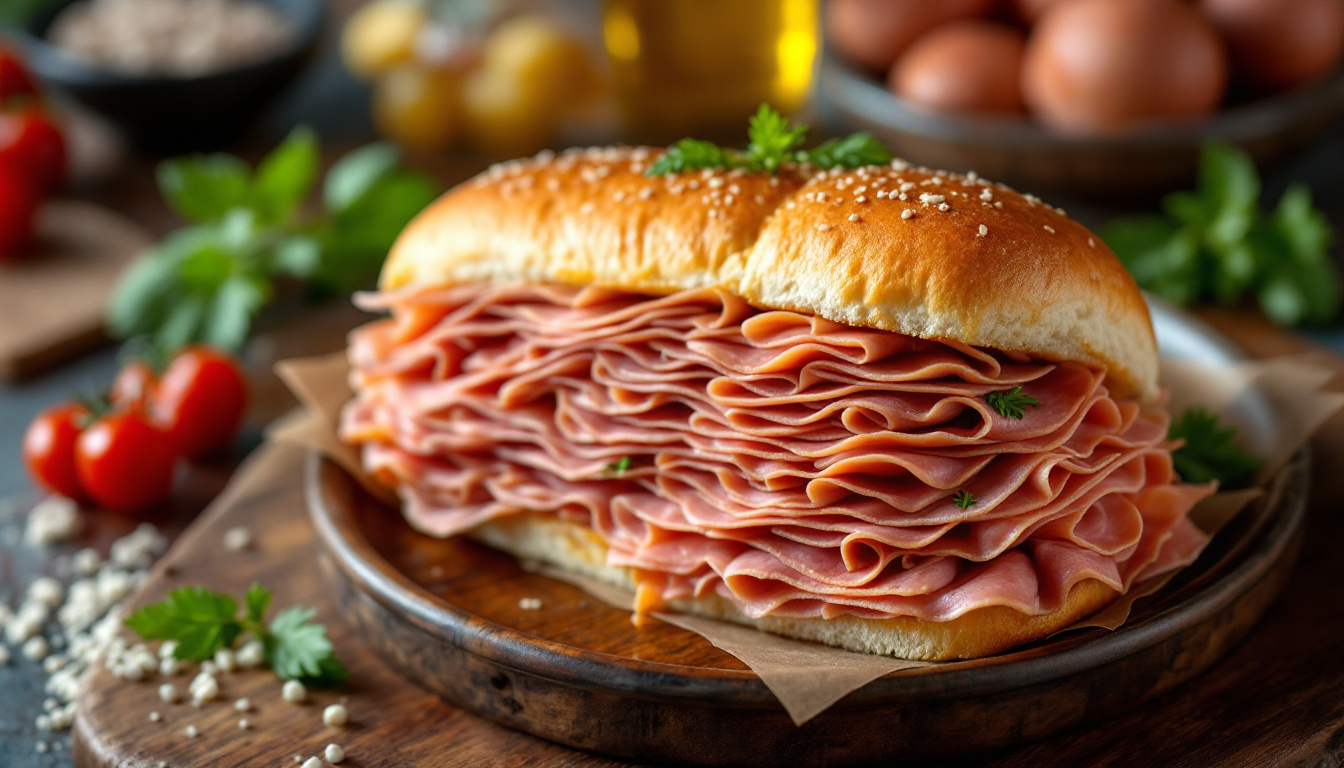
The best food in Rio de Janeiro is street food and beach food first, restaurant food second. This is a city that eats standing at a boteco counter, walking a sandy beach with a vendor’s cry of “mate, mate, Globo,” and gathering for a slow Saturday feijoada that lasts all afternoon.
Rio is not a fine-dining city, and it is better for it. A great Carioca food day runs from a buttered pao na chapa and strong coffee at the corner padaria, through a one-dollar coxinha and an icy chopp at lunch, to grilled meat skewers and a caipirinha after dark. Eat the way Cariocas do, from beach kiosks to corner bars to the churrascaria, and Rio feeds you as well as any city in Brazil.
Rio sits among the great Latin American food cities, a natural next stop after our Brazil country guide and our city deep dive on Lima. Use this as the Rio-level street and beach food guide.
What food to eat in Rio de Janeiro
The food to eat in Rio de Janeiro starts with feijoada, churrasco, and the snacks of the boteco bar. Carioca cooking is hearty, meat-heavy, and built for sharing, with Portuguese roots and African and indigenous Brazilian flavors layered in. Order a spread of these and you have eaten the city.
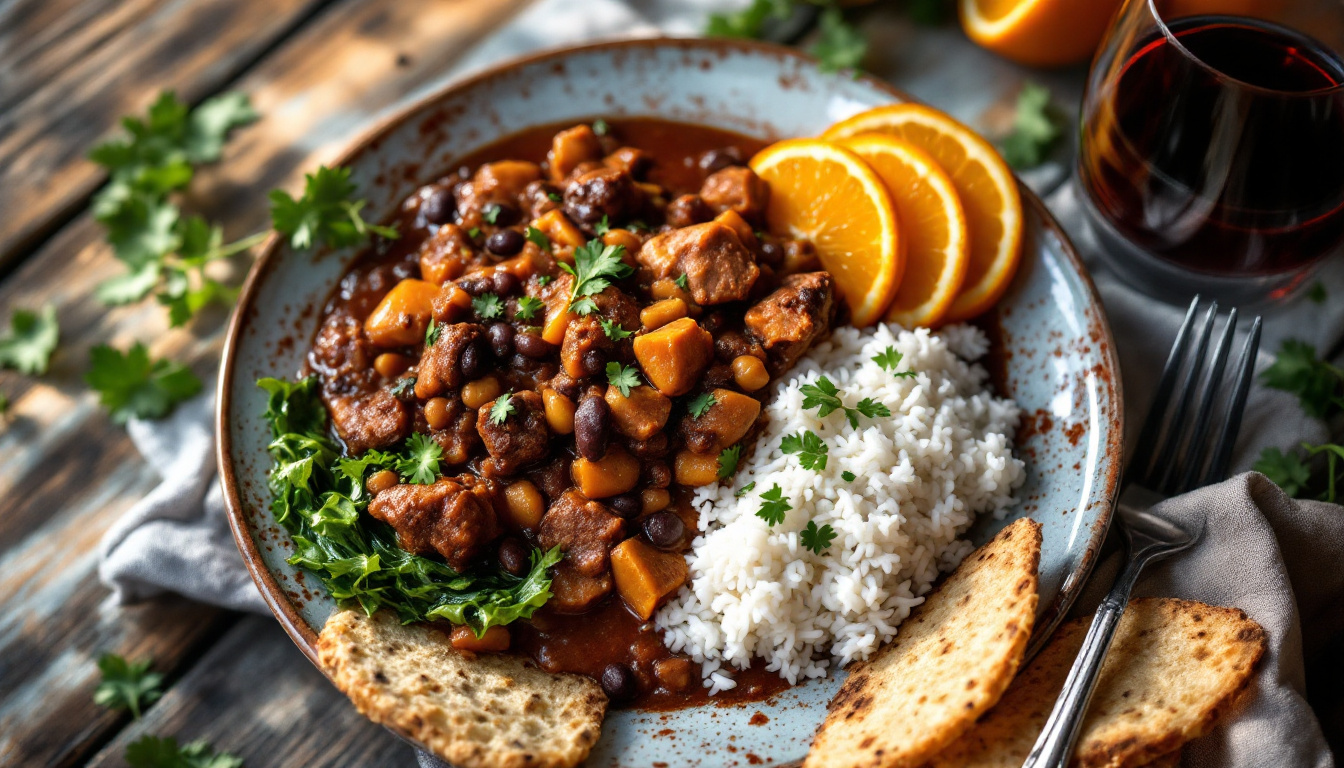
Feijoada
Feijoada is Brazil’s national dish and the centerpiece of a Rio weekend. A slow-cooked stew of black beans and many cuts of pork, it is served with rice, sauteed collard greens (couve), farofa (toasted cassava flour), orange slices, and a splash of hot sauce. Cariocas traditionally eat it at lunch on Wednesdays and Saturdays, because it is heavy enough to end your day. Go hungry and plan a nap after.
Churrasco and picanha
Churrasco is Brazilian barbecue, and in Rio it means a churrascaria where waiters carve skewered meats at your table until you surrender. The cut to chase is picanha, the prime rump cap, salted simply and grilled over coals so the fat cap crisps. A rodizio (all-you-can-eat) churrascaria is a splurge by Rio standards but a defining meal. For the steak-first version of this cuisine, see our Argentina guide.
Pao de queijo
Pao de queijo are warm cheese bread balls made from cassava starch and cheese, crisp outside and chewy inside. They are naturally gluten-free, sold everywhere from bakeries to bus stations, and eaten all day with coffee. A bag of fresh, hot ones is the easiest happy snack in Brazil.
Moqueca
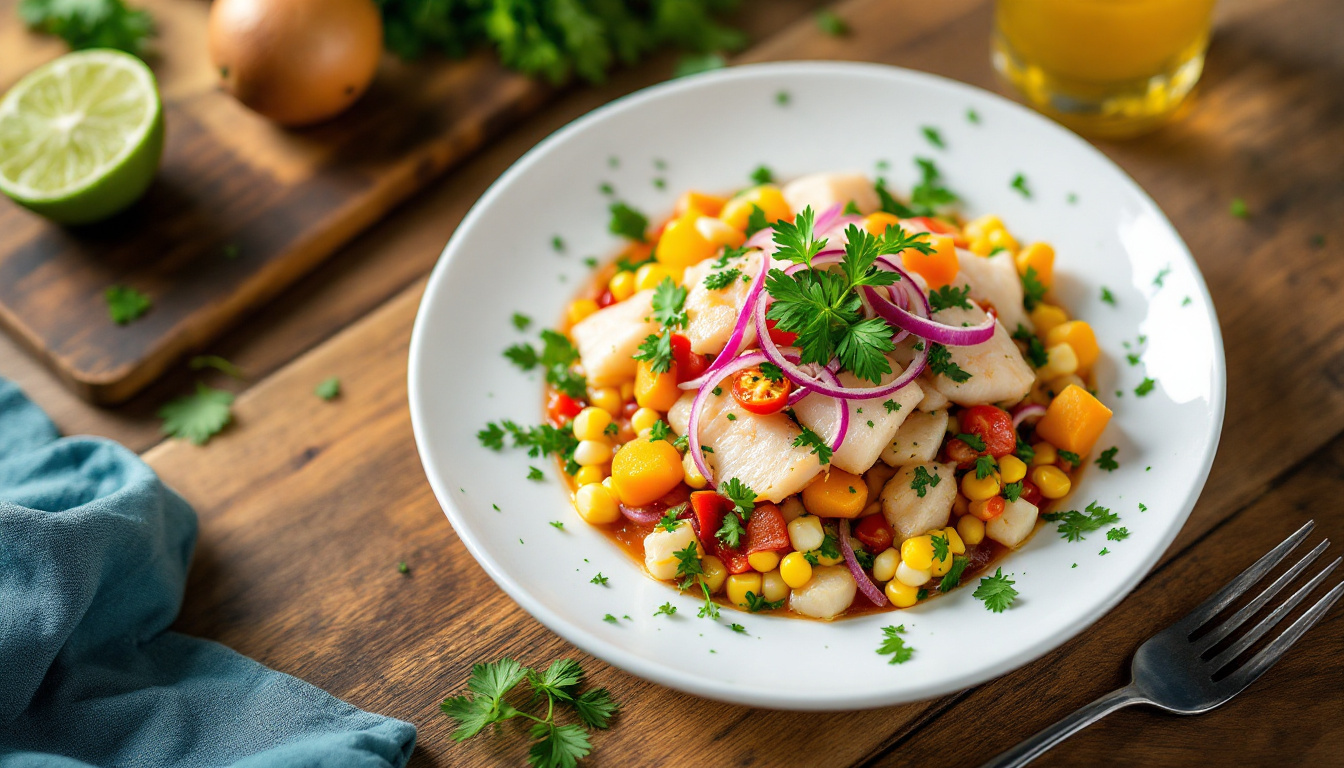
Moqueca is a fragrant seafood stew of fish or prawns simmered with tomato, onion, coriander, palm oil (dende), and coconut milk, served bubbling in a clay pot with rice. Its home is the coast north of Rio, in Bahia and Espirito Santo, but Rio restaurants serve excellent versions. It is the brightest, most aromatic dish in the Carioca repertoire and a friend to anyone avoiding red meat.
Brigadeiro and other sweets
Brigadeiro is Brazil’s beloved chocolate fudge ball, made from condensed milk, cocoa, and butter, rolled in chocolate sprinkles. It appears at every birthday and bakery counter in Rio. Save room too for quindim, a glossy coconut-and-egg-yolk custard, and a slice of bolo de fuba (cornmeal cake) with afternoon coffee.
Caipirinha and chopp
The caipirinha is Brazil’s national cocktail, made with cachaca (sugarcane spirit), lime, and sugar over ice, sharp and deceptively strong. Alongside it, chopp is unpasteurized draft beer poured ice-cold with a thick head, the default drink of any Rio boteco. Order a caipirinha at the beach and a chopp at the bar, and you have the two drinks Rio runs on.
What street food should you eat in Rio?
The street food to eat in Rio is the boteco snack and the beach vendor’s tray: coxinha, pastel, biscoito Globo with iced mate, and a thick acai bowl. These are cheap, sold all day, and where the real Carioca eating happens. Here is the quick cheat sheet, with rough prices as of 2026 (they vary by neighborhood and beach).
| Street snack | What it is | Typical price | Where to find it |
|---|---|---|---|
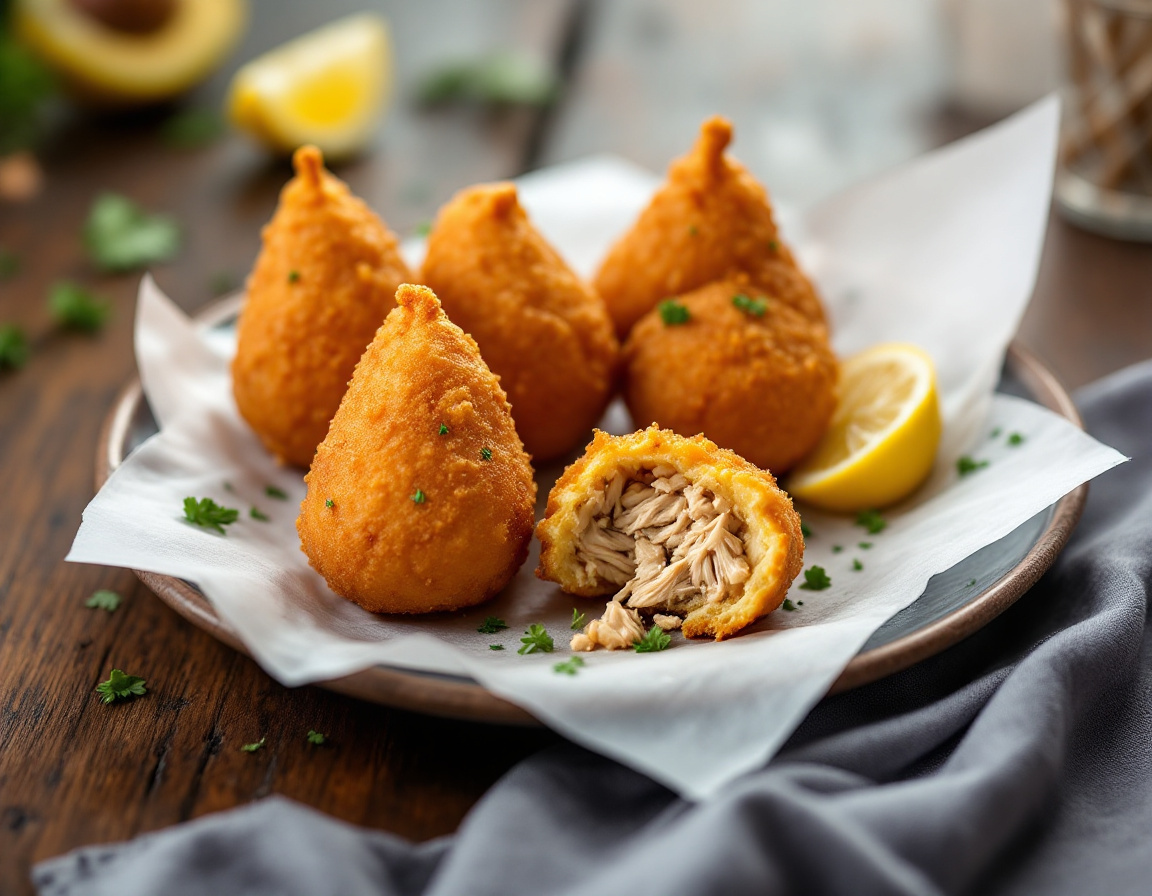
| Coxinha | Teardrop fried dough filled with shredded chicken | ~$1 to $2 | Botecos, bakeries |
| Pastel | Crisp fried pastry pocket, meat, cheese or palm heart | ~$1 to $3 | Street markets (feiras) |
| Biscoito Globo + mate | Puffy cassava ring crackers with sweet iced mate tea | ~$1 to $3 | Copacabana and Ipanema beaches |
| Acai na tigela | Frozen acai bowl with banana and granola | ~$3 to $6 | Beach kiosks, juice bars |
| Tapioca | Cassava-starch crepe, sweet or savory | ~$2 to $4 | Markets, street stalls |
| Bolinho de bacalhau | Crisp salt cod fritters | ~$2 to $5 | Botecos |
| Queijo coalho | Firm cheese grilled on a stick, squeaky and golden | ~$2 to $4 | Beach vendors with charcoal tins |
| Cachorro-quente | Loaded Rio hot dog with corn, potato sticks and sauces | ~$2 to $4 | Street carts (podrao) |
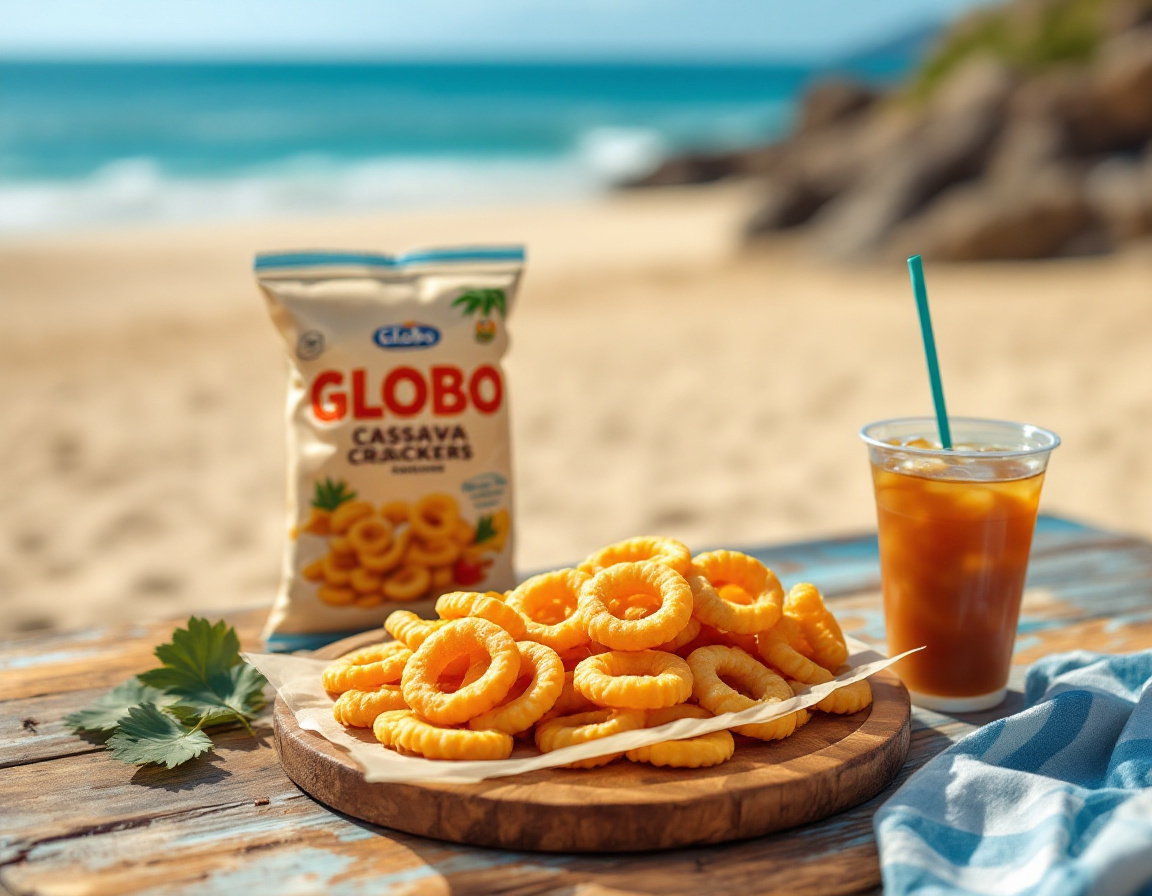
Biscoito Globo and mate are the most Rio thing you can eat. Vendors walk Copacabana and Ipanema all day selling bags of the light, salty-sweet cassava rings and pouring iced mate from steel tanks on their backs. It costs almost nothing, tastes like the beach, and exists nowhere else in the world the way it does here. Do not leave Rio without it.
Acai in Rio is its own thing. Served as a thick, cold, almost sorbet-like bowl, it is usually sweetened with guarana syrup and topped with banana and granola, eaten after the beach or the gym rather than as a health food. It is closer to dessert than the purple smoothie sold abroad, and far better. These snacks earn Rio a place among the world’s best food cities in the world.
Queijo coalho is the taste of a Rio beach afternoon. Vendors walk Copacabana and Ipanema with a small charcoal tin, calling out “olha o queijo,” and grill a skewer of firm, salty cheese to order right in front of you. It squeaks against your teeth, chars golden at the edges, and costs a couple of dollars, the cheese equivalent of the biscoito Globo. On the street rather than the sand, look for the cachorro-quente, Rio’s gloriously overloaded hot dog (the podrao): a sausage buried under corn, peas, shoestring potato sticks, grated cheese, and a slick of tomato sauce, a full messy meal for the price of a snack.
Where to eat in Rio de Janeiro
Where you eat in Rio shapes the meal, because each neighborhood has its own food personality. Here is where to go for what.
Copacabana and Ipanema. The beach zones are for kiosk (quiosque) eating: biscoito Globo and mate from walking vendors, acai bowls, fresh coconut water, and casual seafood and chopp at the beachfront kiosks. Easy, sunny, and central.
Lapa. Rio’s nightlife heart is the place for late food and live samba. Botecos spill onto the street under the arches, grilling skewers and pouring caipirinhas, and the eating runs well past midnight on weekends.
Santa Teresa. The bohemian hilltop neighborhood is for a slower meal, with characterful botecos and restaurants tucked along its cobbled streets, good for an unhurried lunch with a view.
Centro and Saara. Downtown is a weekday lunch district, home to historic stand-up botecos and, around the Saara market streets, cheap Middle Eastern and Brazilian snacks. Best Monday to Friday, quiet on weekends.
CADEG and the markets. For a food-market morning, head to CADEG in Benfica, a wholesale market with beloved Portuguese-Brazilian botecos famous for sardines and cold beer, where Cariocas go for a long, boozy lunch.
How much does food cost in Rio?
Food in Rio runs from pocket change to a proper splurge, and you eat well at every level. Street snacks and the set lunch (prato feito) cost a few dollars, while a rodizio churrascaria is the big-ticket meal. These are rough US dollar prices as of 2026 and shift with the exchange rate (the Brazilian real trades around R$5.4 to the dollar), so treat them as ranges, not quotes.
| Item | Typical price | Where |
|---|---|---|
| Coxinha or pastel | ~$1 to $3 | Boteco or market |
| Biscoito Globo + mate | ~$1 to $3 | Beach vendor |
| Chopp (draft beer) | ~$2 to $4 | Boteco |
| Prato feito (set lunch) | ~$5 to $9 | Lanchonete |
| Caipirinha | ~$3 to $6 | Bar or beach |
| Feijoada | ~$8 to $16 | Restaurant |
| Picanha rodizio | ~$15 to $35 | Churrascaria |
The prato feito, a set plate of rice, beans, a protein, and salad, is the best value in Rio and how most of the city eats lunch. For more destinations like this, see our best food cities in the world guide.
Rio food tips that matter
A few habits make a Rio food trip far better and safer.
- Eat feijoada at lunch, not dinner. It is a heavy midday meal, traditionally Wednesdays and Saturdays, and locals rest after it rather than eat it before a night out.
- Live on the boteco. The corner bar is the heart of Carioca eating: cold chopp, fried snacks, and grilled bites for a few dollars. Order what the regulars are having.
- Carry small cash for the beach. Walking vendors and kiosks deal in small notes and coins, and some do not take cards. Keep a little cash and leave valuables at the hotel.
- Try the acai cold and thick. Order it the Rio way, as a frozen bowl with banana and granola, not as a thin smoothie.
- Vegetarians, lean on the sides. Pao de queijo, cheese pastel, tapioca, rice and beans, and acai are easy meat-free wins. Our vegetarian and vegan guide has more, and our food etiquette guide covers the table manners.
Frequently asked questions
What food is Rio de Janeiro famous for?
Rio de Janeiro is famous for feijoada (black bean and pork stew), churrasco barbecue and picanha steak, and street and beach snacks like coxinha, pastel, biscoito Globo with iced mate, and thick acai bowls, all washed down with caipirinhas and ice-cold chopp.
What street food should I eat in Rio?
Start with coxinha (fried chicken croquettes), pastel (crisp fried pastries), biscoito Globo and iced mate from beach vendors, acai na tigela, and tapioca crepes. Most cost between one and four dollars and are sold all day at botecos, markets, and beach kiosks.
When do Cariocas eat feijoada?
Traditionally at lunch on Wednesdays and Saturdays. Feijoada is a heavy, slow-cooked stew, so it is eaten midday with time to relax afterward, not as a quick or late-night meal.
Is food in Rio expensive?
It can be very cheap. Street snacks, the prato feito set lunch, and draft beer cost only a few dollars. A rodizio churrascaria is the main splurge, so the range from beach snack to steak feast is wide.
What is biscoito Globo?
Biscoito Globo are puffy, ring-shaped crackers made from cassava starch, sold in bags by vendors walking Copacabana and Ipanema beaches, usually paired with sweet iced mate tea. Light and salty-sweet, they are an icon of Rio beach culture found almost nowhere else.
What is the best area to eat in Rio?
Copacabana and Ipanema for beach-kiosk snacks, Lapa for late-night botecos and grilled skewers, Santa Teresa for a slow neighborhood lunch, Centro for weekday stand-up botecos, and CADEG in Benfica for a market lunch of sardines and beer.
More food guides waiting for you
Country and city deep dives across every continent we have eaten our way through.